Ontario Sturgeon Catch and Release Rules
Imagine you're out on the water, having a fantastic day of fishing, when suddenly your line goes taut, and you feel the unmistakable power of a truly massive fish. You fight it, reel it in, and as it breaks the surface, your heart leaps—it's a sturgeon! But then, a wave of anxiety hits: what are the rules for these majestic, ancient fish? Many anglers find themselves in this exact situation, unsure of the proper steps to take to protect these vulnerable creatures while also staying within the law. This comprehensive guide is here to walk you through everything you need to know about Ontario's sturgeon catch and release rules, ensuring you're prepared for this incredible, yet delicate, encounter.
Understanding the Sturgeon's Protected Status in Ontario
Catching a sturgeon in Ontario is a truly special event, primarily because these fish are a protected species. Unlike many other game fish where you might have a bag limit or a specific season, sturgeon, particularly the Lake Sturgeon, are managed with a strong emphasis on conservation due to their vulnerable status. This isn't just a suggestion; it's a critical regulation designed to help these long-lived, slow-reproducing fish recover their populations. Knowing their protected status is the first step in understanding why catch and release is not just encouraged, but legally mandated across the province.
Why Lake Sturgeon are Vulnerable
The story of the Lake Sturgeon in Ontario is one of both historical abundance and significant decline. These incredible fish, often called "living fossils" because they've been around for millions of years, can live for over 100 years and grow to immense sizes, sometimes exceeding six feet in length and weighing hundreds of pounds. However, their slow growth rate and late maturity—females might not spawn until they are 20-30 years old, and then only every few years—make them extremely susceptible to overfishing and habitat loss. Historically, commercial fishing and dam construction severely impacted their numbers, leading to their current designation as a provincially protected species. It's a stark reminder that our actions on the water have long-term consequences, and why every single sturgeon caught must be handled with the utmost care.
The Legal Mandate for Catch and Release
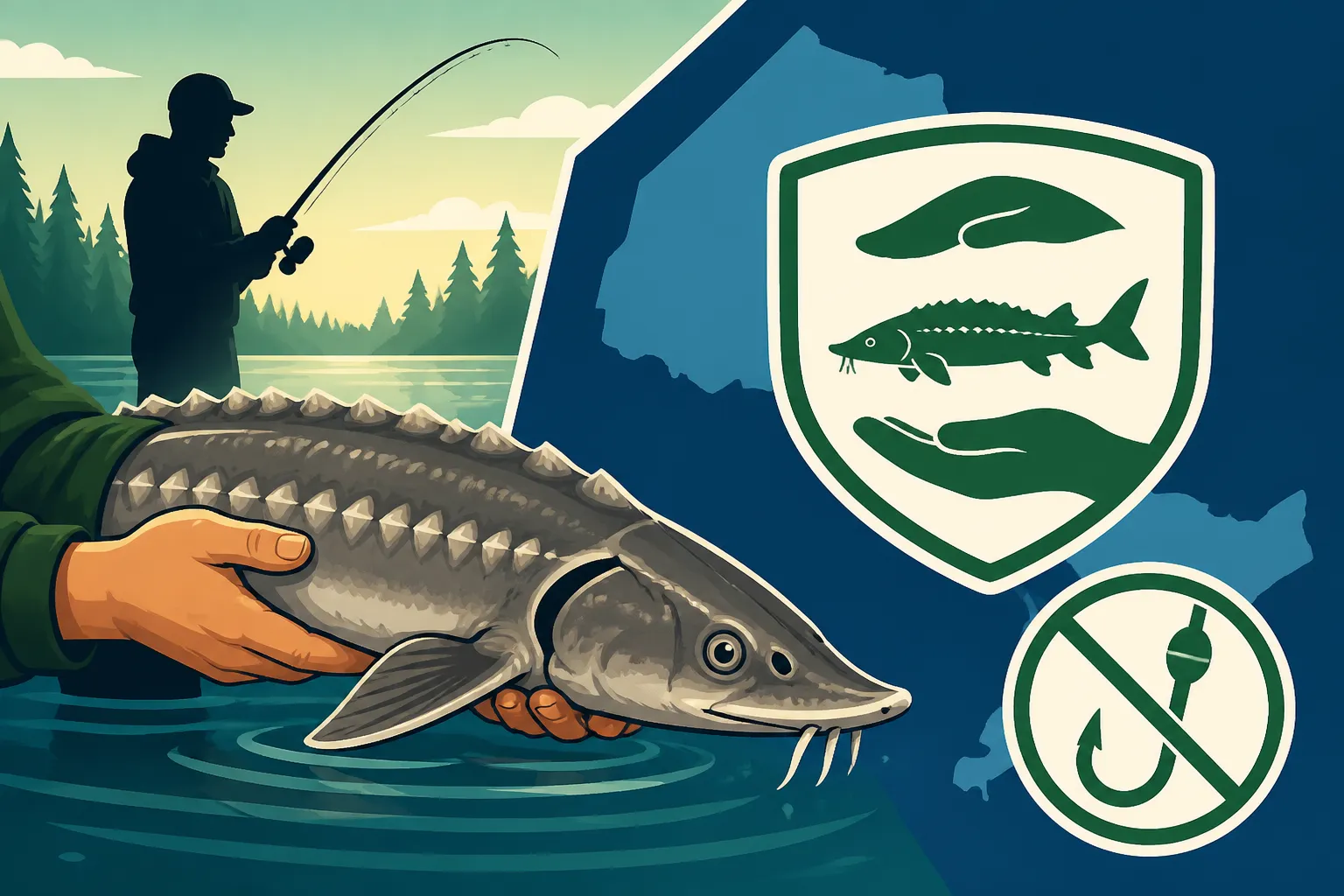
Because of their vulnerable status, it is illegal to harvest Lake Sturgeon in Ontario. This means that if you catch one, you must release it immediately, carefully, and in a manner that maximizes its chances of survival. This isn't a suggestion; it's a firm regulation that applies to all recreational anglers, regardless of whether you have a Sport or Conservation Fishing License. There are no open seasons for sturgeon, no size limits, and absolutely no possession limits because the goal is zero harvest. Ignoring these rules can lead to significant penalties, including hefty fines and the loss of your fishing privileges. Understanding this legal mandate is paramount, as it informs every aspect of how we interact with these magnificent fish when they find their way to our lines. The Ministry of Natural Resources and Forestry (MNRF) takes the protection of these species very seriously, and ignorance of the law is rarely an excuse. If you're ever in doubt about specific regulations, it's always best to consult the official Ontario Fishing Regulations Summary.
Essential Gear and Techniques for Sturgeon Catch and Release
When you’re specifically targeting other species but might encounter sturgeon, or if you’re just fishing in known sturgeon waters, having the right gear isn't just about making the catch—it's about ensuring a safe and successful release. Using undersized or inappropriate tackle can prolong the fight, exhaust the fish, and ultimately reduce its chances of survival after release. A little preparation goes a long way in being a responsible angler and protecting these ancient giants.
Recommended Rods, Reels, and Line
Fishing for sturgeon requires robust gear, even if you’re not targeting them directly. These are powerful fish, and a light walleye setup simply won't cut it without causing undue stress to both you and the fish. You'll want a heavy-action rod, typically 7-9 feet long, paired with a large, strong spinning or baitcasting reel that has a smooth drag system. The drag is crucial; it allows the fish to take line when it surges, preventing the line from snapping and helping to tire the fish out gradually rather than through brute force.
For line, braided line in the 50-80 pound test range is highly recommended. Braid offers incredible strength, minimal stretch, and excellent sensitivity, which are all assets when fighting a large, powerful fish like a sturgeon. Pair your braid with a strong, abrasion-resistant monofilament or fluorocarbon leader, at least 60-80 pound test, for the last few feet. This leader provides an extra layer of protection against the sturgeon's rough skin and powerful head shakes, and is less visible to the fish. If you're looking for heavy-duty line or specialty leaders, you can often find a good selection on online retailers like Amazon. The goal is to land the fish as quickly and safely as possible without over-stressing it, and appropriate tackle is the foundation of that goal.
Hook Selection and Terminal Tackle
Hook selection is perhaps one of the most critical aspects of sturgeon catch and release. Barbless hooks are not only strongly recommended but are often mandated in specific regulations for catch-and-release fisheries to minimize harm to the fish. For sturgeon, even if not explicitly mandated for all species in all zones, using a barbless hook, or flattening the barb on a standard hook with pliers, is a best practice. This allows for quick and easy removal, reducing the time the hook is in the fish and the potential for tissue damage.
Choose a strong, large, single hook—sizes 5/0 to 8/0 are common—that is appropriate for the bait you're using. Circle hooks are particularly effective for sturgeon as they tend to hook in the corner of the fish's mouth, minimizing deep hooking and making removal much easier. Avoid treble hooks entirely, as they cause excessive damage and are notoriously difficult to remove from large, thrashing fish. Your terminal tackle should also be robust, including heavy-duty swivels and snaps if you're using them, to prevent failure during the fight. A sturdy leader, as mentioned earlier, is essential to absorb shock and protect against abrasion. Thinking about your terminal tackle from a catch-and-release perspective, rather than just a catching perspective, is a mindset shift that benefits both the fish and the angler.
The Proper Way to Handle a Sturgeon: From Hookset to Release
So, you've hooked a sturgeon! Now the real work begins. The moments from hookset to release are critical for the fish's survival, and every action you take can make a difference. These are not small, delicate fish, and their handling requires a specific approach that prioritizes their well-being above all else. Rushing or improper handling can lead to injuries that might not be immediately apparent but can prove fatal later.
Fighting the Fish Efficiently and Safely
Once you've hooked a sturgeon, your primary goal is to land it as quickly and efficiently as possible, but without 'horsing' it in. This means maintaining steady pressure and letting the drag do its job. A prolonged fight can completely exhaust a sturgeon, making it difficult for it to recover after release. Keep your rod tip up, pointing towards the fish, and reel down steadily when the fish isn't pulling line. If the fish makes a strong run, let it take line, but be ready to regain line when it stops.
The key is to avoid fighting the fish to absolute exhaustion. As the fish gets closer to the boat or shore, guide it into shallower, calmer water if possible. Try to avoid letting the fish thrash wildly at the surface, especially if it's a larger specimen, as this can cause physical injury to the fish and also to you. Patience and controlled effort are your best allies here. Remember, you're not just landing a fish; you're preparing for a safe and successful release.
Safe Landing and On-Board Handling Techniques
Bringing a sturgeon into the boat or onto shore requires careful planning. For larger sturgeon, a very large landing net designed for muskellunge or pike can be useful, but even these might be too small for truly massive specimens. Ideally, you should avoid netting a sturgeon if possible, as their large, bony scutes can get tangled, causing damage to the fish and your net. A better approach is to use a specific sturgeon cradle or a sturdy, wet handling mat if you plan to bring it aboard for a quick photo.
If you must bring it into the boat, ensure you have a clean, wet surface for it to lie on. Never lay a sturgeon directly on dry, hot boat deck surfaces, as this can strip their protective slime coat and damage their scales. If you're on shore, pull the fish gently into shallow water on a wet, sandy, or grassy bank, avoiding sharp rocks or abrasive surfaces. When handling a sturgeon, always support its entire body, especially if lifting it for a quick photo. Never lift a large sturgeon vertically by its head or tail alone, as this can cause severe internal damage to its spine and organs. Two people are often needed to safely lift and manage a larger sturgeon. Minimizing its time out of water is critical; ideally, a sturgeon should be out of the water for no more than 30-60 seconds. Having specialized gear like a large, rubberized landing net or an unhooking mat available from retailers like Amazon.ca can make a world of difference.
Hook Removal and Release Protocols
Once the sturgeon is safely contained or on a wet surface, the immediate next step is hook removal. With a barbless or crushed-barb hook, this should be relatively straightforward. Use a sturdy pair of long-nosed pliers or a hook remover tool to gently back the hook out. If the hook is deep, which is less likely with circle hooks, cut the line as close to the hook as possible. Do not yank or tear at the hook, as this will cause unnecessary damage.
Sturgeon Catch and Release Checklist
| Step | Description | Why It's Important |
|---|---|---|
| Fight Time | Land the fish as quickly as possible without over-stressing it. | Reduces exhaustion, improves post-release survival. |
| Landing Surface | Use a wet handling mat, cradle, or wet, soft ground. Avoid dry, abrasive surfaces. | Protects slime coat and scutes, prevents injury. |
| Handling | Support the entire body if lifting. Never lift vertically by tail or head. Keep horizontal. Minimize time out of water. | Prevents spinal/organ damage. Reduces stress and oxygen deprivation. |
| Hook Removal | Use long-nosed pliers or a hook remover. Pinch barbs if not already barbless. If deep-hooked, cut the line. | Minimizes tissue damage. Faster release. |
| Revitalization | Gently hold the fish upright in the water, facing into a mild current. Allow it to move its tail. | Helps gills recover, allows fish to regain strength before swimming off. |
| Observation | Release only when the fish is strong enough to swim away on its own power. Do not release a struggling fish into deeper water. | Ensures fish has best chance of survival. Prevents predation or drowning. |
After hook removal, the release is paramount. Gently guide the sturgeon back into the water. For larger fish, you'll need to hold them upright in the water, supporting their belly, and allow them to regain their strength. Often, this involves pointing their head into a gentle current to help oxygen flow over their gills. You'll feel them start to move their tail and eventually, they'll give a strong kick, indicating they're ready to swim off on their own power. Never simply toss a sturgeon back into the water; always ensure it is fully revitalized before letting it go. It's a moment of profound respect for these incredible creatures, ensuring they continue their long journey in Ontario's waters.
Legal Ramifications and Conservation Efforts
When we talk about Ontario's sturgeon catch and release rules, it’s not just about best practices; it's about adhering to laws that protect a vital part of our natural heritage. The legal framework surrounding sturgeon is stringent, and for good reason. Violating these rules carries significant consequences, reflecting the serious commitment to conservation. Understanding these legal implications is crucial for every angler who steps foot in Ontario's fishing zones.
Penalties for Non-Compliance
Let's be blunt: fishing without proper regard for regulations, especially concerning protected species like sturgeon, can lead to serious trouble. If you are caught harvesting a sturgeon, or even attempting to keep one, the penalties can be severe. Fines can range from hundreds to thousands of dollars, depending on the severity of the offense and whether it's a repeat violation. Beyond financial penalties, you could face confiscation of your fishing gear, your boat, and even your vehicle. More importantly, you could lose your fishing license and privileges for a significant period, potentially even for life.
The MNRF conservation officers are vigilant, and they patrol all fishing areas, from popular spots to remote waterways. They have the authority to enforce these rules, and they do so to protect these vulnerable populations. It's a stark reminder that knowing the rules, especially those pertaining to protected species, is not optional. For detailed information on potential fines and charges for specific offenses, you might want to look into the broader topic of Fishing Without a License in Ontario: Penalties. Ignorance is simply not a viable defense when it comes to species conservation.
The Role of Anglers in Sturgeon Conservation
As anglers, we are on the front lines of conservation. Our actions, or inactions, have a direct impact on the health and sustainability of fish populations. For sturgeon, our role is particularly critical. By diligently following catch and release protocols, minimizing stress on the fish, and ensuring a healthy release, we directly contribute to the survival and recovery of this species. This isn't just about avoiding penalties; it's about being responsible stewards of our natural resources.
Beyond proper handling, reporting any illegal activities, such as someone attempting to keep a sturgeon or witnessing gross mishandling, is another vital contribution. The MNRF's tip line is an important tool for enforcing these protections. Furthermore, supporting organizations that conduct sturgeon research and habitat restoration efforts helps secure their future. Every time you cast a line in Ontario, you become a part of a larger conservation story. Respecting specific regulations, like those for Ontario Lake Trout Limit and Possession Rules, for instance, extends to all species, fostering a culture of responsible angling. Your dedication to ethical angling helps ensure that future generations can also experience the thrill of encountering these ancient fish.
Common Mistakes to Avoid When Encountering Sturgeon
Catching a sturgeon can be exhilarating, but the excitement can sometimes lead to missteps if you’re not prepared. Being aware of common mistakes can help you react appropriately and ensure a positive outcome for both you and the fish. Many of these errors stem from a lack of awareness or simply not having the right tools on hand when a surprise catch occurs.
Misidentification and Keeping the Fish
One of the most critical mistakes an angler can make is misidentifying a sturgeon and mistakenly believing it's a legal catch. While Lake Sturgeon have a very distinctive, prehistoric appearance with their rows of bony scutes, shark-like tail, and barbels under a shovel-like snout, it's possible for inexperienced anglers to confuse them with other large bottom-dwelling fish in specific circumstances. Always take a moment to positively identify your catch. If there's any doubt, assume it's a protected sturgeon and proceed with immediate, careful release. The consequences of keeping a protected species far outweigh the brief moment of holding onto a questionable fish. Ontario has strict Ontario Bag and Possession Limits by Species which do not include sturgeon, reinforcing the need for correct identification.
Another aspect of misidentification can involve not realizing the fish you've caught is a sturgeon because of its size. Smaller, juvenile sturgeon, though still distinctly sturgeon-like, might not have the imposing presence of a mature adult, leading someone to perhaps believe it's a different species. Regardless of size, all sturgeon are protected. Always err on the side of caution.
Inappropriate Handling for Photos and Measurements
The temptation to get that "trophy shot" with a magnificent sturgeon is completely understandable. However, improper handling during photography or measurement is a leading cause of post-release mortality. Many anglers, excited by the catch, might lift the sturgeon vertically by its gills, jaw, or tail, or hold it by its head with its body hanging unsupported. As discussed earlier, these actions can cause severe internal damage. Dragging the fish across rocks or dry ground for a better photo angle is also detrimental, stripping its protective slime and causing abrasions.
If you absolutely must take a photo, prepare in advance. Have your camera ready, set up your wet handling mat, and plan how you'll support the fish horizontally with both hands, or with the help of a fishing buddy, just inches above the water or a wet surface. Keep the fish's time out of water to an absolute minimum – literally a few seconds. For measurements, use a flexible tape measure against the wet surface rather than trying to suspend the fish. Remember, the goal is to celebrate the catch while prioritizing the fish's survival. A quick, safe photo is far more ethical than a prolonged, potentially harmful one. Having a specialized long measuring board, which can sometimes be found online at Amazon, can help with quick and accurate measurements without stressing the fish.
Prolonged Fight Times and Improper Release
Another common mistake, often unintentional, is allowing the fight to drag on for too long. Using inadequate gear or simply not having the experience to quickly subdue a large fish can lead to excessive exhaustion for the sturgeon. A fish that is completely spent has a much lower chance of surviving once released, as it may not have the energy to recover from lactic acid buildup or avoid predators. Always aim to land the fish as efficiently as possible, especially if you're fishing in warmer water where oxygen levels are lower. This ties back to using appropriate tackle as discussed in Best Fishing Rods for Ontario Lakes.
Similarly, an improper release can negate all the careful handling that preceded it. Simply tossing a tired sturgeon back into the current, or releasing it head-first into deep water before it has fully recovered, are common errors. The revitalization process, where you gently hold the fish upright in the water until it's ready to swim off vigorously on its own, is absolutely crucial. Watch for strong tail movements and signs of responsiveness before letting go. A struggling fish released prematurely is highly vulnerable to predation or drowning, rendering your entire catch-and-release effort in vain.
Ontario Sturgeon Conservation: Past, Present, and Future
The journey of the Lake Sturgeon in Ontario is a testament to resilience, the impact of human activity, and the ongoing dedication to conservation. These incredible fish have faced immense challenges, but through concerted efforts, there is hope for their future. Understanding this broader conservation context helps reinforce the importance of every angler's role in their protection.
Historical Decline and Recovery Efforts
The story of Lake Sturgeon in Ontario is deeply intertwined with the province's industrial and agricultural development. In the late 19th and early 20th centuries, sturgeon populations plummeted due to unchecked commercial fishing, where they were harvested for their meat and roe (caviar). Adding to this pressure, their long migration routes to spawning grounds were often blocked by the construction of dams for hydroelectric power and logging operations. Pollution from growing industrial centers also took its toll on their habitats. These factors combined to decimate populations across many of their traditional ranges.
Recognizing the severe decline, conservation efforts began to gain traction in the mid-20th century. Fishing regulations were gradually introduced, and by the early 2000s, Lake Sturgeon were listed as a provincially protected species in Ontario, making harvest illegal. Recovery efforts today focus on habitat restoration, particularly removing or modifying barriers to migration, improving water quality, and public education. Organizations like the Ontario Federation of Anglers and Hunters (OFAH) and various local conservation authorities work alongside the MNRF to implement these strategies. The journey is long, given the sturgeon's slow reproductive cycle, but there are promising signs of recovery in some areas.
Where You Might Encounter Sturgeon in Ontario
While sturgeon populations are still considered vulnerable, there are specific areas in Ontario where anglers have a higher chance of encountering these ancient fish. They prefer large rivers and lakes, often congregating in deeper channels, at the base of dams (where they were historically blocked from upstream migration), or in areas with strong current and abundant food sources like insect larvae and mollusks.
Some of the most well-known sturgeon waters in Ontario include portions of the French River, where anglers often encounter healthy populations. Other significant areas include the lower reaches of the Ottawa River, parts of the St. Lawrence River, and large northern lakes such as Lake of the Woods and Rainy Lake. Even parts of the Great Lakes, like Lake St. Clair and Lake Huron, have smaller, recovering populations. If you're fishing in any of these areas, it's wise to be extra prepared for a sturgeon encounter. While the Ontario Fisheries Management Zones, Explained provides general information, specific local knowledge about sturgeon hotspots can be invaluable. Always be vigilant, and always be ready to implement proper catch and release techniques if one of these incredible fish decides to take your bait.
Disclaimer
The information provided in this guide is for general informational purposes only and is not a substitute for official government regulations. Fishing rules and regulations in Ontario are subject to change. Always consult the most current Ontario Fishing Regulations Summary available from the Ministry of Natural Resources and Forestry (MNRF) or official government websites before heading out on the water.