Ontario carp bowfishing regulations
There's a unique thrill that comes with pursuing fish with a bow and arrow, a blend of hunting and angling that calls to a different kind of outdoor enthusiast. However, the world of bowfishing, especially for common carp in Ontario, can feel shrouded in mystery, leaving many folks wondering if it's even allowed and what hoops they need to jump through. Don't worry, you're not alone in feeling a bit lost; the regulations aren't always crystal clear at first glance. This guide is here to untangle the specifics of Ontario carp bowfishing regulations, walking you through everything you need to know to enjoy this exciting sport legally and responsibly.
Understanding What Bowfishing Means in Ontario
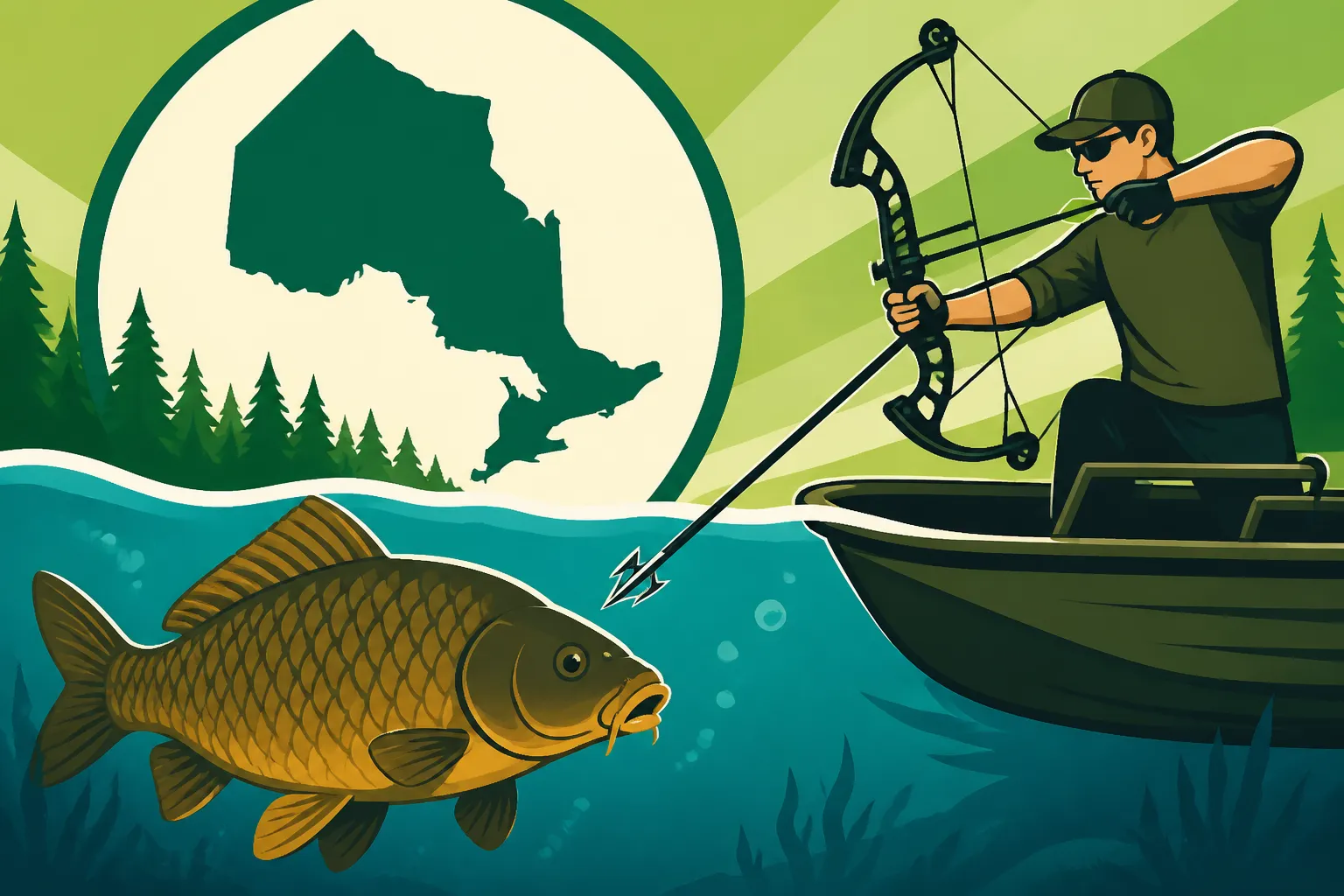
First things first, let's get on the same page about what bowfishing actually entails. Unlike traditional rod-and-reel fishing, bowfishing uses archery equipment – a bow, specialized arrows with barbed points, and a retrieve system – to harvest fish. It’s a very active, visual sport, often done from a boat in shallow water, where you sight your target and shoot. It’s certainly not for every species, and that’s a key point when we talk about regulations in Ontario.
Why Common Carp Are the Primary Target
In Ontario, when we talk about bowfishing, we're almost exclusively talking about common carp. And there's a good reason for that: common carp are considered an invasive species in many of our waterways. They're not native to North America and were introduced from Europe in the 1800s. These powerful, bottom-feeding fish can wreak havoc on aquatic ecosystems by uprooting vegetation, stirring up sediment, and competing with native species for food and habitat.
Because of their invasive status and their generally high populations, common carp are not afforded the same protections as many of our native game fish like walleye or bass. This distinction is absolutely critical to understanding why bowfishing for carp is permitted, while bowfishing for virtually any other species is not. It's an active management tool to help mitigate their environmental impact, and for anglers, it offers a challenging and rewarding experience. You won't find a special "carp bowfishing season" because, generally, they're considered a nuisance species to be removed.
Species You Can and Cannot Bowfish For
This is where many newcomers get tripped up. Let's be unequivocally clear: in Ontario, common carp are the only species specifically allowed for bowfishing. There are no exceptions, no loopholes, and no other fish on the list.
Attempting to bowfish for any other species – even suckers, drum, or panfish – is strictly illegal and can result in significant fines and penalties. This is why proper fish identification is paramount. If you're not 100% sure it's a common carp, do not take the shot. They're typically quite distinguishable by their large scales, pronounced dorsal fin, and often golden-brown coloration. This focused approach on carp helps protect our valuable native fisheries while allowing for the control of an invasive species through a unique recreational activity.
Navigating the Specific Regulations for Carp Bowfishing
Now that we understand the 'why,' let's dive into the 'how' – the nitty-gritty regulations that govern carp bowfishing in Ontario. The rules aren't as extensive as those for traditional game fishing, but they are still important and must be followed without exception.
Equipment Requirements and Restrictions
When you're out there, your gear needs to meet certain standards. You can't just slap a fishing reel on any old hunting bow and head out.
- Bows: Most standard bows are fine – recurves, compounds, or even traditional longbows. There isn't a specific draw weight restriction, but naturally, you'll need enough power to penetrate the water and the fish.
- Arrows: This is crucial. Your arrows must be specialized bowfishing arrows. These are typically heavier, solid fiberglass or carbon, designed to withstand water resistance and impact. They must have a barbed point that secures the fish, preventing it from shaking free once hit. Critically, broadheads, expandables, or any hunting-style arrow points are illegal for bowfishing. These are designed for game animals and cause unnecessary damage to fish and are highly dangerous for water environments.
- Reels: You'll need a retrieve system. This usually involves a specialized bowfishing reel (either a bottle-style reel, a spincast reel adapted for bowfishing, or a drum-style reel) that attaches to your bow and holds your line. The line itself connects to your arrow, allowing you to retrieve the fish after the shot. Many reliable options can be found on sites like Amazon, ensuring you have the right setup for a smooth retrieval.
- Lights: If you plan on bowfishing at night, which is a popular and often effective method for carp, you are permitted to use artificial lights to illuminate the water. This is explicitly allowed for common carp.
Permitted Locations and Times
Unlike traditional fishing, there aren't many specific "season dates" for common carp bowfishing, largely due to their invasive status. This means:
- Year-Round Opportunity: Generally, common carp can be bowfished year-round in waters where their presence is noted and bowfishing is not otherwise restricted. However, always double-check the current Ontario Fishing Regulations Summary for any specific zone or local exceptions that might pop up.
- Day and Night: Bowfishing for common carp is permitted both during the day and night. As mentioned, night bowfishing is common, as carp often move into shallow feeding areas after dark and can be more easily approached under lights.
- Where to Avoid: Just because you can bowfish for carp doesn't mean you can do it anywhere.
- Prohibited Areas: You cannot bowfish in waters designated as "fish sanctuaries," "conservation areas" (unless explicitly permitted by the local authority), or provincial parks unless specifically allowed and regulated by the park. Always check with local authorities before heading out.
- Private Property: Respect private property. If you're on a boat, ensure you are in public waterways and not trespassing. If you're shore fishing, make sure you have legal access to the shoreline.
- Public Safety: Use common sense and prioritize safety. Avoid bowfishing in crowded areas, near swimming beaches, marinas, or residential docks where there's a risk of injuring people or damaging property. Your arrow can travel a fair distance.
What to Do After the Catch: No Live Release
This is perhaps the most critical difference between carp bowfishing and traditional catch-and-release angling. When you harvest a common carp via bowfishing, it is generally expected that the fish will be harvested and not released back into the water alive. The whole point of targeting carp, remember, is their invasive nature.
- Immediate Kill: Any carp you shoot should be dispatched humanely and immediately. This isn't a catch-and-release sport.
- Disposal: You are responsible for the proper disposal of any carp you harvest. You cannot simply leave them on the shore or dump them where they might cause a nuisance or attract scavengers. Many anglers use carp for fertilizer in gardens, turn them into bait for trapping, or even consume them (though Are Carp Good to Eat from Ontario Waters? is a question with varied answers depending on personal preference and water quality). If you plan to dispose of them off-site, ensure it's done legally and respectfully. Transporting them whole might require keeping them on ice to prevent spoilage.
The Essential Licenses and Documentation
Just like with any other form of fishing in Ontario, you can't just grab your bow and go. You need to be properly licensed. This is non-negotiable and something authorities enforce regularly.
Your Ontario Fishing License and Outdoors Card
To participate in carp bowfishing in Ontario, you absolutely must possess a valid Ontario fishing license. This isn't a separate, specialized license; it's the same one you'd use for rod-and-reel fishing.
- Outdoors Card: First and foremost, you need an Ontario Outdoors Card, Explained. This is a plastic ID card with a unique customer number, valid for three calendar years. It's not a license itself, but you need it to purchase any fishing or hunting license in Ontario.
- Fishing License Tag: Once you have your Outdoors Card, you purchase your actual fishing license. You'll typically choose between a Sport Fishing License or a Conservation Fishing License. For common carp, which have no bag limit, either license type is fine, but if you combine it with other fishing for native species, understand the differences in limits. You can learn more about this in the Ontario Fishing License Guide for 2026.
- Age Requirements: Like all fishing, there are age requirements. Generally, anyone 18 years of age or older and under 65 (residents) or of any age (non-residents, with some youth exemptions) needs a license. Check the Ontario Fishing License Age Requirements for specifics, especially for youth and seniors.
Do You Need a Hunting License?
A common question that arises is whether you need a hunting license for bowfishing. The answer, for common carp, is no. You are fishing, even if you are using archery equipment. Therefore, a valid Ontario fishing license is what's required, not a hunting license. While there are Ontario Combination Hunting and Fishing License Options, these are for participating in both activities, not for bowfishing itself.
Proof of License: Digital vs. Physical
When you purchase your license, whether it's How to Buy an Ontario Fishing License Online or in person, you'll receive a paper document. You must carry this proof of license with you while bowfishing. While many jurisdictions are moving towards digital proofs, always have a physical copy or ensure your digital version is easily accessible and verifiable, should a conservation officer request it. Failure to produce a valid license can lead to Fishing Without a License in Ontario: Penalties, which can be substantial.
Ethical Considerations and Responsible Practices
Bowfishing, being a bit outside the mainstream of angling, comes with its own set of ethical responsibilities. As outdoor enthusiasts, it's our duty to not only follow the letter of the law but also embody the spirit of responsible recreation.
Minimizing Impact and Protecting Native Species
While carp bowfishing targets an invasive species, responsible anglers always strive to minimize their overall environmental footprint.
- Accurate Identification: As mentioned, knowing your target is paramount. A momentary lapse in judgment or an unclear shot can lead to accidentally harming a non-target species. Take the extra second to be sure. This is one reason many bowfishers prefer clearer, shallower waters where identification is easier.
- Targeting Strategy: Focus your efforts on areas where Common Carp in Ontario Waters are abundant and known to be detrimental. Avoid shooting into murky waters where visibility is poor, increasing the risk of misidentification.
- Avoid Over-Pressuring Spots: While carp are invasive, don't over-harvest a single small area to the point of creating a local disposal problem or disturbing other wildlife.
Safety for Yourself and Others
Archery equipment, by its very nature, demands respect. Combine that with water, boats, and potentially other people, and safety becomes paramount.
- Always Know Your Target and Beyond: This is the cardinal rule of all archery and hunting. An arrow can travel a surprising distance, even after hitting the water. Be absolutely certain of what you're shooting at and what's behind it. Never shoot towards shorelines with houses, public access points, or other boaters.
- Safe Handling of Equipment: Keep your arrows properly quivered or secured when not in use. Never dry-fire your bow (shoot it without an arrow), as this can severely damage the bow and injure you.
- Boating Safety: If you're bowfishing from a boat, ensure you comply with all Ontario Boating Laws for Anglers. This includes having all required safety equipment, understanding navigation rules, and operating your vessel responsibly, especially if you're out at night.
- Personal Protective Equipment: Consider wearing polarized sunglasses (they help tremendously with seeing fish below the surface), sturdy gloves to handle rough carp scales and fin spines, and appropriate footwear. For night fishing, a good headlamp, perhaps like those found on Amazon, is invaluable.
Proper Disposal: The Unsung Hero of Responsible Bowfishing
This might not be the glamorous part of the sport, but it's essential. The improper disposal of carp can lead to public complaints, attract unwanted animals, and reflect poorly on the bowfishing community as a whole.
- Plan Ahead: Before you even launch your boat or head to your spot, have a plan for your catch. Will you keep them on ice? Take them home for processing (for consumption or garden fertilizer)? Or will you take them to a designated disposal site (if available)?
- Burial or Composting: If you're on private land with permission, burying the fish deeply can be an option. Composting them for garden use is also an excellent way to put the harvested fish to good use, returning nutrients to the soil.
- Public Perception: Remember, you are an ambassador for the sport. Leaving a pile of fish on a public dock or shoreline is unsightly and unacceptable. It gives a negative impression and can lead to stricter regulations for everyone. Be clean, be respectful, and leave no trace.
Summary of Key Carp Bowfishing Regulations
To help keep everything clear, here's a quick reference table outlining the core regulations for carp bowfishing in Ontario.
| Regulation Category | Specific Rule for Carp Bowfishing | Important Notes |
|---|---|---|
| Target Species | Only Common Carp | No other fish species are permitted for bowfishing. Strict identification required. |
| License Required | Valid Ontario Fishing License (Sport or Conservation) & Outdoors Card | No hunting license is required for bowfishing fish. Must be carried at all times. |
| Equipment | Bows (compound, recurve, longbows), specialized bowfishing arrows with barbed points, bowfishing reel/line. | Broadheads are strictly prohibited. Ensure all equipment is designed for bowfishing. |
| Season/Time | Generally Year-Round | Check Ontario Fishing Regulations Summary for local exceptions. Permitted day or night. |
| Location | Public waterways where not otherwise restricted | Prohibited in fish sanctuaries, most provincial parks, conservation areas. Avoid crowded public areas. |
| Catch Handling | Immediate, humane dispatch. No live release. | Responsible disposal is mandatory. Do not leave fish on shore or dump improperly. |
| Boating Rules | All standard Ontario Boating Laws for Anglers apply. | Ensure all safety equipment is on board and operational. |
| Safety | Always know your target and beyond. Prioritize public safety. | Use common sense. Wear polarized sunglasses. |
Following these guidelines ensures that your bowfishing adventures in Ontario are not only exciting but also legal, safe, and respectful of our precious natural resources.
Disclaimer
Please remember that fishing regulations, including those for bowfishing, can change. While this guide aims to be as accurate and up-to-date as possible, it is your responsibility to consult the most current official Ontario Fishing Regulations Summary published by the Ontario Ministry of Natural Resources and Forestry (MNRF) before heading out. Local rules and temporary closures can occur, so always verify specific details for your chosen fishing zone and waterbody.