Ontario bluegill limit
Trying to figure out the exact fishing limits for every species in Ontario can feel like navigating a maze, especially when it comes to panfish like bluegill that are so common and fun to catch. It's easy to get overwhelmed by the sheer volume of information, or worse, accidentally break a rule because the details weren't clear. This comprehensive guide is here to untangle the specifics of Ontario's bluegill limits, helping you fish responsibly and enjoy our beautiful waters without a worry.
Understanding Ontario's Bluegill Regulations
Bluegill are a beloved species in Ontario, known for their feisty fight on light tackle and their widespread availability. But just because they're plentiful doesn't mean they're exempt from conservation efforts. The Ministry of Natural Resources and Forestry (MNRF) sets specific rules to ensure healthy fish populations for generations of anglers to come.
Why Specific Limits Exist for Bluegill
You might wonder why there are even limits for a fish as abundant as bluegill. Well, it all boils down to ecological balance and preventing overfishing. Bluegill, like other panfish, play a critical role in the aquatic food web. They're a food source for larger predatory fish like pike, bass, and even walleye. If their populations were to crash due to unchecked harvesting, it could have a ripple effect throughout the entire ecosystem.
Consider a small, easily accessible pond near a cottage country hotspot. Without limits, an angler could, in theory, remove hundreds of bluegill in a single day, especially if they're particularly good at finding schools. While one person doing this might not seem like a huge issue, multiply that by dozens or hundreds of anglers over a season, and you can quickly deplete a local population. These limits, therefore, are a proactive measure to maintain sustainable numbers, ensuring that your kids and grandkids will still have plenty of bluegill to catch. It’s a collective effort to keep our fisheries thriving.
Finding the Current Bluegill Limit
The absolute authority for current bluegill limits, and all other fishing regulations in the province, is the official Ontario Fishing Regulations Summary. This document is updated annually and is your go-to resource. You can pick up a physical copy wherever fishing licenses are sold, or access it digitally on the Ontario government's website. I highly recommend taking the time to thoroughly read the Ontario Fishing Regulations Explained section each year, as rules can sometimes change.
Beyond the summary, the Ontario Fish ON-Line interactive zone map is an incredibly useful digital tool. This map allows you to pinpoint specific bodies of water and check for any special regulations that might apply there, including exceptions to general bluegill limits. While bluegill often fall under a general "Sunfish" category with consistent limits across most zones, it’s always best to double-check if you're fishing a new or unfamiliar lake. Always remember, ignorance of the law isn't an excuse, so being informed is your best defense against unintended infractions.
Daily Catch and Possession Limits for Bluegill
When we talk about fishing limits, there are two key terms that often cause confusion: "daily catch limit" and "possession limit." Understanding the difference is crucial for staying within the law and fishing responsibly. For bluegill, these limits are generally combined under the broader "Sunfish" category in Ontario.
Sport Fishing vs. Conservation Licenses
Ontario offers two primary types of fishing licenses: a Sport Fishing Licence and a Conservation Fishing Licence. The choice between these two directly impacts how many bluegill (or any other species) you're legally allowed to keep. The Sport Fishing Licence allows for higher catch and possession limits, catering to anglers who might want to take home more fish. The Conservation Fishing Licence, on the other hand, has reduced limits, promoting a more catch-and-release focused approach and reducing overall harvesting pressure on fish populations. It's a great option for those who primarily fish for sport or want to minimize their impact.
Here's a quick breakdown of the current general daily catch and possession limits for Sunfish (which includes Bluegill and Pumpkinseed) in most of Ontario's Fisheries Management Zones:
| License Type | Daily Catch Limit (Sunfish) | Possession Limit (Sunfish) |
|---|---|---|
| Sport Fishing Licence | 50 | 50 |
| Conservation Fishing Licence | 25 | 25 |
It's really important to remember that these are combined limits for all sunfish species. So, if you catch 15 bluegill and 10 pumpkinseed on a Conservation licence, you've hit your 25-fish limit. You can't then go out and catch another 25 of one species. For a deeper dive into these options, you might find the article on Ontario Sport vs Conservation Fishing License really helpful.
General Provincial Limits vs. Zone-Specific Rules
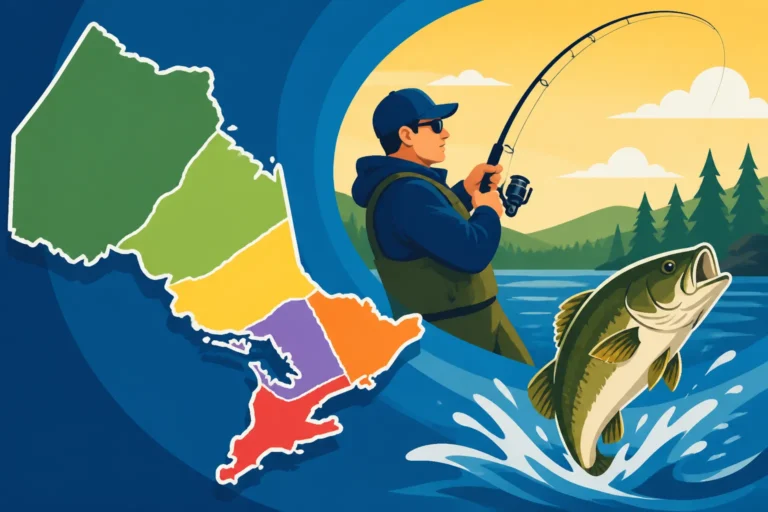
While the table above reflects the general provincial limits for sunfish, it's vital to understand that Ontario is divided into 20 different Ontario Fisheries Management Zones, Explained, each with its own set of potential specific regulations. While bluegill limits are quite consistent across many of these zones, special regulations can exist for certain lakes or rivers within any given zone. These might impose even stricter limits, or in rare cases, specific size restrictions.
For instance, while you might find the general 50 (Sport) or 25 (Conservation) limit applies in FMZ 18 where Lake Simcoe resides, a smaller, heavily fished lake in FMZ 11 might have a special regulation that reduces the limit for sunfish even further to protect a particularly vulnerable population. This is why consulting the annual regulations summary and the Fish ON-Line map is not just good practice, but absolutely essential every time you head to a new body of water. Don't just assume the general rules apply everywhere, because getting caught out could lead to a fine under Ontario fishing without a license penalty.
What "Daily Catch" and "Possession" Truly Mean
The terms "daily catch limit" and "possession limit" are often used interchangeably, but they have distinct legal meanings that every angler needs to grasp. Your daily catch limit refers to the maximum number of fish of a particular species you can catch and keep in a single calendar day, from midnight to midnight. Once you've reached this number, you must stop fishing for that species for the rest of the day if you intend to keep any more. If you're practicing catch and release, you can continue fishing, but any additional fish of that species must be immediately released back into the water without harm.
Your possession limit, on the other hand, refers to the total number of fish of a particular species you are allowed to have in your possession at any given time, regardless of when or where they were caught. This includes fish in your livewell, cooler, freezer at home, or even processed fish fillets. The possession limit is designed to prevent anglers from accumulating a massive quantity of fish over multiple days, even if they stayed within their daily limits each day. For example, if your bluegill possession limit is 50, you cannot have 50 bluegill in your freezer from Monday's trip and then go out on Tuesday and catch another 50 to add to your cooler – that would put you over your possession limit. For bluegill (sunfish), the daily catch and possession limits are usually the same, which simplifies things, but it's still crucial to understand the distinction. You can find more specific details on these broader rules in the Ontario Bag and Possession Limits by Species guide.
Practical Scenarios and Common Misconceptions
Fishing, especially with family and friends, can bring up unique situations regarding limits. It’s not always as straightforward as just one person, one limit. Let's clear up some common areas of confusion.
Fishing with Children and Bluegill Limits
This is a frequently asked question, and it's important to get right, especially since bluegill are such a fantastic species for introducing kids to fishing. In Ontario, children under the age of 18 who are Canadian residents generally do not need a fishing license. However, there's a critical caveat when it comes to limits: any fish they catch and keep are considered part of the accompanying adult's daily catch and possession limit.
For example, if you (the adult) have a Conservation Fishing Licence with a 25 bluegill limit, and your child catches 10 bluegill, those 10 fish count towards your 25-fish limit. You cannot simply use your child's "exemption" to double your own limit. This rule ensures that the total harvest from a single fishing party adheres to the limits set by the most restrictive licence held by an adult in that party. For more details on this, check out the Ontario Youth Fishing License Exemption Under 18 article. It's about teaching responsible angling from a young age, and that includes respecting limits.
Catch and Release vs. Keeping Bluegill
Many anglers enjoy catch and release, especially for smaller species like bluegill, or when targeting larger fish. If you're strictly practicing catch and release, the daily limit technically doesn't apply to the number of fish you catch, only to the number you keep. You can catch and release 100 bluegill in a day, as long as you release them immediately and safely.
However, if you decide to keep even one bluegill, then your daily limit begins to count. Any bluegill you put into a cooler or livewell are considered "kept" and contribute to your daily and possession limits. It's crucial that if you're going to release fish, you do so properly to maximize their survival rate. This means handling them gently with wet hands, using appropriate de-hooking tools, and getting them back into the water quickly. Keeping a small pair of forceps, easily found on Amazon, in your tackle box can make a huge difference in quickly and safely removing hooks from bluegill without causing undue stress.
Transporting Your Catch
Once you've decided to keep some bluegill and you're within your limits, there are still rules about how you transport them. The most important rule for panfish like bluegill is that they must be easily identifiable to species and counted. This generally means keeping them whole until you get them home. While filleting some species on the water is allowed under certain circumstances (usually for larger species with specific regulations), it's best practice for smaller panfish to keep them intact.
If you fillet them on the boat or shore, you might run into issues with conservation officers who need to confirm the species and count. It's far easier to show your catch if they're whole. When transporting your catch, make sure they are stored appropriately, typically in a cooler with ice, to maintain freshness. Proper storage also signals to enforcement officers that you're treating your catch respectfully and adhering to regulations. A good cooler is an essential piece of gear, and there are many options available on Amazon that can keep your bluegill fresh for the journey home.
Tips for Responsible Bluegill Fishing in Ontario
Fishing for bluegill is one of the joys of Ontario angling, offering fun for all ages and skill levels. By following some best practices, we can all contribute to healthy bluegill populations and ensure the sport remains vibrant.
Equipment for Ethical Bluegill Angling
Using the right gear isn't just about catching more fish; it's also about minimizing harm and promoting ethical angling. For bluegill, which have relatively small mouths, using smaller hooks is paramount. A size 8 or 10 hook is often ideal, as it's less likely to deeply hook the fish, making release easier if you're going to let them go. Circle hooks can also be a fantastic choice, as they tend to hook fish in the corner of the mouth, reducing gut-hooking instances. You can find a wide variety of these smaller hooks and even specialized panfish rigs on Amazon.
Additionally, a small pair of needle-nose pliers or specialized fishing forceps, as mentioned earlier, is invaluable for quick and clean hook removal. Having a good landing net, particularly one with rubberized or knotless mesh, can also help protect the fish's slime coat and fins if you need to net them, even for a quick photo before release. These are all small investments that make a big difference in ensuring the survival of released fish and the overall health of the bluegill fishery. For other panfish species you might encounter, our guide on Panfish Fishing in Ontario offers more tips.
Identifying Bluegill Correctly
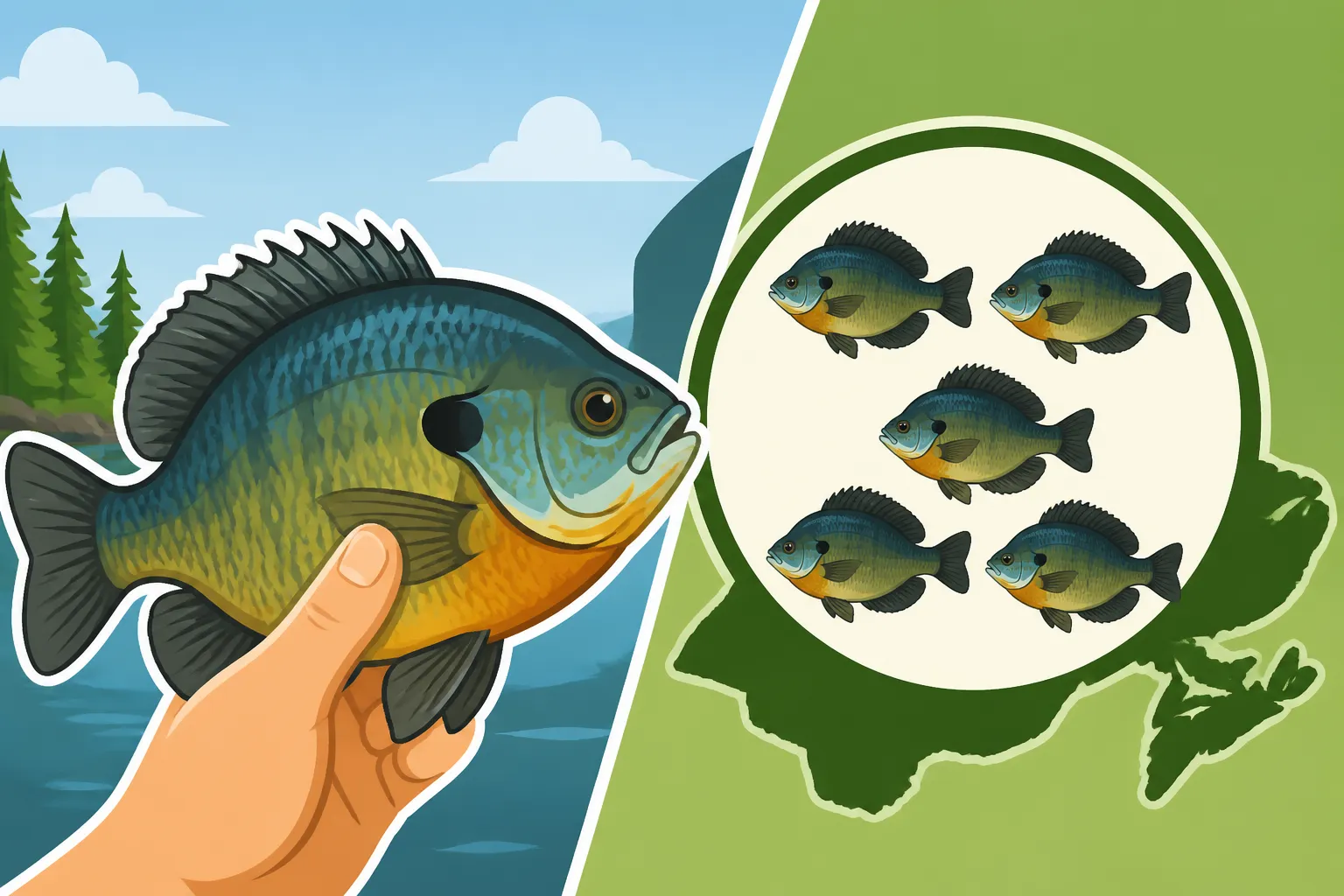
While bluegill are quite distinctive, especially their deep, disc-shaped bodies and the prominent black spot on their gill cover (often with a red/orange margin), it's possible to confuse them with other sunfish species, particularly pumpkinseed. Pumpkinseed also have a black spot on the gill cover, but it's typically edged with a bright orange or red, and their bodies are often flecked with iridescent spots, giving them a "jeweled" appearance. Bluegill, on the other hand, usually have more distinct vertical bars on their sides.
Knowing the difference is important not just for species identification, but because while both fall under the general "Sunfish" limit, understanding the specific species present helps you appreciate the biodiversity of your fishing spot. Learning the nuances between species like bluegill and pumpkinseed, or even a larger sunfish like a rock bass, enhances your overall angling experience. If you're keen on learning more about fish identification, our guide on Yellow Perch Fishing in Ontario might offer some good comparisons.
Contributing to Conservation
Beyond simply following the daily catch and possession limits, every angler can contribute to the long-term health of Ontario's bluegill populations. One of the best ways is to practice selective harvesting. If you're keeping bluegill for a meal, consider releasing the largest ones. These larger fish are often the prime breeders, and by letting them go, you're helping to ensure a robust future for the fishery. Conversely, if you're fishing in a pond with an overabundance of smaller bluegill, keeping some of these can actually help thin the population, allowing the remaining fish to grow larger.
Another significant contribution is properly disposing of all your trash, including fishing line, bait containers, and any other litter. Our lakes and rivers are fragile ecosystems, and pollution directly impacts fish health. Participate in local clean-up initiatives if you have the chance, or simply make it a personal rule to leave every fishing spot cleaner than you found it. By doing so, you're not just adhering to regulations, but actively participating in the stewardship of Ontario's incredible natural resources. Getting an Ontario Outdoors Card, Explained is your first step in supporting these efforts, as a portion of the fee goes directly into conservation.
Disclaimer
The information provided in this guide is for general informational purposes only and is based on current publicly available Ontario fishing regulations. Fishing regulations can change frequently. It is the angler's responsibility to consult the official Ontario Fishing Regulations Summary, available from the Ontario government website or wherever fishing licenses are sold, for the most up-to-date and accurate rules before engaging in any fishing activity. Non-compliance with fishing regulations can result in fines and penalties.