Ontario fishing license for disabled veterans
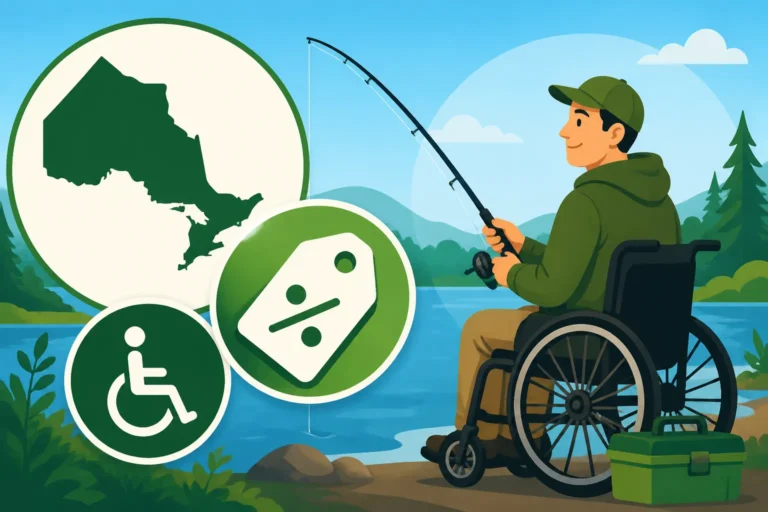
It's a common and completely understandable hope for disabled veterans to find a specific, streamlined process or even a discounted rate for something as fundamental as an Ontario fishing license. After dedicating so much to our country, it only feels right that recreational opportunities like fishing should be more accessible. However, the reality of provincial regulations can often be a maze, leaving many feeling frustrated and confused. This guide aims to clear up any misconceptions, explain exactly how disabled veterans can obtain an Ontario fishing license, and explore what support and resources are available, even if a direct "disabled veteran" license isn't part of the current system.
Understanding Ontario's Fishing License Framework for All Anglers
Before diving into specifics for disabled veterans, it's really important to grasp the general fishing license system here in Ontario. Every angler, regardless of their background, needs to navigate this system. Knowing the basics will help you understand where you fit in and what your options are. It's not always straightforward, but once you get the hang of it, it becomes second nature.
The Basics: Outdoors Card and License Types
In Ontario, getting a fishing license isn't a one-step process. You actually need two things to be legal on the water: an Outdoors Card and an actual fishing license tag. Think of the Outdoors Card as your angler's ID card. It’s a physical plastic card that is valid for three years, and you need to renew it every time it expires. It’s personalized with your information and is a prerequisite for purchasing any fishing or hunting license in the province. You can't just walk into a tackle shop and buy a fishing license without first having a valid Outdoors Card.
Once you have your Outdoors Card, you can then purchase your fishing license tag. Ontario offers two main types of fishing licenses: a Sport Fishing License and a Conservation Fishing License. The Sport Fishing License allows for higher catch and possession limits and is generally what most avid anglers choose when they want to keep a few fish for dinner or target a variety of species. The Conservation Fishing License, on the other hand, has reduced catch and possession limits. It’s a more budget-friendly option and is perfect for those who mostly practice catch and release, or only want to keep a couple of fish. Both types require an Outdoors Card, and both come with specific regulations you'll need to follow based on the species and the zone you're fishing in. You can learn more about the specifics of each in our guide on the Ontario Sport vs Conservation Fishing License.
Who Needs a License? General Exemptions
Now, this is where some confusion can sometimes arise, because not everyone needs a fishing license in Ontario. There are specific exemptions that apply to certain age groups, which can sometimes extend to individuals who are also disabled veterans. Firstly, children under the age of 18 do not need an Outdoors Card or a fishing license to fish in Ontario. They must, however, adhere to the catch and possession limits of the person who holds a license that they are fishing with. If they are fishing alone, they must follow the Conservation Fishing License limits. This is a fantastic program designed to encourage youth to get out and enjoy the outdoors, a sentiment many veterans share when it comes to passing on traditions to younger generations. You can find more details in our article, Ontario Youth Fishing License Exemption Under 18.
Secondly, Ontario residents who are 65 years of age or older also enjoy an exemption. If you're an Ontario resident and you've reached this milestone, you also don't need to purchase an Outdoors Card or a fishing license. You simply need to carry government-issued identification that shows your name and date of birth while fishing. This is another wonderful initiative that acknowledges the contributions of seniors and makes it easier for them to continue enjoying one of Ontario's favorite pastimes. Check out our detailed guide on the Ontario Senior Fishing License Exemption at 65 for more information.
Beyond these age-based exemptions, there are also special situations like the annual Ontario Family Fishing Weekend Dates, during which all Canadians can fish without a license. These weekends are a fantastic opportunity for everyone, including disabled veterans and their families, to experience fishing without the need for a license, making it a perfect chance to try out the sport or introduce it to loved ones. For a complete picture of all requirements, our Ontario Fishing License Guide for 2026 is an invaluable resource.
Addressing the "Disabled Veteran" Question: Current Ontario Regulations
This is the part where we get down to brass tacks, and I want to be upfront to avoid any disappointment. Many provinces or states across North America offer specific discounts or even free fishing licenses for disabled veterans as a token of gratitude for their service. It’s a recognition of the unique challenges and sacrifices they’ve made. Unfortunately, Ontario's current fishing license regulations do not include a specific license category, exemption, or discount specifically for disabled veterans.
No Specific License for Disabled Veterans
I know, it's not the news anyone wants to hear when they're hoping for a simple, clear benefit. As of the current regulations, there isn't a distinct "disabled veteran fishing license" in Ontario. This means that if you are a disabled veteran living in Ontario, you will typically need to obtain an Outdoors Card and a fishing license just like any other resident angler, unless you fall into one of the general exemption categories we just discussed (under 18 or over 65). This often catches people by surprise, especially those who have moved from other jurisdictions where such programs are in place.
It's important to understand that while your service and disability are profoundly respected, the provincial fishing regulations framework doesn't currently differentiate based on veteran status or disability alone when it comes to license fees or requirements. The costs for an Outdoors Card and fishing licenses are standardized for residents. For a clear breakdown of these costs, you can refer to our article, How Much Does an Ontario Fishing License Cost. It's a system that, while fair in its uniformity, doesn't always feel equitable to those who have given so much.
Navigating Disability and Assistance While Fishing
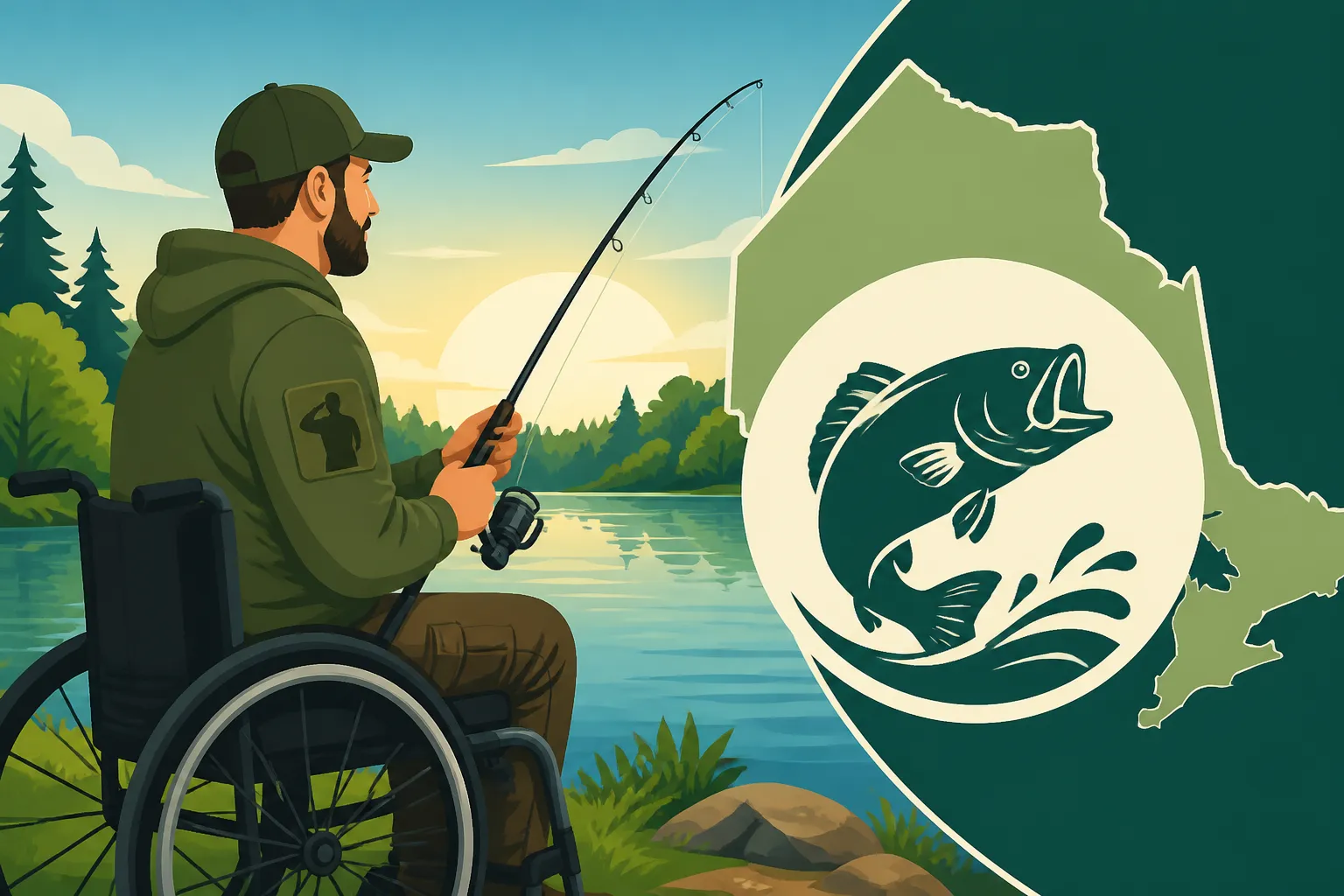
While there isn't a direct license exemption for disability itself, Ontario fishing regulations do acknowledge the need for assistance for anglers with certain disabilities. This is an important distinction and offers some practical help for disabled veterans who might face physical challenges while fishing. The regulations state that if an angler has a disability that genuinely prevents them from being able to hold a fishing license or tag, they can have another person fish on their behalf. However, there are very specific conditions that must be met for this to be legal:
- The disabled individual must be present and actively participating (to the extent of their ability) in the fishing activity. This isn't a loophole for someone else to fish for you while you're at home; you need to be there.
- The disabled individual must possess a valid Outdoors Card if they are not exempt by age. This means you still need to get your Outdoors Card, even if someone else is handling the rod and reel for you.
- Any fish caught by the assisting person are immediately considered part of the disabled individual's bag and possession limit. This prevents misuse and ensures that limits are adhered to.
This provision, detailed in the Ontario Fishing Regulations Explained, is designed to ensure that a disability doesn't entirely prevent someone from enjoying fishing, even if they need a helping hand. It's a small but significant detail that many might overlook. For example, if you have limited mobility and your friend helps cast and reel in, as long as you're there, engaged, and your Outdoors Card is valid, it's perfectly legal. It's about access and participation, which is a key part of inclusive outdoor recreation. If you are a disabled resident, you can explore more specifics in our guide on Ontario fishing license for disabled residents, which touches on these allowances.
Exploring Support and Accessibility for Veterans and Disabled Anglers
Even without a specific license discount, there are still various ways disabled veterans in Ontario can find support, both financial and practical, to make their fishing experiences enjoyable and accessible. It often requires looking beyond just the fishing license itself to broader support systems.
Provincial and Federal Disability Support Programs
For disabled veterans who are also Ontario residents, there are provincial programs designed to assist individuals with disabilities. For instance, the Ontario Disability Support Program (ODSP) provides financial assistance and other supports. While ODSP doesn't directly offer a fishing license discount, the financial support it provides could indirectly help cover the cost of an Outdoors Card and a fishing license. It's about ensuring basic needs are met, and for many, recreation like fishing is vital for mental and physical well-being. Additionally, federal programs for veterans, such as those offered through Veterans Affairs Canada, provide a range of benefits, services, and support. While direct fishing license subsidies are uncommon, these programs often have funds or grants available for recreational activities, adaptive equipment, or quality of life improvements that could certainly make a fishing trip more feasible or comfortable. It's always worth exploring these options through official channels to see if you qualify for any assistance that could indirectly support your fishing endeavors.
Enhancing Your Accessible Fishing Experience
Beyond the license itself, accessibility is a huge factor for many disabled anglers. Ontario has made strides in providing more accessible fishing opportunities, and smart gear choices can make a world of difference. Many provincial parks and conservation areas now feature accessible fishing piers and docks, often with ramps and railings designed for wheelchair users or those with mobility challenges. Places like the accessible pier at Sibbald Point Provincial Park or the universally accessible fishing platform on the Grand River are fantastic examples. Our guide on the Best handicap-accessible fishing piers in Ontario lists many such locations.
When it comes to gear, there's a huge range of adaptive equipment available that can make fishing easier and more enjoyable. From specialized rod holders that can attach to wheelchairs or boat railings, to automatic reel systems, and even comfortable, portable seating, the market has expanded considerably. Many anglers find these specialized items, as well as general outdoor gear like comfortable, weather-appropriate clothing or sturdy fishing chairs, readily available on platforms like Amazon. A good quality, lightweight fishing vest with plenty of pockets, also easily found on Amazon, can keep essential items within reach without being cumbersome. Even something as simple as a reliable pair of polarized sunglasses (also abundant on Amazon) can significantly improve visibility on the water, making it easier to spot fish or navigate. Don't be afraid to research and invest in gear that truly enhances your personal comfort and ability to fish independently or with minimal assistance.
Veteran-Specific Organizations and Resources
While the provincial government might not offer a direct fishing license benefit, numerous non-profit organizations and community groups are dedicated to supporting veterans, including those with disabilities. Groups like Wounded Warriors Canada or various Legion branches often have programs or community grants that focus on mental and physical well-being through outdoor activities. Some might even organize accessible fishing trips or help cover costs associated with getting out on the water. These organizations are often more attuned to the specific needs of veterans and can provide invaluable resources, companionship, and a sense of community. Reaching out to local veteran support groups or larger national organizations can open doors to opportunities you might not even be aware of, helping you connect with fellow veterans and enjoy the therapeutic benefits of fishing.
Practical Steps for Getting Your Ontario Fishing License
So, if you're a disabled veteran in Ontario and you don't fall under the age-based exemptions, you'll need to go through the standard process to get your fishing license. It's not overly complicated, but knowing the steps beforehand can save you a lot of hassle and ensure you're compliant with all regulations.
Purchasing Your Outdoors Card and License
The first thing you’ll need is an Ontario Outdoors Card, Explained. You can purchase or renew your Outdoors Card online through the provincial government's Fish and Wildlife Licensing Service. This is by far the most convenient way for most people, allowing you to do it from the comfort of your home. If you prefer, or if you need assistance, you can also purchase it in person at a participating ServiceOntario location or a licensed tackle shop/vendor. Remember, the Outdoors Card is valid for three years, so you won't need to get a new one every single year, just renew it when it expires.
Once you have your Outdoors Card number, you can then purchase your actual fishing license tag. Again, this can be done online, in person at ServiceOntario or a vendor. You'll need to decide whether you want a Sport Fishing License or a Conservation Fishing License, keeping in mind the differences in catch limits and cost. You also choose the duration – either a one-year or three-year option, which should align with your Outdoors Card's validity for simplicity. Many people find a three-year license the easiest option as it minimizes annual paperwork. For a detailed walkthrough of the purchase process, refer to Where and How to Buy an Ontario Fishing License. Make sure you have your personal identification ready, especially if you're doing it in person, and be prepared to provide your address and date of birth.
Carrying and Understanding Your Documents
Once you've purchased your Outdoors Card and fishing license, it's absolutely crucial to carry them with you whenever you're fishing. Conservation officers regularly check anglers on the water, and not having your valid documents can lead to fines. While it used to be strictly a physical card and paper tag, thankfully, technology has made things a bit easier. You can now carry a digital version of your Outdoors Card and fishing license on your smartphone or other device. This is a huge convenience for many, reducing the risk of losing physical documents. However, if you prefer the tangible proof, you can still print a paper copy of your license, which is equally valid. Our article on Printing or Carrying a Digital Fishing License in Ontario offers more insights into this.
Beyond just carrying them, take the time to understand the specific regulations that apply to the area and species you're targeting. The Ontario Fishing Regulations Summary is updated annually and is your go-to guide for season dates, catch limits, and special regulations in different Ontario Fisheries Management Zones, Explained. Ignorance of the rules is not an excuse, and officers are quite strict about compliance. Keep a copy (physical or digital) of the regulations summary with you too, so you can reference it on the fly. It's all part of being a responsible and prepared angler, ensuring your time on the water is enjoyable and free of unnecessary worries.
Ontario Resident Fishing License Costs (2024-2025)
Here's a quick overview of the typical costs for Ontario fishing licenses for residents, which apply to disabled veterans unless they meet the age exemptions:
| License Type | Duration | Cost (CAD) | Notes |
|---|---|---|---|
| Outdoors Card | 3-Year | ~$8.57 | Required to purchase any fishing or hunting license. |
| Sport Fishing License | 1-Year | ~$30.50 | Higher catch and possession limits. |
| Sport Fishing License | 3-Year | ~$79.62 | Higher catch and possession limits, multi-year savings. |
| Conservation Fishing License | 1-Year | ~$18.33 | Reduced catch and possession limits. |
| Conservation Fishing License | 3-Year | ~$47.85 | Reduced catch and possession limits, multi-year savings. |
Note: Prices are approximate as of 2024-2025 and may be subject to change and additional service fees (like HST) at the time of purchase. Always check the official Ontario government website for the most current pricing.
Disclaimer
The information provided in this article is for general guidance only and is based on current Ontario fishing regulations. Regulations can change, so it's always the angler's responsibility to consult the official Ontario Fishing Regulations Summary and the Ministry of Natural Resources and Forestry (MNRF) website or contact ServiceOntario for the most up-to-date and accurate information before fishing.