Best handicap-accessible fishing piers in Ontario
It's a familiar feeling, isn't it? That yearning to cast a line, to feel the gentle tug of a fish, to simply soak in the tranquility of an Ontario lake or river. But for many, especially those with mobility challenges or disabilities, the dream of a peaceful day of fishing can quickly turn into a frustrating quest to find a spot that’s actually accessible. Uneven terrain, steep banks, or lack of proper infrastructure can make what should be an enjoyable outing feel like an insurmountable obstacle. This guide is here to cut through that frustration, highlighting some of the best handicap-accessible fishing piers and spots across Ontario, ensuring that the joy of fishing is truly within everyone's reach.
Understanding Accessibility in Ontario Fishing Locations
When we talk about "handicap-accessible" fishing spots in Ontario, we're really talking about places designed to allow individuals with various disabilities, particularly those affecting mobility, to participate fully and safely in the activity. It’s more than just a flat path; it encompasses a thoughtful design that considers the entire experience.
What Makes a Fishing Pier Accessible?
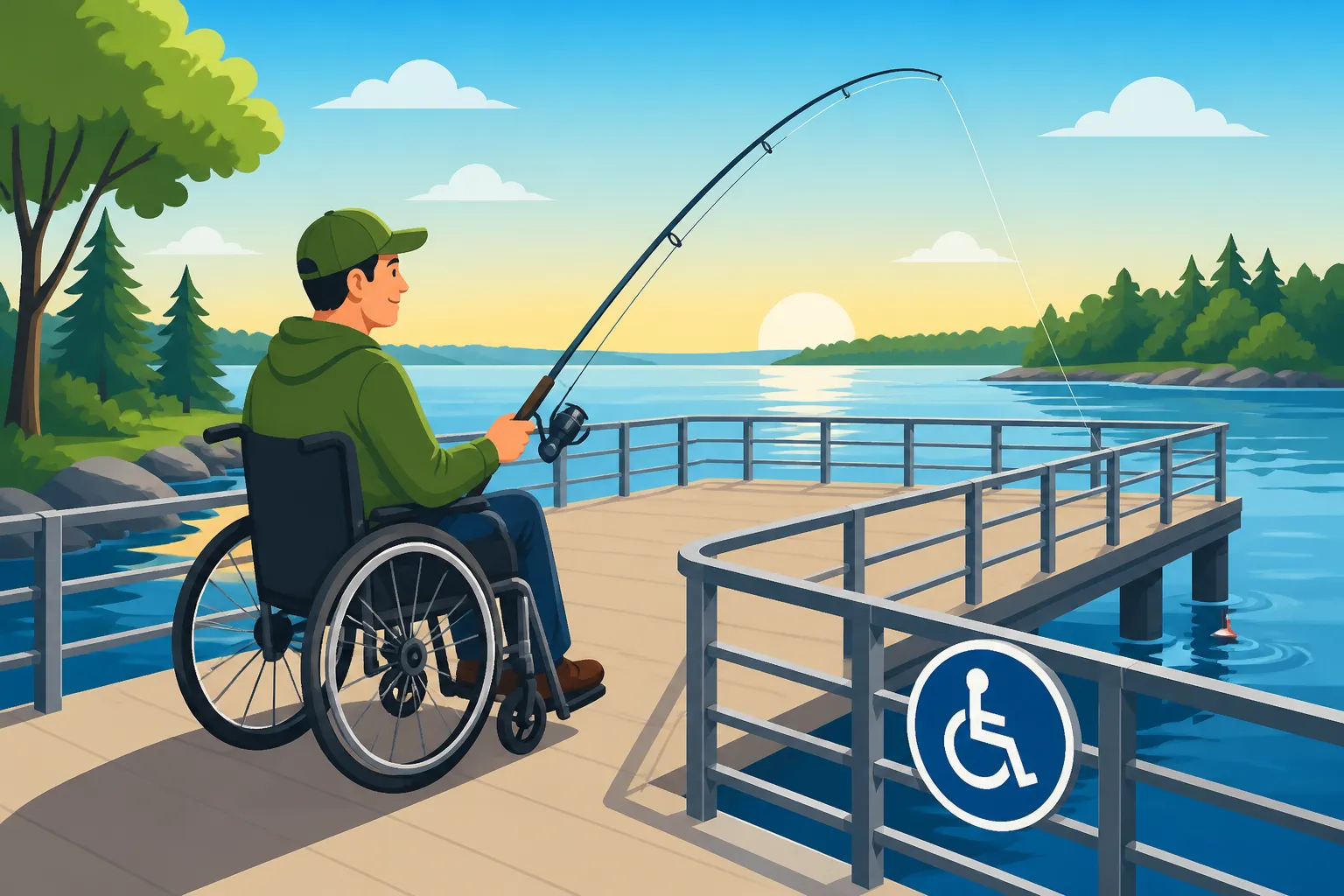
A truly accessible fishing pier or platform goes beyond simply having a ramp. It integrates a series of features that remove common barriers. First and foremost, you'll find level and stable surfaces, usually concrete, asphalt, or sturdy composite decking. These surfaces ensure smooth navigation for wheelchairs, walkers, and strollers, eliminating tripping hazards.
Secondly, appropriate railings are critical. These aren't just for safety (though that's paramount!); they often feature lower sections or cut-outs that allow someone seated in a wheelchair to easily cast a line without obstruction. The height of the railing is carefully considered to provide support while still offering clear views of the water. Ample turning space is also a must, allowing individuals using mobility aids to maneuver freely on the pier without feeling cramped.
Beyond the immediate fishing area, accessibility extends to nearby amenities. This includes dedicated accessible parking spaces located close to the pier entrance, reducing the distance a person needs to travel. Accessible washrooms with wider stalls, grab bars, and roll-under sinks are also a key component. And often, an accessible fishing pier is part of a larger network of paved trails or boardwalks, allowing for a more extended, enjoyable outdoor experience beyond just fishing. These considerations ensure that the entire outing, from arrival to departure, is as smooth and comfortable as possible.
The Broader Scope of Accessible Design
Accessible design isn't just about meeting minimum standards; it's about creating an inclusive environment. This means thinking about things like clear signage in contrasting colours, sometimes with Braille or raised text, to assist those with visual impairments. Seating areas along the path to the pier or on the pier itself, positioned at regular intervals, are crucial for those who need to rest frequently. Some advanced accessible spots might even feature specialized equipment, like fixed rod holders at accessible heights, or even accessible boat launches for those who prefer fishing from a boat.
For example, when considering options for a day out, it's worth checking if the location is managed by a body like Ontario Parks or a Conservation Authority. These organizations often have detailed accessibility information on their websites, outlining specific features available at each site. This forward-thinking design philosophy ensures that everyone, regardless of their physical capabilities, can enjoy the therapeutic benefits and excitement of fishing in Ontario.
Top Accessible Fishing Piers and Locations Across Ontario
Ontario is a vast province, and thankfully, efforts are being made to increase accessible outdoor recreation opportunities. While finding a perfectly universal fishing spot can be a challenge, many communities have invested in fantastic piers and platforms designed with accessibility in mind. Let’s explore some of these fantastic options, spanning different regions of the province.
Southern Ontario Gems
Southern Ontario, with its dense population and numerous lakes, offers several excellent accessible fishing locations, often within a reasonable drive for many residents.
One standout is the Waterfront at Gananoque in the Thousand Islands region. This beautiful area boasts well-maintained boardwalks and accessible piers that extend over the St. Lawrence River. Anglers here can target various species, including smallmouth bass, northern pike, and even muskellunge. The town itself is very welcoming, with accessible parking and amenities nearby. It’s a truly picturesque spot to spend a day, and the wide-open spaces on the pier make casting a breeze.
Further west, the Port Dover Pier on Lake Erie is another popular and highly accessible choice. This long pier stretches into the lake, offering ample space and low railings at various points. Lake Erie is renowned for its walleye and yellow perch, and Port Dover provides an excellent vantage point to try your luck. The town of Port Dover embraces its waterfront, with accessible pathways leading to the pier and nearby restaurants. It's an active fishing hub, and the atmosphere is always buzzing. You can even find specific tips for Walleye Fishing in Ontario or Yellow Perch Fishing in Lake Erie and Lake Simcoe to maximize your chances here.
Along Lake Ontario, the Port Dalhousie Pier in St. Catharines offers scenic views and good fishing. The pier itself is long and flat, perfect for easy navigation. This area is known for salmon and trout runs, especially in the spring and fall, but offers good panfish and bass opportunities throughout the warmer months. Its proximity to Lakeside Park adds to the appeal, with accessible trails and washrooms. Many anglers appreciate the smooth, wide surface for comfortable casting and moving around.
Central Ontario Retreats
Heading north into Central Ontario, the cottage country and recreational hubs also provide some welcoming fishing spots.
Barrie's waterfront along Kempenfelt Bay on Lake Simcoe is a fantastic example of urban accessibility done right. The city has invested heavily in its waterfront, with expansive paved paths and numerous accessible viewing platforms and fishing spots. Lake Simcoe is famous for its jumbo perch, whitefish, and lake trout, making it a prime destination for anglers year-round, including during ice fishing season with proper access. The wide promenades make it incredibly easy to access the water’s edge and find a comfortable spot to set up your gear. If you're planning a trip to this renowned lake, our Lake Simcoe Fishing Guide offers even more insights.
The Fenelon Falls Lockstation in the Kawartha Lakes region provides not just a unique experience watching boats navigate the lock, but also accessible fishing opportunities along the well-maintained embankments and surrounding park areas. The hard-packed surfaces around the locks make for relatively easy access, and you can catch a variety of panfish, bass, and even walleye in the Trent-Severn Waterway. These spots, while not always purpose-built piers, offer stable, flat ground from which to cast into the productive waters.
For those looking for a slightly more rugged but still accessible experience within a provincial park setting, checking out individual park websites is crucial. Some parks, like Sibbald Point Provincial Park on Lake Simcoe, offer accessible day-use areas and sometimes designated fishing areas near accessible pathways. While these might not always be formal piers, they often provide stable ground near the water's edge, allowing for a good shore fishing experience. Don't forget to check the Ontario Provincial Park Fishing Guide for detailed information on what to expect at different parks.
Northern Ontario Adventures
Even in the more rugged landscapes of Northern Ontario, communities are recognizing the importance of accessible fishing.
Thunder Bay's Marina Park is a shining example. This stunning waterfront area on Lake Superior boasts extensive accessible boardwalks that lead to multiple viewing platforms and designated fishing spots. You can try your hand at catching salmon, trout, or pike right from the shore. The smooth, wide pathways make it easy to navigate, and the views of the Sleeping Giant are simply breathtaking. It’s an urban oasis that truly embraces inclusivity in outdoor recreation.
Another excellent option is the Roberta Bondar Park Waterfront in Sault Ste. Marie. Similar to Thunder Bay, this park features beautiful, accessible boardwalks that provide easy access to the St. Marys River. This river is famous for its salmon and steelhead runs, offering exciting angling opportunities. The park often hosts events and is very well-maintained, ensuring a comfortable experience for all visitors. The accessibility here allows you to get right to the heart of the action without worrying about difficult terrain.
When planning to explore fishing in these northern regions, remember that even if a pier isn't explicitly listed as "handicap-accessible" on a general tourism site, many municipal waterfronts now prioritize accessibility in their designs. It's always a good idea to call ahead to local tourism offices or parks departments, or even use resources like FishingBooker to find accessible fishing charters if you prefer a boat experience that caters to diverse needs. Remember to always have your Ontario Fishing License Guide for 2026 handy, no matter where you cast your line.
Key Features of a Truly Accessible Fishing Spot
Beyond the general points of stable surfaces and railings, certain elements elevate a fishing spot from merely "accessible" to truly exceptional for individuals with diverse needs. These thoughtful additions can significantly enhance the comfort, independence, and overall enjoyment of the fishing experience.
Enhanced Pier Design and Amenities
A top-tier accessible pier often incorporates specialized design elements. Look for piers that feature T-shaped or L-shaped extensions at the end. These provide more fishing room, allowing multiple anglers to spread out and offering better angles for casting. Crucially, they prevent anglers from having to fish directly behind one another, which can be difficult in a wheelchair or with limited mobility. Some piers also feature recessed areas or 'cut-outs' along the railing, specifically designed for wheelchair users to get closer to the water's edge and fish comfortably without stretching or straining.
Beyond the pier itself, consider the surrounding amenities. Is there shelter from the sun or rain readily available? A small gazebo or covered section can make a huge difference on a hot summer day or during an unexpected shower. Are there benches with backrests strategically placed along the pier or access path for those who need to rest? Easy access to potable water can also be a significant convenience, especially during longer fishing outings. These seemingly small details contribute immensely to a comfortable and prolonged fishing experience.
Specialized Equipment and Support Services
While less common, some truly progressive fishing spots or programs may offer access to specialized equipment or support. For instance, some community programs might have loaner adaptive fishing equipment, such as rod holders that attach to wheelchairs, or specialized casting aids. While these are not widespread, they are a testament to the evolving understanding of inclusive recreation.
Another aspect is the availability of fishing charters or guides that specifically cater to accessible needs. For example, platforms like FishingBooker might list captains who operate boats with wider entryways, accessible restrooms, or even specialized seating arrangements. If you prefer the open water over a pier, this can be an invaluable resource for finding an experienced guide who understands and can accommodate specific requirements. It's about ensuring that the passion for fishing isn't limited by what's available on land. These services can open up opportunities to explore productive waters like those detailed in our Best Fishing Lakes in Ontario guide, ensuring everyone can reach their desired fishing grounds.
Planning Your Accessible Fishing Trip in Ontario
A successful accessible fishing trip in Ontario requires a bit more forethought than simply grabbing your rod and heading out. While the designated accessible piers are a fantastic starting point, a little extra planning can make all the difference in ensuring a smooth and enjoyable experience.
Pre-Trip Research and Confirmation
The first step in planning is always thorough research. Even with a list of known accessible piers, accessibility features can change over time due to maintenance, construction, or unforeseen circumstances. Before you head out, it’s highly recommended to call the local municipality, park office, or conservation authority that manages the specific pier or waterfront area you intend to visit. Confirm the current status of the accessible features, including parking, washrooms, and the pier itself. Ask specific questions about path conditions, railing heights, and any recent updates.
Utilize online resources, but be critical. While many sites list accessible features, the level of detail can vary. Look for recent photos or reviews that specifically mention accessibility to get the most up-to-date picture. For locations like provincial parks, their official websites (e.g., Ontario Parks) usually have detailed accessibility reports for each park. Remember, checking fishing regulations for the specific zone and species you're targeting is also vital; our Ontario Fishing Regulations Explained article can help with that.
Essential Gear and Considerations
Beyond your usual fishing tackle, there are a few additional considerations for an accessible fishing trip. Comfortable and appropriate seating is paramount if you're not using a wheelchair; portable, stable chairs are a good idea. Consider the weather conditions thoroughly – sun protection (hats, sunscreen, sunglasses like those for Best Sunglasses for Sight Fishing Clear Water), and reliable rain gear (Best Rain Gear for Ontario Anglers) are critical, as cover might be limited on some piers.
Always ensure you have enough hydration and snacks, as amenities might not be immediately adjacent to your chosen fishing spot. A fully charged phone is also crucial for emergencies or to access maps and information on the go. If you rely on specialized mobility equipment, double-check its functionality before you leave. Having a companion along can also greatly enhance safety and enjoyment, providing an extra pair of hands if needed.
| Accessible Fishing Pier/Location | Key Accessible Features | Common Fish Species | General Region |
|---|---|---|---|
| Waterfront at Gananoque | Paved boardwalks, low railings, accessible parking | Smallmouth Bass, Northern Pike, Muskie | Southern (1000 Islands) |
| Port Dover Pier | Long, flat pier, low railing sections, accessible amenities | Walleye, Yellow Perch | Southern (Lake Erie) |
| Port Dalhousie Pier | Smooth, wide pier, accessible path to park/washrooms | Salmon, Trout, Panfish, Bass | Southern (Lake Ontario) |
| Barrie Waterfront (Kempenfelt Bay) | Expansive paved paths, accessible platforms, washrooms | Yellow Perch, Lake Trout, Whitefish | Central (Lake Simcoe) |
| Thunder Bay Marina Park | Extensive accessible boardwalks, viewing platforms | Salmon, Trout, Pike | Northern (Lake Superior) |
| Roberta Bondar Park Waterfront | Accessible boardwalks, wide paths, accessible amenities | Salmon, Steelhead, Bass | Northern (St. Marys River) |
Local Resources and Support
Don't hesitate to tap into local resources. Many communities in Ontario have local fishing clubs or accessibility groups that might offer invaluable advice or even organize accessible fishing events. A quick online search for "accessible fishing [your desired town/city]" can sometimes yield local forums or groups with firsthand knowledge.
Furthermore, if you’re looking to make it a multi-day trip, research accessible accommodations in the area well in advance. Many hotels and motels now explicitly list their accessible room features. Combining these resources with platforms like FishingBooker, which can help find a charter boat that is also accessible, means you can build a comprehensive and worry-free fishing adventure tailored to your specific needs. From figuring out Ontario Fishing Season Dates by Zone to understanding Ontario Boating Laws for Anglers if you plan to get on the water, taking the time to plan ensures a fantastic experience for everyone.
Disclaimer
Please note that while every effort has been made to provide accurate and up-to-date information, accessibility features and conditions can change. It is always recommended to verify specific details directly with the managing authorities (e.g., municipal parks departments, provincial park offices) before planning your trip. Fishing regulations, license requirements, and local conditions are subject to change, so please consult the latest official Ontario Fishing Regulations Summary.