Best perch spots at Long Point Bay
It can feel like you're searching for a needle in a haystack when you're trying to pinpoint the best yellow perch spots in a body of water as expansive and diverse as Long Point Bay. This incredible fishery, part of the mighty Lake Erie, offers some of the finest perch fishing in Ontario, but knowing precisely where to drop your line can be the difference between a memorable day of bending rods and a frustrating blank. This guide aims to cut through the guesswork, offering you a deep dive into the most productive perch locations, essential techniques, and seasonal insights to ensure your next outing to Long Point Bay is a resounding success.
Understanding Long Point Bay's Perch Appeal
Long Point Bay, a significant natural feature on the north shore of Lake Erie, is a true gem for anglers, particularly those chasing yellow perch. Its unique geography, sheltered waters, and abundant forage create an ideal environment for these schooling fish to thrive, offering both resident and non-resident anglers incredible opportunities. But what exactly makes this bay such a perch paradise, and why should it be at the top of your list?
The Unique Geography of Long Point Bay
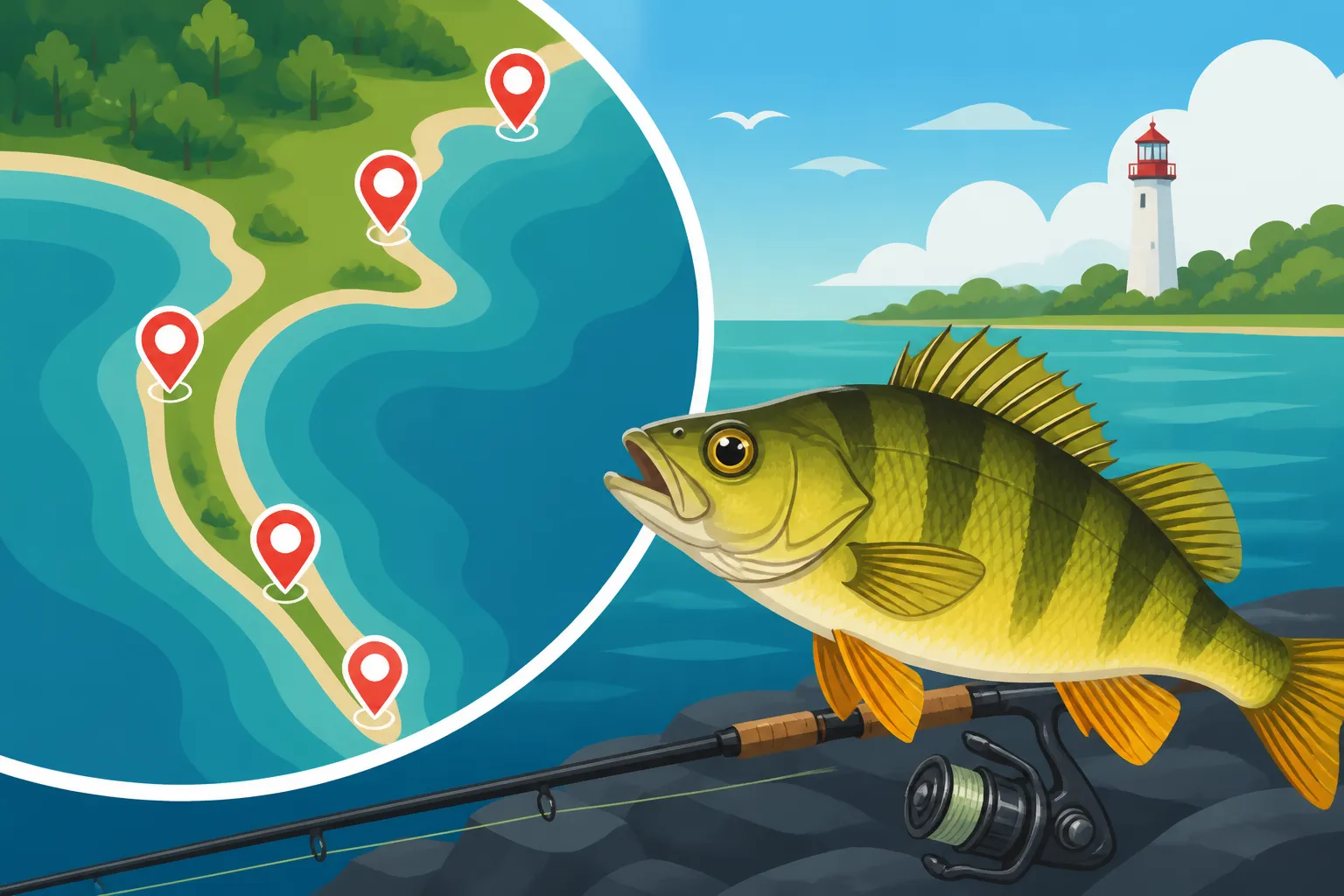
Long Point Bay is defined by the Long Point sand spit, a massive, crescent-shaped sand formation that extends nearly 40 kilometers into Lake Erie. This natural barrier creates a vast, relatively shallow, and protected "inner bay" system that contrasts sharply with the often-turbulent "outer bay" of Lake Erie. The inner bay is characterized by extensive weed beds, gradual drop-offs, and a predominantly sand or muck bottom, all of which are critical for supporting massive populations of yellow perch. The calmer conditions within the bay, especially compared to the open lake, also make it far more accessible and enjoyable for smaller boats or even shore anglers in certain areas. This unique structure not only provides shelter from the fierce Lake Erie winds but also acts as a natural nursery, brimming with the invertebrates and small baitfish that perch feast upon.
Why Perch Thrive Here
The sheer volume of yellow perch in Long Point Bay isne't just luck; it's a direct result of its rich ecosystem. The bay's shallower, warmer waters in the spring and summer lead to an explosion of aquatic insects, minnows, and other small organisms that form the foundation of the perch's diet. These fertile conditions allow perch to grow quickly and sustain large populations, making it one of the premier yellow perch fisheries in the world. Furthermore, the extensive weed lines and submerged structures offer vital protection from larger predators, allowing juvenile perch to mature safely. It's a complex, balanced environment that continuously replenishes the stocks, much to the delight of anglers. If you're keen to understand the broader context of the species, our detailed guide on Yellow Perch in Lake Erie and Lake Simcoe offers a fantastic overview of their habits.
A Haven for Both Casual and Dedicated Anglers
Whether you're a seasoned angler with years of experience or a family looking for a fun day on the water, Long Point Bay caters to all. The plentiful perch provide consistent action, which is perfect for introducing beginners or children to the joys of fishing. For the more dedicated angler, the challenge lies in locating the larger "jumbo" perch, which require more precise techniques and knowledge of their schooling patterns. The accessibility from various towns like Port Rowan, Turkey Point, and Port Dover means there are numerous launch points and amenities available. Many local fishing guides also operate in these areas, and booking a trip through platforms like FishingBooker can often connect you with experienced captains who specialize in perch, providing all the gear and local know-how you'll need for a successful trip.
Prime Perch Hotspots Within Long Point Bay
While the entire Long Point Bay area is known for perch, certain locations consistently produce better results due to their specific underwater structure, forage availability, and depth contours. Knowing these hotspots can significantly improve your chances of a successful outing.
The Inner Bay's Weed Lines and Flats
The vast inner bay is a labyrinth of submerged vegetation and expansive flats, and this is where many anglers find their initial success. Perch, especially during the warmer months, are often found patrolling the edges of weed beds, darting in and out to ambush unsuspecting baitfish or invertebrates. These weed lines, particularly those in 8-15 feet of water, provide both cover and feeding opportunities.
Look for areas where weed growth is dense but still allows for pockets of open water, as these are often ambush points. Using your fish finder to identify variations in the weed height or gaps can be incredibly productive. Shallow sand flats adjacent to deeper channels or weed beds are also excellent, particularly in spring and fall when perch move into these areas to feed aggressively. Consider exploring the waters near Port Rowan or Turkey Point, where access to these inner bay features is readily available.
Channels and Drop-offs Near the Main Lake
As you move closer to the entrance of the inner bay and into the "outer bay" transition zones, you'll encounter more defined channels and significant drop-offs. These areas are crucial, especially when perch start to move into deeper water during late summer or winter, and particularly during their migration patterns. The main channels leading out to Lake Erie act as highways for fish, including perch and the larger walleye they often associate with.
Drop-offs, particularly those that transition from 15 to 30 feet or more, provide cooler, more oxygenated water during heat waves and act as staging areas. Concentrate your efforts where these depth changes are abrupt, as perch will often stack up along these underwater ledges. Areas around the tip of Long Point itself, or where the deeper channels cut through the bay, can be incredibly productive. These spots often hold larger schools of perch that are less pressured than those closer to shore.
Specific Structural Features: Reefs and Artificial Habitats
Beyond the natural weed lines and channels, Long Point Bay also boasts some specific structural features that concentrate perch. While not as numerous as in some other large lakes, there are subtle reefs, rock piles, and even artificial habitats (like old tires or sunken debris, where present) that can hold significant numbers of perch. These structures break up the otherwise uniform bottom, attracting baitfish and, in turn, perch.
It's worth investing time in studying hydrographic charts of the bay to identify these nuances. Your fish finder, especially a good quality unit, will be invaluable in locating these submerged structures. When you find one, mark it on your GPS and explore it thoroughly. Often, these spots can hold larger, less active perch seeking shelter. If you're on a guided trip, a captain found via FishingBooker will likely have many of these exact coordinates programmed into their electronics, giving you a significant advantage. Getting to grips with what your electronics can do is key, and our guide on the Best Fish Finders for Ontario Lakes might offer some useful insights.
Seasonal Strategies for Long Point Bay Perch
Yellow perch are a year-round target in Long Point Bay, but their locations and feeding behaviors change significantly with the seasons. Adapting your approach to the time of year is crucial for consistent success.
Spring: Post-Spawn Feasting Frenzy
Spring, particularly from April through early June, is a fantastic time for perch fishing in Long Point Bay. After spawning in the shallower weed beds, perch become incredibly active, looking to replenish their energy reserves. They often school up in large numbers in relatively shallow waters, typically 6-15 feet deep, gorging on newly hatched insect larvae and minnows.
Focus your efforts on the shallower sections of the inner bay, especially along the first significant weed lines and sand flats that warm up quickly in the spring sun. These areas will be teeming with baitfish, and the perch won't be far behind. Small jigs tipped with minnows or pieces of worm, or tiny spoons, are highly effective. The key is to be mobile until you find a school, as they will move around in search of the most abundant food sources. This is also a prime time to catch some of those sought-after "jumbo" perch before they disperse for the summer. For more on the broader fishing calendar, check out Ontario Fishing Seasons by Zone and Month.
Summer: Deeper Waters and Structure
As summer progresses and water temperatures rise, perch tend to move into deeper, cooler waters, often congregating around structural elements or deeper channels. While you can still find smaller perch in the inner bay's weed cover, the larger schools and bigger fish will generally be found offshore in 18-35 feet of water.
This is when those deeper drop-offs, subtle humps, and the channels leading to the main Lake Erie body become prime territory. Use your fish finder to locate schools of baitfish or concentrated marks on the bottom. Vertical jigging with small spoons or drop-shot rigs with live minnows are highly effective techniques during the summer months. Trolling can also be productive, particularly if you're covering a lot of ground to locate schools. Keep an eye on reports, as a FishingBooker charter captain will be actively tracking these movements throughout the season.
Fall: The Migration and Aggressive Feeding
Fall is arguably the peak season for yellow perch fishing in Long Point Bay. As water temperatures begin to drop, perch start an aggressive feeding binge in preparation for winter. They will often migrate from their deep summer haunts back towards shallower or mid-depth areas, sometimes following baitfish into the inner bay once again.
Look for them congregating around the edges of weed beds that are starting to die off, as well as along mid-depth channels and flats, typically in 10-25 feet of water. They will often be very active and willing to chase down a variety of baits. Both vertical jigging and casting small crankbaits or blade baits can be incredibly effective. The cooler temperatures also mean that you might encounter fewer recreational boaters, making for a more peaceful and productive fishing experience. Our general guide on Lake Erie Yellow Perch Fishing provides further depth on this fantastic fall fishery.
Winter: Ice Fishing Opportunities (When Safe)
When Long Point Bay freezes over safely, it transforms into an ice fishing haven for perch enthusiasts. The ice fishing season typically runs from late December or early January through March, depending on ice conditions. Perch tend to school tightly under the ice, often relating to shallower flats with residual weed growth or subtle breaks in 8-20 feet of water.
Ice fishing for perch is all about finding the schools. Use a good quality ice fishing sonar or flasher to locate fish before drilling multiple holes. Once you find them, jigging aggressively with tiny spoons, often tipped with a maggot or a piece of worm, is the ticket. While ice conditions on Lake Erie can be notoriously unpredictable, when the bay is safely locked up, the perch bite can be phenomenal. Always prioritize safety and check local ice conditions before venturing out. For more specific tactics, consider exploring our guide on Jigging for Perch Through the Ice.
Essential Gear and Techniques for Success
Having the right gear and employing effective techniques can dramatically improve your perch fishing success on Long Point Bay. It's not about having the most expensive setup, but rather having the right tools for the job.
Rods, Reels, and Line
For yellow perch, a lighter setup is generally preferred. A 6 to 7-foot light or medium-light action spinning rod paired with a small, 1000 or 2000 series spinning reel is ideal. This combination offers enough sensitivity to detect subtle perch bites and enough backbone to handle a good-sized jumbo. Spool your reel with 4-8 pound test monofilament or fluorocarbon line. Monofilament offers a bit more stretch, which can be forgiving, while fluorocarbon offers excellent sensitivity and low visibility in clear water. Many anglers prefer a braided main line (6-10 lb) with a 4-6 foot fluorocarbon leader (4-6 lb) for the best of both worlds – sensitivity and invisibility. This setup is versatile enough for both jigging and casting. If you're looking to broaden your general panfish knowledge, our article on Best Tackle for Panfish is a great resource.
Baits and Lures
Perch are not overly picky eaters, but certain baits and lures consistently outperform others. Live bait is often king, especially for finicky fish. Live minnows, particularly emerald shiners or fatheads, are highly effective, rigged on a small hook (size 6-10) under a float or on a simple hook-and-sinker rig. Pieces of worm, especially nightcrawlers, are also excellent choices. For artificials, small jigging spoons (like a Swedish Pimple or Kastmaster in 1/8 to 1/4 oz), tiny soft plastic baits (like tubes or grubs on a 1/16 to 1/8 oz jig head), and blade baits are very productive. Color choice can vary, but silver, gold, chartreuse, and perch patterns are usually reliable.
Retrieval and Presentation Techniques
When fishing for perch, subtlety and variety are your friends. For jigging, a common technique involves dropping your lure to the bottom, then imparting small, sharp lifts of the rod tip, allowing the lure to flutter back down. Perch often strike on the fall, so pay close attention to your line. When using live bait, a slow retrieve with occasional pauses can entice a bite.
If you're using a float, ensure your bait is suspended just above the weed tops or near the bottom. Don't be afraid to experiment with different speeds, pauses, and jigging actions until you find what the fish are responding to on a given day. Sometimes a dead-stick presentation (leaving the bait completely still) is what it takes, especially for larger, more cautious perch. Remember, perch are schooling fish, so once you catch one, there are likely many more in the vicinity.
| Season | Typical Depth (Feet) | Preferred Baits/Lures | Key Techniques | Notes |
|---|---|---|---|---|
| Spring | 6-15 | Live Minnows, Worms, Small Jigs | Drifting, Casting, Bobber Fishing | Focus on weed edges and shallow flats. Post-spawn activity. |
| Summer | 18-35 | Live Minnows, Spoons, Drop-shots | Vertical Jigging, Drifting, Trolling | Look for deeper structure, channels, and thermoclines. |
| Fall | 10-25 | Live Minnows, Blade Baits, Jigs | Casting, Vertical Jigging, Drifting | Aggressive feeding. Perch return to shallower areas. |
| Winter | 8-20 | Small Spoons, Jigs (tipped) | Vertical Jigging, Dead-sticking | Ice fishing (when safe). Find tight schools on flats or breaks. |
Locating Perch with Electronics
A quality fish finder is an indispensable tool for perch fishing on Long Point Bay. The vastness of the bay means that blindly drifting or casting can be inefficient. Use your sonar to identify schools of baitfish, marks that indicate perch, and changes in bottom structure like drop-offs, humps, and weed lines. Side imaging or down imaging can be particularly useful for scanning wider areas and pinpointing structure quickly.
Once you mark a school, deploy a buoy or use your boat's GPS to mark the spot precisely. Many anglers will then drift over the marked area or anchor upwind/upcurrent and cast to it. Modern electronics can even help you identify the density of the school, giving you an idea of how many fish are present. Even if you're on a guided trip, understanding how these tools work will enhance your experience, and a guide you found on FishingBooker will be a master at interpreting them.
General Tips for a Productive Day
- Be Mobile: Perch schools move. If you're not getting bites, don't be afraid to relocate.
- Chumming: In some areas and when regulations permit, using cut-up minnows or crushed worms as chum can attract perch to your area.
- Follow the Bait: Perch are always where the food is. If you see schools of baitfish on your electronics or visually, fish that area.
- Weather Matters: Pay attention to weather patterns. Stable weather often means more consistent fishing. Cold fronts can make fish lethargic.
- Safety First: Especially on Lake Erie, weather can change rapidly. Always check marine forecasts before heading out and ensure you have all required safety equipment, including life jackets.
Long Point Bay truly offers a world-class yellow perch fishery, and by understanding its unique characteristics, knowing where to focus your efforts, and employing the right techniques, you're well on your way to a memorable day on the water.
Disclaimer
The information provided in this guide is for general informational purposes only and does not constitute legal advice. Fishing regulations, license requirements, and safety guidelines can change frequently. Always consult the most current official Ontario fishing regulations summary and local authorities before engaging in any fishing activities. Ensure you have the proper Ontario Fishing License Guide for 2026 and understand all Ontario Fishing Regulations Explained before heading out. Angling involves inherent risks, and adherence to safety protocols is paramount.