Ontario Fishing Seasons by Zone and Month
Trying to figure out when and where you can actually drop a line in Ontario can feel like deciphering an ancient scroll, especially with its sheer size and diverse regulations. It's not as simple as "fishing season is open!" because what's legal in Lake Erie might be completely closed up in Lake of the Woods. This guide is here to untangle that complexity, giving you a clear, zone-by-zone, and month-by-month breakdown of Ontario's fishing seasons so you can plan your next angling adventure with confidence.
Understanding Ontario's Fisheries Management Zones (FMZs)
Before we even talk about specific species or months, the absolute first thing you need to grasp about fishing in Ontario is the concept of Fisheries Management Zones, or FMZs. Ignoring these zones is probably the quickest way to end up with a ticket, or worse, accidentally harming a vulnerable fish population. It's a common frustration for anglers, but once you get the hang of it, these zones make a lot of sense.
Why Zones Matter for Anglers
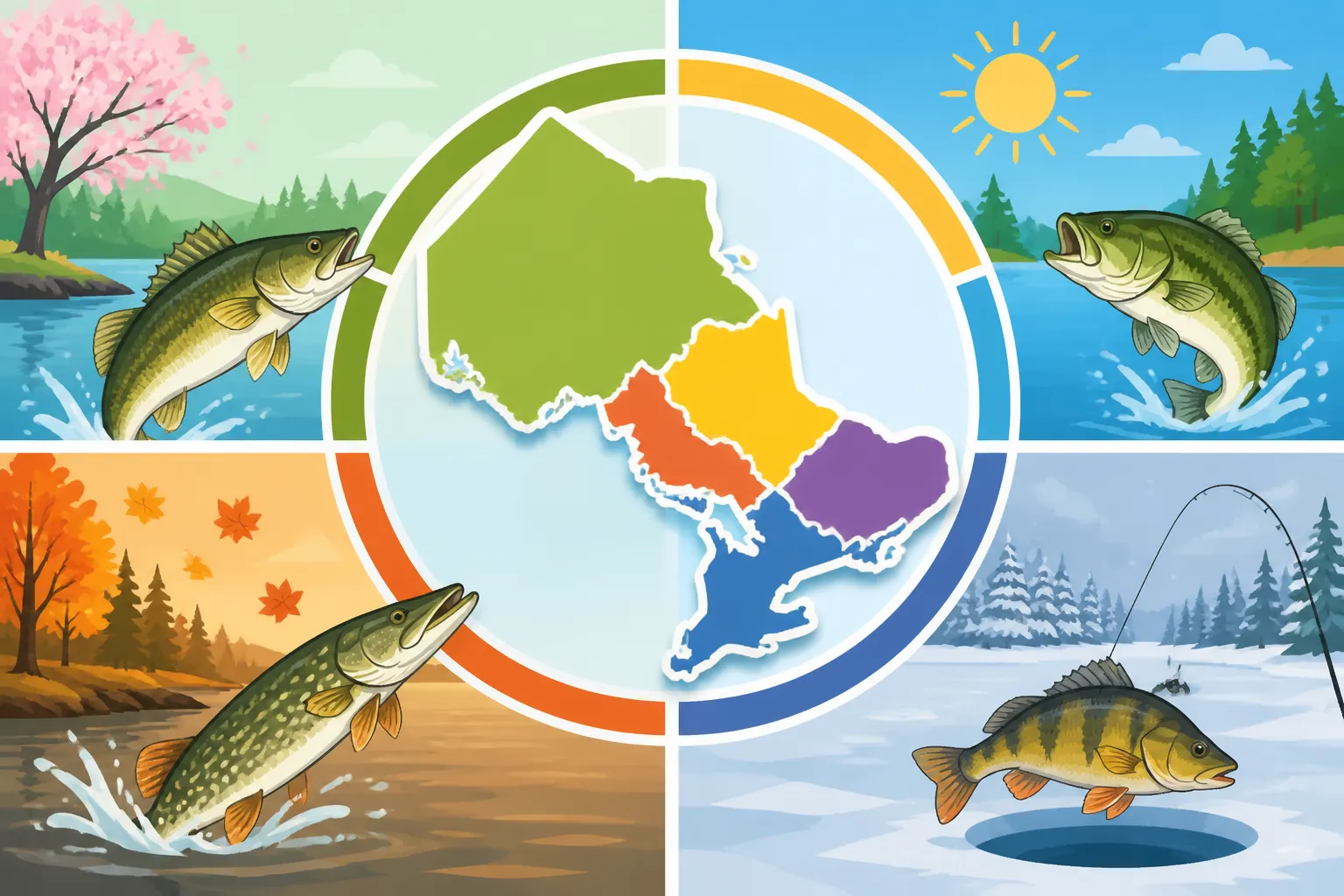
Ontario is a truly massive province, stretching from the Great Lakes in the south all the way up to the Hudson Bay lowlands in the far north. Imagine trying to manage fishing for everything from brook trout to muskie across such a varied landscape with a single set of rules – it would be an absolute nightmare, and frankly, completely ineffective for conservation. This is why the province is divided into 20 distinct Fisheries Management Zones. Each one has its own unique ecological characteristics, fish populations, and specific management objectives.
This localized approach allows the Ministry of Natural Resources and Forestry (MNRF) to tailor regulations that make sense for the fish and their habitats in that particular area. For example, walleye might spawn much earlier in the warmer waters of Southern Ontario compared to the icy conditions that persist longer in the far north. Without zones, a blanket opening date would either open the season too early in some areas, potentially harming spawning fish, or too late in others, unnecessarily shortening the angling opportunity. It's designed to protect the resource while still providing ample opportunities for us to enjoy our sport. So, while it can be super confusing at first, these zones are actually working to keep our fishing fantastic for years to come. For a complete deep dive into how these zones are structured and what they mean, you'll want to check out our detailed article on Ontario Fisheries Management Zones, Explained.
Navigating the FMZ Map
Alright, so you understand why zones exist. Now, how do you figure out which zone you're in? This is crucial because all other regulations, from season dates to bag limits, stem directly from your FMZ. The easiest and most reliable way to pinpoint your location within an FMZ is by using the official tools provided by the MNRF. Many anglers rely on the online interactive map called Fish ON-Line. This incredibly useful resource allows you to zoom in on any lake or river in Ontario and instantly see its corresponding FMZ, as well as specific regulations for that waterbody.
For example, if you're planning a trip to Lake Nipissing, a quick check will show you that it falls primarily within FMZ 11. Conversely, if you're casting your line near Thunder Bay, you'll generally be in FMZ 2, which has dramatically different season dates and limits than, say, FMZ 16, which covers much of the greater Toronto area. It's absolutely essential to consult this map or a current fishing regulations summary before heading out. Don't just assume you know the zone based on a general region, as boundaries can be intricate and sometimes cut right through larger water bodies. Getting this step right is the foundation for a successful and legal fishing trip. To learn more about this essential planning tool, read our guide on the Ontario Fish ON-Line Interactive Zone Map, Explained.
General Season Openers and Closures Across Ontario
While the specifics always come down to the individual Fisheries Management Zone and species, there are some general patterns for season openers and closures that hold true across most of Ontario. Knowing these broad strokes can help you anticipate when certain species will become available and when they'll shut down for their protected periods. It's a starting point, but always remember to drill down to the exact regulation for your specific location and target fish.
Common Spring Openers
Spring is a time of incredible excitement for anglers, as ice recedes and fish become active again after a long winter. However, not all species open at the same time, and trying to plan your first trip can be a headache when you're not sure what's fair game. One of the most anticipated openers, and often the first major one of the year, is for walleye. Typically, walleye seasons begin in late April or early May in the southern zones, gradually opening later as you move northward. This staggered approach is designed to protect walleye during their crucial spawning period, which happens earlier in warmer waters.
Northern pike often share a similar opening timeline with walleye, becoming available for angling around the same spring period. Bass — both smallmouth and largemouth — are usually a later game, with their season generally opening in the third or fourth Saturday of June across much of the province. This delay is critical because bass are prolific nest-builders and guardians, and an earlier season would disrupt their spawning success. It's a common frustration to plan a trip for early June only to find the bass season isn't open yet, so always double-check those dates! For specific zone details on these popular species, you can refer to our articles like Ontario Walleye Opener Dates by Zone and Ontario Bass Opener Dates by Zone.
Late Fall and Winter Closures
Just as spring brings new opportunities, late fall and winter usher in important closures for many species. By late fall, as water temperatures drop and days shorten, many fish populations are preparing for winter or, in the case of some species, their own spawning periods. Most general open seasons for popular sport fish like walleye, pike, and bass will typically close by mid-December, though this can vary significantly by zone. These closures are particularly critical for species like lake trout, which spawn in the late fall or early winter, often on rocky shoals. Protecting them during this vulnerable time ensures future generations of fish.
However, a closure for one species doesn't necessarily mean the end of fishing. For many anglers, the late fall and early winter closures simply mark the transition to ice fishing season. While some species are closed, others, like perch and various panfish, often remain open year-round or have extended seasons through the ice. It’s always crucial to consult the current regulations for your specific FMZ to understand what species are open and closed during the colder months. For a comprehensive overview of when you can fish for different species across the province, our guide on Ontario Fishing Season Dates by Zone is an invaluable resource. Furthermore, specific winter opportunities, such as the unique Ontario Northern Pike Winter Season in FMZ 20, highlight the importance of detailed zone-specific knowledge.
Diving Deep into Key Species Seasons
Now that we've covered the basics of zones and general timings, let's get into the nitty-gritty for some of Ontario's most sought-after species. Each fish has its own biological rhythms, habitat preferences, and, consequently, its own set of seasonal regulations designed to ensure sustainable populations for everyone to enjoy.
Walleye Seasons by Zone
Walleye, affectionately known as pickerel to many, are arguably the most popular sport fish in Ontario, celebrated for their delicious fillets and feisty fights. Their season openings are a massive event, sparking countless fishing trips each spring. However, the exact opening date is highly zone-dependent, reflecting the province's vast geography and varying spring thaws. In the southernmost FMZs, like FMZ 16 or parts of FMZ 20, walleye season might open as early as the first Saturday in May. As you move northward, for instance into FMZ 18 or FMZ 15, the opening dates progressively shift later into May or even early June.
These specific dates are meticulously chosen to protect walleye during their crucial spring spawning period, which occurs shortly after ice-out. Spawning typically happens in shallow, flowing water or on rocky shoals, making them particularly vulnerable. By delaying the season in colder, more northerly zones, the MNRF ensures that the majority of fish have had a chance to complete their spawning before angling pressure begins. For example, while FMZ 18 might see its walleye opener in mid-May, FMZ 15, further north, might not open until early June. This staggered approach is vital for the long-term health of these highly valued fish populations. Knowing these nuances is key to planning a successful walleye trip, and dedicated anglers always consult the latest summary. For more granular details, you can find specific opening dates like the Ontario Walleye Opener Date for FMZ 18 in 2026.
Here's a simplified table to illustrate the typical variation in walleye seasons across a few sample FMZs:
| Fisheries Management Zone (FMZ) | Common Walleye Season Opener | Common Walleye Season Closer | Notes |
|---|---|---|---|
| FMZ 16 (Southern) | 1st Saturday in May | December 31 | Generally earliest opener due to warmer waters. |
| FMZ 18 (Central/Northern) | 3rd Saturday in May | December 15 | Mid-range opener, common for many central lakes. |
| FMZ 2 (Far North) | 3rd Saturday in May | April 14 (Next Year) | Longer season, but check specific waterbody details. |
| FMZ 15 (Central) | 1st Saturday in June | December 31 | Later opener for colder, larger water bodies. |
Note: These are general patterns. Always consult the current Ontario Fishing Regulations Summary for exact dates for your specific location.
Bass Seasons (Smallmouth & Largemouth)
When it comes to bass fishing in Ontario, patience is a virtue, especially in the spring. Smallmouth and largemouth bass, while both fantastic sport fish, have later opening dates than species like walleye or pike, primarily to protect them during their vulnerable spawning and post-spawning periods. Across much of the province, the bass season typically opens on the third Saturday in June. This timing is critical because both species engage in extensive nest building and parental care. The males guard the nests, fanning the eggs and protecting the fry from predators. If the season were open earlier, angling pressure could easily disrupt this process, leading to widespread nest abandonment and significantly reduced spawning success.
While the general opener is mid-June, it's not uncommon to find zone-specific nuances. Some waters might have special slot limits or catch-and-release-only periods even after the main season opens, especially in areas where fisheries managers are trying to protect larger, trophy-sized bass or rebuild struggling populations. For instance, specific lakes might implement a slot limit, where bass within a certain size range must be immediately released, allowing them to grow larger and contribute to future spawning. Always check the regulations summary for the specific water body you plan to fish, even after the general season opens. Understanding these protective measures helps ensure that Ontario continues to boast some of the best bass fishing in North America. For more information on specific rules for these incredible fish, take a look at our article on Ontario Smallmouth Bass Slot Limits.
Lake Trout and Brook Trout Seasons
Trout fishing in Ontario offers a diverse experience, from the deep-water battles with lake trout to the serene pursuit of brook trout in remote ponds. Their seasons are equally varied, reflecting their different ecological needs. Lake trout, often found in deep, cold, oxygen-rich lakes, typically have seasons that open quite early in the spring, sometimes shortly after ice-out in April or early May, particularly in southern and central zones. However, many lake trout seasons close relatively early in the winter, often by late September or October, especially in areas where they are preparing for their late fall spawning. This protects them when they aggregate on rocky shoals, making them easy targets. Knowing the specific season for your chosen lake is paramount, as dates can vary even within the same FMZ. For detailed rules on bag and possession, our guide on Ontario Lake Trout Limit and Possession Rules is a must-read.
Brook trout, Ontario's provincial fish, often inhabit smaller lakes, rivers, and streams, particularly in the northern and central parts of the province. Their seasons can be more liberal, with many waters open year-round for brook trout, though specific restrictions might apply to certain streams or lakes to protect wild populations. However, for a truly unique and sensitive species like the Aurora Trout, regulations are extremely strict. This rare, naturally occurring trout is found in only a handful of specific lakes, primarily in the Temagami region. To protect this critically endangered species, these lakes are subject to rotational closures, meaning they are only open to fishing on specific years, and often under catch-and-release only rules. Missing an "open" year means waiting a few more seasons. This highlights the absolute necessity of checking the current regulations summary every single time you plan a trout fishing trip, especially if you're targeting these more sensitive or rare species. For an in-depth understanding of these special rules, see our article on Ontario Aurora Trout Rotational Lake Closures.
Ice Fishing Seasons and Winter Opportunities
When the lakes freeze over in Ontario, a whole new world of fishing opens up – ice fishing! For many, it's not just a way to pass the winter months, but a cherished tradition and an exciting pursuit. However, just like open water fishing, ice fishing is governed by specific seasons and regulations that vary by zone and species. You can't just drill a hole anywhere, anytime, and expect to be legal.
When and Where You Can Ice Fish
The general ice fishing season in Ontario typically runs from early to mid-December, as soon as safe ice forms, right through to mid-March, or sometimes even into April in the far north. The exact timing largely depends on local ice conditions, which are highly variable year to year. You'll find active ice fishing on popular lakes like Lake Simcoe, Lake Nipissing, and countless smaller lakes and reservoirs across the province. During this period, a variety of species become available targets. Yellow perch are a perennial favourite, offering fast action and delicious fillets. Northern pike are also commonly caught through the ice, as are various panfish like crappie and sunfish. In many lakes, walleye seasons remain open through the ice, providing an incredible opportunity, and even lake trout can be targeted in deeper, cold-water lakes that remain open for the species.
It's vital to remember that "safe ice" is the angler's responsibility, and conditions can change rapidly. Always check local ice reports, fish with a buddy, and carry safety gear like ice picks and a floater suit. The thrill of being out on the frozen expanse, waiting for that flag to pop, is unmatched, but safety always comes first. For more comprehensive information on this exciting winter activity, our detailed guide to Ice Fishing in Ontario is an excellent resource, and if you're looking for specific hotspots, check out the Best Ice Fishing Lakes in Ontario.
Zone-Specific Winter Regulations
While many species are available through the ice, it’s absolutely critical to understand that ice fishing is not a free-for-all. The same FMZ rules and species-specific seasons apply, often with unique winter nuances. For instance, while some zones might have a general closure for pike in mid-December, others, like FMZ 20 in Southwestern Ontario, have specific winter seasons for northern pike. This means that if you're fishing in FMZ 20, you might be able to target pike through the ice even when other zones have closed seasons for them. These unique regulations are designed to provide angling opportunities while still protecting fish populations that might be vulnerable during colder months or specific spawning periods.
Beyond species seasons, there are also regulations regarding ice huts. If you're planning to leave a shelter on the ice overnight, it needs to be registered with the MNRF in many parts of the province, and these registrations often expire at the end of March, with all huts needing to be removed by a specific date to prevent them from sinking when the ice melts. Failure to register or remove your hut can result in fines and environmental hazards. Always ensure you consult the most current Ontario Fishing Regulations Summary for your specific FMZ and target species. Pay close attention to season dates, catch limits, and any special regulations that apply to ice fishing, including details on Ontario Ice Hut Registration Rules, to ensure a safe and legal winter angling experience.
Special Considerations and Exceptions
Ontario's fishing regulations, while generally comprehensive, also include a variety of special considerations and exceptions that every angler needs to be aware of. These aren't just minor details; they can drastically impact where, when, and how you fish, and sometimes even determine which license you need. Overlooking these specifics can lead to confusion or, in some cases, serious penalties.
Year-Round Open Seasons and Catch & Release
While many popular game fish have distinct open and closed seasons, not everything in Ontario shuts down. There are certain species and specific water bodies where fishing might be open year-round, offering opportunities even when other seasons are closed. For instance, many panfish species like sunfish, rock bass, and sometimes even crappie, might have year-round open seasons in various lakes and rivers, though bag limits will still apply. These species often provide excellent light tackle fun, particularly for families or beginners. It's always a good idea to check the regulations for your specific waterbody, as exceptions exist.
Beyond specific species, certain lakes or sections of rivers are designated as "catch-and-release only" for all or specific species. This is often done to protect fragile populations, maintain a trophy fishery, or allow specific species to rebound. In these waters, regardless of the general season, any fish caught must be immediately and carefully released back into the water. The frustration of catching a beautiful fish only to realize you can't keep it is real, but these rules are crucial for conservation. Catch and release fishing is an increasingly popular practice that emphasizes the sporting aspect of angling while ensuring fish populations remain healthy for future generations. For a detailed list of such waters, consult our article on Ontario Catch and Release Only Waters.
Boundary Waters and Reciprocity
Fishing in Ontario gets a little more complicated when you're on a body of water that forms a provincial or international boundary. Ontario shares significant stretches of water with Quebec, Manitoba, and the United States (via the Great Lakes and various smaller border lakes). The big question that often frustrates anglers is: "Do I need a separate license for each side of the water?" The answer, frustratingly, isn't always straightforward.
In some cases, there are reciprocal agreements. For example, specific boundary waters with Quebec might allow you to fish with an Ontario license as long as you're following the Quebec regulations on their side, and vice-versa. However, this is not a universal rule and depends entirely on the specific agreement for that particular water body. For the vast majority of the Great Lakes shared with the United States, you will generally need a valid fishing license from the state (e.g., Michigan, Ohio, New York) if you intend to fish in their waters, even if you launched from Ontario. The complexity can be maddening, with stories of anglers being ticketed for straying a few feet too far over an invisible line. Always, always verify the rules for boundary waters before you cast a line. This is particularly important for those exploring Ontario Fishing License Reciprocity with Quebec Boundary Waters or fishing the vastness of the Ontario Fishing License Reciprocity on the Great Lakes with the United States. Don't let a technicality ruin your trip!
Regulation Changes and Staying Updated
Perhaps the most crucial "special consideration" is the dynamic nature of fishing regulations themselves. Unlike a stone tablet, Ontario's fishing rules are not set in amber. They are reviewed and updated annually by the Ministry of Natural Resources and Forestry (MNRF) based on scientific data, conservation needs, and public input. This means that what was true last year might not be true this year, and relying on outdated information is a surefire way to run into trouble.
The biggest frustration for many anglers is keeping up with these changes. A subtle shift in an opener date, a new slot limit, or a change in possession limits can easily be missed. It is an absolute, non-negotiable requirement for every angler to consult the current year's Ontario Fishing Regulations Summary before each fishing season, and ideally, before each trip to a new area. This summary is available both online on the official Ontario government website and as a printed booklet from license vendors. You can even find physical copies of the summary or regulation books on Amazon if you prefer a tangible reference to keep in your tackle box or boat. Don't rely on memory, what your buddy told you, or old guides. Make it a habit to actively seek out the most up-to-date information. For essential guidance on how to decode this crucial document, our guide on Reading the Ontario Fishing Regulations Summary will prove invaluable.
Planning Your Ontario Fishing Trip by Month
Understanding the zones and species seasons is one thing, but planning your actual trip around the calendar is where it all comes together. Ontario's fishing opportunities truly transform with the changing seasons, offering distinct experiences and target species from early spring to the depths of winter. Let's break down what you can expect month-by-month.
Spring Fishing (April-May)
Spring in Ontario is a period of transition and fervent anticipation for anglers. As the ice finally recedes from most lakes in the southern and central parts of the province, the waters begin to warm, and fish become incredibly active. April is often characterized by the eagerly awaited opening of northern pike seasons in many zones. These toothy predators are aggressive after the long winter, often found in shallow, weedy bays where they're easily accessible. For many, it's also the start of the lake trout season, with these cold-water fish often still relatively high in the water column before retreating to deeper haunts in summer.
As May progresses, the big event is the walleye opener, which, as we discussed, varies significantly by FMZ, starting earlier in the south. This is prime time for pre-spawn and early post-spawn walleye, often found on classic structures like points, shoals, and river mouths. Stream fishing for resident trout species like brook trout and brown trout also kicks into high gear as insects begin to hatch. While bass season is typically still closed, the opportunities for pike, walleye, and trout are abundant. Be prepared for variable weather conditions; early spring fishing can be chilly, wet, and windy, so a good set of waterproof rain gear is a must, and you can find excellent options on Amazon. For specific strategies to tackle the eagerly anticipated walleye opener, our guide on Spring Walleye Fishing Techniques for Ontario offers invaluable tips.
Summer Fishing (June-August)
Summer is peak fishing season across most of Ontario, with warmer weather, longer days, and the opening of almost all major game fish seasons. June is the month when the highly anticipated bass season finally opens, typically on the third Saturday. Both smallmouth and largemouth bass become prime targets, with smallmouth often found on rocky structures and shoals, and largemouth lurking in weed beds and around fallen timber. This is also when muskie fishing really takes off, as these apex predators become more active in the warmer waters. Walleye fishing continues to be excellent, though they may start to move to deeper structures as surface waters heat up.
July and August offer consistent warm-water fishing. Panfish like perch, crappie, and sunfish are abundant and provide great action for families. Lake trout, though, will have moved to deeper, cooler waters, often requiring specialized techniques like downrigging or deep jigging. The challenge in summer often lies in adapting to the heat and finding fish that have moved off shallow structures. Early mornings and late evenings can be particularly productive as fish feed more actively in cooler conditions. For an overall perspective on the best times to target various species, our Best Time of Year to Fish in Ontario guide is helpful, and if you're keen on bass, you'll want to read about How to Catch Smallmouth Bass in Ontario.
Fall Fishing (September-November)
As summer fades into fall, Ontario's fishing scene takes on a different, often more intense, character. The cooler temperatures and shorter days trigger a feeding frenzy in many species as they fatten up for the coming winter. September and October are prime months for trophy muskie. These giants are actively feeding, and anglers often employ larger baits and more aggressive tactics to entice a strike. Walleye fishing remains strong, especially as they move into shallower areas to chase baitfish schools.
For those on the Great Lakes tributaries, fall brings the spectacular salmon and steelhead runs, offering incredible opportunities for shore anglers and waders. Brown trout and brook trout in rivers also become more aggressive as spawning season approaches. Later in November, as water temperatures continue to drop, fishing can get tougher, but dedicated anglers can still find success, particularly with lake trout which begin to stage for their late fall spawn. As temperatures drop in the fall, having insulated layers, easily purchased from retailers like Amazon, can make all the difference between an enjoyable outing and a shivering retreat. This time of year often rewards persistence and adapting to colder conditions.
Winter Fishing (December-March)
Winter fishing in Ontario means one thing for most: ice fishing. As previously mentioned, the season generally kicks off in December as soon as safe ice forms and extends through March, sometimes even into April in the extreme north. While many open water seasons are closed, ice fishing provides unique opportunities to target species like yellow perch, crappie, northern pike, and even walleye and lake trout where seasons remain open. December is often a productive month, particularly early ice, as fish are still relatively active from their fall feeding.
January and February are the heart of the ice fishing season. While the bitter cold can be a deterrent, bundled-up anglers can find fantastic action. Lake Simcoe, for instance, becomes a hub for jumbo perch and whitefish through the ice. Northern lakes offer incredible opportunities for pike and walleye. As March approaches, anglers need to be extra vigilant about ice conditions as warming temperatures can rapidly degrade safety. Always check local conditions and exercise extreme caution during late ice. Essential ice fishing gear, like a good portable ice auger or a warm ice hut, can be found readily on Amazon, ready for your winter adventures. It’s a truly unique way to experience Ontario’s fisheries.
Disclaimer
Please remember that fishing regulations are subject to change. While this guide provides a comprehensive overview, it is your responsibility to consult the most current official Ontario Fishing Regulations Summary before each trip. This summary, available from the Ontario Ministry of Natural Resources and Forestry (MNRF) website or authorized license vendors, will provide the definitive and most up-to-date information for all Fisheries Management Zones and species.