Ontario Walleye Opener Dates by Zone
It can be incredibly frustrating trying to keep up with all the specific fishing regulations in Ontario, especially when you're just itching to get out on the water for walleye season. The dates aren't universal, and trying to decipher the official summaries can feel like a chore, leaving you wondering if you've got it right. This guide is here to cut through the confusion, helping you understand exactly when and why walleye opener dates vary across Ontario's diverse fisheries management zones, so you can plan your next angling adventure with confidence.
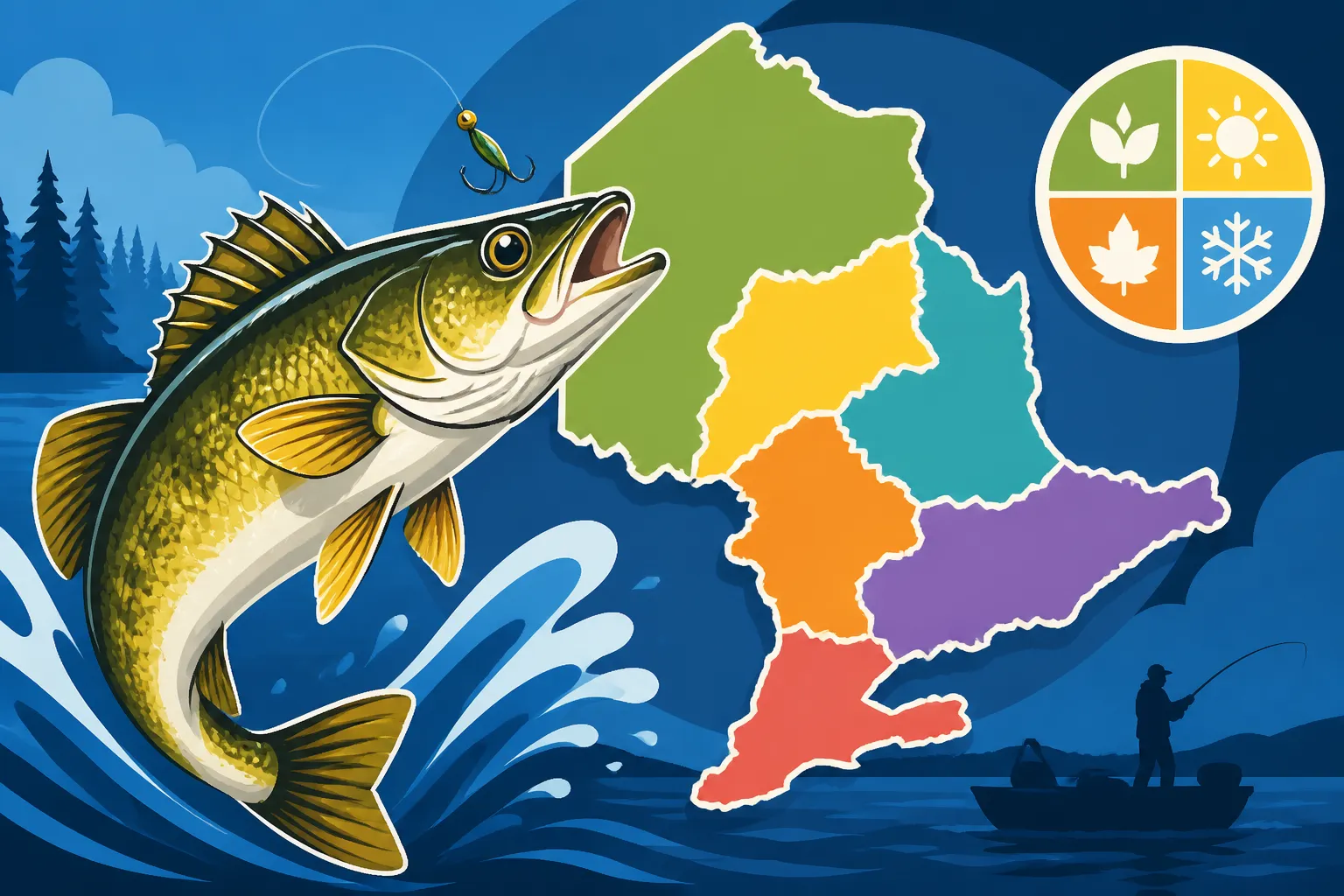
Understanding Ontario's Fisheries Management Zones (FMZs)
Ontario is a vast province, and its aquatic ecosystems are incredibly diverse, from the tiny, clear shield lakes of the north to the warmer, fertile waters of the Great Lakes basin. It wouldn't make sense to have one-size-fits-all fishing regulations. That's precisely why the Ministry of Natural Resources and Forestry (MNRF) divides the province into 20 distinct Fisheries Management Zones, or FMZs. Each FMZ has its own set of rules, season dates, and limits tailored to the unique fish populations and environmental conditions within that specific area. Ignoring these zones is a common mistake that can lead to fines, even for well-meaning anglers.
What are FMZs and Why They Matter
Think of FMZs as ecological boundaries that help protect and sustain fish populations. For example, a lake in Northern Ontario (say, FMZ 2 or 4) might have a much shorter growing season and colder water temperatures, leading to slower fish growth and later spawning times compared to a lake in Southern Ontario (like FMZ 16 or 20). If the walleye opener was the same across the entire province, you might be fishing on a northern lake where walleye are still actively spawning, which could severely impact their reproductive success and the future health of the fishery. The FMZ system allows for precision in management, ensuring that regulations like season openers, closers, and catch limits are appropriate for the specific conditions and fish stocks in each region. It’s a critical tool for maintaining healthy, thriving fisheries for all of us.
How to Identify Your Fishing Zone
Pinpointing which FMZ you're in is absolutely crucial before you even think about casting a line, especially for species with specific openers like walleye. The easiest and most reliable way to find your FMZ is to consult the official Ontario Fish ON-Line Interactive Zone Map, Explained. This online tool allows you to zoom in on any lake or river in the province and immediately see which zone it falls into. Many anglers also carry a printed copy or a digital version of the most recent Reading the Ontario Fishing Regulations Summary with them, which includes maps and detailed breakdowns for each zone. If you're heading to a specific lodge or an area you're unfamiliar with, don't hesitate to ask locals or the lodge owners – they're often a wealth of information and can confirm the FMZ for you. Remember, getting this detail right is the foundation of responsible and legal fishing in Ontario.
Why Walleye Opener Dates Vary by Zone
The variation in walleye opener dates across Ontario's FMZs isn't arbitrary; it's a carefully calculated decision based on the biology of the walleye themselves and broader conservation goals. It's easy to get frustrated when your favourite lake opens a week later than another, but understanding the 'why' behind these differences can help you appreciate the importance of these regulations. It all boils down to ensuring walleye have a successful spawning period and that their populations remain robust for generations to come.
Walleye Spawning Cycles and Timing
Walleye are spring spawners, and their reproductive cycle is heavily influenced by water temperature. Generally, they begin to spawn when water temperatures reach around 42-50°F (5.5-10°C). In Southern Ontario, where springs arrive earlier and waters warm up faster, walleye typically complete their spawning activities earlier in the season. Think about places like Lake Erie or the Bay of Quinte; their walleye are often wrapping up their reproductive duties by mid-May. Conversely, in the vast wilderness of Northern Ontario, ice-out happens much later, and the water takes a good deal longer to warm up. This means walleye in lakes like Lake Nipigon or those in FMZ 2 might not even start spawning until late May or early June. The opener dates are specifically set to allow these fish to complete their spawning rituals unmolested, giving their eggs the best chance to hatch and contribute to the next generation. If we were allowed to fish them during their most vulnerable reproductive phase, it could decimate their numbers.
Conservation Efforts and Population Health
Beyond just timing with spawning, varying opener dates are a cornerstone of Ontario's Ontario Fisheries Management Zones, Explained strategy. The MNRF uses these regulations to manage different walleye populations based on their unique health and sustainability needs. Some zones might have very healthy, abundant walleye populations that can sustain a slightly earlier opener, while others might be more vulnerable, perhaps due to habitat degradation, historical overfishing, or slower growth rates. In these more sensitive areas, delaying the opener provides an extra buffer, allowing more fish to successfully spawn and recover. It's a proactive approach to prevent depletion and ensure that future generations of anglers have the same opportunities we do. These dates are constantly reviewed and adjusted based on scientific data, angler feedback, and the overall health assessments of the walleye stocks, demonstrating a commitment to long-term conservation rather than short-term gains.
Specific Walleye Opener Dates by Popular FMZs
Navigating the various walleye opener dates can feel like memorizing a complicated calendar. While it's always critical to consult the official regulations for the most up-to-date and specific information for your chosen waterbody, here's a general overview of when walleye season typically kicks off in some of Ontario's most popular Fisheries Management Zones. Keep in mind that "walleye opener" usually refers to the third Saturday in May for many southern zones, and then progresses later as you move north.
Northern Ontario Zones (e.g., FMZ 1, 2, 4, 6)
Up in the wilds of Northern Ontario, where the snow lingers longer and ice-out often isn't until late April or even mid-May, the walleye opener dates are naturally pushed back. This gives the walleye ample time to complete their spawning activities in these colder waters. For many of these zones, you're typically looking at openers around the third Saturday in May or even the first Saturday in June. For instance, areas in FMZ 2, which covers a vast amount of the remote northwestern part of the province including parts of the Lake of the Woods region, generally open the third Saturday in May. However, as you go further north into zones like FMZ 1, which includes the far north, the season might not kick off until June 1st or even later, depending on specific lake regulations. These later dates also allow for safer boating conditions, as many remote lakes might still have floating ice or very cold water in mid-May.
Central Ontario Zones (e.g., FMZ 10, 11, 12, 14, 15)
Central Ontario offers a bit of a transition. Here, you'll find a mix of larger, deeper lakes and smaller, shallower ones, creating a range of conditions. Most of these zones tend to have their walleye opener on the second or third Saturday in May. For example, popular fishing destinations in FMZ 15, which encompasses the beautiful Lake Nipissing region, typically see their walleye season open on the Ontario walleye opener date for FMZ 15 in 2026 which is the third Saturday in May. Similarly, areas in FMZ 10 (the Algonquin region) and FMZ 11 (the Sudbury/North Bay area) usually follow this general pattern. However, individual lakes within these zones can have special regulations, so always double-check. A great example of specific rules within a zone is for places like the French River system, which crosses multiple zones and sometimes has unique local rules.
Southern Ontario Zones (e.g., FMZ 16, 17, 20)
When you look at Southern Ontario, where the population density is higher and the waters tend to warm up considerably earlier, the walleye season often begins on the second Saturday in May. This includes highly productive fisheries like Lake Erie and the Bay of Quinte, both of which fall within FMZ 20. The early opener here reflects the earlier spawning cycles of walleye in these warmer, more temperate waters. Similarly, FMZ 16, encompassing much of the Greater Toronto Area and surrounding regions, and FMZ 17, covering the eastern part of Southern Ontario, also generally adhere to this second Saturday in May opener. Anglers in these zones often have the first crack at walleye in the province, but they also face higher fishing pressure. It’s a busy time, and everyone's eager to get their lines in the water.
Here's a quick summary of general walleye opener dates for some key FMZs. Always verify with the current official regulations for precise dates, as they can change annually.
| Fisheries Management Zone (FMZ) | General Opener Date | Notable Waterbodies/Regions |
|---|---|---|
| FMZ 1 | June 1st | Far North, Remote Lakes |
| FMZ 2 | Third Saturday in May | Lake of the Woods, Rainy Lake |
| FMZ 3 | Third Saturday in May | Quetico Provincial Park Area |
| FMZ 4 | Third Saturday in May | Thunder Bay Area, Lake Nipigon |
| FMZ 5 | Third Saturday in May | Geraldton Area |
| FMZ 6 | Third Saturday in May | Chapleau, Foleyet |
| FMZ 7 | Third Saturday in May | Timmins Area |
| FMZ 8 | Third Saturday in May | Cochrane Area |
| FMZ 9 | Third Saturday in May | James Bay Coast |
| FMZ 10 | Third Saturday in May | Algonquin Park Area |
| FMZ 11 | Third Saturday in May | Sudbury, North Bay Area |
| FMZ 12 | Third Saturday in May | Parry Sound, Muskoka |
| FMZ 13 | Third Saturday in May | Southern Georgian Bay |
| FMZ 14 | Second Saturday in May | Peterborough, Kawartha Lakes |
| FMZ 15 | Third Saturday in May | Lake Nipissing |
| FMZ 16 | Second Saturday in May | Greater Toronto Area, Lake Simcoe |
| FMZ 17 | Second Saturday in May | Kingston, Rideau Lakes |
| FMZ 18 | Second Saturday in May | Eastern Ontario, Ottawa River |
| FMZ 19 | First Saturday in June | Lake Superior |
| FMZ 20 | Second Saturday in May | Lake Erie, Lake St. Clair, Bay of Quinte |
Planning Your Walleye Opener Trip
The walleye opener is one of the most anticipated events in the Ontario fishing calendar. After a long winter, the excitement to hit the water is palpable. But a successful trip isn't just about showing up on the right day; it requires careful planning and preparation to make the most of those early season conditions. Without a solid plan, you might find yourself frustrated by stubborn fish or unexpected weather.
Pre-season Scouting and Preparation
Long before the opener, savvy anglers are already thinking about their strategy. If you're targeting a new lake or river, start by researching online. Websites like Fish ON-Line are invaluable for identifying structure, depths, and access points. Google Earth can help you spot potential shoals, weed lines, and transition areas from your couch. If you have a boat with electronics, consider an early spring reconnaissance trip (before the opener, of course!) just to map out the contours and mark waypoints without fishing.
Check local bait shop reports and online fishing forums for insights into ice-out conditions, water temperatures, and any early season patterns from previous years. It's also a good time to service your boat, check all your safety gear, and make sure your trailer tires are good to go. Don't wait until the day before to realize your livewell isn't working or your outboard needs a tune-up! This proactive approach saves a lot of headaches when the big day finally arrives.
Essential Gear for Early Season Walleye
Early season walleye fishing can be a game of cold water and sometimes unpredictable weather, so your gear choice is paramount. Here’s what you’ll typically need:
- Rods and Reels: Medium-light to medium-heavy spinning or baitcasting setups are ideal. A sensitive rod helps detect subtle bites in cold water. I often recommend a good quality 7-foot medium spinning rod for versatile walleye duty.
- Line: Braided line with a fluorocarbon leader is a popular choice for sensitivity and strength. Consider 10-15 lb braid with an 8-10 lb fluorocarbon leader.
- Lures and Baits:
- Jigs: Absolutely essential. Head weights from 1/8 to 1/2 oz, depending on depth and current. Colors like chartreuse, white, orange, and black are consistent producers. Pair them with soft plastics (grubs, paddle tails) or live bait (minnows, nightcrawlers).
- Crankbaits/Jerkbaits: Trolling or casting lipped crankbaits that dive to different depths can be very effective for covering water and triggering strikes. Examples include Rapala Shad Raps, Berkley Flicker Shads, or custom painted local baits.
- Live Bait Rigs: A simple slip bobber with a lively minnow or a bottom bouncer rig with a worm harness can be deadly, especially in colder water when walleye are less aggressive.
- Cold Weather Clothing: Layering is key! Insulated waterproof outerwear, thermal base layers, warm gloves, and a good toque are non-negotiable. The weather can change quickly on Ontario lakes. You can find excellent layering options and fishing specific apparel on Amazon.
- Safety Gear: Ensure you have all required Life Jacket Requirements for Ontario Boaters if you're in a boat, a first-aid kit, a fully charged cell phone, and ideally a marine radio for remote areas. A reliable headlamp is also crucial for those early morning or late evening bites; I always pack a spare, which you can easily grab from Amazon if yours is on its last leg.
Important Considerations and Regulations Beyond Dates
While knowing the walleye opener date for your specific FMZ is a fantastic start, it's really just one piece of the puzzle. Ontario's fishing regulations are designed to be comprehensive, ensuring sustainable fisheries. Overlooking other critical rules can lead to disappointment, or worse, significant penalties. This is where a detailed understanding of the summary becomes your best friend.
Slot Limits and Possession Limits
The MNRF uses a combination of daily catch limits and slot sizes to manage fish populations. A daily catch limit is the maximum number of fish you can keep in one day. A possession limit is the maximum number of fish you can have with you at any given time, whether that's in your livewell, cooler, or back at your cottage. Often, the possession limit is the same as the daily catch limit, but not always.
Even more crucial are slot limits. These regulations specify a size range of fish that must be immediately released. For example, a regulation might state "walleye: S-4 (none between 40-50 cm)". This means you can keep four walleye, but none of them can be between 40 and 50 centimetres. The intent here is to protect the breeding stock (larger fish) and allow smaller, juvenile fish to grow to maturity, ensuring a healthy age structure in the population. Always carry a measuring device and be prepared to release fish that don't meet the legal requirements. You can find detailed breakdowns of these rules in the Ontario Bag and Possession Limits by Species guide.
Conservation vs. Sport Fishing Licenses
Another common area of confusion, especially for new anglers or those who don't fish regularly, is the difference between a Conservation and a Sport fishing license. This isn't just a different colored piece of paper; it dictates your catch and possession limits.
- Conservation Fishing License: This license is designed for anglers who primarily practice catch-and-release or only keep a limited number of fish. It has reduced catch and possession limits for most species, typically about half of what a Sport license allows. This is the more environmentally conscious option and often costs a bit less. For many anglers, particularly those targeting trophy fish or who prefer not to keep a meal every time, the Conservation license is perfectly adequate.
- Sport Fishing License: This license grants you the full catch and possession limits as defined by the regulations for each species in a given FMZ. If you plan on keeping a larger number of fish for consumption or sharing, this is the license you'll need.
Before you head out, make sure you understand which license you hold and adjust your fishing practices accordingly. Trying to keep Sport limits with a Conservation license can result in fines for over-possession, similar to Fishing Without a License in Ontario: Penalties. You can find more details on this topic in the Ontario Sport vs Conservation Fishing License article.
Where to Check the Most Current Information
Even the most comprehensive guide can't replace the official and most current regulations. The walleye opener dates and other rules can occasionally change due to unforeseen environmental factors, new scientific data, or shifts in fisheries management strategies. Always prioritize checking official sources to ensure your trip is compliant and enjoyable. Relying on outdated information is a surefire way to run into trouble or miss out on a great fishing opportunity.
Official MNRF Resources
The primary and most authoritative source for all Ontario fishing regulations is the Ministry of Natural Resources and Forestry (MNRF). They publish the annual Ontario Fishing Regulations Summary which is available in both digital and physical formats.
- Online Digital Summary: This is my go-to. You can find the latest version on the Ontario.ca website. It's fully searchable, broken down by FMZ, and includes all the species-specific rules, including walleye opener dates, slot limits, and possession limits. Bookmark it on your phone or tablet! It's much easier to navigate than a paper copy when you're on the water.
- Fish ON-Line Interactive Map: As mentioned earlier, this tool is invaluable. It not only shows you which FMZ you're in but often provides links directly to the regulations for that specific zone. It's a visual way to confirm your location's rules. This is detailed in our guide on the Ontario Fish ON-Line Interactive Zone Map, Explained.
- Physical Summary Booklets: These are typically available at ServiceOntario locations, license issuers, and many bait and tackle shops across the province. While handy for a quick reference, they can sometimes go missing or get soggy in the bottom of your tackle bag, making the digital version often more convenient.
- MNRF District Offices: If you have specific, complex questions about a particular waterbody or regulation, contacting your local MNRF district office directly can provide clarity. Their staff are knowledgeable and can offer precise guidance.
Local Bait Shops and Fishing Forums
While official sources are paramount, local bait shops and reputable online fishing forums can offer valuable real-world context and supplementary information.
- Local Bait Shops: These are often the pulse of the local fishing scene. Shop owners and staff are usually avid anglers themselves and are intimately familiar with local conditions, recent changes, and even subtle nuances of the regulations in their immediate area. They can tell you about specific regulations on nearby smaller lakes that might not be highlighted in a provincial summary. They can also tell you about current ice-out conditions, water levels, and what baits are working.
- Online Fishing Forums and Social Media Groups: Platforms like OFNC (Ontario Fishing Network Community) or various Facebook groups dedicated to Ontario fishing can be a goldmine of shared knowledge. Here, experienced anglers discuss conditions, tactics, and often clarify confusing regulations for each other. However, always exercise caution: while many contributors are knowledgeable, always cross-reference any critical regulation information with official MNRF sources. Don't take forum advice as gospel when it comes to legalities. These platforms are excellent for gathering tips on Best Techniques for Ontario Walleye Opener or finding out about local hot spots, but not for legal certainty.
Remember, a little research goes a long way in ensuring your walleye opener is not only productive but also fully compliant with Ontario's fishing laws. A small investment in time upfront can save you a lot of hassle and potential disappointment later.
Disclaimer
Please remember that fishing regulations, including walleye opener dates, can change. While this guide aims to provide accurate and up-to-date information, it is not a legal document. Always consult the official Ontario Fishing Regulations Summary and the MNRF's Fish ON-Line tool for the most current and legally binding information before you head out fishing. Ignorance of the law is not a defence against charges.