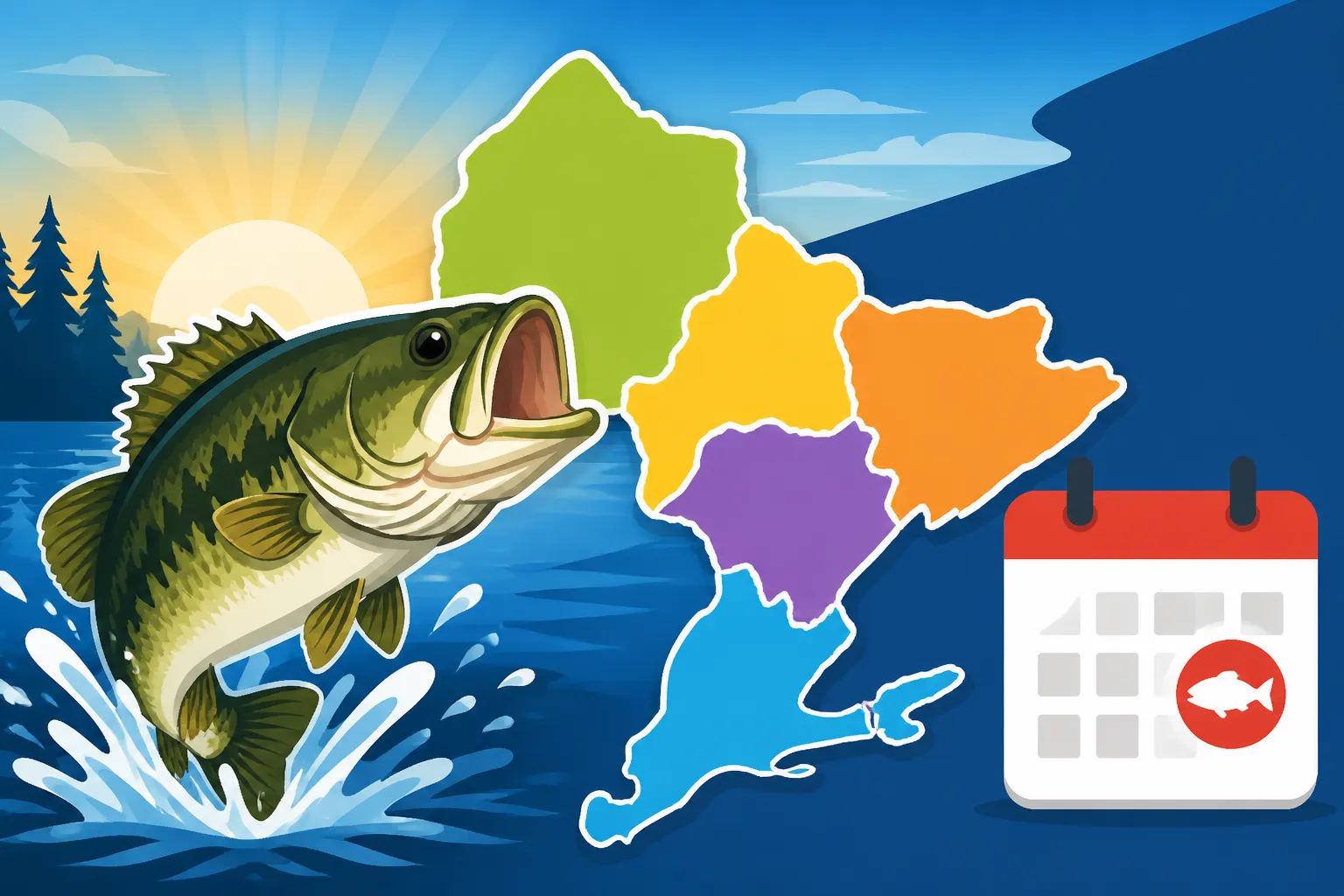
Ontario Bass Opener Dates by Zone
There’s nothing quite as frustrating as meticulously planning your first bass fishing trip of the season, only to realize you’ve misread the regulations and the season isn't open in your chosen zone. Many anglers, both seasoned and new, often grapple with the complex web of dates and zone boundaries that govern when you can legally target smallmouth and largemouth bass in Ontario. This comprehensive guide is here to untangle that confusion, providing you with clear, zone-specific opener dates and valuable insights to ensure your bass season starts without a hitch.
Understanding Ontario's Fisheries Management Zones (FMZs)
Ontario is a vast province, and its diverse aquatic ecosystems mean that fish populations and their life cycles vary significantly from north to south, and even between adjacent bodies of water. To manage these fisheries effectively and ensure sustainability, the Ministry of Natural Resources and Forestry (MNRF) has divided the province into 20 distinct Fisheries Management Zones, or FMZs. Each of these zones has its own specific set of regulations, including season dates, catch limits, and size restrictions for various species, including our beloved bass.
Why FMZs Matter for Bass Seasons
The main reason FMZs are so crucial for bass season dates comes down to biology. Bass, like many other fish species, have specific spawning periods that are heavily influenced by water temperature and photoperiod (the amount of daylight). In Southern Ontario, where waters warm up earlier in the spring, bass tend to spawn sooner. Conversely, in the colder, more northerly regions, the spawn occurs later in the year. To protect bass during this vulnerable reproductive phase, fishing seasons are strategically closed. If you were to fish for bass during their spawn, you could inadvertently disrupt their nesting, leading to a higher mortality rate for eggs and fry, and ultimately, a decline in future fish populations. Understanding your FMZ is the first step in being a responsible and successful angler, ensuring you’re not only compliant but also contributing to the health of Ontario’s bass fisheries.
How to Identify Your Fishing Zone
Knowing which FMZ you're in is absolutely essential before you even think about casting a line. The easiest and most reliable way to identify your fishing zone is by consulting the official Ontario Fish ON-Line Interactive Zone Map, Explained tool provided by the provincial government. This online resource allows you to zoom in on specific lakes, rivers, or regions and clearly shows the FMZ boundaries. You can type in the name of a lake you plan to visit, like Lake Simcoe or a smaller Crown land lake, and the map will highlight its corresponding zone. Additionally, the annual Ontario Fishing Regulations Summary always includes detailed maps of all 20 FMZs, typically found at the beginning of the document. Many tackle shops and outdoor retailers across the province also have these maps available, either printed or displayed, and their staff are usually well-versed in local zone information. Don't rely on guesswork or what a friend "heard" – always verify your zone before heading out.
The Impact of Zone Boundaries on Angling Plans
Zone boundaries aren't just lines on a map; they can significantly impact your angling plans, especially if you fish waters that straddle multiple zones or if you frequently travel between different regions. Imagine you're fishing a large lake like Lake Huron, which falls into FMZ 13, but one of its many bays or channels extends into an adjacent zone, say FMZ 14 or 16. The bass opener could be different in those adjacent sections! It means you need to be hyper-aware of your exact location. Similarly, if you're planning a trip from Southern Ontario (where the bass season often opens later) to Northern Ontario (where it often opens earlier), you'll need to adjust your expectations and gear. This regional variation is precisely why having a clear understanding of the Ontario Fishing Regulations Explained for each zone you plan to visit is paramount. A little upfront research can save you a lot of disappointment and potential fines down the road.
The General Bass Opener in Ontario: A Starting Point
While Ontario's FMZs introduce complexity, there's a general rhythm to the bass opener across the province. For many of the more populated southern and central zones, the bass season for both Largemouth and Smallmouth Bass typically opens on the fourth Saturday of June. However, this is not a universal rule, and understanding the nuances is key to a successful and legal start to your fishing year.
Province-Wide Trends and Exceptions
The "fourth Saturday in June" rule of thumb applies to a large portion of Southern Ontario, including significant fishing destinations like the Bay of Quinte, many of the Kawartha Lakes, and parts of Lake Erie and Lake Ontario. This timing is chosen to allow sufficient time for bass to complete their spawning cycle in these generally warmer waters. However, as you venture further north, the calendar shifts. In many Northern Ontario FMZs, such as those in the far west near Lake of the Woods, or regions like FMZ 11, the bass season often opens earlier, typically on the third Saturday of May. This earlier start aligns with the fish's natural lifecycle in these colder regions, where spawning activities commence and conclude sooner due to earlier ice-out and a more compressed warm season. It's these critical differences that make checking the specific FMZ regulations absolutely non-negotiable for any angler. Relying on a blanket assumption can quickly lead to trouble.
Key Factors Influencing Opener Dates
The MNRF doesn't just pull these dates out of a hat; they are determined through careful scientific research and ongoing monitoring of fish populations and environmental conditions. The primary factor, as mentioned, is the bass spawning period. Water temperature is the biggest trigger for bass to move onto their beds and begin reproduction. Smallmouth bass generally prefer cooler water for spawning (around 15-20°C or 60-68°F), while largemouth bass prefer slightly warmer temperatures (around 18-24°C or 65-75°F). By delaying the opener until after the peak spawning activity, the province ensures that adult bass have successfully reproduced and that their vulnerable fry have a chance to disperse from the nesting sites. Other factors considered include overall population health, angling pressure in specific areas, and the potential impact on other species. This holistic approach helps maintain sustainable fisheries for generations to come.
Early Season Preparations and Gear Checks
Regardless of when your specific zone's bass opener falls, the time leading up to it is perfect for getting your gear in order. You don't want to be scrambling the night before, only to find your reel is jammed or your favorite topwater lure is missing. Now is the time to go through your tackle box, sharpen hooks, and check your line for any abrasions or weaknesses. Consider what tactics you’ll employ during the early season; often, bass are still somewhat lethargic in cooler post-spawn waters, so finesse techniques with soft plastics, or slower-moving baits like spinnerbaits or shallow crankbaits, might be more effective.
For many, this is also when new gear makes its debut. If you've been eyeing a new rod, like one of the Best Fishing Rods for Ontario Lakes, or stocking up on soft plastics and jigs, places like Amazon often have great deals. Make sure your boat (if you have one) is ready, electronics are charged, and all safety gear, including your life jacket, is accessible. Early season fishing can sometimes bring unpredictable weather, so having appropriate rain gear and layers is always a smart move.
Detailed Bass Opener Dates by Specific FMZ
Let's dive into some of the most popular and representative Fisheries Management Zones in Ontario to give you a concrete idea of when you can expect to hit the water for bass. Keep in mind that these dates are generally consistent year over year, but it's always best to consult the current year's Ontario Fishing Regulations Summary for the most precise and up-to-date information.
Southern Ontario's Largemouth and Smallmouth Opener (FMZ 16, 17, 20)
Southern Ontario, being the most populous part of the province, sees a lot of bass fishing pressure, particularly in its rich network of lakes and rivers.
- FMZ 16 (Southwestern Ontario, including parts of Lake Erie and Lake Ontario): For many waters in FMZ 16, the season for both Largemouth and Smallmouth Bass typically opens on the fourth Saturday in June. This includes popular destinations like the Grand River, Thames River, and smaller inland lakes. These waters warm up relatively early, allowing for a good spawn before the season kicks off. Anglers in this zone often find robust populations of both bass species. Remember to double-check any specific lake-by-lake regulations, as exceptions can exist, especially in smaller, highly managed bodies of water.
- FMZ 17 (Eastern Ontario, including sections of the Ottawa River and St. Lawrence River): Similar to FMZ 16, many waters in FMZ 17 also follow the fourth Saturday in June opener for both bass species. This zone boasts phenomenal bass fishing, particularly for smallmouth bass in the river systems. The St. Lawrence River and its tributaries, in particular, are renowned for their trophy smallmouth opportunities. The regulations in this zone are carefully crafted to protect the healthy populations and ensure these world-class fisheries remain vibrant.
- FMZ 20 (Lake Simcoe and Associated Waters): This zone is unique and very popular, especially for ice fishing in winter, but it offers fantastic open-water bass fishing too. For Lake Simcoe and its connected waters (like Lake Couchiching), the Largemouth and Smallmouth Bass season typically opens on the third Saturday in June. This is slightly earlier than some other southern zones, reflecting the specific ecological dynamics of this large, complex lake system. Understanding the specific Ontario Lake Simcoe regulations is key for anglers targeting this area, as there are often nuances in limits and seasons.
Central Ontario's Bass Calendar (FMZ 11, 13, 15)
Moving north into the heart of cottage country and beyond, the bass opener dates start to show some regional variation.
- FMZ 11 (Central-West Ontario, including Algonquin Park's western edge): For many lakes and rivers in FMZ 11, the bass season typically opens on the third Saturday in May. This is a significant earlier start compared to the deep south. This zone encompasses a mix of wilderness lakes and more accessible bodies of water. The earlier opener reflects the cooler overall climate and potentially faster spring warming that gets bass spawning done earlier here. Anglers here often find a good mix of both largemouth and smallmouth, with smallmouth often thriving in the clearer, rockier lakes.
- FMZ 13 (Kawartha Lakes and surrounding areas): The famous Kawartha Lakes region, a hotspot for both largemouth and smallmouth bass, largely adheres to the fourth Saturday in June opener. This includes popular lakes like Scugog, Sturgeon, Chemong, and Rice Lake. These interconnected lake systems provide fantastic habitat, and the later opener ensures the prime breeding period is protected across this highly visited area. For anyone planning a trip, checking the Kawartha Lakes Fishing Guide offers deeper insights into specific lake conditions and species.
- FMZ 15 (Central-East Ontario, including Algonquin Park's eastern edge): Similar to FMZ 11, many waters in FMZ 15 also have an earlier bass opener, typically the third Saturday in May. This zone often provides a more rugged, wilderness fishing experience. The regulations here consider the more pristine environments and varied water temperatures found throughout this vast area. Anglers exploring these waters will find a mix of opportunities, from larger lakes to smaller, remote ponds, often requiring a bit more effort to access.
Northern Ontario's Earlier Start (FMZ 2, 4, 5, 18)
As you push into Northern Ontario, the fishing calendar often shifts to accommodate the shorter warm season.
- FMZ 2 (Northwestern Ontario, including Lake of the Woods and Rainy Lake): This vast, wilderness zone boasts some of the best smallmouth bass fishing in North America. The bass season here typically opens on the third Saturday in May. This earlier opener is standard for many northern zones, reflecting the environmental conditions that lead to earlier ice-out and spawning. The expansive, deep, clear lakes like Lake of the Woods and Rainy Lake offer incredible opportunities for trophy smallmouth bass. When fishing these regions, familiarize yourself with specific Lake of the Woods Fishing Guide details, as regulations can sometimes be quite localized given the size and complexity of the waters.
- FMZ 4 (Northeastern Ontario, stretching from the Georgian Bay area north): Many waters in FMZ 4 generally have their bass season opening on the third Saturday in May. This zone transitions from more developed areas to true wilderness, offering a variety of bass fishing experiences. From smaller lakes to larger systems, the earlier opener allows anglers to take advantage of the productive spring bite after the fish have completed their crucial spawning period.
- FMZ 5 (Extreme Northwestern Ontario): In the far reaches of Northwestern Ontario, which is sparsely populated and truly wild, the bass season also typically begins on the third Saturday in May. This area is characterized by vast, pristine waters and offers a remote fishing adventure. Regulations here are designed to protect these robust, self-sustaining populations while allowing for incredible angling opportunities.
- FMZ 18 (Lake Nipigon and surrounding areas): This famous zone, home to the largest lake entirely within Ontario, also sees its bass season open on the third Saturday in May. While Lake Nipigon is more known for its massive lake trout and brook trout, many smaller lakes and rivers within FMZ 18 offer excellent smallmouth bass fishing. The earlier opener aligns with the cold, deep nature of these waters. For specific details on this iconic body of water, refer to the Lake Nipigon Fishing Guide.
Here's a handy table summarizing some of the key FMZs and their typical bass opener dates:
| Fisheries Management Zone (FMZ) | General Location (Examples) | Largemouth Bass Opener | Smallmouth Bass Opener |
|---|---|---|---|
| FMZ 2 | Northwestern Ontario (Lake of the Woods) | Third Saturday in May | Third Saturday in May |
| FMZ 4 | Northeastern Ontario | Third Saturday in May | Third Saturday in May |
| FMZ 5 | Extreme Northwestern Ontario | Third Saturday in May | Third Saturday in May |
| FMZ 11 | Central-West Ontario (Algonquin West) | Third Saturday in May | Third Saturday in May |
| FMZ 13 | Kawartha Lakes Region | Fourth Saturday in June | Fourth Saturday in June |
| FMZ 15 | Central-East Ontario (Algonquin East) | Third Saturday in May | Third Saturday in May |
| FMZ 16 | Southwestern Ontario (Lake Erie) | Fourth Saturday in June | Fourth Saturday in June |
| FMZ 17 | Eastern Ontario (St. Lawrence River) | Fourth Saturday in June | Fourth Saturday in June |
| FMZ 18 | Lake Nipigon Area | Third Saturday in May | Third Saturday in May |
| FMZ 20 | Lake Simcoe, Lake Couchiching | Third Saturday in June | Third Saturday in June |
Always consult the current year's Ontario Fishing Regulations Summary for the most accurate dates.
Navigating Special Regulations and Exceptions for Bass
Just when you think you've got the FMZ system down, Ontario adds another layer of complexity with special regulations for particular bodies of water. These aren't designed to confuse you, but rather to provide highly localized management that best suits the unique conditions and fish populations of individual lakes or rivers. Ignoring these can not only lead to fines but also inadvertently harm vulnerable fish stocks.
Catch and Release Only Waters
Some lakes or sections of rivers in Ontario are designated as "Catch and Release Only" for certain species, including bass. This means that while the season might be open, you are not permitted to retain any fish you catch; they must be immediately and carefully released back into the water. These regulations are often implemented in areas where fish populations are particularly sensitive, recovering from past pressures, or where specific management goals aim to produce larger, trophy-sized fish by protecting all individuals. For instance, some of Ontario’s Ontario Catch and Release Only Waters are designed to protect specific strains of bass or to promote a naturalized population that can sustain itself without harvest pressure. Always check the "Exceptions to the Zone Regulations" section in the fishing summary for your specific waterbody, as these can easily be overlooked but are absolutely critical. If you fish these waters, ensure you have the proper tools for a quick and safe release, such as a rubberized landing net and long-nose pliers.
Specific Lake or River Restrictions
Beyond general catch-and-release rules, you might encounter other highly localized restrictions. These could include different slot limits (where fish within a certain size range must be released, but those outside it can be kept), reduced bag limits (fewer fish allowed per day than the general zone rule), or even entirely different season dates for a single lake or river compared to the rest of its FMZ. For example, a particular small lake might have a late bass opener or a specific slot limit to protect its unique genetics or a recovering population. These special regulations are often found in the "Exceptions to the Zone Regulations" section of the fishing summary, usually listed alphabetically by waterbody name within each FMZ section. It's truly a granular level of detail that requires due diligence from every angler. Ignoring these can result in serious penalties, which is why understanding the nuances of the Ontario Fishing Regulations Explained cannot be stressed enough.
The Role of the Ontario Fishing Regulations Summary
The annual Ontario Fishing Regulations Summary is your ultimate authority for all fishing rules in the province. It’s not just a suggestion; it's the law. This comprehensive document, produced by the MNRF, details every regulation, every zone, every season, and every exception. You can pick up a physical copy at most tackle shops, outdoor retailers like Cabela's, or ServiceOntario locations, or access a digital version online. Beyond opener dates, it contains vital information on Ontario Bag and Possession Limits by Species, Ontario Fisheries Management Zones, Explained, and rules around Printing or Carrying a Digital Fishing License in Ontario. Think of it as your angling bible. Before every trip, especially when visiting a new body of water or a different zone, make it a habit to open up the current year's summary and verify all relevant information. It’s the single most important tool in your tackle box for staying legal and contributing to sustainable fishing practices.
Best Practices for Early Season Bass Fishing
Once the bass opener arrives, whether it's in May or June, you'll be eager to hit the water. However, early season bass fishing can be a bit different from the summer patterns you might be used to. Understanding the fish's behavior and adapting your tactics accordingly will significantly increase your chances of success.
Tactics for Post-Spawn Bass
After spawning, bass can be in a few different moods. Some might still be recovering and a bit lethargic, while others will be aggressively feeding to regain energy. The key is to cover water and pay attention to their location and activity levels. Look for bass in transition areas – places where they can quickly move from deeper water to shallow feeding grounds. Points, submerged rock piles, weed lines, and structural elements like fallen trees are all excellent places to start.
For post-spawn smallmouth, who often spawn on rocky or gravel bottoms, look for them staging slightly deeper off those spawning areas. Drop shots, Ned rigs, or small tube jigs worked slowly along the bottom can be incredibly effective. Small crankbaits that mimic baitfish can also entice strikes. For largemouth, who prefer more vegetated areas, target the outside edges of developing weed beds, lily pad fields, and shallow cover like docks or downed timber. Spinnerbaits, chatterbaits, and Texas-rigged soft plastics are excellent choices for covering water and probing these areas. Remember that water temperatures are still fluctuating in the early season, so bass might move in and out of shallow water throughout the day. Consider that the Best Time of Day to Catch Walleye also applies to bass, especially in terms of finding active fish.
Essential Gear for Opener Success
Having the right gear makes all the difference, especially when you're trying to coax those early-season bass into biting. A versatile medium-heavy spinning rod or baitcasting rod, paired with a reliable reel, is a good starting point. You'll want a selection of lures that can handle different depths and presentations.
- Soft Plastics: Senkos, creature baits, and worms in natural colors (green pumpkin, watermelon) are perennial favorites. Don't forget jig heads in various weights for different depths.
- Hard Baits: Shallow-diving crankbaits, jerkbaits (especially for smallmouth in colder water), and walking topwater baits for those calmer mornings can be very productive. Brands like Rapala and Strike King offer excellent options.
- Spinnerbaits/Chatterbaits: These are fantastic for covering water and eliciting reaction strikes, particularly around cover. White, chartreuse, and perch patterns are often good choices.
- Line: Consider a braided main line with a fluorocarbon leader for sensitivity and abrasion resistance, especially when fishing around rocks or weeds. A good quality 8-12 lb test fluorocarbon leader, like those you can find on Amazon, will give you an edge in clear water.
- Electronics: If you have a fish finder, use it to locate temperature breaks, submerged structure, and baitfish schools, which will often hold bass. Modern units can greatly assist in finding productive water.
Conservation and Sustainable Practices
As passionate anglers, we all have a role to play in preserving Ontario's incredible bass fisheries for future generations. Observing opener dates is just one piece of the puzzle. Practicing catch and release, especially for larger breeding-size bass, is a fantastic way to contribute to a healthy population. If you do choose to keep bass within the legal limits, ensure you dispatch them quickly and humanely.
Beyond the fish themselves, consider the broader environment. Dispose of all trash responsibly, including discarded fishing line, which can be lethal to wildlife. Avoid disturbing sensitive aquatic vegetation or bird nesting areas. Be mindful of boat wakes, especially in smaller bays or near shorelines, to protect delicate ecosystems and other users of the waterway. By adhering to regulations, practicing ethical angling, and promoting a conservation mindset, we can all ensure that the thrill of the Ontario bass opener remains a cherished tradition for many years to come. For more on what it means to be a responsible angler, check out the information on Reading the Ontario Fishing Regulations Summary.
Disclaimer
The information provided in this guide is for general informational purposes only and is based on typical annual regulations. Fishing regulations in Ontario are subject to change without notice by the Ministry of Natural Resources and Forestry (MNRF). It is the sole responsibility of every angler to consult the current year's official Ontario Fishing Regulations Summary before engaging in any fishing activity. Failure to comply with regulations can result in significant fines and penalties.