Best Time of Day to Catch Walleye
There's nothing quite like the feeling of anticipation as you head out for a day of walleye fishing in Ontario, but let's be honest, we've all been there – casting endlessly with no luck, wondering if we picked the wrong time of day. It can be incredibly frustrating to put in the effort only to come up empty-handed, leaving you questioning your tactics and even your luck. This comprehensive guide will pull back the curtain on the best times of day to catch walleye, diving deep into their daily habits, environmental influences, and specific strategies to help you hook into more of these elusive, yet highly sought-after, fish.
Understanding Walleye Behavior Throughout the Day
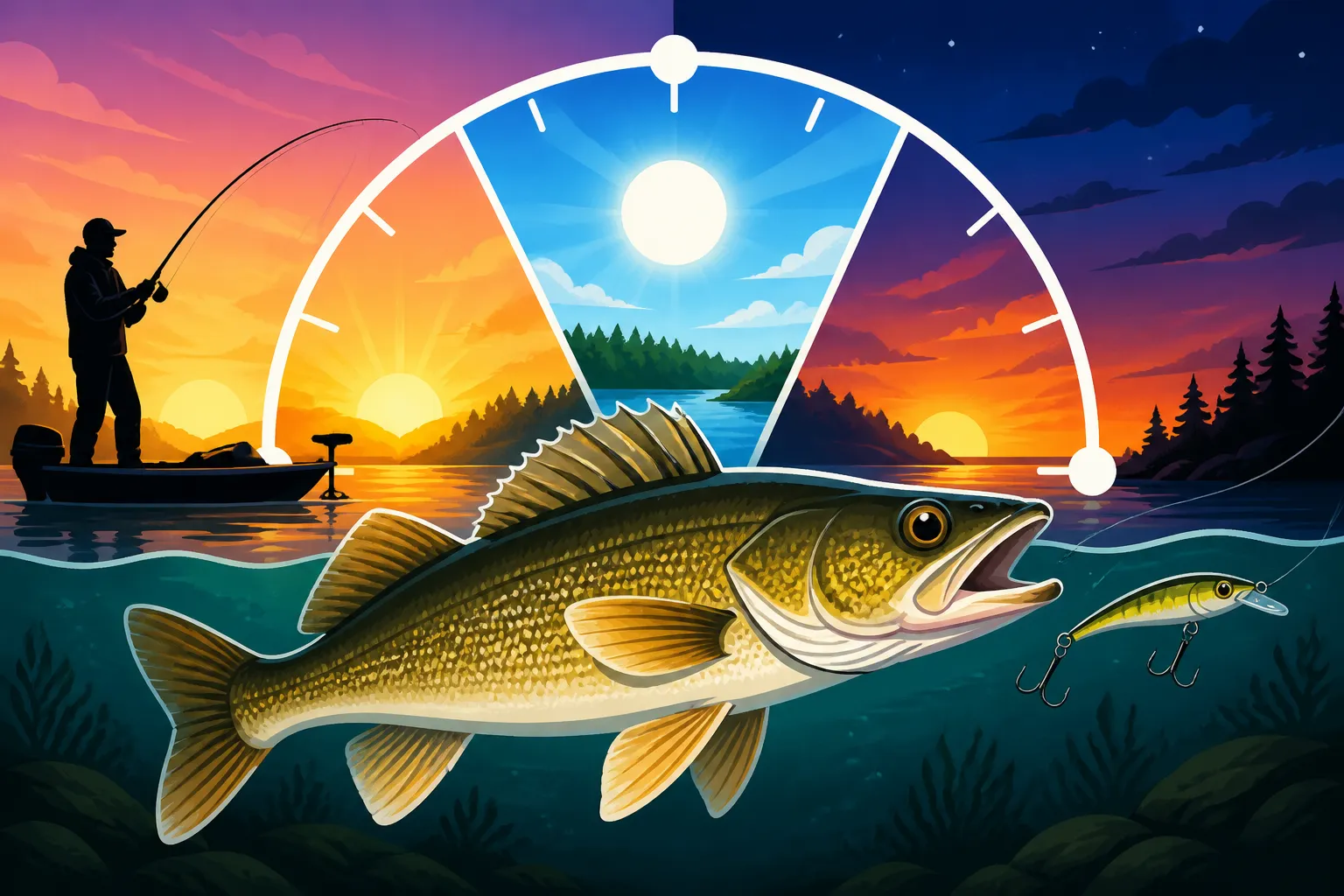
Walleye, known for their light-sensitive eyes, exhibit distinct behavioral patterns that shift dramatically as the sun moves across the sky. Understanding these daily rhythms is the first step to consistently finding and catching them. They aren't just swimming around aimlessly; their movements and feeding habits are intricately tied to the changing light conditions and the availability of their prey.
Dawn and Dusk: The Golden Hours
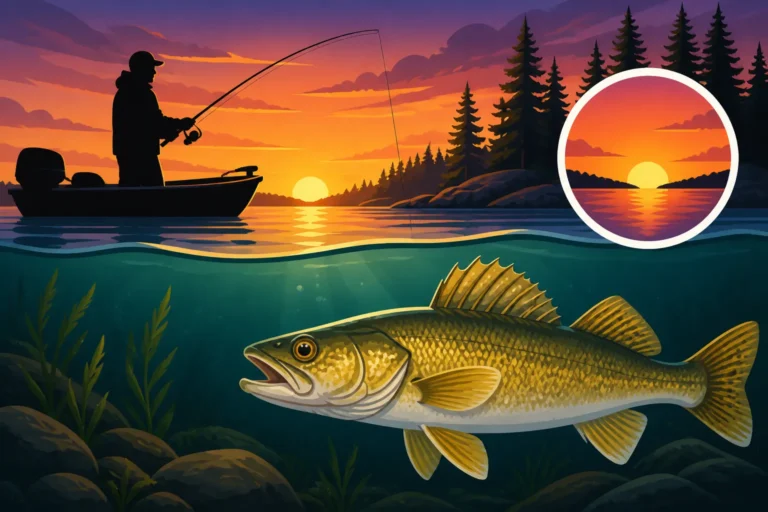
Ah, the "golden hours" – a phrase every angler knows, and for good reason, especially when it comes to walleye. The period just before sunrise and just after sunset are often the most productive times to target these fish. We've all experienced that magical window when the lake comes alive, and for walleye, it's particularly true. During these low-light conditions, walleye's superior vision gives them a distinct advantage over their prey, such as perch and various minnow species, which rely more on daylight.
As the sun begins to dip or just barely peek over the horizon, light penetration into the water significantly decreases. This is when walleye, with their large, light-gathering eyes featuring a tapetum lucidum (a reflective layer behind the retina), can see much better than most of the baitfish they feed on. This biological advantage makes them incredibly confident predators during these times. They'll often move from deeper, darker holding areas into shallower feeding flats, along weed lines, or onto rocky points to ambush unsuspecting prey. This shift from deep cover to actively hunting in shallower water is a key behavior pattern that savvy anglers exploit.
Think about a calm summer evening on Lake Erie, just as the last rays of sun disappear. You might find walleye pushing schools of shiners right up against a breakwall or shoreline. Or picture a crisp autumn morning on Lake Nipissing, with a thin fog lifting off the water, and walleye aggressively hitting baits near current seams. It’s during these transitions that walleye feel most secure, leaving their daytime haunts to feed voraciously. This is when your Best Baits for Walleye on Lake Erie or Best Crankbaits for Ontario Walleye will truly shine, as active fish are more likely to strike.
Midday Challenges and Opportunities
While dawn and dusk are often celebrated, midday can certainly present a challenge. We've all been there, squinting at a bright, still lake at noon, wondering why the walleye just aren't biting. The intense sunlight can drive walleye deep, making them less active and much harder to locate. Their sensitive eyes make them seek refuge in deeper, darker water or under heavy cover, often becoming lethargic or simply waiting out the bright conditions. However, this doesn't mean you should pack up and go home; it just means you need to adjust your strategy.
During the brightest parts of the day, walleye typically retreat to areas where they can find shade or reduced light. This often means deeper water, but it can also include dense weed beds, undercut banks, deep rock piles, or submerged timber. They might also position themselves tightly against structures like bridge abutments or large boulders, using the shadow line as cover. The key here is to think like a walleye: where would you go to escape the bright sun?
Anglers who succeed during midday often focus on these deeper, structured areas. Techniques like vertical jigging, drop-shotting, or slow trolling deep-diving crankbaits become much more effective. For example, on a clear summer day on the Bay of Quinte, you might find walleye suspended over deep humps or clinging to the bottom of sharp break lines where the water is cooler and darker. Electronics become your best friend in these scenarios, helping you pinpoint these specific holding zones. Don't be afraid to slow down your presentation considerably; a less aggressive fish might still be coaxed into biting a well-placed, subtle offering. For more in-depth strategies, our guide on How deep walleye go in summer offers additional insights.
Night Fishing for Walleye: A Different World
When the sun finally sets and most anglers head for shore, a completely different world awakens for walleye. Night fishing for walleye in Ontario can be incredibly productive and offers a unique experience, often yielding some of the largest fish of the season. If you've never tried it, you're missing out on a prime opportunity, especially if you find yourself struggling during the day. Walleye, being ambush predators with exceptional low-light vision, thrive under the cloak of darkness.
As darkness descends, walleye often move from their deep daytime sanctuaries into much shallower water, sometimes only a few feet deep, to feed. They become bolder and more aggressive, taking advantage of the complete lack of direct sunlight. This is particularly true in clear-water lakes where daytime fishing can be tough due to their light sensitivity. The absence of light allows them to move freely and hunt more effectively, pushing baitfish into vulnerable positions along shorelines, shallow flats, and sandbars.
Successful night fishing requires specific tactics and a good dose of preparation. Slow-moving baits that create a strong vibration or have some glow are often key. Think about fishing large stickbaits or crankbaits that mimic baitfish, or even slowly dragging jigs with scented plastics. Safety is paramount when fishing at night; ensuring you have proper lighting, like a reliable headlamp (you can find great options on Amazon), and are familiar with the body of water is crucial. It's a serene, almost mystical experience, and once you connect with a big walleye under the stars, you'll understand why so many dedicated anglers embrace the darkness. For a full breakdown of this exciting method, check out our guide on Night Fishing for Walleye in Ontario.
Environmental Factors Influencing Daily Walleye Bites
Walleye aren't just creatures of habit; they're incredibly sensitive to their environment. Beyond the time of day, various natural forces play a huge role in dictating when and where they'll decide to feed. Ignoring these factors can lead to frustrating days on the water, even during prime hours.
Light Conditions and Water Clarity
It's no secret that walleye are sensitive to light. This sensitivity is arguably the single most important environmental factor influencing their daily activity. Their large eyes are incredibly efficient at gathering light, which is fantastic in low-light conditions but can be a hindrance when the sun is beaming down. Understanding this fundamental aspect of their biology is critical to predicting their behavior.
In clear water, intense sunlight drives walleye deep or into dense cover where they can escape the glare. This is why daytime fishing in crystal-clear lakes like some of the smaller, deeper lakes in Algonquin Park can be incredibly challenging without specialized tactics. Conversely, on overcast days, or in stained or murky water, walleye may remain active in shallower depths for longer periods, even through midday. The diffused light or reduced visibility helps them feel more secure and gives them a continued predatory advantage. Imagine the difference between a bright, sunny day on Lake Simcoe versus a cloudy, choppy day – the walleye bite can be drastically different. On those cloudy days, the "golden hours" can effectively extend for much longer, sometimes even all day. For guidance on selecting the right lure in challenging conditions, consider reviewing Best Lure color for muddy water walleye fishing.
Temperature and Weather Patterns
Temperature, particularly water temperature, is another major driver of walleye activity. Walleye are cool-water fish, and while they can tolerate a range of temperatures, they have preferred feeding zones. Generally, they are most active when water temperatures are in the 50s to low 70s Fahrenheit (10-22°C). Sudden drops or rises in temperature, often associated with passing cold fronts or heatwaves, can significantly impact their willingness to bite.
Weather patterns, especially the passage of cold fronts, can often shut down a hot bite completely. We've all experienced it: one day they're biting everything, and the next, after a sharp temperature drop and clear skies, they're nowhere to be found. Conversely, stable weather, especially with consistent cloud cover and a gentle breeze, often leads to better and more predictable fishing. Wind, in particular, can be a mixed blessing. A light chop on the water can break up light penetration and provide a current, making walleye more active and less spooky. However, heavy winds can make boat control difficult and muddy up clear water, sometimes making fishing impossible. During the Ontario Walleye Opener Dates by Zone, these weather patterns are particularly critical as fish are often shallow and more susceptible to changes.
Barometric Pressure and Lunar Phases
While often debated, many experienced anglers swear by the influence of barometric pressure and lunar phases on fish activity. Barometric pressure refers to the weight of the atmosphere, and changes in this pressure can affect a fish's swim bladder, potentially making them uncomfortable or influencing their feeding drive. A rising or stable high-pressure system (clear skies, calm) often corresponds with a slower bite, as fish might feel the pressure and become less active. Conversely, a falling or low-pressure system (often associated with approaching storms or cloudy weather) can trigger a feeding frenzy, as fish sense the change and feed aggressively before the weather turns. This phenomenon is extensively covered in our article How barometric pressure affects Ontario walleye fishing.
Lunar phases are a more mystical element of fishing, but many believe they hold sway over walleye activity, particularly around the full and new moon. Some theories suggest that strong tidal pulls during these phases, even in landlocked lakes, can trigger baitfish movements and thus walleye feeding. While the scientific evidence might be less conclusive than for light or temperature, many an old-timer will tell you that the best fishing happens a few days before and after a full or new moon. Keeping a fishing log that tracks lunar phases alongside your catch rates can help you identify patterns specific to your favorite Best Walleye Lakes in Ontario. It’s all about gathering data and seeing what works for you.
Tailoring Your Approach: Tactics for Different Times
Knowing when walleye are active is only half the battle; knowing how to catch them at those times is where skill comes into play. Your tackle box, presentation, and even your casting approach should adapt throughout the day to match the walleye's mood and location.
Early Morning and Evening Strategies
When those golden hours hit, whether it's dawn or dusk, your strategy needs to be about covering water and enticing active, often shallower, fish. Walleye will be moving from deeper holding areas to ambush points, and they’re often less wary. This is the time to be confident and aggressive with your presentations.
Focus your efforts on transition zones: where shallow flats meet deeper drop-offs, along the edges of weed beds, over rocky reefs, or near points that extend into the main lake. These are the highways walleye use to move into feeding areas. For instance, on a lake like Lake Nipissing, during sunrise, you might find walleye cruising the edges of the expansive sand flats before retreating as the sun gets higher. Lure choices are critical here; lipped crankbaits that dive to the depth of the feeding zone, noisy topwater lures (if baitfish are schooling on the surface), or spinnerbaits with thumping blades are excellent choices. Trolling these baits can be incredibly effective for covering large areas, allowing you to intercept cruising fish. Pay close attention to subtle changes in your retrieve – a sudden pause or acceleration can often trigger a strike from an otherwise hesitant fish. Our guide Best techniques for Ontario Walleye Opener provides excellent starting points for these high-activity periods.
Midday Deep Water and Structure Fishing
Successfully tackling midday walleye means going deep and focusing on structure, often requiring a more patient and precise approach. Forget covering miles of water; now it's about dissecting specific areas where fish are likely to be holed up. This is where your electronics become indispensable, allowing you to scan for humps, underwater points, rock piles, or even individual fish hugging the bottom.
Techniques like vertical jigging with a heavy jig and soft plastic, or a jigging spoon, are highly effective. You're trying to put the bait right in front of a walleye that might not be actively chasing. Drop-shotting a live minnow or a finesse plastic can also be deadly for lethargic fish that are unwilling to move much. For example, if you're fishing on a bright summer day on Lake of the Woods, you might find walleye tucked into the shadows of a massive underwater boulder field in 25-35 feet of water. Using a sensitive rod and braided line will help you detect the often subtle bites of these less active fish. Slow trolling with bottom bouncers and crawler harnesses, or deep-diving crankbaits, can also coax strikes from deeper fish. Remember, if they're deep and less active, a slower, more deliberate presentation is usually key. You can find more detail on this in our article about How to use the Fish ON-Line interactive zone map to identify prime structures.
Night Fishing Techniques and Gear
Night fishing for walleye is a beast of its own, demanding a different set of techniques and specific gear to be successful and safe. Once the sun is completely down, walleye often become incredibly bold, moving into water so shallow you wouldn't believe it during the day. This is a time to embrace slow presentations and baits that stand out in the dark.
Large stickbaits or shallow-running crankbaits that produce a strong wobble and vibration are excellent choices. Often, bright or even glow-in-the-dark lures can be particularly effective, providing a visual target in the darkness. Slowly retrieve these baits over shallow flats, along shorelines, or around prominent points where baitfish gather. Another highly effective method is casting and slowly retrieving jigs tipped with scented soft plastics or live bait, such as a minnow or a nightcrawler. The key is often patience and a methodical approach, systematically working areas where you suspect walleye are hunting.
Beyond lures, your gear setup needs to be optimized for the dark. A powerful headlamp (again, great options are available on Amazon) is essential for tying knots, unhooking fish, and navigating. Always have spare batteries! A boat with good navigation lights is a must for safety, and consider glow sticks for marking buoys or even your rod tips for bite detection. Silence and a stealthy approach are also crucial; sudden loud noises or bright lights can spook fish in shallow water. It's an immersive experience where your other senses become heightened, and the rewards can be truly memorable.
Reading the Water: Signs of an Active Bite
Catching walleye isn't just about showing up at the right time; it's about being observant and interpreting the subtle cues the water gives you. The best anglers are constantly looking for signs that indicate fish activity, regardless of the clock. This keen observation can make all the difference, turning a slow day into a memorable one.
Observing Baitfish Activity
Baitfish are the lifeblood of any predatory fishery, and their behavior is a direct indicator of where the walleye might be. If you see baitfish, you’re in the right neighborhood. The absence of baitfish often means the walleye have moved on, or are simply not feeding in that area.
Keep an eye out for surface disturbances: schools of minnows flickering on the surface, or even larger baitfish jumping out of the water. This is often a sign that a predator, like a walleye, is actively pursuing them from below. Birds, particularly gulls or terns, diving and feeding on baitfish can also point you to productive areas. On Lake Superior, you might see massive schools of smelt being chased by larger fish, often an indicator that game fish, including walleye, are in the vicinity. Pay attention to how the baitfish are behaving – are they tightly schooled and moving quickly, or are they scattered and moving slowly? Tightly balled baitfish often indicate they are being herded by predators. This is a great time to cast into or around the edges of the school, mimicking a straggler or injured baitfish.
Interpreting Your Electronics
In modern walleye fishing, your fish finder is often your most valuable tool, especially when trying to pinpoint fish during the less active times of day or in deep water. Learning to effectively read and interpret what your sonar is telling you can drastically increase your catch rates. It's not just about seeing arches; it's about understanding the entire picture.
Start by looking for structure: humps, drop-offs, rock piles, submerged timber, or even subtle changes in bottom composition. Walleye are ambush predators and will often relate tightly to these features. Next, look for baitfish schools – they will often appear as dense clouds or masses on your screen. Walleye will usually be located just below or to the sides of these schools. Finally, identify the distinct arches or marks that indicate walleye. They often appear as strong, elongated arches, especially if they are suspended off the bottom. Advanced features like side imaging and down imaging on units from brands like Humminbird or Lowrance can give you an incredibly detailed view of the underwater world, helping you identify prime ambush points and even individual fish hiding in cover. Adjusting your sensitivity and range settings can help you fine-tune what you're seeing, allowing you to distinguish between baitfish, game fish, and structure.
Locating Prime Holding Areas
Walleye don't just swim anywhere; they strategically position themselves in areas that offer both cover and access to food. Identifying these prime holding areas is crucial for consistent success, and these spots often change with the time of day, season, and prevailing conditions.
In the early morning and late evening, look for shallower flats adjacent to deeper water, weed lines (especially those with a distinct edge), rocky points, and sandbars. These are the areas where walleye will push baitfish to feed. During the midday, as discussed, they'll retreat to deeper humps, sharp break lines, the deep edges of river channels (like on the French River), or dense submerged cover like stumps or deep weed beds. Current seams and eddies, particularly in river systems or where strong currents exist in lakes, are also prime spots, as walleye will sit just out of the main current, waiting for food to drift by. Understanding the Walleye Spawning Season in Ontario can also help locate fish, as their movements are heavily influenced by spawning migrations to specific river mouths or shallow shoals. By thinking about where baitfish would feel safe and where walleye would have an ambush advantage, you can narrow down your search and spend more time fishing productive water.
Beyond the Clock: Adjusting to the Unexpected
While understanding daily patterns is key, fishing is never truly predictable. The best anglers are not just good at following a plan; they're masters of adaptation. Being able to pivot your strategy when conditions change, or when the fish aren't cooperating, is what separates a good day from a great one.
Adapting to Sudden Weather Changes
Ontario's weather is famously unpredictable. One minute it's sunny and calm, the next a squall rolls in. These sudden weather changes can throw your best-laid plans out the window, but they also present opportunities if you're prepared to adapt. If a cold front moves in quickly, bringing clear skies and high pressure, the walleye bite might shut down in your shallow morning spots. You might need to immediately shift to deeper water, use more subtle presentations, and slow down your retrieve.
Conversely, if a warm front rolls in with increasing cloud cover and a gentle rain, the bite that was slow midday might suddenly explode, even in brighter conditions. The diffused light and increased oxygen from the rain can invigorate walleye, making them more active and willing to chase. Always keep an eye on the forecast, but also be ready to adjust on the fly. Don't be afraid to try a completely different area or technique if what you're doing isn't working. Safety is also paramount here; fast-moving thunderstorms can be dangerous on the water, so always prioritize getting to shelter if the weather turns nasty. Our guide on Fishing after a heavy rain on Ontario rivers can provide more insights into how precipitation affects fish behavior.
The Impact of Fishing Pressure
In popular fishing destinations across Ontario, like parts of Lake Simcoe or the Kawartha Lakes, fishing pressure can significantly impact walleye behavior and their preferred bite times. When a lake sees heavy boat traffic and constant casting, walleye can become wary and shift their activity patterns to avoid anglers. This might mean that the prime dawn bite becomes less productive as fish are spooked by early morning boat traffic, forcing them to feed in tighter windows or in more secluded areas.
In highly pressured waters, walleye might become more active during less conventional times, such as the middle of the day if everyone else has gone in, or even later into the night when the lake is quiet. They also tend to become more selective, ignoring common presentations. This is when finesse tactics, lighter lines, and natural-looking baits become essential. Instead of casting loud crankbaits, you might need to slowly drag a small jig and live bait, or carefully present a drop-shot rig. It also means searching for less-pressured spots – maybe a smaller bay off the main lake, a deeper obscure hump, or a specific weed pocket that other boats are ignoring. Sometimes, the best time to catch walleye in pressured waters is simply when fewer people are fishing for them.
Trusting Your Instincts and Experimenting
Ultimately, while all the scientific data and anecdotal evidence provide excellent guidelines, there's no substitute for experience, intuition, and a willingness to experiment. Every lake, every day, every school of walleye can be different. What worked yesterday might not work today, and what works on one side of a lake might not work on the other.
Keep a detailed fishing log. Note the time of day, weather conditions, water temperature, moon phase, specific lures used, depth, and most importantly, your success. Over time, you'll start to see patterns emerge that are specific to your local waters and your fishing style. Don't be afraid to try something completely new – a different lure color, a faster or slower retrieve, a shallower or deeper presentation, or even fishing a spot you've never tried before. Sometimes, the "best time of day" is simply when you stumble upon the right combination of factors. The joy of fishing lies in the continuous learning and the thrill of cracking the code. So, get out there, be observant, and let the walleye teach you what they like!
Here's a quick reference table to help visualize typical walleye behavior based on the time of day:
| Time of Day | Light Conditions | Typical Walleye Activity | Preferred Location | Recommended Tactics | Key Considerations |
|---|---|---|---|---|---|
| Dawn | Low, increasing | Highly Active, Feeding | Shallow flats, weed edges, rocky points, transition zones | Trolling crankbaits, casting jigs, spinnerbaits | Aggressive retrieves, covering water quickly |
| Mid-Morning | Moderate, increasing | Active, then slowing | Moving deeper, relating to main lake structure | Casting/trolling medium-diving crankbaits, jigging in deeper water | Follow fish as they move, moderate retrieve |
| Midday | Bright, intense | Less Active, Resting | Deep water, heavy cover, tight to structure | Vertical jigging, drop-shotting, slow trolling deep lures | Precision casting, slow presentations, using electronics |
| Mid-Afternoon | Moderate, decreasing | Slowly increasing activity | Moving shallower, staging near feeding areas | Similar to mid-morning, slightly more aggressive | Anticipate evening movement, target deeper edges |
| Dusk | Low, decreasing | Highly Active, Feeding | Shallow flats, weed edges, rocky points, transition zones | Trolling crankbaits, casting jigs, topwater (if applicable) | Focus on baitfish activity, often the most aggressive bite |
| Night | Dark, minimal | Highly Active, Bold | Very shallow water, shorelines, sandbars | Slow retrieves, large stickbaits, glow-in-the-dark baits | Stealth, safety (lighting), often trophy-sized fish |
Disclaimer
Fishing regulations and best practices can change. Always consult the most current Ontario Fishing Regulations Summary and relevant local advisories before heading out on the water. This guide provides general information and recommendations, but individual experiences may vary. Fishing involves inherent risks, and safety should always be your top priority.