Night Fishing for Walleye in Ontario
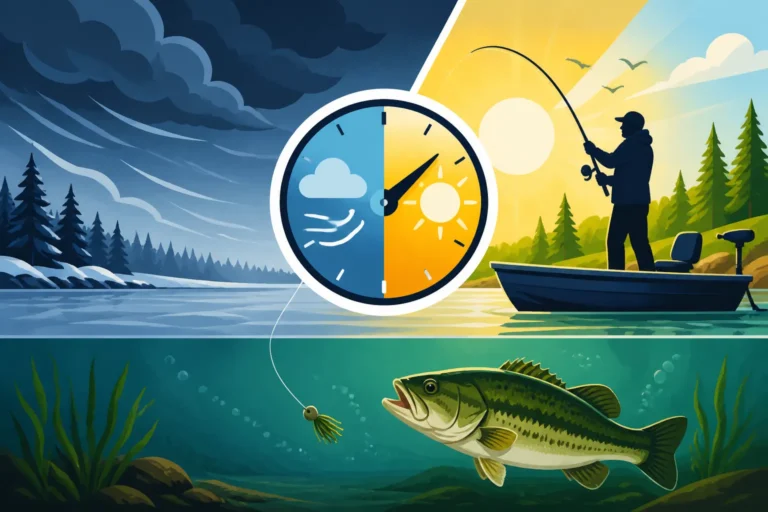
Few things are as frustrating as a beautiful day on the water, only to have the walleye completely snub your offerings. During bright daylight hours, these notoriously light-sensitive fish often retreat to deeper, darker waters, making them incredibly challenging to find and entice. But here's a little secret many anglers swear by: when the sun dips below the horizon and twilight settles over Ontario's lakes and rivers, the walleye come alive. This guide will take you through everything you need to know to transform your night fishing ventures into unforgettable walleye successes.
Why Night Fishing for Walleye is a Game Changer in Ontario
There's a reason seasoned anglers often whisper about the magic of night fishing for walleye. It's not just a different approach; it's tapping into their very nature and leveraging the conditions they thrive in. If you've ever felt like you're battling the sun and crowds during the day, night fishing offers a serene, often more productive alternative.
The Elusive Nature of Walleye
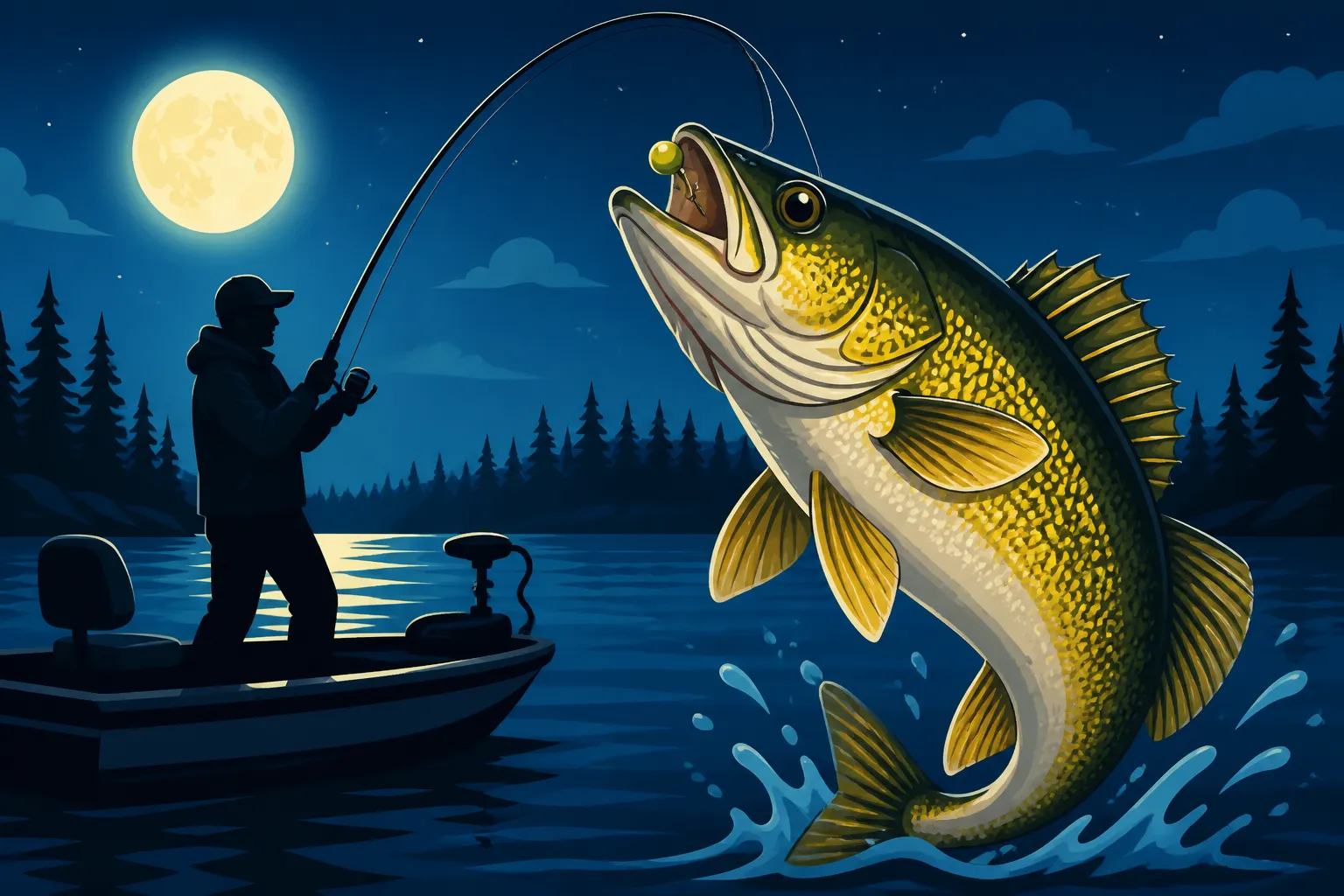
Walleye are built for the dark. Their large, reflective eyes are incredibly efficient at gathering what little light is available, giving them a significant advantage over their prey, especially when the sun is down. Unlike many other predatory fish that rely heavily on sight in bright conditions, walleye use their exceptional low-light vision to hunt actively. This means that during the day, they'll often retreat to the cover of deep water, dense weeds, or heavy structure, waiting for the cloak of darkness to emerge and feed. Trying to tempt a walleye in direct sunlight can feel like trying to convince a vampire to enjoy a beach vacation – it's just not their preferred environment! Understanding this intrinsic behaviour is the first step to truly appreciating why night fishing is so effective.
Capitalizing on Low-Light Conditions
When the sun sets, the underwater world transforms from a sun-drenched arena to a shadowy hunting ground, perfectly suited for the walleye's natural predatory instincts. As the light fades, baitfish, which might have been scattered and skittish during the day, often move shallower and become more vulnerable. This movement of forage triggers the walleye's feeding switch. They'll actively cruise shallower flats, weed edges, and points where they wouldn't dare venture during the brightest parts of the day. This shift in behaviour creates a prime opportunity for anglers, allowing them to target these fish in areas that are often inaccessible or unproductive during daylight hours. You're not just fishing in the dark; you're fishing when the fish are most confident and active.
Escaping Daytime Pressure
Another significant advantage of night fishing is the sheer tranquility and reduced competition it offers. During peak season, popular Ontario fishing spots like Lake Simcoe or the Bay of Quinte can be bustling with boat traffic, jet skis, and recreational activities. All this noise and disturbance can put fish on edge, making them less likely to bite. When night falls, most of that activity ceases. The water becomes calm, the air cools, and a quiet stillness descends. This drastically reduced pressure allows walleye to move more freely and feed without the constant threat of propellers, noisy motors, and casting shadows. You'll often find yourself with entire stretches of water to yourself, allowing for a more focused and peaceful fishing experience where the fish are less wary and more receptive to your presentations. It’s like having your own private fishery after hours.
Essential Gear for Your Ontario Walleye Night Mission
Venturing out after dark requires a bit more preparation than your typical daytime excursion. Safety, visibility, and the right tackle are paramount. Don't skimp on these essentials, as they can make all the difference in both your comfort and your catch rate.
Lighting the Way Safely
First and foremost, you need to see and be seen. Investing in proper lighting is non-negotiable for night fishing. A reliable headlamp is your best friend. Look for models that offer multiple brightness settings and, ideally, a red light option. Red light preserves your night vision much better than white light, which is crucial for tying knots or navigating without blinding yourself or your fishing buddies. Many anglers find their ideal headlamp on Amazon, often picking up an extra one just in case. For your boat, ensuring all navigation lights are fully functional and properly displayed is not just a recommendation, it’s an absolute legal requirement under Ontario Boating Laws for Anglers. A powerful handheld spotlight is also incredibly useful for scanning the water for hazards, locating markers, or identifying distant shorelines. Finally, consider a small, dim lantern or clip-on light for your tackle area; just enough light to see what you're doing without creating a blinding beacon that spooks fish. Remember, while you need to see, you generally want to avoid shining bright white light directly into the water where you're actively fishing.
Rods, Reels, and Lines for Low-Light Action
When the sun isn't helping you spot subtle bites, sensitivity becomes king. You'll want a rod that transmits every bump, tick, and faint strike right to your hand. A medium-light to medium power spinning or baitcasting rod, typically between 6'6" and 7'6" in length, with a fast action tip, is ideal for detecting those gentle walleye takes. For reels, choose a smooth model with a good drag system. A quality reel ensures you can feel the fight and manage bigger fish in the dark.
When it comes to line, many anglers opt for braided line for their main line due to its incredible sensitivity and zero stretch, especially when fishing deeper water or in windy conditions. You'll feel everything! However, braid is highly visible, so it's always recommended to tie on a fluorocarbon leader, usually 6-10 lb test, which is virtually invisible underwater and offers good abrasion resistance against teeth and structure. This setup provides the best of both worlds: sensitivity from the braid, and stealth from the fluorocarbon. For those looking for a reliable setup, there are many excellent options for Best Fishing Rods for Ontario Lakes that work perfectly for night walleye.
Baits and Lures That Glow and Rattle
This is where the fun begins for night walleye fishing. Because visual cues are diminished, you need to appeal to a walleye's other senses: vibration, sound, and even scent. Lures that glow in the dark or have internal rattles are immensely effective.
Glow Lures: Jigs tipped with glow-in-the-dark plastics or soft baits are a staple. You can find pre-charged glow baits, or you can "charge" them yourself with a strong flashlight or UV light for a few seconds before dropping them into the water. The subtle glow provides just enough visual stimulus for a walleye's superior low-light vision to key in on. Brands like Berkley PowerBait and Gulp! often have glow options that can be incredibly effective when jigging or slowly retrieving.
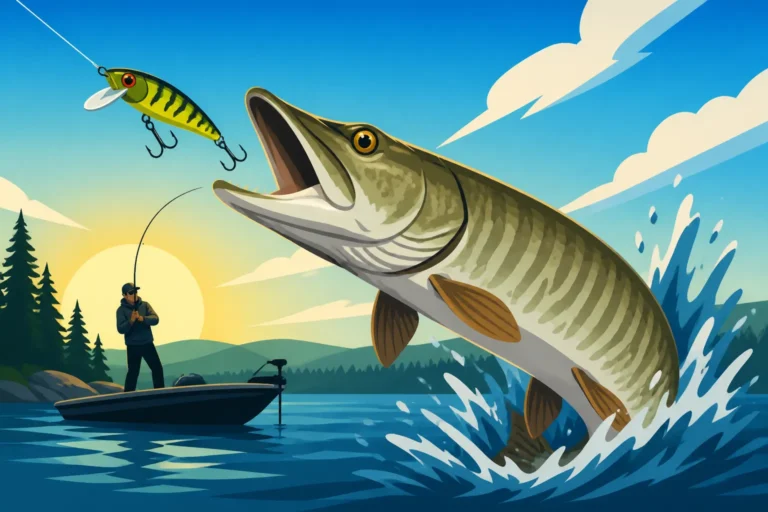
Rattling Lures: Crankbaits and lipless crankbaits with internal rattles create vibrations and sounds that walleye can detect from a distance, even in murky or completely dark water. These are fantastic for trolling or casting. Popular choices for Ontario walleye include the Rapala Shad Rap, Bandit Walleye Deep, and Berkley Flicker Shad, many of which come in rattle versions. Slow and steady retrieves with occasional pauses often trigger bites. Many anglers also buy these specialty lures on Amazon for convenience.
Scented Baits: Even if your lure glows and rattles, adding a bit of extra scent can make a big difference. Scented soft plastics or applying scent to your hard baits can entice a wary walleye to hold on longer, giving you more time to set the hook. This can be particularly useful when walleye are being finicky.
| Gear Category | Item | Key Feature for Night Fishing |
|---|---|---|
| Lighting | Headlamp | Red light setting, multiple brightnesses |
| Boat Navigation Lights | Legal compliance, visibility to other boats | |
| Spotlight | Long-range illumination for navigation/hazards | |
| Rods/Reels | Sensitive Rod | Medium-light to medium power, fast action tip |
| Smooth Reel | Good drag, reliable performance | |
| Line/Leader | Braided Main Line | High sensitivity, zero stretch |
| Fluorocarbon Leader | Low visibility, abrasion resistance | |
| Lures/Baits | Glow Jigs/Plastics | Visual appeal in low light |
| Rattling Crankbaits | Sound and vibration for detection | |
| Scented Baits | Added attraction, encourages longer holds | |
| Safety | PFDs (worn!) | Essential for personal safety |
| GPS/Chartplotter | Navigational accuracy in darkness | |
| VHF Radio/Cell Phone | Emergency communication | |
| First-Aid Kit | Preparedness for minor injuries | |
| Warm Clothing | Layering for dropping temperatures |
Top Techniques for Night Walleye Success in Ontario
Once you have your gear sorted, it’s time to talk strategy. Night fishing isn't just about throwing out the same lures you use during the day. It often requires a slower, more methodical approach, playing on the walleye's nocturnal habits and their reliance on sensory input beyond just sight.
Trolling with Precision
Trolling is an incredibly effective method for covering water and finding active walleye at night, especially over expansive flats or along deep-water breaks. The key is precision and control. Use crankbaits that dive to the desired depth and have a tight wobbling action and, ideally, rattles. Brands like Rapala, Reef Runner, or Bandit Walleye Deep are excellent choices. Trolling speed is generally slower at night, often between 1.0 to 2.0 mph, allowing the walleye more time to track and commit to the lure.
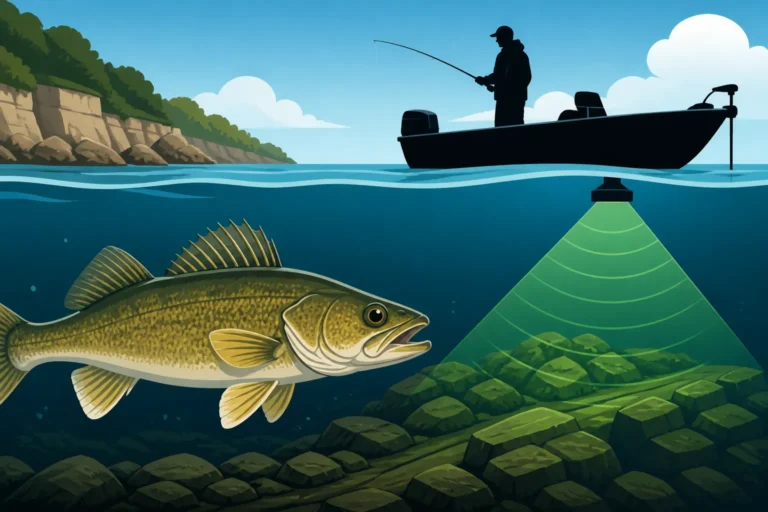
Pay close attention to your fish finder if you have one – many modern Best Fish Finders for Ontario Lakes perform well in low light, showing you depth, structure, and even fish arches. However, sometimes the walleye will be so shallow they won't even show up. Focus on contours, transitions, and areas where baitfish might be congregating. Long lining with your main line or using planer boards to spread your lines out can help cover a wider area, mimicking schools of baitfish. Don't be afraid to experiment with different colours, even in the dark. While natural colours are often favoured during the day, brighter, more contrasting colours or glow patterns can sometimes be more effective at night.
Casting and Retrieving Near Structure
If trolling isn't your preferred method or if you're fishing smaller, more defined areas, casting can be incredibly productive. Walleye often move very shallow at night, right up to shorelines, weed edges, and rocky points, so don't be shy about casting into surprisingly skinny water. Target areas adjacent to deeper water, such as rocky shoals, weed beds, and submerged timber.
When casting, work your lure slowly. A slow, steady retrieve with occasional pauses is often more effective than a fast, erratic one. Walleye in low light aren't typically chasing down fast-moving prey; they're more likely to ambush. Lipless crankbaits, shallow-diving stickbaits, or even swimbaits that impart a subtle thumping action can be excellent choices. Many anglers find success with suspending jerkbaits like the Rapala Husky Jerk or Smithwick Rattlin' Rogue, which can be paused right in a walleye's face. Remember, the goal is to trigger a reaction strike or to mimic an easy meal, not necessarily to outrun them.
Jigging the Depths
Vertical jigging can be a deadly technique at night, especially when walleye are relating to specific deep structures like humps, drop-offs, or rock piles. While walleye do move shallow, they will also stage in deeper water, particularly if there’s a thermocline or a good food source. This method allows you to precisely target fish you've marked on your electronics or to systematically work a known walleye haunt.
Use jigs tipped with scented soft plastics, live bait (like a minnow or a piece of nightcrawler), or even glow-in-the-dark jigging spoons. A slow lift-and-drop motion is usually best, allowing the bait to flutter enticingly. Pay close attention to your line; often, a walleye bite at night will feel like a subtle "thud" or a sudden increase in weight rather than an aggressive strike. Setting the hook quickly is crucial. Experiment with different jig weights and sizes to match the depth and current, making sure your presentation stays vertical and in the strike zone. If you're fishing in a boat, a good anchor system can help you stay put over productive structure, allowing for sustained jigging efforts.
Finding the Best Ontario Spots for After-Dark Walleye
Knowing the techniques is one thing, but knowing where to apply them at night in Ontario is another. Walleye aren't uniformly distributed; they have specific habitats and travel routes they prefer once the lights go out. Understanding these patterns is key to consistently finding them. Ontario boasts some fantastic walleye fisheries, and understanding How to Catch Walleye in Ontario often involves knowing where to look when it's dark.
Identifying Key Structures and Transitions
At night, walleye often migrate from their daytime deep-water sanctuaries to shallower feeding grounds. The crucial factor here is transition areas. These are places where different types of bottom meet (e.g., sand to rock, rock to mud), where depths change abruptly (drop-offs, ledges), or where submerged vegetation ends. These transitions act as highways and ambush points for hungry walleye.
Look for main lake points that extend into deeper water, especially those with a mix of rock and gravel. Underwater humps and shoals, particularly those with deep water access nearby, are also prime targets. Walleye will move up onto the tops of these structures to feed during low light. While it's harder to visually identify these spots at night, having a good GPS with detailed mapping (like those found on many Best Fish Finders for Ontario Lakes) is indispensable. Mark promising structures during the day, or use online resources like the Ontario Fish ON-Line interactive zone map to scout potential areas before you even launch.
Shallow Water Feast Zones
Don't be afraid to fish surprisingly shallow water at night. Once darkness provides cover, walleye will often move into just 3 to 8 feet of water to forage for baitfish, crayfish, and insects. These shallow areas become "feast zones."
Weed Lines: The edges of submerged weed beds are phenomenal night walleye spots. Baitfish congregate in and around the weeds for cover, and walleye will patrol these edges, picking off unsuspecting prey. Focus on both the deeper outer edges and the shallower inner edges, especially where weeds thin out or form pockets.
Sand Flats: Large, relatively featureless sand flats adjacent to deeper channels or rocky areas can become bustling feeding grounds. Walleye will cruise these flats, often in wolf packs, to root out crayfish or pursue schools of minnows.
Shallow Rock Piles and Reefs: Rocky areas that are too shallow for daytime comfort become prime real estate at night. The rocks hold heat, attract crustaceans, and provide cover for baitfish. Cast along these rocky points and reefs, letting your lure bump and grind along the bottom. Popular walleye fisheries such as Lake Erie, Lake Nipissing, and the Bay of Quinte are renowned for their night fishing potential due to these types of shallow structures. Learn more about specific locations in our Best Walleye Lakes in Ontario guide.
Deep Water Haunts Under the Cover of Darkness
While the focus often shifts to shallower waters at night, it's important not to completely neglect deeper areas, especially at the beginning and end of the night, or during periods of bright moonlight. Walleye will use deeper humps, trenches, and primary breaklines as staging areas before moving shallow, or as retreats if conditions suddenly brighten.
Consider large, open water humps that rise from significant depths. Walleye might suspend over these or congregate along their sides. These deeper structures can be particularly good for vertical jigging or slow trolling with deep-diving crankbaits. The key is to understand that even when they are deeper, their behavior is still influenced by the low-light conditions; they are more confident and often more spread out, actively hunting rather than tightly schooled and lethargic. Knowing the Best Time of Day to Catch Walleye is often about understanding these subtle movements.
Safety First: Navigating Ontario Waters at Night
Night fishing, while incredibly rewarding, demands an extra layer of caution and preparedness. The risks associated with darkness, colder temperatures, and potential isolation are real, and respecting them is vital for a safe and enjoyable experience.
Navigational Aids and Boat Safety
Navigating open water in the dark is far more challenging than during the day. Even familiar waters can become disorienting without visual landmarks. Your boat's navigation lights (red/green bow lights and a white stern light) are legally required and absolutely critical for being seen by other vessels. Make sure they are in perfect working order before you head out. A reliable GPS unit or chartplotter with up-to-date charts is indispensable. Plot your course beforehand, mark any known hazards, and always keep an eye on your position.
Beyond lights, ensure you have all other required safety equipment onboard, including a sound-signalling device (horn or whistle), a bailer or pump, a buoyant heaving line, and a fire extinguisher. You might also consider having a secondary light source, such as a sturdy spotlight or even a backup headlamp. Always maintain a slower speed at night, as debris, floating logs, or other unforeseen obstacles are much harder to spot. If you don't have your Ontario Pleasure Craft Operator Card Requirement, getting one is crucial before operating a motorized vessel.
Personal Safety and Preparedness
Your personal safety is just as important as your boat's. Always wear a properly fitted PFD (Personal Flotation Device) when on the water at night. It's not enough to just have them on board; you need to be wearing them. Even strong swimmers can be quickly incapacitated by cold water shock if they unexpectedly fall overboard. Review the Life Jacket Requirements for Ontario Boaters before every trip.
Dress in layers, even on what seems like a warm evening. Temperatures can drop significantly after dark, and being cold can impair your judgment and enjoyment. Carry a fully charged cell phone in a waterproof bag, but don't rely on it as your sole means of communication; a VHF marine radio provides a more robust emergency communication channel on the water. Always let someone know your float plan – where you're going, when you expect to return, and who is with you. A well-stocked first-aid kit is also a must for dealing with minor cuts, hook pokes, or other mishaps that can occur in the dark. Bring enough food and water, and consider having an extra set of dry clothes in a waterproof bag. Being over-prepared is always better than being caught off guard when fishing after dark.
Disclaimer
Please note that fishing regulations, license requirements, and safety guidelines can change. Always consult the most current official Ontario Fishing Regulations Summary, available from the Ontario Ministry of Natural Resources and Forestry (MNRF), or visit their official website before heading out. The information provided in this guide is for general informational purposes only and should not be considered legal advice. Stay safe and happy fishing!