Best time to fish after a cold front
There's nothing quite like the crushing disappointment of planning a perfect fishing trip, only for a cold front to roll through and completely shut down the bite. It's a common frustration for anglers across Ontario, leaving many scratching their heads, wondering if they should even bother casting a line. This guide is all about understanding what happens to our finned friends after that cold snap and, more importantly, when to hit the water for the best chance at success, even when conditions feel stacked against you.
The Immediate Aftermath: Why Cold Fronts are Such a Nuisance
Cold fronts are notorious for making fish turn fin and become incredibly difficult to catch. It's not just a myth; there's real science behind why your favourite fishing spot can go from red hot to stone cold overnight. Understanding these changes is the first step in adapting your approach.
The Science Behind the Chill: Barometric Pressure and Fish Behavior
Think about it: just before a cold front hits, the weather is often warm, humid, and a bit unsettled, with dropping barometric pressure. Fish, like many creatures, are highly sensitive to these pressure changes. As the pressure falls, it tends to signal an impending storm or significant weather shift, often triggering a feeding frenzy. They know things are about to get tough, so they gorge themselves.
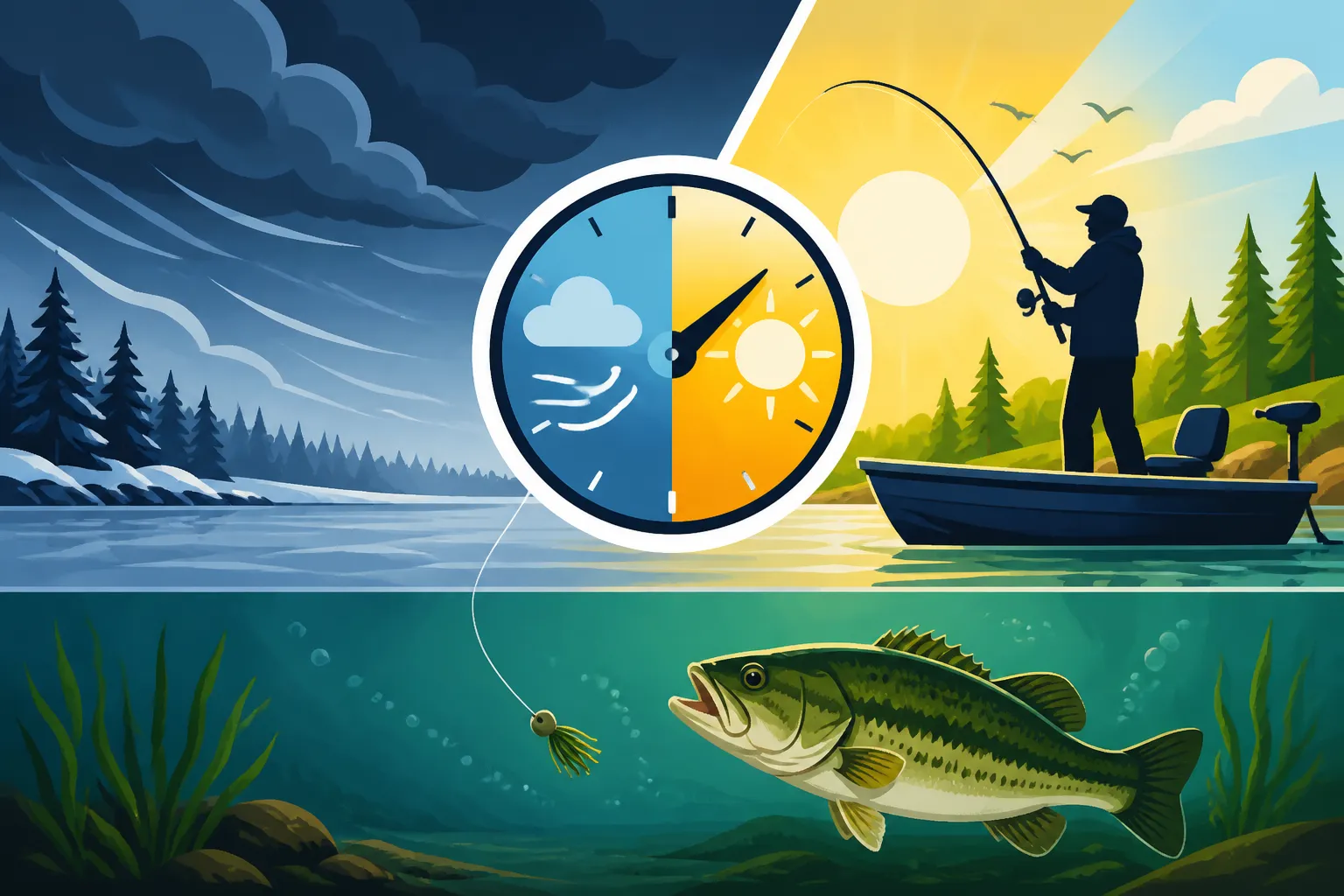
Then, the front arrives. The air temperature plummets, often accompanied by wind and precipitation, and the barometric pressure rises sharply and stabilizes at a higher point. This sudden increase in pressure has a profound effect on fish. It pushes down on the water, which in turn pushes down on the fish's swim bladder. This discomfort makes them feel sluggish, disoriented, and generally unwilling to chase baits. They often become lethargic and seek refuge in deeper water or heavy cover, conserving energy until conditions improve. It's a truly frustrating experience to be on the water when the fish are in this funk, feeling every cast is a waste. Many seasoned anglers discuss How barometric pressure affects Ontario walleye fishing is one of the most critical factors for success.
Where Do the Fish Go? Understanding Post-Front Movement
When a cold front settles in, fish don't just disappear; they relocate. Their primary goal is comfort and safety, and that often means moving away from areas that were productive just hours before. The type of water body and the species will influence their exact destination, but generally, they seek stability.
For many species, like walleye and bass, this often means moving deeper. The deeper water acts as a thermal buffer, maintaining a more stable temperature than the shallows, which can cool rapidly after a cold front. It also offers more stable barometric pressure, reducing the discomfort in their swim bladders. So, those shallow flats or weed beds that were teeming with fish pre-front might now be empty. Similarly, fish might tuck into the densest cover available, such as thick weed beds, submerged timber, or under docks, not necessarily for warmth, but for security and a place to hunker down away from the increased light penetration that often follows a cold front. This shift is crucial to acknowledge; blindly casting where they were will only lead to more frustration.
Timing is Everything: When the Bite Turns Back On
While the immediate aftermath of a cold front can be brutal, hope is not lost. Fish will eventually resume their normal activities, and knowing when to expect this recovery is key to a successful outing. It's all about patience and observing the nuances of nature.
The "Recovery Period": Patience is a Virtue
The good news is that cold fronts don't last forever, and neither does the fish's "lockjaw." Generally, the toughest fishing occurs during the first 12-24 hours immediately following the passage of a strong cold front, especially when the skies are clear and bright, and the winds are brisk. This is when the fish are at their most uncomfortable and least willing to bite. Trying to force a bite during this window can be incredibly disheartening.
However, once the weather begins to stabilize, the fish will start to become more active again. This recovery period can range from 24 hours to 3-4 days, depending on the severity of the cold front, the size of the water body, and the specific fish species. In smaller, shallower lakes, the water temperature can fluctuate more dramatically, prolonging the recovery. Larger, deeper lakes and rivers, like many found in Best Fishing Lakes in Ontario, offer more thermal stability, so fish might rebound a bit quicker. Your best bet is to wait until the high pressure has settled in for at least a full day, and ideally, you start seeing some consistent conditions.
The Subtle Signs of an Improving Bite
How do you know when the fish are starting to feel better and are ready to eat again? It's often not a sudden flip of a switch but a gradual improvement, marked by several subtle environmental cues. Keep an eye out for these indicators:
Firstly, look for consistent, stable barometric pressure. Once the pressure has risen and held steady for a day or two, it's a good sign that the discomfort for the fish is easing. Cloudy or overcast skies can also be a blessing after a cold front. The bright, high-pressure sunshine that often follows a front can push fish deeper or into heavier cover, making them harder to find. Overcast conditions scatter the light, making fish feel more secure and willing to move into shallower feeding zones. Secondly, a light, stable breeze can be beneficial. It puts a ripple on the water, breaking up direct sunlight penetration and providing some surface chop that can mask your presence and make fish feel more comfortable. Strong, gusty winds, on the other hand, can continue to make fishing challenging. Finally, rising air and water temperatures, even if gradual, signal a return to more favorable conditions. This is especially true for species like smallmouth bass. When you start to see these signs align, it's usually the Best time to fish after a cold front.
Tactics for Tackling Post-Front Conditions
Even when the bite starts to turn back on, you can't just pick up where you left off. Post-front conditions demand a different approach, one that prioritizes subtlety, patience, and precise presentation. Forget your power fishing tactics for a bit; it's time to finesse your way to success.
Slow and Low: Adjusting Your Presentation
Fish are often still a bit sluggish and wary after a cold front. They're not actively chasing down meals with reckless abandon. This means your presentation needs to be incredibly slow, deliberate, and often, right on their nose. Think "spoon-feeding" rather than "fast food."
This is where finesse techniques truly shine. For bass, a Ned rig, a shaky head, or a weightless worm fished painstakingly slowly can be incredibly effective. Let the bait sit for extended periods on the bottom, barely twitching it. For walleye, slow-rolling a jig with a live minnow or a scented soft plastic, or even vertical jigging, can often trigger those finicky bites. You might be accustomed to more aggressive tactics like those used during Spring Walleye Fishing Techniques for Ontario, but post-front demands patience. Even pike, typically aggressive, will prefer a slow-moving, suspended jerkbait or a dead bait on the bottom over a fast-retrieved spinnerbait. Stocking up on a variety of jig head weights and soft plastics is a good idea, and you can often find great deals on Amazon for these essentials to ensure you have the right tools for these slow presentations.
Targeting Sheltered Zones and Deeper Water
As mentioned, fish retreat from the immediate discomfort of the front, and they tend to stay in those more stable areas until they're fully recovered. Therefore, your efforts should be concentrated on these sheltered zones and deeper waters.
For instance, on a large lake like Lake Simcoe, you might find walleye congregated on deeper main lake points or along the edges of deep-water humps, rather than the shallow flats they were on before. Where to Find Walleye in Ontario is crucial, and after a front, that "where" often means deeper structure. Smallmouth bass, which are highly sensitive to cold water, will often pull off rocky shorelines and suspend over deep structure or hug the bottom in 20-40 feet of water. Targeting these fish with electronics and vertical presentations becomes paramount. For largemouth bass, dense cover like thick lily pads, submerged timber, or even under boat docks and marinas can provide the necessary shelter and stability. Don't be afraid to probe areas you might normally overlook when conditions are stable, as fish will prioritize comfort.
Bait Selection: Matching the Mood
After a cold front, fish are often more discerning, meaning your bait choice can make a significant difference. While they might have hit anything that moved pre-front, now they're looking for something easy and appealing.
Live bait often outshines artificials in these conditions. A lively minnow, a plump worm, or a juicy leeches offered on a light jig or under a slip bobber can be irresistible to reluctant fish. The natural scent and subtle movement of live bait are hard to beat when fish are lethargic. However, if you prefer artificials, focus on smaller profiles and natural colors. Think finesse worms, small grubs, tubes, or small jerkbaits in natural baitfish patterns. Avoid flashy, oversized lures that might spook wary fish. Adding scent to your artificial baits can also provide that extra enticement needed to trigger a strike when fish aren't actively feeding. Sometimes, even the Best Baits for Walleye on Lake Erie need a little extra finesse after a cold front.
Species-Specific Strategies After a Cold Front in Ontario
While general principles apply, understanding how different species react to and recover from a cold front can fine-tune your approach and increase your chances of success. Each fish has its quirks, and Ontario's diverse waters host many different types of fish.
Walleye: From Deep Lulls to Subtle Bites
Walleye are perhaps one of the most famously affected species by cold fronts. They often go into a complete lockjaw, moving to deeper, stable water and becoming incredibly difficult to tempt. After the front passes and the pressure stabilizes, they'll often remain deep, but will start to become more receptive to a slow, methodical approach.
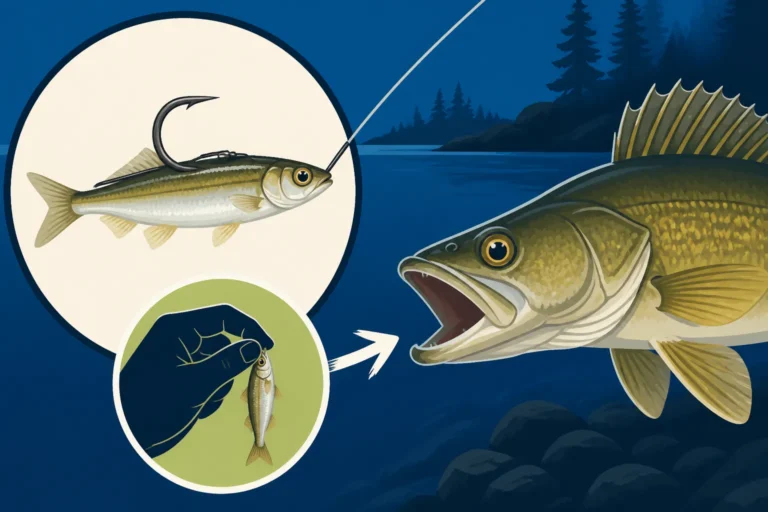
Your best bet is to target deeper structure such as humps, main lake points, and deep breaklines. Vertical jigging with a small jig tipped with a live minnow or a Gulp! minnow imitation can be deadly. Keep your presentation subtle; barely lift and drop the jig, letting it sit on the bottom for several seconds. Slow-trolling spinner rigs with a crawler harness or drifting live bait along these deeper contours can also elicit strikes. The key is to cover water slowly and precisely, using your electronics to identify schools of fish that are holding tight to the bottom. Even during How to catch walleye during a cold front in Ontario, these slower techniques are your best bet.
Bass (Smallmouth & Largemouth): Finding Cover and Finesse
Both smallmouth and largemouth bass feel the sting of a cold front, but their preferred retreats differ slightly. Smallmouth Bass Fishing in Ontario can be especially tough after a cold front. Smallmouth will typically move deeper, relating to rocky bottom, boulders, and deep breaklines where the water temperature is more stable. They often suspend off the bottom or hug it tightly.
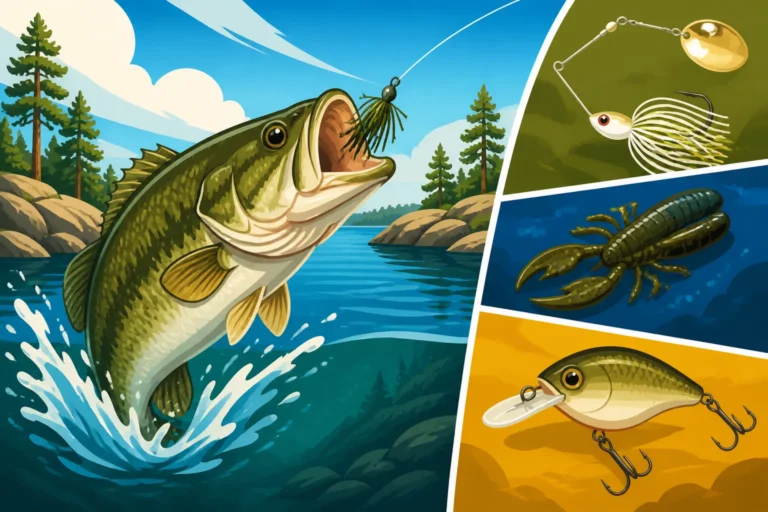
For smallmouth, think drop-shot rigs, Ned rigs, or small tube jigs fished extremely slowly. Finesse is the name of the game. For largemouth, while they might also go deeper, they're more likely to burrow into the thickest, most impenetrable cover they can find – dense weed mats, submerged timber, or under boat docks. Flipping and pitching small jigs or Texas-rigged soft plastics into these hideouts, and letting them soak for a long time, can trigger a reaction strike from a lethargic fish. Remember, retrieve these baits at a snail's pace, giving the bass ample time to consider the offering.
Northern Pike: The Apex Predator's Lethargy
Even the aggressive northern pike can become subdued after a cold front. While they are resilient, the sudden drop in temperature and rise in pressure can make them much less willing to chase down a fast-moving meal. Northern Pike Fishing in Ontario in these conditions requires a change of pace.
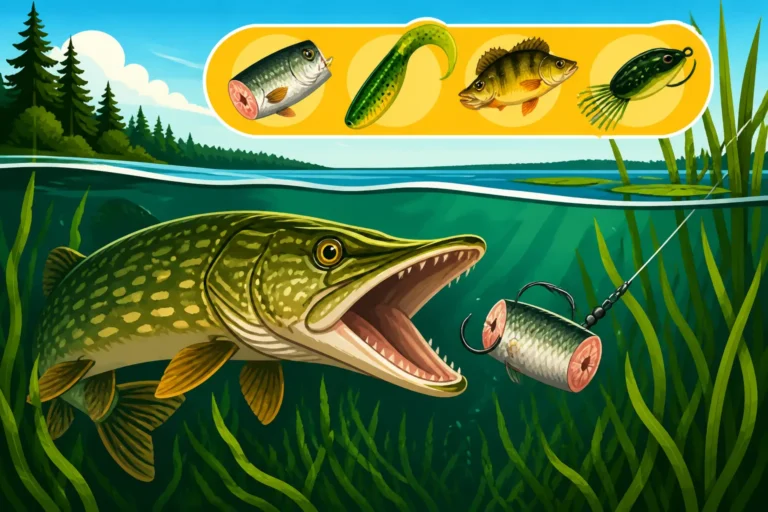
Instead of burning spinnerbaits, opt for slower presentations. Large, soft plastic swimbaits retrieved with a slow, steady wobble, or suspended jerkbaits that can be twitched and paused for extended periods, are often more effective. Dead bait presentations, such as a frozen smelt or cisco on a quick-strike rig, fished on the bottom or suspended under a bobber, can also be highly productive. Focus your efforts on the deeper edges of weed beds, submerged structure, or along drop-offs leading to deeper water. Pike will still be looking for an easy meal, but they won't exert much energy to get it.
Trout: Stream and Lake Adjustments
Trout, especially those in smaller streams, are also affected by cold fronts, particularly if there's a significant drop in water temperature. Lake Trout Fishing in Ontario can be challenging. In streams, fish will often move to deeper, slower pools, undercut banks, or beneath heavy cover where the water flow is minimal and the temperature more stable.
For stream trout, nymphing with small, subtle patterns can be very effective, allowing your flies to drift naturally into their holding lies. Euro nymphing techniques can also work well to keep your flies in the strike zone. In lakes, trout, particularly lake trout, might move deeper, even within their normal cold-water comfort zones, seeking out the most stable temperatures. Trolling with spoons or stickbaits at slower speeds, or vertical jigging with tube jigs or spoons, can entice them. When the cold front has passed, and conditions have somewhat normalized, remember that trout can become more active again, but a slower, more deliberate approach will still often outfish aggressive presentations for the first day or two. Some anglers even find success with techniques similar to Best techniques for winter lake trout if the water cools significantly.
| Species | Post-Front Behavior | Recommended Tactics | Preferred Locations (Post-Front) |
|---|---|---|---|
| Walleye | Deeper, lethargic, shy bite | Vertical jigging, slow-trolling live bait | Deep humps, main lake points, breaklines |
| Smallmouth Bass | Deeper structure, suspended, finicky | Drop-shot, Ned rig, small tube jigs (slow) | Deep rock piles, ledges, offshore humps |
| Largemouth Bass | Dense cover, lethargic, ambush-oriented | Flipping/pitching jigs/plastics (slow soak) | Thick weeds, submerged timber, docks |
| Northern Pike | Subdued, less aggressive chasing | Slow swimbaits, suspended jerkbaits, dead bait | Deeper weed edges, transition areas, drop-offs |
| Lake Trout | Deeper, less active, tight to bottom/structure | Slow trolling, vertical jigging (tubes/spoons) | Deep basins, offshore reefs, steep breaks |
| Stream Trout | Deeper pools, current breaks, heavy cover | Nymphing, small streamers (slow drifts) | Deep pools, undercut banks, woody debris |
Fishing after a cold front can be frustrating, no doubt. But by understanding how fish react to these changes and adapting your tactics accordingly, you can turn a potentially terrible day into a rewarding one. Patience, finesse, and targeting the right areas are your best friends in these challenging conditions. So, don't let that weather report deter you entirely; just adjust your game plan and get out there!
Disclaimer
This article is for general informational purposes only and does not constitute professional advice. Laws, prices and regulations vary by location and change over time. Consult a qualified professional for guidance on your specific situation.