Smallmouth Bass Fishing in Ontario
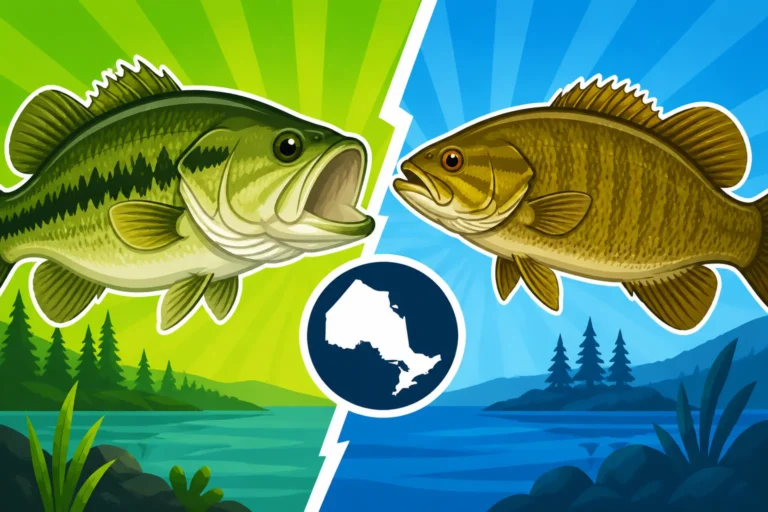
Many anglers arrive in Ontario with dreams of battling giant walleye or elusive muskie, only to discover the true freshwater champion that thrives in our diverse waters: the smallmouth bass. It's easy to feel overwhelmed by the sheer size of our lakes and rivers, wondering where these hard-fighting bronze beauties hide or what bait will entice them. This comprehensive guide will strip away the guesswork, providing you with everything you need to know to confidently target and successfully catch smallmouth bass across Ontario, from understanding their habits to mastering the techniques that put them in your boat or on your line from shore.
Why Smallmouth Bass Are Ontario's Freshwater Brawlers
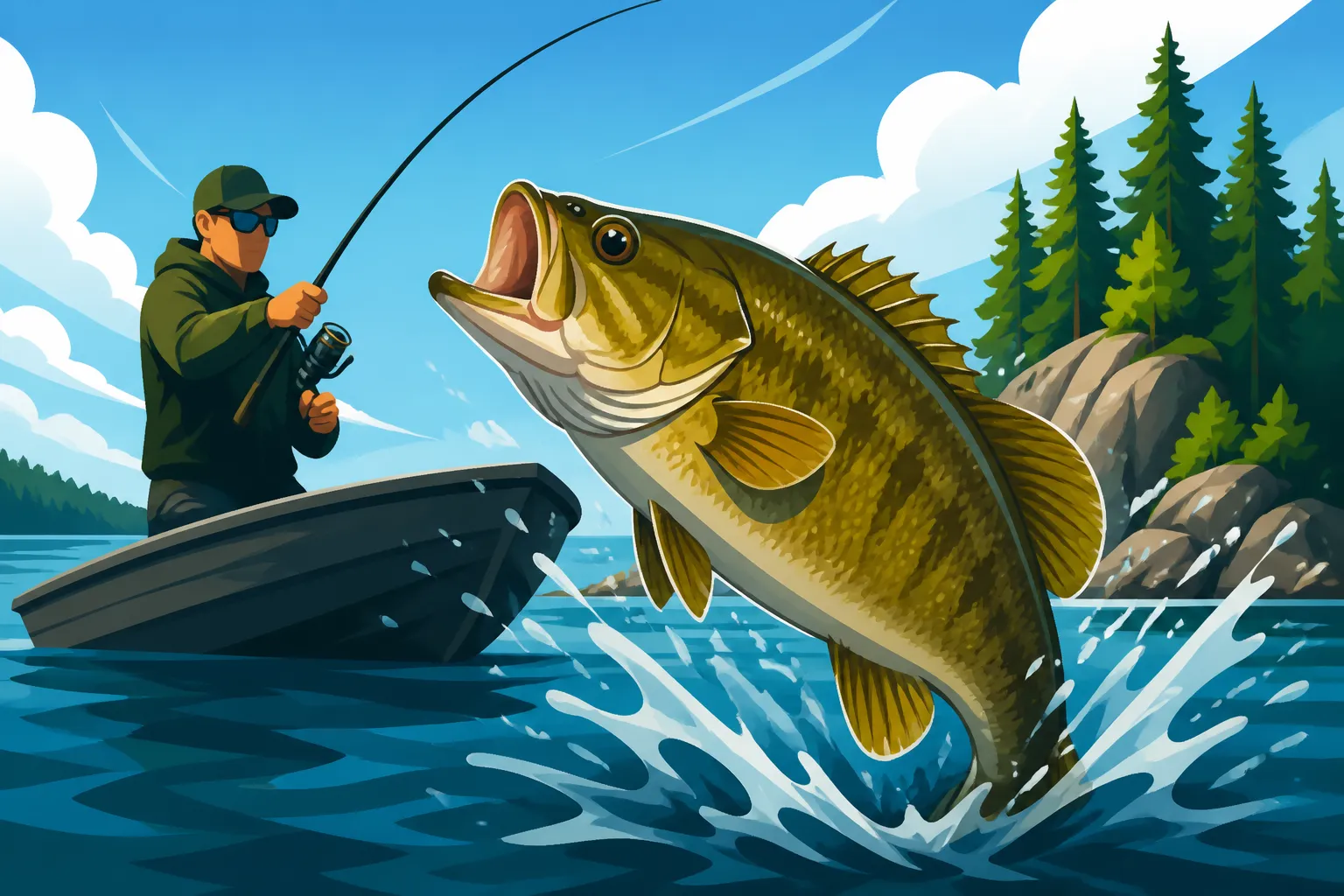
For many, including myself, there’s nothing quite like the raw, unadulterated fight of an Ontario smallmouth bass. These fish aren't just pretty; they're tenacious, acrobatic, and possess an aggressive strike that can send a jolt right up your arm. They might not always reach the monstrous sizes of a muskie, but pound for pound, they deliver a punch that few other freshwater species can match. This reputation for being fierce fighters is precisely why so many anglers flock to Ontario specifically for smallmouth.
They’re also incredibly accessible. You don’t need a fancy charter or a remote fly-in trip to find them. Smallmouth thrive in so many of our lakes and rivers, from the massive Great Lakes to smaller, overlooked inland gems. This widespread availability means that whether you're a seasoned pro or just starting out, you have ample opportunity to experience the thrill of smallmouth fishing. Their willingness to strike a variety of lures and baits further adds to their appeal, making them a fantastic target for all skill levels.
The Thrill of the Fight
Let's talk about that fight. When a smallmouth hits, it's rarely a gentle tap. Often, it's a savage whack that leaves no doubt you've hooked something substantial. Then comes the aerial acrobatics. They jump, they head shake, they dive back down with surprising power, all while trying their absolute best to throw the hook. It's a dance, a tug-of-war that tests your tackle and your nerves. I’ve had countless moments where a seemingly small bass, no more than three pounds, fought with the heart of a fish twice its size, making me earn every inch of line.
This dynamic fighting style makes smallmouth bass incredibly exciting to catch on light to medium tackle. You feel every surge, every jump, every powerful run. It’s not just about landing the fish; it’s about the experience of the battle itself. For anglers who love an active, engaging fight, the smallmouth bass is an absolute dream, consistently delivering heart-pounding action that keeps you coming back for more.
Where Smallmouth Roam in Ontario
Ontario is a smallmouth bass paradise, plain and simple. You'll find them thriving in an incredible array of habitats, from the clear, rocky waters of the Great Lakes to the tannin-stained rivers of the Canadian Shield. They prefer cooler, clearer water than their largemouth cousins, often gravitating towards rocky shorelines, deep points, shoals, and areas with submerged timber or distinct structure. This preference for structure means that understanding lake contours and underwater features is key to locating them.
Think about the sheer scale of the Great Lakes alone: Lake Erie, Lake Huron, and Georgian Bay offer world-class smallmouth fishing with vast expanses of prime habitat. But don't overlook the myriad inland lakes and rivers. From the expansive Lake of the Woods Fishing Guide in Northwestern Ontario to the intricate Kawartha Lakes Fishing Guide in the central part of the province, smallmouth are everywhere. Even smaller, unnamed lakes on Crown land can hold incredible populations, providing fantastic opportunities for those willing to explore.
Understanding Smallmouth Bass Habits and Biology
To consistently catch smallmouth bass, you need to think like a smallmouth bass. Understanding their seasonal movements, preferred habitats, and feeding patterns is absolutely critical. They are creatures of habit, and once you start to piece together their typical behaviors throughout the year, you'll find yourself much more successful on the water, no matter the conditions. It's not just about throwing a lure; it's about presenting it where and when they're most likely to strike.
Smallmouth are primarily sight feeders, and their keen eyesight in clear water makes them formidable predators. They are also incredibly sensitive to changes in water temperature and light conditions, which dictate their depth and activity levels. Knowing these fundamental aspects of their biology allows you to adapt your approach, choosing the right spots and techniques to match their current mood and location.
Seasonal Movements and Preferred Habitat
Smallmouth bass are incredibly dynamic throughout the year, constantly moving to find optimal conditions for feeding, spawning, and surviving winter. In the spring, after ice-out, they'll often be found in shallower bays and protected areas, warming up and preparing for the spawn. These areas often have darker bottoms or rocky features that absorb sunlight, raising the water temperature a few degrees.
As summer progresses, especially in larger or deeper lakes, smallmouth will often move to deeper offshore structures like humps, rock piles, ledges, and transition areas where hard bottom meets soft bottom. They seek out cooler, oxygenated water while still being close to baitfish. During the fall, as water temperatures drop, they'll embark on a feeding frenzy, bulking up for winter, often moving back to prime staging areas near deep drop-offs and main lake points before settling into deep wintering holes. Understanding these shifts is paramount; a spot that held fish in spring might be barren in summer.
What's on the Menu: Smallmouth Diet
Smallmouth bass are opportunistic predators with a diverse diet that changes based on what's available in their specific environment. However, some staples are consistent across Ontario. Crayfish are often at the top of their list. If your lake has a healthy population of crayfish, you can bet smallmouth are keying in on them. Mimicking crayfish with tube jigs, creature baits, or crankbaits can be incredibly effective.
Beyond crayfish, various baitfish make up a significant portion of their diet. Minnows, shiners, gobies, perch, and juvenile suckers are all on the menu. This means that lures that imitate these forage fish, such as jerkbaits, swimbaits, and spinnerbaits, will often trigger strikes. Don't forget about insects either, especially during hatches, where smallmouth can be observed feeding on the surface, making topwater presentations incredibly exciting. I've often found that even when they're not actively busting on the surface, a well-placed bug imitation can seal the deal.
Spawning Secrets: When and Where
The smallmouth bass spawn is a critical time, and understanding it is not just about catching fish, but about protecting the species. In Ontario, the smallmouth bass typically spawn when water temperatures consistently reach between 15-20°C (59-68°F). This usually occurs from late May to late June, depending on the specific lake or river and the weather patterns of the year. During this period, males move into shallower, protected areas with gravel or rocky bottoms to construct nests.
These nests are typically circular depressions, often found near submerged logs, boulders, or weed edges, usually in 2-6 feet of water. The male guards the nest fiercely against predators once the female lays her eggs. Fishing for smallmouth during the spawn can be very effective as they are highly aggressive in protecting their nests, but it also makes them vulnerable. Many anglers advocate for avoiding fishing for bedding bass to ensure a successful spawn and healthy future populations. Be sure to check Ontario Fishing Regulations Explained for specific open seasons, as they are often timed to protect the spawn.
Top Ontario Waters for Trophy Smallmouth
Ontario boasts some of the absolute best smallmouth bass fishing anywhere, with numerous lakes and rivers consistently producing both high numbers of fish and genuine trophy-sized specimens. When people talk about Ontario fishing, the conversation often turns to smallmouth, and for good reason. From the expansive freshwater seas to tucked-away inland gems, the opportunities are endless. Navigating this abundance can be a challenge, so let's narrow down some of the absolute best places to wet a line.
It's not just about catching a lot of fish; it's about the potential for that once-in-a-lifetime bass that really gets the heart pumping. Many of these locations are renowned for having the perfect combination of habitat, forage, and water quality to grow truly massive smallmouth. For instance, the sheer volume of crayfish in some of these systems directly correlates to the incredible growth rates of the smallmouth that feed on them.
The Great Lakes Advantage: Erie, Huron, Georgian Bay
Without a doubt, the Great Lakes offer unparalleled smallmouth bass fishing opportunities. Lake Erie, in particular, is a global powerhouse for smallmouth. Its diverse structure, abundant forage (including the notorious round goby, which smallmouth have adapted to eat), and vast areas of rocky shoals and ledges make it a true hotspot. Anglers often target depths from 10 to 30 feet, particularly around the islands and reefs, where smallmouth congregate. The eastern basin of Lake Erie and Long Point Bay are legendary spots. You might want to check out Smallmouth Bass Habits on Lake Erie for more specific tactics.
Georgian Bay, part of Lake Huron, is another smallmouth mecca. Its crystal-clear waters, countless islands, rocky shorelines, and vast depths create an ideal environment. The fishing here is as scenic as it is productive, with opportunities to catch fish in both shallow, rocky areas and deep offshore structures. The challenge here is the sheer size, but once you start to understand the patterns, the rewards are immense. Lake Huron itself, particularly around the Bruce Peninsula and the North Channel, also holds fantastic smallmouth populations.
Northern Ontario's Hidden Gems: Lake of the Woods, Rainy Lake
While the Great Lakes get a lot of press, Northern Ontario harbors some incredible smallmouth bass fisheries, often with less fishing pressure. Lakes like Lake of the Woods are colossal, spanning thousands of islands and bays, providing endless smallmouth habitat. The clear, rocky shield lakes up north are perfect for smallmouth, and many grow to impressive sizes due to the abundant forage. Fishing around rocky points, island chains, and submerged reefs is often productive.
Rainy Lake, straddling the Ontario-Minnesota border, is another fantastic northern option. It offers a diverse fishery, including excellent smallmouth. Similar to Lake of the Woods, its structure-rich environment and relatively clear waters are ideal. These northern lakes often provide a wilderness experience alongside excellent fishing, making the trip even more memorable. While they can be remote, the journey is well worth it for the quality of fishing.
Central and Eastern Ontario Hotspots: Kawartha Lakes, Rideau Lakes, Ottawa River
Venturing into Central and Eastern Ontario, you'll find a different, yet equally productive, smallmouth landscape. The Kawartha Lakes system, while known for its largemouth, also holds respectable populations of smallmouth, particularly in the deeper, clearer lakes within the chain. Fishing around rocky islands, deeper points, and along the edges of weed lines can yield great results.
The historic Rideau Lakes system is another gem, offering beautiful scenery and fantastic smallmouth action. Its numerous interconnected lakes provide a variety of habitats, from shallow, weedy bays to deeper, rocky sections. The Rideau Lakes Fishing Spots are quite popular for smallmouth. Lastly, the mighty Ottawa River, forming a significant portion of the border with Quebec, is an under-appreciated smallmouth fishery. Its vast stretches of current, rocky sections, and feeder creeks hold robust populations of hard-fighting bass. Fishing around current breaks, bridge pilings, and rocky shorelines is often the ticket.
Essential Gear for Ontario Smallmouth Anglers
Having the right gear makes all the difference when targeting smallmouth bass. It’s not just about having a rod and a reel; it’s about having tackle that matches the size and fight of these powerful fish, as well as the techniques you plan to employ. Trying to land a four-pound smallmouth on ultralight panfish gear, while fun for a moment, can quickly lead to heartbreak. On the flip side, using overly heavy muskie gear might take away from the sport. The goal is to find that sweet spot that allows you to cast effectively, feel subtle bites, and handle the ensuing battle.
You don't need to break the bank to get started, but investing in quality components that can withstand the rigors of frequent use and the abuse of a thrashing smallmouth is wise. Durable rods, smooth reels, and reliable line are foundational. Remember, a good reel can be found on Amazon with plenty of options to suit any budget.
Rods and Reels for Battle
For smallmouth bass, a medium to medium-heavy spinning rod or a casting rod (depending on your preference) is typically ideal. A rod in the 6'6" to 7'6" range offers a good balance of casting distance and accuracy. Look for a rod with a fast or extra-fast action, which means the tip bends easily but the backbone is stiff. This allows for excellent sensitivity to detect subtle bites and provides the power to set the hook and control a fighting fish. For lighter presentations like drop shots or small jigs, a medium-light rod can be a blast.
Matching your rod with a quality spinning reel in the 2500-3000 series (for spinning rods) or a baitcasting reel with a moderate to fast retrieve ratio (for casting rods) is crucial. Smooth drag systems are paramount, as smallmouth will make powerful runs. A good drag will prevent line breakage and help wear out the fish. For those starting out, a balanced spinning combo is often the easiest entry point into smallmouth fishing.
Line Choice: Braided, Fluorocarbon, or Mono?
The line you choose can significantly impact your success. Each type has its advantages for smallmouth fishing:
- Braided Line: Offers incredible strength-to-diameter ratio, zero stretch for maximum sensitivity and powerful hook sets, and great casting distance. It's often preferred for jigging or pitching into heavy cover. However, it's highly visible, so a fluorocarbon leader is almost always recommended in clear Ontario waters.
- Fluorocarbon Line: Nearly invisible underwater, which is a huge advantage in the clear lakes where smallmouth often live. It has low stretch, offering good sensitivity, and excellent abrasion resistance, which is great around rocky structures. It's fantastic as a main line for certain techniques or as a leader material.
- Monofilament Line: The most forgiving line, offering more stretch than braid or fluorocarbon, which can be beneficial when a fish makes a sudden run or jump, acting as a shock absorber. It's easy to cast, affordable, and floats, making it good for topwater baits. However, it's more visible and less sensitive than the other two.
Many experienced anglers use a combination, such as braided main line with a fluorocarbon leader, to get the best of both worlds – sensitivity and invisibility. The length of the leader can vary, but typically 6 to 10 feet is a good starting point. Check out Best Fluorocarbon Line for Clear Lake Water for more specific recommendations on leader materials.
Must-Have Tackle Box Essentials
Your tackle box for smallmouth bass should be versatile, capable of handling various conditions and moods of the fish. Here’s a basic breakdown of essentials:
- Jigs: Tube jigs (often crayfish imitations), hair jigs, and stand-up jigs are smallmouth staples. Various colours, especially green pumpkin, brown, and black, are critical. Pair them with soft plastic trailers like grubs or small creature baits.
- Soft Plastics: Senkos, swimbaits, grubs, worms, and creature baits are incredibly effective. Wacky rigging a Senko, drop shotting a small worm, or retrieving a swimbait can all entice bites.
- Crankbaits and Jerkbaits: Shallow-diving crankbaits in crayfish patterns or minnow imitations are great for covering water. Suspending jerkbaits are deadly when fish are finicky or need a slower presentation.
- Topwater Lures: Poppers, walk-the-dog baits, and prop baits provide exhilarating surface strikes, especially during low light conditions or over submerged cover.
- Spinnerbaits and Chatterbaits: Offer flash and vibration, great for covering water or fishing around weeds.
- Hooks and Weights: A variety of offset hooks, straight shank hooks, and drop shot weights are essential.
- Pliers and Line Cutters: Always have these handy for hook removal and re-tying.
Having a selection of these basics will prepare you for most smallmouth fishing scenarios. Don't forget a pair of polarized sunglasses; they cut glare and allow you to see into the water, spotting structure and even fish, which can be invaluable.
Mastering Smallmouth Bass Techniques
Smallmouth bass are incredibly responsive to a wide array of fishing techniques, which is part of what makes them such a fun species to pursue. From explosive topwater strikes to subtle finesse presentations, there's a method for every angler and every condition. The key is often to be versatile and willing to switch tactics until you find what the smallmouth are biting on that particular day. Don't get stuck on one lure or one technique; observe the water, pay attention to what's happening, and adapt.
The most successful smallmouth anglers are those who have a deep understanding of multiple approaches and know when to deploy each one. Sometimes, they want a fast, aggressive presentation, while other times, a slow, methodical approach is required. It's a puzzle, and mastering these techniques gives you more pieces to solve it.
Topwater Excitement
There’s arguably no more thrilling way to catch a smallmouth bass than on a topwater lure. The anticipation of a sudden, explosive strike on the surface is simply addictive. Topwater baits like poppers, walking baits (like a Zara Spook), and prop baits are incredibly effective, particularly during low-light conditions (dawn and dusk), on cloudy days, or when smallmouth are feeding actively near the surface over submerged structure or rocky flats.
When fishing topwater, focus on areas where smallmouth might ambush prey: rocky points, weed edges, around logs, or over shallow humps. Cast your lure out and let it sit for a few seconds before imparting action. Then, use short twitches or a steady retrieve with pauses to mimic a struggling baitfish or insect. The key is often to vary your retrieve until you find what triggers a strike. Sometimes they want it fast, sometimes slow, but the visual thrill of a smallmouth blowing up on your lure is unmatched. For more, check out Topwater Fishing for Smallmouth Bass in Ontario.
Jigging and Finesse Tactics
When smallmouth are deeper, less aggressive, or under heavy fishing pressure, finesse tactics and jigging become incredibly effective. This is where you slow down, use lighter line, and smaller baits to tempt finicky fish.
- Tube Jigs: These are legendary for smallmouth. Rigged weedless or on an exposed jig head, they imitate crayfish scurrying along the bottom. Cast them out, let them sink, and then use short hops and drags along the bottom. The subtle action is irresistible.
- Drop Shot: A highly effective finesse technique, especially in clear, deep water. A small worm or minnow imitation is tied above a weight, allowing the bait to suspend directly in the fish’s strike zone. This method excels when fish are relating tightly to structure.
- Ned Rig: A relatively simple but devastatingly effective finesse presentation. It consists of a small, mushroom-head jig and a short, buoyant soft plastic. Fished slowly along the bottom, it stands vertically, mimicking a foraging baitfish or crayfish. It's a confidence builder on tough days.
These techniques demand patience and a keen feel for subtle bites. Light braided line with a fluorocarbon leader enhances sensitivity, allowing you to detect even the faintest tap.
Crankbaits and Jerkbaits for Aggressive Bites
For aggressive smallmouth that are actively hunting, crankbaits and jerkbaits are phenomenal tools for covering water and triggering reaction strikes.
- Crankbaits: These lipped lures dive to various depths depending on their design. Shallow-diving crankbaits are great for rocky flats or weed edges, while deeper divers can probe humps and ledges. The key is to choose a bait that runs at the depth where the fish are holding. Cranking them down and "bouncing" them off rocks or timber can often provoke a strike. Colors that imitate crayfish or local baitfish are often best.
- Jerkbaits: These suspending lures are designed to be retrieved with a "jerking" or "ripping" motion, followed by pauses. During the pause, the bait suspends in the water column, often hanging enticingly in a smallmouth’s face. This erratic action mimics a wounded baitfish and can be deadly, especially in cooler water or when fish are following but not committing. Varying the retrieve speed and pause duration is crucial to finding the sweet spot.
These lures are fantastic for searching large areas quickly and can often call fish in from a distance due to their vibration and flash.
The Power of Live Bait
While artificial lures are incredibly effective, sometimes nothing beats the appeal of live bait for smallmouth bass. When conditions are tough, or you're simply looking for a reliable bite, live bait can often turn a slow day into a productive one.
- Minnows: Live minnows, particularly shiners or dace, are a go-to. Hooked lightly through the lip or back and fished under a float, or slow-trolled, they are extremely effective. Their natural movement is often irresistible.
- Crayfish: If you can catch them (or buy them where legal), live crayfish are smallmouth candy. Hooked through the tail and fished near rocky bottom, they are a natural presentation that smallmouth often can't refuse.
- Worms: While not as common for smallmouth as for largemouth, a lively nightcrawler fished on the bottom or under a bobber can still tempt a hungry smallmouth, especially in rivers.
When using live bait, ensure you check local regulations on bait collection and use. Presentation is key; you want the bait to appear as natural as possible. Light line and minimal weight will allow the bait to move freely and enticingly. Live bait is often the secret weapon for anglers facing difficult conditions or targeting wary fish.
Seasonal Strategies for Consistent Success
Smallmouth bass are creatures of habit, but their habits change dramatically with the seasons. What works in spring won't necessarily work in summer or fall. Understanding these seasonal shifts and adapting your strategy accordingly is the hallmark of a consistently successful smallmouth angler in Ontario. It's about knowing where the fish should be and how they should be feeding based on water temperature and their biological imperatives. This proactive approach will save you countless hours of casting into empty water.
Thinking about the calendar and the corresponding water temperatures is the first step. Are the fish just coming out of winter lethargy? Are they focused on spawning? Are they deep for summer comfort? Or are they gorging themselves before the cold? Each phase requires a distinct tactical adjustment.
Spring: Pre-Spawn and Post-Spawn Tactics
Spring is a season of transition and anticipation for smallmouth. After the ice melts, pre-spawn smallmouth will begin to move from their deep wintering holes into shallower, warming bays and protected coves. They are often concentrated in these areas, feeding heavily to build energy for the upcoming spawn. Look for them around main lake points adjacent to these shallow areas, rock piles, or the first significant break lines. Crankbaits, jerkbaits, and slow-rolled spinnerbaits can be very effective for covering water and finding these aggressive, pre-spawn fish.
Once the spawn is over, usually in late May or June (remember to check your Ontario Fishing Season Dates by Zone), post-spawn smallmouth can be a bit more challenging. They are often recuperating, and some might still be guarding fry. They'll typically remain in or near the spawning areas for a little while before slowly transitioning towards their summer haunts. Finesse techniques like tube jigs, Ned rigs, or a drop shot are often the ticket during this period when fish might be more lethargic. Focus on slightly deeper water adjacent to the spawning flats.
Summer: Deep Water and Topwater Action
Summer means warmer water, and in many Ontario lakes, smallmouth will retreat to deeper, cooler, and more oxygenated water. This often means offshore structures like humps, reefs, main lake points that drop into deep water, and deep rock piles. Locating these structures with your electronics is key. Vertical jigging with spoons or heavy tube jigs, drop shotting, or even deep-diving crankbaits can be highly effective for these deeper fish. Trolling with crankbaits can also cover vast areas and find fish suspended over structure.
However, don't overlook shallow water in the summer, especially during low-light hours or on cloudy days. Aggressive smallmouth will often move onto shallow flats or rocky shorelines to feed, offering fantastic topwater opportunities. Wacky-rigged Senkos or Texas-rigged creature baits can also be pitched into cover or around docks where smallmouth might be seeking shade and ambush points. It's a game of depths and timing.
Fall: Feeding Frenzy Before Winter
Fall is arguably one of the best times to target trophy smallmouth bass in Ontario. As water temperatures begin to drop, smallmouth sense the approaching winter and engage in an intense feeding frenzy to pack on calories. They often move from their deep summer haunts to shallower (but still adjacent to deep water) transitional areas where baitfish are congregating. Rocky points, sharp drop-offs, and humps that are close to deeper water are prime locations.
Larger crankbaits, jerkbaits, spinnerbaits, and swimbaits are excellent for imitating the abundant baitfish that smallmouth are gorging on. As the water gets colder in late fall, a slower presentation with tube jigs, grubs, or football jigs can be incredibly effective as fish become less willing to chase. The key is to follow the baitfish, as smallmouth will be right on their heels. This can be a numbers game, but also a time when you stand a great chance of catching your personal best.
Conservation and Responsible Angling
As passionate anglers, it's our collective responsibility to ensure the health and sustainability of Ontario's incredible smallmouth bass fisheries for future generations. Catching these magnificent fish is a privilege, and with that privilege comes the duty to treat them with respect and practice responsible angling. Smallmouth bass are a valuable natural resource, and their populations, while robust in many areas, can be impacted by improper handling and overharvesting.
Adhering to regulations, practicing careful catch and release, and minimizing stress on the fish are not just good ideas; they are essential. Every time you release a healthy fish, you're contributing to a thriving ecosystem. It's about more than just a successful day on the water; it's about making sure there are plenty of successful days for everyone, for years to come. This ethos is foundational to the outdoor lifestyle here in Ontario.
Protecting Ontario's Smallmouth Population
Ontario's Ministry of Natural Resources and Forestry (MNRF) sets specific regulations, including open seasons, size limits, and bag limits, to protect smallmouth bass populations. These regulations are designed to allow fish to spawn successfully and to ensure enough fish reach reproductive age. It is absolutely crucial to be familiar with and abide by the regulations for the specific Ontario Fisheries Management Zones, Explained you are fishing in. These can vary significantly from one zone to another.
Ignoring these rules can not only lead to hefty fines but, more importantly, can have detrimental effects on local fish populations. Catching and releasing fish outside of open seasons, or keeping fish outside of slot limits, directly undermines conservation efforts. Taking the time to read the Ontario Fishing Regulations Summary each year is not optional; it's part of being a responsible angler.
Handling Smallmouth for Release
Proper fish handling is paramount for increasing the survival rate of released smallmouth bass. When you land a smallmouth that you intend to release, minimize its time out of the water. Every second counts.
- Wet Hands: Always wet your hands before touching the fish. Dry hands can remove the fish's protective slime coat, leaving it vulnerable to disease.
- Support the Fish: If you must hold the fish for a quick photo, support its weight horizontally, ideally with one hand gripping the lower jaw (without inserting fingers into the gills) and the other supporting its belly. Avoid holding fish vertically by the jaw alone, as this can damage their spine and internal organs, especially with larger fish.
- Quick Hook Removal: Use needle-nose pliers or a de-hooking tool to quickly and carefully remove the hook. If the fish is deeply hooked, especially in the gills, it's often best to simply cut the line as close to the hook as possible. The hook will often rust out, and this minimizes stress and damage to the fish.
- Revival: Gently place the fish back in the water, supporting it until it swims away on its own. For sluggish fish, hold them upright, facing into a gentle current, and move them slowly back and forth to force water over their gills until they regain strength.
Practicing careful catch and release ensures that those hard-fighting smallmouth can continue to grow and reproduce, providing thrilling battles for anglers for years to come. Remember that you can find tools like specialized fishing pliers and de-hookers easily on Amazon, making catch and release much smoother and safer for the fish.
Disclaimer
This article is for general informational purposes only and does not constitute professional advice. Laws, prices and regulations vary by location and change over time. Consult a qualified professional for guidance on your specific situation.