Black Crappie in Ontario Lakes
Oh, the humble black crappie! For so many anglers, these speckled beauties are often an afterthought, overshadowed by the flashier walleye or the aggressive bass. But if you’ve ever felt that subtle thump on your ultralight rod, followed by the spirited fight of a crappie, you know the pure joy they bring. Many folks get frustrated trying to target them because they can be so elusive, appearing in droves one day and vanishing the next. This comprehensive guide is here to shed light on these fascinating panfish, helping you understand their habits, find their hiding spots, and master the techniques to consistently put them in your livewell or on your dinner plate in Ontario lakes.
Understanding Black Crappie: The Panfish King of Ontario
When we talk about panfish in Ontario, many minds immediately go to perch or bluegill. But for those in the know, the black crappie holds a special place, often revered as the true "king" of the panfish species due to its size, fight, and absolutely delicious white, flaky meat. Don't let their relatively small stature fool you; these fish are intelligent, challenging to consistently pattern, and incredibly rewarding to catch.
What Makes Black Crappie So Unique?
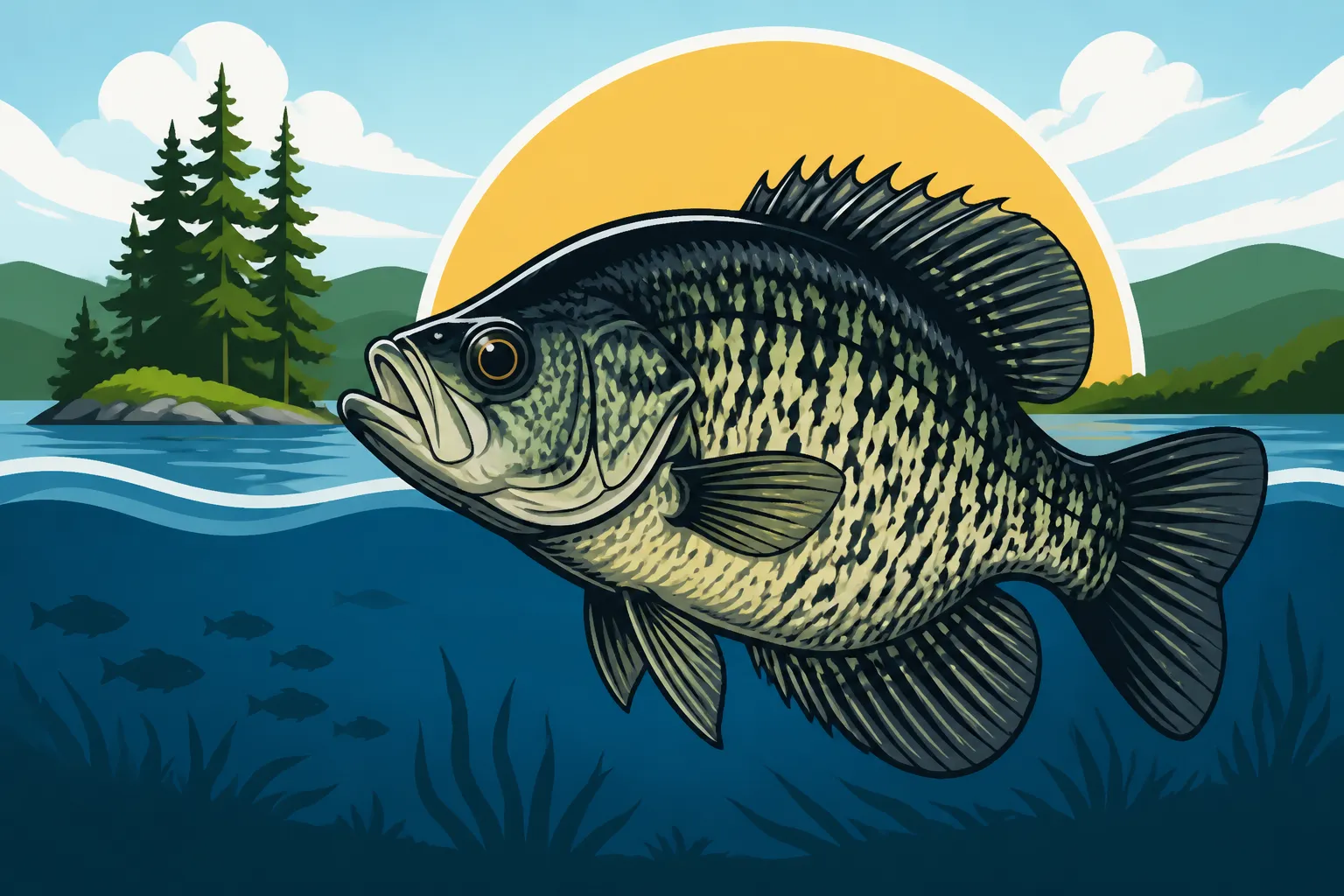
Black crappie, scientifically known as Pomoxis nigromaculatus, are truly distinctive. They boast a deep, compressed body, almost disc-like, adorned with an intricate pattern of black splotches and spots against a silvery-green or olive background. Their large, dark eyes hint at their preference for low-light conditions, making dawn, dusk, or even cloudy days prime fishing times. Unlike some other panfish, crappie have a relatively large mouth, which allows them to inhale surprisingly substantial baits for their size, from minnows to larger insects.
In Ontario, black crappie typically average anywhere from 8 to 12 inches, with true slabs pushing past the 14 or 15-inch mark, sometimes even reaching weights of over a pound. Imagine the thrill of hooking into a foot-and-a-half long panfish! Their size, combined with their strong fighting capabilities on light tackle, makes them a prime target for sport anglers. But beyond the thrill of the catch, it's their culinary appeal that truly sets them apart. Crappie fillets are known for their delicate flavor and firm texture, making them a sought-after dish. They're definitely high on the list when considering Best Eating Fish Species From Ontario Lakes.
Black Crappie vs. White Crappie: Spotting the Differences
While both black and white crappie exist, black crappie are far more common and widely distributed across Ontario. However, it's always good to know the subtle differences, especially if you venture into waters where both might coexist, even though regulations generally group them together. The primary distinction lies in their markings and dorsal fin.
Black crappie have irregular, scattered black spots over their silvery-green body. Critically, they also possess 7 or 8 dorsal spines. White crappie, on the other hand, tend to have more organized, vertical bars along their sides, giving them a striped appearance, and fewer dorsal spines, typically 5 or 6. Additionally, black crappie tend to prefer clearer, cooler water with more vegetation, while white crappie are often found in warmer, murkier waters, especially those with slower currents, such as larger rivers or impoundments. If you're out on the water, counting those dorsal spines is the most definitive way to tell them apart, but generally, if you're catching crappie in an Ontario lake, it's a black crappie.
Here's a quick comparison to help you distinguish them:
| Feature | Black Crappie | White Crappie |
|---|---|---|
| Dorsal Spines | 7-8 spines | 5-6 spines |
| Body Markings | Irregular, scattered dark spots | Distinct, often vertical dark bars |
| Body Shape | Deep body, more rounded | Slightly more elongated |
| Preferred Water | Clearer, cooler water, dense vegetation | Warmer, often turbid water, slower currents |
| Head Shape | Concave forehead, slight dip | Straighter, more gradual slope |
Where to Find Black Crappie in Ontario Lakes
Crappie are masters of camouflage and ambush, which means finding them often boils down to understanding their preferred hiding spots. They're not like pike, aggressively patrolling open water, nor like smallmouth bass, hugging rocky points in current. Crappie are structure-oriented fish, and their locations change subtly throughout the year with water temperature and food availability. This can be one of the frustrating aspects for anglers new to targeting them, but once you crack the code for a specific lake, it can lead to some incredible fishing.
Habitat Preferences: Structure is Key
If you want to catch black crappie, you need to think structure, structure, structure! They thrive in areas that offer them protection from predators, ambush points for prey, and comfortable thermal cover. This means they'll gravitate towards:
- Submerged Timber and Brush Piles: Fallen trees, submerged logs, beaver lodges, and intentionally sunk brush piles are absolute crappie magnets. These offer excellent cover and are often teeming with the small baitfish and insects that crappie love to eat.
- Weed Beds and Docks: Lush weed beds, especially those with defined edges or pockets, provide security and food. Overhanging docks, boat lifts, and even floating swim rafts can cast shadows that crappie appreciate, especially during bright sunny days.
- Rock Piles and Transition Zones: While not as common as timber, certain rock piles, especially those that transition quickly from shallow to deeper water, can hold crappie. They often use these deeper edges as travel lanes.
- Drop-offs and Ledges: As seasons change, crappie will move vertically. Steep drop-offs and ledges are crucial during colder months, offering access to deeper, more stable temperatures while still providing proximity to shallower feeding grounds.
Their movements are largely dictated by the calendar. In the spring, as waters warm, crappie push into shallow bays and coves, particularly those with dark bottoms that absorb heat, and plenty of submerged brush or reeds. This is pre-spawn, and they can be incredibly aggressive. Post-spawn, they might linger shallow for a bit before retreating to deeper, cooler water in the summer. During the hotter months, look for them suspended over deeper basins, often near submerged timber or weed edges, or under shaded structures. In the fall, they'll again move shallower, often schooling up in predictable locations as they feed heavily before winter. And yes, they are a fantastic target through the ice, often found suspended near deep weed lines or brush piles. Check out Jigging for Perch Through the Ice for related techniques that can be adapted for crappie.
Top Ontario Lakes for Crappie Fishing
Ontario is blessed with countless lakes that hold healthy populations of black crappie. While almost any lake with suitable habitat could hold them, some regions and specific lakes are renowned for their crappie fishing. The Kawartha Lakes system, for instance, is often celebrated for its fantastic panfish opportunities, including crappie. Lakes like Sturgeon Lake, Rice Lake, and even parts of Balsam Lake are known for yielding impressive numbers and sizes of crappie. The shallow, weedy nature of many Kawartha Lakes Fishing Guide waters makes them ideal crappie habitat.
Beyond the Kawarthas, many smaller, fertile natural lakes throughout Central and Eastern Ontario offer incredible crappie action. Look for lakes with plenty of submerged timber, extensive weed beds, and average depths. Lake Simcoe, famous for its perch and lake trout, also has some hidden crappie gems in its shallower bays, especially during ice fishing season. Even some of the larger, more popular fishing destinations like Lake Scugog and portions of Lake Ontario's bay systems can produce excellent crappie catches if you know where to look. Using a good fishing map or a depth finder on your boat, available on sites like Amazon, to identify potential crappie structures (weed lines, brush piles, submerged humps) can give you a significant advantage. Remember to always consult the Ontario Fish ON-Line Interactive Zone Map, Explained to understand specific regulations for your chosen body of water.
The Life Cycle and Habits of Ontario Black Crappie
To truly become a crappie master, you need to understand their annual rhythm. Knowing when they spawn, what they eat, and how they react to environmental changes will allow you to predict their movements and feeding patterns, rather than just blindly casting. It's about thinking like a fish, as they say, and with crappie, that means being attuned to water temperature and cover.
Spawning Season and Behavior
The crappie spawning season in Ontario is a highly anticipated time for many anglers, as these fish move shallow and become more concentrated. Generally, black crappie begin to spawn when water temperatures reach a consistent range of 14°C to 18°C (57°F to 65°F). This typically occurs from late April through May, sometimes stretching into early June, depending on the specific region of Ontario and how quickly the spring warmth arrives.
During this period, male crappie move into very shallow water, often just 1 to 3 feet deep, and construct saucer-shaped nests by fanning out depressions in the soft bottom, usually near submerged vegetation, brush, or other cover. These nests are often grouped together in loose colonies. Females then visit the nests to deposit their eggs, which the males fertilize. After spawning, the male crappie remains to guard the eggs against predators and to keep the nest clean by fanning fresh water over them. This dedication makes them particularly vulnerable to anglers at this time, as they are aggressive in defending their territory. While it's exhilarating to catch them during the spawn, practicing good catch and release, especially for the males on the nest, ensures future generations. Familiarizing yourself with Ontario Fishing Seasons by Zone and Month will help you align your fishing efforts with pre-spawn and post-spawn periods, reducing pressure on actively spawning fish.
Feeding Habits and Preferred Forage
Black crappie are opportunistic feeders, but they do have preferences, and understanding these will greatly improve your bait selection. Throughout their lives, crappie primarily feed on small fish and aquatic insects.
- Juvenile Crappie: When they are young, their diet consists mainly of zooplankton (microscopic animals) and tiny insect larvae.
- Adult Crappie: As they grow, their diet shifts significantly towards larger fare. Small baitfish, such as minnows (shiners, dace, fatheads), juvenile perch, and even young of the year panfish, become a staple. They also consume a variety of aquatic insects, crustaceans, and occasionally small leeches.
Crappie are visual predators, and their large eyes are designed for hunting in low light. This is why dawn, dusk, and overcast days can be incredibly productive. They’ll often suspend just below schools of baitfish, waiting for the opportune moment to strike. Light penetration and water clarity also play a huge role. In clear water, they might feed deeper during the day to avoid bright sunlight, while in stained water, they might be more active shallower. When fishing, think about what's naturally in the water. If there's a strong minnow population, small minnow imitations will shine. If there's a good insect hatch, tiny jigs mimicking those insects might be the ticket. Many anglers find great success stocking up on a variety of small baits and lures from retailers like Amazon, ensuring they have options to match the local forage.
Best Techniques and Gear for Black Crappie in Ontario
Now that we know what black crappie are and where they live, let's talk about how to catch them. This isn't about brute force; it's about finesse, presentation, and understanding the subtle bite of a crappie. Using the right gear and techniques will not only increase your success but also make the experience much more enjoyable.
Essential Gear: Rods, Reels, and Line
Many new crappie anglers make the mistake of using gear that's too heavy, and I completely get it – we're often geared up for bigger fish like bass or pike. But trying to detect a crappie's delicate bite on a medium-heavy bass rod is like trying to hear a whisper in a rock concert! The key to successful crappie fishing is light tackle.
- Rods: A good crappie rod is typically 5 to 7 feet long, with an ultralight or light power and a fast or moderate-fast action. This allows for excellent sensitivity to detect those faint bites and provides enough flex to absorb the crappie's head shakes without pulling the hook. An ultralight rod for panfish is a game-changer; consider researching Best Ultralight Rod for Panfish.
- Reels: Pair your ultralight rod with a small spinning reel, something in the 500 to 1000 series. These reels are lightweight, balance well with the rod, and have a smooth drag system, which is crucial when fighting a slab crappie on light line.
- Line: This is where many anglers go wrong. For crappie, you want line that is nearly invisible and has minimal stretch for maximum sensitivity. Monofilament line in 2 to 6 lb test is usually perfect. Fluorocarbon leader can be even better in super clear water, as it's almost invisible underwater. Braid can also be used as a main line for its sensitivity, but always tie on a fluorocarbon leader of a few feet, as braid is highly visible. The light line helps your small baits appear more natural and allows them to fall slowly, which is often what crappie prefer.
Effective Baits and Lures
Crappie aren't overly picky, but their preferences can change daily. Having a variety of baits and lures in your tackle box is a smart move. When building your Best Tackle for Panfish collection, ensure you include these crappie favourites:
- Live Minnows: Hands down, live minnows are one of the most effective crappie baits, especially during colder water periods. Hooked lightly through the back or lips, suspended under a small float, or slowly trolled, they are irresistible. Fathead minnows are a popular choice.
- Small Jigs: This is where the world of crappie fishing truly opens up. Tiny jigs (1/32 to 1/16 ounce are common) tipped with soft plastic bodies are incredibly versatile. Grubs, tubes, single-tail swimbaits, and even tiny hair jigs are all proven crappie catchers. Colors can vary, but chartreuse, white, black, pink, and various natural shades are staples.
- Jigging Spoons: For deeper water, especially when ice fishing or targeting suspended fish, small jigging spoons can be deadly. They mimic injured baitfish and have a tantalizing flutter on the drop.
- Tiny Crankbaits: While not as common as jigs or minnows, micro crankbaits can be fantastic for trolling or casting over shallow weed flats, especially in spring and fall. Look for models that run shallow and have a tight wobble.
- Soft Plastics (Untipped): Sometimes, a tiny soft plastic jig body fished without a lead head on a light hook (like a small hair jig) can be incredibly effective when crappie are finicky and want a super slow, natural fall.
When selecting baits, always remember that crappie are looking for something small enough to inhale. Even a big slab crappie has a relatively delicate mouth, so smaller presentations usually win the day.
Mastering Crappie Fishing Techniques
Once you have the right gear and baits, it's time to put them into action. Crappie fishing often requires patience, attention to detail, and a willingness to experiment.
- Slip Bobber Fishing: This is a classic and highly effective method. A slip bobber allows you to present your bait (usually a live minnow or a small jig) at a precise depth, far below the bobber itself. It's fantastic for fishing around submerged cover like brush piles or weed edges. The key is to set your depth correctly – often just above where you're marking fish on your sonar, or a foot or two above the top of a weed bed. The subtle dip of a slip bobber is often the only indicator of a crappie bite.
- Vertical Jigging: Whether from a boat, kayak, or through an ice hole, vertical jigging is super effective for suspended crappie or those holding tight to structure. Drop a small jig or jigging spoon directly down to the fish you're seeing on your fish finder. A very subtle lift-and-drop motion is often all it takes. Sometimes, simply holding the bait perfectly still can trigger a bite. Vary your cadence and pauses until you find what they like.
- Slow Trolling/Drifting: For covering larger areas and finding schools of crappie, slow trolling or drifting with small jigs or live minnows can be productive. Use an electric trolling motor to maintain a speed of 0.5 to 1.5 mph. This is particularly good for finding crappie suspended in open water basins or along deep weed lines. Using multiple rods with different depth presentations can help you dial in the crappie's preferred zone.
- Casting and Retrieving: In shallow areas with visible cover, simply casting a small jig or tiny crankbait and slowly retrieving it can work wonders. Pay close attention to the retrieve speed; crappie often prefer a very slow, almost agonizingly slow, retrieve that gives them plenty of time to track and inhale the bait. When fishing around docks, making accurate casts right into the darkest shadows can be incredibly effective. For similar techniques in winter, check out Best Techniques for Northern Pike Ice Fishing and adapt the "slow and steady" approach.
Remember, crappie bites can be incredibly light. Sometimes it's just a subtle "tick," a slight slack in your line, or the bobber just subtly leaning. If anything feels different, set the hook!
Conservation and Regulations for Ontario Crappie
As anglers, it's our responsibility to ensure healthy fish populations for future generations. Black crappie are generally prolific, but they are also vulnerable to overharvest, especially when they concentrate during spawning or in wintering holes. Understanding and respecting Ontario's fishing regulations is paramount.
Understanding Bag and Possession Limits
Ontario has a comprehensive set of fishing regulations, and black crappie, like all other species, are subject to specific rules regarding bag and possession limits. These limits can vary significantly by Fisheries Management Zone (FMZ) and sometimes even by specific body of water.
- Bag Limit: This refers to the maximum number of fish you can catch and keep in one day.
- Possession Limit: This refers to the maximum number of fish you can have in your possession at any time, including fish at your campsite, in your cooler, or at home. Often, the possession limit is the same as, or twice, the daily bag limit.
For black crappie, typical limits might be in the range of 20 to 30 fish per angler, but this is a generalization. It's absolutely crucial to consult the most current Ontario Fishing Regulations Explained summary for the specific Fisheries Management Zone you are fishing in. These summaries are available online and often at tackle shops. Some zones or lakes might have special regulations, such as slot limits (where fish within a certain size range must be released) or reduced limits to protect local populations. Ignorance of the rules is not an excuse, and penalties for violations can be significant. The Ontario Fisheries Management Zones, Explained article can help you locate your zone.
Practicing Responsible Catch and Release
While crappie are delicious, and there's nothing wrong with keeping a legal limit for a meal, practicing responsible catch and release for some of your catch is an excellent habit, especially for larger "slab" crappie. These bigger fish are often prime spawners and contribute significantly to the genetic health of the population.
Here are some tips for responsible handling:
- Minimize Handling Time: The less time a fish is out of water, the better its chances of survival.
- Wet Hands: Always wet your hands before handling a fish. Dry hands can remove the protective slime layer, making the fish more susceptible to disease.
- Support the Fish: If taking a photo, support the fish horizontally with two hands to avoid damaging its internal organs or jaw. Never hold a large crappie vertically by the lip if its body is not supported.
- Barbless Hooks: Consider using barbless hooks or pinching down the barbs on your hooks. This makes hook removal much easier and less traumatic for the fish. Many small crappie inhale baits deep, and a barbless hook can be a lifesaver.
- Proper Hook Removal: Use needle-nose pliers or a hook remover tool to quickly and gently remove the hook. If a fish is hooked deep in the gills or throat, it's often best to cut the line as close to the hook as possible rather than trying to rip it out.
- Revive If Necessary: If a fish seems lethargic before release, gently hold it in the water, facing into the current, until it regains its strength and can swim away on its own.
By following these simple practices, you contribute to the sustainability of Ontario's incredible crappie fisheries. After all, the joy of fishing is not just in the catch, but in knowing that the resource will be there for future generations to enjoy. You can also learn more about Ontario Bag and Possession Limits by Species to ensure you're always fishing legally and ethically.
Disclaimer
This article is for general informational purposes only and does not constitute professional advice. Laws, prices and regulations vary by location and change over time. Consult a qualified professional for guidance on your specific situation.