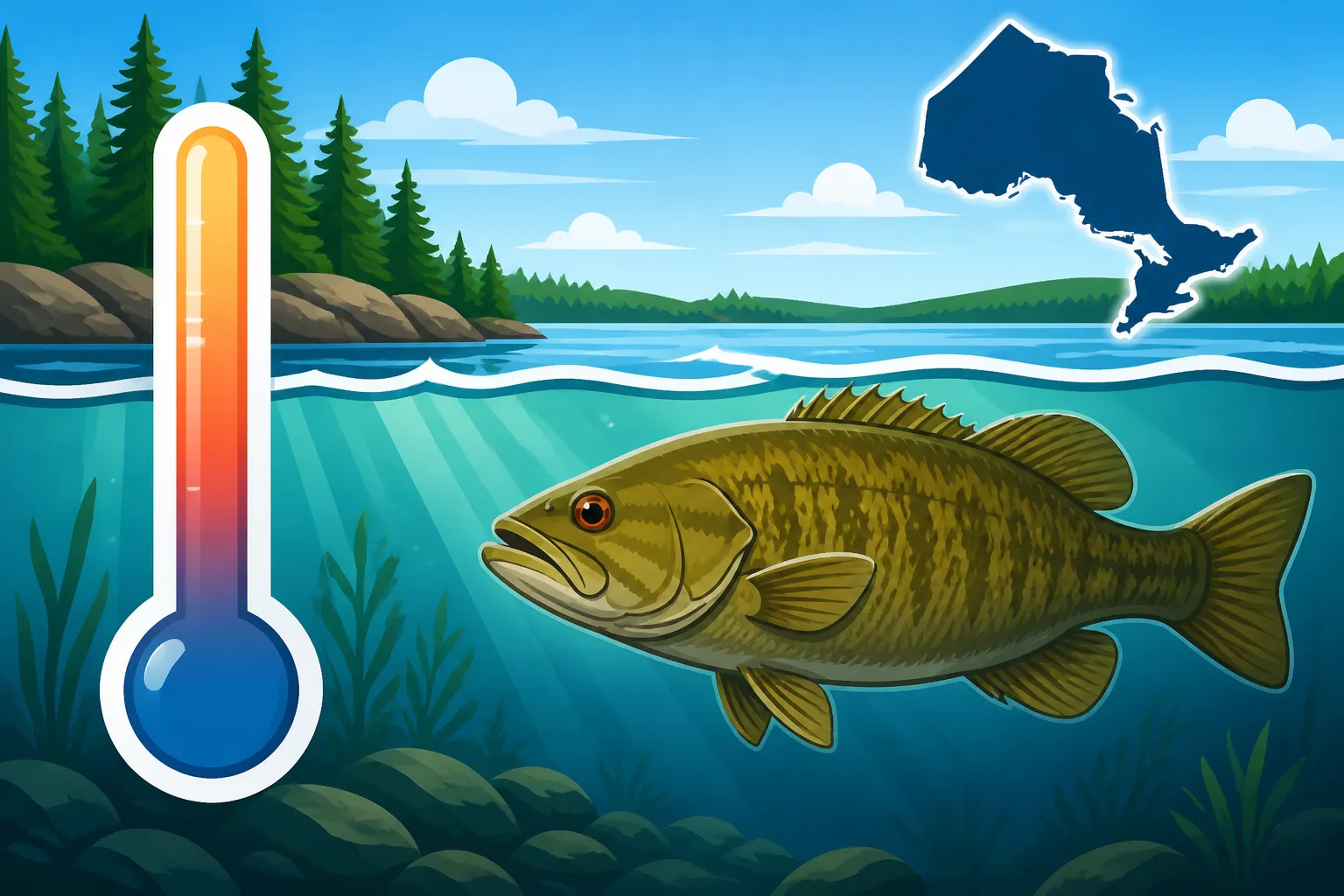
What water temperature smallmouth bass prefer
There's nothing quite as frustrating as heading out for a day of smallmouth bass fishing, knowing these feisty bronzebacks are in the lake, but just not being able to find them. It often feels like they've vanished into thin air! But more often than not, it's not a mystery, it's simply a matter of water temperature. Smallmouth bass are incredibly sensitive to changes in water temperature, and understanding their preferred ranges and how those temperatures influence their behavior is absolutely key to consistently finding and catching them in Ontario's vast and varied waters. This guide is all about demystifying smallmouth bass temperature preferences, giving you the insights you need to make every outing more successful.
Understanding Smallmouth Bass and Water Temperature: Why It Matters So Much
Smallmouth bass aren't just swimming around aimlessly; their entire existence, from feeding to spawning to simply surviving, is dictated by the thermal environment around them. Think of it like us: we have comfort zones, and when it's too hot or too cold, we seek shelter or adjust our activities. Smallmouth are no different, but their "adjustments" are often about moving to different depths or areas of a lake or river.
The Metabolism Connection: How Temperature Drives Activity
At its core, water temperature directly impacts a smallmouth bass's metabolism. Metabolism is the process by which their bodies convert food into energy, and it dictates how active they are, how often they need to eat, and even how aggressively they'll strike a lure.
When the water is cold, a smallmouth's metabolism slows down significantly. They become sluggish, their digestion takes longer, and they require less food. This means they'll often hold tight to cover, move slowly, and might only strike a lure if it's presented perfectly and slowly. Trying to rip a fast-moving crankbait through frigid water often results in no bites, not because the fish aren't there, but because they're simply not in the mood or physically able to chase it down. Conversely, when the water warms up into their ideal range, their metabolism kicks into high gear. They become highly active, constantly searching for food, and their reaction times are incredibly fast. This is when you see those explosive strikes and aggressive chases that smallmouth are famous for. Knowing this metabolic link allows us to anticipate their mood and adjust our tactics accordingly.
From Cold to Hot: Smallmouth's Comfort Zones
Smallmouth bass have a pretty broad range of temperatures they can tolerate, but they definitely have sweet spots where they are most comfortable and active. Generally speaking, their preferred range for feeding and activity is quite specific, and outside of that, they'll be in survival mode or looking for more suitable conditions.
They can survive in water temperatures from near freezing all the way up into the high 20s Celsius, but they thrive in a much narrower band. Their absolute ideal "comfort zone" for active feeding and general vitality typically falls between 18°C and 24°C (65°F and 75°F). This is when you'll find them most aggressive and willing to chase. Below this, they get progressively slower, and above it, they start looking for cooler, deeper water or areas with current and shade to escape the heat. Understanding these general comfort zones is your first step in predicting where to find them at any given time of year in an Ontario lake or river.
Seasonal Temperature Preferences and Smallmouth Behavior in Ontario
Ontario's seasons bring dramatic swings in water temperature, and with those changes come predictable shifts in where smallmouth bass will be found and how they'll behave. What works in June certainly won't work in April or October!
Early Spring and Post-Ice Out: The Chill Factor
After the long, cold winter, when the ice finally leaves our Ontario lakes and rivers, the water is still incredibly cold. We're talking single-digit Celsius temperatures, maybe creeping into the low teens on sunny, shallow flats. During this period, smallmouth bass are still quite lethargic. Their metabolism is slow, and they're focused on conserving energy.
They'll often be found in the deepest available water close to wintering areas, or slowly migrating to adjacent slightly shallower areas that warm up first. Think dark-bottomed bays, rocky points exposed to direct sunlight, or channels with some current where water might be slightly warmer. Look for them in depths of 15 to 30 feet or more, usually holding tight to structure like rock piles, drop-offs, or submerged timber. The key here is presenting baits slowly and deliberately. Jigs, tube baits, or suspending jerkbaits fished with long pauses are often the ticket. Don't expect aggressive strikes; often, it's just a subtle "thump" or added weight on your line. Remember, even a small increase in water temperature by a degree or two can make a huge difference to a cold smallmouth, so pay attention to those slight thermal advantages. This early season can be incredible for larger, sluggish fish, but patience is a virtue.
Pre-Spawn and Spawning: Crucial Temperatures for Reproduction
As spring progresses and water temperatures climb into the mid-teens Celsius, smallmouth bass enter their crucial pre-spawn phase. This is arguably one of the most exciting times to target them! As the water hits around 12-15°C (54-59°F), their metabolism starts to ramp up, and they begin to feed heavily, packing on energy for the upcoming spawn.
They'll start migrating from their deeper wintering grounds to shallower staging areas. These are typically hard-bottomed areas adjacent to future spawning grounds, like rocky points, secondary humps, or the deep edges of flats. Think about depths of 8 to 20 feet. They're looking for baitfish and crawfish, so lures that imitate these, like crankbaits, spinnerbaits, and swimbaits, can be incredibly effective. The fish are aggressive, but still value a meal that doesn't require too much energy to chase down.
The actual spawning process usually kicks off when water temperatures consistently reach 16-18°C (60-65°F). This is a critical period for smallmouth bass reproduction. Males will move into shallow water, typically 2-10 feet deep, to fan out nests on gravel or rocky bottoms. They guard these nests aggressively, protecting the eggs from predators. While they are still catchable during this time, many anglers choose to avoid targeting bedding fish to allow for successful spawning and to protect the future of the fishery. Catching a male off a nest can make him abandon it, leaving the eggs vulnerable. Always check Ontario Fishing Season Dates by Zone to ensure you're within legal fishing windows, and be mindful of local regulations.
Summer Heat: Seeking Cooler Depths
Ontario summers can get hot, and so can the surface water of our lakes. When water temperatures climb above 24°C (75°F), smallmouth bass often retreat from the shallows during the brightest parts of the day. They're not gone, they've just moved to find more comfortable, cooler water.
They'll seek refuge in deeper thermoclines (layers of water with different temperatures), around deep structure like submerged islands, rock reefs, humps, and steep drop-offs. Current in rivers can also provide relief, as moving water tends to be cooler and more oxygenated. How deep walleye go in summer can give you an idea of how other species also adapt to deeper, cooler water. You might find them suspended over deep water, especially if there's baitfish present, or relating tightly to the bottom around structure. Early mornings, late evenings, and overcast days might bring them shallower to feed, but during the bright midday sun, expect to find them deeper. Vertical jigging with tubes or drop-shot rigs, or even deep-diving crankbaits and Carolina rigs, are excellent techniques for probing these deeper summer haunts. A good fish finder is invaluable here to locate these deep-water havens and the fish relating to them. Many anglers find great deals on portable fish finders, even on sites like Amazon, that can help them pinpoint depth and temperature.
Fall Cooling: The Last Feeding Frenzy
As autumn arrives and Ontario's days shorten, water temperatures begin to drop steadily. This signals a critical "fall feed" for smallmouth bass. As the water cools from the mid-20s down into the low teens, their metabolism remains high, and they sense the impending winter, triggering an instinct to gorge themselves.
This period, when temperatures are around 10-18°C (50-65°F), can offer some of the most spectacular smallmouth fishing of the year. The fish are often aggressive and can be found shallower than their summer haunts, moving onto flats, points, and humps to chase baitfish like shiners and ciscoes, which are also staging before winter. Look for them around rocky structure where they can ambush prey. Crankbaits, jerkbaits, spinnerbaits, and large swimbaits are all incredibly effective. They'll actively chase down lures, providing thrilling strikes. As temperatures continue to plummet, especially below 10°C (50°F), they'll eventually begin their migration to deeper wintering holes, where they'll remain relatively inactive until spring. The transition is gradual, so paying attention to those falling mercury readings is key to staying on the bite.
Practical Tips for Measuring Water Temperature and Finding Bass
Knowing the preferred temperature ranges is one thing, but actually using that knowledge on the water is where the real success happens. You need the right tools and the right mindset.
Essential Tools for Temperature Tracking
You don't need a science lab on your boat, but a few simple tools can make a world of difference in pinpointing those ideal smallmouth temperatures.
- Digital Water Thermometer: This is your most basic and essential tool. Many fishing-specific models exist, some on long cords to check different depths, or simple handheld ones for surface readings. Some even clip right to your belt, making quick checks easy. Even a basic digital kitchen thermometer can work in a pinch for surface readings, though it won't be as convenient. Being able to quickly get a surface temperature reading, especially when exploring new areas or after a weather change, is incredibly valuable. You can find a wide variety of these, from simple to sophisticated, on platforms like Amazon.
- Fish Finder with Temperature Sensor: Most modern fish finders come equipped with a temperature sensor built into the transducer. This provides real-time surface water temperature readings, and some advanced units can even give you a rough idea of the temperature at different depths by showing thermoclines. This integration means one less piece of gear to manage and constant data feedback. When you see baitfish or bass congregating at a specific depth, and your fish finder also shows a subtle temperature change there, you've found a critical piece of the puzzle. Checking your fish finder's manual will tell you how to display this important information.
- Weather Apps and Marine Forecasts: While not direct water temperature readers, knowing air temperature trends, wind direction, and recent rainfall can help you predict how surface water temperatures might be changing. A few days of warm, sunny weather will typically warm up shallow bays, while a strong cold front can cool them down quickly. Observing these patterns can help you anticipate smallmouth movements even before you launch your boat.
Reading the Water: Structural Clues and Thermal Breaks
Smallmouth bass are often found near specific structures that offer thermal advantages. Learning to "read the water" for these clues is a skill that develops over time.
- Dark Bottoms and Shallow Flats: In spring, areas with dark, rocky, or muddy bottoms in relatively shallow water absorb sunlight more efficiently, warming up faster than surrounding areas. Smallmouth will often gravitate to these spots first. Think about the north-facing shorelines in early spring that get direct sun all day.
- Current Areas: Rivers, river mouths, and bottleneck areas in lakes can provide consistent current. This moving water is often slightly cooler and more oxygenated than stagnant lake water, making it attractive to smallmouth during hot summer months. It also brings a constant supply of food.
- Deep Drop-offs and Thermoclines: During summer, smallmouth will retreat to the cooler, deeper parts of a lake. Steep drop-offs, underwater humps, and points that extend into deep water become prime locations. Your fish finder can help you locate the thermocline – the layer where warm surface water meets cooler deep water. Smallmouth will often suspend or relate to structure just above or within this thermocline. For more on finding bass on these structures, check out How to fish rocky points for smallmouth.
- Shade and Overhangs: In rivers, overhanging trees, fallen logs, and undercut banks provide shade, keeping the water underneath cooler. Smallmouth will often hold in these shaded areas, especially during bright, sunny days, ready to ambush prey.
Adjusting Your Approach: Lures and Tactics by Temperature
Once you have a handle on the water temperature, you can tailor your lure selection and presentation to match the smallmouth's mood.
| Water Temperature Range (Celsius/Fahrenheit) | Smallmouth Activity Level | Preferred Locations | Recommended Lures/Techniques |
|---|---|---|---|
| Below 10°C (Below 50°F) | Very Slow, Lethargic | Deep Wintering Holes, Deep Rock | Vertical Jigs, Drop-Shots, Slow Retrieves |
| 10-15°C (50-59°F) | Slow to Moderate, Pre-Spawn | Deep Flats, Rocky Points, Channels | Suspending Jerkbaits, Tubes, Jigs, Slow Crankbaits |
| 16-18°C (60-65°F) | Spawning (Males on nests) | Shallow Gravel, Rocky Flats | Avoid directly targeting nesting fish; use caution |
| 18-24°C (65-75°F) | High Activity, Aggressive Feeding | Mid-depth Structure, Points, Humps | Crankbaits, Spinnerbaits, Jerkbaits, Topwater, Tubes, Jigs |
| Above 24°C (Above 75°F) | Moderate to Slow, Heat-Stressed | Deep Water, Current, Shade, Thermocline | Deep Jigs, Drop-Shots, Carolina Rigs, Early/Late Topwater |
This table provides a quick reference, but remember, every day is different. In colder water, use smaller baits, slow your retrieve, and allow for long pauses. Think about suspending jerkbaits that can hang motionless in the strike zone, or a slow-dragged tube jig. As the water warms up and fish become more aggressive, you can increase your retrieve speed, use more erratic movements, and experiment with larger, more active lures like spinnerbaits and crankbaits. For aggressive summer smallmouth, topwater lures can be explosive, particularly during low-light conditions. When it comes to fall, you might want to consider Best lure retrieve speed for smallmouth in fall as they chase baitfish. Always be willing to experiment until you find what the fish are reacting to on that particular day.
Beyond Temperature: Other Factors Influencing Smallmouth Location
While water temperature is undeniably a huge factor, it's not the only thing influencing where smallmouth bass will be. A truly successful angler considers the whole picture.
Oxygen Levels and Current
Smallmouth bass, like all fish, need oxygen to survive. Water temperature plays a role here because colder water generally holds more dissolved oxygen than warmer water. When surface waters get extremely warm in summer, the oxygen levels can drop, pushing fish deeper or into areas with more current.
- Current as an Oxygen Source: In rivers, the constant flow of water replenishes oxygen. This is why smallmouth often thrive in river systems, and why current breaks (areas where moving water meets slack water) are prime ambush points. Even in lakes, wind-driven currents or currents created by narrowing channels can create better oxygenation. How to fish a river for smallmouth bass is a great resource if you're exploring river fishing.
- Thermal Stratification and Oxygen Depletion: In deep lakes during summer, a phenomenon called thermal stratification occurs, where distinct layers of water form. The upper, warm layer (epilimnion) is well-oxygenated. The middle layer (thermocline) has fluctuating oxygen. The bottom, cold layer (hypolimnion) can become severely oxygen-depleted in some lakes, essentially becoming a dead zone. Smallmouth will typically avoid these oxygen-depleted areas, even if the temperature is ideal. This is another reason why they often relate to the thermocline rather than the very bottom in deep summer lakes. Your fish finder can sometimes help visualize these layers and infer oxygen levels.
Forage and Cover Availability
Even with perfect water temperature, a smallmouth isn't going to stick around if there's no food or nowhere to hide from predators. The presence of baitfish and cover is paramount.
- Following the Food: Smallmouth bass are opportunistic predators, and they will go where the food is. If schools of baitfish (like alewives, shiners, or smelt) or crawfish are abundant in a particular area, smallmouth will follow, regardless of slight temperature variations. Sometimes, finding the bait is finding the bass. This is particularly true in places like Lake Erie, where smallmouth can key in on specific baitfish. You might find useful information on this in articles like What walleye eat in Ontario lakes which provides general insights into prey fish.
- Cover for Ambush and Protection: Whether it's submerged timber, rock piles, weed lines (especially sparse, deep weeds), boat docks, or bridge pilings, cover provides smallmouth with crucial ambush points to surprise their prey. It also offers protection from larger predators and harsh sunlight. Even in their preferred temperature range, they'll often be found relating to some form of cover. Understanding how smallmouth use different types of cover at various depths is vital for consistent success. If the water is at their ideal temperature but there's no cover, they're likely just passing through.
Considering these additional factors alongside water temperature will give you a much more complete picture of where smallmouth bass are likely to be hiding and how to tempt them into biting. It's a bit like being a detective, piecing together all the clues to crack the case. The more variables you consider, the better your chances of a successful day on the water, reeling in those fantastic Ontario smallmouth bass!
Disclaimer
This article is for general informational purposes only and does not constitute professional advice. Laws, prices and regulations vary by location and change over time. Consult a qualified professional for guidance on your specific situation.