What walleye eat in Ontario lakes
It can be incredibly frustrating to hit your favorite Ontario lake, knowing it holds some fantastic walleye, only to come up empty-handed. Often, the missing piece of the puzzle isn't your technique or even your location, but a deep understanding of what those walleye are actually munching on. This comprehensive guide will peel back the layers of the walleye diet in Ontario lakes, giving you the insider knowledge to "match the hatch" and significantly boost your success on the water.
The Walleye's Plate: An Opportunistic Predator's Diet
Walleye are fascinating fish, primarily known for their incredible eyesight in low light conditions, which makes them formidable predators. But what exactly fuels these amber-eyed hunters? It's not as simple as "they eat fish." Their diet is incredibly varied and opportunistic, adapting to whatever food sources are most abundant and easiest to catch in their particular environment. Understanding this adaptability is the first step toward thinking like a walleye.
General Diet Overview
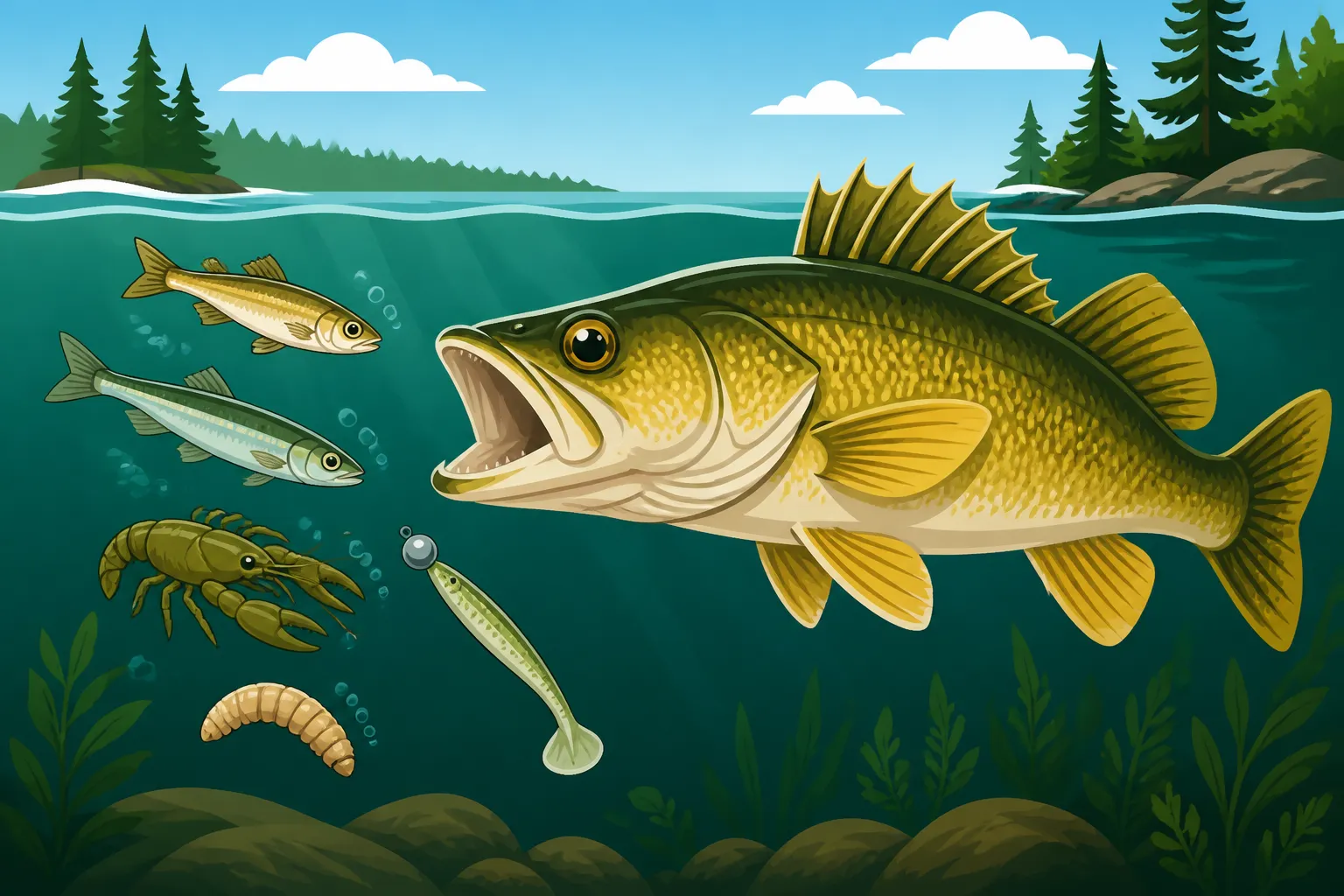
At their core, walleye are piscivores, meaning fish-eaters. From the moment they transition from their larval stages, their main goal is to consume other fish. However, this doesn't mean they're picky eaters in the strictest sense. A young walleye, just a few inches long, will start its life feasting on tiny zooplankton and aquatic insects before graduating to small minnows. As they grow, so does their prey, moving through various stages of baitfish.
Even large adult walleye, while primarily focused on substantial fish meals, won't turn their nose up at an easy snack. If a plump crayfish scurries across their path, or a juicy leech presents itself, they'll often seize the opportunity. This means that while 80-90% of their diet might be fish, that remaining percentage can sometimes be the key to triggering a bite when the fish are less aggressive or baitfish are scarce. The specific characteristics of an Ontario lake – its depth, clarity, bottom composition, and vegetation – all play a huge role in shaping the local walleye's menu. A walleye living in the vast open waters of Lake Erie might have a very different preferred meal than one navigating the weedy bays of Lake Scugog.
Seasonal Shifts in Walleye Forage
Just like our own appetites change with the seasons, so too does a walleye's. Their metabolism, the availability of different prey species, and even the water temperature dictate what they’re looking for and where.
- Spring (Post-Spawn Hunger): After the arduous spawning period, walleye are often ravenous. They've expended a tremendous amount of energy and are looking to replenish. In spring, the shallow bays and tributaries warm up first, attracting smaller baitfish, minnows, and emerging insects. Walleye will often follow these prey into shallower water, making them vulnerable to presentations that mimic these smaller, active forage species. Think twitch baits and small jigs. Many anglers swear by the effectiveness of minnow imitations right after the Walleye Spawning Season in Ontario.
- Summer (The Buffet is Open): As the water thoroughly warms up, baitfish populations explode across Ontario lakes. This is often a period of abundance, but it can also be challenging for anglers. Walleye will move to deeper, cooler, more oxygenated waters, often suspending in open water or relating to deep structures like humps and points. They'll follow massive schools of pelagic baitfish like ciscoes, smelt, or shiners. Their feeding might become less frequent but more intense, focused on large, calorie-rich meals. Trolling deep-diving crankbaits or vertical jigging often excels during this season.
- Fall (Bulking Up for Winter): This is a critical feeding window. Walleye become incredibly active, almost obsessively so, as they prepare for the lean winter months. They will actively chase down larger baitfish, often moving into shallower areas again, or concentrating on specific deep structures where prey congregates. This is often the time to throw larger, more aggressive lures, mimicking bigger baitfish trying to escape. Understanding these patterns is key to successful Fall Fishing Spots in Ontario.
- Winter (Under the Ice): While their metabolism slows, walleye still need to feed. Under the ice, their primary targets are cold-water baitfish like smelt, ciscoes, and shiners that remain active. Perch also remain a staple. Ice anglers often use jigging spoons, Rapala-style jigs, or tip-ups with live minnows to tempt these colder-water predators. The key here is presenting a meal that requires minimal effort from the walleye.
Key Baitfish Species: The Walleye's Main Course
When you're trying to figure out what walleye eat, the conversation invariably turns to baitfish. Different lakes in Ontario will have different dominant baitfish, and identifying them is a huge advantage. Knowing the primary forage helps you choose the right lure size, shape, and colour to present a truly irresistible offering.
Shiners, Minnows, and Perch: Everyday Staples
These species form the backbone of the walleye diet in countless Ontario waters. They are often abundant, relatively easy to catch, and provide excellent nutrition.
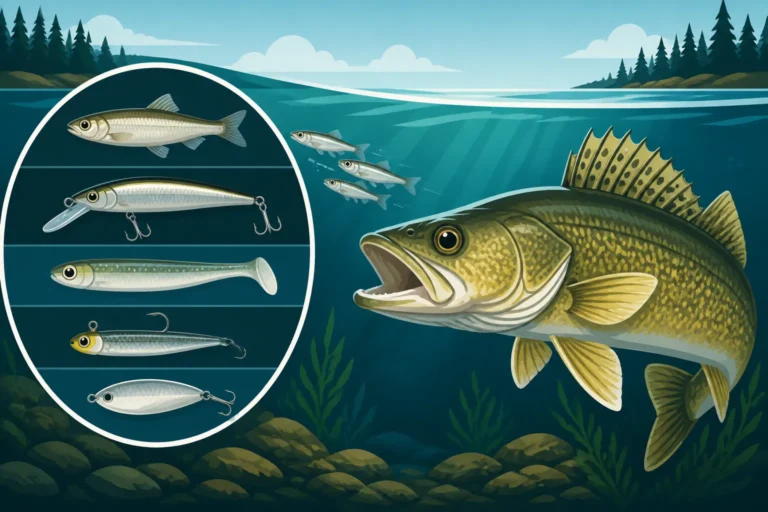
- Emerald Shiners and Spottail Shiners: These are arguably two of the most important forage species for walleye across much of Ontario, especially in larger lakes and rivers. Emerald shiners are often found in open water, while spottail shiners frequent shallower, clearer areas. They are slender, silvery, and school in large numbers, making them prime targets for walleye's ambush tactics. Many classic walleye lures, like suspending jerkbaits or long, slender crankbaits, are directly designed to mimic the appearance and action of these shiners. If you're fishing a lake known for its shiner population, a silver or natural minnow pattern is usually a safe bet.
- Creek Chubs and Fathead Minnows: While perhaps not as glamorous as shiners, these smaller minnow species are incredibly important in specific environments. You'll find creek chubs in rivers and streams, and fathead minnows are common in smaller lakes and ponds, particularly those with a lot of vegetation. Walleye in these habitats adapt to this readily available food source. When fishing these types of waters, consider scaling down your lure size and focusing on more subtle presentations that imitate these smaller, slower-moving minnows.
- Yellow Perch: A quintessential walleye meal, particularly in lakes with robust perch populations like Lake Erie, Lake Simcoe, or many of the larger Northern Ontario lakes. Walleye absolutely love to eat yellow perch, especially the smaller, fingerling-sized ones. The distinct barred pattern and yellow-orange fins of perch are often mimicked in popular walleye lures. Perch-patterned crankbaits, jigs, and blade baits are perennially effective and for good reason – they're a natural and preferred food source. Familiarity with Ontario Yellow Perch Limit on Lake Erie and Simcoe can also give you insight into where these forage fish thrive.
Ciscoes, Smelt, and Alewives: Deep-Water Delicacies
In deeper, colder, and often clearer lakes, walleye will often shift their focus to forage fish that prefer these cooler, pelagic environments. These baitfish are typically found suspending in open water, requiring walleye to hunt differently.
- Ciscoes (Lake Herring): In many of Ontario's deeper, colder lakes, ciscoes are the critical forage base for large, trophy-sized walleye. These fish suspend in the water column, often forming dense schools in depths ranging from 20 to 60 feet or even deeper. Walleye will patrol the edges or beneath these schools, ambushing individuals. When walleye are feeding on ciscoes, large jigging spoons, blade baits, or deep-diving crankbaits trolled through these suspended schools can be incredibly effective. Locating these schools with your fish finder is paramount.
- Smelt: Similar to ciscoes, smelt are a significant food source for walleye, particularly in the Great Lakes and some of the larger inland lakes that connect to them. Smelt are oily, elongated, and highly nutritious. Their presence often dictates walleye location and behaviour. Anglers often find success by jigging or trolling over smelt schools, using lures that imitate their slender profile and silvery flash. During winter, smelt runs can even attract walleye to shallower areas.
- Alewives: Primarily a Great Lakes forage fish, alewives are another pelagic species that forms massive schools. Their abundance has a direct impact on the growth rates of walleye in these systems. Walleye, especially larger ones, will key in on alewife schools, often feeding actively during low light periods. Understanding the current movements and depths of alewife schools is crucial for anglers targeting walleye on the Great Lakes.
Beyond Fish: Other Appetizing Morsels
While fish are undoubtedly the primary component of a walleye's diet, they are adaptable predators. They won't pass up an easy meal, and sometimes, those non-fish items can be the very key to unlocking a tough bite. Ignoring these "other" food sources would be a disservice to understanding the full picture of what walleye eat.
Crayfish and Leeches: The Bottom-Dwellers
These invertebrates might not be as glamorous as a flashing shiner, but they are a vital food source in many Ontario lakes and rivers, especially for walleye that spend time close to the bottom.
- Crayfish: In waters with rocky, gravelly, or mixed bottoms, crayfish can be an extremely important part of a walleye's diet. Walleye will cruise these areas, particularly at night when crayfish are more active, to root them out from under rocks and crevices. The tell-tale "click" of a crayfish can be a dinner bell for a hungry walleye. This is why presentations that mimic crayfish are so effective. Think jigs tipped with soft plastic creature baits, tubes, or even small, dark-coloured crankbaits that wobble along the bottom. Live crayfish, when legal and available, can also be deadly. You can find a fantastic array of crayfish-imitating soft plastics and jigs on Amazon to stock your tackle box.
- Leeches: Ah, the humble leech. While many anglers might squirm at the thought, leeches are a natural and often preferred food source for walleye, especially during the spring and early summer when they are abundant in shallower, weedier areas. They offer an easy, protein-packed meal. Live leeches are a classic walleye bait, fished under a float or on a simple hook-and-sinker rig. For those who prefer artificials, soft plastic leech imitations, often in black or dark colours, can be incredibly effective when slowly jigged or retrieved. Their undulating action can perfectly mimic a natural leech.
Insects and Smaller Invertebrates: Early Life and Opportunistic Snacks
While adult walleye largely move beyond a diet dominated by insects, these tiny creatures play a crucial role in the development of young walleye and can still be an opportunistic snack for larger fish.
- Aquatic Insects and Larvae: For walleye fry and fingerlings, aquatic insects and their larvae (like mayfly nymphs, caddis larvae, and chironomids) are absolutely critical. These tiny creatures provide the initial protein boost that allows young walleye to grow quickly and transition to a fish-based diet. Even adult walleye, especially in river systems or smaller, nutrient-rich lakes, might opportunistically feed on large insect hatches. If you notice a prolific hatch of a particular insect, and baitfish seem scarce, switching to a jig that mimics a large nymph or even a small terrestrial insect might just be the ticket.
- Zooplankton: The smallest walleye, in their larval stage, feed almost exclusively on microscopic zooplankton. As they grow, they quickly graduate to larger prey, but the initial foundation of their diet is built on these tiny organisms. This early diet sets the stage for their incredible growth potential.
- This broader understanding of the walleye's diet throughout its life cycle and across different environments truly highlights their adaptability. By considering all potential food sources, you equip yourself with more strategies to tempt them.
Matching the Hatch: Translating Diet into Fishing Success
Knowing what walleye eat is powerful, but the real magic happens when you can translate that knowledge into effective fishing strategies. It's not just about what's on the menu, but how you present it to a hungry walleye. This is where observation, experimentation, and a good understanding of your tackle come into play.
Lure Selection and Presentation
The concept of "matching the hatch" is paramount when fishing for walleye. If the walleye in a particular lake are gorging on emerald shiners, then a long, slender, silver-sided crankbait or jerkbait that mimics a shiner will likely outfish a bulky, brightly coloured jig that represents nothing in their natural diet.
- Mimicry is Key: Carry a diverse selection of lures that imitate the common baitfish in the waters you're fishing. This includes varying sizes, shapes, and colours. For example, if you know a lake has a strong population of yellow perch, make sure you have some perch-patterned crankbaits or jigs in your box. The same goes for shiner, smelt, or cisco patterns. Many anglers find great deals on these essential lures by shopping on Amazon, ensuring they have a versatile arsenal for any situation.
- Action Matters: It's not just the look; it's the movement. If walleye are actively chasing fast-moving baitfish in open water, then trolling crankbaits or casting and retrieving jerkbaits with a erratic retrieve will be effective. If they're subtly picking off crayfish from the bottom, a slow-dragged jig-and-soft-plastic or a live bait rig will be more appropriate. Your presentation should mirror the natural movement of the prey you're trying to imitate. For more detailed techniques, consult How to Catch Walleye in Ontario.
- Table: Common Walleye Forage & Lure Imitations
| Prey Type | Typical Appearance/Action | Recommended Lure Types & Characteristics | Key Considerations |
|---|---|---|---|
| Emerald Shiner | Slim, silvery, schooling, active | Jerkbaits, minnow-profile crankbaits | Silver, blue/silver, natural patterns; Erratic retrieve |
| Yellow Perch | Stocky, barred, often near structure | Perch-patterned crankbaits, swimbaits, jigs | Perch patterns (green/yellow/orange); Medium retrieve |
| Cisco/Smelt | Slender, silvery, suspend in open water | Jigging spoons, deep-diving crankbaits | Silver, white, blue/silver; Vertical or trolled |
| Crayfish | Bottom-dwelling, scurrying, dark | Jig-and-pig, creature baits, tubes | Dark browns, greens, black; Dragged or hopped on bottom |
| Leeches | Undulating, dark, shallow weeds | Live leeches, soft plastic worms/leeches | Black, purple, dark green; Slow, subtle retrieve |
| Minnows (general) | Small, various colours, near cover | Small jigs, grub tails, tiny crankbaits | Natural colours; Slow retrieve, light tackle |
Understanding Forage Location and Movement
Walleye are often found where their food is. It sounds simple, but it's a profound truth. Learning about the typical habitats and movements of the predominant baitfish in your target lake or river is one of the most effective ways to locate walleye.
- Baitfish as a Beacon: If ciscoes are suspending at 40 feet in open water, then the walleye will likely be suspended at or around that depth, shadowing the schools. If yellow perch are relating to dense weed lines, then that's exactly where you should be targeting walleye. Pay attention to how baitfish respond to seasonal changes, temperature fluctuations, and light conditions.
- Technology is Your Friend: Modern sonar and fish finders are invaluable tools for locating baitfish schools. If you see dense clouds or arcs on your screen, you've likely found a concentration of forage. Walleye, being opportunistic, won't be far away. Invest in a good Best Fish Finders for Ontario Lakes to give yourself a significant edge. Understanding contour lines on maps can also help you identify structural elements that concentrate baitfish, such as humps, points, and sudden drop-offs.
- Current and Structure: In river systems or lakes with current, walleye often position themselves in current breaks or eddies, waiting for baitfish to be swept past them. Structure, whether natural rock reefs, submerged timber, or even artificial cribs, acts as an ambush point for walleye and a holding area for baitfish.
Adapting to Conditions and Experimentation
Fishing isn't static, and neither are walleye or their prey. Weather fronts, changes in water clarity, barometric pressure, and light levels can all affect feeding behaviour. The most successful anglers are those who can adapt.
- Flexibility is Key: Don't be afraid to experiment with different lure sizes, colours, and retrieve speeds. What worked yesterday might not work today. Sometimes, a walleye might ignore a perfectly realistic minnow imitation only to slam a bright orange or chartreuse jig, perhaps because it represents an injured, easy meal rather than a healthy, fleeing one. Check the Ontario walleye opener date for FMZ 18 in 2026 and subsequent fishing pressure, as this can affect walleye behaviour and what they're willing to bite on.
- Low Light Advantage: Remember the walleye's superior low-light vision. This is why dawn, dusk, and even night fishing can be incredibly productive for walleye, especially when they're targeting shiners or smelt that become more vulnerable in dimmer conditions. For instance, Best Time of Day to Catch Walleye emphasizes the importance of these windows.
- Seasonal Considerations: As discussed earlier, the seasonal changes dictate the available forage. In spring, focus on smaller, active prey. In fall, don't shy away from larger, more aggressive presentations. Keep an eye on Ontario Fishing Seasons by Zone and Month to understand the broader context. By constantly observing, adapting, and being willing to try new things, you'll dramatically increase your chances of finding and catching walleye in Ontario's diverse lakes.
Disclaimer
This article is for general informational purposes only and does not constitute professional advice. Laws, prices and regulations vary by location and change over time. Consult a qualified professional for guidance on your specific situation.