Ontario Yellow Perch Limit on Lake Erie and Simcoe
There’s nothing quite like the thrill of reeling in a shimmering yellow perch, especially when you’re out on iconic waters like Lake Erie or Lake Simcoe. But let’s be honest, figuring out the exact catch and possession limits can feel like trying to solve a puzzle written in a language you only partially understand. This guide is here to clear up that confusion, diving deep into the specific regulations for yellow perch in these two beloved Ontario fishing destinations, so you can focus on the fishing, not the fines.
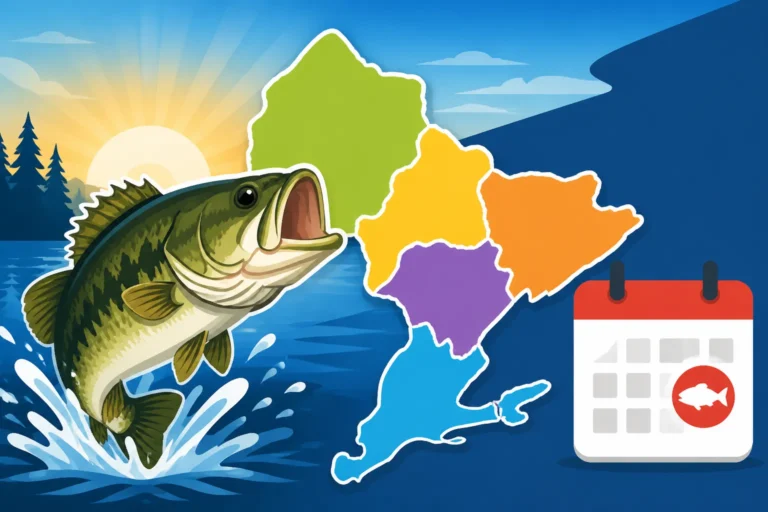
Understanding Ontario's Fisheries Management Zones (FMZs)
Before we even cast a line, it's crucial to grasp how Ontario manages its vast aquatic resources. The province isn't just one big fishing free-for-all; it's intricately divided into what are known as Fisheries Management Zones, or FMZs. Think of them as localized jurisdictions, each with its own set of rules tailored to the specific ecological needs and fish populations within that area. This system helps ensure sustainable fishing for future generations, preventing overfishing in one area while allowing for more generous limits in another where stocks are robust.
Why FMZs Matter for Perch Regulations
The reality is, a walleye in Lake Nipissing faces different pressures than a brook trout in an Algonquin Park stream, and the regulations reflect that. For yellow perch, a highly sought-after species across the province, the FMZ system is particularly relevant because their populations can vary dramatically from one large lake to another, even if those lakes aren't geographically that far apart. The Ministry of Natural Resources and Forestry (MNRF) carefully monitors these populations, considering factors like spawning success, growth rates, and angler harvest data to set appropriate limits for each zone. Without this localized approach, a blanket provincial rule would either be too restrictive for some areas or, more dangerously, not restrictive enough for others, potentially leading to stock collapses. This is why you can't assume that the rules for perch in a small inland lake in cottage country are the same as those for the Great Lakes.
When you're planning a trip to target yellow perch, one of your first steps, even before checking the weather, should be to confirm which FMZ you'll be fishing in. This simple act can save you a lot of headache and ensure you're fishing legally. You'll often find that popular fishing destinations like Lake Erie and Lake Simcoe, despite their vastness, fall entirely within a single FMZ, simplifying things slightly, but it's always best to verify.
The Distinct Zones of Lake Erie and Lake Simcoe
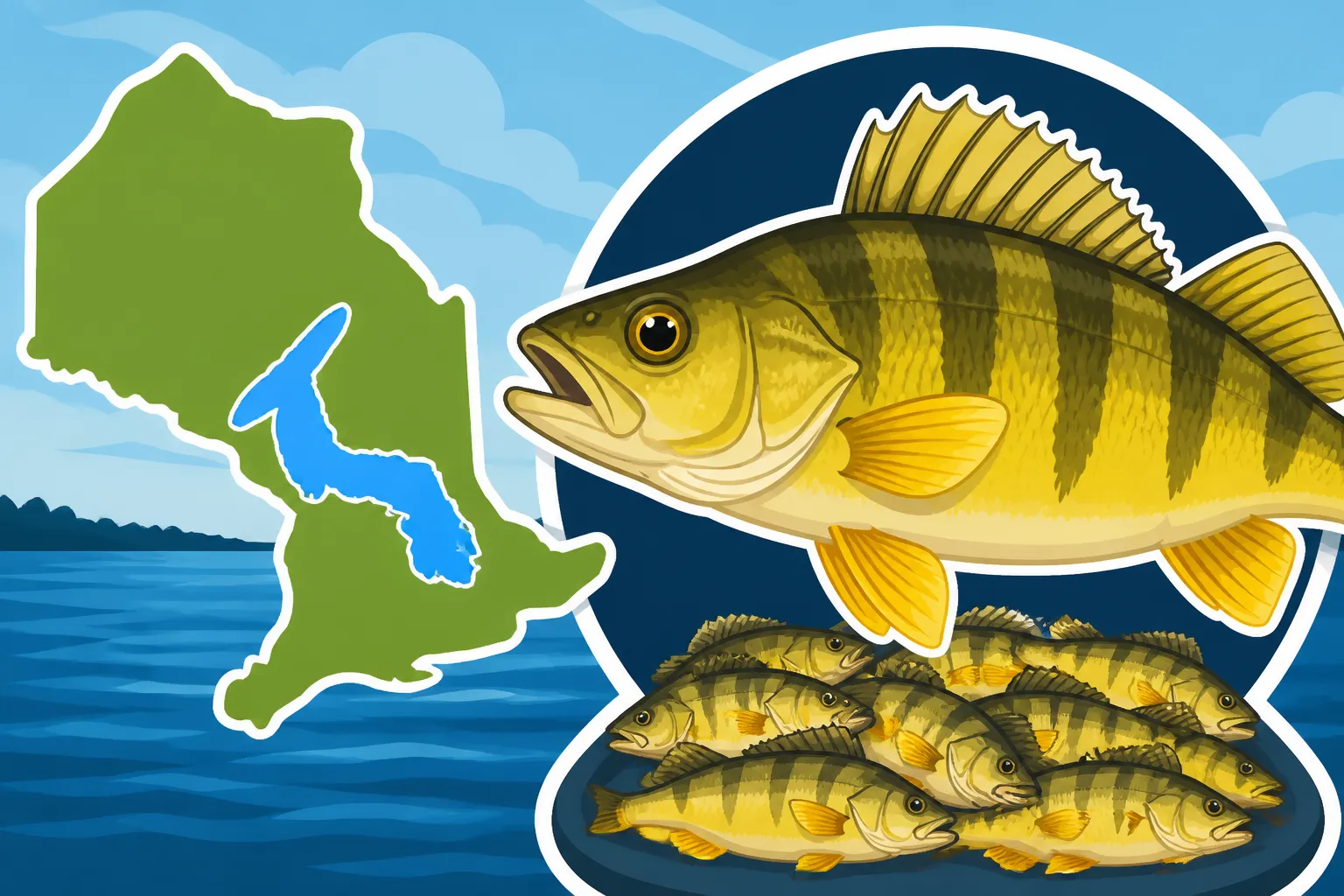
Both Lake Erie and Lake Simcoe are iconic Ontario fishing destinations, and they both actually fall under the same Fisheries Management Zone: Zone 16. Now, you might think, "Great! That means the rules are identical, right?" Not so fast. While being in the same FMZ often means some shared regulations for certain species, major bodies of water like Lake Erie and Lake Simcoe are so unique, and their fisheries so distinct, that they often have special regulations that override or add to the general FMZ 16 rules.
Lake Erie, as part of the Great Lakes system, is a massive, productive fishery, renowned globally for its yellow perch and walleye. Its sheer size and connection to other bodies of water (and even another country) necessitate specific management strategies. Lake Simcoe, while smaller than Erie, is still a very large inland lake, nestled closer to the heart of Southern Ontario's population centers. It experiences heavy fishing pressure, particularly during its famed ice fishing season, making its perch fishery a vital, yet sensitive, resource. These unique pressures and characteristics are why, despite being in the same FMZ, the details of their yellow perch limits might differ. It's always a good idea to consult the Ontario Fishing Regulations Summary to ensure you're looking at the most current and specific rules for your chosen body of water, rather than just the general zone regulations.
Navigating Yellow Perch Limits on Lake Erie
Lake Erie is a true behemoth when it comes to yellow perch. Anglers flock to its shores and head out on charter boats specifically for the chance to fill a cooler with these delicious panfish. However, the sheer abundance doesn't mean it's a free-for-all. The MNRF has established clear limits to ensure this incredible fishery remains productive for years to come.
Daily Catch and Possession Limits for Lake Erie
For anglers targeting yellow perch on Lake Erie, which falls within FMZ 16, the daily catch and possession limits are carefully set to balance recreational opportunity with conservation efforts. These limits are also directly tied to the type of fishing license you hold – either a Sport Fishing License or a Conservation Fishing License. This distinction is absolutely critical, as holding the wrong license for your intended harvest can lead to serious penalties.
For those holding a Sport Fishing License, which allows for a higher take, the yellow perch limit on Lake Erie is generally 50 in a day and 50 in possession. This means that if you're out for a full day of fishing, you can harvest up to 50 perch. If you decide to keep them and fish again the next day, you can't have more than 50 perch, whether fresh or frozen, in your possession at any given time. This possession limit is key for multi-day trips or for storing your catch at home. Imagine you’re on a weekend trip to Port Stanley with a couple of buddies, all with Sport licenses. You each catch and keep 30 perch on Saturday. On Sunday, you can each catch and keep another 20 perch, bringing your total possession to 50, but you couldn't keep more without exceeding your individual limit.
If you opt for a Conservation Fishing License, demonstrating a commitment to lower harvest levels, your daily catch and possession limit for yellow perch on Lake Erie will be lower, typically 25 fish. This license is a fantastic option for anglers who enjoy the thrill of the catch but prefer to keep fewer fish, reducing their overall impact on the fishery. For a detailed breakdown of what each license entails, check out our guide on Ontario Sport vs Conservation Fishing License. It's a fundamental decision that impacts your entire fishing experience.
Specific Nuances and Considerations for Lake Erie Perch
While the daily catch and possession limits are straightforward, there are a few other nuances to keep in mind when fishing for yellow perch on Lake Erie. The regulations are fairly uniform across the entire Canadian side of the lake within FMZ 16, without specific size restrictions for yellow perch at the time of writing. This means you don’t usually have to worry about slot limits or minimum/maximum sizes, which simplifies things for anglers focused on this species. However, it's always prudent to quickly scan the "Exceptions to Zone 16 Regulations" section in the official summary to ensure no new, specific rules have been introduced for Lake Erie.
The immense size of Lake Erie means that while the regulations are consistent, fishing conditions and perch concentrations can vary greatly. You might find fantastic schools of jumbo perch off Long Point Bay one day, and struggle to locate them further east near Port Colborne the next. Anglers often employ various techniques, from drifting with minnows to jigging with small spoons, to target these tasty fish. Understanding the habits of yellow perch in such a large system is key to consistent success. Our Lake Erie Yellow Perch Fishing guide offers more insights into finding and catching these fish. Remember, while the limits are generous, practicing selective harvest—only keeping what you'll realistically consume and releasing the larger, healthier breeders—is a responsible approach for any angler. You can find comprehensive details on all species limits in our Ontario Bag and Possession Limits by Species article.
Deciphering Yellow Perch Limits on Lake Simcoe
Lake Simcoe is a jewel of Southern Ontario, famous for its excellent multi-species fishery, with yellow perch being a perennial favourite, especially during the hardwater season. Similar to Lake Erie, Lake Simcoe falls under FMZ 16, but its unique characteristics and heavy angling pressure necessitate its own specific regulations for yellow perch.
Daily Catch and Possession Limits for Lake Simcoe
For yellow perch on Lake Simcoe, the rules are again tied to your license type. The good news is that the limits mirror those of Lake Erie for this particular species, making it a bit easier to remember if you fish both bodies of water.
If you're fishing with a Sport Fishing License, your daily catch and possession limit for yellow perch on Lake Simcoe is 50 fish. This means you can keep up to 50 perch per day, and your total accumulated catch, whether fresh or frozen, must not exceed 50 at any point. This is especially important during multi-day ice fishing excursions, where anglers might stay in huts for several days. For instance, if you're staying at an ice hut rental operation on Cook's Bay, and you catch your 50 perch on day one, you must consume or transport them home before catching more on subsequent days, or cease fishing for perch. The total number of fish you have in your cooler or freezer counts towards that possession limit.
For those holding a Conservation Fishing License, the daily catch and possession limit for yellow perch on Lake Simcoe is 25 fish. This lower limit is a conscious choice for anglers who prioritize conservation, contributing to the long-term health of Lake Simcoe's vibrant fishery. It’s an ethical decision that many passionate anglers embrace to ensure future generations can enjoy the same opportunities. It's a common scenario to see anglers heading out from popular access points like Sibbald Point or Friday Harbour with their conservation cards, fully aware of their limits and enjoying the experience without needing a massive haul.
Unique Regulations and Seasonal Notes for Lake Simcoe Perch
While the numerical limits for yellow perch on Lake Simcoe are the same as Lake Erie, Lake Simcoe does have its own unique seasonal considerations, particularly regarding ice fishing, which is a massive draw here. Yellow perch are available year-round in Lake Simcoe, and their season is generally open all year with no closed periods. This makes them a reliable target for anglers regardless of the time of year.
However, specific gear restrictions or additional rules can sometimes come into play, especially for certain species or during specific events. Always double-check the current regulations for any updates, particularly if you're targeting other species alongside perch. Lake Simcoe is renowned for its "jumbo perch," which are larger than average specimens that provide excellent sport and table fare. While there are no specific size limits for perch on Lake Simcoe, anglers often self-regulate, releasing smaller fish to grow and keeping only the larger ones. If you're looking for strategies to target these bigger beauties, our guide on Lake Simcoe Jumbo Perch Fishing offers some great tips. Furthermore, understanding the broader Ontario Fishing Season Dates by Zone can help you plan your trips to coincide with the best fishing for various species throughout the year on Lake Simcoe.
The Difference Between Sport and Conservation Licenses
Understanding your fishing license is arguably as important as knowing your bait. In Ontario, anglers primarily choose between two types of fishing licenses: the Sport Fishing License and the Conservation Fishing License. This isn't just about the price; it's about the harvest limits and your commitment to the fishery.
Understanding Your License's Impact on Perch Limits
The most direct and impactful difference between a Sport Fishing License and a Conservation Fishing License is the daily catch and possession limit for various species, including yellow perch. As we've seen for Lake Erie and Lake Simcoe, a Sport license allows you to keep more fish – specifically, double the amount of yellow perch compared to a Conservation license.
For example, on Lake Erie, a Sport license holder can keep 50 yellow perch, while a Conservation license holder is limited to 25. This means your choice of license literally dictates how many fish you can legally take home. If you're planning a trip with a large group and everyone wants to contribute to a big fish fry, the Sport license might seem appealing. However, if you're more about the experience of being out on the water, enjoying the fight, and maybe bringing home enough for one or two meals, the Conservation license is a perfect fit.
The implication here extends beyond just perch. This ratio of higher limits for Sport licenses and lower for Conservation licenses applies across most regulated species in Ontario. So, if you're also targeting walleye, bass, or pike, your license choice will dictate those limits as well. It's truly the foundation of your legal fishing activities in the province. Before you even get to the water, take a moment to consider your angling goals for the day or trip and ensure your license matches your intentions. Our detailed guide on How Much Does an Ontario Fishing License Cost provides a full breakdown of the expenses associated with each option, helping you make an informed decision.
Why Conservation Limits are Important
The concept of a Conservation Fishing License isn't just about offering a cheaper alternative; it's a critical component of Ontario's fisheries management strategy. The lower limits associated with Conservation licenses are designed to promote sustainable fishing practices and actively contribute to the long-term health and abundance of fish populations. By choosing a Conservation license, anglers voluntarily reduce their individual impact on fish stocks, particularly for popular species like yellow perch that experience significant fishing pressure.
This collective effort, when embraced by a large segment of the angling community, can significantly reduce the overall harvest pressure on a fishery. This is vital for several reasons. Firstly, it helps maintain healthy breeding populations, ensuring that enough fish survive to spawn and replenish future generations. Secondly, it reduces the risk of localized depletion, particularly in smaller lakes or specific areas within larger lakes that see heavy fishing. Lastly, it fosters an ethic of stewardship among anglers, encouraging a deeper appreciation for conservation and the delicate balance of aquatic ecosystems. It's about ensuring that the fantastic fishing opportunities we enjoy today will still be there for our children and grandchildren. To truly play your part in sustainable fishing, always carry a reliable measuring device. A simple, sturdy measuring tape is invaluable for checking fish length, even for species without strict size limits, as it encourages selective harvest. You can find a good, waterproof measuring tape on Amazon that will stand up to the elements and help you quickly verify sizes.
Practical Tips for Adhering to Perch Regulations
Knowing the rules is one thing, but practically applying them while you're out on the water can sometimes be a different story. Especially when the perch are biting fast and furious, it's easy to lose track. A few simple practices and pieces of gear can make all the difference in ensuring you stay within the legal limits and contribute to responsible angling.
Essential Gear for Compliance
Being prepared with the right tools can make adhering to regulations a breeze, rather than a frantic scramble. First and foremost, a reliable measuring device is non-negotiable, even for species like yellow perch that might not always have strict size limits. A simple, flexible measuring tape that's easy to read and waterproof is ideal. You can find excellent options on Amazon, often with adhesive backing that allows you to stick it right to the side of your cooler or tackle box for quick reference. This way, if a special regulation suddenly appears for perch in a specific body of water, or if you accidentally hook into a different species, you're ready.
Next, consider a compact digital scale. While perch limits are typically by number rather than weight, a scale can be useful for curiosity, especially if you're targeting those "jumbo" perch on Lake Simcoe and want to record their impressive size. This also helps you understand the health of the fish you're catching. Lastly, a well-organized cooler isn't just for keeping your drinks cold; it's vital for storing your catch properly. Having clear bags or sections for your fish can help you keep track of your daily limit and distinguish your catch from others if you're fishing with a group. A good quality cooler that keeps ice for extended periods is crucial for preserving the freshness of your perch, especially on longer trips. Amazon also offers a wide range of fishing-specific coolers and tackle boxes that integrate measuring tools and storage compartments, making compliance easier than ever. For more tips on organizing your gear, refer to our Reading the Ontario Fishing Regulations Summary guide, which highlights the importance of keeping your license and summary handy.
Best Practices for Catching and Releasing Perch
Even when you're keeping your legal limit of yellow perch, there will inevitably be fish you catch and intend to release. Practicing proper catch-and-release techniques is vital to ensure those released fish survive and thrive. This contributes directly to the health of the fishery and indirectly to future angling opportunities. The goal is to minimize stress and physical harm to the fish.
One of the best practices is to use barbless hooks. These hooks are much easier to remove from a fish's mouth, reducing tissue damage and the time the fish spends out of water. If you're using barbed hooks, consider crimping down the barb with a pair of pliers. When handling perch, always do so with wet hands to protect their slime coat, which is their primary defense against disease and infection. Avoid squeezing them tightly or putting your fingers in their gills.
A quick release is paramount. Have your camera ready for a photo, but prioritize getting the fish back into the water as quickly as possible. If a fish is deeply hooked, it’s often better to cut the line as close to the hook as possible rather than attempting to rip the hook out, which can cause internal damage. A good pair of long-nose pliers or a dedicated de-hooking tool can be invaluable for quickly and safely removing hooks, especially from feisty perch. You can easily find these specialized tools on Amazon, designed for quick and efficient hook removal. Remember, the goal is to make the entire process as gentle and brief as possible for the fish. Adhering to these principles is a key part of Ontario Fishing Regulations Explained, which emphasizes ethical angling.
Common Misconceptions and Where to Find Official Information
Even seasoned anglers can sometimes get mixed up about specific regulations. The sheer volume of rules, exceptions, and zone-specific details can be overwhelming. Let’s tackle some common misconceptions about perch limits and ensure you know exactly where to get the most accurate, up-to-date information.
Dispelling Myths About Perch Regulations
One common misconception is that if you're fishing with someone else, you can pool your limits. For example, if you and a friend both have Conservation licenses (25 perch each), you cannot collectively keep 50 perch under one person's possession limit if the other person has already filled theirs or is not actively fishing. Each angler is responsible for their individual limit. Your possession limit applies to you, regardless of whose cooler the fish are in. So, if you're driving home with your catch, any fish in your possession count towards your limit.
Another myth is that regulations stay the same year after year. While many rules remain consistent, regulations can and do change. A new scientific study, a shift in fish populations, or increased angling pressure can all lead to adjustments in limits or seasons. Relying on "what it was last year" can lead to unintentional violations. For instance, specific lakes within a zone might suddenly have a size restriction or a closed season implemented if a particular stock is struggling. This dynamic nature of regulations is why consistent checking is so important. Also, some anglers believe that because they have an Ontario Outdoors Card, Explained, they automatically have a fishing license. While the Outdoors Card is required to purchase a fishing license, it is not the license itself. You still need to buy the actual fishing license (Sport or Conservation) and carry proof of it with your Outdoors Card.
Your Go-To Sources for Up-to-Date Rules
When in doubt, always go straight to the source. The absolute best place to find the most current and accurate fishing regulations for yellow perch, or any other species, is the official Ontario Fishing Regulations Summary. This document is published annually by the Ministry of Natural Resources and Forestry (MNRF) and is available both online and in print at most license issuers. It's designed to be comprehensive and covers all zones, species, and special regulations. Make it a habit to download the latest summary or pick up a physical copy at the start of each fishing season. Read it thoroughly, especially the sections pertaining to the FMZ and specific water bodies you plan to fish, like Lake Erie and Lake Simcoe.
In addition to the summary, the MNRF also provides an incredibly useful online tool called Fish ON-Line. This interactive map allows you to pinpoint any lake or river in Ontario and instantly see the regulations specific to that body of water. It's a fantastic resource for planning trips and verifying rules on the fly. Simply zoom in on Lake Erie or Lake Simcoe, click on the water body, and all relevant regulations, including yellow perch limits, will pop up. For a detailed walkthrough of how to utilize this powerful tool, check out our guide on How to use the Fish ON-Line interactive zone map. Staying informed is your best defense against accidental rule-breaking and ensures you're always fishing legally and responsibly. If you're looking for a general overview of obtaining your license, our Ontario Fishing License Guide for 2026 is a great starting point.
Summary of Yellow Perch Limits
To make things easy to reference, here's a quick summary of the current yellow perch limits for Lake Erie and Lake Simcoe (both in FMZ 16), based on your license type. Remember, these are general guidelines for these specific bodies of water; always confirm with the latest official Ontario Fishing Regulations Summary.
| Water Body | FMZ | License Type | Daily Catch Limit | Possession Limit | Notes |
|---|---|---|---|---|---|
| Lake Erie | 16 | Sport Fishing | 50 | 50 | No size limits currently in effect. |
| Lake Erie | 16 | Conservation Fishing | 25 | 25 | Reduced limit for conservation-minded anglers. |
| Lake Simcoe | 16 | Sport Fishing | 50 | 50 | Open year-round; no size limits. |
| Lake Simcoe | 16 | Conservation Fishing | 25 | 25 | Reduced limit for conservation-minded anglers. |
Disclaimer
The information provided in this guide is for general informational purposes only and is not a substitute for the official Ontario Fishing Regulations Summary. Fishing regulations can change at any time. It is the angler's responsibility to consult the most current official regulations issued by the Ontario Ministry of Natural Resources and Forestry (MNRF) before heading out to fish.