Ontario Fishing Season Dates by Zone
Navigating the myriad of fishing regulations in Ontario can often feel like trying to untangle a hundred-pound test line in the dark. It's frustrating when you're eager to hit your favorite lake or river, only to realize the season for your target species is closed, or that the rules have changed since last year. This comprehensive guide is designed to cut through that confusion, giving you a clear understanding of Ontario's fishing season dates by zone, so you can plan your angling adventures with confidence and stay on the right side of the law.
Understanding Ontario's Fisheries Management Zones (FMZs)
Before we dive into specific season dates, it's absolutely crucial to grasp the concept of Ontario's Fisheries Management Zones, or FMZs. Think of them as the building blocks of the province's fishing regulations, dictating what you can catch, when, and how much, depending on where you're casting your line.
Why FMZs Matter for Anglers
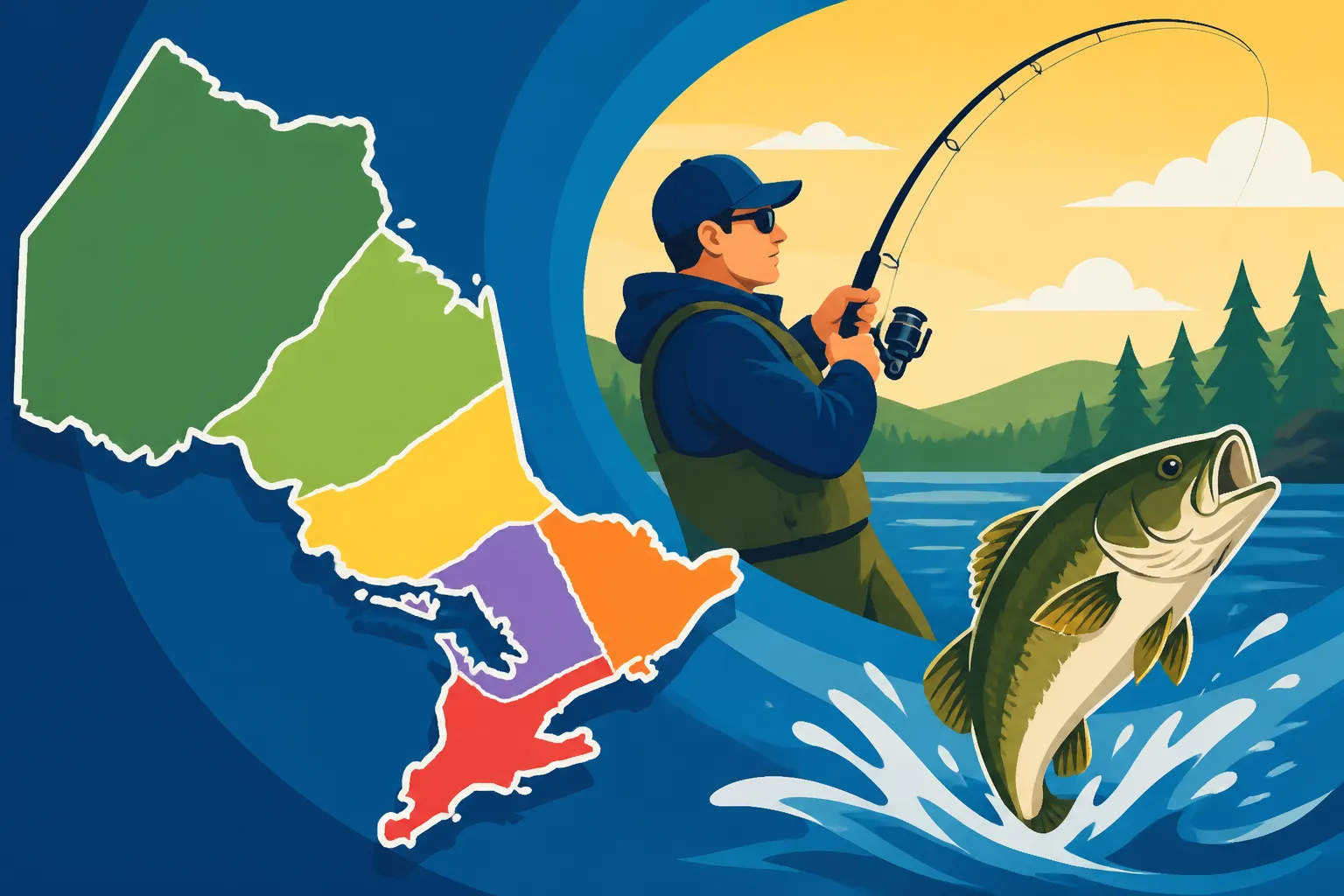
Ontario is a truly vast province, stretching from the Great Lakes in the south all the way up to the Arctic watershed. As you can imagine, the climate, water bodies, and fish populations vary dramatically across this enormous landscape. What makes sense for managing walleye on Lake Erie simply wouldn't apply to brook trout in a remote northern Canadian Shield lake. This is precisely why FMZs exist. The province is carved up into 20 distinct zones, each with its own set of regulations tailored to the specific ecological needs and fishing pressures of that region.
For an angler, knowing your FMZ is the first, and arguably most important, step in understanding the rules. The season dates for a particular species, like smallmouth bass or lake trout, can open and close at completely different times depending on whether you're fishing in FMZ 18 (near Algonquin Park) compared to FMZ 20 (closer to the Great Lakes). Ignoring these zonal differences can lead to a lot of wasted time, or worse, legal trouble. It's not just about convenience; it's about conservation. These varied regulations are put in place to protect spawning fish, allow populations to recover, and ensure sustainable fishing for generations to come. To truly master the system, you'll want to dig into our detailed guide on Ontario Fisheries Management Zones, Explained.
How to Identify Your Fishing Zone
So, how do you figure out which FMZ you're in? This is where many anglers, especially those venturing to new waters, can get tripped up. It's not always obvious, particularly if you're relying solely on a basic road map or a quick Google search. The official source for this information is the Ontario Fishing Regulations Summary, published annually by the Ministry of Natural Resources and Forestry (MNRF). This summary includes detailed maps clearly outlining the boundaries of all 20 FMZs. You can usually pick up a physical copy wherever fishing licenses are sold, or you can download a digital version for free from the provincial government website.
However, the most dynamic and user-friendly tool is the Fish ON-Line interactive map. This incredible online resource allows you to zoom in on specific lakes or rivers, identify their precise location within an FMZ, and even pull up the regulations for that waterbody. It’s an indispensable planning tool, especially if you're exploring unfamiliar territory. I always recommend checking it before heading out. Sometimes, if you're not planning to bring a full paper copy of the regulations summary, having a map app on your phone that clearly shows the FMZ boundaries can be a lifesaver. You can even find specific outdoor maps on platforms like Amazon that sometimes integrate these zone boundaries, offering another layer of convenience. For a deeper dive into making sense of all the rules, be sure to check out our piece on Reading the Ontario Fishing Regulations Summary, or learn how to navigate the interactive tool in our article on Ontario Fish ON-Line Interactive Zone Map, Explained.
General Principles of Ontario Fishing Seasons
Beyond the zonal boundaries, there are some overarching principles that govern fishing seasons across Ontario. Understanding these fundamental concepts will help you interpret the specific dates and avoid common pitfalls.
Open and Closed Seasons: The Basics
At its heart, fishing season management in Ontario revolves around "open" and "closed" seasons. An open season means you are legally allowed to fish for a specific species in a particular FMZ, adhering to all other regulations like catch limits, size restrictions, and gear requirements. A closed season, conversely, means it is illegal to fish for that species during that time. This doesn't necessarily mean you can't fish at all in that waterbody; it just means that if you accidentally catch a species that is out of season, you must immediately release it back into the water with as little harm as possible.
The primary reason for closed seasons is conservation, particularly protecting fish during their spawning periods. Different species spawn at different times of the year. For example, walleye typically spawn in early spring as ice leaves the lakes, while smallmouth bass spawn a bit later in late spring to early summer. Closing the season during these critical reproductive windows ensures that fish can successfully reproduce, safeguarding future generations. It’s a vital management tool to maintain healthy, robust fish populations throughout the province. Ignoring a closed season not only risks penalties but actively undermines the health of the very fisheries we all cherish.
Sport vs. Conservation Licenses and Season Impact
While the season dates themselves are universal for all anglers in a given FMZ, the type of fishing license you hold can influence how you fish during those open seasons, particularly concerning bag and possession limits. In Ontario, you primarily have two options: a Sport Fishing License and a Conservation Fishing License.
A Sport Fishing License offers higher bag and possession limits, generally allowing you to keep more fish per day and have more in your possession. This is for anglers who want to have the option to harvest a more substantial amount of fish. A Conservation Fishing License, on the other hand, comes with significantly reduced bag and possession limits – typically about half of what a Sport License allows. This license is geared towards anglers who prioritize catch-and-release or only wish to keep a minimal amount of fish for a meal.
It's important to understand that neither license type changes the open or closed dates for a species. If walleye season is closed in FMZ 13, it's closed whether you hold a Sport or Conservation license. However, once the season opens, your license type will dictate how many of those walleye you can keep. Always double-check your license type against the current regulations summary to ensure you're adhering to the correct limits. For a deeper breakdown of these two license types and how they impact your fishing, we have an excellent resource in our guide on Ontario Sport vs Conservation Fishing License. Making the right choice ensures you're fishing legally and responsibly.
Key Species Season Dates by Zone
Now, let's get into the nitty-gritty of specific species. While the general principles apply, the actual dates for popular fish can vary dramatically from one FMZ to another. This is where diligent checking of the regulations becomes paramount.
Walleye Season Openers Across Ontario
Walleye are one of Ontario's most sought-after game fish, renowned for their delicious fillets and feisty fight. Given their popularity, their season openers are probably the most anticipated dates on many anglers' calendars. However, there's no single "walleye opener" for the entire province. Instead, walleye seasons typically open in late spring or early summer, once the fish have completed their spawning rituals, but the exact date is highly dependent on the FMZ.
For example, in many southern FMZs, like FMZ 16 (around the Kawartha Lakes) or FMZ 20 (Great Lakes basin), walleye season might open as early as the second Saturday in May. This is a hugely popular time, often referred to as "walleye opener weekend." Anglers flock to lakes and rivers, often enduring chilly spring weather for a chance at these golden-finned beauties. Yet, if you travel further north to zones like FMZ 2 or FMZ 4, where the ice-out happens later and the waters stay colder for longer, the walleye season might not open until the third Saturday in May, or even later into June. These staggered openers allow for localized management, reflecting the different ecological conditions and spawning timelines across the province. It's crucial to consult the official regulations summary for the specific FMZ you plan to fish. You can find more targeted information, including specific dates, in our comprehensive article on Ontario Walleye Opener Dates by Zone.
Bass Smallmouth and Largemouth Season Variations
Bass fishing, whether for the acrobatic smallmouth or the hard-hitting largemouth, is another cornerstone of Ontario's angling scene. Similar to walleye, their seasons are carefully managed to protect them during their spawning periods, leading to different openers across various FMZs. Generally, bass seasons tend to open a bit later than walleye, as bass typically spawn when water temperatures are warmer, usually in late May or early June.
In many southern FMZs, like FMZ 16 or FMZ 18 (Muskoka/Algonquin area), the bass season might open on the fourth Saturday in June, or sometimes even the second Saturday. This timing aligns with the post-spawn period when bass are actively feeding and can provide some fantastic fishing. However, head to colder, more northern waters, and you'll find that bass seasons might not open until July, or even be catch-and-release only for a portion of the early summer. This is often the case in some lakes within FMZ 10 or FMZ 11. These differences can be significant. Imagine planning a trip in early June for bass in a northern zone, only to find the season is strictly closed for harvest! Always verify the exact opening dates for both smallmouth and largemouth bass within your target FMZ to avoid disappointment or regulatory issues. Our guide on Ontario Bass Opener Dates by Zone is an invaluable resource for this.
Northern Pike and Muskellunge Season Nuances
Northern pike and muskellunge (often called muskie) are Ontario's apex freshwater predators, known for their aggressive strikes and impressive size. While both are members of the Esox family, their season dates and specific regulations can diverge, reflecting their different life histories and conservation needs. Pike generally have earlier and longer seasons than muskie, often opening alongside walleye in many zones in May. In some specific zones, like FMZ 20, there are even extended winter seasons for pike, allowing ice fishing opportunities when other species might be closed. This is a unique opportunity for dedicated winter anglers. Check out Ontario Northern Pike Winter Season in FMZ 20 for details if you're interested in cold-weather pike.
Muskie, on the other hand, typically have much shorter seasons, opening later in the summer, often in June or even July, and closing earlier in the fall. This is due to their slower growth rates, impressive size, and the emphasis on preserving these trophy fish. Many muskie anglers practice catch and release exclusively, recognizing the value of these long-lived fish in the ecosystem. Some zones may have a general open season for muskie but with very restrictive limits, often one fish over a very large minimum size. For instance, in areas like Georgian Bay (parts of FMZ 16), muskie fishing is incredibly popular, but strict adherence to season dates and slot limits is essential. It's critical to review the specific muskie regulations for the FMZ you're fishing, as these rules are often among the most complex. You can delve into the details of these magnificent fish in our article on Ontario Muskellunge Season Dates and Limits.
Species Season Date Example Table (Subject to Annual Changes)
| Species | FMZ 13 (Central Ontario) | FMZ 18 (Algonquin/Muskoka) | FMZ 20 (Lake Erie/Ontario Tributaries) | Typical Spawn Season |
|---|---|---|---|---|
| Walleye | 3rd Saturday in May – Dec 31 | 3rd Saturday in May – Dec 15 | 2nd Saturday in May – Dec 31 | Early to Mid-Spring |
| Smallmouth Bass | 4th Saturday in June – Dec 15 | 4th Saturday in June – Dec 15 | 4th Saturday in June – Dec 15 | Late Spring/Early Summer |
| Largemouth Bass | 4th Saturday in June – Dec 15 | 4th Saturday in June – Dec 15 | 4th Saturday in June – Dec 15 | Late Spring/Early Summer |
| Northern Pike | 2nd Saturday in May – Mar 31 (next yr) | 2nd Saturday in May – Mar 15 (next yr) | 2nd Saturday in May – Mar 31 (next yr) | Early Spring |
| Muskellunge | 1st Saturday in June – Dec 15 | 1st Saturday in June – Dec 15 | 1st Saturday in June – Dec 15 | Late Spring/Early Summer |
| Lake Trout | Open Year-Round (some specific lakes) | Jan 1 – Sep 30 (some specific lakes) | Open Year-Round (some specific lakes) | Fall/Early Winter |
| Brook Trout | 4th Saturday in April – Sep 30 | 4th Saturday in April – Sep 30 | 4th Saturday in April – Sep 30 | Fall |
Note: This table provides typical examples and is NOT a substitute for checking the current official Ontario Fishing Regulations Summary for the specific year and water body. Dates are subject to change annually.
Trout and Salmon Season Dates
For those who enjoy the challenge and beauty of trout and salmon fishing, Ontario offers a diverse range of opportunities. However, these cold-water species often have different seasonal considerations, reflecting their unique habitats and life cycles.
Lake Trout and Brook Trout Season Regulations
Lake trout, Ontario's largest native char, are generally found in deep, cold, oxygen-rich lakes. Their seasons can vary considerably, sometimes even within the same FMZ, due to specific lake-by-lake regulations. In many northern FMZs, lake trout seasons are often open for a good portion of the year, sometimes even year-round in certain lakes where populations are robust. However, in more southern, pressured lakes, the season might be shorter, typically opening in January or February for ice fishing, closing during the spring for their spawning period, and then reopening from late May or June through to September. These variations are critical; what's open on one lake might be closed on another just a few kilometers away. Always check specific lake details within the regulations summary. Understanding the Ontario Lake Trout Limit and Possession Rules is also vital for these magnificent fish.
Brook trout, often considered the provincial fish of Ontario, thrive in cold, clear streams and pristine wilderness lakes. Their seasons generally open in late April, often the fourth Saturday, and close in late September. This timing aims to protect them during their fall spawning season and gives them a break during the hottest summer months when they can be vulnerable. Some remote wilderness lakes, especially those managed for native brook trout, might have even more restrictive seasons or be designated as "catch and release only." A particularly sensitive species, the Aurora Trout, found in a handful of special lakes, has rotational closures to ensure its survival. If you're targeting this rare gem, you'll definitely want to be aware of the Ontario Aurora Trout Rotational Lake Closures.
Rainbow and Brown Trout Seasons in Rivers and Lakes
Rainbow and brown trout are largely stocked species in Ontario, though wild populations do exist in some areas, particularly in river systems flowing into the Great Lakes. Their seasons are often tied to migratory runs and specific water body types. In many streams and rivers, particularly those that see spring steelhead (migratory rainbow trout) or brown trout runs, the season might open in late April. These rivers often have complex regulations, sometimes with specific sections designated for fly-fishing only, or certain times of the year where only specific gear is allowed.
Great Lakes tributaries, in particular, have seasons that open in the spring for the upstream migration of rainbow trout (steelhead) and brown trout. These seasons might extend through the summer, but then close in the fall to protect staging and spawning fish, only to reopen later in the fall or winter for subsequent runs. Lake seasons for stocked rainbow and brown trout generally follow similar patterns to brook trout, opening in late April. It's a lot to keep track of, but the rewards of catching these beautiful fish are well worth the effort of understanding the rules. For enthusiasts, our guide on Fly Fishing for Trout in Ontario offers even more detail on how to approach these fisheries.
Special Regulations and Seasonal Considerations
Beyond the standard open and closed seasons by species and FMZ, Ontario also has a layer of "special regulations" that can further refine or restrict your fishing activities. Overlooking these details can lead to unintended violations.
Catch and Release Only Seasons
One important nuance in Ontario's fishing regulations is the concept of "catch and release only" seasons. For certain species, in specific FMZs or on particular waterbodies, there might be an open season where fishing is permitted, but none of the fish caught can be kept. Every single fish must be immediately released back into the water. This regulation is typically put in place to protect vulnerable populations, allow them to recover, or to manage specific trophy fisheries where the goal is to maximize the number of large fish available for future angling.
A common example might be early season bass fishing in some northern FMZs, where anglers are permitted to fish for bass, but only under catch-and-release rules until a later "harvest" opener. This allows anglers to enjoy the sport without impacting the spawning or post-spawn recovery of the fish. Similarly, some trout streams or specific sections of rivers might be designated as catch-and-release only year-round, regardless of the general FMZ regulations. When fishing in these conditions, it’s paramount to use proper catch and release techniques, such as barbless hooks, minimizing handling time, and keeping the fish in the water as much as possible. It's all about ensuring the fish's best chance of survival. For a comprehensive look at these regulations, check out our guide on Ontario Catch and Release Only Waters.
Winter Fishing Seasons and Ice Safety
When the lakes freeze over, Ontario transforms into a premier ice fishing destination. While the act of ice fishing is often associated with winter, the underlying principle is that you're still fishing within the open season dates for each species in that particular FMZ. Many popular species like walleye, yellow perch, northern pike, and lake trout have open seasons that extend through a significant portion of the winter, allowing for ample ice fishing opportunities. For instance, in many zones, walleye season might be open until December 31st, and then reopen in early January, spanning much of the ice fishing period. Pike, as mentioned, can have extended winter seasons in some northern FMZs.
However, the general FMZ season dates still apply. If the season for a particular species closes in mid-March, it's closed for ice fishing too. Beyond the season dates, ice fishing brings its own unique set of safety considerations. Ice thickness is paramount, and conditions can change rapidly. Always check local ice conditions, carry safety equipment like ice picks and a throw rope, and fish with a buddy. Never assume the ice is safe. Understanding both the fishing regulations and the inherent risks of ice fishing is key to a successful and safe winter outing. Our detailed article on Ice Fishing in Ontario offers a wealth of information on this popular winter pastime.
Understanding Special Regulation Waters
Here's where things can get a little tricky for even seasoned anglers. While the FMZ regulations provide a baseline, there are numerous "Special Regulation Waters" across Ontario. These are specific lakes, rivers, or even sections of rivers that have their own unique rules that override or add to the general FMZ regulations. This means that a specific lake might have different season dates, bag limits, or size restrictions for a particular species than what is generally stated for the FMZ it lies within.
These special regulations are often implemented for very specific conservation reasons, such as protecting a unique strain of fish, managing a particularly sensitive fishery, or mitigating heavy fishing pressure on a specific waterbody. You might find a lake in FMZ 10 that normally has a walleye season opening in mid-May, but one specific bay on that lake might be closed until June, or have a reduced bag limit. Always, and I mean always, check the "Exceptions to the Zone Regulations" section in the Ontario Fishing Regulations Summary. It's usually a lengthy list, organized by FMZ and then by waterbody name, and it contains the crucial details that could make or break your trip. Overlooking these can easily lead to a violation. For those who want to avoid nasty surprises, a read through our Special Regulation Waters in Ontario article is highly recommended.
Navigating the Ontario Fishing Regulations Summary
With all these varying dates, zones, and special regulations, it's clear that the Ontario Fishing Regulations Summary is your bible. It's the official word, and knowing how to navigate it is a fundamental skill for any angler.
Essential Sections to Review Annually
The Ontario Fishing Regulations Summary is published annually, and it's imperative to review the current year's version. Regulations can and do change from year to year. Even subtle tweaks to dates or limits can have a big impact. Here are the essential sections you absolutely must review:
- General Regulations: This section covers rules that apply across the board, such as what constitutes a legal catch, possession limits definitions, live bait restrictions, and gear requirements.
- FMZ Maps: Familiarize yourself with the FMZ maps. They clearly delineate the boundaries, which is step one in understanding local rules. Having a physical copy of these maps, perhaps from the summary or an outdoor recreation map purchased on Amazon, can be incredibly helpful for trip planning.
- Zone-Specific Tables: Each FMZ section will have a table (or multiple tables) listing the common fish species in that zone, their open and closed seasons, bag limits, and size restrictions. This is where you'll find the core season dates. Pay close attention to the dates, as they can sometimes be expressed as "1st Saturday in May to December 31st," rather than specific calendar dates.
- Exceptions to the Zone Regulations: As discussed, this is the most critical section for "Special Regulation Waters." It lists specific lakes and rivers that have unique rules. Never skip this section, as it can override the general FMZ tables.
- Definitions: Understand key terms like "bag limit," "possession limit," "sport fishing," and "conservation fishing." Misinterpreting these can lead to accidental violations.
- Conservation Alerts/Updates: Look for any new advisories, changes in species management, or public notices. The MNRF often uses the summary to highlight important conservation efforts or upcoming changes.
It takes a bit of time to go through, but it's an investment that pays off in peace of mind and successful, legal fishing trips.
Using Online Resources and Mobile Apps
While a physical copy of the regulations summary is a valuable tool, the Ontario government also provides excellent digital resources that every angler should utilize. The official MNRF website hosts the complete regulations summary in a downloadable PDF format. This is fantastic because you can keep it on your smartphone or tablet, making it accessible even when you're out on the water. No more struggling with a soggy paper copy!
Beyond the PDF, the aforementioned Fish ON-Line interactive map is truly revolutionary. It allows you to search by waterbody name, zoom in on your location, and instantly see the FMZ and associated regulations. It’s updated regularly and is often the quickest way to get current information on a specific spot. Some third-party fishing apps also integrate these regulations, though it's always wise to cross-reference with the official government sources, especially for critical dates. The convenience of having these regulations at your fingertips cannot be overstated. Imagine you're on a remote lake and wonder about the pike limit – a quick check on your phone, if you have service, can clear up any doubt. To learn more about digital access to your fishing documents, read our article on Printing or Carrying a Digital Fishing License in Ontario. These modern tools make staying compliant easier than ever.
Planning Your Fishing Trip Around Season Dates
Understanding Ontario's fishing season dates by zone isn't just about avoiding fines; it's about maximizing your angling enjoyment and contributing to conservation. Strategic planning can turn good fishing trips into unforgettable adventures.
Maximizing Your Opportunities
With 20 different FMZs and varying season dates for dozens of species, Ontario offers a year-round fishing calendar if you're willing to travel and be flexible. Instead of lamenting the end of walleye season in your local lake, consider a trip to a different FMZ where the season might still be open, or where another species is just opening up. For example, if southern walleye seasons close for the spawn, you might shift your focus to species like northern pike or even early season trout, which often open earlier in some regions.
Consider creating a personal "fishing calendar" where you note down the opening and closing dates for your favorite species in a few different FMZs you might consider visiting. This proactive approach allows you to extend your angling opportunities significantly. Furthermore, if you plan to target multiple species on a single trip, ensure that all your target species are in season for the specific waterbody and FMZ you'll be fishing. It's all about making informed choices that align with the regulations and the natural rhythms of the fish populations. Having a general Ontario fishing guide, often available for purchase from retailers like Amazon, can help visualize these provincial opportunities.
Ethical Angling and Conservation
Ultimately, understanding and adhering to Ontario's fishing season dates is a fundamental aspect of ethical angling and conservation. These regulations are not arbitrary; they are carefully developed by fisheries biologists and managers to ensure the long-term health and sustainability of Ontario's precious aquatic resources. By respecting closed seasons, you are directly contributing to the successful spawning and recruitment of fish populations. By adhering to bag and possession limits, you help prevent overfishing and ensure there are plenty of fish for everyone, now and in the future.
Beyond just following the letter of the law, ethical angling also means practicing responsible catch and release, especially when fishing for species that are out of season, or if you've already met your limit. This includes using appropriate gear, minimizing handling, and releasing fish gently. Every angler has a role to play in protecting Ontario's fisheries. By becoming well-versed in the season dates and regulations for each FMZ, you become a more responsible, more effective, and ultimately, a more successful angler. Let's all do our part to keep Ontario fishing fantastic.
Disclaimer
Please remember that the information provided in this guide is for general informational purposes only and is subject to change. Regulations, including season dates, bag limits, and size restrictions, are updated annually by the Ontario Ministry of Natural Resources and Forestry (MNRF). It is solely the angler's responsibility to consult the current official Ontario Fishing Regulations Summary before engaging in any fishing activity. Failure to comply with regulations may result in fines or penalties.