Printing or Carrying a Digital Fishing License in Ontario
One of the most common headaches for any angler in Ontario is the nagging question: "Do I need to print my fishing license, or is a digital copy on my phone good enough?" It’s a completely valid concern, especially when you’re out on the water, miles from civilization, and the last thing you want is a run-in with a conservation officer over a technicality. This guide is here to clear up all that confusion, walking you through everything you need to know about carrying your Ontario fishing license, whether you prefer the tangible feel of paper or the modern convenience of your smartphone.
The Essentials of Your Ontario Fishing License
Before we dive into the digital versus physical debate, let’s make sure we're all on the same page about what actually makes up a valid Ontario fishing license. It's not just a single piece of paper; it's a combination of documents that prove you're legally allowed to cast a line in our beautiful province. Understanding these components is the first step to ensuring you're always compliant.
What Constitutes a Valid Fishing License in Ontario
In Ontario, a valid fishing license isn't a single document; it’s a two-part system designed to keep things organized and trackable. First, you need an Ontario Outdoors Card, Explained. Think of this as your angler's ID card. It's a physical card with your unique client number, name, and photograph, valid for up to five calendar years. This card is essential because it identifies you as a registered user of Ontario's fish and wildlife licensing system. Without it, you can't even purchase a fishing license tag.
The second crucial component is your actual fishing license tag. This is the part that dictates what you're allowed to catch and for how long. It's printed on the back of your Outdoors Card (if you purchased it in person at a ServiceOntario location or a license issuer) or as a separate document if you purchased it online. There are different types, such as the Sport Fishing License, which offers higher catch limits, and the Ontario Sport vs Conservation Fishing License, which has reduced limits, promoting conservation. You can also get annual licenses or shorter-term options like a 1-day license for a quick trip. Regardless of the type, this license tag must always be valid for the current fishing season and specify the license type you hold.
So, to be absolutely clear: you need both your valid Outdoors Card and your current fishing license tag. One without the other isn't enough. If you’ve purchased your license online, your Outdoors Card will eventually be mailed to you, but the temporary license you print (or keep digitally) along with your Outdoors Card number acts as your official proof until the physical card arrives.
Why Proof of License is Essential
Carrying proof of your valid fishing license isn't just a suggestion; it's a legal requirement under Ontario's Fish and Wildlife Conservation Act. Conservation officers, who are responsible for enforcing these regulations, have the authority to request to see your license, alongside a piece of government-issued identification. This is to ensure that everyone enjoying Ontario's incredible fisheries is doing so legally and responsibly, helping to manage fish populations for future generations.
Imagine this scenario: you're out on Lake Simcoe, having a fantastic day jigging for yellow perch. Suddenly, a Ministry of Natural Resources and Forestry (MNRF) patrol boat pulls alongside. The officer smiles, asks how your day is going, and then politely requests to see your fishing license and ID. If you can't produce both, you could be facing a significant fine. The penalties for Fishing Without a License in Ontario: Penalties can be steep, ranging from hundreds to thousands of dollars, depending on the specifics of the offence. It’s simply not worth the risk of ruining a perfectly good fishing trip with a costly ticket.
Beyond avoiding fines, having your license readily available contributes to the overall integrity of the sport. It shows you're a responsible angler who respects the rules and the efforts made to sustain our natural resources. It also ensures that the data collected from license sales can be used to fund vital conservation programs, fish stocking efforts, and habitat restoration projects across the province. So, while it might sometimes feel like an extra hoop to jump through, carrying your license is a small but important part of being a good steward of Ontario's waters.
Understanding Digital vs. Physical Licenses
The world is increasingly digital, and fishing licenses are no exception. Ontario has embraced digital options, offering anglers more flexibility than ever before. However, this convenience also comes with its own set of considerations. Let's explore both sides of the coin.
The Convenience of Digital Licenses
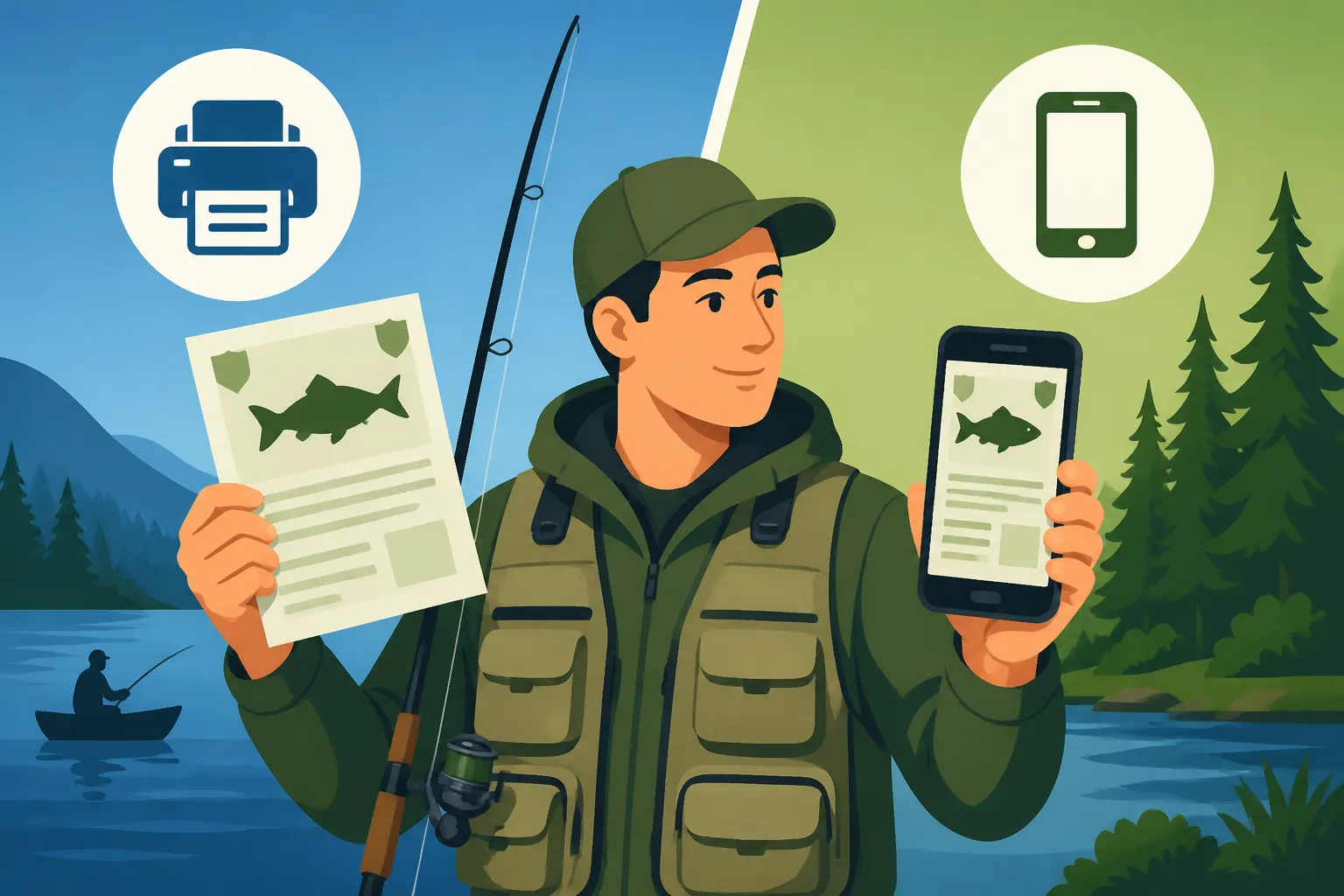
For many modern anglers, the idea of carrying a physical piece of paper that can get lost, wet, or torn feels a bit outdated. This is where digital licenses shine. When you purchase your fishing license online through the official Fish and Wildlife Licensing Service, you're immediately provided with a digital version of your license summary. This can be viewed directly on your screen, printed, or saved as a PDF. The real beauty here is that you can have it instantly accessible on your smartphone or other mobile device.
The main benefit of a digital license is convenience. Your phone is likely with you anyway, so it becomes one less item to remember. No more frantic searches for a crumpled piece of paper in your tackle box or the bottom of your backpack. Most anglers simply save a copy of their license confirmation email or a PDF of the license summary directly to their phone's storage. Some even take a screenshot for quick access, or if the platform supports it, add it to their digital wallet for even faster retrieval. This means that as long as your phone is charged and functioning, your license is right there, ready to be presented. This accessibility is a game-changer for spontaneous fishing trips or when you're far from a printer. For a detailed walkthrough of this process, check out our guide on How to Buy an Ontario Fishing License Online.
The Case for a Physical Printout
Despite the undeniable convenience of digital options, there's still a strong argument to be made for carrying a good old-fashioned physical printout of your fishing license. In fact, the Ministry of Natural Resources and Forestry (MNRF) often advises carrying a physical copy as a backup, and for good reason. Technology, while amazing, isn't always foolproof, especially in the rugged outdoors.
Imagine you're deep in Algonquin Park, fly fishing a remote brook trout stream. Your phone battery dies, or perhaps you're in a cellular dead zone with no signal to access your email or a cloud-stored document. Without a physical backup, you'd be unable to present your license if requested by a conservation officer, potentially leading to issues despite having legitimately purchased it. The weather can also be a factor; bright sunlight can make a phone screen unreadable, and rain or accidental drops can damage your device, rendering your digital license inaccessible. For these situations, a printed license is a lifeline.
Getting a physical printout is straightforward. After purchasing your license online, you'll be given the option to print it directly from the confirmation page. You can also log back into the Fish and Wildlife Licensing Service portal at any time to print a copy. If you don't have a printer at home, local libraries, office supply stores, or even some license issuers can often help you print it for a small fee. Having that tangible piece of paper, laminated or tucked into a waterproof sleeve, provides an unparalleled sense of security, ensuring you're prepared for any eventuality the wilderness might throw your way.
Practicalities of Carrying Your License
Once you have your license, whether digital or physical, the next step is to ensure it’s carried in a way that’s both accessible and protected. The last thing you want is to lose it or have it damaged, forcing you to go through the hassle of replacement.
Storing Your Digital License on Your Device
If you’re opting for the digital route, smart storage on your device is key. Simply having the email confirmation buried in your inbox isn’t always the most efficient method when a conservation officer is waiting. The best practice is to save your license directly to your device. Taking a clear screenshot of your license details is a quick and easy method. Even better, save the PDF version to your phone’s local storage (e.g., in your "Documents" or "Files" app), so you don’t need an internet connection to access it. If your phone has a digital wallet feature, some licensing systems allow you to add your license there, offering quick access similar to a boarding pass.
However, consider the potential pitfalls. Phone batteries can, and often do, die at the most inconvenient times. Investing in a portable power bank, like those reliable models you can find on Amazon, can be a real trip-saver, ensuring your device stays charged throughout your outing. Screen glare on a bright, sunny day can make your license hard to read, and the risk of dropping your phone in the water is always present, especially in a boat or near the shore. To mitigate these risks, many anglers use rugged, waterproof phone cases, readily available on platforms like Amazon, to protect their digital licenses and devices from the elements. Always check your phone's charge before heading out, especially if you're relying solely on a digital copy.
Protecting Your Physical License
For those who prefer a physical copy, or savvy anglers who carry one as a backup, protecting it from the elements is crucial. A simple paper printout will quickly turn into an illegible pulp if exposed to rain, sweat, or an accidental splash. The most effective way to protect your physical license is to laminate it. Most office supply stores offer lamination services, or you can buy self-laminating pouches for a quick DIY job at home. This creates a waterproof, tear-resistant barrier that will withstand the rigors of a fishing trip.
If lamination isn't an option, a waterproof wallet or clear plastic pouch is an excellent alternative. These are designed to keep documents dry and can be easily tucked into a tackle box, a fishing vest pocket, or even around your neck with a lanyard. It's also a good idea to keep your fishing license separate from other important documents like your driver's license or credit cards. That way, if one gets lost, you haven't lost everything. Should the unthinkable happen and your physical license disappears, remember that a Replacing a lost Ontario fishing license process is in place, but prevention is always better than cure. By taking these simple protective measures, your physical license will remain intact and readable, providing peace of mind during your adventures.
Here’s a quick overview of the pros and cons to help you decide which method works best for you:
| Feature | Digital License (on Phone) | Physical License (Printed) |
|---|---|---|
| Convenience | Always on your phone, no extra item to remember. | Requires printing, easy to forget. |
| Accessibility | Quick access (screenshot, PDF, digital wallet). | Requires retrieval from wallet/pouch. |
| Durability | Depends on phone ruggedness/case, battery life. | Can be laminated for extreme durability, tear-proof. |
| Connectivity | May require cell service for email/cloud access. | No internet needed. |
| Reliability | Susceptible to battery drain, screen damage, glare. | Immune to battery issues, always readable. |
| Water Risk | High risk if phone unprotected and dropped. | Low risk if laminated or in waterproof pouch. |
| Replacement | Re-download/re-save. | Re-print. |
What to Do During a Conservation Officer Check
Encountering a conservation officer on the water or at a boat launch is a normal part of fishing in Ontario. They're there to ensure everyone is following the rules, protecting our fisheries, and providing assistance when needed. Knowing how to properly present your license, whether digital or physical, can make the interaction smooth and pleasant.
Presenting Your Digital License
If you're relying on your digital license, preparation is key. As soon as a conservation officer approaches and indicates they'd like to check your license, take a moment to retrieve it on your device. Don't wait until they're right beside you, fumbling through apps. Have it open and ready to display. Ensure your screen brightness is up, especially if it's a sunny day, so the officer can easily read all the details.
When presenting, hold your device steady and be polite and cooperative. If, for some unforeseen reason, you're experiencing technical difficulties—perhaps your phone battery is critically low, or you're in a total cellular dead zone—explain the situation calmly. Most officers are understanding, especially if you show genuine effort and can provide your Outdoors Card number or other identifying details. However, an explanation isn't a substitute for proof, so this is where a physical backup would be invaluable. The goal is to make the officer's job as easy as possible, demonstrating that you are a responsible angler with a valid license, even if it's in a digital format.
Presenting Your Physical License
For those carrying a physical printed license, the process is straightforward. Keep your laminated or protected license accessible, but secure, in a designated spot – perhaps a waterproof pocket in your fishing vest or a compartment in your tackle box. When an officer requests to see it, retrieve it promptly.
Present your physical license along with your government-issued identification. Ensure both are clearly legible. If your physical license has become worn or damaged over time, consider printing a fresh copy before your next outing. As with digital presentations, politeness and cooperation go a long way. Conservation officers are generally friendly and approachable, and a respectful interaction ensures a positive experience for everyone involved. Having your documents neatly organized and readily available shows respect for the officer and the regulations they enforce, making the check quick and seamless so you can get back to enjoying your fishing.
Specific Scenarios and Common Questions
Even with the best intentions, real-world fishing trips can present unique challenges. Let's tackle some common scenarios and questions that often arise when dealing with fishing licenses in Ontario.
No Cell Service and Dead Batteries
This is arguably the biggest nightmare scenario for anglers relying solely on a digital license. You’ve driven hours to a remote lake, where cell towers are a distant memory, and then, after a full day of fishing, your phone battery dies. Suddenly, that convenient digital license is nothing more than a blank screen. It’s a frustrating predicament that can easily be avoided with a little foresight.
The absolute best defense against "no service" and "dead battery" is to always have a physical printout of your license as a backup. Treat it as a non-negotiable part of your gear, just like your tackle box or life jacket. Beyond that, a portable power bank, like those reliable models you can find on Amazon, can be a real trip-saver. Charge it fully before your trip and keep it handy to revive your phone. If you're heading deep into the backcountry, also consider a waterproof map case or a small dry bag to protect both your phone and any physical documents from moisture, ensuring they remain functional and legible throughout your adventure. Always remember, the Ontario wilderness is beautiful but unforgiving, and preparedness is paramount.
Fishing with Minors and Exemptions
Ontario has some fantastic rules for encouraging new anglers, especially young ones, and acknowledging the contributions of seniors. However, these exemptions can sometimes lead to confusion about who needs to carry what.
For our younger anglers, it’s wonderful to know that Ontario Youth Fishing License Exemption Under 18 means they don't need to purchase a license. This applies to Canadian residents under 18 years of age. While they don't need a license, it's always a good idea for them to carry some form of identification that confirms their age if they appear to be older than their actual age. This helps to avoid any confusion during a conservation officer check. Similarly, Ontario Senior Fishing License Exemption at 65 for Canadian residents over 65 also exempts them from needing an Outdoors Card or fishing license. Again, carrying government-issued ID that clearly states their birth date is crucial to prove their eligibility for the exemption.
It's important to remember that these exemptions don't extend to non-residents. Any non-resident, regardless of age, generally requires a valid license to fish in Ontario. Always double-check the latest regulations, especially if you're fishing with family members who might fall into these categories, to ensure everyone is compliant.
Printing Challenges and Solutions
Sometimes, even the simple act of printing a document can become a monumental task. Maybe your home printer is out of ink, or it decides to stage a paper jam protest just when you need that license. These small hiccups shouldn't derail your fishing plans or force you to rely solely on a digital copy if you prefer a physical one.
If your home printer isn't cooperating, many local shops and even some of the bigger retailers like Staples or services found through Amazon's print options can help you get a crisp, clear copy. Libraries often have public computers and printers available for a nominal fee. Additionally, many authorized license issuers across Ontario, such as tackle shops, bait stores, and some convenience stores, not only sell licenses but can also help you print out a previously purchased one. It’s always a good idea to locate a few of these spots near your home or on your route to your fishing destination, just in case. Don't let a printing mishap be the reason you're unprepared; there are always solutions readily available to ensure you have a physical backup in hand.
Best Practices for an Ontario Angler
Being a responsible angler goes beyond just having the right license. It's about being prepared, knowledgeable, and respectful of Ontario's natural resources and regulations. Embracing a few best practices can ensure every fishing trip is safe, enjoyable, and compliant.
Always Have a Backup Plan
The golden rule for carrying your fishing license in Ontario is to always have a backup plan. In an ideal world, technology would never fail, and you'd never forget a printed document. But we live in the real world, where phones run out of battery, cell signals disappear, and small pieces of paper have a knack for getting lost. That's why the most seasoned and prepared anglers adopt a dual approach: carry both a digital copy on your phone and a physical printout.
Think of your physical license as your insurance policy against technological glitches. Have it laminated or stored in a waterproof pouch, safely tucked away in your tackle box or a dedicated compartment in your boat. Your digital copy offers immediate convenience and is usually with you anyway. By combining both methods, you're covered no matter what unforeseen circumstances arise. This redundancy ensures that you can always produce proof of your license when required, allowing you to focus on the thrill of the catch rather than worrying about compliance. Additionally, always let someone know where you're going and when you expect to return, especially if venturing into remote areas.
Know Your Regulations Beyond the License
Having a valid fishing license is just the entry ticket; truly responsible angling requires a deep understanding of the rules that govern our waters. Ontario's fishing regulations are designed to protect fish populations and their habitats, ensuring sustainable fishing for generations to come. These regulations can be complex, varying significantly by species, body of water, and even time of year.
It's absolutely critical to familiarize yourself with the current Reading the Ontario Fishing Regulations Summary for the specific Fisheries Management Zone (FMZ) you plan to fish in. This summary outlines everything from season dates for different species, like the Ontario Walleye Opener Dates by Zone or Ontario Bass Opener Dates by Zone, to daily catch and possession limits, and even specific size restrictions for certain fish. Special regulations may also apply to particular lakes or rivers, overriding the general zone rules. For example, some waters might be catch-and-release only, or have unique slot limits for species like smallmouth bass.
Before every trip, take a few minutes to consult the official Ontario Fishing Regulations Summary. It's available online through the MNRF website, and physical copies are often available at license issuers. Don't rely on old information or hearsay. Being knowledgeable about the rules not only prevents accidental violations but also makes you a more effective and ethical angler. Keeping a small, waterproof notebook and pen, perhaps ordered from Amazon for convenience, to jot down key regulations or notes about your fishing spots can be incredibly helpful. Understanding Ontario Fishing Regulations Explained means you’re not just fishing legally, but you’re contributing to the health and future of Ontario’s incredible fisheries.
Disclaimer
The information provided in this guide is for general informational purposes only and does not constitute legal advice. Fishing regulations in Ontario can change. Always consult the official Ontario Fishing Regulations Summary from the Ministry of Natural Resources and Forestry (MNRF) or the provincial government website for the most current and accurate information before heading out on your fishing trip. Compliance with all applicable laws and regulations is the sole responsibility of the angler.