Ontario Youth Fishing License Exemption Under 18
It can be incredibly confusing trying to figure out all the rules and regulations around fishing in Ontario, especially when you're introducing kids to the sport. Many parents wonder if their little ones, or even their teens, need to carry a fishing license. The good news is, Ontario has some excellent exemptions for young anglers that make it much easier for them to get out on the water. This comprehensive guide will walk you through everything you need to know about the Ontario youth fishing license exemption for anyone under 18, so you can focus on making memories, not paperwork.
Understanding Ontario's Fishing License Basics
Before diving into the specifics of youth exemptions, it’s helpful to understand the general landscape of fishing licenses in Ontario. It can feel like a maze of rules, but there’s a good reason for it all.
Why Licenses Are Necessary
I totally get it – sometimes it feels like just another fee or piece of paper the government wants from you. But when it comes to fishing licenses in Ontario, those funds are incredibly important for the health of our fisheries. The money collected from license sales goes directly back into conservation efforts. This includes everything from stocking programs in lakes and rivers to research that helps us understand fish populations better.
Think about it: without these licenses, who would fund the projects that ensure healthy populations of walleye, bass, and trout for us to enjoy year after year? It’s not just about protecting the fish we have; it’s about investing in the future of the sport. These funds also support habitat rehabilitation projects, which are crucial for maintaining the delicate ecosystems that fish rely on to thrive. So, while it might seem like a bureaucratic hurdle, it's actually a vital contribution to keeping our waters vibrant and full of fish.
Who Needs a License in Ontario
Generally speaking, if you’re a Canadian resident between the ages of 18 and 64, or a non-resident of any age, you'll need to purchase a fishing license to legally fish in Ontario. This applies whether you're casting a line in a small pond or heading out on one of the Great Lakes. The government wants to ensure that anyone actively participating in the sport is contributing to its sustainability.
However, and this is where the good news comes in, there are some very important exceptions. Young anglers, specifically those under the age of 18, and seniors who are 65 years or older, typically enjoy exemptions from needing their own personal fishing license. This is a fantastic initiative to encourage more people, especially new generations, to get involved in fishing without the initial barrier of purchasing a license. Knowing the specific Ontario Fishing License Age Requirements is key to ensuring everyone in your fishing party is compliant. It’s all about striking a balance between funding conservation and making the sport accessible.
The Youth Fishing License Exemption Detailed
This is often the part that confuses people the most, so let’s break down exactly what the exemption means for young Canadian residents and non-residents alike. It's not just a blanket rule; there are a few nuances to be aware of.
The Core Rule for Anglers Under 18
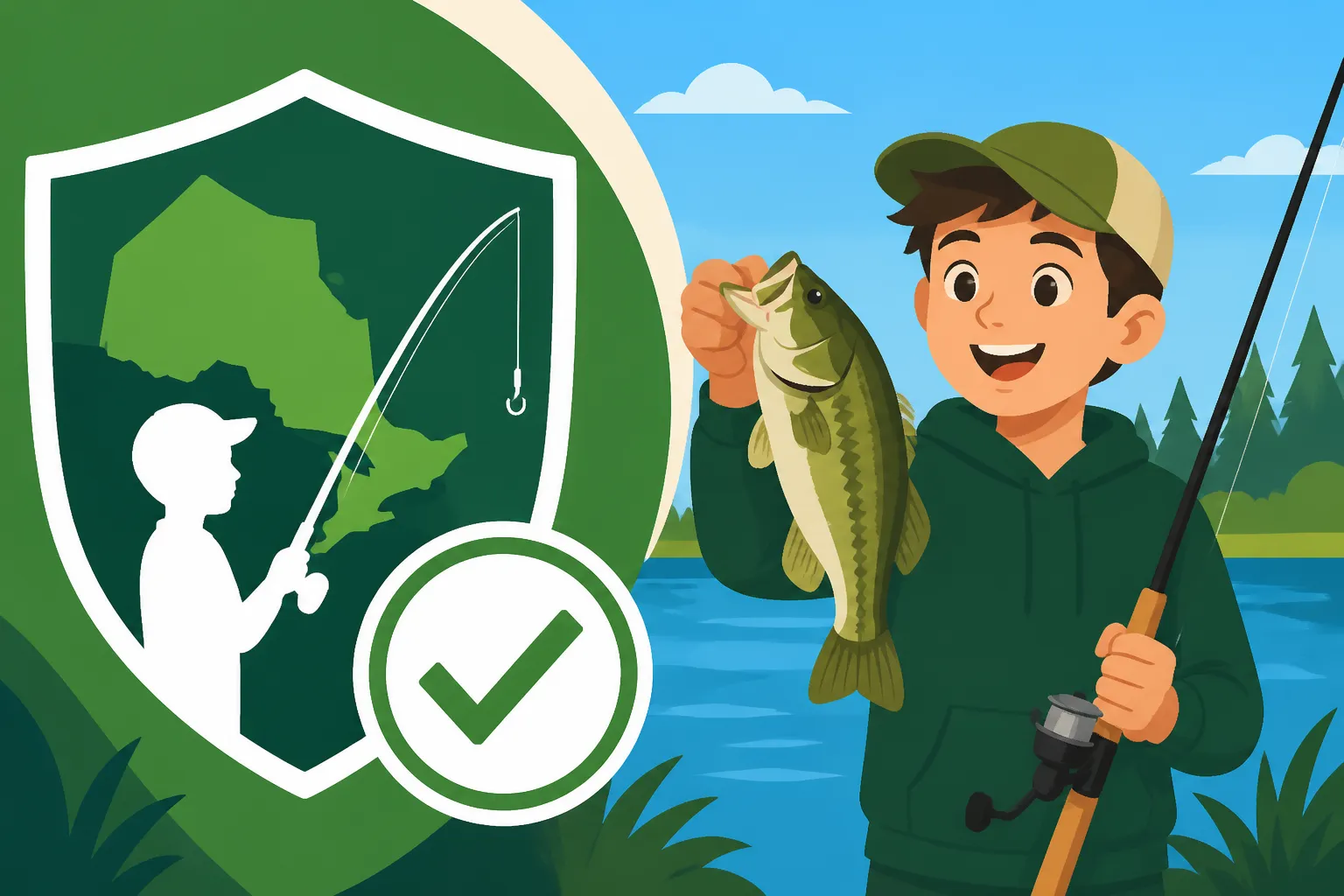
For Canadian residents, the rule is wonderfully straightforward: if you are under 18 years of age, you do not need to purchase an Ontario fishing license. Period. This means your child, grandchild, niece, nephew, or any young person in your care who is a Canadian resident can legally fish without their own license or Outdoors Card. This is a huge benefit for families and youth groups, making it so much easier to introduce kids to the joys of angling without the added expense or administrative hassle.
However, and this is crucial, while they don't need a license, they are absolutely still required to abide by all provincial fishing regulations. This includes respecting specific fishing seasons, daily catch limits, possession limits, size restrictions, and any special regulations that apply to the particular body of water or species they are targeting. You can’t just let them go wild! It’s essential to review the Ontario Fishing Regulations Explained before heading out, especially for the specific zone you'll be fishing in. The goal is to make fishing accessible, not unregulated, ensuring that conservation remains paramount even for our youngest anglers.
Non-Resident Youth Exceptions
Now, this is where it gets a little trickier, but still very favorable for young anglers visiting Ontario. If a non-resident youth (meaning someone who is not a Canadian resident) is under 18 years of age, they generally do not need their own fishing license if they are fishing with a parent or a licensed adult who is also a non-resident. In this scenario, their catch must be included within the licensed adult's bag and possession limits. Essentially, they are fishing under the umbrella of the adult's license.
Let's imagine you're visiting from the United States with your 15-year-old son. If you have a valid Ontario non-resident fishing license, your son can fish alongside you, and his fish will count towards your daily and possession limits. It’s a fantastic way for visiting families to enjoy Ontario’s world-class fishing together. However, if that non-resident youth wants to go fishing completely independently, without a licensed adult present, then they would need to purchase their own non-resident fishing license. It's a small but important distinction that ensures accountability and compliance with regulations, even for younger visitors. Always double-check the Non-Resident Annual Fishing License Cost in Ontario if there's any doubt about an independent non-resident youth's need for a license.
Practical Implications and Responsible Angling for Youth
Understanding the exemption is one thing, but knowing how it practically impacts your fishing trip, especially concerning catch limits, is another. It also highlights the importance of instilling responsible angling habits early on.
Accompanying a Licensed Adult
This is a really important aspect for all youth, both Canadian residents and non-residents, who are fishing under the exemption. When a youth is fishing without their own license, their catch is legally attributed to the licensed adult they are fishing with. This means that any fish caught by the unlicensed youth must be included within the licensed adult's daily catch and possession limits. It’s not a free-for-all where the kids can fill a separate cooler!
Let's illustrate with a common scenario: you, as an adult Canadian resident, have a Sport Fishing License, which often comes with higher catch limits than a Conservation License. You're out on the boat with your two children, both under 18. If you have a daily limit of four walleye, and your eldest child catches two walleye, and your youngest catches one, that means you, as the licensed adult, can only keep one more walleye. The combined total for the entire party, including the youth’s catch, cannot exceed your personal licensed limit. This rule ensures that even with exemptions, the overall conservation goals are met and the fish populations are protected. It's crucial to be aware of the specific Ontario Bag and Possession Limits by Species for every fish you plan to target.
Learning the Regulations Early
Even without needing their own license, it’s absolutely paramount that young anglers understand and respect all of Ontario's fishing regulations. This isn't just about avoiding fines; it's about fostering a deep respect for nature and the sustainability of our fisheries. As the supervising adult, it's your responsibility to teach them about closed seasons, specific length limits for certain species, and where and when they can fish. For example, some lakes might have catch-and-release only rules for certain species, or specific bait restrictions.
I always recommend sitting down with kids and going through the Reading the Ontario Fishing Regulations Summary. It might seem dry, but you can make it a game or a learning experience, pointing out pictures of fish and explaining why different rules exist. Tools like the Fish ON-Line interactive zone map are also invaluable, allowing you to visually explore different bodies of water and understand the specific regulations for each zone. For instance, if you're fishing in a particular Ontario Fisheries Management Zones, Explained, the rules there might be vastly different from a zone just a few hours away. Teaching them this early cultivates responsible habits that will last a lifetime, long before they need to buy their own license.
Gear and Safety Considerations for Young Anglers
Getting kids started in fishing should be fun and safe. The right gear makes a huge difference in their enjoyment, and prioritizing safety is non-negotiable.
Age-Appropriate Gear
Starting a young angler off with gear that's too heavy, too complicated, or simply not right for their size and strength can quickly lead to frustration and turn them off fishing entirely. Nobody wants that! When choosing equipment, think simplicity and ease of use. A basic spin-casting rod and reel combo, often referred to as a "push-button" reel, is perfect for very young children. Brands like Zebco or Shakespeare often offer fantastic beginner kits that include a rod, reel, and even a small tackle box with basic lures and hooks. You can find many excellent options on Amazon for these starter kits, making it easy to get them set up.
For slightly older kids or pre-teens, a lighter spinning rod and reel combo would be a great step up. These allow them to learn the mechanics of casting and reeling more effectively without being overwhelmed. The rod should be shorter and lighter, around 4 to 5 feet, allowing them to handle it comfortably. A small tackle box with just a few essentials – some bobbers, hooks, sinkers, and maybe a few simple spinners or small jigs – is all they really need. Remember, the goal is to make it accessible and fun, not to equip them like a tournament pro on day one. For more ideas, check out what makes a Best Rod and Reel Combo for Beginners.
Essential Safety Measures
Safety on the water, whether from a boat, shore, or dock, is paramount, especially with children. The number one rule is always: wear a life jacket. It doesn't matter if they know how to swim, or if the water looks calm; accidents can happen in an instant. Ensure that any life jacket worn by a child is properly fitted for their weight and size. A life jacket that's too big can ride up, and one that's too small won't provide adequate flotation.
Beyond life jackets, think about sun protection. Kids are particularly susceptible to sunburn and heatstroke. Wide-brimmed hats, sunglasses, and plenty of sunscreen are absolute must-haves. Always bring lots of water to stay hydrated. A small first-aid kit stocked with bandages, antiseptic wipes, and pain relievers for minor scrapes or bug bites is also a smart addition to your gear. And of course, consistent adult supervision is key. Don't leave young children unattended near the water, even for a moment. Understanding Life Jacket Requirements for Ontario Boaters is crucial, and it’s always best to exceed the minimum requirements when kids are involved.
Encouraging a Lifelong Love for Fishing
The youth exemption isn't just about saving a few bucks; it's about inspiring the next generation of anglers and conservationists. Let’s look at how we can nurture that passion.
Making Fishing Fun and Educational
The true joy of fishing, especially for kids, isn't always about how many fish you catch, or even how big they are. It's about the entire experience. Focus on making each outing an adventure, a chance to connect with nature and learn something new. Instead of solely chasing the biggest fish, encourage them to observe the environment. Point out different birds, explain the importance of clean water, or help them identify different aquatic plants.
Turn it into an educational opportunity. If they catch a fish, help them identify its species, talk about its habitat, and explain why certain regulations apply to it. Practice catch and release, teaching them the importance of handling fish gently and returning them to the water safely. This instills a sense of stewardship and responsibility towards the resource. Consider planning your trips around special events like the Ontario Family Fishing Weekend Dates, when Canadian residents of all ages can fish license-free, providing an even lower barrier to entry for the whole family. It's about creating positive, memorable experiences that will hopefully spark a lifelong passion for fishing and the outdoors.
Transitioning to Licensed Angling
That magical time will eventually come when your young angler turns 18. While it might feel a bit bittersweet to lose that exemption, it's an exciting step towards full independence as an angler. At this point, they will need to obtain their own Ontario fishing license. The first step for Canadian residents is typically to get an Ontario Outdoors Card, Explained. This is a plastic ID card that is valid for three calendar years and acts as your fishing (and hunting, if applicable) identity.
Once they have an Outdoors Card, they can purchase their actual fishing license, which will be printed on the back of the card. They'll have a choice between a Sport Fishing License and a Conservation Fishing License, each with different catch and possession limits. Generally, a Conservation license has lower limits and is cheaper, promoting more conservative harvesting, while a Sport license has higher limits. Discussing these options with them will help them understand the implications of each choice and make a responsible decision. You can often purchase and renew these online, through the Ontario government's website, or at authorized license issuers, including some retailers found on Amazon's sporting goods section if they're also local vendors. This transition is a key moment in their journey as responsible anglers.
Summarizing Youth Fishing License Requirements
To help simplify all these details, here’s a quick overview of the youth fishing license requirements in Ontario:
| Category | Age Group | Canadian Resident (Under 18) | Non-Resident (Under 18) | Requirements | Key Consideration |
|---|---|---|---|---|---|
| Fishing License | Under 18 | No | No (with licensed adult) | N/A (if Canadian resident); Fishes under licensed adult (if non-resident) | Must always follow all provincial fishing regulations. |
| Outdoors Card | Under 18 | No | No | N/A | Required at 18 years of age for Canadian residents. |
| Bag & Possession Limits | Under 18 | Counts towards licensed adult's limits | Counts towards licensed adult's limits | Fish caught are included in the accompanying licensed adult's limits. | Cannot exceed the adult's license limits, regardless of who caught the fish. |
| Independent Fishing | Under 18 | Yes | No (license required) | Can fish independently (if Canadian resident); Needs license if fishing alone (if non-resident). | Non-resident youth fishing alone must purchase a license. |
| Adult Supervision | All ages | Recommended | Required (if unlicensed) | Highly recommended for safety and mentorship; essential for non-resident youth without a license. | Essential for teaching regulations and ensuring safety. |
Disclaimer
The information provided in this guide is intended for general informational purposes only and is not a substitute for the official Ontario fishing regulations. Fishing regulations are subject to change, and it is the angler's responsibility to consult the most current official publications from the Ontario Ministry of Natural Resources and Forestry (MNRF) or its successor for the precise and up-to-date rules. Always confirm regulations before heading out to fish.