Ontario northern pike season dates in FMZ 20
It can be incredibly frustrating trying to keep up with all the different fishing regulations in Ontario, especially when seasons and limits change from one area to the next. You might be dreaming of a thrilling fight with a feisty Northern Pike, only to realize the rules for your chosen spot are completely different from what you expected. This guide is here to clear up all the confusion specifically around Northern Pike season dates and limits for Fisheries Management Zone (FMZ) 20, so you can plan your next angling adventure with confidence.
Decoding Northern Pike Season in Fisheries Management Zone 20
Fisheries Management Zone 20, often referred to as FMZ 20, holds a unique place in Ontario's vast network of fishing zones, particularly when it comes to Northern Pike. While many zones have specific opening and closing dates that align more traditionally with spring and fall, FMZ 20 offers some distinct opportunities, especially for those keen on early winter pike action. Understanding these specific dates and the rationale behind them is crucial for any responsible angler looking to target this toothy predator.
The Unique Winter Opportunity for Pike
What really sets FMZ 20 apart for Northern Pike anglers is its extended winter season. Unlike many other zones that might close for pike after late fall, FMZ 20 actually opens for Northern Pike on January 1st and continues through to March 15th. This allows for dedicated ice fishing opportunities right into the heart of winter, a prime time when pike are often actively feeding under the ice before the main spawn. Imagine dropping a line through the ice in early January, surrounded by crisp winter air, knowing you're legally targeting pike when much of the province is still in a closed season for them. It's a fantastic window for those who love winter angling. For more general information on fishing seasons across the province, you can always consult the comprehensive guide on Ontario Fishing Season Dates by Zone.
Once the ice fishing season wraps up on March 15th, there's a spring closure period to protect the spawning fish. The open water season for Northern Pike in FMZ 20 then picks up again on the 3rd Saturday in May and runs straight through to December 31st. This means that, aside from the spring spawning closure, you have virtually year-round opportunities to target Northern Pike in FMZ 20, transitioning from ice fishing to open water as the seasons change. It's a truly diverse zone for pike enthusiasts.
Understanding Catch and Possession Limits in FMZ 20
Beyond just knowing when you can fish, it’s equally important to understand how many Northern Pike you can keep, and whether there are any size restrictions. For FMZ 20, the regulations are fairly straightforward, which is always a welcome relief for anglers navigating the detailed Ontario Bag and Possession Limits by Species.
For those holding a Sport Fishing Licence, the daily catch and possession limit for Northern Pike in FMZ 20 is six (6). This means you can catch and keep up to six pike in a single day, and you can have no more than six pike in your possession at any given time, whether they're fresh, frozen, or in transit.
If you're fishing with a Conservation Fishing Licence, your daily catch and possession limit is reduced to two (2) Northern Pike. The Conservation Licence is a fantastic option for anglers who enjoy the experience but prefer to keep fewer fish, contributing more directly to fish conservation efforts. Understanding the difference between these licenses is key, and you can learn more by reading about the Ontario Sport vs Conservation Fishing License.
Crucially, for Northern Pike in FMZ 20, there are typically no size limits specified. This means that any pike you legally catch within your possession limit, regardless of its length, can be kept. Always double-check the latest official Reading the Ontario Fishing Regulations Summary as special regulations on specific lakes or rivers within FMZ 20 can sometimes introduce size restrictions. It's rare for pike in this zone, but it’s always best to be absolutely certain.
Navigating Ontario's Fisheries Management Zones
Ontario's approach to fisheries management is incredibly detailed, dividing the province into 20 distinct Fisheries Management Zones, or FMZs. This system is designed to tailor regulations to the specific ecological needs and fish populations of each region. It might seem like a lot to learn at first, but understanding these zones is fundamental to fishing legally and responsibly in Ontario.
What Are FMZs and Why Do They Matter?
Fisheries Management Zones (FMZs) are geographical areas with specific regulations governing fishing activities. The reason for this localized approach is simple: Ontario is a massive province with incredible diversity in its aquatic ecosystems. A lake in the far north, like those you might find in FMZ 2, has vastly different fish populations, water temperatures, and ecological pressures than, say, a southern Great Lakes tributary in FMZ 20. By establishing these zones, the Ministry of Natural Resources and Forestry (MNRF) can implement targeted management strategies that help sustain fish populations, prevent overfishing, and protect vulnerable species in each unique environment.
For anglers, knowing which FMZ you're in is non-negotiable. The season dates, catch limits, and even sometimes the fishing methods can vary dramatically between zones. Fishing in the wrong zone or ignoring its specific rules, even by accident, can lead to hefty fines and a ruined fishing trip. It’s not just about avoiding penalties; it’s about being a responsible steward of Ontario's precious natural resources. You can dive deeper into the overarching system by reading our guide on Ontario Fisheries Management Zones, Explained.
Locating FMZ 20 for Your Fishing Adventure
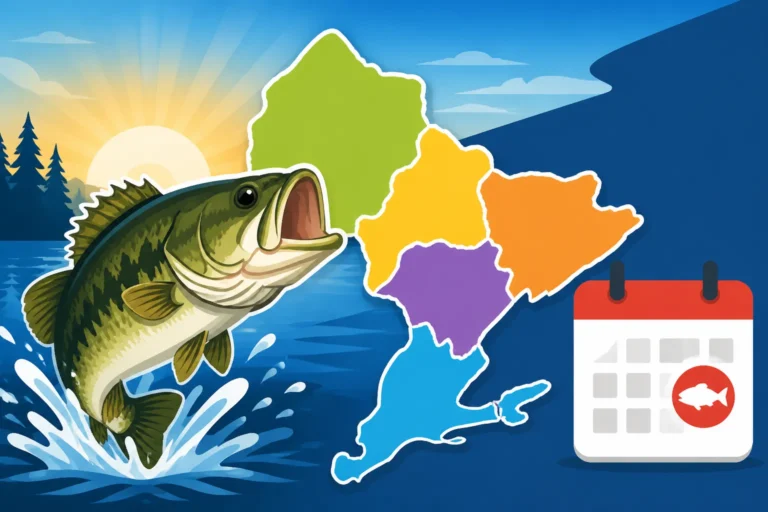
Pinpointing exactly where FMZ 20 is on a map is easier than you might think, thanks to modern tools. FMZ 20 covers much of the southwestern part of Ontario, including the entirety of Lake Erie, Lake St. Clair, and the majority of the major rivers and lakes that drain into them, as well as several inland waters. This includes popular fishing destinations like the Niagara River, Detroit River, and numerous smaller lakes and rivers throughout the region.
The absolute best tool for identifying which zone you're in (or planning to fish in) is the Fish ON-Line interactive map. This incredible online resource, maintained by the Ontario government, allows you to zoom in on any body of water in Ontario and instantly see its corresponding FMZ, along with specific regulations for that particular lake or river if they differ from the general zone rules. It’s an invaluable tool for trip planning and on-the-water verification. Check out our detailed walkthrough on how to use the Ontario Fish ON-Line Interactive Zone Map, Explained to make the most of this resource. Before heading out, it's always wise to bookmark the map on your phone or print out a section for your area, just in case you lose signal.
Beyond Season Dates: A Closer Look at Pike Regulations
While knowing the Northern Pike season dates and limits for FMZ 20 is a huge step, it's just one piece of the regulatory puzzle. Ontario's fishing regulations are designed to be comprehensive, ensuring sustainable practices and angler safety across the board. To truly fish responsibly and maximize your success, you need to be aware of other critical rules that apply.
Gear, Baits, and General Rules
Beyond the "when" and "how many," there are often rules about "how" you can fish. For Northern Pike, especially in FMZ 20, these general rules usually revolve around permissible gear and bait. For instance, while live minnows are generally permitted, certain invasive species like Round Goby are strictly prohibited as bait. Always ensure any live bait you use is legally sourced and approved for the waters you're fishing.
There are also rules about the number of lines you can use. Typically, in Ontario, anglers are limited to two lines when fishing open water, and in some cases, up to two lines when ice fishing, though this can sometimes vary by zone or specific waterbody. In a designated ice fishing hut, for example, the number of lines might be slightly different. For more in-depth information on specific techniques and gear, you might find our guide on How to Catch Northern Pike in Ontario helpful. While not exhaustive on regulations, it touches on common methods. It’s also a good practice to ensure your fishing methods don't interfere with other anglers or wildlife.
The Critical Role of the Regulations Summary
I cannot stress this enough: the official Ontario Fishing Regulations Summary is your bible. Every year, the Ministry of Natural Resources and Forestry (MNRF) publishes this summary, and it's absolutely essential reading for every angler. This isn't just a suggestion; it's a critical tool for staying legal and informed. The summary details all the provincial and zone-specific regulations, including any special exceptions for individual lakes or rivers within a zone. For instance, while FMZ 20 generally has no size limits for pike, a specific lake within that zone might have a slot limit or a catch-and-release-only rule for a particular species.
You can pick up a physical copy of the summary wherever fishing licenses are sold, or access it digitally on the Ontario government website. The online version is fantastic because it's always the most up-to-date. Make it a habit to review it annually, even if you think you know the rules by heart, as regulations do change. Even a small update could impact your fishing plans. Neglecting to check the latest summary is one of the most common ways anglers inadvertently break the rules. This is why we have a dedicated guide on Reading the Ontario Fishing Regulations Summary to help you navigate it effectively.
Planning Your FMZ 20 Northern Pike Trip
Now that you're armed with the knowledge of FMZ 20's Northern Pike seasons and regulations, it’s time to think about putting that information into practice. Planning a successful and enjoyable fishing trip involves more than just knowing the rules; it's about preparation, safety, and making the most of your time on the water.
Essential Gear and Where to Find It
For Northern Pike, you'll want to ensure you have the right gear. These fish are known for their sharp teeth and aggressive strikes, so a good medium-heavy to heavy rod with a strong line (braided line with a fluorocarbon or wire leader is often preferred) is key. Lures like spoons, spinnerbaits, large crankbaits, and swimbaits are consistently effective for pike. For those cold winter months, specialized ice fishing gear, including a reliable ice auger and appropriate cold-weather clothing, is essential if you plan to hit the hard water. Finding the right tackle can sometimes be a challenge locally, so checking online retailers like Amazon can be a great way to compare prices and find specific brands or types of lures that might not be available at your local shop. Many anglers find great deals on multi-packs of spoons or large soft plastics suitable for pike on Amazon.
Don't forget the essentials for handling pike safely: long-nose pliers or a hook remover are crucial for unhooking these toothy critters without risking a bite. A sturdy landing net designed for larger fish is also highly recommended, especially if you plan on catch-and-release. You can often find highly-rated, durable fishing nets and unhooking tools on Amazon that will make your pike fishing experience safer and more enjoyable.
Safety and Responsibility on the Water
Whether you're targeting pike through the ice in January or from a boat in July, safety should always be your top priority. If you're ice fishing during the unique FMZ 20 winter season, always verify ice thickness before venturing out. "Ice is never 100% safe" is a golden rule, and understanding safe ice conditions is paramount for Ice Fishing in Ontario. Carry safety picks, tell someone your plans, and avoid fishing alone.
For open water fishing, especially on larger bodies like Lake Erie or Lake St. Clair within FMZ 20, proper boating safety is critical. This includes ensuring you have all required safety equipment, such as life jackets for everyone on board (know the Life Jacket Requirements for Ontario Boaters), a first-aid kit, and communication devices. Remember that operating a powered boat requires an Ontario Pleasure Craft Operator Card Requirement, regardless of how small the motor. Always check weather forecasts and be prepared for sudden changes, especially on the Great Lakes. Being prepared means you can focus on the fishing, which is what we all love to do!
Summary of Northern Pike Regulations in FMZ 20
To make things even clearer, here's a quick reference table summarizing the key Northern Pike regulations for Fisheries Management Zone 20:
| Regulation Aspect | Details for Northern Pike in FMZ 20 |
|---|---|
| Winter Open Season | January 1 to March 15 (Ice Fishing) |
| Spring Closure | March 16 to 3rd Saturday in May (Spawning Protection) |
| Open Water Season | 3rd Saturday in May to December 31 (Open Water Fishing) |
| Sport Fishing Limit | 6 per day, 6 in possession (no size limit) |
| Conservation Limit | 2 per day, 2 in possession (no size limit) |
| Unique Feature | One of the few zones with an extended early winter pike season. |
| General Note | Always consult the current Ontario Fishing Regulations Summary for any special exceptions or updates for specific waterbodies. |
This table should give you a concise overview, but remember, the official regulations summary is the definitive source for all rules. You can also explore specific fishing spots for pike on our Best Fishing Lakes in Ontario guide, some of which might be located within FMZ 20.
Disclaimer
The information provided in this guide is for general informational purposes only and is subject to change. While we strive to provide accurate and up-to-date content, fishing regulations in Ontario are established and enforced by the Ministry of Natural Resources and Forestry (MNRF) and can be updated annually. It is the responsibility of every angler to consult the most current official Ontario Fishing Regulations Summary, available on the Ontario government website or at license vendors, before engaging in any fishing activity. Failure to comply with regulations can result in fines and penalties.