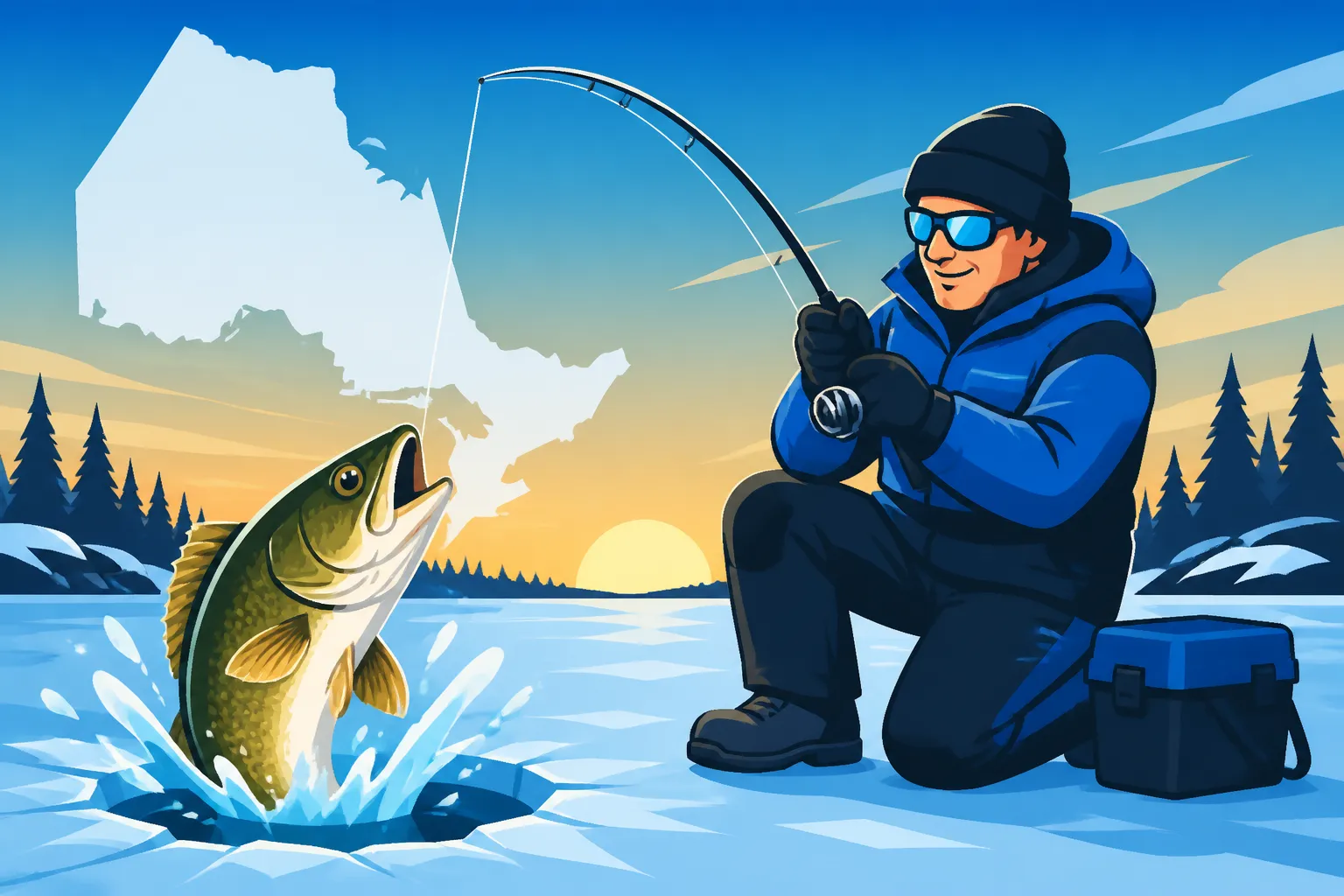
Ice Fishing in Ontario
Winter can feel like a long, cold stretch, leaving many of us dreaming of warmer days and open water. But for those of us who live for the tug on the line, winter isn't an end – it's a new beginning! Ice fishing in Ontario offers a unique, tranquil, and incredibly rewarding way to connect with nature and the fish beneath the frozen surface. This comprehensive guide will walk you through everything you need to know to transform those chilly months into your favorite fishing season.
Why Embrace the Ice: The Unique Allure of Winter Angling in Ontario
There's a certain magic to stepping out onto a vast, frozen lake. The world quiets down, snow muffles distant sounds, and you're left with the rhythmic scrape of an auger and the anticipation of a bite. Ice fishing isn't just a way to pass the winter; it's a distinct sport with its own challenges, rewards, and a vibrant community spirit. Many anglers, myself included, find it an incredibly peaceful and meditative experience, a complete contrast to the hustle and bustle of summer fishing.
The Tranquility and Challenge
Imagine sitting by a small, hand-drilled hole, peering into the dark water below. The world above is still, perhaps a light snowfall blankets the landscape, or the sun glitters off fresh ice. This is the tranquility of ice fishing. It's a chance to slow down, be present, and focus entirely on the subtle movements of your line. But don't let the calm fool you; it's also a challenging pursuit. Locating fish under a vast sheet of ice requires keen observation, knowledge of fish behavior in cold water, and often, a bit of persistence. You're not just casting; you're actively searching, adjusting depths, and enticing bites in a completely different environment.
The challenge extends to adapting your techniques. Fish metabolism slows down in cold water, making them less aggressive. This means your presentation needs to be more precise, your jigs smaller, and your movements more subtle. It's a fantastic way to hone your angling skills, forcing you to think like a fish in a frigid world. Many a seasoned angler will tell you that catching a plump walleye or a hard-fighting lake trout through the ice feels like a truly earned victory.
Accessing Remote Waters
One of the often-overlooked advantages of ice fishing is the incredible access it provides. Lakes that are tough to reach by boat in the summer – maybe due to extensive shallow areas, hidden shoals, or simply vast expanses of open water that are a pain to navigate – become a highway in winter. With a snowmobile, ATV, or even just a pair of sturdy boots, you can often reach prime fishing spots that would otherwise require a long boat ride or specialized craft during the open water season.
This expanded access opens up countless possibilities for exploration. Those promising reefs or deep drop-offs that were just out of casting range from shore, or too far to paddle a kayak, are suddenly within reach. Think about venturing out to the middle of a large lake like Lake Simcoe, known for its jumbo perch, or exploring the vastness of Lake Nipissing for its incredible walleye and pike. The ice literally paves the way to new adventures, allowing you to discover untouched honey holes and experience Ontario's diverse fisheries in a whole new light.
Social Aspect and Community
While ice fishing can certainly be a solitary, contemplative activity, it's also incredibly social. Drive onto any popular ice fishing lake on a weekend, and you'll see a small village sprout up: rows of ice huts, snowmobiles crisscrossing, and groups of friends and families gathered around their holes. There's an undeniable camaraderie that develops when you're all braving the elements together, sharing stories, tips, and even the occasional hot coffee or chili from a thermos.
Many ice fishing events, derbies, and festivals take place across Ontario throughout the winter, fostering a strong sense of community. It's a fantastic way to introduce newcomers to the sport, especially kids, who often get a kick out of jigging for panfish or reeling in their first catch from beneath the ice. The shared experience of being out on the frozen lake, surrounded by fellow enthusiasts, often creates lasting memories and friendships. There's something truly special about the collective energy of a well-populated ice fishing spot, where everyone is united by their love for the sport and the frosty outdoors.
Essential Gear for a Safe and Successful Ontario Ice Fishing Trip
Venturing out onto the ice requires more than just your usual fishing rod. Safety is paramount, and comfort is key to enjoying your time outdoors. Investing in the right gear will not only keep you safe but also significantly increase your chances of success and enjoyment. It's not just about the fishing; it's about being prepared for the unique environment.
Safety First: Crucial Ice Safety Equipment
Let's face it, the thought of falling through the ice is enough to deter many. But with proper precautions and the right safety gear, ice fishing can be incredibly safe. The first and most important rule is: "No ice is 100% safe." Always check local conditions and never go alone, especially on unfamiliar waters. Knowing How thick ice needs to be to fish safely in Ontario is crucial before you even think about drilling your first hole.
Essential safety items include:
- Ice Picks: These are non-negotiable. Worn around your neck, they allow you to pull yourself out if you do break through. Think of them as tiny, essential lifesavers. They're inexpensive and could literally save your life.
- Throw Rope: A buoyant rope, usually 50-75 feet long, stored in a bag. If someone else goes through, you can throw the bag to them while maintaining a safe distance.
- Spud Bar or Ice Chisel: Before venturing onto new ice, or checking areas with potential currents, use a spud bar to test the thickness. If it goes through in one or two jabs, the ice is too thin.
- PFD (Personal Flotation Device): While cumbersome, wearing a PFD or a floatation suit, especially in early or late season, can provide crucial buoyancy and warmth if you end up in the water. Modern flotation suits are designed specifically for ice fishing, offering both warmth and protection.
- Navigation and Communication: A fully charged cell phone (in a waterproof case), GPS device, or compass can be vital if visibility drops due to snow or fog, preventing you from getting lost on a large lake. Consider a satellite communication device like a SPOT or InReach if you're venturing far into remote areas where cell service is non-existent.
Always inform someone of your plans, including where you're going and when you expect to return. This simple step is one of the most effective safety measures you can take.
Shelter and Warmth: Huts, Heaters, and Layering
Staying warm is critical for an enjoyable and safe ice fishing experience. Without proper shelter and clothing, a fun day can quickly turn into a miserable, even dangerous, one.
- Ice Huts: From lightweight, portable pop-up shelters to elaborate permanent shacks, ice huts offer protection from the wind, snow, and extreme cold. Portable shelters from brands like Eskimo or Clam are popular because they are easy to set up and move, allowing you to follow the fish. Permanent huts are fantastic for staying comfortable but require registration in Ontario and adherence to specific removal dates. For those looking for options, knowing the Ontario ice hut registration rules is a must.
- Heaters: A small, propane-powered heater (like those from Mr. Heater) is a game-changer inside an ice hut. Always ensure proper ventilation to prevent carbon monoxide buildup – a battery-powered CO detector is a smart addition.
- Layering Clothing: This is the golden rule of winter outdoor activity. Start with a moisture-wicking base layer (merino wool or synthetic), add an insulating mid-layer (fleece or down), and top with a waterproof and windproof outer shell. Don't forget a warm hat that covers your ears, insulated gloves or mitts (with a spare pair!), and insulated, waterproof boots (e.g., Sorel or Baffin) with good traction. Hand warmers and foot warmers can provide an extra boost of heat on frigid days. You can find excellent layering options and specialized ice fishing apparel on platforms like Amazon.
Being able to take off or add layers as conditions change is key. You might be sweating while drilling holes but freezing while sitting still. Dressing appropriately allows you to adapt.
Augers, Rods, Reels, and Tackle: The Angling Arsenal
Once you're safe and warm, it's time for the actual fishing gear. Each piece plays a vital role in putting fish on the ice.
- Augers: This is your primary tool for making holes.
- Manual Augers: Affordable and good for thinner ice or smaller holes. Great for a workout!
- Propane/Gas Augers: Powerful and fast, ideal for thick ice and numerous holes. They can be noisy and heavier.
- Electric Augers: Increasingly popular, quieter, lighter, and environmentally friendly. Brands like Ion and StrikeMaster offer excellent electric options. Many anglers also adapt a standard cordless drill with a specialized auger bit, offering a compact and effective solution for most conditions.
- Ice Fishing Rods and Reels: Ice rods are short, typically 24-36 inches, designed for jigging and handling fish in close quarters.
- Rods: Look for sensitive tips to detect subtle bites and a strong backbone to fight fish. Different lengths and actions are available for different species (e.g., ultralight for panfish, medium-heavy for lake trout or pike).
- Reels: Small spinning reels are most common, often paired with light monofilament or fluorocarbon line. Some anglers use specialized inline reels for finesse presentations, which help prevent line twist.
- Tackle and Baits:
- Jigs: Small tungsten or lead jigs tipped with a maggot, wax worm, or a small plastic lure are deadly for perch, crappie, and even walleye.
- Spoons: Vibrating spoons or small jigging spoons (like Williams Wabler or Swedish Pimple) are excellent for drawing attention and catching a variety of species, from walleye to lake trout.
- Tip-Ups: These devices sit over a hole and signal a bite by raising a flag, allowing you to cover multiple holes and use live bait. They are particularly effective for pike and lake trout. Check out Best Techniques for Northern Pike Ice Fishing to maximize your success with tip-ups.
- Live Bait: Minnows, maggots, and wax worms are staples. Always check regulations regarding the use of live bait in your specific fishing zone.
- Electronics: A good flasher or fish finder (like those from Vexilar, Marcum, or Humminbird) is invaluable. It shows you the depth, your lure, and approaching fish in real-time, allowing you to react instantly. A portable unit is essential for mobility.
Understanding Ontario's Ice Fishing Regulations and Seasons
Just like open water fishing, ice fishing in Ontario comes with its own set of rules and regulations designed to protect our fisheries and ensure sustainable angling for everyone. Trying to decipher the rules can sometimes feel like solving a puzzle, but it's absolutely essential to stay legal and responsible.
The Outdoors Card and Fishing License Requirements
Before you even think about drilling a hole, you need to ensure you have the proper documentation. This starts with an Ontario Outdoors Card, which is a plastic identification card required for all hunting and fishing licenses in the province. Think of it as your angler's ID. Once you have your Outdoors Card, you'll need to purchase a valid fishing license.
Ontario offers a few different license types:
- Sport Fishing License: Allows for higher catch and possession limits.
- Conservation Fishing License: A more budget-friendly option with reduced catch and possession limits, aimed at promoting conservation.
Your license will specify whether it's for residents or non-residents, and the duration (1-day, 8-day, 1-year, or 3-year). For a detailed breakdown of costs and options, you can check out the Ontario Fishing License Guide for 2026 or learn more about the Ontario Outdoors Card, Explained. Remember, fishing without a valid license can lead to hefty fines, so always ensure yours is current and easily accessible, whether digitally or as a printed copy.
Navigating Fisheries Management Zones FMZs
Ontario is a vast province, and its diverse aquatic ecosystems are managed through a system of Fisheries Management Zones (FMZs). There are 20 different FMZs, each with its own specific set of regulations regarding seasons, catch limits, and even specific gear restrictions. The rules are not uniform across the province, and what's legal in one zone might be illegal just a few kilometers away.
This is where the official "Ontario Fishing Regulations Summary" becomes your bible. Seriously, always carry a copy or have the digital version handy on your phone. It's often updated annually, so make sure you're consulting the most current version. Understanding Ontario Fisheries Management Zones, Explained is crucial, as is getting comfortable with Reading the Ontario Fishing Regulations Summary. These resources will clearly lay out which FMZ you're in and what rules apply. Ignorance of the law is not an excuse, and fisheries officers are out there ensuring compliance.
Species-Specific Seasons and Limits
Beyond the general FMZ rules, specific fish species have their own seasons and catch limits that vary by zone. For instance, the walleye season might open and close on different dates depending on whether you're fishing in FMZ 11 up north or FMZ 20 in Southern Ontario. The same goes for lake trout, pike, and other popular ice fishing targets.
Here are some common examples of what you might need to look for:
- Walleye: Often a highly regulated species, with specific open and closed seasons to protect spawning fish. Check the Ontario Walleye Opener Dates by Zone carefully.
- Lake Trout: Known for their deep-water habits, lake trout also have varying seasons and possession limits, especially in specific lakes or zones. Familiarize yourself with Ontario Lake Trout Limit and Possession Rules if you're targeting these magnificent fish.
- Northern Pike: While often having more liberal seasons, some zones might have specific length or possession limits.
- Perch and Crappie: Often have more generous limits, making them popular targets for families and beginners, but still, confirm the specific rules for your zone.
Always double-check the current "Ontario Fishing Regulations Summary" for the specific FMZ and species you intend to fish. It’s also wise to check for any special regulation waters or lake-specific rules that might override general FMZ rules.
Ice Hut Registration and Removal Rules
If you're using a portable or permanent ice hut, Ontario has specific rules that apply. The main purpose of these regulations is to ensure the safe removal of all structures from the ice before spring thaw, preventing them from becoming hazards to navigation and environmental pollutants.
- Registration: In many FMZs, if you plan to leave your ice hut on the ice overnight, it must be registered. This involves prominently displaying your customer ID number and name on the outside of the hut. There's no cost for this registration; it simply links the hut to you.
- Removal Dates: Each FMZ has a strict deadline for when all ice huts must be removed from the ice. These dates are typically in March, but they vary by zone. Missing this deadline can result in significant fines and clean-up costs. It's crucial to plan ahead, especially if you have a larger hut that requires more effort to move. The rules are designed to prevent abandoned huts, which can be an environmental nuisance and a navigational hazard.
Always refer to the most recent "Ontario Fishing Regulations Summary" for the specific ice hut registration and removal dates that apply to your chosen FMZ. This information is usually clearly outlined under the "Ice Huts" section.
Top Ice Fishing Destinations Across Ontario
Ontario boasts an incredible array of lakes and rivers, offering fantastic ice fishing opportunities from its southern borders right up to the far north. No matter where you are in the province, there's likely a productive body of water waiting for you to drill a hole. The sheer diversity means you can target anything from jumbo perch and panfish to trophy walleye, pike, and lake trout. For a broader overview, check out the Best Ice Fishing Lakes in Ontario.
Southern Ontario Hotspots
Southern Ontario, despite its denser population, has some truly exceptional ice fishing right at its doorstep. These lakes are often well-serviced with local outfitters, bait shops, and even ice hut rentals.
- Lake Simcoe: Without a doubt, Lake Simcoe is often considered the undisputed king of ice fishing in Southern Ontario. It's a massive, diverse lake renowned for its incredible jumbo perch, whitefish, and lake trout. The sheer number of huts on the ice on a winter weekend can be astounding, resembling a small town. Access is plentiful, with numerous public access points and private operators offering hut rentals and transport onto the ice. If you're looking to target those monster perch, exploring Best Ice Fishing Access on Lake Simcoe will give you a great head start. The lake also offers fantastic opportunities for smallmouth bass and northern pike in various bays and shallower areas.
- Lake Erie (Long Point Bay): While the main body of Lake Erie can be treacherous due to its size and unpredictable ice, the protected waters of Long Point Bay offer excellent ice fishing, especially for yellow perch. Anglers often flock here for the chance to fill a bucket with delicious perch. Walleye can also be caught, though they tend to be deeper. Ice conditions here require constant vigilance due to the lake's vastness.
- Bay of Quinte: Famous for its world-class open-water walleye fishery, the Bay of Quinte continues its productivity through the ice. It's a prime destination for trophy walleye, often yielding fish over 10 pounds. The ice can vary, but protected bays and shallower areas offer good opportunities. Many local guides operate here, providing heated huts and transportation.
- Kawartha Lakes: This chain of lakes, including Rice Lake, Balsam Lake, and Sturgeon Lake, offers diverse panfish opportunities (perch, crappie, bluegill), as well as walleye and northern pike. Rice Lake, in particular, is known for its crappie and perch numbers. These lakes are generally more forgiving for beginners, with consistent ice conditions in sheltered areas and good access.
Central and Eastern Ontario Gems
Moving slightly north and east, the landscape opens up, offering more wilderness experiences alongside popular, accessible lakes.
- Lake Nipissing: A legendary body of water for ice fishing, particularly for its abundant walleye and northern pike. Nipissing is a large, relatively shallow lake that freezes solid and typically offers consistent ice conditions throughout the season. Many resorts and outfitters around the lake offer comprehensive ice fishing packages, including heated huts, bait, and snowmobile transport. While walleye are the main draw, jumbo perch and whitefish are also commonly caught. The sheer size of Nipissing means there's always new territory to explore.
- French River: While primarily known as a river system, sections of the French River, particularly its delta and many bay systems, offer excellent ice fishing. Muskie, walleye, and pike are the primary targets here. The river's unique structure with numerous channels and islands provides diverse fishing opportunities. However, due to currents, ice conditions can be highly variable and demand extreme caution.
- Rideau Lakes: This expansive system of lakes and rivers provides fantastic opportunities for panfish, pike, and even walleye. It's a popular choice for families and those seeking a more relaxed ice fishing experience. Many smaller lakes within the system offer excellent access and consistent action for smaller species.
- Algonquin Park: While not a "hotspot" in the traditional sense due to its wilderness regulations, Algonquin Provincial Park offers a unique, remote ice fishing experience for brook trout and lake trout on designated lakes. Access is often by foot or snowshoe, offering a true wilderness adventure for the intrepid angler. Specific regulations apply within the park, so always check the Ontario Provincial Park Fishing Guide before heading out.
Northern Ontario's Wild Frontiers
Northern Ontario is a vast, rugged wilderness with endless ice fishing potential. Here, you'll find pristine waters, fewer crowds, and the chance to catch truly monstrous fish.
- Lake of the Woods: Situated on the border with Manitoba and the U.S., Lake of the Woods is an absolute ice fishing paradise. This enormous lake, with its thousands of islands, offers world-class fishing for walleye, northern pike, lake trout, and crappie. Many resorts cater specifically to ice anglers, offering heated bungalows, guides, and transportation across vast expanses of ice. The sheer scale and productivity of this lake make it a bucket-list destination for serious ice anglers.
- Lake Nipigon: Home to the world record brook trout, Lake Nipigon offers a unique cold-water fishery for massive lake trout, brook trout, and whitefish. It's a truly wild and remote experience, requiring thorough planning and preparation. Ice conditions can be extreme, and the lake is known for its deep, clear water. This is not a lake for casual ice fishing but rather for those seeking a true northern adventure.
- Eagle Lake: Another gem in Northwestern Ontario, Eagle Lake is renowned for its trophy walleye, muskellunge (though rarely targeted through the ice), and pike. It's a pristine fishery with numerous lodges and outfitters providing access and services for ice anglers.
- Smaller Crown Land Lakes: Beyond the famous names, Northern Ontario is dotted with countless smaller, remote lakes on Crown land. These offer incredible opportunities for brook trout, splake, and northern pike, often with little to no fishing pressure. Access might require snowmobiling, snowshoeing, or even flying in, but the rewards can be incredible – pristine wilderness and unpressured fish.
When planning a trip to Northern Ontario, always remember the distances involved and the more extreme weather conditions. Local knowledge is invaluable, so consult with local bait shops, outfitters, and guides for the most current ice conditions and fishing reports.
Mastering Popular Ontario Ice Fishing Techniques and Tactics
Ice fishing is far from a passive sport. While you might be sitting still, what's happening beneath the ice requires constant attention, finesse, and strategic thinking. Different species respond to different presentations, and understanding the nuances of various techniques can dramatically improve your success rate.
Jigging for Walleye and Perch
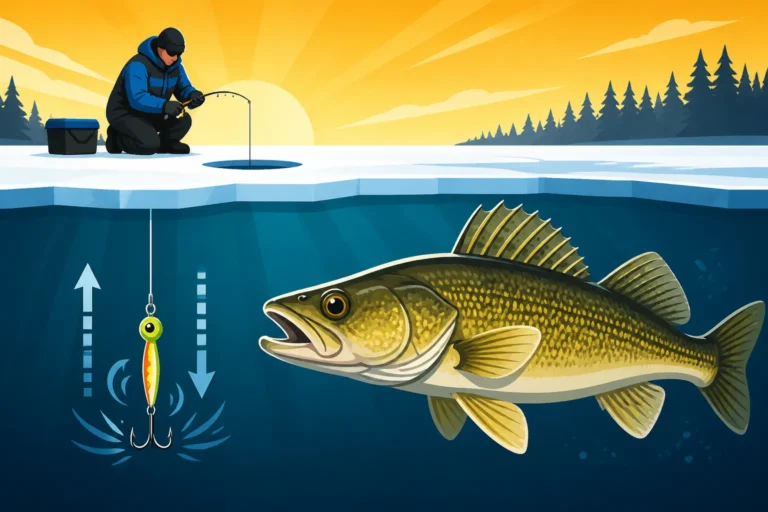
Jigging is arguably the most common and effective ice fishing technique for many species, especially walleye and perch. It involves actively manipulating a lure (a jig or small spoon) up and down to attract fish and trigger a bite.
- For Walleye: Walleye often hold near structure like drop-offs, points, or submerged humps. When jigging for walleye, presentation is key. Use small jigging spoons (like a Northland Forage Minnow or a Rapala Jigging Rap) or horizontal jigs tipped with a minnow head or a few maggots. The action should typically be subtle – a lift of 6-12 inches, followed by a pause, then a gentle drop. Walleye often hit on the pause or on the subtle fall. Pay close attention to your flasher; if you see a fish approach your lure, try to match its behavior. Sometimes a more aggressive jigging motion will draw them in, while other times a barely-there quiver is what it takes. Often, the best time of day to catch walleye through the ice is during low-light periods, dawn and dusk, but they can be caught all day, especially if they're actively feeding.
- For Perch: Jumbo perch are a highly sought-after species, known for their delicious fillets. They often school in numbers, so if you find one, you'll likely find more. Small tungsten jigs (often brightly colored, like chartreuse or orange) tipped with a couple of wax worms or maggots are deadly. The action for perch is generally more erratic and quicker than for walleye – small, rapid lifts and drops, interspersed with pauses. Perch bites can be incredibly light, feeling like a slight pressure or a tick, so a sensitive rod tip is crucial. When jigging, constantly vary your retrieve, from subtle wiggles to aggressive rips, until you find what the fish are responding to. If the bite slows down, don't be afraid to change colors or jig weights.
Tip-Ups for Pike and Lake Trout
While jigging is active, tip-ups offer a more passive, yet incredibly effective, way to fish for larger predatory species like northern pike and lake trout. A tip-up consists of a spool of line submerged below the ice, connected to a flag that springs up when a fish takes the bait. This allows you to set multiple lines (within legal limits) and cover a wider area.
- For Pike: Pike are ambush predators, often found lurking in shallower, weedy bays or near drop-offs. Tip-ups set with a larger dead baitfish (like a smelt or sucker) suspended a few feet off the bottom, or just below the ice, are highly effective. Ensure you use a strong leader (wire or heavy fluorocarbon) to prevent bite-offs from their razor-sharp teeth. When the flag goes up, don't rush! Let the pike run with the bait for a few seconds to ensure it has fully taken it before setting the hook with a firm pull. Knowing Best Techniques for Northern Pike Ice Fishing can make a huge difference in your success.
- For Lake Trout: Lake trout inhabit deeper, colder waters and are powerful fighters. For them, tip-ups rigged with a large dead baitfish or a lively minnow, set near deep structure, humps, or suspended in the water column, can be deadly. Often, suspending your bait anywhere from 5 to 20 feet off the bottom, or even higher in the water column if you see schools of baitfish on your electronics, can be productive. Use heavy monofilament or fluorocarbon line on your tip-up spool. Again, patience is key when a flag goes up; give the laker time to fully commit to the bait before setting the hook.
Finding Fish Under the Ice: Electronics and Locating Structure
You can have the best gear and techniques, but if you're not fishing where the fish are, you won't catch anything. Locating fish is perhaps the biggest challenge and the most rewarding aspect of ice fishing.
- Flashers and Fish Finders: These electronic devices are indispensable. A flasher provides a real-time, circular display showing bottom depth, your lure, and any fish in the water column. This allows you to literally "play" with the fish, raising or lowering your lure to entice a bite. Modern fish finders offer more detailed displays, often with GPS mapping capabilities, allowing you to mark hot spots. Brands like Vexilar, Marcum, and Humminbird are popular choices. Investing in a good portable unit will pay dividends.
- Understanding Lake Structure: Just like in open water, fish relate to structure. Look for:
- Drop-offs: Areas where the depth changes abruptly. Walleye, perch, and lake trout often cruise these edges.
- Submerged Humps and Islands: These act as congregating points for baitfish, attracting predators.
- Weed Lines: In shallower bays, healthy green weeds provide oxygen and cover for panfish and pike.
- Points and Shoals: Key features that funnel fish movement.
- Inflows/Outflows: Areas where rivers or streams enter or leave a lake can attract fish due to current or warmer water.
- Using Maps and GPS: Before you even step on the ice, study bathymetric (depth) maps of the lake you plan to fish. Mark potential hot spots on a GPS device. Once on the ice, your GPS will help you navigate directly to these spots and mark new productive areas. Many flashers and fish finders come with built-in GPS capabilities and lake mapping. The Ontario Fish ON-Line Interactive Zone Map, Explained can be a great digital tool for preliminary scouting from the comfort of your home.
Don't be afraid to drill multiple holes and move around until you find actively feeding fish. Sometimes, moving just 20 feet can be the difference between a slow day and a banner day.
Common Ice Fishing Challenges and How to Overcome Them
While ice fishing is a fantastic winter pursuit, it's not without its hurdles. From battling the elements to dealing with the fickle nature of fish, there are definitely frustrations. Recognizing these common challenges and knowing how to overcome them will ensure your days on the ice are more enjoyable and productive.
Dealing with Extreme Cold and Frostbite
Ontario winters can be brutally cold, with temperatures plummeting well below freezing, often accompanied by biting winds. The biggest challenge is staying warm enough to be comfortable and safe, as frostbite and hypothermia are real dangers.
- Layering is Non-Negotiable: As mentioned earlier, wearing multiple layers is your best defense. This allows you to adjust to changing conditions and activity levels. Avoid cotton, which absorbs moisture and loses its insulating properties when wet. Opt for wool or synthetic materials.
- Protect Extremities: Your fingers, toes, ears, and nose are most susceptible to frostbite. Invest in high-quality insulated gloves or mitts (and bring spares!), warm socks, and waterproof, insulated boots. A balaclava or neck gaiter under a warm hat is essential for protecting your face and head. Consider chemical hand and foot warmers for extra heat on particularly cold days. Many effective and affordable options can be found on Amazon.
- Stay Hydrated and Fuelled: Your body burns more calories to stay warm in cold weather. Bring plenty of water (in an insulated bottle to prevent freezing) and high-energy snacks like nuts, protein bars, or a thermos of hot soup or coffee. Staying nourished helps your body generate heat.
- Take Breaks in a Heated Shelter: If you're fishing outside of a heated hut, don't hesitate to take regular breaks in your vehicle or a portable heater-equipped shelter to warm up. Don't wait until you're shivering uncontrollably.
Slush, Snow, and Navigating Tricky Ice Conditions
The ice itself can present numerous challenges beyond just thickness. Heavy snowfall, slush, and pressure cracks can make travel and fishing difficult.
- Slush: A common and annoying issue, slush forms when heavy snow insulates the ice, preventing it from freezing solid, or when meltwater from the surface gets trapped between layers of ice and snow. It can bog down snowmobiles and ATVs, make walking exhausting, and even seep into your boots.
- Overcoming Slush: If possible, try to travel on trails where the slush has already been packed down and refrozen. Wide, flat skis on snowmobiles and ATVs help. If walking, gaiters can help keep your lower legs dry. Some anglers spread wood chips or straw around their holes to absorb slush.
- Deep Snow: Fresh, deep snow can make travel difficult, burying trails and making it hard to locate holes.
- Overcoming Deep Snow: Snowshoes are excellent for walking in deep powder. If using vehicles, stick to established tracks or go with a group to help if someone gets stuck. Always carry a shovel.
- Pressure Cracks and Heaves: These occur when ice expands and contracts, creating large cracks or ridges where plates of ice push up against each other. They can be dangerous, hiding open water or unstable ice.
- Overcoming Cracks: Always approach cracks with caution. Test the ice thoroughly with a spud bar before crossing. If a crack appears to be open or running, find a safe crossing point or avoid it entirely.
The Frustration of Finicky Bites
You've drilled your holes, set up your gear, and the fish finder shows fish, but they just won't bite. This is a common and incredibly frustrating aspect of ice fishing. Fish in cold water often have a slower metabolism, making them less aggressive and more particular about what they'll strike.
- Downsize and Refine: If fish are present but not biting, start by downsizing your lure. Go to smaller jigs, lighter line (fluorocarbon is less visible), and smaller bait. Sometimes a tiny jig tipped with a single maggot is all it takes.
- Subtle Presentation: Often, less is more. Instead of aggressive jigging, try subtle quivers, slow lifts, and extended pauses. Let the bait sit still for a good 10-20 seconds. Walleye, in particular, often hit on the pause.
- Change Colors and Styles: If one color isn't working, switch it up. Bright colors like chartreuse or orange can sometimes trigger a reaction, while natural colors might be better in clear water. Experiment with different lure styles – from horizontal jigs to vertical spoons.
- Offer Live Bait: A lively minnow, even if it's just on a plain hook below a small split shot, can often entice finicky fish when artificial lures fail. The natural movement is hard to resist.
- Move, Move, Move: Don't get stuck on a unproductive spot. If you're not getting bites after 20-30 minutes, pack up and move. Drill new holes, try different depths, or move to a completely new area of the lake. Sometimes, finding active fish is just a matter of covering enough ice. This is where a portable shelter and electric auger really shine!
- Understand Pressure Changes: Fish behavior is often influenced by barometric pressure. Approaching fronts often mean active feeding, while stable high pressure can lead to slower bites. Adjust your expectations and tactics accordingly.
By being prepared for these challenges and having a repertoire of solutions, you'll spend less time frustrated and more time enjoying the unique thrill of ice fishing.
Responsible Ice Angling and Environmental Stewardship
As passionate anglers, we all share a responsibility to protect Ontario's precious fisheries and natural environments. This is especially true during the winter when the landscape can appear more fragile and human impact more pronounced. Practicing responsible angling ensures that future generations can enjoy the same incredible opportunities we do today.
Leave No Trace Principles
The "Leave No Trace" philosophy is simple: whatever you bring onto the ice, you take off. This extends beyond just your fishing gear.
- Pack It In, Pack It Out: All garbage, no matter how small, must leave with you. This includes discarded fishing line, bait containers, plastic wrappers, food scraps, and especially cigarette butts. Fishing line, in particular, is a hazard to wildlife.
- Clean Up Your Holes: After fishing, if you've been using live bait or have fish scales around your hole, take a moment to clear the area. While biodegradable, a concentration of organic matter can attract scavengers and impact the pristine environment.
- Ice Hut Removal: This is a huge one. As discussed earlier, adhere strictly to the Ontario ice hut registration rules and removal dates for your FMZ. Abandoned huts are an environmental blight and can be dangerous hazards once the ice breaks up. Plan your removal well in advance to avoid a last-minute scramble.
- Minimize Disturbance: Avoid unnecessary noise or excessive disturbance of the ice. Respect other anglers who might be seeking peace and quiet. When traveling by snowmobile or ATV, stick to established trails where possible to minimize impact on snow-covered vegetation or sensitive areas.
Catch and Release Best Practices on Ice
For anglers who practice catch and release, doing so responsibly on the ice requires a few extra considerations due to the extreme cold.
- Minimize Air Exposure: Fish exposed to freezing air, especially gills and eyes, can suffer severe damage. Have your camera ready, unhook the fish quickly, snap a photo, and get it back into the water as fast as possible.
- Wet Hands: Always handle fish with wet hands, even in winter. Dry hands can remove the fish's protective slime coat, leaving it vulnerable to disease.
- Tool Up: Use appropriate tools like long-nosed pliers or hemostats to quickly remove hooks, especially from toothy predators like pike. A wide, shallow landing net can also help manage the fish at the hole and minimize contact.
- Revive Carefully: If a fish appears lethargic, gently hold it upright in the hole, allowing water to flow over its gills until it regains its strength and can swim away on its own. Don't just toss it back in.
- Know When to Keep: In extremely cold conditions, it might be more ethical to keep legal-sized fish you intend to eat rather than risking delayed mortality from catch and release.
Respecting Wildlife and Other Anglers
Shared natural spaces require mutual respect.
- Give Space: Maintain a respectful distance from other anglers, especially if they are targeting more sensitive species like lake trout, or if they appear to be fishing a specific piece of structure. Nobody wants someone drilling a hole right on top of their spot.
- Noise Levels: Be mindful of excessive noise, whether from augers, snowmobiles, or loud conversations, especially in quieter areas or early mornings.
- Wildlife Observation: Enjoy observing the winter wildlife you might encounter – eagles, foxes, deer, and various birds are often present. However, avoid disturbing them or approaching them too closely.
- Adhere to Regulations: This is the ultimate sign of respect for the fishery. By following all Ontario Fishing Regulations Explained, including bag and possession limits, size restrictions, and season dates, you contribute to the health and sustainability of the resource for everyone.
By adopting these practices, ice anglers become stewards of Ontario's winter wonderland, ensuring that the magic of fishing through the ice can be enjoyed by all, for many seasons to come.
Disclaimer
Please be aware that fishing regulations in Ontario can change. Always consult the most current official "Ontario Fishing Regulations Summary" published by the Ontario Ministry of Natural Resources and Forestry (MNRF) before heading out. This guide provides general information and should not be considered a substitute for the official regulations. Ensure you have the proper licenses and safety equipment, and always prioritize personal safety on the ice.