Best technique for bank fishing a stocked lake
There’s nothing quite like the excitement of hitting a new fishing spot, especially when you know it's been actively stocked. However, if you've ever found yourself staring at a beautifully shimmering lake from the bank, unsure where to cast or what bait to use, you're not alone. Many anglers get intimidated by the sheer expanse of water, or struggle to adapt their techniques from boat fishing to shore-based strategies. This guide is here to demystify bank fishing on Ontario’s stocked lakes, providing practical, actionable techniques to help you consistently find and catch fish, transforming those confusing moments into confident casts and successful retrieves.
Understanding Stocked Lakes and Their Fish
Bank fishing a stocked lake is a uniquely rewarding experience, but it requires a slightly different approach than fishing wild, self-sustaining waters. Before you even think about your first cast, understanding the nature of these lakes and the fish within them will dramatically improve your chances.
What Makes Stocked Lakes Unique?
Stocked lakes are, by definition, maintained by human intervention. Fish are regularly introduced into these waters, often to enhance recreational fishing opportunities. This means the fish, particularly trout species, might behave a little differently than their wild cousins. They might be less wary of humans, at least initially, and often congregate in predictable areas where they were released or where food is readily available. Unlike wild fish that have to fight for survival from birth, many stocked fish haven't developed the same evasive instincts, making them, in some ways, easier to catch—if you know where to look and what to offer. This also means you don't necessarily need to present your bait or lure with the ultra-finesse required for highly pressured, wild trout streams.
Common Species in Stocked Ontario Lakes
When you're bank fishing a stocked lake in Ontario, you'll most often be targeting various trout species. The most common residents are Rainbow Trout Stocking in Ontario, known for their feisty fights and beautiful colours. You'll also frequently find Brook Trout in Ontario's Crown Land Lakes, especially in smaller, colder ponds, and sometimes even Splake Stocking in Ontario Lakes, a hybrid cross between brook and lake trout, offering a unique angling challenge. Beyond trout, many stocked lakes, particularly those managed for broader recreational use, might also contain panfish like yellow perch or crappie, which can provide excellent action, especially for beginners or younger anglers. Understanding these species helps you tailor your bait and presentation to what they're most likely to strike.
Essential Gear for Bank Fishing Success
You don't need a boatload of expensive equipment to succeed at bank fishing. In fact, keeping it simple and efficient is often the key. The right gear will make your experience more enjoyable and your efforts more fruitful.
Rod, Reel, and Line Selection
For most stocked lakes, especially when targeting trout or panfish, a light to medium-light spinning setup is your best friend. A rod between 6 and 7 feet long offers a good balance of casting distance from shore and sensitivity to detect subtle bites. Look for a rod with a fast or moderate-fast action, which means the tip bends easily but the backbone is strong enough to handle a fighting fish. Paired with a small spinning reel in the 1000 to 2500 size range, spooled with 4-8 pound monofilament or fluorocarbon line, you'll have a versatile setup. Monofilament offers good knot strength and stretch, while fluorocarbon is nearly invisible underwater, which can be an advantage in clear lakes. If you're looking to purchase a reliable, budget-friendly setup, a quick search on Amazon will reveal many suitable rod and reel combos that are perfect for this style of fishing. This setup is generally ideal for Best Fishing Rods for Ontario Lakes when focusing on stocked species.
Terminal Tackle Essentials
Your terminal tackle is what connects your line to the fish, and having the right selection is crucial.
- Hooks: Stick to smaller sizes, generally sizes 8 to 14, depending on your bait. Single hooks are often preferred, especially if you plan to practice catch and release, as they tend to cause less damage.
- Sinkers: A variety of small split shot weights, ranging from BB to 3/0, will cover most situations. Egg sinkers or bullet weights are great for bottom fishing rigs.
- Floats (Bobbers): Both traditional red-and-white bobbers and slip bobbers (which allow you to set your bait depth much deeper) are invaluable. Slip bobbers are especially useful for covering different depths from shore without re-tying.
- Swivels: Small barrel or snap swivels (size 10-14) can help prevent line twist, especially when using spinning lures. A small snap swivel also makes it easy to change lures quickly.
- Leaders: A fluorocarbon leader (2-4 lb test, 18-24 inches long) tied to your main line can significantly increase your bites in clear water, as it's almost invisible. This can be a game-changer when targeting wary trout.
The Importance of Bait and Lures
Stocked fish can be opportunistic eaters, but they often have preferences based on what they were fed in the hatchery or what's naturally abundant in the lake.
- Natural Baits: Live worms (dew worms or red wigglers) are universal fish catchers and often irresistible to trout and panfish. Corn, marshmallows, and small pieces of cheese can also be surprisingly effective, mimicking what some hatchery fish might have been fed or simply presenting an easy meal.
- Scented Baits: "PowerBait" or similar scented dough baits are incredibly popular for stocked trout. These come in various colours and scents and are designed to float, suspending your hook just off the bottom. Experiment with different colours like chartreuse, rainbow, or even plain white. These are often readily available at local tackle shops or can be purchased conveniently on Amazon.
- Small Lures: Active lures can trigger aggressive strikes. Small inline spinners (like Mepps, Rooster Tail), small spoons (such as Little Cleo or Kastmaster), and tiny jigs (tipped with a piece of worm or scented soft plastic) are excellent choices. Sizes generally range from 1/32 to 1/8 ounce. These lures are fantastic for covering water and actively searching for fish. Remember, variety is key; what they ignore one day, they might smash the next.
Proven Bank Fishing Techniques for Stocked Lakes
Now that you're geared up, let's talk about how to present your offerings effectively from the bank. Mastering these techniques will empower you to adapt to different conditions and find where the fish are holding.
Float Fishing: The Drifting Presentation
Float fishing, often called bobber fishing, is one of the simplest and most effective techniques, especially for beginners. It allows your bait to suspend at a predetermined depth, often enticing fish that are cruising in the water column or feeding just off the bottom.
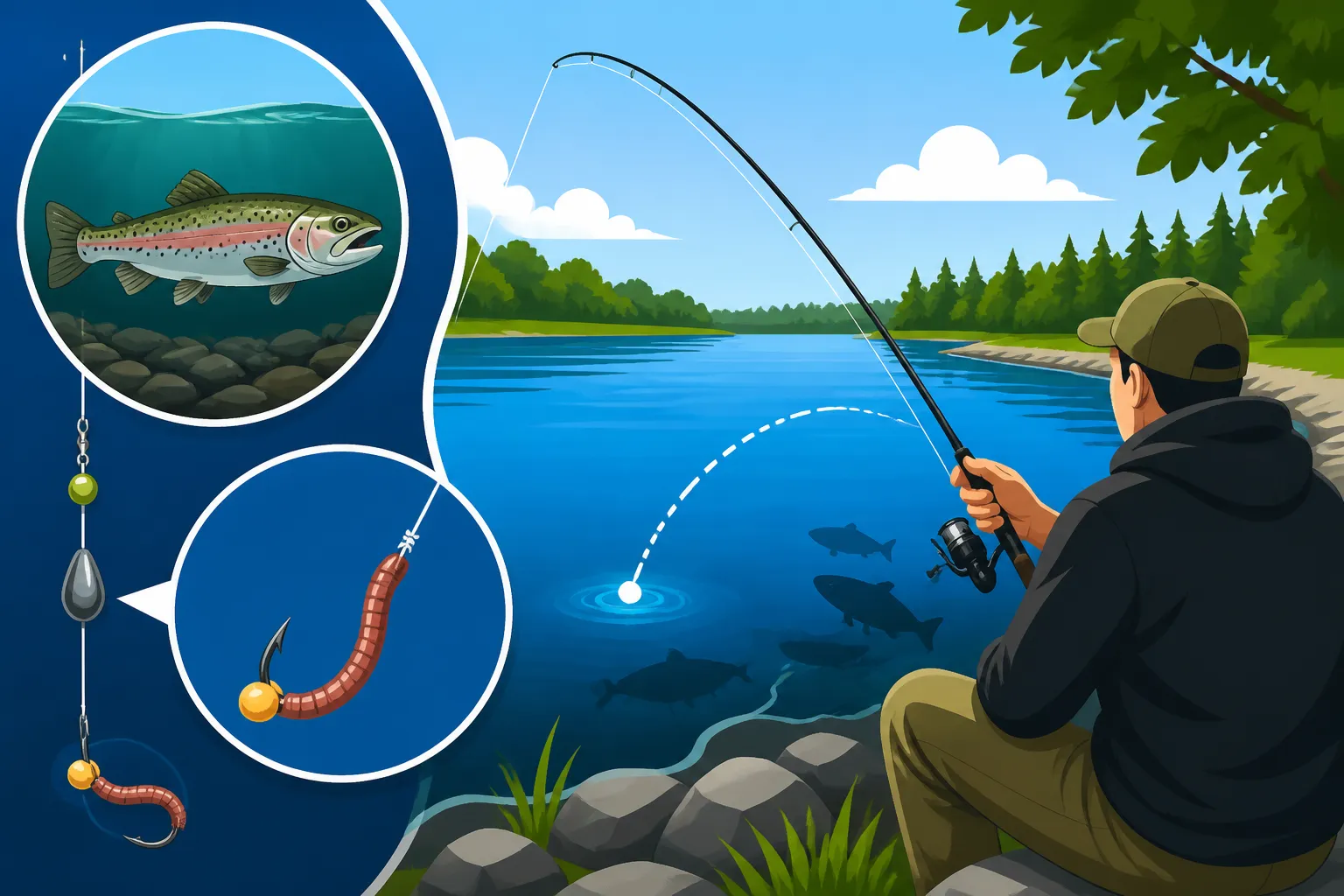
To set up, thread your line through a slip bobber stopper, then a bead, followed by your slip bobber. Tie on a small swivel, then a 12-24 inch fluorocarbon leader, and finally your hook. Pinch one or two small split shots a few inches above the hook to help your bait sink. Adjust the bobber stopper to set your desired depth. The beauty of a slip bobber is that you can reel it all the way down, making casting much easier, and then as your bait sinks, the line slips through the bobber until it hits your stopper.
Cast your setup out, aiming for areas with submerged structure, weed lines, or subtle drop-offs. Watch the bobber carefully – any sudden dip, twitch, or disappearance means a fish has taken your bait! This technique is particularly effective for active trout that are feeding higher in the water column or for panfish like crappie. On clear, calm days, try setting your bait deeper, as fish might be more comfortable in deeper water. Don't be afraid to experiment with different depths until you find where the fish are holding.
Bottom Fishing: Targeting the Depths
When fish are less active or hugging the lakebed, a bottom fishing rig is often the answer. This technique keeps your bait right where the fish are looking for an easy meal.
A common setup is a "Carolina rig" or a simple egg sinker rig. Thread an egg sinker (1/4 to 1/2 ounce, depending on casting distance and current) onto your main line, followed by a small bead (to protect your knot), and then tie on a barrel swivel. To the other end of the swivel, tie a 12-36 inch fluorocarbon leader, and then your hook. The sinker holds your bait on the bottom, while the leader allows your bait to drift naturally, enticing fish without feeling the resistance of the weight.
Cast this rig out and let it settle. Keep a slight tension on your line to feel for bites, or place your rod in a rod holder with the bail open (if using a bait clicker) or slightly loose to allow a fish to run. This method is excellent for trout, especially when using PowerBait that floats just off the bottom, or for species like bullhead or larger perch. It's particularly useful in deeper parts of the lake or when fishing during colder weather when fish tend to be more lethargic. You might find a great selection of these specialized weights and swivels on Amazon, making it easy to stock up.
Casting & Retrieving Lures: Active Angling
For those who prefer a more active approach, casting and retrieving small lures can be incredibly productive. This technique allows you to cover a lot of water quickly, searching for aggressive fish.
Small inline spinners and spoons are perfect for this. Cast your lure out and retrieve it at a steady pace. Experiment with different retrieve speeds – sometimes a fast, erratic retrieve triggers a strike, other times a slower, more methodical approach is better. Varying your retrieve with pauses and twitches can often mimic an injured baitfish, making it irresistible.
Focus your casts around any visible structure from shore: submerged logs, weed edges, rocky points, or even the outflow of a culvert. These are prime ambush points where fish will lie in wait for prey. Even if you don't see fish, keep casting and moving along the bank. You're effectively searching for active fish, and sometimes they'll follow a lure for a while before committing. For advice on when to best use certain lures, check out articles like Best Lures for Muskie Fishing in Ontario or Best Crankbaits for Ontario Walleye, though for stocked trout, keep it smaller!
Reading the Water from Shore
Being able to "read the water" is a skill that takes time to develop, but even from the bank, you can spot potential fish-holding areas. Look for changes in depth, indicated by darker patches (deeper) or lighter patches (shallower). Inlets or outflows from streams or culverts often bring in food and oxygen, attracting fish. Points, coves, and areas with submerged timber or weed beds are also prime locations.
Pay attention to surface activity. Are there rising fish? This indicates they might be feeding on insects near the surface. Is there a breeze? A light chop on the water can make fish feel more secure and less wary. Even the presence of baitfish jumping indicates a food source nearby. Don't just cast blindly; observe the water, look for clues, and make educated casts.
Tips for Maximizing Your Catch
Beyond the basic techniques, a few extra tips can make a significant difference in your success rate when bank fishing stocked lakes.
Timing is Everything
While stocked lakes can offer good fishing opportunities throughout the day, certain times are almost always better. Early morning and late evening (dawn and dusk) are prime feeding windows for many species, especially trout. During these periods, water temperatures are often cooler, and light levels are lower, making fish feel more comfortable moving into shallower water to feed. Overcast days can also provide good fishing throughout the day, as the reduced sunlight mimics dawn or dusk conditions. Conversely, bright, sunny afternoons might push fish into deeper, shadier areas. Understanding Best Time of Year to Fish in Ontario or Ontario Fishing Season Dates by Zone for your target species can also give you a significant edge.
Stealth and Approach
Even stocked fish can be spooky, especially in clear, calm waters. A heavy footfall on the bank, a sudden shadow, or bright clothing can send fish scattering. Approach the water quietly and slowly, using any available cover like trees or tall grasses. When casting, avoid splashing or making excessive noise. Try to cast parallel to the shoreline first, then gradually fan out your casts to cover the water in front of you without spooking fish close to the bank. A low profile and careful movements will pay dividends.
Handling and Releasing Fish
If you plan to release your catch, proper handling is paramount to ensure their survival. Always wet your hands before touching a fish to protect their protective slime coat. Use a small, knotless rubber or silicone landing net to minimize damage, like those available on Amazon designed for catch and release. Remove the hook quickly and gently; if the fish is deeply hooked, consider cutting the line as close to the hook as possible rather than tearing sensitive tissues. Hold the fish gently in the water, facing into any current, until it regains its strength and swims away on its own. Releasing fish responsibly ensures good fishing for future generations.
Bank Fishing Techniques and Conditions
| Technique | Ideal Target Species | Best Conditions | Recommended Bait/Lure | Key Advantage |
|---|---|---|---|---|
| Float Fishing | Trout, Panfish (Crappie, Perch) | Calm water, varied depths, active fish | Worms, PowerBait, Corn, Marshmallows | Suspends bait at precise depth, visual bite indicator |
| Bottom Fishing | Trout, Larger Perch, Bullhead | Deeper water, lethargic fish, windy | Worms, PowerBait (floating), Scented Dough | Keeps bait on bottom, less affected by wind/current |
| Casting & Retrieving | Active Trout, Aggressive Panfish | Any conditions, searching for fish | Small Spinners, Spoons, Tiny Jigs | Covers lots of water, triggers reactionary strikes |
Remember, bank fishing on a stocked lake is all about observation and adaptation. What works one day might not work the next. Don't be afraid to change your depth, switch your bait, or try a different lure. The more time you spend on the water, experimenting and learning, the more successful you'll become. Whether you're chasing that first stocked rainbow or honing your skills for a bigger challenge, the joy of a bending rod from the shoreline is truly special.
Disclaimer
This article is for general informational purposes only and does not constitute professional advice. Laws, prices and regulations vary by location and change over time. Consult a qualified professional for guidance on your specific situation.