Splake Stocking in Ontario Lakes
For many Ontario anglers, the mention of "splake" brings a mix of curiosity and excitement. These unique fish aren't found naturally in our waters, yet they provide fantastic fishing opportunities, particularly in lakes where other trout species might struggle. It can be a bit confusing trying to figure out what exactly a splake is, why they're here, and more importantly, how to successfully target them. This comprehensive guide is designed to demystify splake stocking in Ontario, offering insights into their biology, the provincial stocking programs, and proven techniques to help you put more of these feisty hybrids on your line.
Understanding Splake: Ontario's Unique Hybrid
Let's be honest, the name "splake" itself sounds a bit mysterious, almost like a creature from folklore! But in reality, it refers to a very specific, and quite successful, hybrid fish that Ontario anglers have come to appreciate. Understanding what makes a splake unique is the first step to truly appreciating their role in our provincial fisheries.
What Exactly is a Splake?
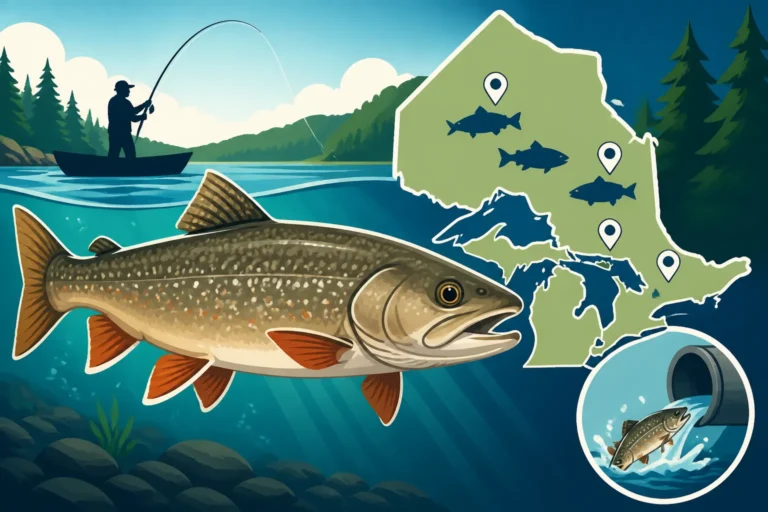
At its core, a splake is a hybrid trout, a fascinating cross between two well-known Ontario residents: the male brook trout (Salvelinus fontinalis) and the female lake trout (Salvelinus namaycush). This isn't something that happens spontaneously in nature; splake are born from carefully managed hatchery breeding programs. The name itself is a portmanteau – "sp" from speckled trout (an older, common name for brook trout) and "lake" from lake trout. Pretty clever, right?
Genetically, splake inherit traits from both parents, which makes them quite interesting. They tend to grow faster than brook trout but mature earlier than lake trout. They also exhibit a hardiness that can make them suitable for a wider range of habitats than either parent might prefer on its own, making them a valuable addition to certain Ontario waters. Think of them as a "best of both worlds" kind of fish, designed for angling success.
Why Ontario Stocks Splake
So, why go through all the trouble of creating a hybrid and stocking it? Ontario's splake stocking program isn't just about adding another fish to the mix; it's a strategic move to enhance fishing opportunities and manage certain aquatic ecosystems. One of the primary reasons is to provide a viable sport fishery in lakes that might not be ideal for self-sustaining populations of either brook trout or lake trout.
Many smaller to medium-sized lakes in Ontario might have marginal habitat for native trout species, perhaps due to warmer summer water temperatures or insufficient natural spawning grounds. Splake, with their hybrid vigour, can tolerate slightly warmer temperatures than brook trout and can grow to a respectable size without needing extensive deep-water habitat like large lake trout. This means more lakes can support a quality trout fishery, providing fantastic angling experiences closer to home for many residents. It also helps to diversify the fishing opportunities available, taking some pressure off highly popular native trout fisheries.
Identifying Splake in the Wild
When you're out on the water, especially in a lake that's stocked with multiple trout species, it can sometimes be a bit of a puzzle to identify exactly what you've caught. Splake can be tricky because they often display a blend of characteristics from both their brook trout and lake trout parents. However, there are some key features that can help you distinguish a splake from its relatives. This is important for understanding Ontario Bag and Possession Limits by Species, as regulations can differ.
One of the most telling signs is the tail fin. A splake's tail typically has a slightly forked shape, but it's not as deeply forked as a true lake trout's tail, which often looks almost crescent-shaped. On the other hand, a brook trout usually has a squarer, less forked tail. Colouration is another good indicator. Splake often have a darker body, usually olive-green or brown, with lighter spots (often yellowish or reddish) that are more pronounced than on a lake trout, but generally not as vibrant as the "haloed" spots you'd see on a brook trout. They also tend to have a faint vermiculated (worm-like) pattern on their backs, a trait inherited from their brook trout parent, though it's usually less distinct than on a pure brook trout. Look for a combination of these traits rather than relying on just one.
| Feature | Brook Trout | Splake | Lake Trout |
|---|---|---|---|
| Tail Fin | Square or slightly emarginate | Moderately forked | Deeply forked |
| Body Colour | Dark green/brown back, reddish spots (often blue halos) | Olive/brown with lighter spots, sometimes faint vermiculations | Grey/green with irregular light spots (no halos) |
| Pectoral/Pelvic Fins | White leading edge with black line (distinct) | White leading edge, less prominent than brook trout | No distinct white leading edge |
| Body Shape | More streamlined, deep-bodied | Intermediate, torpedo-shaped | More elongated, slender |
| Head Shape | Smaller mouth, rounded snout | Intermediate | Larger mouth, pointed snout |
The Science Behind Splake Stocking Programs
Stocking splake isn't just about dumping fish into a lake and hoping for the best; it's a thoughtful, scientific process driven by specific fishery management goals. Ontario's approach to splake stocking involves careful consideration of habitat, population dynamics, and the overall health of the aquatic ecosystem. It's a testament to the dedication of those working to provide quality fishing experiences across the province.
Where Splake Thrive: Ideal Habitat
Splake are adaptable, but like any fish, they have preferences when it comes to their home. Understanding these preferences helps anglers narrow down where to find them. Splake generally prefer cool, clear waters, much like their trout relatives. However, they are a bit more tolerant of slightly warmer summer temperatures than brook trout, which means they can survive in a broader range of lakes that might warm up too much for brookies during July and August. They still need access to deeper, cooler water when surface temperatures rise, so lakes with distinct thermoclines are often prime candidates for splake stocking.
They're not typically found in fast-flowing rivers or streams, preferring the still waters of lakes. Look for lakes with plenty of structure, such as submerged points, shoals, drop-offs, and even areas with some submerged timber. These features provide cover, ambush points for feeding, and access to varying depths and temperatures. Lakes that also offer a good forage base, like smelt, minnows, or even aquatic insects, will support healthier and larger splake populations. Knowing where these fish like to hang out is half the battle won, and it makes targeting them a much more efficient endeavour.
How Stocking Decisions Are Made
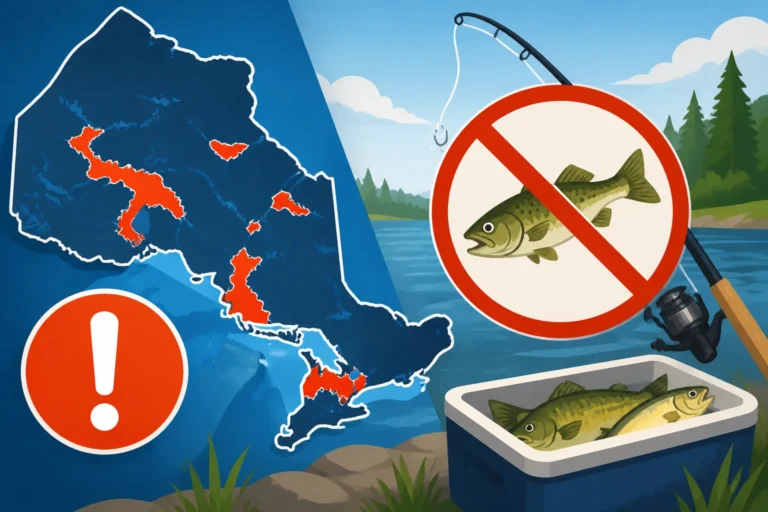
The decision to stock splake in a particular lake is not made lightly; it's part of a broader fishery management strategy led by the Ministry of Natural Resources and Forestry (MNRF). These decisions involve extensive research and assessment. Fisheries biologists evaluate various factors, including the lake's physical characteristics, water quality, existing fish populations, and the presence or absence of suitable spawning habitat for native trout.
Lakes are often chosen for splake stocking if they lack natural trout reproduction, or if existing populations are struggling, but the lake still has the potential to support a cold-water fishery. The goal is to provide a put-grow-and-take fishery, meaning the fish are stocked, grow to a catchable size, and are then harvested by anglers. This helps alleviate pressure on wild trout populations in other areas. Stocking frequency and the number of fish introduced are also carefully determined based on the lake's carrying capacity, angler demand, and the overall health of the ecosystem. It's a dynamic process, often adjusted over time as new data becomes available, ensuring a sustainable and enjoyable fishing future. You can often find information on specific stocking events by checking the Fish ON-Line tool or local MNRF district offices. This strategic approach highlights why understanding Ontario Fisheries Management Zones, Explained is so crucial for any angler.
The Role of Hatcheries
Ontario's provincial fish hatcheries are the unsung heroes behind the splake stocking program. These facilities are where the magic happens, from the careful breeding of brook trout and lake trout to the raising of splake fry and fingerlings until they are ready for release into various lakes across the province. It's a highly controlled and scientific environment, ensuring the health and genetic integrity of the fish.
The process involves careful selection of parent fish, controlled spawning, and then the delicate incubation of eggs. Once hatched, the tiny splake are fed and monitored closely, growing rapidly in optimal conditions. Hatchery staff are experts in fish husbandry, constantly checking water quality, disease prevention, and nutrition to ensure the young splake are robust and healthy when they are finally transported to their new homes. These facilities play a vital role not only for splake but also for Rainbow Trout Stocking in Ontario and other species, underpinning many of the angling opportunities we enjoy. Without their meticulous work, the vibrant and diverse fishing opportunities that splake provide would simply not exist.
Finding Splake: Best Waters and Seasonal Patterns
Knowing what a splake is and why it's in an Ontario lake is great, but the real fun begins when you figure out where and when to find them. Splake, like all fish, have predictable patterns based on seasons, water temperatures, and available food. Cracking this code is key to consistent success on the water.
Top Ontario Lakes for Splake Fishing
Ontario boasts a fantastic array of lakes where splake thrive, offering diverse angling experiences from drive-to destinations to more remote settings. While exact stocking lists can change, many smaller to medium-sized lakes in the central and northern regions of the province are frequently stocked. Lakes in areas like Algonquin Park, the Haliburton Highlands, and districts like Parry Sound and Muskoka often have excellent splake opportunities. Larger lakes with distinct cool water sanctuaries might also hold them.
It's always a good idea to check the most current stocking reports from the Ontario government or local Ministry of Natural Resources and Forestry offices to confirm which lakes are currently receiving splake. These resources are invaluable, often detailing the species, numbers, and even the size of fish stocked. Some popular areas known for producing good splake include smaller inland lakes within fishing zones that have a history of successful trout stocking. Many anglers also find success in lakes that are not quite large enough for truly self-sustaining populations of Lake Trout Fishing in Ontario but have the depth and forage to support good-sized splake.
Seasonal Movements and Behavior
Splake movements throughout the year are largely dictated by water temperature and their search for food. Understanding these seasonal shifts is crucial for targeting them effectively.
- Spring (Post Ice-Out): As soon as the ice leaves, splake become very active and can often be found in shallower waters, especially near shorelines, points, and emerging weed beds. The water is cool and oxygen-rich everywhere, and splake are eager to feed after the long winter. This is a prime time for casting spoons, crankbaits, or even fishing live bait near drop-offs and structure. They'll also be actively chasing baitfish in these areas.
- Summer: As surface waters warm, splake retreat to deeper, cooler sections of the lake. They'll follow the thermocline – that invisible boundary between warm surface water and cold deep water – staying just above, in, or just below it. Look for them around deep points, humps, submerged islands, and channels. Trolling with downriggers or weighted lines, or vertical jigging, become highly effective during this period.
- Fall: With cooling water temperatures, splake once again become more active and start to spread out, often moving back into shallower areas, though still relating to structure. They'll be feeding heavily in preparation for winter. This can be an excellent time for casting and retrieving a variety of lures, much like in the spring.
- Winter (Ice Fishing): Splake are a fantastic ice fishing target! They remain active under the ice, often patrolling depths similar to those they occupy in the fall, but can also be found in slightly shallower areas, especially early and late in the ice season. They'll cruise points, humps, and drop-offs. Jigging with small spoons or plastics, or setting up tip-ups with live minnows, are popular and productive methods. Ice Fishing in Ontario for splake can be incredibly rewarding.
Reading the Lake: Locating Splake Structure
Finding splake isn't just about knowing the season; it's about understanding the underwater topography of the lake and how splake relate to it. They are structure-oriented fish, much like their lake trout parents, and will use changes in depth and cover to their advantage.
Start by looking at a detailed contour map of the lake, either on paper or with a modern fish finder. Identify key features:
- Drop-offs: These are steep changes in depth, providing quick access to different temperature zones and ambush points. Splake will often patrol these edges.
- Underwater Humps and Shoals: Submerged islands or rises in the lake bottom are magnets for baitfish, and therefore, for splake. The top of the shoal might be too shallow, but the edges and surrounding deeper water are prime.
- Points: Submerged points extending from the shoreline into deeper water are classic fish magnets.
- Inlets/Outlets: Areas where streams or rivers flow into or out of a lake can concentrate baitfish and offer slightly different water conditions that attract splake.
- Submerged Timber/Weed Lines: While not always their primary habitat, splake will use these areas for cover and to ambush prey, especially in cooler water conditions.
Using a good quality fish finder or sonar unit, which you can find a wide range of on Amazon, can be invaluable for pinpointing these structures and even marking individual fish or schools of bait. Pay attention to changes in depth, bottom composition, and the presence of baitfish, as these are all strong indicators of splake activity.
Targeting Splake: Techniques and Tackle
Now that we know what splake are and where they like to hang out, let's talk about the exciting part: how to actually catch them! Splake are aggressive feeders and put up a fantastic fight, making them a joy to target. Adapting your techniques and choosing the right tackle for the conditions will greatly increase your success.
Effective Baits and Lures
Splake are opportunistic feeders, so a variety of baits and lures can be effective. The key is to match the hatch, so to speak, and present something that either imitates their natural forage or provokes an aggressive strike.
- Live Bait: Minnows are hands-down one of the most effective baits for splake. Whether fished under a float, still-fished on the bottom, or slowly trolled, a lively minnow is hard for a splake to resist. Small suckers or shiners are excellent choices. Worms can also be effective, especially when tipped on jigs or small spoons.
- Spoons: Casting and retrieving or trolling spoons are classic trout tactics that work exceptionally well for splake. Popular choices include slender casting spoons like Little Cleos, Williams Wobblers, or Daredevils. Experiment with different colours, especially silver, gold, and vibrant patterns, until you find what the fish are keying in on. For deeper presentations, heavier jigging spoons can be deadly, particularly during ice fishing season.
- Jigs: Soft plastic jigs, small bucktail jigs, or hair jigs tipped with a piece of worm or minnow can be very effective, especially when vertically jigged over structure. White, chartreuse, and natural baitfish colours are good starting points. During the colder months, a variety of small, brightly coloured tungsten jigs from brands available on Amazon can be excellent choices.
- Crankbaits: Smaller, suspending or diving crankbaits that imitate minnows can be deadly, particularly in the spring and fall when splake are in shallower water. Choose natural baitfish patterns or bright, attracting colours. Trolling these can cover a lot of water and locate active fish.
- Flies: While not a common technique for all splake fisheries, fly fishing can be highly effective in certain situations, especially for smaller splake or when they are found closer to the surface. Streamers that imitate minnows (e.g., Clouser Minnows, Woolly Buggers) are excellent choices. Fly Fishing for Trout in Ontario techniques can often be adapted for splake.
Recommended Gear for Splake
Having the right gear makes a huge difference in both your comfort and your success. For splake, you generally want a setup that offers sensitivity for subtle bites but has enough backbone to handle a strong, fighting fish.
- Rods: A medium-light to medium power spinning rod, typically 6'6" to 7'6" in length, is a versatile choice for most splake fishing scenarios. This length provides good casting distance and fighting leverage. For ice fishing, a medium-action ice rod of about 28-36 inches is ideal. If you're looking for a good all-around rod, many quality options can be found on Amazon that will suit your needs.
- Reels: A reliable spinning reel in the 2000 or 2500 size range, spooled with quality line, will balance well with your rod. Look for a smooth drag system, which is crucial when battling a powerful splake.
- Line: 6-10 pound test monofilament or fluorocarbon is a common choice, offering a good balance of strength and nearly invisible presentation. Many anglers prefer braided line (10-20 lb) for its sensitivity and casting distance, often adding a 6-10 lb fluorocarbon leader for stealth. The choice often comes down to personal preference and water clarity.
- Tackle Box Essentials: Beyond your baits and lures, make sure you have essential items like a good pair of fishing pliers, a line cutter, extra hooks, split shot, swivels, and a tape measure to ensure your catch meets regulations. A small, portable Tackle Box Setup for Ontario Anglers can be easily adapted for splake.
Ice Fishing for Splake
Splake are a fantastic species to target through the ice, offering exciting action during the winter months. They remain active and aggressive, making for a truly enjoyable ice fishing experience.
- Techniques: The most popular method is jigging with spoons or small jigs tipped with a minnow head or a maggot. Aggressively jigging to attract attention, then pausing, can often trigger a strike. Setting up a tip-up or a deadstick rod with a live minnow under it is also highly effective, especially for covering more water. Many anglers will work a jigging rod while keeping an eye on a tip-up, maximizing their chances.
- Specific Gear Considerations:
- Ice Auger: A good quality ice auger (manual or powered) is essential for quickly drilling holes.
- Fish Finder/Flasher: A flasher or portable fish finder is incredibly helpful for marking depth, detecting fish, and seeing how they react to your lure. This can be a game-changer for active splake.
- Shelter: An ice hut or portable pop-up shelter offers protection from the elements, making for a more comfortable day on the ice.
- Warm Clothing: Dress in layers! Ontario winters can be unforgiving, so proper insulated boots, gloves, and a warm suit are non-negotiable.
- Spoons and Jigs: Specifically for ice fishing, brightly coloured jigging spoons (e.g., Swedish Pimples, Crippled Herrings) and small, heavy tungsten jigs are very effective.
Remember to always check ice conditions and follow safety guidelines before venturing out onto the ice.
Conservation and Responsible Splake Angling
While splake are stocked to provide angling opportunities, responsible fishing practices are still paramount. Our actions on the water directly impact the health of the fishery and the environment. Being a good steward of our natural resources ensures that splake fishing remains a vibrant part of the Ontario Fishing Regulations Explained for generations to come.
Understanding Bag and Possession Limits
Even though splake are stocked, they are still part of a managed fishery, and as such, specific regulations apply to their harvest. It's absolutely critical to know and adhere to the current bag and possession limits for splake in the specific Fisheries Management Zone (FMZ) you are fishing. These limits can vary not only by zone but also by the type of fishing license you hold – a Ontario Sport vs Conservation Fishing License can have different catch quotas.
Always consult the most recent Ontario Fishing Regulations Summary before heading out. This guide provides detailed information on limits, open seasons, and any special regulations that might apply to particular lakes. Exceeding these limits can result in hefty fines and penalties, and more importantly, it undermines the conservation efforts designed to sustain healthy fish populations. Taking only what you need and adhering to the rules helps ensure there are plenty of splake for everyone to enjoy.
Catch and Release Best Practices
Many anglers choose to practice catch and release, even with stocked species, to help maintain healthy populations and allow fish to grow larger. If you plan on releasing a splake, or any fish, doing so properly is essential for its survival.
- Minimize Fight Time: Bring the fish in as quickly as possible to reduce stress and exhaustion.
- Use Barbless Hooks: Crushing the barb on your hooks makes removal much easier and less damaging to the fish.
- Handle With Care: Avoid touching the fish's gills or eyes. Support its body horizontally, especially if it's a larger fish. Wet your hands before touching the fish to protect its protective slime coat.
- Quick Release: Remove the hook promptly. If the fish is deeply hooked, cut the line as close to the hook as possible rather than trying to rip it out.
- Revival: If the fish seems stressed or lethargic, hold it gently in the water, facing into a mild current if available, until it swims away under its own power. Never throw a fish back; always release it gently.
Practicing careful catch and release is not just good for the fish; it's a sign of respect for the resource and fellow anglers.
The Impact of Stocking on Native Species
While splake stocking is generally designed to enhance fisheries in lakes where native trout populations are absent or struggling, the potential impact on native species is always a consideration for fisheries managers. It's a delicate balance to ensure that the introduction of a non-native hybrid does not inadvertently harm existing ecological balances.
Fisheries biologists carefully assess lakes before stocking splake to ensure there isn't a significant risk of competition with or displacement of naturally reproducing native species like Brook Trout Native Range in Ontario. For example, a lake with a robust wild brook trout population would likely not be a candidate for splake stocking. The goal is to fill an ecological niche, providing a sport fishery without negatively impacting the broader aquatic ecosystem. This thoughtful approach underscores the commitment to both angling opportunities and the preservation of Ontario's precious natural heritage.
Disclaimer
This article is for general informational purposes only and does not constitute professional advice. Laws, prices and regulations vary by location and change over time. Consult a qualified professional for guidance on your specific situation.