What splake are and where they are stocked
Many anglers in Ontario, especially those relatively new to the scene or venturing beyond the most common species, often encounter the term "splake" and wonder what kind of fish it actually is, and why it's a significant part of our provincial fishery. It's not a natural wild species but a fascinating hybrid that brings unique opportunities to our lakes, and understanding its origins and habitat preferences can vastly improve your success on the water. This guide will demystify the splake, explaining its unique biology, why it's stocked, and where you're most likely to encounter these intriguing fish across Ontario.
What Exactly is a Splake?
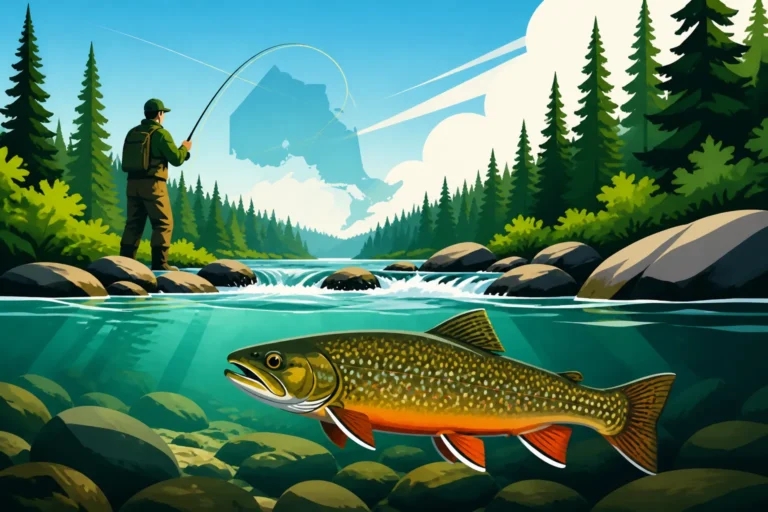
The splake is truly one of Ontario's most interesting angling stories, primarily because it's not a fish you'd ever find occurring naturally in the wild. It’s a hybrid, a direct cross between two distinct species of trout: the brook trout and the lake trout. This isn't a random occurrence; splake are intentionally created in hatcheries, a testament to fisheries management aiming to optimize fishing opportunities and ecological niches within our diverse waterways.
The "Designer Fish" Backstory
Imagine trying to combine the best traits of two beloved fish into one. That's essentially the premise behind the splake. Fisheries biologists carefully cross-breed female lake trout with male brook trout. This specific pairing is crucial; the reverse cross (female brook trout with male lake trout) typically doesn't yield viable offspring. The result is a hybrid that often exhibits what's called "hybrid vigor," meaning it can sometimes grow faster and adapt to a wider range of environmental conditions than either of its parent species. This makes them a fantastic candidate for stocking programs where specific conditions might not be ideal for purely native populations of either parent.
The concept isn't just about creating a new fish; it's about strategic management. In some lakes, native lake trout might struggle with habitat degradation or overfishing, while brook trout might find the deeper, colder waters too challenging or the lake too large. The splake, with its unique blend of characteristics, can sometimes thrive in these "intermediate" environments, offering a robust fishery where others might falter. It's a calculated move to provide more diverse and resilient angling opportunities across the province.
Identifying a Splake in the Wild
Distinguishing a splake from its parent species can be a fun challenge, even for experienced anglers. At first glance, it might look like a small lake trout or a large brook trout, but there are key features to look for. Splake generally possess a body shape that's intermediate between the two, often more streamlined than a lake trout but less stout than a brook trout.
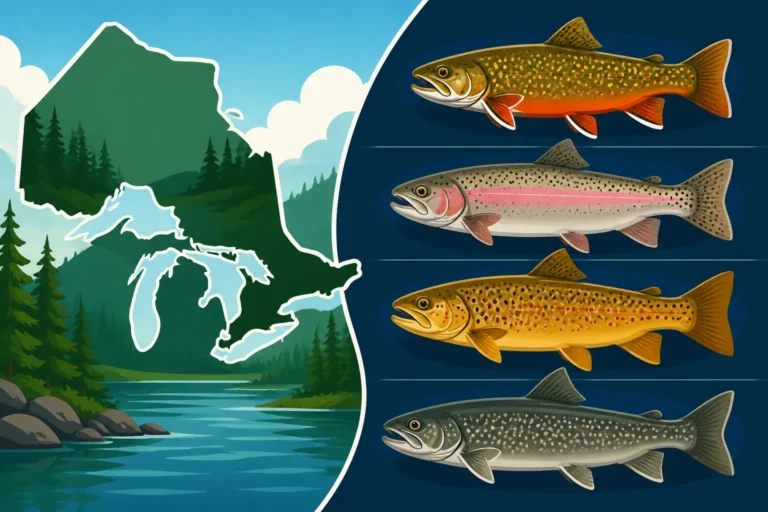
One of the most telling indicators is the tail fin. A splake will typically have a moderately forked tail, a feature that falls right in the middle of its parents – lake trout have a distinctly deeply forked tail, while brook trout have a more square or slightly emarginate (shallowly forked) tail. Another clue lies in their coloration and markings. Splake usually display the prominent, worm-like markings known as vermiculations that are characteristic of brook trout, but these are often less pronounced and might extend further down the body, similar to a lake trout. The spots might also be lighter. It's a subtle blend, making it exciting when you can confidently identify one! If you're looking to brush up on your trout identification skills, check out our guide on Trout Species Identification Guide for Ontario.
| Feature | Brook Trout | Lake Trout | Splake (Hybrid) |
|---|---|---|---|
| Tail Fin | Square or slightly emarginate | Deeply forked | Moderately forked |
| Body Shape | Robust, torpedo-like | More elongated, deep-bodied | Intermediate, often streamlined |
| Vermiculations | Pronounced, worm-like, on back/sides | Faint or absent | Present, but often less distinct than Brook Trout, may extend further |
| Spots | Red spots (halos often blue), yellow spots | Light, often yellowish/white, no red | Mix of red and yellow spots, may have light halos |
| Pectoral/Pelvic Fins | White leading edge, often black behind | No distinct white leading edge | Often a faint white leading edge, less prominent than Brook Trout |
Why Splake are Stocked in Ontario
The decision to stock splake isn't arbitrary; it's part of a carefully considered strategy by fisheries managers to enhance angling experiences and manage aquatic ecosystems. These hybrid fish offer specific advantages that make them a valuable addition to many of Ontario's lakes, especially those where native trout species might not thrive as well.
Filling a Niche: Survival and Growth Advantages
One of the primary reasons splake are stocked is their adaptability. They often display better survival rates and faster growth than brook trout in larger, deeper lakes that aren't quite cold enough for lake trout year-round or lack the necessary deep-water oxygen during critical summer months. In these "marginal" trout waters, splake can find a unique niche. They tolerate slightly warmer waters than brook trout and can grow to respectable sizes quickly, offering a substantial fight for anglers. This rapid growth means a quicker return on investment for stocking programs and a more immediate impact on fishing opportunities.
Furthermore, splake are typically sterile, meaning they cannot reproduce naturally. While this might sound like a drawback, it's actually a significant advantage for fisheries management. It allows biologists to control populations precisely through stocking. They can introduce splake into certain lakes without worrying about them outcompeting native species or altering the genetic makeup of wild populations through interbreeding. This makes them an excellent choice for "put-and-take" fisheries, where the goal is simply to provide a consistent supply of catchable fish for recreational anglers without long-term ecological impacts.
Boosting Angler Opportunities and Fishing Pressure Management
For anglers, splake offer a unique and often rewarding experience. Because they can thrive in a variety of lake types, they expand the range of waters where a quality trout fishery can exist. This means more options for anglers, potentially reducing pressure on more sensitive native trout populations. Think of it as diversifying the angling portfolio of the province. Many smaller, more accessible lakes that might otherwise only hold panfish or bass can become home to a vibrant splake fishery, bringing a different kind of challenge and reward to local communities.
This also plays into managing fishing pressure. By creating new angling destinations with stocked splake, the province can spread out the effort of anglers, preventing certain popular lakes from becoming overfished for native species. It provides consistent action, especially for those who enjoy the thrill of catching a trout, but might not have access to remote Brook Trout in Ontario's Crown Land Lakes or the specialized gear for Lake Trout Fishing in Ontario in massive, deep waters. The quick growth of splake also means they reach a desirable size faster, providing a more immediate reward for anglers.
Where to Find Splake in Ontario
Ontario is a vast province, and splake stocking programs are strategically implemented across various regions, targeting specific types of water bodies to maximize success and angler enjoyment. While I can't provide a list of every single lake that receives splake stocking (as these lists are dynamic and change year to year), I can give you a strong idea of the kinds of places you should be looking.
Ideal Habitats: Lakes Big and Small
Splake typically do best in lakes that offer a mix of characteristics from both their parent species' preferred environments. They thrive in lakes that are deep enough to provide cool, oxygenated water during the summer months, but perhaps not as deep or cold-water dominant as ideal lake trout habitat. Often, these are lakes with good shoreline structure, drop-offs, and a healthy forage base of baitfish or invertebrates. You'll find them in lakes ranging from smaller, landlocked bodies of water to larger, more expansive systems, particularly in areas with a mix of forested and rocky terrain.
They are known for their willingness to cruise different depths and zones, unlike some other trout that stick strictly to deep or shallow water. This versatility makes them exciting to target, as they can be found shallower during cooler seasons or periods, and then move deeper as water temperatures rise. Look for lakes with a moderate nutrient level, as too little food will limit their growth, and too much can lead to poor oxygen levels in deeper water. Best Fishing Lakes in Ontario will often include some waters known for good splake populations, as these are popular destinations.
Key Stocking Programs and Regions
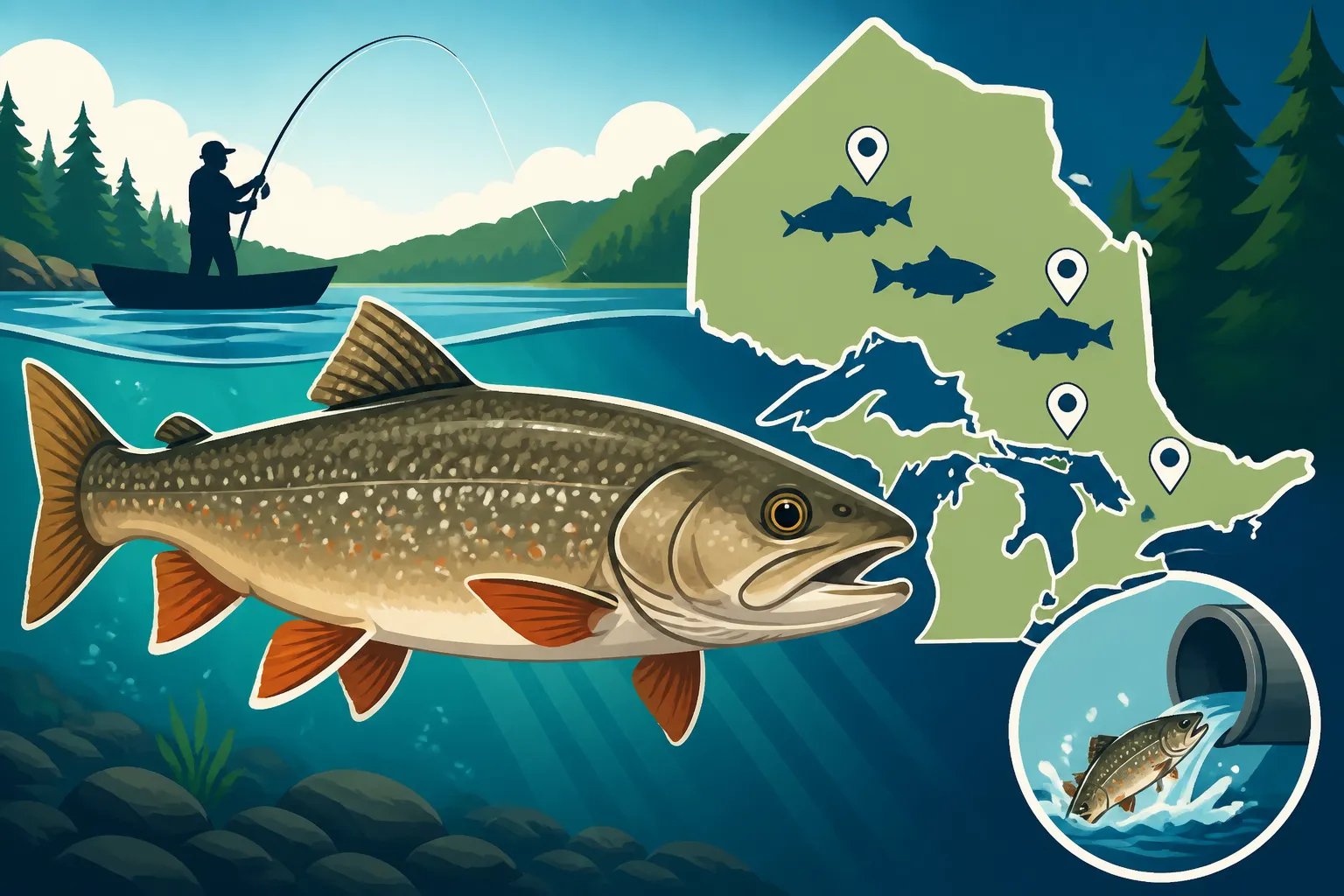
Across Ontario, the Ministry of Natural Resources and Forestry (MNRF) is responsible for stocking various fish species, including splake. These programs are often concentrated in specific Fisheries Management Zones (FMZs) where splake are deemed most beneficial. While southern Ontario sees some splake stocking, a significant portion of the program often focuses on Central and Northeastern Ontario, areas with an abundance of smaller to medium-sized lakes that fit the splake's habitat preferences. Regions such as Algonquin Park, the Haliburton Highlands, and areas around Sudbury, North Bay, and Timmins have historically had good splake opportunities.
The best way to find out about current stocking efforts is to consult the official stocking lists provided by the provincial government, which are updated regularly. These lists will tell you which lakes received splake, and often, how many. Additionally, local bait and tackle shops in these regions are invaluable resources; they'll have the most up-to-date information on local splake hot spots and current fishing conditions. Knowing which Ontario Fisheries Management Zones, Explained are active in splake stocking can significantly narrow your search.
Tips for Angling Splake
Catching splake can be incredibly rewarding, offering a spirited fight and often growing to impressive sizes. Their hybrid nature means they can exhibit feeding patterns and preferences that blend aspects of both brook and lake trout, making them an adaptable target.
Lures and Baits They Can't Resist
Splake are opportunistic feeders, and they respond well to a variety of presentations. Generally, techniques and lures effective for lake trout and brook trout will also work for splake. For early season or cooler water, small spoons, jigs, and minnow-imitating crankbaits are highly effective. Bright, flashy colours can often trigger a strike, especially in stained water, but natural baitfish patterns also have their day. Popular choices include classic spoons like the Little Cleo or Williams Wabler, often available at local tackle shops or through online retailers like Amazon. When jigging, consider slender vertical jigs or small tube jigs tipped with a piece of worm or a Berkley Gulp! minnow.
Live bait, such as minnows or worms, can be incredibly effective, especially when fished under a float or on a slow troll. When the water warms up and splake move deeper, you'll want to adjust your approach to target those cooler depths. Trolling with spoons or crankbaits on downriggers or with weighted lines can be productive. Consider checking out Best Gear for Ontario Trout Fishing for more general trout tackle advice that will apply to splake.
Seasonal Considerations for Splake Fishing
Like all trout species, splake fishing is heavily influenced by the seasons and water temperature. Spring, shortly after ice-out, is an excellent time to target splake as they'll be cruising shallower waters, actively feeding after the long winter. This is when casting from shore or small boats with spoons and spinners can be highly effective. As the water warms in summer, splake will retreat to cooler, deeper sections of the lake. This is when trolling or deep jigging becomes the go-to method. Make sure to consult Ontario Fishing Seasons by Zone and Month to understand the specific opening and closing dates for trout species in the zone you plan to fish.
Fall can also be a fantastic time for splake, as water temperatures cool again, and they become more active throughout the water column, often feeding aggressively in preparation for winter. Ice fishing for splake is another popular pursuit, with anglers using small spoons, jigs, or tip-ups baited with minnows. A good quality ice fishing auger, easily found on Amazon, is a must-have for this. Regardless of the season, understanding the specific Ontario Fishing Regulations Explained for the lake you are fishing is paramount, as limits and special rules can vary. Having a versatile fishing rod, perhaps a medium-light spinning rod, can cover many splake fishing scenarios, and you can explore options on Amazon for Best Fishing Rods for Ontario Lakes.
Disclaimer
This article is for general informational purposes only and does not constitute professional advice. Laws, prices and regulations vary by location and change over time. Consult a qualified professional for guidance on your specific situation.