Best Gear for Ontario Trout Fishing
Getting ready for a trout fishing trip in Ontario can feel overwhelming, especially when you're staring at a wall of gear in a store or scrolling through countless options online. It's tough to know what's truly essential, what's nice to have, and what's just marketing fluff, leaving many anglers frustrated and unsure where to invest their hard-earned money. This comprehensive guide will cut through the confusion, walking you through all the best gear for Ontario trout fishing, ensuring you're well-equipped for success, comfort, and safety on our beautiful waters.
Understanding Ontario's Trout Fishing Landscape
Ontario is a true angler's paradise, but its vastness and variety can be a bit intimidating when you're trying to figure out what gear you actually need. The type of trout you're chasing and the specific water you're fishing will heavily influence your equipment choices. It's not a one-size-fits-all situation, and understanding these nuances is the first step to building a truly effective trout fishing kit.
Diverse Trout Species and Their Habitats
Our province is home to a magnificent array of trout, each with its own preferences and behaviours. You might be targeting the elusive Brook Trout in a pristine, tiny Crown land creek, where stealth and light tackle are paramount. Or perhaps you're dreaming of a trophy Lake Trout deep in one of our vast northern lakes, which demands robust gear capable of handling powerful runs and heavy depths. Then there are Rainbow Trout, often found in larger rivers and stocked ponds, offering acrobatic fights, and Brown Trout, known for their cunning and size in certain river systems. Don't forget Splake, a brook and lake trout hybrid, often stocked in smaller lakes, or even the rare Aurora Trout in their protected rotational lakes. Each of these species, with their distinct habits, dictates a slightly different approach to gear. To learn more about identifying these species, check out Trout Species Identification Guide for Ontario.
The sheer variety means that a single rod and reel might not cut it for every scenario. Imagine trying to land a hefty Lake Trout on the ultralight setup you use for brookies – it would be a struggle, and likely result in broken line or lost fish. Conversely, trying to delicately present a tiny fly to a wary brook trout with heavy lake trout gear is practically impossible. This is why a thoughtful consideration of your target species is so crucial. Even within one species, like rainbow trout, the gear for a small stream resident will differ from that used for a larger, stocked river specimen.
Different Fishing Environments
Beyond the species, the environment itself plays a massive role in your gear selection. Are you planning to wade shallow, rocky rivers, requiring sturdy boots and perhaps a wading staff? Or will you be fishing from a boat on a large, deep lake, where sonar and downriggers might be advantageous? Many of Ontario's remote areas offer incredible opportunities for Brook Trout in Ontario's Crown Land Lakes, often requiring bushwhacking or canoe portaging, which means lightweight, durable, and packable gear is a must.
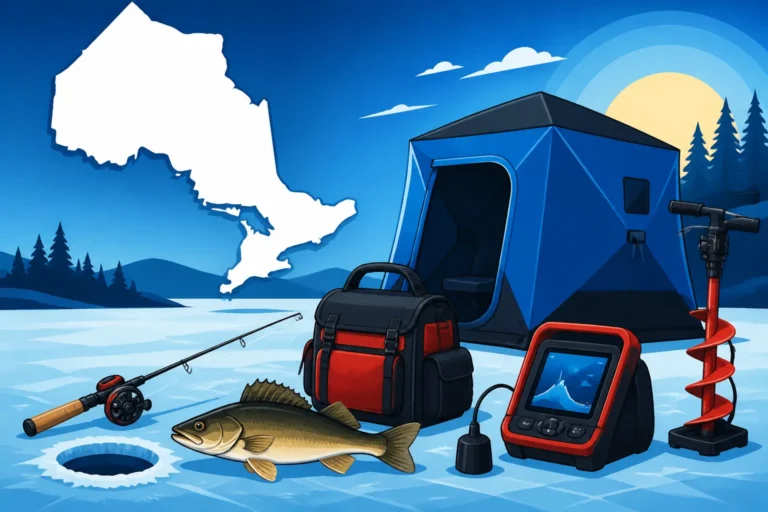
Consider the practicalities of the terrain. A dense, overgrown stream bank might make a long fly rod cumbersome, favouring a shorter spinning rod for quick, accurate casts. On the other hand, the wide-open expanse of a large lake demands longer casts and often heavier line. Ice fishing for trout, popular in winter, requires specialized gear like augers, ice huts, and specific jigging rods. The clearer waters of many northern lakes might necessitate fluorocarbon leaders for a less visible presentation, while stained, tannin-rich rivers might allow for slightly heavier, more visible lines. These environmental factors aren't just about comfort; they directly impact your ability to reach the fish and present your offerings effectively.
Essential Rod and Reel Setups for Ontario Trout
Choosing the right rod and reel is arguably the most fundamental decision for any angler, and trout fishing in Ontario is no exception. With so many options available, it’s easy to get overwhelmed, but breaking it down by the type of water and fish you'll encounter simplifies the process. Whether you prefer the tactile feel of a spinning rod or the artistry of fly fishing, there’s a perfect setup waiting for you.
Ultralight Spinning Gear for Smaller Streams and Ponds
For those delicate presentations to wary trout in smaller streams, creeks, and stocked ponds, an ultralight spinning setup is an absolute game-changer. These rods typically range from 5 to 6 feet in length, featuring a fast or moderate-fast action, which gives you the sensitivity to feel the subtlest bites and the backbone to handle surprisingly strong fish on light line. The beauty of ultralight gear lies in its ability to cast tiny lures and baits with precision, making it ideal for pinpointing casts under overhanging branches or into tight pockets of water. Paired with a small spinning reel (typically a 1000 or 2000 series size), spooled with 2-4 pound test monofilament or fluorocarbon line, you'll feel every head shake and run from even a modest trout.
This setup isn't just about the fight; it's about the experience. The lightness in hand reduces fatigue, allowing for hours of casting, and the enhanced sensitivity truly connects you to the fish. Imagine flicking a tiny inline spinner or a small worm into a bubbling eddy on a tiny creek. When a vibrant brook trout strikes, that ultralight rod bends into a beautiful arc, and the smooth drag of your reel sings as the fish makes its initial dash. It's an incredibly engaging way to fish, particularly for species like brook trout or smaller rainbows. Many anglers will head to retailers like Bass Pro Shops or browse selections on Amazon for a wide variety of these rods and reels.
Medium-Light Spinning Gear for Larger Rivers and Lakes
When you step up to larger rivers, bigger stocked lakes, or even certain scenarios on the Great Lakes tributaries targeting steelhead or larger resident trout, a medium-light spinning setup becomes your workhorse. These rods are generally 6.5 to 7.5 feet long, offering more casting distance and power than their ultralight counterparts. A medium-light action is versatile, allowing you to cast a wider range of lure sizes, from heavier spoons and spinners to jigging raps or even float fishing rigs. This extra length and power are crucial for managing heavier fish in stronger currents or deeper water, providing the leverage needed to steer a larger trout away from snags.
A 2500 or 3000 series spinning reel is a common match for this rod, spooled with 6-10 pound test monofilament, fluorocarbon, or braided line. This setup is incredibly versatile; it can handle jigging for lake trout in deeper water, casting spoons for aggressive rainbows on a stocked lake, or even drifting a roe bag in a river for steelhead. It's the go-to choice for many general-purpose trout anglers in Ontario who need a setup that can adapt to varying conditions and target larger specimens. For those looking to target Lake Trout specifically, a good starting point would be to explore How to Catch Lake Trout in Ontario.
Fly Fishing Setups for Dedicated Anglers
For the angler who appreciates the art and challenge of the cast, fly fishing offers an unparalleled connection to the trout and their environment. Ontario boasts incredible opportunities for Fly Fishing for Trout in Ontario, from tiny brook trout streams to large rivers holding steelhead and Atlantic salmon. A good all-around fly rod for Ontario trout would typically be a 9-foot, 5-weight rod. This size is versatile enough to handle most trout species, from average-sized brookies and rainbows to smallmouth bass you might encounter in trout waters. It's capable of casting a variety of dry flies, nymphs, and smaller streamers with accuracy and grace.
Of course, specialized fly fishing calls for specialized gear. For micro-streams where stealth and tight casting are key, a shorter 7.5-foot, 3-weight rod might be preferred. For larger rivers or when targeting bigger fish like steelhead, a 9-foot, 7 or 8-weight rod provides the necessary power to cast heavier flies and battle strong currents and powerful fish. Matching your rod with a quality fly reel that has a smooth, reliable drag system is crucial, as is selecting the appropriate weight-forward floating fly line for most applications. Remember, a good reel isn't just for holding line; it's for fighting fish, especially when a powerful trout makes a long, screaming run. For more in-depth advice on specific rods, consider looking into Best Fly Rods for Ontario Trout Streams.
The Right Line and Leader for Trout Success
Your fishing line is the ultimate connection between you and the fish, and its importance cannot be overstated, especially when trout fishing. Trout often have keen eyesight and can be very line-shy, making the right choice of main line, leader, and tippet critical for success. Beyond the line itself, knowing how to tie reliable knots is equally vital to ensure that this crucial connection holds true when it matters most.
Main Line Choices: Monofilament vs. Braided
When it comes to your main line for spinning setups, you generally have two primary contenders: monofilament and braided line. Monofilament, or "mono," has been a staple for decades. It's a single-strand nylon line, known for its stretch, which can act as a shock absorber, helping to prevent hooks from pulling out and absorbing the violent head shakes of a fighting trout. Mono is also generally less expensive, easy to tie knots with, and offers good abrasion resistance. For ultralight setups targeting pan-sized trout, 2-4 lb test mono is often perfect, offering subtle presentation and a forgiving stretch.
Braided line, on the other hand, is made by weaving multiple strands of synthetic fibers together. Its key advantages are its incredibly thin diameter for its strength, zero stretch, and exceptional sensitivity. This means you can feel every bump, tick, and subtle bite, which is invaluable in deeper water or when fishing with lighter presentations. Braided line floats, making it ideal for topwater applications, and it casts like a dream, allowing for longer distances. However, it's very visible in clear water, can be difficult to tie certain knots with, and can be more expensive. Many anglers use 6-10 lb braided line on their medium-light setups, pairing it with a fluorocarbon leader for a less visible presentation. This combination gives you the sensitivity and casting power of braid with the stealth of fluorocarbon at the business end.
Leader and Tippet: The Invisible Connection
For trout fishing, especially in clear Ontario waters, a leader and sometimes a tippet are absolutely essential. A leader is a length of line, typically less visible than your main line, tied between your main line and your lure or fly. Its primary purpose is to offer a nearly invisible presentation to wary trout. Fluorocarbon is the material of choice for leaders due to its near-invisible properties underwater (it has a refractive index very close to water), its excellent abrasion resistance, and its lack of stretch, which enhances sensitivity. For spinning gear, a 4-8 lb fluorocarbon leader, 2-5 feet in length, is commonly used.
In fly fishing, the leader is a tapered piece of monofilament or fluorocarbon that gradually thins out from the fly line to the tippet. The tippet is the thinnest section of the leader, typically 1 to 3 feet long, to which you tie your fly. The taper helps to transfer energy from the fly line to the fly, allowing for delicate presentations. Tippet size is crucial and is often denoted by an 'X' rating (e.g., 5X, 6X). The higher the X number, the thinner the tippet. For most general trout fishing, 4X to 6X tippet is suitable, but you might go as fine as 7X or 8X for tiny flies and extremely wary fish, or as heavy as 3X for larger streamers or nymph rigs. The choice between mono and fluoro for tippet depends on the presentation and water conditions, with fluoro being preferred for stealth and nymphing, and mono sometimes for its floatation with dry flies.
Knots That Won't Let You Down
Having the best line and leader means nothing if your knots fail. Learning a few reliable fishing knots is a skill every trout angler must master. For tying your main line to your reel, an Arbor Knot is perfect. For joining two lines of different diameters, such as braided main line to a fluorocarbon leader, the Double Uni Knot or the Albright Knot are popular and incredibly strong choices. Some anglers prefer an FG Knot for its low profile and strength, though it can be a bit more challenging to tie initially.
When attaching your lure, hook, or swivel to your leader, the Improved Clinch Knot or the Palomar Knot are tried and true favourites. The Palomar is particularly strong and easy to tie with braided line. For fly anglers, the Davy Knot or the Improved Clinch Knot are common for attaching flies to tippet. Practice these knots at home until you can tie them quickly and reliably, even in less-than-ideal conditions. A poorly tied knot is the weakest link in your entire setup, and nothing is more frustrating than losing a trophy trout due to a knot failure.
| Knot Type | Purpose | Best For | Advantages | Considerations |
|---|---|---|---|---|
| Arbor Knot | Attaching line to reel spool | Monofilament, Braided | Simple, secure, lays flat | Only for initial spooling |
| Improved Clinch | Attaching line to hook, lure, swivel | Monofilament, Fluorocarbon | Strong, reliable, widely used | Can weaken if not tied carefully with braid |
| Palomar Knot | Attaching line to hook, lure, swivel | Braided, Monofilament, Fluorocarbon | Extremely strong, simple to tie | Requires passing loop through eye twice |
| Double Uni Knot | Joining two lines (e.g., main to leader) | Monofilament to Monofilament, Braided to Mono | Strong, reliable, good for differing diameters | Can be bulky with heavier lines |
| FG Knot | Joining braided main line to fluorocarbon leader | Braided to Fluorocarbon | Very strong, slim profile, slides through guides | Difficult to learn, requires practice |
| Albright Knot | Joining lines of unequal diameter | Braided to Monofilament/Fluorocarbon | Strong, relatively simple | Can slip if not cinched tightly |
Must-Have Lures and Baits for Ontario Trout
Once you've got your rod, reel, and line sorted, it's time to think about what you'll actually use to entice those beautiful Ontario trout. The world of lures and baits is vast, but for trout, there are some undeniable classics and proven performers that every angler should have in their tackle box. What you choose will depend largely on the species you're targeting, the conditions, and your personal preference for active vs. passive fishing. If you're looking to organize your collection, consider a good Best Tackle Box Setup for Ontario Anglers.
Spinning Lures: Spoons, Spinners, and Jigs
For spinning rod anglers, a selection of spoons, inline spinners, and small jigs are absolute staples for trout fishing in Ontario.
Spoons are incredibly versatile. Their wobbling action mimics injured baitfish, making them irresistible to hungry trout. Colours vary, but silver, gold, and vibrant patterns like Five of Diamonds or Firetiger are consistently effective. Sizes typically range from 1/8 oz to 1/2 oz, depending on the casting distance needed and the size of fish you anticipate. Brands like Little Cleo, EGB, or Williams Wabler are famous for a reason; they just catch fish. Spoons are fantastic for casting and retrieving, trolling for lake trout, or even jigging through the ice.
Inline spinners are another tried-and-true option. The rotating blade creates flash and vibration, a powerful attractant for all trout species. Mepps Aglia, Blue Fox Vibrax, and Panther Martin are iconic choices. Again, silver, gold, copper, and fluorescent colours are great starting points. Sizes from #0 to #3 are good for smaller streams and pond trout, while #4 and #5 can entice larger rainbows and brook trout in bigger waters. Their continuous flash makes them easy for trout to spot, even in slightly stained water.
Small jigs are incredibly effective for a subtle presentation, especially in deeper pools or slower currents. Marabou jigs, micro-tube jigs, or small grub-tailed jigs in white, black, olive, or brown can imitate various aquatic insects or small baitfish. Tipping them with a small piece of worm or a Berkley Gulp! Alive! minnow can significantly increase their appeal. Jig weights from 1/32 oz to 1/8 oz are common, often fished under a float or bounced along the bottom. These are particularly deadly for finicky trout that might ignore more aggressive presentations.
Live and Prepared Baits: A Timeless Classic
Sometimes, nothing beats the natural appeal of live bait. For many generations of Ontario anglers, a wriggling worm under a bobber was their introduction to trout fishing, and it remains a highly effective method.
Worms, especially red wigglers or nightcrawlers, are universally appealing to trout. They're easy to acquire, relatively inexpensive, and can be fished in a multitude of ways: on the bottom, under a float, or even drifted downstream. The natural scent and movement are often enough to trigger a strike when lures might be ignored.
Minnows, both live and preserved, are excellent for targeting larger trout, particularly lake trout, aggressive rainbows, and brown trout. When fishing for lake trout, a live minnow fished on a quick-strike rig or under a slip float can be deadly. Preserved minnows, often scented, can also be trolled or jigged effectively.
Roe bags (fish eggs in a mesh sack) or single salmon eggs are devastatingly effective, particularly for migratory trout like steelhead during their spawning runs, or for stocked trout that are conditioned to feed on them. They offer a concentrated burst of protein and scent that trout find hard to resist.
Prepared baits like Berkley PowerBait or similar dough baits are another popular option, especially for stocked trout in ponds and lakes. These often come in vibrant colours and strong scents designed to attract fish from a distance. They can be molded onto a hook and fished on the bottom or under a float, slowly releasing their scent trail.
Fly Selection for Different Hatches and Conditions
Fly anglers delve into a mesmerizing world of imitations, meticulously choosing flies to match the natural diet of trout. The key to successful fly fishing is often "matching the hatch"—selecting a fly that resembles the insects currently emerging or present in the water.
Dry flies are designed to float on the surface, mimicking adult aquatic insects like mayflies, caddisflies, and stoneflies. Patterns like the Adams, Elk Hair Caddis, Royal Wulff, and various parachute patterns are indispensable. Different sizes (from tiny #20 midges to large #8 stoneflies) are needed to match specific hatches. Presentation is everything with dry flies, aiming for a natural, drag-free drift.
Nymphs imitate the immature, underwater stages of these same insects, which make up the bulk of a trout's diet. Patterns like the Pheasant Tail, Hare's Ear, Prince Nymph, and various stonefly nymphs are highly effective. Nymphs are typically fished sub-surface, often with an indicator, to drift naturally along the bottom. Varying the weight (with bead heads or split shot) and size is crucial to get them into the feeding zone.
Streamers are larger, often weighted flies designed to imitate baitfish, leeches, or large aquatic invertebrates. Woolly Buggers (in olive, black, brown), Clouser Minnows, and various sculpin patterns are go-to streamers. They are fished with an active retrieve, stripping them through the water to mimic fleeing prey, and can provoke aggressive strikes from larger, predatory trout.
Finally, having a few terrestrial patterns like grasshoppers, ants, and beetles can be incredibly effective during summer months when land-based insects accidentally fall into the water. Having a diverse fly box that covers different life stages and food sources will give you the best chance for success on Ontario's varied trout waters.
Wading Gear and Apparel for Comfort and Safety
Trout fishing in Ontario often means getting wet, whether it's standing in a cold river or dealing with unexpected rain. The right wading gear and apparel are not just about comfort; they're essential for safety, allowing you to fish longer and more effectively. From staying dry to protecting yourself from the elements, investing in quality outdoor clothing and footwear is crucial for any serious trout angler.
Waders and Wading Boots: Staying Dry and Stable
If you plan on spending any time in Ontario's trout streams and rivers, a good pair of waders is an absolute must-have. Modern waders are typically made from breathable materials like Gore-Tex or similar membranes, which allow perspiration to escape while keeping water out. This is a huge improvement over older neoprene waders, which could quickly become clammy and uncomfortable. Chest waders are the most versatile, offering protection for deeper wading, but hip waders can be adequate for shallower streams. Look for waders with reinforced knees and seat for durability, and consider integrated gravel guards to keep debris out of your boots.
Pairing your waders with proper wading boots is equally important for stability and safety. Good wading boots offer excellent ankle support and a grippy sole to navigate slippery, rocky riverbeds. Felt soles were once the standard for their superior grip on wet rocks, but many areas now restrict or prohibit felt due to concerns about transferring invasive species. Rubber soles with aggressive tread patterns are now very popular, and many feature studs or cleats for enhanced traction. The choice between felt and rubber (or a combination) depends on your local regulations and the type of river bottom you'll encounter. Whatever you choose, ensure they fit well over your wader's neoprene booties, allowing for warm socks without being too tight. For more detailed insights, check out Best Waders for Ontario Trout Streams and Best Wading Boots for Rocky Streams.
Layering Systems for Ontario's Variable Weather
Ontario's weather can be notoriously unpredictable, especially during spring and fall trout seasons. A sunny morning can quickly turn into a chilly, rainy afternoon, or even a sudden hailstorm. The key to staying comfortable and safe through these changes is a well-thought-out layering system.
Start with a base layer made of moisture-wicking material (synthetic or merino wool), which draws sweat away from your skin, keeping you dry and preventing chills. Avoid cotton as a base layer, as it absorbs moisture and stays wet, cooling your body.
Next, an insulating mid-layer is crucial for warmth. Fleece jackets or insulated vests are excellent choices, providing warmth without excessive bulk. Depending on the temperature, you might wear one or two mid-layers.
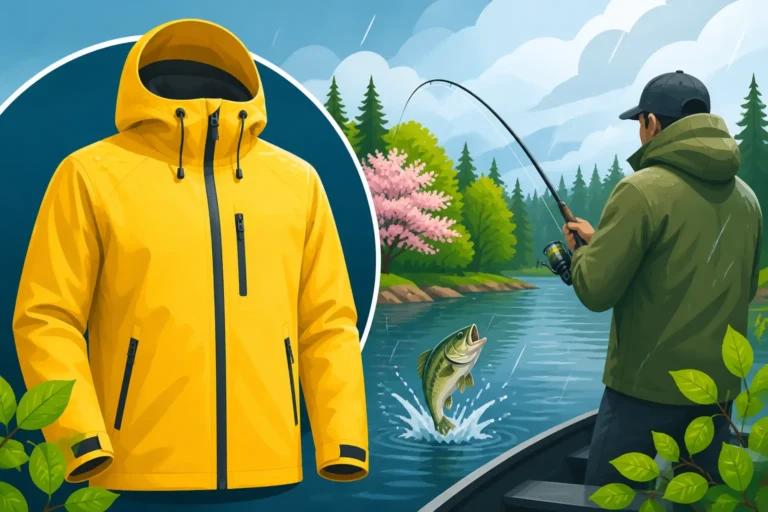
Finally, an outer shell provides protection from wind and rain. A waterproof and breathable jacket (again, Gore-Tex or similar technology is ideal) is essential. This outer layer should be able to shed water effectively while still allowing your body to breathe, preventing that clammy feeling. Look for features like adjustable hoods, waterproof zippers, and snug cuffs to keep the elements out. This system allows you to add or remove layers as conditions change, ensuring optimal comfort throughout your fishing day.
Essential Accessories: Vests, Packs, and Sunglasses
Beyond your main apparel, several accessories can significantly enhance your trout fishing experience. A fishing vest or a specialized chest pack/sling pack is invaluable for keeping your essential gear organized and easily accessible. These allow you to carry fly boxes, lure trays, tippet spools, forceps, nippers, and other small tools without having to constantly dig through a larger backpack. Look for designs that distribute weight comfortably and allow for freedom of movement. Many anglers find a good vest indispensable, especially when wading.
Polarized sunglasses are not just for eye protection from the sun's glare and errant hooks; they're a vital fishing tool. By cutting through surface glare, polarized lenses allow you to see into the water, spot submerged structure, and, crucially, sometimes even spot the fish themselves. This edge can be the difference between a frustrating day and a successful one. Amber or copper lenses are often excellent for varying light conditions.
Other small but important accessories include a hat for sun protection, fingerless gloves for warmth and dexterity in cooler weather, a wading staff for stability in strong currents or on uneven bottoms, and a small first-aid kit for minor cuts and scrapes. Don't forget a quality landing net with a rubberized, knotless mesh to protect the fish if you plan on catch-and-release; Best Landing Net for Trout provides more details on this. Having these items organized and readily available can make a huge difference in your overall enjoyment and safety on the water.
Navigation and Safety on Ontario Trout Waters
Ontario's trout waters can range from easily accessible roadside streams to vast, remote lakes that require significant planning and proper equipment for safe navigation. Whether you're hiking in, paddling a canoe, or powering a boat, understanding the tools and safety protocols is paramount. Getting to the fish is only half the battle; ensuring you can do so safely and return home without incident is just as critical.
Boats and Kayaks for Lake Trout and Larger Waters
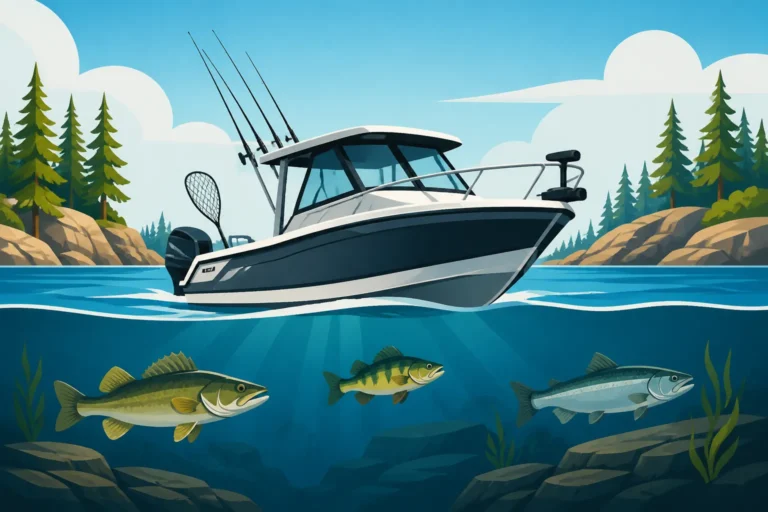
For accessing larger lakes, especially those teeming with Lake Trout, Northern Pike, or larger migratory trout, a boat becomes essential. This could range from a small aluminum utility boat (often called a "tinny") suitable for smaller lakes and portaging, to a more substantial bass boat or deep-V multi-species boat for bigger water like Lake Simcoe or even parts of Lake Huron. When selecting a boat, consider the size of the water bodies you'll be frequenting, the weather conditions you might encounter, and how you plan to transport and launch it. Stability, storage, and the ability to handle chop are key considerations.
For a more intimate experience, fishing kayaks have exploded in popularity. They offer stealth, access to shallow areas larger boats can't reach, and a great workout. Specialized fishing kayaks come equipped with rod holders, storage compartments, and stable platforms for casting. They are fantastic for exploring quieter bays, smaller lakes, and slow-moving rivers. Whether boat or kayak, ensure it’s properly registered and equipped with all required safety gear. Also, check out resources on Ontario Boat Registration and Licensing Rules and Life Jacket Requirements for Ontario Boaters to ensure you're compliant. Remember, a vessel is only as safe as its operator, so always boat responsibly.
Water Safety Essentials: Life Jackets and First Aid
Regardless of how you access the water, personal safety should always be your top priority. In Ontario, wearing a Personal Flotation Device (PFD) or life jacket is not just good practice, it's often legally required for certain types of vessels and situations. Even if you're an excellent swimmer, a PFD can save your life if you unexpectedly fall into cold water or are incapacitated. Modern PFDs are much more comfortable and less bulky than old-school life vests, with options specifically designed for anglers that incorporate pockets and tool attachment points. Always wear one that fits properly and is approved for use in Canada.
Beyond PFDs, a well-stocked first-aid kit is non-negotiable. Minor cuts from hooks, scrapes from rocks, or blisters from long hikes are common occurrences. Your kit should include bandages, antiseptic wipes, pain relievers, allergy medication, and any personal medications you might need. Additionally, carrying a whistle (for signaling in emergencies), a knife (for cutting line or other tasks), and a waterproof flashlight or headlamp are basic safety items. If venturing into remote areas, consider a satellite messenger or personal locator beacon (PLB) for true peace of mind, as cell service is often non-existent.
Tools and Gadgets for the Modern Trout Angler
The modern angler has an array of tools and gadgets at their disposal to enhance efficiency and success. A fish finder (sonar unit) is invaluable for boat and even kayak anglers, especially when targeting deep-dwelling lake trout. These devices help you locate fish, identify submerged structure, and track depth and water temperature – all critical information for patterning trout. Portable units are available that can easily be mounted on kayaks or small boats.
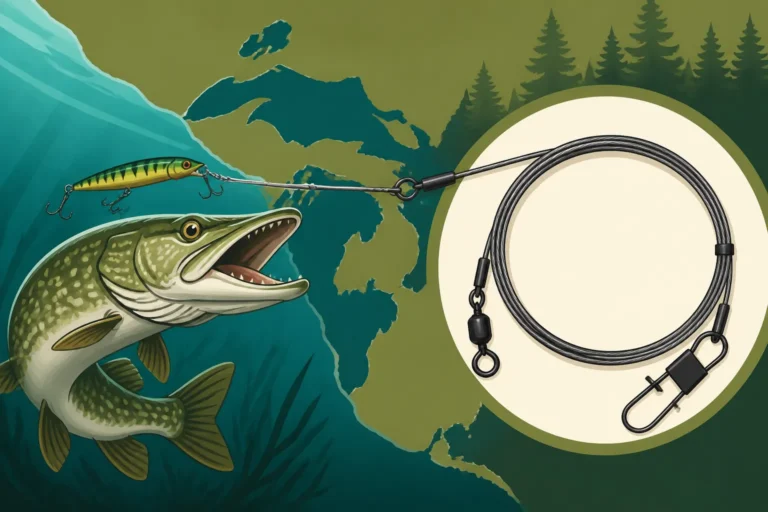
For navigating unfamiliar waters or remote areas, a GPS device or a reliable map app on your smartphone (with pre-downloaded maps) is highly recommended. This helps you mark waypoints, track your path, and prevent getting lost. A good pair of fishing pliers or forceps is essential for safely removing hooks from fish (especially if practicing catch-and-release), crimping split shot, or cutting line. For handling larger, toothy trout like pike or muskie that might be sharing trout habitat, a long-nosed pliers or even a fish gripper can protect your hands. Finally, a small, waterproof camera can capture those memorable moments on the water, allowing you to relive your adventures and share the beauty of Ontario's trout. Always remember to check Ontario Fishing Regulations Explained before heading out, as rules for specific species and zones, like Ontario Lake Trout Limit and Possession Rules, can vary significantly.
Putting It All Together: Building Your Trout Fishing Kit
So, you've learned about all the different components that make up a successful Ontario trout fishing kit. Now, how do you actually go about assembling it, especially if you're starting from scratch or on a budget? It's about making smart choices, prioritizing essentials, and gradually building up your collection based on your interests and fishing goals. Remember, the best gear is the gear that gets you out on the water fishing!
Budget-Friendly Options and Getting Started
Starting a new hobby can feel expensive, but trout fishing doesn't have to break the bank. You can put together a perfectly capable starter kit without emptying your wallet. Look for combo deals that include a rod and reel pre-spooled with line; these often offer great value. Many reputable brands offer excellent entry-level spinning combos that are more than sufficient for catching trout in Ontario's streams and lakes. Stores like Bass Pro Shops often have dedicated beginner sections, and online retailers such as Amazon frequently feature deals on these types of packages.
Instead of buying a huge variety of lures, focus on a few proven trout producers: a handful of silver and gold inline spinners (Mepps, Blue Fox), a couple of small spoons (Little Cleo, Williams Wabler), and a pack of small marabou or tube jigs. Pick up a container of worms, some basic hooks, split shot, and a few small floats. For line, a spool of 4-6 lb monofilament will serve you well. Don't forget a basic pair of polarized sunglasses, a hat, and a small backpack to carry your gear. If wading, consider affordable PVC or rubber waders, or simply wear quick-drying pants and boots suitable for getting wet if you're only targeting shallow areas. The goal is to get out and start fishing, learning what you like and what works, before investing heavily in specialized gear.
Upgrading Your Gear: When and Why
As you gain experience and discover your preferred styles of trout fishing, you'll naturally start to identify areas where upgrading your gear could make a noticeable difference. This isn't about conspicuous consumption; it's about enhancing performance, comfort, and the overall fishing experience.
One of the first upgrades many anglers consider is a higher-quality rod and reel. A more sensitive rod can help you detect subtle bites, especially when nymphing or fishing with light jigs. A smoother reel with a more precise drag system can handle larger, harder-fighting fish with less chance of breakage. For fly anglers, a better rod can significantly improve casting accuracy and distance.
Another common upgrade is to breathable waders and better wading boots. The comfort difference between basic PVC waders and a high-end breathable pair is substantial, especially on longer fishing days or in warmer weather. Improved boot traction also offers greater confidence and safety on slick riverbeds. Similarly, investing in a dedicated fishing vest or pack designed for organization and easy access can streamline your time on the water. Upgrading your electronics, such as a more advanced fish finder with better imaging, might be beneficial if you're regularly targeting deep-water lake trout. The "why" for upgrading is always about solving a specific problem or improving a particular aspect of your fishing that you now understand better through experience.
Maintenance and Storage for Longevity
Taking care of your fishing gear is crucial for extending its lifespan and ensuring it performs reliably trip after trip. After each outing, especially if fishing in saltwater (less common for trout, but important for Great Lakes tributaries), always rinse your rod, reel, and lures with fresh water to remove dirt, salt, and grime. Pay particular attention to your reel, ensuring no sand or debris is lodged in moving parts. Allow everything to air dry thoroughly before storing to prevent mildew and corrosion.
Regularly inspect your line for nicks or abrasions, especially after fighting a fish or getting snagged. Re-tie your knots periodically, even if they seem fine. Periodically clean and lubricate your reel according to the manufacturer's instructions; this helps maintain smooth operation and prevents internal corrosion. Store rods upright or horizontally, never leaning them against a wall where they can warp or break. Keep lures in organized tackle boxes, and store waders hanging upside down to dry completely and prevent creasing. With proper care, your trout fishing gear will be ready for countless adventures on Ontario's beautiful waters, allowing you to focus on the thrill of the catch. For more about preparing your fishing equipment, consider Best Tackle Box Setup for Ontario Anglers.
Disclaimer
This article is for general informational purposes only and does not constitute professional advice. Laws, prices and regulations vary by location and change over time. Consult a qualified professional for guidance on your specific situation.