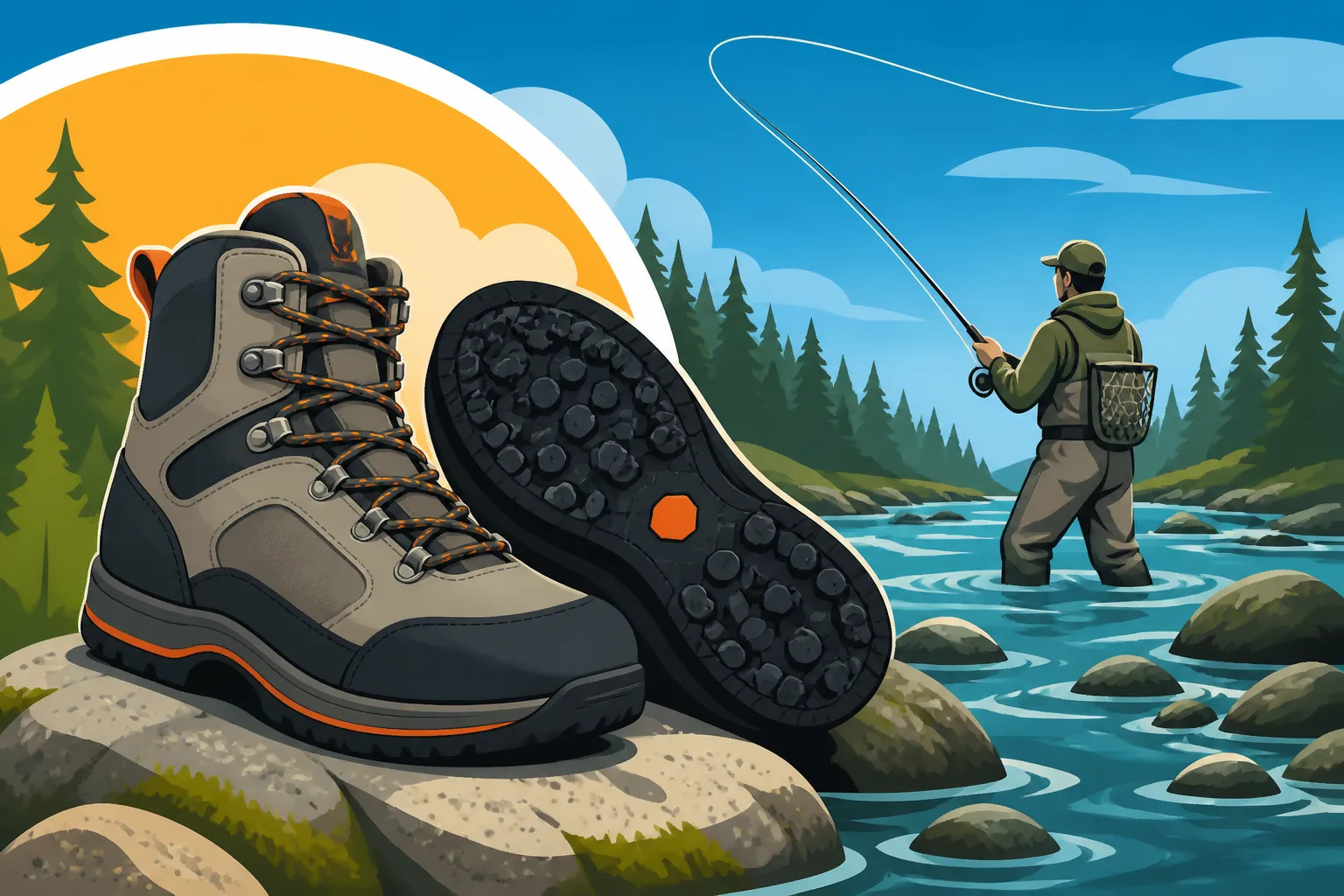
Best Wading Boots for Rocky Streams
There’s nothing quite like the feeling of wading into a pristine Ontario trout stream, the cool water swirling around your legs, the promise of a hidden brook trout lurking under a log. But let's be real, that serene picture can quickly turn into a treacherous nightmare if you’re constantly slipping on slick rocks or feeling every sharp stone through your flimsy footwear. The struggle is real when you’re trying to maintain your balance, focus on your cast, and navigate a riverbed that feels like an obstacle course of mossy boulders and shifting gravel. This guide is all about helping you conquer those challenging waters by understanding exactly what to look for in the best wading boots for rocky streams, ensuring you stay upright, comfortable, and focused on the fish, not your footing.
The Undeniable Importance of Specialized Wading Boots for Rocky Ontario Streams
Many anglers, especially those new to wading, might think any old pair of waterproof boots will do. But the moment you step into an Ontario river like the Credit or the Grand, with their notorious slippery rock beds, you’ll quickly realize how mistaken that idea is. Specialized wading boots aren't just a nicety; they're an absolute necessity for safety, performance, and overall enjoyment when you're tackling rocky, uneven streambeds.
Safety First: Avoiding Painful Falls and Injuries
Let's face it, falling in a river is no joke. Beyond just getting soaked and potentially losing gear, a bad fall on rocky terrain can lead to serious injuries – sprained ankles, broken bones, or worse. The specialized design of wading boots, particularly those built for rocky streams, focuses heavily on providing maximum grip and stability. They feature aggressive sole patterns, often made from specific materials designed to bite into slippery surfaces, and offer robust ankle support to prevent twists and turns. Think about traversing a section of the Saugeen River where the current is strong and the rocks are covered in that almost invisible layer of algae; without proper traction, you’re basically on roller skates. This isn't just about preventing a minor inconvenience; it's about protecting yourself in potentially dangerous situations.
Enhanced Performance: Focus on Fishing, Not Footing
When you're constantly worried about your next step, your fishing takes a backseat. You can't make that perfect downstream mend, or focus on spotting that subtle take, if you're preoccupied with staying upright. High-quality wading boots free your mind to concentrate on the task at hand: fishing. They allow for confident movement, letting you navigate tricky currents and submerged boulders with greater ease. This improved mobility means you can position yourself better, reach those promising pockets of water, and spend more time casting and less time scrambling. It's the difference between tentatively shuffling through a run and confidently striding to cast at a rising fish. Wading Techniques for Ontario Trout Streams explores this further, emphasizing how proper footwear underpins effective wading.
Unbeatable Comfort for Long Days on the Water
Imagine spending six, eight, or even ten hours on your feet, hiking to a remote stream, wading through currents, and walking back. If your boots aren't comfortable, that dream day can quickly become a painful ordeal. Specialized wading boots are designed with comfort in mind, often featuring cushioned midsoles, proper arch support, and breathable materials that keep your feet from overheating or feeling waterlogged. They’re also built to withstand the constant abrasion and punishment that comes with walking through rocky rivers, meaning less wear and tear on your feet and on the boots themselves. A comfortable boot means less fatigue, allowing you to fish longer and enjoy the experience more fully.
Essential Features to Prioritize in Wading Boots for Rocky Terrain
When you’re looking to invest in a pair of wading boots, especially for the challenging, rock-strewn rivers of Ontario, it's crucial to know what really matters. Not all boots are created equal, and some features are far more critical than others for stability and longevity on those slippery riverbeds.
Superior Ankle Support for Stability
One of the most common injuries while wading is a twisted or sprained ankle. The unpredictable nature of rocky streambeds, hidden crevices, and shifting stones makes strong ankle support non-negotiable. Look for boots that extend higher up the ankle, providing a snug, secure fit. Many quality boots incorporate internal padding and reinforced uppers around the ankle bone to cradle your foot and prevent it from rolling. This support is invaluable when you step unexpectedly into a deeper pocket or shift your weight on an unstable rock. It’s like having a built-in safety net for your ankles, especially important when you’re trying to navigate a tricky run on a productive river known for its large brown trout, where a slip could cost you a fish and an injury.
Robust Toe and Heel Protection
Stubbing your toes on submerged rocks is a rite of passage for many anglers, but it doesn’t have to be a painful one. Wading boots designed for rocky environments feature reinforced toe caps, often made from rubber or other durable, impact-resistant materials. This protection shields your feet from bumps, scrapes, and even crushing impacts from larger stones in the current. Similarly, reinforced heels provide stability and prevent wear and tear in an area that takes a lot of abuse. Think of the sharp edges of a granite boulder in a Northern Ontario stream; without adequate protection, your feet would be screaming by the end of the day. Boots from brands often found at Bass Pro Shops or on Amazon usually highlight these protective features in their descriptions.
Efficient Drainage and Quick Drying Materials
While wading boots are designed to be submerged, efficient drainage is key to comfort and preventing your boots from becoming waterlogged and heavy. Look for boots with mesh panels or strategically placed drain holes that allow water to escape quickly when you exit the stream. This not only reduces the weight of the boots but also helps them dry faster. Quick-drying materials, both inside and out, are essential for preventing mildew, unpleasant odors, and prolonging the life of your boots. Nobody wants to put on soggy, smelly boots the next morning, especially if you're on a multi-day fishing trip in Algonquin Park.
Secure Lacing Systems
The lacing system might seem minor, but it plays a huge role in how securely your boot fits and how easily you can get in and out of it. Traditional laces are common, but look for systems with durable eyelets (metal or strong plastic) that won’t rust or break. Some boots feature speed laces or BOA systems, which allow for quick and precise tightening, making adjustments simple even with cold, wet hands. A well-designed lacing system ensures a snug fit across your foot, which is critical for stability and preventing your foot from sliding around inside the boot, especially when you factor in the thickness of your waders. It also impacts how easily you can get your boots on and off after a long day.
A Deep Dive into Wading Boot Sole Materials for Optimal Rock Grip
The sole of your wading boot is arguably the most critical component for traction on rocky stream beds. The material and design of the sole directly determine how well you’ll grip slippery rocks, navigate muddy banks, and handle varied terrain. Each material has its own set of advantages and disadvantages, making the choice a personal one based on the specific waters you fish and your priorities.
Felt Soles: The Traditional King of Slipperiness (with a caveat)
For decades, felt soles were the undisputed champion for gripping wet, algae-covered rocks. The dense, fibrous material creates an incredible amount of friction, almost adhering to slick surfaces. If you’ve ever felt like you could walk on mossy bowling balls, you were probably wearing felt. This makes them fantastic for stream beds where slippery, rounded rocks are the norm, like many of Ontario’s smaller trout streams.
However, felt comes with a significant drawback: it’s terrible on dry land, providing almost no grip on mud, grass, or loose gravel. Walking to and from the river can be surprisingly hazardous. More importantly, felt has faced increasing scrutiny and bans in many regions due to its propensity to pick up and transport invasive species, like zebra mussels or whirling disease spores, from one water body to another. The fibers can trap microscopic organisms, which then dry and can be transferred when you move to a new location. This is a serious ecological concern, and while not universally banned in Ontario, it's something every angler should be aware of. Always check local regulations and consider the ecological impact when choosing felt. If you do use felt, rigorous cleaning and drying between waterways is paramount.
Rubber Soles (Vibram): Versatility and Eco-Consciousness
Modern rubber soles, often featuring proprietary compounds like Vibram, have made huge strides in recent years, becoming a strong contender and often a preferred choice for many anglers. These soles offer excellent all-around traction, performing well not only on wet rocks but also on dry land, mud, and snow. Their aggressive lug patterns shed mud and debris, making them much more practical for hiking to access remote fishing spots.
The biggest advantage of rubber soles is their reduced risk of transporting invasive species. They are much easier to clean and dry completely, which is a huge win for protecting our precious waterways. While early rubber soles might not have matched felt’s grip on extremely slick, algae-covered rocks, newer compounds and tread designs have closed that gap considerably. Many anglers now find them perfectly adequate for most conditions, especially when paired with studs for added grip. If you’re fishing a variety of waters, from rocky streams to muddy banks, a good rubber sole from a brand like Patagonia or Simms is often the most versatile and responsible choice.
Studded Soles: The Ultimate Traction Boost
For the ultimate in grip and confidence on truly treacherous, rocky, and slippery streambeds, studded soles are the way to go. These can be either felt soles with metal studs embedded in them, or more commonly now, rubber soles equipped with screw-in or integrated metal studs (often carbide or aluminum). The studs literally bite into the rock, providing an unparalleled level of traction.
If you’re regularly navigating fast currents, large, unstable rocks, or icy conditions during winter steelheading, studs can be a game-changer. They transform a precarious walk into a confident stride. However, there are a few considerations: studs can be noisy on rocks, and they can damage soft boat floors, car carpets, or delicate surfaces. Some regulations might also restrict their use in certain sensitive areas, though this is less common than felt bans. For many serious wade anglers in Ontario, particularly those targeting Ontario Brook Trout in Crown Land Lakes or Ontario Lake Trout Limit and Possession Rules in rocky areas, a rubber sole with screw-in studs offers the best of both worlds: good general traction and the option for extreme grip when needed. You can often purchase studs separately and add them to compatible rubber-soled boots bought from retailers like Bass Pro Shops.
Here’s a quick comparison of the sole types:
| Sole Type | Grip on Wet Rocks | Grip on Dry Land | Invasive Species Risk | Durability | Best For |
|---|---|---|---|---|---|
| Felt | Excellent | Poor | High | Moderate | Extremely slick, algae-covered rocks; less dry walking |
| Rubber | Good to Excellent | Good | Low | High | Versatile, mixed terrain, eco-conscious |
| Studded | Exceptional | Moderate (can be slippery on hard surfaces) | Low (if rubber) | High | Treacherous, fast-moving, icy, or very steep rocky streams |
The Anatomy of a Quality Wading Boot: Beyond Just the Sole
While the sole gets a lot of attention, a truly great wading boot is a sum of its parts. Every component plays a role in comfort, durability, and performance. Understanding the construction elements will help you discern a quality boot that will last through many seasons of Ontario fishing adventures.
The Midsole and Outsole: Foundation for Comfort and Protection
Underneath that crucial sole material is the heart of the boot: the midsole and outsole. The midsole is typically a layer of cushioning material, like EVA foam, designed to absorb shock and provide comfort. This is where your feet get their much-needed relief from the relentless pounding of rocky riverbeds. A good midsole makes a significant difference during long days, reducing foot fatigue and protecting your joints. It helps distribute your weight evenly and provides insulation from cold water.
The outsole, distinct from the outermost traction layer (felt, rubber, or studded), is the rigid base to which the traction material is attached. It provides the overall structure and stiffness to the boot, protecting your feet from sharp objects and providing a stable platform. Look for boots where the outsole offers sufficient rigidity without being overly cumbersome, allowing for natural foot flexion while still guarding against punctures.
Upper Materials: Durability, Breathability, and Weight
The upper of a wading boot is designed to withstand harsh environments. Common materials include synthetic leather, heavy-duty nylon, and rubberized reinforcements.
- Synthetic Leather: Offers excellent durability and resistance to abrasion. It holds up well against sharp rocks and repeated immersion.
- Heavy-Duty Nylon: Often used in combination with synthetic leather, nylon provides breathability and reduces overall boot weight. Look for dense weaves that resist snags and tears.
- Rubberized Reinforcements: Found strategically placed around the toe, heel, and sides of the boot, these layers provide extra protection against impacts and scuffs, extending the boot's lifespan.
The choice of upper materials impacts not only the boot’s durability but also its weight and breathability. Lighter, more breathable boots are often preferred for summer fishing or long hikes, while heavier, more protective boots might be favored for colder conditions or extremely rugged terrain. Ensuring good stitching and robust seams is also key; these are often the first points of failure in lesser quality boots.
Stitching and Reinforcement: Built to Last
Wading boots take a beating. They're constantly wet, rubbed against rocks, and subjected to mud, sand, and varying temperatures. Because of this, the quality of stitching and overall reinforcement is paramount. Look for double or triple stitching in high-stress areas, especially where the upper meets the sole. Robust, corrosion-resistant hardware for lacing (like metal D-rings or speed hooks) is also a sign of a boot built to endure.
Many top-tier boots use a "rand" – a protective rubber strip that wraps around the entire base of the boot, where the upper meets the sole. This rand acts as a bumper, protecting the most vulnerable part of the boot from abrasion and helping to seal out debris. Think about the constant friction as you shuffle through fast currents; a good rand can mean the difference between a boot that lasts five seasons and one that wears out in two. This kind of attention to detail is what separates a reliable, long-lasting boot from a frustrating, short-lived purchase.
Finding Your Perfect Match: Sizing and Comfort for Ontario Waders
So, you’ve got a handle on the features and materials, but none of that matters if the boots don't fit right. Achieving the perfect fit in wading boots is a bit different from buying regular shoes, largely because you'll be wearing them over waders. A poor fit can lead to discomfort, blisters, and even compromised safety on the river.
Sizing for Waders: A Crucial Consideration
This is where most people make their first mistake. Wading boots are almost always sized to accommodate the neoprene booties of your waders and thick wading socks. This means you typically need to size up from your regular shoe size. However, "sizing up" isn't a universal rule of thumb. Different brands have different sizing conventions:
- True to Size (with waders in mind): Some manufacturers already account for wader booties, so you might buy your regular shoe size, and they'll fit perfectly with your waders.
- Size Up One or Two: Other brands require you to go up one or even two full sizes from your street shoe size to accommodate the bulk of your wader booties.
The absolute best way to ensure a correct fit is to try on boots while wearing your waders and the thickest socks you typically use for fishing. Walk around, go up and down some stairs if possible. You want enough room for your toes to wiggle comfortably, but not so much that your foot slides around inside the boot. There should be no pinching or excessive pressure points. A snug fit, without being tight, is ideal to prevent blisters and provide optimal stability. Best Waders for Ontario Trout Streams offers more insights into matching your waders with your boots.
Insole Comfort and Arch Support
Even with the thick neoprene of your waders, the insole of your wading boot contributes significantly to overall comfort and foot health. Many factory insoles are quite basic. If you have specific arch support needs or suffer from plantar fasciitis, consider replacing the stock insoles with aftermarket orthopedic ones. A good insole will provide cushioning and support, reducing fatigue and preventing pain, especially after hours of standing and walking on uneven ground.
Think about how much impact your feet absorb from walking on river stones; a quality insole acts as a critical shock absorber. It also helps position your foot correctly within the boot, which ties back to stability and preventing unnecessary movement that can lead to blisters. Don't underestimate the power of a good insole to transform a decent boot into a truly comfortable one.
The Trial and Error of Finding Your Fit (and Where to Buy)
Unfortunately, there's no substitute for trying boots on. Online shopping is convenient, and you can find great deals on Amazon, but for wading boots, if at all possible, try to visit a physical store. Specialized outdoor retailers or fishing pro shops, like a local Bass Pro Shops, are ideal. They often have knowledgeable staff who can guide you through the sizing process, and many even have mock-up waders you can try on with the boots.
If buying online is your only option, read reviews carefully for sizing advice from other anglers. Be prepared to order a couple of different sizes or brands and return what doesn't fit. Pay attention to return policies. Remember, the goal is a boot that feels like an extension of your foot – supportive, secure, and comfortable enough that you almost forget you're wearing it, leaving you free to enjoy the flow of the river and the thrill of the catch. When you're standing knee-deep in a cold stream, the last thing you want to be thinking about is aching feet.
Keeping Your Wading Boots in Top Shape: Maintenance for Longevity
Wading boots are an investment, and like any good piece of gear, they need a little TLC to last. Neglecting them can lead to premature wear, unpleasant smells, and even the spread of aquatic hitchhikers. A few simple steps after each outing can significantly extend their life and keep them performing their best.
Thorough Cleaning After Every Use
This is perhaps the most important step, especially if you're fishing different bodies of water. After you're done fishing, give your boots a good scrub. Use a stiff brush and water to remove all visible dirt, mud, sand, and especially any plant matter or debris. Pay close attention to the seams, laces, and around the sole, as these are common places for gunk to accumulate. If you’ve been fishing in an area known for invasive species, consider using a disinfectant like a mild bleach solution (diluted 10:1 with water) or a specialized boot wash. Ontario Fishing Regulations Explained often touches on preventing the spread of invasives, and your boots are a key part of that. Rinse them thoroughly afterwards to remove any chemical residue.
Cleaning not only helps prevent the spread of invasives but also removes abrasive particles that can wear down materials over time. Sand and grit, if left in the stitching, can act like sandpaper, slowly eating away at the fabric and threads. A quick rinse and scrub might seem tedious after a long day, but it’s an essential habit for a responsible angler.
Proper Drying: Preventing Mildew and Odor
Once clean, proper drying is crucial. Never store your boots wet or even damp. Mold and mildew will quickly set in, leading to foul odors, degradation of materials, and a generally unpleasant experience.
- Air Dry: Remove the insoles and open up the laces as wide as possible to maximize airflow. Place the boots in a well-ventilated area, out of direct sunlight and away from direct heat sources (like a campfire or furnace vent), which can warp materials.
- Accelerated Drying: If you need them dry faster, you can stuff them loosely with newspaper (which absorbs moisture, but change it frequently) or use a boot dryer designed specifically for footwear. A boot dryer uses gentle heat or forced air to dry the interior efficiently without damaging the materials.
Ensure they are completely dry, both inside and out, before storing them. This might take 24-48 hours depending on humidity and airflow. Don't forget to dry your insoles separately!
Smart Storage Practices
Once your boots are clean and thoroughly dry, how you store them also matters.
- Avoid Extreme Temperatures: Don't store them in places with extreme heat (like a hot garage or car trunk in summer) or extreme cold (which can make materials brittle). Room temperature is best.
- Maintain Shape: If your boots tend to slouch, you can stuff them with crumpled newspaper or boot trees to help maintain their shape, especially for taller models with good ankle support.
- Protection: Store them in a place where they won't be crushed or exposed to harsh chemicals. A dedicated gear bin or shelf in a closet is perfect.
By following these simple cleaning, drying, and storage practices, your investment in a quality pair of wading boots will pay off for many seasons, keeping you safe and comfortable on all your Ontario fishing adventures, whether you're fly fishing for Brook Trout in Ontario's Crown Land Lakes or casting for smallmouth in a rocky river. Remember, good gear maintenance is part of being a good angler.
Disclaimer
This article is for general informational purposes only and does not constitute professional advice. Laws, prices and regulations vary by location and change over time. Consult a qualified professional for guidance on your specific situation.