Wading Techniques for Ontario Trout Streams
There’s nothing quite like the feeling of stepping into a cool Ontario trout stream, the current gently pushing against your legs, and the anticipation of a rising brook trout. But let's be real, wading can be intimidating, especially when currents are swift, the bottom is slippery, or you’re unsure how to approach that perfect fishing spot without spooking everything. This guide is here to demystify wading, making your next outing on Ontario's beautiful trout streams both safer and more productive.
Understanding Ontario Trout Stream Dynamics
Wading isn't just about walking in water; it's about becoming part of the stream's flow, understanding its moods, and moving with purpose. Before you even think about casting, you need to understand the environment you're stepping into. Ontario's trout streams, from the smallest headwater brooks to larger freestone rivers, each have their own personality and challenges.
Reading the Water for Safe Passage
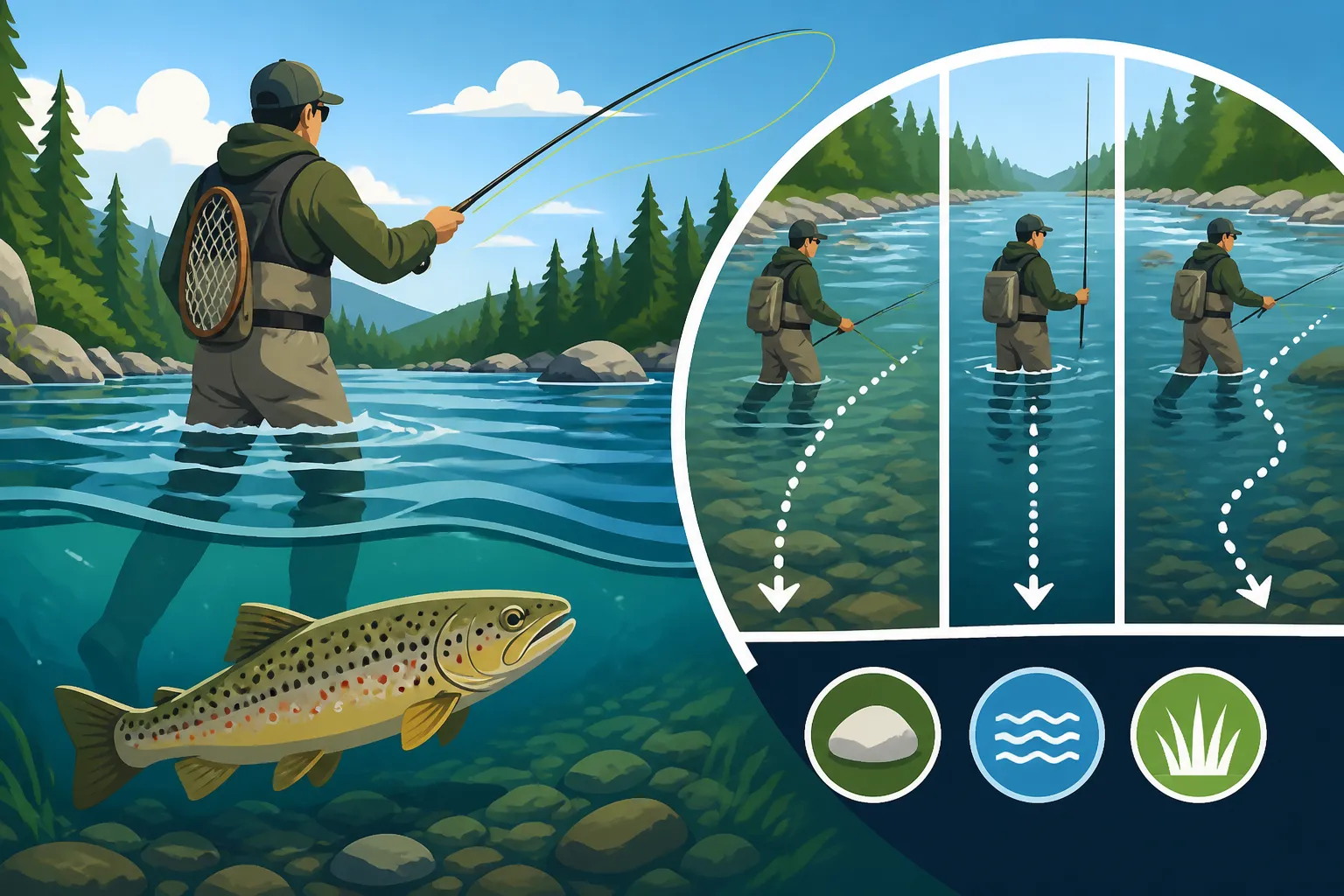
One of the most crucial skills for any wading angler is the ability to "read the water." This isn't just about finding where the fish might be hiding, but more importantly, about identifying safe paths and potential hazards. When you arrive at a new section of a stream, take a few minutes to observe from the bank before you even think about getting wet. Look for changes in current speed and depth. Slower, shallower sections often indicate a more stable bottom for crossing or wading, while fast, deep runs can quickly sweep you off your feet.
You'll also notice different textures on the surface of the water. Smooth, glassy stretches often mean deeper, slower water, which might hide submerged obstacles or drop-offs. Ripples and small waves, on the other hand, can indicate shallower, faster water, where the bottom might be rocky but potentially more stable. Look for "seams" where fast water meets slow water; these are not only prime feeding lies for trout but can also offer a bit of respite from the strong current if you need to pause and regain your footing. Keep an eye out for any debris floating downstream – that's a clear indicator of the current's strength and direction. Understanding these subtle cues can prevent a surprise dunking and ensure you maintain good footing throughout your fishing adventure.
Navigating Different Stream Beds
Ontario's trout streams boast a fascinating variety of stream beds, and each presents its own set of wading challenges and opportunities. Knowing what lies beneath your feet is paramount for both safety and effective fishing. You'll encounter everything from smooth, slippery bedrock to shifting gravel and sometimes even mucky, silty stretches.
Freestone streams, common across much of the province, often feature bottoms composed of rocks and boulders of varying sizes. While these can provide good traction if you step carefully, larger, rounded rocks can be notoriously slick, especially when covered in algae. Always test your footing before committing your full weight. Smaller gravel bottoms, often found in runs and riffles, can be much more forgiving, offering stable purchase. However, be mindful of loose, shifting gravel, particularly in areas with stronger currents, as it can feel like walking on marbles. On the flip side, some slower-moving stretches or spring creeks might have soft, silty, or even muddy bottoms. These areas can be tricky as your feet can sink, making forward progress exhausting and sometimes leading to a loss of balance. It's best to avoid deep silt whenever possible. When fishing areas known for specific trout species like the native Brook Trout Native Range in Ontario, you'll often find specific bottom types associated with their preferred habitat. Understanding these bottom compositions helps you choose the right Best Wading Boots for Rocky Streams and refine your technique, ensuring you remain upright and focused on the fishing, not fighting the riverbed.
Essential Wading Gear and Safety Considerations
Stepping into an Ontario trout stream without the right gear is like heading out on a winter expedition without a warm coat – it’s just asking for trouble. Investing in proper wading equipment is not just about comfort; it's fundamentally about safety and making your time on the water enjoyable.
Waders, Boots, and Staff Choices
First up, waders. Most anglers opt for breathable chest waders made from materials like Gore-Tex or similar synthetics. These are fantastic because they allow perspiration to escape, keeping you comfortable even on warmer days, while still providing waterproof protection. Neoprene waders are another option, especially if you plan on doing a lot of Ice Fishing in Ontario or cold-weather fishing, as they offer more insulation, but they can be stifling in the summer. For summer fishing, especially in shallower, warmer streams, some anglers use wading pants or even go "wet wading" (wearing quick-drying shorts and wading boots without waders). However, this leaves you exposed to biting insects and colder water if you misjudge a depth. You can find excellent choices for Best Waders for Ontario Trout Streams online, including on popular sites like Amazon, which often have a wide selection and competitive pricing.
Then there are your wading boots. This is where the rubber (or felt) meets the river. Traction is king. Felt soles offer incredible grip on slippery, algae-covered rocks, but they can be less effective on mud or snow, and some areas have restrictions on felt to prevent the spread of invasive species. Rubber soles, especially those with aggressive patterns, are versatile and great for mixed terrain, and you can often add studs for extra grip. Many anglers now prefer a rubber sole with screw-in studs for the best of both worlds.
And finally, the often-underestimated wading staff. Seriously, don't leave home without one, especially if you're exploring new waters or dealing with strong currents. A good wading staff provides a crucial third point of contact with the streambed, dramatically improving your stability. Collapsible models are super convenient, easily stowing away on your pack until needed. Think of it as your personal sonar, probing the bottom ahead for unexpected drop-offs or loose rocks. For more details, check out guides like Best Wading Staff for Fast Current. This trio of waders, boots, and staff forms the core of a safe and confident wading experience.
Crucial Safety Practices
Beyond the right gear, adopting crucial safety practices is non-negotiable when wading Ontario's trout streams. The unpredictable nature of flowing water demands respect and preparedness. Always, and I mean always, tell someone where you're going and when you expect to return. A simple text message to a loved one can be a lifesaver if you run into trouble.
Wear a wading belt! This might seem like a small detail, but it's incredibly important. In the event of a fall, a properly cinched wading belt helps prevent your waders from filling completely with water. If your waders fill up, it can be extremely difficult to stand up or swim, turning a minor slip into a dangerous situation. The belt keeps the water out of the lower half of your waders, making it much easier to recover. Also, consider carrying a small, lightweight personal flotation device (PFD) or an inflatable vest, especially if you're exploring deeper sections or wider rivers. While often associated with boating, a PFD can provide invaluable buoyancy if you take an unexpected swim.
Another vital safety tip is to never wade alone if you can help it, especially in remote areas or challenging conditions. A fishing buddy can provide assistance, call for help, or simply offer a hand if you stumble. Finally, always be aware of changing weather and water conditions. A sudden rainstorm upstream can quickly turn a placid stream into a raging torrent. If the water starts to rise or become murky, it's time to get out. Your safety is always more important than catching one more fish.
Mastering Wading Techniques for Stability and Stealth
Once you're properly geared up and safety-conscious, it's time to refine how you move through the water. Effective wading isn't just about avoiding a fall; it's also about moving stealthily so you don't spook the very fish you're trying to catch. Trout are incredibly sensitive to vibrations and sudden movements, so a clumsy approach can ruin a good fishing spot before you even make a cast.
The Shuffle and the Cross-Stream Step
When moving upstream or downstream along the bank, the "wading shuffle" is your best friend. Instead of lifting your feet high, keep them low to the stream bed, almost sliding them along. This technique has several benefits. Firstly, it keeps your center of gravity lower, enhancing stability. You're less likely to catch a boot on a rock and stumble. Secondly, by keeping your feet close to the bottom, you create fewer disturbances and vibrations, making you a much stealthier presence. Lifting your feet out of the water and splashing down is a surefire way to send every trout within a 20-foot radius scurrying for cover. Remember, slow and deliberate is the mantra here.
When you need to cross the stream, a careful "cross-stream step" technique is essential. Face slightly upstream and angle your body into the current. Use your wading staff (if you have one, and you should!) to probe the bottom ahead and establish a stable third point of contact. Then, take small, deliberate steps, always maintaining three points of contact (two feet and the staff, or one foot and the staff, or two feet planted while you move the staff). Never cross with the current directly hitting your back, as this can easily throw you off balance. Always lean slightly into the current, letting it push against your body for stability rather than trying to fight it head-on. If the current feels too strong, or the bottom too unstable, it's okay to turn back and find an easier crossing point. There's no shame in safety.
Advanced Wading in Faster Currents
Dealing with faster currents can be daunting, but with the right techniques, it becomes manageable. The key here is to embrace the current, not fight it directly. When faced with a strong flow, instead of trying to muscle your way through, angle your body slightly upstream, presenting your side to the current. This reduces the surface area that the water is pushing against, similar to how a boat cuts through waves. Use your wading staff extensively to brace yourself and probe for stable footing. For example, if you're trying to move across a strong current, plant your staff firmly downstream and slightly ahead of you, then take a small step with your upstream foot, followed by your downstream foot, maintaining that three-point contact. This is particularly useful when exploring spots like those discussed in How to Fish a Riffle for Trout, where the current is often brisk.
Another technique for stability is to widen your stance, distributing your weight more evenly. Think of yourself as a tripod. When the current really picks up, you might even need to pivot your body to face directly upstream, using both your feet and staff to brace against the force. This provides maximum stability, allowing you to gradually shuffle sideways, rather than directly forward or backward. Remember that even seemingly moderate currents can exert considerable force on your legs, especially if you're in deeper water. Always be prepared to abort a crossing or retreat if you feel the current becoming too powerful. Sometimes, the most advanced wading technique is knowing when to stay on the bank or choose a different fishing spot.
Approaching and Fishing Trouty Water Effectively
Once you've mastered the art of moving through the stream, the next step is integrating those movements with your fishing strategy. How you approach a promising lie and present your fly or lure can make all the difference between a memorable catch and a frustrating "skunk." Stealth isn't just about quiet steps; it's about minimizing your presence in the trout's world.
Upstream vs. Downstream Approaches
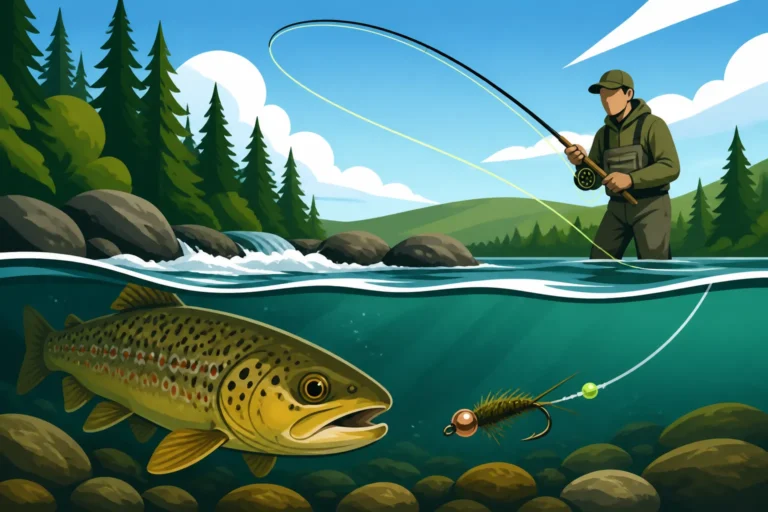
When fishing for trout, the general rule of thumb is to fish upstream. This is a fundamental concept in fly fishing for trout in Ontario. Why upstream? Because trout naturally face into the current, waiting for food to drift down to them. By approaching from downstream, you're coming up behind them, making it much harder for them to see you. You also avoid pushing disturbed water and sediment directly into their feeding zone, which would instantly put them on high alert. When you cast upstream, your fly or lure drifts naturally back towards you, mimicking natural food items. This "dead drift" presentation is often irresistible to trout.
However, there are exceptions. Sometimes, fishing downstream can be effective, particularly in very slow-moving pools or when targeting specific structure that's easier to approach from above. If you do fish downstream, you need to be exceptionally stealthy, using long casts and keeping a low profile. Your shadow, even from a distance, can spook wary trout. Remember, trout have excellent eyesight, and they're always looking up for predators. Maintaining a low silhouette and using natural cover like bankside vegetation can give you a significant advantage, regardless of your approach. For deeper insights into trout behaviour, consider reading up on Trout Species Identification Guide for Ontario.
Casting and Presentation while Wading
Wading fundamentally changes how you cast and present your offerings. You're no longer on a stable bank, and the water around you can limit your backcast or change your casting angles. This is where adaptability comes into play. When standing in the current, your balance might be slightly compromised, so focus on smooth, controlled casts rather than powerful, jerky ones. A roll cast or a Spey cast can become incredibly valuable when you have limited backcasting room due to trees or high banks.
The current also affects line management. When casting upstream, you often need to "mend" your line – making small adjustments to feed out slack or reposition your line – to ensure a drag-free drift. Drag, where your line pulls the fly unnaturally through the water, is a common reason trout refuse an otherwise perfect presentation. Be mindful of how your body position and the current interact with your line. Practice different casting angles and drifts to find what works best in varying conditions. And don't forget the importance of a delicate presentation. A heavy, splashing cast will send trout scurrying. Aim for a soft landing, whether you're using a dry fly, nymph, or small spinner. Ultimately, the goal is to present your offering as naturally as possible, making the trout believe it's a real meal drifting by. This meticulous approach is key to success on the Best Fly Fishing Rivers in Ontario.
Environmental Stewardship and Respectful Wading
As anglers, we're stewards of the natural environment, and that responsibility extends to how we wade and interact with Ontario's precious trout streams. Respecting the ecosystem and fellow anglers ensures that these beautiful waters remain healthy and enjoyable for generations to come.
Minimizing Impact on Stream Ecosystems
Every time we step into a stream, we have the potential to disturb its delicate ecosystem. The primary goal is to minimize this impact. One of the most significant impacts comes from disturbing the streambed. Try to walk on larger, more stable rocks or gravel whenever possible, avoiding kicking up excessive silt and sediment. This sediment can smother insect larvae (the primary food source for trout) and fish eggs, particularly during spawning seasons. Be especially vigilant when wading in areas known for Walleye Spawning Season in Ontario or any trout species, as redds (spawning beds) can be easily destroyed by careless foot placement. Redds often appear as clean, cleared depressions in the gravel.
Additionally, be mindful of streambank erosion. Avoid scrambling up and down steep, unstable banks. Find established access points or gentler slopes to enter and exit the water. Your gear also plays a role. As mentioned earlier, some regions and clubs discourage felt-soled wading boots to prevent the spread of invasive species like rock snot (Didymosphenia geminata, or Didymo) or whirling disease. Always clean, drain, and dry your waders and boots thoroughly between fishing trips, especially if you're moving between different water bodies. A simple brush-down and sun-drying can go a long way in preventing the unwitting transportation of unwanted hitchhikers. This conscious effort helps protect the biodiversity and health of our cherished waterways.
Etiquette for Shared Waters
Ontario's trout streams are often shared resources, attracting anglers of all stripes, from seasoned fly fishers to families trying their hand at baitcasting. Practicing good etiquette ensures a pleasant experience for everyone. The golden rule is simple: give other anglers space. Nothing is more frustrating than having another angler wade in directly above or below you, potentially disturbing the fish you're targeting or cutting off your fishing water. A general guideline is to allow at least a few hundred feet between you and the next angler, especially in smaller streams. If you see someone fishing a particular run, either find another spot or politely ask if you can pass by or if they mind you fishing further upstream or downstream.
Avoid making excessive noise or splashing. As we discussed, trout are sensitive creatures, and loud noises carry far through the water and air. Keep your voice down and your movements deliberate. If you need to cross the stream in an area where someone else is fishing, try to cross behind them or well out of their way, staying as low and quiet as possible. When fishing "catch and release only" waters, like many Ontario Catch and Release Only Waters, handle fish gently, minimize their time out of the water, and release them carefully. Remember, we're all out there to enjoy the peace and challenge of fishing. A little courtesy goes a long way in preserving that experience for everyone.
Here's a quick comparison of popular wading boot sole materials:
| Sole Material | Traction on Algae/Slick Rocks | Traction on Mud/Snow | Durability | Environmental Concerns | Best Use Case |
|---|---|---|---|---|---|
| Felt | Excellent | Poor | Moderate | Can spread invasive species | High-traction needed on slippery freestone |
| Rubber | Good (depends on tread) | Good | High | Low | Versatile, mixed terrain, environmentally conscious |
| Studded Rubber | Excellent | Good | Moderate (studs) | Minimal (if studs are clean) | Ultimate grip on varied, challenging bottoms |
Ultimately, successful wading on Ontario trout streams comes down to a combination of preparedness, careful technique, and a deep respect for the environment. By mastering these elements, you're not just moving through water; you're moving with it, enhancing your chances of connecting with some of the province's most beautiful fish, all while treading lightly on their home.
Disclaimer
Please remember that fishing regulations, conditions, and safety advice can change. Always consult the most current Ontario Fishing Regulations Summary, available from the Ontario Ministry of Natural Resources and Forestry (MNRF), before heading out. Be aware of local conditions, exercise caution, and prioritize your safety above all else. This guide is for informational purposes and should not replace official regulations or professional safety instruction.