Ontario Catch and Release Only Waters
Navigating the labyrinth of Ontario's fishing regulations can feel like trying to untangle a particularly stubborn fishing knot – frustrating, confusing, and sometimes, you just want to cut the line. One area that often leaves anglers scratching their heads is the concept of "catch and release only" waters. It’s not always obvious where these zones are, why they exist, and what your responsibilities are. This comprehensive guide is here to demystify these specific regulations, helping you fish responsibly and confidently, ensuring the health of Ontario's incredible fisheries for years to come.
Understanding Ontario's Catch and Release Philosophy
Catch and release fishing isn't just a trend; it's a vital conservation practice that underpins the health and sustainability of many of Ontario's most cherished fishing destinations. It's about more than just letting a fish go; it's about giving that fish the best possible chance of survival after the encounter.
Why Catch and Release is Essential
The waters of Ontario are teeming with diverse fish populations, from the mighty Lake Trout in the north to the vibrant Smallmouth Bass in the south. However, these populations aren't limitless, and fishing pressure, especially in easily accessible areas or for highly sought-after species, can take a toll. Catch and release acts as a crucial safeguard, allowing anglers to enjoy the thrill of the catch without depleting fish stocks. Imagine catching a magnificent Brook Trout from a pristine, remote stream. If every angler kept every fish, those delicate ecosystems would quickly collapse. By releasing that fish, you're not only contributing to the species' overall population health but also ensuring that other anglers, and perhaps even you, can enjoy catching that same fish, or its offspring, in the future. It's a cornerstone of responsible angling, promoting the growth of larger, healthier fish and sustaining genetic diversity within a population.
Furthermore, catch and release is particularly vital for species that are slow-growing or have naturally lower reproduction rates. Lake Sturgeon, for example, can live for over 100 years and take decades to reach sexual maturity. If these ancient fish were regularly harvested, their populations would plummet dramatically, threatening their very existence. For these vulnerable species, catch and release isn't just recommended; it's often a legal requirement, reflecting a deep commitment to preserving Ontario's natural heritage. It's about understanding that our actions today have a direct impact on the abundance of fish tomorrow.
The Role of the Ministry of Natural Resources and Forestry MNRF
The Ministry of Natural Resources and Forestry (MNRF) is the primary guardian of Ontario's natural resources, and when it comes to fishing, they're the ones who set the rules. Their approach to regulations, including designating certain waters as catch and release only, is rooted in extensive scientific research and a deep understanding of ecological principles. They constantly monitor fish populations, assess habitat health, and analyze angler data to make informed decisions that strike a balance between providing excellent fishing opportunities and ensuring the long-term sustainability of the resource. It's a challenging job, often requiring difficult choices to protect what we all value.
The MNRF uses a zone-based management system, dividing Ontario into 20 different Fisheries Management Zones (FMZs). Within these zones, regulations can vary significantly from one lake or river to another, and even within different sections of the same waterway. This granular approach allows the MNRF to tailor rules to the specific needs of local fish populations and ecosystems. For instance, a particular lake might have a thriving walleye population that can sustain some harvest, while a nearby river might have a fragile wild trout population that requires strict catch and release rules to survive. To avoid any confusion, it’s imperative to consult the Ontario Fishing Regulations Explained and familiarize yourself with the nuances of each zone. Their decision to implement catch and release rules is always backed by data, aiming to protect spawning fish, allow young fish to mature, or preserve a trophy fishery.
Identifying Catch and Release Only Waters in Ontario
Knowing why catch and release is important is one thing, but knowing where it applies is another challenge entirely. Ontario's regulations are comprehensive, and while they can seem overwhelming at first, they are designed to be clear once you know where to look.
How to Locate Specific C&R Zones
The absolute first place you should always look is the current edition of the Reading the Ontario Fishing Regulations Summary. This document, available online or in print at most license vendors, is your bible for understanding what you can and cannot do on any given body of water. Within this summary, you'll find sections dedicated to specific waters or species where catch and release is mandated. It might be listed under "Exceptions to General Regulations" for a particular FMZ, or detailed under species-specific rules. Don't just skim it; read it carefully, especially for the zone you plan to fish.
Beyond the printed summary, the MNRF offers an invaluable online tool called the Fish ON-Line interactive map. This map allows you to zoom in on specific lakes and rivers across the province and see the regulations that apply to them in real-time. It's incredibly user-friendly and can quickly highlight any catch and release designations for a chosen location. For instance, if you're planning a trip to a new lake, you can simply search for it on Fish ON-Line and see all the relevant rules, including any special size or catch and release requirements. Learning How to Use the Fish ON-Line Interactive Zone Map is a skill every Ontario angler should master, as it takes much of the guesswork out of regulation compliance. It's truly a game-changer for preparing for your fishing adventures.
Common Characteristics of C&R Waters
Catch and release only waters typically share certain characteristics that make them prime candidates for such stringent regulations. Often, these are areas with particularly sensitive fish populations. Think about fragile wild trout streams, where generations of fish have adapted to specific, pristine conditions. These fish populations can be easily impacted by overharvesting, so C&R helps maintain their delicate balance. For example, many of the smaller, colder streams that hold native Brook Trout across Northern Ontario are designated as catch and release to protect these iconic fish and their habitat.
Another common scenario involves species with unique or vulnerable life cycles. The Aurora Trout, a rare and beautiful species found in only a handful of specific lakes, is a prime example. These lakes are often under Ontario Aurora Trout Rotational Lake Closures or have strict catch and release rules to allow their populations to recover and thrive. Similarly, areas known for producing exceptionally large or "trophy" fish, like certain muskie waters, might have C&R rules or slot limits that effectively function as C&R for larger specimens, ensuring that the biggest, most genetically superior fish remain in the system to contribute to future generations. High-pressure fishing areas, especially those close to urban centers, also often see C&R regulations imposed to spread out the fishing opportunity and prevent rapid depletion of local stocks.
Species-Specific Catch and Release Regulations
While general catch and release rules apply to certain bodies of water, many regulations are tailored to specific fish species, recognizing their individual vulnerabilities and conservation needs. Understanding these nuances is crucial for responsible angling in Ontario.
Trout and Salmon C&R Regulations
When it comes to trout and salmon, catch and release is often a critical component of their management, especially for native and wild strains. For instance, many of Ontario's pristine wild Brook Trout populations, particularly those found in remote Crown land streams or specific northern lakes, are protected by mandatory catch and release. These fish are incredibly sensitive to environmental changes and angling pressure, and even a small amount of harvest can significantly impact their delicate ecosystems. The regulations in these areas are designed to ensure that these native populations can continue to thrive without human intervention causing decline.
Furthermore, specific regulations often apply to unique or at-risk trout species. The aforementioned Aurora Trout is a perfect example, with highly controlled access and strict catch and release rules on the limited lakes where it exists. For other trout species, like Rainbow Trout or Brown Trout, you might find specific sections of rivers designated as "fly-fishing only, catch and release" to protect spawning runs or high-quality resident populations. Always check the specific regulations for the water you intend to fish, as trout and salmon rules can be some of the most detailed and localized, often varying significantly even between adjacent streams within the same FMZ.
Bass and Pike C&R Regulations
While often more abundant than some trout species, bass (both Smallmouth and Largemouth) and Northern Pike also fall under specific catch and release regulations in various parts of Ontario. These rules are usually implemented for different reasons, such as managing trophy fisheries or protecting fish during vulnerable periods. For example, some lakes might have a "slot limit" for bass, meaning fish within a certain size range must be released. This allows smaller fish to grow into the trophy size, and the largest, most productive spawners to remain in the population, promoting a healthy age structure.
Northern Pike, while generally robust, can also be subject to catch and release or slot limits in specific areas. This might be in lakes where pike populations need a boost, or where the goal is to cultivate a trophy pike fishery. In some instances, during their spawning season, certain areas may become temporary catch and release zones or even entirely closed to fishing to give these fish the undisturbed opportunity to reproduce. It's less about their overall fragility and more about optimizing population dynamics to ensure a high-quality fishery for sustained recreational enjoyment. It’s always best to be prepared and carry the necessary tools for careful release, regardless of the species you're targeting.
Sturgeon and Other Protected Species
Perhaps the most stringent catch and release regulations in Ontario apply to species that are considered at risk or are particularly vulnerable due to their life history. Lake Sturgeon are a prime example. These magnificent, prehistoric fish are protected under the federal Species at Risk Act, and as such, they are strictly catch and release only across the entire province. If you are fortunate enough to hook a Lake Sturgeon, you must release it immediately and with the utmost care. There are no exceptions for size or season; they are always catch and release. We have a detailed guide on Ontario Sturgeon Catch and Release Rules that you might find incredibly helpful if you ever encounter one of these majestic creatures.
Beyond sturgeon, there are other lesser-known or locally protected species that may have catch and release requirements. These could include certain rare minnows or non-game fish that play a critical role in the ecosystem. While you might not specifically target them, if you accidentally catch one, knowing the regulations is paramount. The general rule of thumb for any fish you are unsure about is to practice responsible catch and release. It’s better to err on the side of caution and ensure the well-being of Ontario's diverse aquatic life. Always consult the regulations for any specific body of water to be sure about what you're fishing for and how to handle it.
Best Practices for Successful Catch and Release
Catch and release is only effective if the fish survives the experience. This isn't just about adhering to regulations; it's about ethical angling and maximizing the survival rate of the fish you encounter. Proper technique and the right gear make all the difference.
Essential Gear for Responsible Release
To give a fish the best chance of survival, having the right tools at your fingertips is non-negotiable. First and foremost, consider using barbless hooks. While not always mandatory, barbless hooks dramatically reduce the damage to a fish's mouth, allowing for quick and easy removal. You can even crimp down the barbs on most standard hooks with a pair of pliers. When shopping for hooks or lures, look for barbless options, which are becoming increasingly common. You can often find a wide selection of barbless hooks or tools to crimp barbs on platforms like Amazon.
Next, a good pair of long-nosed pliers or hemostats is crucial for quickly and safely removing hooks, especially when a fish has swallowed the bait a bit deeper. Trying to use your fingers can injure both you and the fish. A rubberized or knotless landing net is also invaluable. Traditional knotted nets can strip a fish's protective slime coat and damage fins. A rubberized net, like the ones you can find for different fish sizes – from a compact trout net, for instance, to a larger Best Landing Net for Muskie – cradles the fish, minimizes scale loss, and prevents fins from getting tangled. Always keep your net wet, and only use it to scoop the fish when it's tired, not to chase it around the boat.
Handling Fish with Care
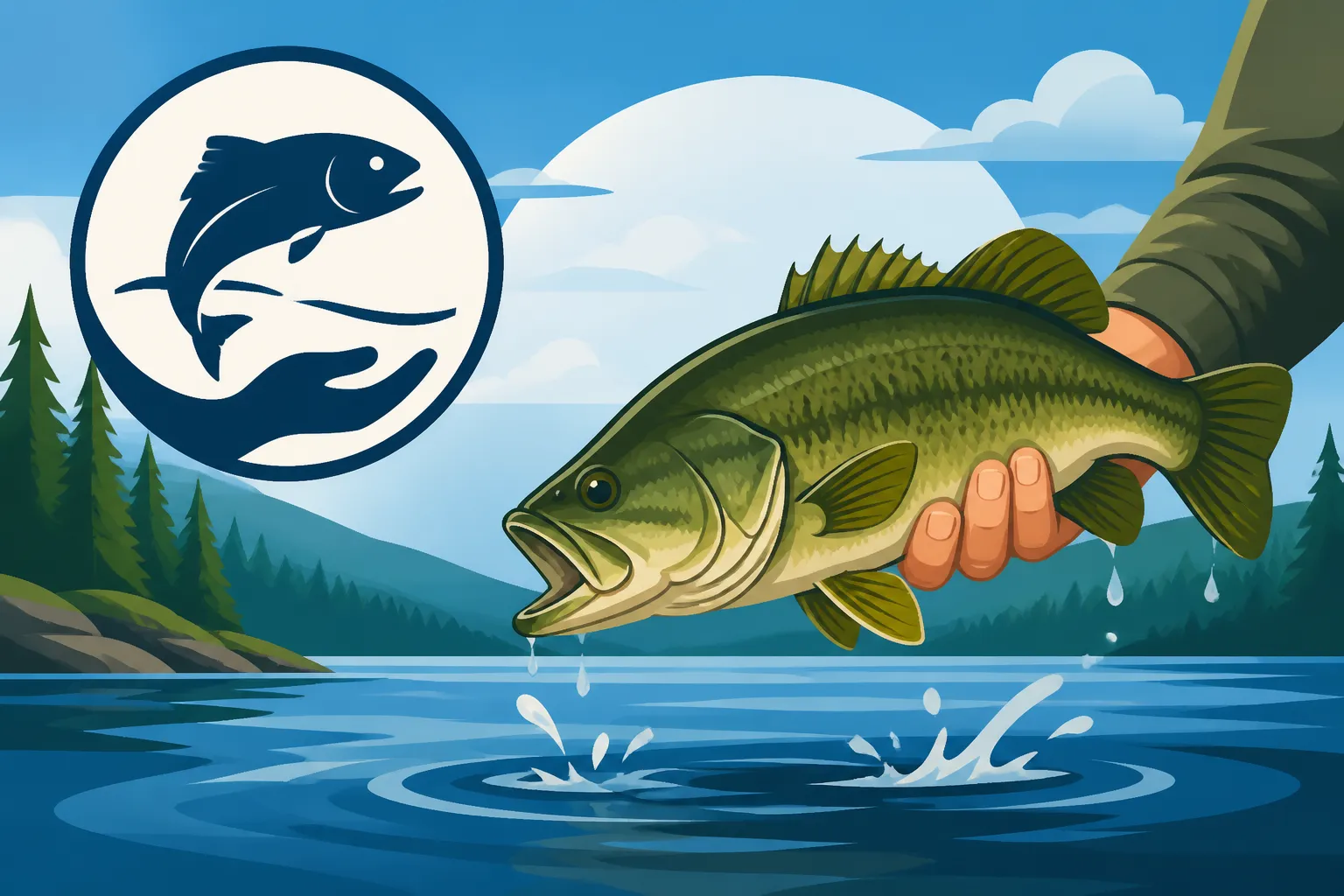
Once a fish is in the net or alongside the boat, time is of the essence. The golden rule for handling fish you intend to release is to minimize air exposure. Fish cannot breathe air, and even a short time out of water can cause significant stress and damage to their gills. Try to unhook the fish while it's still in the water, or, if you must lift it, do so for only a few seconds. When handling the fish, wet your hands thoroughly before touching it. Dry hands can remove the fish's protective slime coat, leaving it vulnerable to infections.
Support the fish horizontally, especially larger fish, supporting its belly and tail. Avoid holding fish vertically by the jaw or gills unless it's a species specifically designed to handle it (like some bass, and even then, only briefly and with support). Never squeeze the fish's body, especially around the internal organs. If the fish is deeply hooked and the hook cannot be removed quickly without causing further damage, it's often best to cut the line as close to the hook as possible. The hook will eventually corrode, and the fish has a better chance of survival than if you try to forcefully remove it.
Assessing Fish Health Before Release
Before you send a fish back into the water, take a moment to assess its condition. Does it look healthy? Is it actively trying to swim away, or is it limp and unresponsive? A fish that's been fought for a long time, especially in warm water, might be exhausted. If the fish appears sluggish, gently hold it in the water, facing into a mild current if possible, allowing water to flow over its gills. You can gently move it back and forth to help circulate water, but avoid vigorous pumping, which can do more harm than good. Only release the fish when it shows signs of vigor and can swim away under its own power.
If a fish is bleeding heavily, particularly from the gills, its chances of survival are unfortunately low, regardless of your best efforts. In such cases, if the species is legal to keep and within the size and possession limits, it might be more humane to harvest it rather than releasing it to die slowly. However, if you are in a strict catch and release only water, you must still release the fish, even if it appears to be in poor condition. This is a tough pill to swallow, but the regulations are there for a reason, and compliance is non-negotiable. Being prepared with the right gear, like sturdy pliers, and practicing swift, gentle handling, minimizes these unfortunate occurrences.
Common Mistakes and How to Avoid Them
Even with the best intentions, anglers can sometimes make mistakes that undermine the effectiveness of catch and release. Recognizing these pitfalls and actively working to avoid them is part of becoming a truly responsible angler.
Misinterpreting Regulations
One of the most common and easily avoidable mistakes is simply misinterpreting or not thoroughly checking the fishing regulations. It's easy to assume that if a lake nearby allows harvest, the one you're going to also does. Or perhaps you fished a certain spot last year, and the rules have changed for this season. Trust me, the MNRF updates the regulations annually, and ignorance is never an excuse for breaking the law. Getting caught could lead to penalties, not to mention the potential harm to the fishery.
To avoid this, always make it a habit to consult the most current Ontario Fishing Regulations Summary before every fishing trip, especially if you're venturing to a new body of water or haven't fished in a while. Don't rely on word-of-mouth from fellow anglers; while their intentions might be good, regulations can be complex and easily misunderstood. For specific details on your chosen area, double-check the Ontario Fisheries Management Zones, Explained and cross-reference with the Fish ON-Line interactive map. A few minutes of research before you hit the water can save you a lot of grief and ensure you're fishing legally and ethically.
Inadequate Gear and Techniques
Using the wrong gear or employing poor angling techniques can significantly increase stress on a fish, reducing its chances of survival after release. A common mistake is using oversized or barbed hooks that are difficult to remove without causing significant damage. While you might land more fish with barbed hooks, the increased mortality rate in catch and release situations negates the conservation purpose. It's a small change to crimp those barbs or buy barbless, but it makes a huge difference to the fish.
Another issue is prolonging the fight with a fish, especially larger species or during warmer water temperatures. While it's exciting to battle a big fish, a long, drawn-out fight exhausts the fish, filling its muscles with lactic acid and making it harder for it to recover. Using appropriate tackle, like a rod with enough backbone to effectively fight the fish without overstressing it, is key. If you're targeting larger species, ensure your Best Fishing Rods for Ontario Lakes can handle the task, preventing unnecessarily long fights. It's about finding that balance between enjoyment and efficiency, ensuring the fish is brought to hand quickly and can be released with minimal fatigue.
Improper Fish Handling
This is arguably where most well-meaning anglers go wrong. We've all seen photos of anglers holding fish improperly – by the gills, vertically by the jaw, or letting them flop around on the bank. These actions, while sometimes unintentional, are detrimental to a fish's survival. The gill plates are vital for respiration and are extremely delicate; grabbing a fish here can cause internal bleeding and irreparable damage. Holding a heavy fish vertically by the jaw can dislocate its jaw or damage its spine. Allowing a fish to thrash on dry ground removes its protective slime coat, bruises its internal organs, and can cause external injuries.
To prevent these issues, always have your net ready and ensure it's made of knotless, rubberized mesh. When the fish is in the net, keep the net in the water. Unhook the fish quickly while it's submerged if possible. If you must lift it for a quick photo, keep your hands wet, support its weight horizontally, and return it to the water immediately. If it's a species with sharp teeth, like a pike, use a fish gripper designed for safe handling. And remember, a fish should never be held out of water for longer than you can hold your own breath comfortably. It’s a simple guideline that often puts things into perspective.
Penalties for Violating Catch and Release Rules
Ignoring Ontario's fishing regulations, especially those pertaining to catch and release, is not just unethical; it's illegal. The Ministry of Natural Resources and Forestry takes these rules very seriously, and violations can lead to significant repercussions. It’s crucial to understand that these aren't just suggestions; they are laws designed to protect a valuable public resource.
Understanding the Legal Consequences
If you are caught violating catch and release regulations in Ontario, you could face a range of legal consequences. The severity of the penalty often depends on the nature of the offense, the species involved, and whether it's a first-time offense or a repeat violation. Common penalties include substantial fines, which can range from hundreds to thousands of dollars. For instance, being caught with a fish that is designated "catch and release only" or possessing more than the legal limit, even if you planned to release them later, can result in hefty fines.
Beyond financial penalties, you could also face a suspension of your fishing license, meaning you would be prohibited from fishing in Ontario for a specified period. In more severe cases, especially for repeat offenders or significant violations, your fishing equipment, including rods, reels, and even your boat, could be confiscated. Imagine having your prized fishing gear taken away simply because you failed to check the regulations or handled a fish improperly. It’s a harsh reality, and it's why understanding and adhering to the rules, like knowing when you need an Ontario Outdoors Card, Explained, is so important. These penalties serve as a deterrent, emphasizing the value and vulnerability of Ontario's fish populations.
The Importance of Compliance
Ultimately, the reason for strict enforcement and severe penalties boils down to the importance of compliance for the long-term health of our fisheries. Every regulation, including those for catch and release, is put in place after careful consideration and scientific study to ensure sustainable fishing for everyone. When anglers ignore these rules, it directly undermines conservation efforts. Taking a fish from a catch and release only water, for example, can directly impact a fragile population that the MNRF is actively trying to restore or protect.
Compliance isn't just about avoiding a ticket; it's about being a responsible steward of the environment. It ensures that the pristine lakes and rivers we cherish today will continue to provide exceptional fishing opportunities for our children and grandchildren. Think about it: every fish that survives a catch and release encounter goes on to contribute to the spawning population, helping to create more fish for future seasons. It contributes to the trophy potential of a water body, ensuring that truly magnificent fish can reach their full size. Understanding and respecting the Ontario Fishing License Guide for 2026 and all its associated regulations is a shared responsibility, one that ensures the continued legacy of Ontario's incredible fishing heritage.
| Species Group | Typical C&R Scenario | Key Considerations |
|---|---|---|
| Wild Trout (Brook, Brown) | Remote streams, designated fly-fishing only areas, conservation zones. | Highly sensitive. Minimize handling, use barbless hooks. |
| Aurora Trout | Specific, rotationally managed lakes. | Extremely rare, protected. Strict C&R, minimize air exposure. |
| Lake Sturgeon | All waters where present. | Federally protected. Always C&R, gentle handling, immediate release. |
| Bass (Smallmouth, Largemouth) | Trophy management lakes, spawning periods, specific slot limits. | Can be robust. Support horizontally, avoid vertical jaw holding. |
| Northern Pike | Lakes with slot limits, rehabilitation zones. | Sharp teeth – use pliers. Minimize air exposure. |
| Muskellunge | Most muskie waters, particularly for large individuals. | Handle with extreme care. Large net, jaw spreader, long pliers. Short air time. |
Disclaimer
The information provided in this guide is for general informational purposes only and does not constitute legal advice. Fishing regulations in Ontario are subject to change, and it is the angler's responsibility to consult the most current official Ontario Fishing Regulations Summary and any local notices before fishing. Always prioritize safety and responsible angling practices.