Ontario annual fishing license expiration date
It's incredibly frustrating to plan a perfect fishing trip, only to realize at the last minute that your fishing license has expired. The confusion around exact dates and validity periods in Ontario can be a real headache, leaving many anglers scrambling or, worse, unknowingly breaking the rules. This comprehensive guide is here to clear up all the mysteries surrounding the Ontario annual fishing license expiration date, ensuring you're always prepared and compliant for your next adventure on the water.
Understanding Your Ontario Fishing License Validity Period
The province of Ontario has a pretty straightforward system for its fishing license validity, but it's often misunderstood. Knowing the core dates and how they apply to your specific license type is the first step to staying on the right side of the regulations and enjoying your time angling.
The Standard Annual Cycle
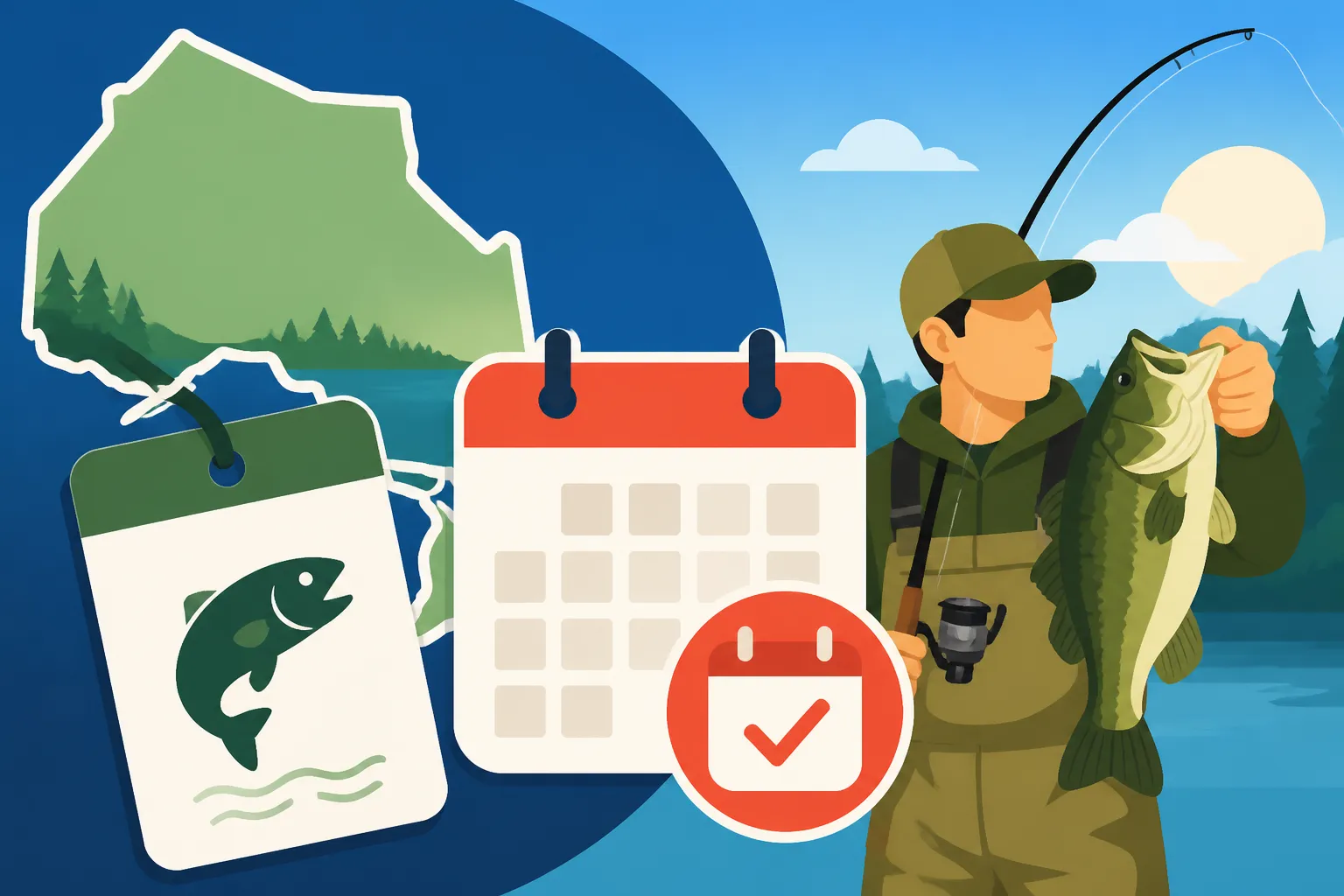
For most anglers purchasing a regular annual fishing license in Ontario, the expiration date is a fixed point on the calendar: December 31st. This means that no matter when you purchase your annual license within a given calendar year—whether it's on January 1st or December 1st—it will always expire on December 31st of that same year. This "calendar year" validity is a key detail that trips up many people, especially if they purchase their license later in the year.
For instance, if you decide to buy your annual license in June, it's valid from June until December 31st. If you wait until November to get your license for some late-season ice fishing, it's still only valid until December 31st. This consistent end date simplifies things in some ways, as you don't need to remember a unique purchase-date-dependent expiration, but it also means that buying earlier in the year generally gives you more fishing days for the same price. It's a system designed for a fresh start each new year, aligning with seasonal regulation changes and management cycles.
The Outdoors Card Connection
Before you can even purchase an annual fishing license in Ontario, you first need an Outdoors Card. Think of the Outdoors Card as your primary identification as an angler (or hunter) in the province. It's a physical card that holds your unique customer number, and it's something you renew separately from your actual fishing license. This is where a lot of the confusion often arises, as people mix up the expiration of their Outdoors Card with their fishing license.
Your Outdoors Card can be purchased for either one year or three years. If you opt for the three-year Outdoors Card, it will expire on December 31st of the third year of its validity. However, even if you have a valid three-year Outdoors Card, your annual fishing license purchased in conjunction with or under that Outdoors Card will still expire on December 31st of the current calendar year. You can buy a multi-year fishing license (up to three years) that aligns with your Outdoors Card's expiry, but this is a specific type of license. For annual licenses, the December 31st rule remains firm. It’s critical to remember that while the Outdoors Card is your foundation, it doesn't automatically extend your annual fishing license beyond December 31st. For more detailed information, check out our guide on the Ontario Outdoors Card, Explained.
Different License Types and Their Expiration Nuances
While the December 31st rule applies to most annual fishing licenses, Ontario offers a few different options, each with its own specific validity period. Understanding these differences will help you choose the right license for your needs and avoid any surprises.
Annual Resident vs. Non-Resident Licenses
Whether you're an Ontario resident or visiting from elsewhere, the standard annual fishing license operates on the same calendar year principle. An Ontario resident sport fishing license cost 2026 will expire on December 31st, just like an Ontario non-resident sport fishing license cost 2026. This means everyone, regardless of residency status, is on the same schedule for their annual license renewals. The only difference is the cost and potentially what species or limits apply to them under specific regulations, not the duration of the license itself.
However, it’s worth noting that non-residents often have different options for license durations, including shorter-term licenses if they're only visiting for a brief period. These short-term options are generally more straightforward in their validity. For those who frequently visit, investing in an annual license might still be the most economical choice, even if they only fish for a few weeks, provided they understand it still expires by year-end. You can find more details on Resident vs Non-Resident Fishing License Costs in Ontario.
One-Day and Other Short-Term Licenses
Beyond the annual options, Ontario offers short-term licenses, most notably the 1-day fishing license. These are specifically designed for those who only plan to fish for a very limited time, perhaps during a vacation or a single outing with friends. A Ontario 1-day fishing license cost is generally valid for a 24-hour period from a specific start date and time that you designate at the point of purchase. This is a crucial distinction from the annual license's fixed end date.
When you buy a 1-day license, you'll specify the exact day and time you want it to become active. For example, if you set it to start at 8:00 AM on July 15th, it will expire precisely at 8:00 AM on July 16th. This offers maximum flexibility for short trips. There's no fixed December 31st expiration for these; their validity is purely dictated by the 24-hour window you selected. This makes them ideal for spontaneous trips or for introducing someone to fishing without committing to a full annual license. Always double-check the start and end times printed on your 1-day license to ensure you're fishing legally within its valid period.
Why Knowing Your Expiration Date is Crucial
Understanding your license's expiration date isn't just about good planning; it's about adhering to the law and protecting Ontario's precious fisheries. Skipping this simple step can lead to unpleasant consequences and undermine the conservation efforts we all benefit from.
Avoiding Penalties and Fines
Fishing without a valid license in Ontario is a serious offense that can lead to significant penalties. Conservation Officers regularly patrol lakes, rivers, and access points, and they have the authority to ask for your Outdoors Card and fishing license at any time. If you're caught fishing with an expired license, you could face hefty fines. These fines aren't just a slap on the wrist; they're designed to deter illegal fishing and can quickly turn a relaxing day on the water into a very expensive regret.
Imagine this scenario: You're enjoying a beautiful morning on Lake Simcoe, the perch are biting, and you're having a fantastic time. Suddenly, a Ministry of Natural Resources and Forestry (MNRF) boat pulls up, and a Conservation Officer asks for your license. You confidently hand over your Outdoors Card, only to be informed that your annual fishing license expired last December 31st, and you simply forgot to renew it. That small oversight could lead to a fine of hundreds of dollars, spoiling your entire day and potentially impacting future fishing privileges. This is why knowing your Fishing Without a License in Ontario: Penalties is so important. It's a preventable mistake that no angler wants to make.
Seamless Renewal for Uninterrupted Fishing
By being aware of your annual fishing license expiration date, which is consistently December 31st for annual licenses, you can ensure a smooth transition into the new fishing season. Renewing your license in advance—perhaps in early December or even January—prevents any gaps in your fishing eligibility. There's nothing worse than waking up on opening day of walleye season or planning an ice fishing trip only to realize your license isn't valid.
Timely renewal allows you to continue enjoying all of Ontario's fantastic fishing opportunities without interruption. You can easily check your license's validity online through the Ontario fishing license portal or by looking at the dates printed on your physical license or Outdoors Card. Many anglers make it a habit to renew their license at the same time they're doing their other annual tasks, like car registration or other seasonal preparations. This proactive approach means you’re always ready, whether you're heading out to catch some Ontario walleye opener date for FMZ 18 in 2026 or trying your hand at ice fishing on Lake Nipissing.
Practical Tips for Managing Your Fishing License
Keeping track of your fishing license information might seem minor, but it can save you a lot of hassle. With modern options, there are several ways to manage your license and ensure you're always ready to hit the water.
Digital vs. Physical Copies
Ontario allows anglers to carry either a physical copy of their fishing license and Outdoors Card or a digital version on their smartphone. Both have their advantages and disadvantages when it comes to managing expiration dates. A physical card can be easily lost or damaged, but it's always accessible, even without cell service. You can keep it in your wallet, tackle box, or a dedicated fishing vest pocket. Some anglers even use waterproof holders, readily available on platforms like Amazon, to protect their physical documents.
The digital option offers convenience, as most people always have their phone with them. You can simply display your license on your device when asked by a Conservation Officer. The downside, of course, is battery life, signal issues in remote areas, or the risk of dropping your phone in the water. However, digital licenses often come with the benefit of easily checking their validity online at any time. Whichever method you choose, ensure you know how to access and display it quickly. Our guide on Printing or Carrying a Digital Fishing License in Ontario has more helpful tips.
Setting Reminders and Staying Organized
The best way to avoid an expired license is to simply not forget about it! With annual licenses consistently expiring on December 31st, it's relatively easy to set up a reminder system. Many anglers add a recurring event to their digital calendars for early December, prompting them to renew their Outdoors Card and fishing license for the upcoming year. You could even put a sticky note on your fishing gear or in your car as a visual cue.
Another great strategy is to include license renewal as part of your annual gear maintenance routine. When you're cleaning your reels, sharpening hooks, or organizing your tackle box (perhaps a new one you found on Amazon!), take a moment to confirm your license validity. Keeping all your fishing-related documents, including your Outdoors Card and fishing license, in a dedicated, easily accessible spot will also reduce stress. This habit ensures you’re never caught off guard and can always focus on the joy of fishing.
How to Check Your Current License Status
If you're ever unsure about the validity of your Ontario fishing license or Outdoors Card, there are a couple of straightforward ways to check its status. Don't leave it to chance, especially when planning a trip.
Online Portal Verification
The quickest and easiest way to verify your license and Outdoors Card details is through the Ontario government's online fishing license portal. This system is designed for anglers to purchase new licenses, renew existing ones, and manage their profile. By logging in with your Outdoors Card number or personal information, you can instantly see the expiry dates for both your Outdoors Card and any active fishing licenses you hold.
This online system is a fantastic resource, allowing you to check your status from the comfort of your home, or even on your phone while you're packing for a trip. It will clearly display whether you have a valid annual license, a 1-day license, or a multi-year license, along with their respective expiration dates. It also shows if your Outdoors Card itself is current, which is essential as you cannot purchase a fishing license without a valid one. You can learn more about the steps involved in our article on How to Buy an Ontario Fishing License Online.
Checking Your Physical or Digital Document
For those who prefer a tangible reminder, simply look at your physical Outdoors Card and fishing license document. The expiration dates are always clearly printed on them. Your Outdoors Card will show its own expiry date, and if you purchased an annual fishing license, the document associated with that purchase will explicitly state "Expires: December 31" of the year it's valid for. For digital copies stored on your phone or printed at home, the same information will be readily visible.
It’s a good practice to review these dates periodically, especially before your first outing of a new year or before a planned fishing trip. Some anglers even take a photo of their Outdoors Card and license (both sides) and save it in a secure cloud storage or email it to themselves, just in case the physical copy is lost or their phone's digital version is inaccessible. Just make sure the photo is clear and readable, should you need to present it to an officer.
Summary of Ontario Fishing License Expiration Dates
To help clarify the various expiration dates we've discussed, here's a quick overview of how different license types and associated documents work in Ontario:
| Document/License Type | Validity Period | Expiration Date | Key Notes |
|---|---|---|---|
| Outdoors Card (1-year) | 1 calendar year | December 31st of purchase year | Required to purchase any fishing license. |
| Outdoors Card (3-year) | 3 calendar years | December 31st of third year | Provides longer validity for the card itself, not automatically for annual licenses. |
| Annual Fishing License | Valid from purchase date until end of calendar year | December 31st of purchase year | Most common type. Expires regardless of purchase date within the year. |
| 3-Year Fishing License | 3 calendar years | December 31st of third year | Must be purchased with or under a valid 3-year Outdoors Card. |
| 1-Day Fishing License | 24 hours | 24 hours from specified start time | Specific to the exact start date and time chosen at purchase. |
| Youth (Under 18) | Exempt (with conditions) | N/A | No license required for residents under 18, but must follow all other regulations. |
| Seniors (65+) | Exempt (with conditions) | N/A | No license required for residents 65 and older, but must follow all other regulations. |
Remember, while the Outdoors Card itself might be valid for three years, your annual fishing license always resets on December 31st. Keep that in mind, and you'll be golden!
Final Thoughts on License Management
Staying on top of your Ontario annual fishing license expiration date doesn't have to be a chore. By understanding the straightforward December 31st deadline for annual licenses and the specific validity of other types, you can ensure you're always fishing legally and responsibly. Utilize the online portal, set reminders, and make checking your license status a regular part of your fishing preparation.
A little planning goes a long way, not just for your peace of mind but also for the health of Ontario's fish populations. Respecting the regulations, including proper licensing, contributes to the sustainable management of our natural resources, ensuring that future generations can enjoy the same fantastic angling opportunities we have today. So, go ahead, mark your calendar, and get ready for many more memorable days on Ontario's beautiful waters!
Disclaimer
The information provided in this guide is for general informational purposes only and is subject to change. While we strive to provide accurate and up-to-date information, fishing regulations and license requirements in Ontario can be complex and may be updated by the provincial government. Always consult the official Ontario Fishing Regulations Summary, the Ministry of Natural Resources and Forestry (MNRF) website, or a ServiceOntario centre for the most current and authoritative information before you head out to fish. Your compliance with all applicable laws and regulations is your sole responsibility.