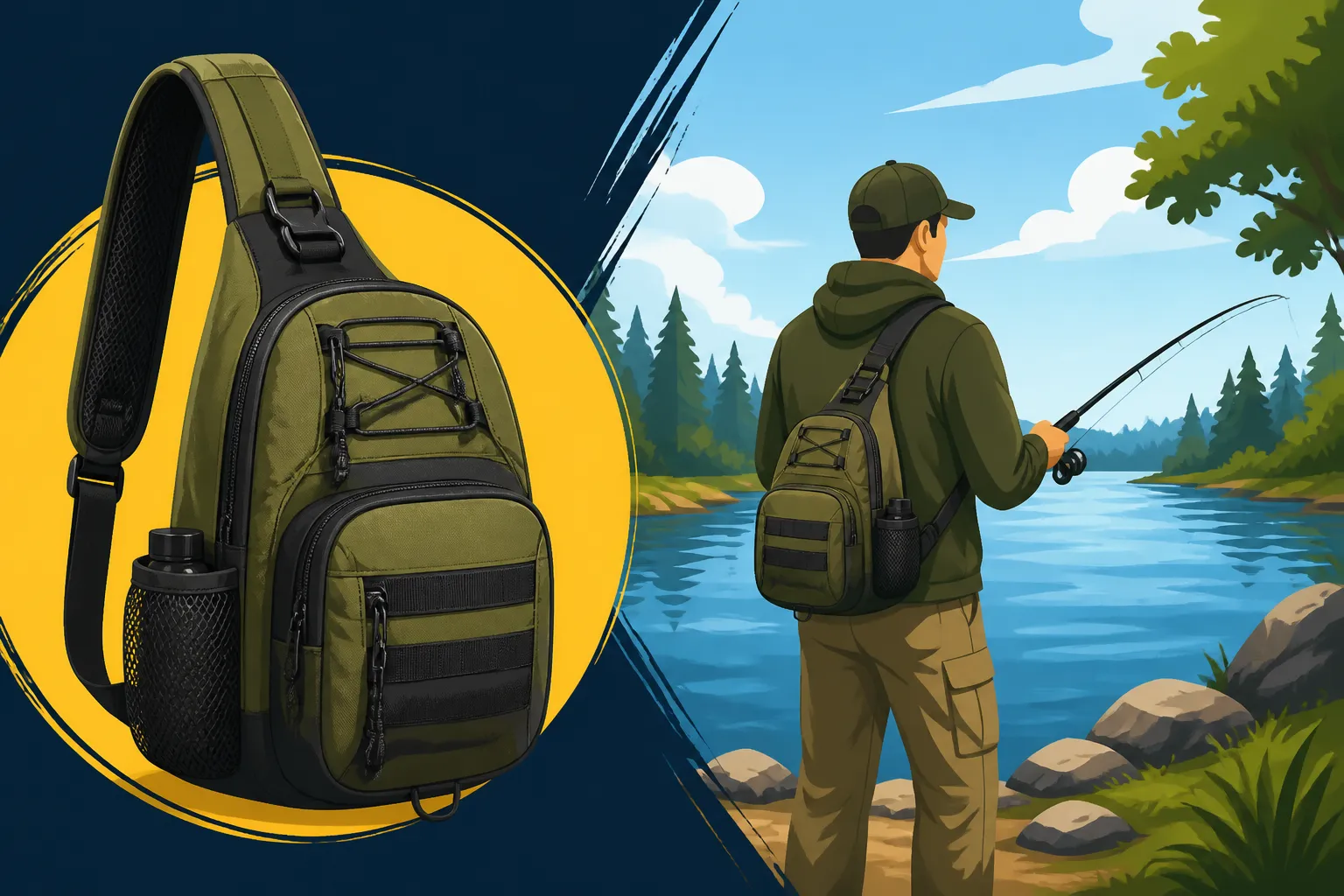
Best sling bag for bank fishing
There’s nothing quite like the freedom of bank fishing in Ontario, walking the shoreline, casting into promising eddies, or exploring new stretches of river. But let's be honest, the romance can quickly fade when you're awkwardly juggling a tackle box, a bait bucket, and your rod, while trying to navigate uneven terrain or dense bush. This guide is all about simplifying that experience, focusing on how a well-chosen fishing sling bag can transform your bank fishing adventures, making them more efficient, more comfortable, and ultimately, more enjoyable.
Why a Sling Bag is a Game Changer for Ontario Bank Anglers
For years, many of us, myself included, lugged around traditional tackle boxes or even just an old backpack for our bank fishing trips. While these options get the job done, they often fall short in terms of convenience and ergonomics when you're actively moving and fishing. A sling bag, however, is designed with active anglers in mind, offering a host of benefits that make it an invaluable piece of gear for anyone who loves to fish from shore in Ontario.
The Frustration of Hauling Gear
Think back to those times you’ve tried to scramble down to a prime fishing spot on the Grand River or hiked along a rocky section of Lake Ontario, only to have your traditional tackle box swinging wildly, banging against your leg, or your backpack constantly shifting, throwing off your balance. It’s not just annoying; it can be downright dangerous on slippery rocks or overgrown trails. When you finally reach your casting position, you have to set your gear down, often in the mud, sand, or wet grass, exposing it to the elements and making it harder to access what you need quickly. This constant stopping, setting down, and picking up interrupts your flow and can make a relaxing day feel like a chore.
The traditional backpack, while keeping your hands free, presents its own set of challenges. To access anything, you typically have to take it off your back entirely, place it on the ground, rummage through it, and then put it back on. This is especially cumbersome when you’re standing on a precarious bank, trying to re-tie a lure or grab a new jig. You might even find yourself trying to fish out a pair of pliers while the backpack is still half on your back, twisting yourself into knots. It’s an inefficient process that steals precious moments from actual fishing and can lead to missed opportunities, especially when the bite is hot.
This isn't just a minor inconvenience; it genuinely impacts your fishing experience. The constant distraction of managing your gear can pull you away from observing the water, feeling subtle bites, or simply enjoying the peaceful surroundings. For anglers who cover a lot of ground, moving between different shorelines or river bends, the cumulative effort of hauling and accessing gear with traditional methods can be exhausting and diminish the overall pleasure of the outing. A well-designed sling bag seeks to eliminate these frustrations, allowing you to focus purely on the fishing.
Streamlined Access and Mobility
This is where the sling bag truly shines. Its fundamental design allows you to wear it comfortably on your back or side, distributing the weight across one shoulder and your back. But the magic happens when you need something: with a simple swivel motion, the bag slides around to your front, giving you instant, hands-free access to all its compartments without ever having to take it off or set it down. Imagine standing on a tricky point at Best Shore Fishing Spots in Ontario, your hands are free, you spot a fish breaking the surface, and you need to switch lures in a flash. With a sling bag, it's a fluid motion: swivel, open, grab, close, swivel back.
This seamless access means you can keep your momentum, whether you’re casting, walking, or actively looking for fish. No more fumbling with zippers or digging through a deep main compartment. Everything you need for a quick lure change, a bait re-up, or a tool retrieval is right there, at your fingertips. This efficiency is critical, especially when you’re trying to capitalize on a short bite window or when fishing in areas where setting gear down isn't practical, like muddy banks, dense brush, or even while wading shallow sections of a river.
The enhanced mobility also means you can navigate challenging terrain with greater confidence. Whether you’re climbing over fallen logs, scrambling down rocky inclines, or pushing through thick vegetation, a sling bag stays snug against your body, reducing snagging and maintaining your balance. It truly becomes an extension of your body, rather than a cumbersome piece of equipment you’re constantly fighting with. This makes exploring new, more remote bank fishing locations a much more viable and enjoyable prospect.
Protection from the Elements
Ontario's weather can be notoriously unpredictable. A beautiful, sunny morning can quickly turn into a sudden downpour, or a gentle breeze can whip up spray from the lake. Your fishing gear, including expensive lures, delicate electronics, and your phone, needs reliable protection from moisture and grit. Many quality fishing sling bags are designed with this in mind, incorporating materials and features that safeguard your essentials.
Look for bags made from water-resistant or even fully waterproof materials like treated nylon or coated polyester. Features like rubberized bottoms, storm flaps over zippers, and waterproof internal pockets can make a huge difference in keeping your items dry, even during a sustained rain shower or if the bag accidentally gets splashed. There's nothing worse than reaching for your favourite Best Tackle for Panfish jig only to find it's rusted, or discovering your phone has taken on water damage because your bag wasn't up to the task.
Beyond water, a good sling bag also protects your gear from dirt, sand, and accidental impacts. Reinforced padding and sturdy construction can absorb minor bumps and drops, which are inevitable when you're moving along rugged shorelines. Knowing your gear is well-protected frees you from constant worry, allowing you to concentrate on the fishing itself. This peace of mind is invaluable, especially when you've invested in quality rods, reels, and tackle that you want to last for many seasons to come.
Key Features to Look for in an Ontario Bank Fishing Sling Bag
Choosing the right sling bag isn't just about picking one that looks good. It's about finding a functional tool that complements your specific fishing style and the demands of Ontario's diverse environments. Several key features contribute to a bag's overall effectiveness and user satisfaction.
Capacity and Compartmentalization
The internal volume of a sling bag is important, but it’s the thoughtful organization and compartmentalization that truly sets a good fishing bag apart. You don't just want a big sack; you need smart pockets and dividers to keep your gear accessible and untangled. Consider how many tackle trays you typically carry, and whether the bag has dedicated slots for them. Many bags are designed to hold one or two standard 3600-series utility boxes, which is a great starting point for most bank anglers.
Beyond the main tackle storage, look for a variety of smaller pockets. External pockets are ideal for items you need frequently, like a water bottle, sunscreen, bug spray, or a small first-aid kit. Internal mesh or zippered pockets are perfect for delicate items like your phone, wallet, or extra spools of line. Some bags even feature clear-view pockets, allowing you to quickly identify contents without opening everything up, which is a fantastic time-saver. Think about what goes into your Best Tackle Box Setup for Ontario Anglers and how a sling bag can organize it effectively.
The ability to organize your gear logically within the bag means less time rummaging and more time fishing. If you're targeting specific species, like walleye, you might want a pocket dedicated to Best Crankbaits for Ontario Walleye, while another holds your jigging spoons. Efficient compartmentalization reduces tangles, protects your lures, and makes mid-trip gear adjustments a breeze. This careful design ensures that your focus remains on the water, not on managing a messy bag.
Material and Durability
Ontario's fishing environments can be tough on gear, from rocky shorelines and abrasive sand to sudden downpours and thorny bushes. The material and construction of your sling bag are paramount to its longevity and performance. Look for bags made from rugged, high-denier fabrics like ripstop nylon or heavy-duty polyester. These materials are known for their resistance to tears, abrasions, and general wear and tear, ensuring your bag can withstand the rigours of repeated use.
Beyond the fabric itself, pay close attention to the quality of the zippers, stitching, and buckles. Zippers should be robust, often oversized, and ideally corrosion-resistant, as they'll be exposed to moisture and sometimes saltwater if you're fishing the Great Lakes. Double stitching at stress points, like where straps attach to the main body, indicates a well-made bag that won't fall apart under load. Strong, non-slip buckles ensure that your straps stay adjusted, preventing unwanted shifting or loosening as you move.
Water resistance is another critical aspect. While fully waterproof bags can be pricey, many quality sling bags offer excellent water repellency, often through a DWR (Durable Water Repellent) coating or a PVC backing. This means light rain will bead off, and splashes won't immediately soak through to your gear. Some bags even include integrated rain covers for more extreme conditions, providing an extra layer of protection. This blend of durable materials and water-protective features ensures that your investment will serve you well through many Ontario fishing seasons.
Comfort and Ergonomics
A sling bag, by its nature, places weight on one shoulder, so comfort and ergonomics are crucial, especially if you plan on long hikes or extended fishing sessions. The shoulder strap is the primary point of contact, so it should be generously padded and wide enough to distribute weight effectively without digging into your shoulder. Breathable mesh on the underside of the strap and on the back panel can help prevent sweat buildup, which is a blessing on hot summer days.
Adjustability is another key ergonomic feature. The main sling strap should be easily adjustable to accommodate different body types and to allow you to wear the bag comfortably over various layers of clothing, from a light shirt in summer to a heavy jacket for Ice Fishing in Ontario if you’re walking to a hut. Some sling bags also include a smaller, secondary strap that can clip around your waist or chest, providing extra stability and preventing the bag from swinging forward while casting or bending over. This really helps to keep the bag snug and secure when you're moving through dense brush or across uneven terrain.
The overall balance of the bag when loaded with your gear is also part of its ergonomics. A well-designed sling bag will feel stable and balanced, whether it's on your back or swung to your front for access. Test the bag, if possible, by loading it with your typical gear and walking around, bending, and mimicking casting motions. You want a bag that moves with you, not against you, allowing for unhindered movement and sustained comfort throughout your fishing adventure.
Specialized Features for Anglers
Modern fishing sling bags go beyond basic storage, incorporating clever features specifically designed to enhance the angling experience. One of the most common and useful features is an integrated rod holder or loop system, allowing you to securely carry an extra rod, or your primary rod, when walking to a spot. This keeps your hands free for navigating rough terrain or tying on a bootlace. For example, a Best Spinning Rods for Walleye could be securely tucked away while you carry other essentials.
Tool attachments are another fantastic angler-specific addition. Look for D-rings, exterior webbing (often called MOLLE webbing), or dedicated sheaths for pliers, line clippers, or forceps. Being able to quickly grab your pliers from an easily accessible holster, without rummaging inside the bag, is a huge convenience, especially when unhooking a feisty pike or bass. Magnetic pockets are also becoming popular, providing a quick, secure spot for frequently used items like a small box of hooks or sinkers, or even a small Best Fly Boxes for Trout Streams for stream fishing.
Some bags even include features like fold-down workstations or integrated leader wallets, making on-the-go rigging much simpler. A small, external mesh pocket for a spool of leader material, or a bungee system to secure a rain jacket, can also add significant value. These thoughtful, angler-centric details truly elevate a sling bag from a simple carry-all to a highly functional and indispensable piece of your fishing kit, allowing you to spend more time casting and less time organizing.
Top Considerations for Choosing Your Ideal Sling Bag
With so many options on the market, narrowing down the perfect sling bag can feel a little overwhelming. But by considering a few key factors related to your personal fishing habits and preferences, you can make an informed decision that will serve you well for many seasons.
Your Fishing Style and Target Species
The type of fishing you do and the species you target will heavily influence the kind of sling bag you need. Are you a minimalist fly angler who only carries a few fly boxes, a reel, and some tippet? Or are you a multi-species enthusiast who needs to pack multiple tackle trays, soft plastics, hard baits, and tools for targeting everything from walleye to smallmouth bass? The amount of gear you typically bring dictates the necessary capacity of your bag.
If you’re often walking miles of shoreline or riverbank for Fly Fishing for Trout in Ontario, a lighter, more compact bag with external attachment points for a net or wading staff might be ideal. This allows for maximum mobility and minimal bulk. Conversely, if you're hitting spots for How to Catch Walleye in Ontario or How to Catch Northern Pike in Ontario, which often require a wider array of larger lures and heavier tackle, you'll need a bag with greater internal volume and robust organization. Consider whether you need specific compartments for things like a soft plastic binder or a specialized container for oversized muskie lures.
Think about your usual setup. Do you carry multiple rods, or just one? If two, does the bag have a way to secure the second rod while you walk? Your fishing style, whether it’s primarily baitcasting for bass, spinning for walleye, or fly fishing for trout, will also dictate the types of tools and accessories you need readily accessible. Aligning your bag's features with your exact fishing habits will ensure it's a truly effective piece of gear rather than just another container.
Budgeting for Quality
Just like with fishing rods or reels, the price range for sling bags can vary significantly. While it might be tempting to opt for the cheapest option, especially if you're on a tight budget, remember that a sling bag is an investment in your comfort and the protection of your gear. A higher-quality bag, often from a reputable brand you might find at Bass Pro Shops, will typically feature more durable materials, better zippers, superior stitching, and more thoughtful design, leading to a much longer lifespan and a more satisfying user experience.
However, that doesn't mean you have to break the bank. There are excellent mid-range options available that offer a great balance of features, durability, and affordability. It's often worth spending a little more upfront to avoid the frustration of a broken zipper, a torn seam, or inadequate water protection just a few trips in. Calculate the value of the gear you'll be putting into the bag; protecting those items with a reliable bag makes good financial sense in the long run.
When considering your budget, also think about how frequently you'll be using the bag. A weekend warrior might get by with a more basic model, but an angler who hits the banks several times a week will quickly appreciate the benefits of a more robust and comfortable bag. Online retailers like Amazon often have competitive prices and a wide selection, allowing you to compare options and read reviews before committing. Ultimately, aim for the best quality you can comfortably afford, focusing on features that are essential for your specific needs.
Trying Before You Buy
While online shopping offers unparalleled convenience and selection, there’s no substitute for physically trying on a sling bag, especially one you plan to use for long durations. If possible, visit a local fishing tackle store that stocks a variety of brands and models. This allows you to get a true feel for the bag's size, weight, and how it sits on your body.
When trying on a bag, simulate a real-world scenario. Load it up with some items (the store might have dummy tackle boxes or you can bring a few of your own). Walk around, bend over, and practice swinging the bag from your back to your front. Pay close attention to how the weight is distributed, whether the shoulder strap feels comfortable, and how easily you can access the compartments. Does it feel stable when you’re moving? Does it snag or rub anywhere uncomfortable? You might even want to wear the type of jacket or vest you typically fish in, to see how it layers.
If visiting a store isn't an option, thoroughly read user reviews online, particularly those that mention comfort, durability, and specific angler-focused features. Look for comments from people with similar body types or fishing styles. While not ideal, detailed reviews can provide valuable insights into a bag's real-world performance. Remember, comfort is highly personal, and a bag that feels great on one person might not be ideal for another. Taking the time to properly assess fit and feel will make all the difference in your ultimate satisfaction.
Setting Up Your Sling Bag for Optimal Bank Fishing Success
A great sling bag is only as effective as its organization. The true advantage of a sling bag for bank fishing lies in its ability to keep your essential gear at your fingertips, reducing fumbling and maximizing your time on the water. Taking a few moments to set it up strategically before you head out can make a world of difference.
Essential Gear for Every Trip
Before you even think about lures, let's talk about the absolute essentials that should be in your sling bag for every bank fishing trip in Ontario. These are the items that make your outing safer, more comfortable, and ensure you're prepared for common situations. First and foremost, a good pair of fishing pliers and line clippers are non-negotiable. Whether you're unhooking a fish, cutting line, or crimping a split shot, these tools are constantly in use and need a dedicated, easily accessible spot, often in an external sheath or pocket.
Next, consider safety and comfort. A small, waterproof first-aid kit is crucial for unexpected nicks, cuts, or hook punctures. Sunscreen and insect repellent are your best friends during Ontario's spring and summer months. A small water bottle, or even a collapsible one, is also a must-have, as staying hydrated is key. Don't forget a headlamp or small flashlight, especially if there's any chance you'll be fishing into dusk or walking back to your car after dark. Even a small bag of snacks can prevent a "hangry" end to your trip.
Finally, remember your measuring tape and a small rag or towel. The rag is invaluable for wiping hands, cleaning a lure, or gently handling a fish for a photo. A measuring tape helps you adhere to Ontario Bag and Possession Limits by Species and allows you to track your catches for personal records. Having these essentials readily available means you won't be caught off guard and can focus on the pure joy of the catch.
Organizing for Quick Access
The beauty of a sling bag is its ability to be swung to your front, giving you immediate access to its contents. To truly leverage this, you need a system. Start by identifying the items you use most frequently – your primary lures or baits, pliers, and line clippers. These should be placed in the most accessible pockets, usually the outer, easily opened compartments. For instance, if you're targeting smallmouth bass, keep your go-to soft plastics and jig heads in a top-loading pocket.
Lure organization within tackle trays is also key. Rather than cramming a dozen different types of lures into one tray, organize them by type, size, or colour. For example, have one tray for topwater baits, another for crankbaits, and a third for jigs. If your bag accommodates it, having these separate trays in distinct slots makes switching much faster. Consider a small, separate, waterproof pouch for your wallet, phone, and keys, keeping them safe from moisture and easy to locate.
Utilize any specialized features your bag offers, such as tool holders, D-rings, or magnetic pockets. Attach your line clippers to a D-ring for instant access. Store your spare leader material in a dedicated slot. The goal is to create a logical flow that minimizes wasted motion. When you swing the bag around, you should intuitively know exactly where each item is, allowing you to re-tie, switch lures, or grab a tool in seconds, keeping your attention squarely on the water and the fish.
Weight Distribution and Comfort Tips
Even the most ergonomically designed sling bag can feel uncomfortable if it's packed poorly or overloaded. Proper weight distribution is crucial for maintaining comfort, especially during extended periods of walking or fishing. Start by placing heavier items, such as full tackle trays or a water bottle, closer to your body and as low as possible within the bag. This helps to center the weight and prevents the bag from pulling away from your back, which can strain your shoulder.
Avoid overfilling the bag. While it's tempting to bring every lure you own, try to be selective and only pack what you realistically expect to use for that specific trip and target species. A lighter bag is always a more comfortable bag. If you find your bag is consistently too heavy, it might be a sign that you need a larger capacity bag, or that you need to be more disciplined about what you bring.
Throughout your trip, periodically adjust the main shoulder strap. Different movements and body postures can cause the strap to shift, so a quick adjustment can restore comfort. If your bag has a secondary waist or chest strap, make sure to use it. This strap provides crucial stability, preventing the bag from swinging during casting or walking, and helps to further distribute the weight, taking some of the pressure off your primary shoulder. A well-balanced and appropriately loaded sling bag will feel like a natural extension of your body, allowing you to enjoy your bank fishing adventures without discomfort.
| Feature Type | Basic Sling Bag | Intermediate Sling Bag | Advanced Angler Sling Bag |
|---|---|---|---|
| Capacity | Small to Medium | Medium to Large | Large, often expandable |
| Material | Standard polyester/nylon | Durable ripstop nylon/polyester, DWR coating | Heavy-duty, often marine-grade, waterproof fabric with sealed seams |
| Main Access | Top-loading or single large flap | Multiple zippered compartments, designated tackle tray sleeves | Rapid-access compartments, magnetic closures, built-in workstations |
| Organization | Main compartment, 1-2 external pockets | Internal dividers, mesh pockets, 3-5 external pockets | Dedicated tool holsters, rod holders, D-rings, clear-view pockets, specialized compartments for specific lures |
| Comfort | Basic padded strap | Ergonomic padded strap, breathable back panel | Advanced padding, adjustable chest/waist straps, reinforced stress points |
| Durability | Entry-level zippers, basic stitching | Quality zippers, double stitching at key points | Heavy-duty, corrosion-resistant zippers, reinforced construction, rugged bottom |
| Price Point | Budget-friendly | Mid-range | Premium investment |
| Ideal For | Short, light tackle trips, beginners | Versatile use, multi-species anglers, regular outings | Dedicated bank anglers, long treks, specialized techniques, protecting high-value gear |
Disclaimer
This article is for general informational purposes only and does not constitute professional advice. Laws, prices and regulations vary by location and change over time. Consult a qualified professional for guidance on your specific situation.