Best Boats for Ontario Lakes and Rivers
Choosing the right boat for fishing in Ontario can feel like an overwhelming task, like trying to pick one specific lure out of an entire Bass Pro Shops aisle when you're not even sure what fish you're after. With thousands of lakes, sprawling rivers, and even a chunk of the Great Lakes in our backyard, the perfect vessel isn't a one-size-fits-all solution. This comprehensive guide is here to help you navigate the often choppy waters of boat selection, breaking down the options so you can confidently pick a boat that truly fits your fishing adventures across Ontario's incredibly diverse aquatic landscapes.
Understanding Ontario's Diverse Waters
Ontario isn't just one type of water; it's a magnificent tapestry of aquatic environments, each with its own unique characteristics and demands on a fishing boat. What works perfectly on a sheltered northern lake might leave you feeling vulnerable on the vastness of Lake Erie, and vice-versa. Before you even start looking at hulls, it's crucial to understand where you plan to spend most of your time wetting a line.
Great Lakes & Large Inland Seas
Imagine standing on the shore of Lake Huron or Lake Superior. The horizon stretches endlessly, resembling an ocean rather than a lake. These are truly inland seas, and even some of our larger inland bodies of water like Lake Simcoe or Lake Nipissing can behave similarly, especially when the wind picks up. These waters are notorious for developing significant chop and large waves with little warning. A small, flat-bottomed boat that's a joy on a calm pond becomes a serious safety concern here.
For these expansive, often unpredictable waters, you need a boat designed to handle rough conditions. Think deep-V hulls that cut through waves rather than slap over them, providing a much smoother and safer ride. Stability is paramount, not just for comfort but for safely navigating squalls or handling larger fish. You'll also likely be covering greater distances, so fuel efficiency and the ability to mount a powerful outboard motor are important considerations. Anglers often target species like salmon, lake trout, or large walleye, which typically requires trolling big water or accessing offshore structures, further emphasizing the need for a robust and capable craft.
Medium to Small Inland Lakes
This category encompasses a huge number of Ontario's fishing destinations, from the Kawartha Lakes chain and the numerous lakes in cottage country like Muskoka, to the countless smaller, more sheltered lakes nestled within provincial parks or Crown land. These waters generally present less extreme conditions than the Great Lakes, but they still have their own quirks. Some are shallow and weedy, others have deep basins with rocky shoals. Many have horsepower restrictions or are entirely non-motorized.
On these lakes, versatility often takes precedence. You might be casting for largemouth bass in lily pads one day, then jigging for walleye over a drop-off the next. Boats that offer a good balance of stability, maneuverability, and comfort are highly valued. You won't always need a deep-V hull, but a modified V or even a flat-bottomed jon boat might be perfect for specific applications, especially if you're dealing with very shallow water or tight fishing spots. Access can range from paved public boat launches to remote, unimproved shorelines, which will influence your boat's size and weight. These are often the places where families enjoy a day out, so seating, storage for gear, and ease of launching become significant factors. Best Fishing Lakes in Ontario will give you an idea of the variety of waters we're talking about.
Rivers and Moving Water
Ontario's rivers are incredibly diverse, from the mighty Ottawa and French Rivers with their strong currents and vast expanses, to smaller, intimate trout streams that are barely wider than a canoe. Each presents its own set of challenges and opportunities for anglers. Strong currents, submerged rocks, rapids, and shifting sandbars are common hazards that a river boat must be able to contend with.
For larger rivers, you need a boat that can handle current effectively, often with a powerful, yet fuel-efficient motor. Jon boats and modified V-hulls are popular due to their durability and ability to navigate shallower sections. Some anglers even opt for jet-driven outboards in extremely shallow, rocky rivers where a propeller would be at risk. Smaller rivers and streams, however, are often best fished from a canoe, kayak, or a small, lightweight rowboat that can be easily portaged around obstacles or launched from informal access points. Manoeuvrability is key here, as you'll be navigating tight bends and avoiding snags. Regardless of the river size, durability against abrasions and impacts is a huge plus. If you're planning on exploring Best Fishing Rivers in Ontario, this section is particularly relevant.
Key Factors When Choosing Your Ontario Fishing Boat
Once you have a handle on the types of water you'll be frequenting, it's time to consider the practicalities that will guide your boat choice. This isn't just about what looks good; it's about what genuinely enhances your fishing experience and ensures your safety and enjoyment on the water.
Primary Target Species & Fishing Style
Your angling objectives play a huge role in boat selection. Different fish and different fishing techniques demand specific boat features.
Are you a muskie fanatic, spending hours trolling huge baits across massive bodies of water like Georgian Bay or Lake St. Clair? Then you'll need a stable boat with plenty of room for multiple rods, a powerful motor for covering ground, and perhaps a high-quality fish finder to locate those elusive giants. A deep-V aluminum or fibreglass boat often fits the bill perfectly for chasing these toothy predators, allowing you to comfortably battle chop and keep your lines in the water for extended periods. Landing a muskie often requires a good-sized net, so having the space for that too is important. If you’re really into Muskellunge Fishing in Ontario, you'll want a boat that can keep up with their demands.
Perhaps walleye are your passion, whether you're jigging them in rivers, trolling for them on the Bay of Quinte, or casting crankbaits in Lake Erie. For jigging, you might prioritize a boat that allows for easy vertical presentation and precise boat control, perhaps with a good bow-mounted trolling motor. For trolling, similar to muskie fishing, stability and power are key. For shallower waters, a boat with a lower draft would be beneficial. The techniques to How to Catch Walleye in Ontario vary, and so too should your boat's capabilities.
Bass anglers, both smallmouth and largemouth, often prefer boats that offer excellent casting platforms, good manoeuvrability in tight spots (like around docks or submerged timber), and ample storage for a multitude of rods and tackle boxes. Bass boats, whether aluminum or fibreglass, are designed with this in mind, often featuring powerful trolling motors, livewells to keep your catch healthy for tournaments, and comfortable seating for long days of casting. If you're targeting smallmouth, you might be out on bigger waters, so a boat that can handle some chop is a plus. For largemouth in shallower, weedy lakes, a more nimble, perhaps even lighter, option might be ideal.
And let's not forget the fly anglers or those who prefer a more serene approach, targeting brook trout in remote ponds or wading rivers for rainbows. Here, a canoe, kayak, or even a specialized drift boat (though less common in Ontario) might be the ultimate choice. These vessels prioritize quietness, shallow draft, and the ability to access water that larger boats simply cannot reach.
Portability and Launch Access
This is a huge, often overlooked, factor that can make or break your fishing trip. Where and how will you get your boat into the water?
If your fishing plans involve exploring remote Northern Ontario lakes, especially those only accessible by logging roads or even requiring a portage over land, then a heavy, cumbersome fibreglass boat is simply not practical. You'd be looking at lighter aluminum boats, perhaps a jon boat that can be launched almost anywhere, or even a car-topper canoe or kayak. These boats are designed for easy loading onto a truck or trailer and can often be launched without the need for a paved ramp. The ability to pull your boat right onto a shore without fear of damaging a delicate hull is a major advantage here.
On the other hand, if you're lucky enough to have a cottage on a large lake with its own dock, or if you primarily stick to lakes with excellent public boat launches, then boat weight and ease of solo launching become less critical. You can afford to consider larger, heavier boats that offer more amenities and better rough-water performance. However, even with good ramps, parking can sometimes be an issue, especially on busy summer weekends.
Think about the entire process: trailering the boat, backing it down the ramp, launching, retrieving, and finally storing it. Is it something you can manage easily, perhaps even alone, or will it always require assistance? The size of your tow vehicle also plays into this. A large fibreglass bass boat requires a robust truck, while a 14-foot aluminum utility boat can often be pulled by a smaller SUV. Consider what kind of trailer you'll need, and the associated costs and maintenance. This is where options like inflatable boats or smaller kayaks, which can often be transported inside a vehicle or on a roof rack, really shine for ultimate portability.
Budget and Maintenance
Let's be real, fishing can be an expensive hobby, and a boat is often the biggest investment. Your budget will naturally steer you towards certain options, but it's important to think beyond the initial purchase price.
- Initial Cost: New boats can range from a few hundred dollars for a basic canoe or inflatable kayak, to tens or even hundreds of thousands for fully rigged bass boats or offshore fishing machines. Used boats can offer significant savings, but often come with their own set of potential issues. When buying, remember to factor in the cost of the motor, trailer, and essential safety equipment. Brands like Bass Pro Shops or even online retailers like Amazon offer a wide range of accessories and sometimes even entire boat packages, so it’s worth comparing.
- Maintenance: Boats require ongoing maintenance. This includes winterization, engine tune-ups, hull cleaning, and repairs. Aluminium boats are generally more durable and require less cosmetic upkeep than fibreglass, which can chip or scratch. Outboard motors need regular servicing. If you're not mechanically inclined, factor in the cost of taking your boat to a marine mechanic.
- Fuel Costs: A larger, more powerful motor will burn more fuel, especially if you're covering vast distances. This can add up quickly over a season.
- Storage: Where will you keep your boat when it's not in use? Do you have space in your driveway, a garage, or will you need to pay for off-season storage at a marina? Covered storage protects your investment from the elements.
- Insurance and Licensing: Don't forget these mandatory costs. Ontario Boat Registration and Licensing Rules are important to understand, and insurance is highly recommended, if not required by your marina or lender.
A cheaper initial price for a boat might seem appealing, but if the maintenance or running costs are prohibitive, it won't be a joy to own. Balance the upfront investment with the long-term expenses to find a boat that's truly affordable for you.
Safety and Comfort
Your safety and comfort on the water are non-negotiable. This isn't just about enjoying your trip; it's about making sure you get home safely, especially when conditions change unexpectedly.
- Rough Water Handling: If you plan to fish large lakes or rivers prone to chop, a boat with a good deep-V hull design will provide a much more stable and drier ride. It cuts through waves instead of bouncing on top, reducing the impact on your body and gear, and significantly lowering the risk of swamping. Always check the boat's maximum capacity and horsepower rating, and never exceed them.
- Stability: A wider beam (width) generally translates to greater initial stability, which is crucial when standing to cast, netting a fish, or moving around the boat. This is particularly important for boats that might see multiple anglers or even family members on board.
- Seating and Ergonomics: Long days on the water demand comfortable seating. Some fishing boats offer basic pedestal seats, while others have plush bench seating. Consider where you'll be sitting, casting, and operating the boat from. Is the console easy to reach? Are there places to securely hold your drinks or personal items?
- Storage: Fishing involves a lot of gear. Rods, tackle boxes, safety equipment, coolers, rain gear, and personal belongings all need a secure, dry place. Look for boats with ample storage compartments, rod lockers, and perhaps even a cooler built-in.
- Freeboard: This is the distance from the water line to the gunwale (the top edge of the boat). Higher freeboard provides a greater sense of security and helps keep waves from splashing into the boat, especially in rougher conditions or when dealing with large fish boatside.
- Self-Bailing Features: In a heavy rain or if a large wave comes over the bow, a self-bailing cockpit (where water drains out automatically) is a massive safety advantage, preventing the boat from taking on too much water.
- Life Jackets: No matter what boat you choose, always ensure you have enough Life Jacket Requirements for Ontario Boaters for everyone on board, and wear them!
Prioritize safety features and comfort elements that align with your typical fishing scenarios. A comfortable and safe boat will lead to many more enjoyable days on the water.
Popular Boat Types for Ontario Fishing
Let's dive into the various types of boats you'll commonly see on Ontario waters, discussing their pros and cons for different fishing applications.
Aluminum Fishing Boats
Aluminum boats are arguably the most ubiquitous fishing vessels in Ontario, and for good reason. They are durable, relatively lightweight, and incredibly versatile.
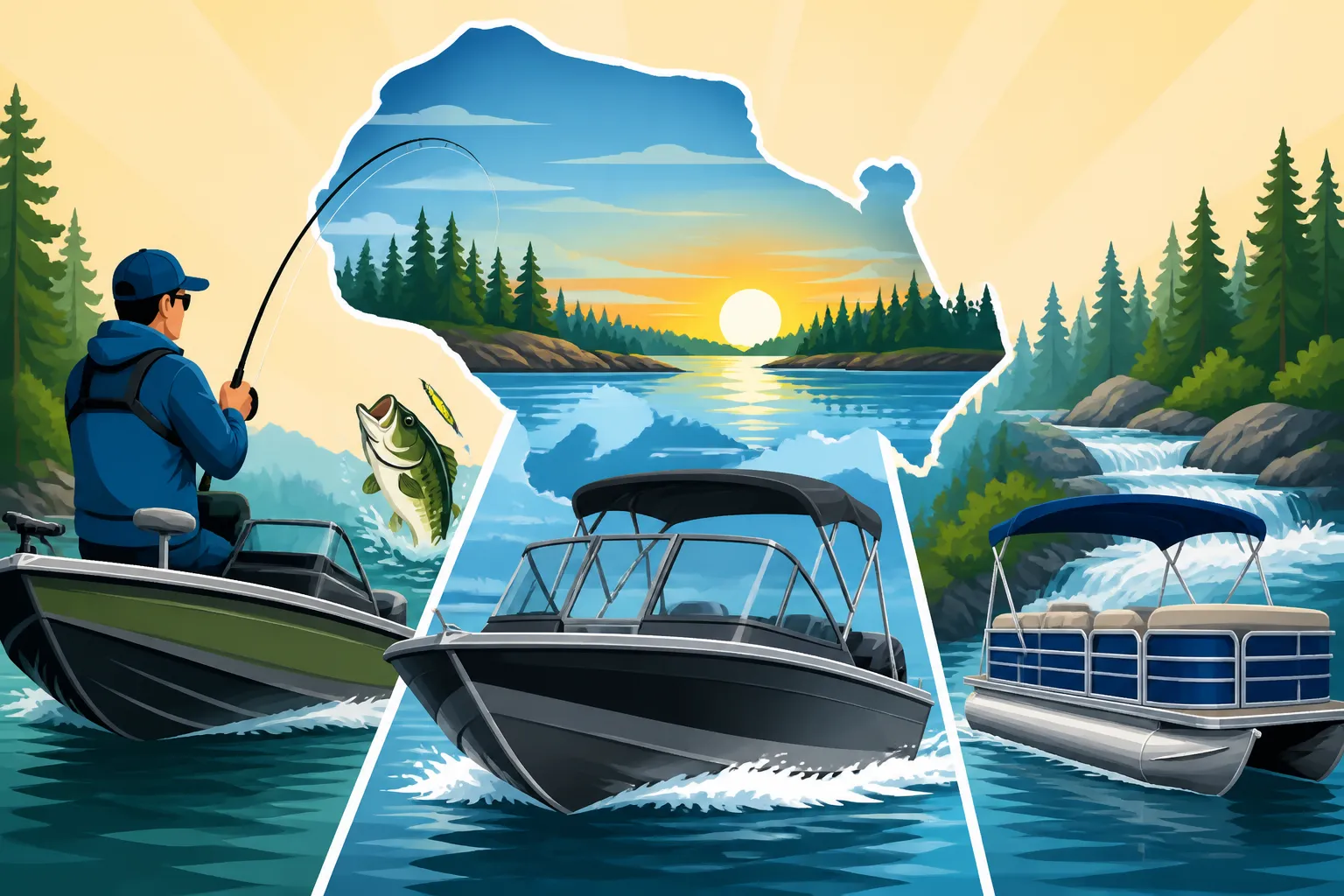
- Utility/Open Boats: These are your classic tin boats, often 12 to 16 feet in length, with tiller steer or a small side console. They are robust, easy to maintain, and forgiving of bumps and scrapes against rocks or docks. Their lightweight nature makes them easy to trailer and launch, even in unimproved areas. They're perfect for cottage use, accessing smaller lakes, or as a general workhorse boat. While often basic, they can be rigged with portable fish finders, trolling motors, and comfy seats. They might get a bit bumpy in heavier chop due to their lighter weight and shallower V-hulls, but for sheltered waters, they are unbeatable.
- Jon Boats: Characterized by their flat bottom, jon boats excel in very shallow water. They offer excellent stability for standing to cast, making them a favourite for bass anglers working weed beds or fly anglers in shallow rivers. Their flat bottom, however, means they can be a rough ride in chop and are generally not suited for large, open bodies of water. They're fantastic for small, protected lakes and many of our shallower rivers, where draft is a critical concern. Many keen anglers find great deals on these through online classifieds, or at major retailers like Bass Pro Shops.
- V-Hull Runabouts/Walleye Boats: Stepping up, these aluminum boats feature a more pronounced V-hull, allowing them to cut through waves more effectively, providing a smoother ride on medium to large lakes. They often come equipped with livewells, rod lockers, and more sophisticated consoles for mounting electronics. Brands like Lund, Crestliner, and Alumacraft are very popular in this category. They offer a fantastic balance of durability, rough-water performance, and fishing amenities, making them a top choice for serious multi-species anglers who frequent a variety of Ontario's larger inland waters.
Pros of Aluminum Boats:
- Durable and low maintenance (less prone to cosmetic damage).
- Lighter weight, easier to trailer and launch.
- Often more affordable than fibreglass.
- Excellent for rocky areas or unimproved launches.
- Can be found in a wide range of sizes and configurations.
Cons of Aluminum Boats:
- Can be a noisier ride in chop (oil-canning effect).
- Generally not as smooth-riding as deep-V fibreglass in very rough water.
- Can feel colder in spring/fall without insulation.
Fibreglass Bass and Walleye Boats
When you think of a serious fishing machine, especially for bass or competitive walleye fishing, fibreglass boats often come to mind. These boats are designed for performance, comfort, and specialized angling.
- Bass Boats: Low-profile, sleek, and often incredibly fast, fibreglass bass boats are built for speed and precision fishing. They feature massive casting decks, multiple rod lockers, powerful trolling motors, and sophisticated electronics. Their shallow draft allows them to get into skinny water, while their deep-V hulls forward (often transitioning to a flatter pad aft for speed) can handle moderate chop. They are a joy for tournament anglers who need to cover ground quickly and fish efficiently. They often offer unmatched stability when two anglers are standing and casting.
- Deep-V Walleye/Multi-Species Boats: These fibreglass boats are similar in concept to their aluminum V-hull counterparts but often offer a heavier, smoother, and quieter ride in rough conditions. They are built to tackle the big waves of the Great Lakes and our larger inland waters with comfort and confidence. With high sides (freeboard), they keep passengers dry and secure. They come loaded with features like large livewells, expansive cockpits, and plenty of space for rod storage and high-end electronics. These are often the choice for serious anglers targeting species like lake trout, walleye, and muskie on wide-open waters.
Pros of Fibreglass Boats:
- Smoother, quieter ride in choppy water due to heavier construction.
- Can be designed with complex hull shapes for optimal performance.
- Often feature more integrated storage, livewells, and amenities.
- Faster and more fuel-efficient at higher speeds (especially bass boats).
- Aesthetically pleasing.
Cons of Fibreglass Boats:
- More expensive, both initially and for repairs if damaged (e.g., gel coat cracks).
- Heavier, requiring a larger tow vehicle and more robust trailer.
- Less forgiving of impacts with rocks or docks.
- Can be less stable than a flat-bottomed boat at rest for some designs.
Inflatables and Kayaks
For ultimate portability, stealth, and accessing truly remote waters, inflatables and kayaks are unbeatable.
- Inflatable Boats (Zodiacs, Pontoon Boats): Modern inflatable fishing boats are far more robust than glorified pool toys. Many feature rigid floors and transoms for mounting small outboards or electric trolling motors. They are incredibly stable, offer a soft ride, and are virtually unsinkable due to multiple air chambers. When deflated, they can be packed down for transport, making them ideal for RVers, campers, or those with limited storage space. Smaller inflatable pontoon boats, sometimes called float tubes, are also popular for single anglers wanting to access small ponds or quiet stretches of river.
- Fishing Kayaks: Kayak fishing has exploded in popularity in Ontario, and for good reason. They are quiet, stealthy, and can get into places no other motorized boat can. Modern fishing kayaks are incredibly stable, often allowing anglers to stand and cast. They come equipped with rod holders, storage compartments, and even pedal drives for hands-free propulsion. They are lightweight, easy to launch from almost any shoreline, and offer a unique, intimate connection with the water. For anglers targeting trout in small streams or exploring quiet bays for bass, a fishing kayak is an excellent, low-cost option. Many anglers purchase these through Amazon or specialty paddle sport stores. For a deeper dive, check out Best Kayaks for Ontario Fishing.
- Canoes: The classic Canadian fishing vessel, canoes offer simplicity, portability, and the ability to portage between lakes. They are ideal for remote trip fishing, quiet lakes, and river systems where access is limited. While not designed specifically for fishing like a modern kayak, many anglers successfully fish from them, often adding simple modifications like seat cushions or rod holders. They can be paddled or fitted with a small electric motor.
Pros of Inflatables and Kayaks/Canoes:
- Extremely portable and easy to launch.
- Quiet and stealthy, great for spooky fish.
- Access to otherwise unreachable waters.
- Low initial cost and maintenance (especially kayaks/canoes).
- Excellent for exercise and connecting with nature.
Cons of Inflatables and Kayaks/Canoes:
- Limited storage space.
- Exposed to the elements; less protection from sun, rain, or waves.
- Slower, covers less water (though pedal kayaks mitigate this).
- Less stable in strong currents or high winds compared to larger boats.
- Inflatables can be susceptible to punctures from sharp objects (though modern materials are very tough).
Canoes and Small Rowboats
These are the traditional workhorses for countless Ontario anglers, especially those seeking a more unplugged experience.
- Canoes: Already mentioned in the context of portability, canoes deserve their own note for their timeless utility. They range from lightweight Kevlar expedition canoes to heavier aluminum or rotomolded plastic models. For a single angler or a pair, a sturdy 14-16 foot canoe is a fantastic platform for exploring smaller lakes and rivers. They are generally stable enough for fishing if you learn to balance, and can be easily fitted with a small electric motor on the stern. Their open design means plenty of room for gear, especially for multi-day trips. Canoe fishing routes in Ontario are a popular way to explore the province.
- Small Rowboats (Dinghy-style): These small, rigid boats, often 8-12 feet, are usually made of aluminum or fibreglass. They are simple, stable, and can be rowed, motored with a small gas or electric outboard, or even pulled behind a larger boat as a tender. They are excellent for accessing small, sheltered bays, fishing ponds, or as a small, easy-to-manage option for cottage docks. They offer a step up in stability and storage from a kayak or canoe, but are still light enough for easy launching and handling.
Pros of Canoes and Small Rowboats:
- Highly portable and versatile.
- Minimal cost and maintenance.
- Quiet and stealthy.
- Excellent for tight spaces and remote access.
- Can be used with small outboards or electric motors.
Cons of Canoes and Small Rowboats:
- Limited rough water capability.
- Less comfortable for long durations compared to larger fishing boats.
- Minimal amenities (no livewells, limited rod storage).
- Exposed to elements.
Here's a quick comparison table to help you visualize the trade-offs:
| Boat Type | Ideal Water Types | Portability | Rough Water Handling | Cost (Initial) | Common Fishing Style |
|---|---|---|---|---|---|
| Aluminum Utility V-Hull | Medium-Large Inland Lakes, some Rivers | Good | Fair-Good | Mid-Range | Multi-species, casting, light trolling |
| Aluminum Jon Boat | Shallow Lakes, Rivers, protected bays | Excellent | Poor-Fair | Low-Mid | Bass, panfish, shallow water |
| Fibreglass Bass Boat | Medium-Large Lakes, some Rivers (performance) | Fair | Good (speed) | High | Bass (tournament), casting |
| Fibreglass Deep-V | Great Lakes, Large Inland Seas | Fair | Excellent | High | Walleye, Muskie, Lake Trout (trolling) |
| Inflatable Fishing Boat | Sheltered Lakes, protected bays, slow rivers | Excellent | Poor-Fair | Low-Mid | Panfish, bass, remote access |
| Fishing Kayak | Small Lakes, Rivers, ponds, sheltered bays | Excellent | Poor-Fair | Low-Mid | Stealth, sight fishing, fly fishing |
| Canoe / Small Rowboat | Small Lakes, Rivers, ponds | Excellent | Poor | Low | Remote access, panfish, light casting |
Specialized Considerations for Northern Ontario
Northern Ontario, with its vast wilderness, countless pristine lakes, and challenging access, presents a unique set of demands for fishing boats. Anglers heading north aren't just looking for a boat; they're looking for a reliable partner in adventure.
Remote Access and Portaging Needs
Many of the most legendary fishing spots in Northern Ontario are not accessible via paved roads or manicured boat launches. You're talking about long stretches of gravel roads, unmaintained tracks, or even lakes that require a significant portage to reach. If your dream trip involves flying into a remote cabin or hauling your boat deep into the backcountry, your boat choice becomes incredibly specific.
For fly-in trips, you'll often be limited to what fits in a floatplane or what the outfitter provides (which is almost always a sturdy aluminum boat, often a Lund or similar brand, usually 14-16 feet, with an appropriate outboard). If you're driving in and then "walking in" to an even more remote lake, a car-topper canoe, a lightweight aluminum jon boat, or a fishing kayak becomes indispensable. The ability to load and unload the boat from your vehicle by yourself, or with minimal help, is paramount. You also need to think about the durability of your trailer if you're pulling a heavier boat on rough roads. Flat tires and broken springs are not uncommon on long, remote drives, so having a spare and the tools to fix it is essential. For some of the truly remote Crown land fishing lakes in Ontario, portability is the primary factor.
Durability for Rugged Conditions
Northern Ontario waters can be unforgiving. Unmarked rocks and shoals are common, especially in unfamiliar lakes. Launch sites can be rocky or muddy, with no dock to speak of. A boat that can withstand some abuse is a must.
This is where heavy-gauge aluminum boats truly shine. They can take a hit from a submerged rock that would crack or delaminate a fibreglass hull. The occasional scrape against a shoreline or shallow bottom is often just a cosmetic issue, not a structural one. Their robust construction means less worry when exploring new waters, allowing you to focus on the fishing rather than constantly fearing damage to your boat. Even the props and lower units of your outboard motor need to be considered. Many Northern anglers carry spare props and the tools to change them, as hitting an underwater obstacle is a real possibility. While fibreglass boats are beautiful and perform well, the worry of damaging them in remote, rocky areas can significantly detract from the fishing experience.
Self-Sufficiency and Reliability
When you're hundreds of kilometers from the nearest town, with no cell service, the reliability of your boat and motor isn't just a convenience – it's a safety issue. You need equipment that you can trust to get you there and, more importantly, get you back.
This means prioritizing well-maintained outboards, ensuring your fuel lines are clear, and carrying essential spares. Simple, robust designs are often preferred over complex systems that have more points of failure. For motors, a well-serviced, reliable brand is key. Many anglers swear by particular brands of outboards for their proven track record of dependability. It's also wise to carry a secondary propulsion method, such as a paddle or a small electric trolling motor with a fully charged battery, as a backup. Redundancy in critical systems, like having two ways to start your motor or a handheld GPS alongside your boat's fish finder, can literally be a lifesaver. This focus on reliability extends to all aspects of your boat; simple electrical systems are often favoured, and any custom rigging should be done with robustness in mind. You don't want to find yourself stranded because of a loose wire or a dead battery in the middle of nowhere.
Outfitting Your Ontario Fishing Boat
Getting the right boat is just the first step. To truly optimize your fishing experience in Ontario, you'll need to outfit it with the right gear. Think of it like adding the perfect tools to your workbench – they make every task easier and more efficient.
Motors Outboard, Trolling
The right motor setup is crucial for navigating Ontario's diverse waters, whether you're cruising across a vast lake or subtly positioning yourself over a hidden structure.
- Outboard Motors: This is the primary propulsion for most fishing boats. When choosing an outboard, consider the boat's maximum horsepower rating (never exceed it!), the type of water you'll be on, and your budget. For large lakes and rivers, you'll want sufficient horsepower to cover distances quickly and safely, especially if conditions turn rough. Modern four-stroke outboards are incredibly fuel-efficient and quiet, a huge advantage for long days on the water. For smaller utility boats or jon boats, a smaller, lighter outboard (even a portable one) might be more practical. Always ensure your motor is regularly serviced for reliability, especially if you venture into remote areas. For Ontario Boating Laws for Anglers, it’s essential your motor meets all regulations.
- Trolling Motors: These electric motors, typically mounted on the bow (front) or sometimes the transom (back), are game-changers for precise boat control. They allow you to hold your position against wind or current, slowly creep along a shoreline, or follow a contour line while casting or jigging. Features like GPS-guided spot-lock (which automatically holds your boat in place) and integrated transducers for your fish finder make them incredibly powerful tools. For bass and walleye anglers, a bow-mount trolling motor is almost indispensable. Ensure you have enough battery capacity for a full day of use, and consider a charger that can handle multiple batteries. Some kayaks also use compact trolling motors for added versatility, and you might find useful accessories at Bass Pro Shops for these. If you are looking to rig up your kayak, take a look at Best Trolling Motor for a Fishing Kayak.
Electronics Fish Finders, GPS
In today's fishing world, electronics are no longer a luxury; for many, they're an essential part of success, helping you locate fish, understand underwater structure, and navigate safely.
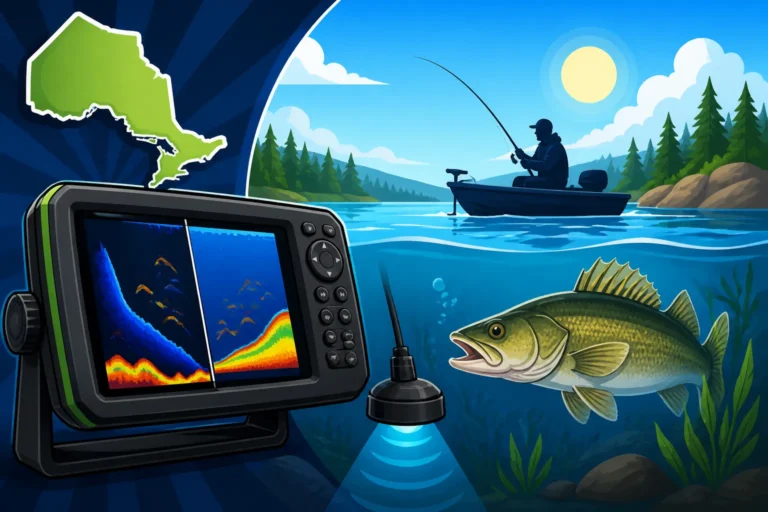
- Fish Finders/Sonar: A quality fish finder is your window into the underwater world. Modern units offer a bewildering array of technologies: 2D sonar for traditional depth and fish arch display, Down Imaging/Side Imaging for photorealistic views of structure directly below or to the sides of your boat, and Live Sonar that shows real-time movement of fish and lures. The size of your screen and the clarity of the display are important, especially when trying to differentiate fish from structure. Consider units with GPS mapping capabilities to mark hotspots, navigation routes, and hazards. Brands like Humminbird and Lowrance are popular choices. Learning to interpret your fish finder correctly takes time, but it's an invaluable skill. For an in-depth look, see Best Fish Finders for Ontario Lakes.
- GPS and Chartplotters: Integrated into most modern fish finders, GPS functionality is critical for navigation, especially on large, complex lakes or in foggy conditions. A good chartplotter will display detailed marine charts, showing depth contours, navigational aids, and hazards. This allows you to safely navigate, find productive structure, and return to your favourite fishing spots with precision. Always have up-to-date maps for your specific fishing area. While your phone's GPS can be a backup, a dedicated marine GPS unit is generally more robust and reliable on the water.
Safety Gear and Accessories
Beyond the essential life jackets (which are mandatory, remember Life Jacket Requirements for Ontario Boaters!), there's a host of other safety gear and accessories that will make your time on the water safer and more enjoyable.
- Anchor System: Essential for holding your boat in position, whether you're jigging a drop-off or taking a break. The type and weight of anchor depend on your boat size and the typical bottom type (e.g., fluke anchor for sand/mud, grappling hook for rocks). Consider an anchor trolley system for kayaks, allowing you to position the anchor point along the side of the kayak.
- Nets and Tools: A good landing net is crucial for safely landing and releasing fish, especially large species like muskie or lake trout. Ensure your net is sized appropriately for your target species and has knotless, rubberized mesh to protect fish. Pliers, hook removers, and jaw spreaders are also essential for responsible catch and release. For muskie specifically, a proper Best Landing Net for Muskie is a must.
- Coolers: Whether you're keeping your catch fresh or packing lunch and drinks, a quality cooler is indispensable. Insulated coolers from brands like Yeti or RTIC keep ice for days, which is a huge advantage on multi-day trips or in hot weather. For general use, a reliable cooler from a brand like Igloo or Coleman, readily available at retailers like Amazon, will do the trick. Read up on Best Cooler for a Fishing Boat for specific recommendations.
- First Aid Kit: A well-stocked marine first aid kit is a non-negotiable item. Minor cuts, scrapes, and headaches are common, and being prepared can prevent them from ruining a trip.
- VHF Radio/Cell Phone: For communication. A VHF radio is excellent for marine communication, weather updates, and emergencies on large waters. A fully charged cell phone (in a waterproof bag) is a backup, but remember cell service is often spotty or non-existent in remote Ontario locations.
- Emergency Kit: Flares, whistle, bailer, rope, spare parts, and tools for minor repairs. Be self-sufficient!
- Rain Gear: Ontario weather can change quickly. Quality rain gear keeps you dry and comfortable, allowing you to keep fishing even when the skies open up.
- Sun Protection: Sunscreen, hats, and polarized sunglasses are essential. Polarized sunglasses not only protect your eyes but also help you see into the water, spotting structure and sometimes even fish.
Buying Your Boat: New vs. Used & Where to Look
So, you've done your research, you know what kind of boat you need, and you're ready to make a move. Now comes the practical step of actually acquiring your vessel.
Authorized Dealers and Boat Shows
Buying new from an authorized dealer offers several advantages. You get the latest models with full warranties on the hull, motor, and often accessories. Dealers can walk you through financing options, offer service packages, and ensure your boat is properly rigged and set up for you. Many dealerships have experienced staff who can offer valuable advice on outfitting your boat for specific Ontario waters. You'll also typically have recourse if there are any immediate issues with your new purchase. Major retailers like Bass Pro Shops often have new boat packages available.
Boat shows, typically held in larger cities like Toronto or Ottawa during the late fall or early spring, are fantastic opportunities. You can see a huge range of boats from different manufacturers all in one place, compare features side-by-side, and often take advantage of special show pricing or incentives. It's a great environment to talk to factory representatives and get expert advice. Plus, there's always a certain buzz and excitement around a boat show that's hard to beat!
Online Marketplaces and Classifieds
The used boat market is massive and can offer incredible value, but it requires more careful consideration. Websites like Kijiji, Facebook Marketplace, and specialty marine classifieds are full of listings. The key here is patience and due diligence.
When buying used, always arrange to see the boat in person. Don't rely solely on photos. Look for signs of damage to the hull (cracks, significant dents, soft spots in the floor), check the condition of the motor (lower unit damage, oil leaks, general cleanliness), and inspect the trailer (tires, lights, rust on the frame, bearings). If possible, ask for a test ride, especially to hear the motor run and check its performance. A compression test on the engine is a wise investment, as it can reveal serious underlying issues.
Ask for service records and proof of ownership. Buying a boat with a clear title is crucial. Don't be afraid to ask questions about why the owner is selling, how the boat was stored, and what maintenance has been performed. If you're not confident in your own assessment, consider hiring a marine mechanic to do a pre-purchase inspection for you. This small investment can save you from a very costly mistake down the road. While you can find great deals, the used market does carry more risk, so be thorough in your investigation.
Pre-Purchase Inspections
Regardless of whether you're buying new or used, a thorough inspection is paramount. For a new boat, this might involve ensuring all the ordered accessories are installed correctly and that everything functions as expected. For a used boat, it’s a deeper dive into the boat's history and current condition.
A marine survey, conducted by a certified marine surveyor, is an option for more expensive used boats, especially fibreglass models. The surveyor will assess the hull, engine, electrical systems, and overall condition, providing a detailed report that can highlight hidden issues. This report can also be useful for insurance purposes. For simpler aluminum boats, a trusted friend with mechanical knowledge or a local marine mechanic can often provide a sufficient pre-purchase assessment. Always check the transom for any signs of rot or stress, as this is a common failure point for older boats. Don't forget to check the boat's registration and HIN (Hull Identification Number) to ensure it matches the paperwork and hasn't been stolen or altered.
Taking the time to properly research, inspect, and understand your boat purchase will ensure that your chosen vessel provides you with countless memorable and safe fishing adventures across Ontario's incredible lakes and rivers.
Disclaimer
This article is for general informational purposes only and does not constitute professional advice. Laws, prices and regulations vary by location and change over time. Consult a qualified professional for guidance on your specific situation.