Best Crown Land Fishing Lakes in Ontario
It's incredibly frustrating when you're craving that wild, untamed fishing experience in Ontario, only to find every popular spot overrun with crowds. You want solitude, pristine waters, and the thrill of discovering a truly hidden gem, but tracking down those elusive locations can feel like finding a needle in a haystack. This guide is here to cut through that noise, helping you understand and access the incredible fishing opportunities available on Ontario's vast Crown land.
Understanding Crown Land Fishing in Ontario
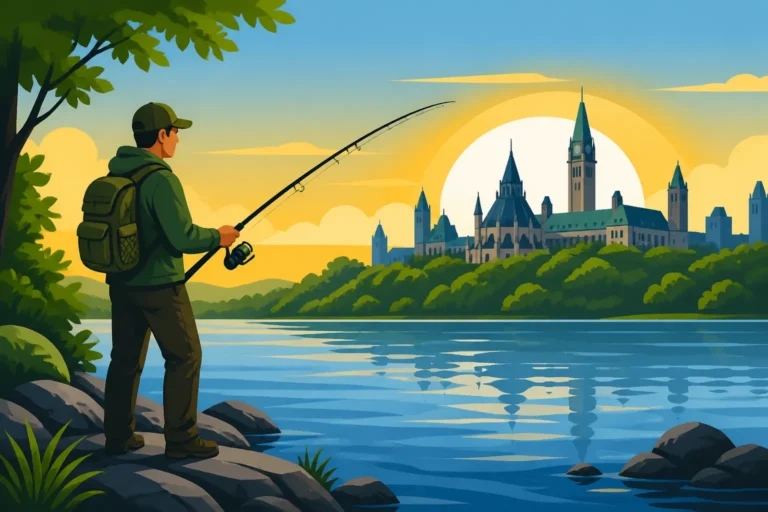
For many anglers, the dream isn't just about catching fish; it's about the adventure, the escape, and the connection with nature that only truly remote locations can offer. Ontario's Crown land provides exactly that, a massive expanse of wilderness where you can often feel like the only person on the planet. But what exactly is Crown land, and why should it be your next fishing destination?
What Exactly is Crown Land?
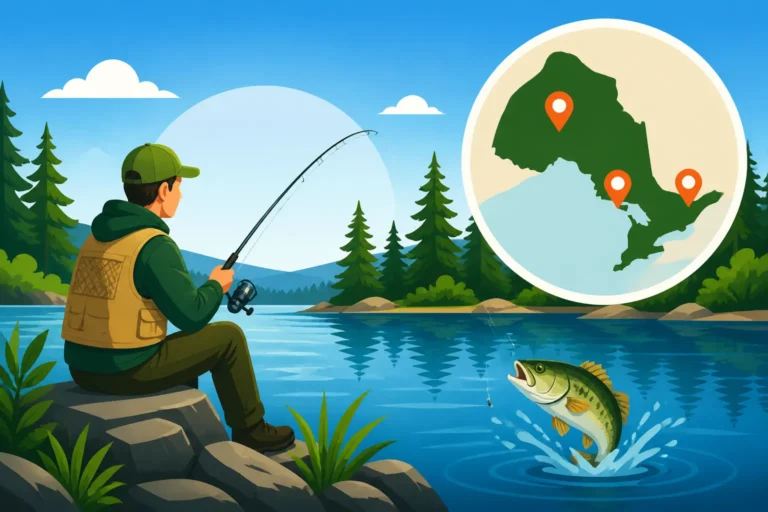
In Ontario, "Crown land" essentially refers to public land managed by the provincial government. It makes up roughly 87% of the province's land base, encompassing millions of acres of forests, lakes, rivers, and wetlands. This isn't your typical provincial park with designated campsites and paved roads; much of it is undeveloped, rugged, and requires a different approach to access and recreation. Think of it as a giant, open-access playground, but one where you're responsible for your own safety and environmental impact. Understanding that this land is public, held in trust by the Crown for the benefit of all Ontarians, is the first step to unlocking its potential.
While many Crown land areas are accessible, some might have specific rules or closures, often due to forestry operations, mining, or Indigenous land use agreements. It's crucial to consult the Ontario Ministry of Natural Resources and Forestry (MNRF) resources, such as their Crown Land Use Policy Atlas, to confirm the regulations for any specific area you plan to visit. This atlas is a game-changer for identifying permissible activities and understanding any restrictions.
Why Choose Crown Land for Fishing?
The appeal of Crown land fishing is multi-faceted. First and foremost is the solitude. Unlike heavily pressured lakes closer to urban centers, Crown land lakes often see minimal angling pressure, meaning healthier fish populations and a more genuine wilderness experience. You won't be battling for space at the boat launch or hearing other anglers' conversations echoing across the water. It’s just you, your line, and the sounds of nature.
Secondly, these waters often hold incredible fish. Because they're less fished, the fish tend to be less "educated" and more willing to bite. Many of these lakes are home to wild, self-sustaining populations of species like brook trout and lake trout that thrive in their untouched environments. Imagine the thrill of reeling in a pristine brook trout from a lake that might only see a handful of anglers all season! Moreover, the sheer variety of lakes, from small, deep pockets to expansive systems, means there's always a new challenge and a new discovery waiting.
Navigating Regulations and Permits
Even though Crown land is public, there are still important rules you need to follow, especially concerning camping and fishing. If you're an Ontario resident, you can generally camp on Crown land for up to 21 days at any one site between May 1st and October 31st without a permit. However, non-residents of Ontario require a Crown Land Camping Permit if they plan to camp on non-regulated Crown land north of the French River. This permit is often easily obtainable online or from authorized issuers. Understanding the nuances of Ontario Fishing Regulations Explained and where they apply is paramount to a lawful and enjoyable trip.
Beyond camping, your standard Ontario Fishing License Guide for 2026 rules apply. You'll need an Outdoors Card and a valid fishing license, whether it's a Sport or Conservation tag. Remember that specific lakes might have their own special regulations, such as slot limits, catch-and-release only rules, or seasonal closures, often outlined in the annual Reading the Ontario Fishing Regulations Summary. Always double-check the current regulations for the specific Fisheries Management Zone (FMZ) you'll be visiting, which you can easily pinpoint using the Ontario Fish ON-Line Interactive Zone Map, Explained.
Preparing for Your Crown Land Fishing Adventure
A trip to a remote Crown land lake isn't like a quick outing to a local pond. It demands careful preparation, the right gear, and a strong emphasis on safety. Without proper planning, a wilderness adventure can quickly turn into a challenging situation.
Essential Gear for Remote Trips
When heading into the backcountry, you need gear that's reliable, functional, and ideally, lightweight. Forget the massive tackle box; focus on versatility and essentials. A good quality backpack is crucial for carrying your gear, food, and water. A portable water filter or purification tablets are non-negotiable, as is a reliable map and compass (and knowing how to use them, even with GPS). For fishing, pack a versatile rod and reel combo that can handle various species. Consider a multi-piece travel rod if you'll be portaging.
Don't forget the practical stuff: first-aid kit, fire-starting supplies, a headlamp, insect repellent, and enough food for your trip plus a couple of extra days' emergency supply. For remote lakes, a robust canoe or a light, inflatable boat is often the only way to access the water. Companies like Swift Canoe & Kayak offer durable, lightweight options perfect for portaging. If you're unsure about what a guided trip might entail for a remote location, a quick search on a platform like FishingBooker could help you identify outfitters who specialize in these types of adventures and offer insights into their gear lists.
Safety First: What You Need to Know
Safety on Crown land is primarily your responsibility. Cell service is often non-existent, so you can't rely on your phone for emergencies. Always tell someone your detailed itinerary, including your route, destination, and expected return time. Pack a satellite communication device (like a Garmin inReach or Zoleo) for emergency contact. These devices are lifesavers and provide immense peace of mind.
Bear safety is another critical component. Store food in bear-proof containers or hang it from a tree. Carry bear spray and know how to use it. Be aware of your surroundings, make noise while hiking, and avoid surprising wildlife. Proper navigation skills are paramount. Get familiar with topographical maps and understand how to use them in conjunction with a GPS device. The wilderness is beautiful, but it's also unforgiving if you're unprepared.
Planning Your Route and Access
Accessing Crown land lakes often involves navigating forestry roads, ATV trails, or even dedicated portage routes. Many of these roads are unmaintained, rough, and may require a high-clearance 4×4 vehicle. Research road conditions before you go, as some may be seasonally closed or washed out. Utilize online mapping tools and satellite imagery to scout potential access points and understand the terrain. Sometimes, the only way in is via a long hike or canoe portage, adding to the sense of accomplishment when you finally reach your destination.
It's also worth looking into local outfitters or air services if you're targeting truly remote fly-in lakes. These services can significantly reduce travel time and provide access to areas that are otherwise unreachable, though at a higher cost. They often have intimate knowledge of the area and can be an invaluable resource. Before heading out, always ensure your vehicle is in top condition, especially tires, and carry essential tools for roadside repairs.
Top Crown Land Fishing Lakes (General Regions)
Ontario's Crown land stretches far and wide, offering different experiences depending on the region. From the rugged Canadian Shield in the north to the more accessible areas of central Ontario, each offers unique fishing opportunities.
Northern Ontario's Vast Wilderness
When most people think of Crown land fishing, their minds often drift to Northern Ontario. This expansive region, particularly west of Thunder Bay and stretching into areas like the Kenora and Rainy River districts, is a haven for anglers seeking solitude and trophy fish. These lakes often boast robust populations of walleye and northern pike, with many also holding impressive lake trout. Due to the sheer remoteness, many of these lakes are only accessible via float plane or long, arduous portages, which keeps angler pressure low.
Take, for instance, some of the lakes found within the vast expanse of the Wabakimi Provincial Park region, though technically a park, much of its surrounding areas offer similar Crown land experiences. Or consider areas northeast of Thunder Bay, such as the lakes fed by the Albany River system, where you can find incredible walleye and pike fishing. These are truly immersive wilderness experiences. While specific lake names are often kept under wraps by those who fish them, a detailed look at topographical maps around major river systems often reveals promising, less-fished bodies of water.
Central Ontario's Hidden Gems
Central Ontario, while generally more populated, still offers some fantastic Crown land fishing, especially if you're willing to venture slightly off the beaten path. Areas within the larger Algonquin Provincial Park region, though the park itself has specific rules, are bordered by significant Crown land tracts. Similarly, the Temagami area, renowned for its ancient forests and interconnected waterways, provides numerous opportunities for remote fishing. Here, you might find incredible brook trout fisheries in smaller, colder lakes, alongside lake trout in deeper systems.
Access to these Central Ontario spots might be via logging roads that branch off highways like the 11 or 69. For example, lakes within the Eastern part of the Parry Sound and Muskoka districts, bordering Algonquin, often offer that blend of accessibility and wilderness feel. It's in these regions that you might find smaller, pristine lakes that are perfect for a canoe trip, targeting native brook trout. Always ensure you are on actual Crown land and not private property or within a regulated park boundary.
Northwestern Ontario's Pike & Walleye Hotspots
Northwestern Ontario, particularly the area around Lake of the Woods and further east towards Ignace, is famous for its incredible walleye and northern pike fishing. While many of the larger, well-known lakes have resorts and guides, the region is dotted with countless smaller, connected Crown land lakes that offer equally fantastic opportunities with far fewer people. These lakes are often part of larger river systems, providing diverse habitats for fish.
These waters are often shallower and warmer than the deep, clear lakes of the Canadian Shield, making them ideal for aggressive pike and walleye. Many anglers targeting these areas will drive on rugged bush roads, launch a small boat or canoe, and explore a chain of lakes. Using a service like FishingBooker to look for guides in these regions might also reveal some of the less-known, productive areas that local experts frequent, providing a starting point for your own exploration.
Finding Your Own Secret Spot: Tools and Resources
The real thrill of Crown land fishing is often in the discovery. Finding your own unpressured lake can be incredibly rewarding, and with the right tools, it's more achievable than you might think.
Utilizing Digital Maps and Satellite Imagery
In this digital age, finding remote fishing spots has become significantly easier, though still requiring effort. Google Maps and other satellite imagery services are your best friends. Zoom in on areas marked as Crown land (often indicated by specific colours or boundaries on provincial mapping tools). Look for lakes that don't have obvious road access or cabins. These are prime candidates for a wilderness adventure. Pay attention to topographical features – deep drop-offs, pinch points, and submerged structures often indicate good fish habitat.
Beyond general satellite maps, the MNRF's Crown Land Use Policy Atlas is an indispensable resource. It details land use designations, potential restrictions, and access points. Combine this with detailed topographical maps (available online or at outdoor stores) to identify portage routes, elevation changes, and hidden trails. Plotting coordinates on a GPS device before you go is essential, ensuring you can navigate accurately even without cell service. Think of it as your digital detective kit for fishing.
Consulting Local Resources and Word-of-Mouth
While the internet provides a wealth of information, there's still no substitute for local knowledge. If you're visiting a particular region, stop at local bait shops, outfitters, or even small-town diners. Locals often have invaluable insights into accessible Crown land areas, recent fishing reports, and road conditions. Be respectful, share your passion, and you might just earn yourself a tip on a hidden gem. You could even browse local forums or Facebook groups dedicated to Crown land camping and fishing access permit rules or specific regional fishing discussions to glean information.
Another excellent source is the fishing guide community. Many guides, particularly those listed on platforms like FishingBooker, spend countless hours exploring these wilder areas. While they won't give away their secret spots, they can often provide general advice on regions or types of lakes that tend to be productive on Crown land, helping you narrow down your search.
Navigating to Remote Lakes
Reaching a remote Crown land lake can be an adventure in itself. Access might involve driving miles down rough gravel or dirt roads, often requiring a 4×4. These "bush roads" can be challenging, with large potholes, rocks, and mud. Always carry a spare tire, a jack, and basic recovery gear. Sometimes, the road ends, and you'll need to portage your canoe or kayak and gear through dense bush to reach the water.
This is where lightweight canoes or kayaks truly shine. Portaging can be physically demanding, but the reward of reaching an untouched lake makes it all worthwhile. Always mark your portage entry and exit points, as they can be difficult to spot on the return journey. For those seeking truly off-grid experiences, consider a fly-in trip. Several air charter services operate out of Northern Ontario towns like Kenora, Thunder Bay, and Cochrane, flying anglers into remote lakes that see almost no human activity, offering an unparalleled wilderness fishing experience.
Species to Target in Crown Land Lakes
Crown land lakes, with their diverse habitats and often untouched environments, host a variety of fish species, offering something for every type of angler. The health of these wild populations is a major draw.
Walleye and Northern Pike Powerhouses
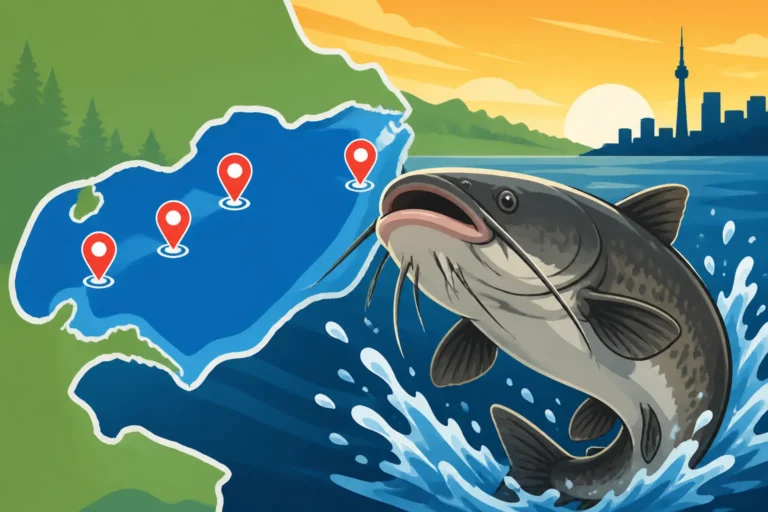
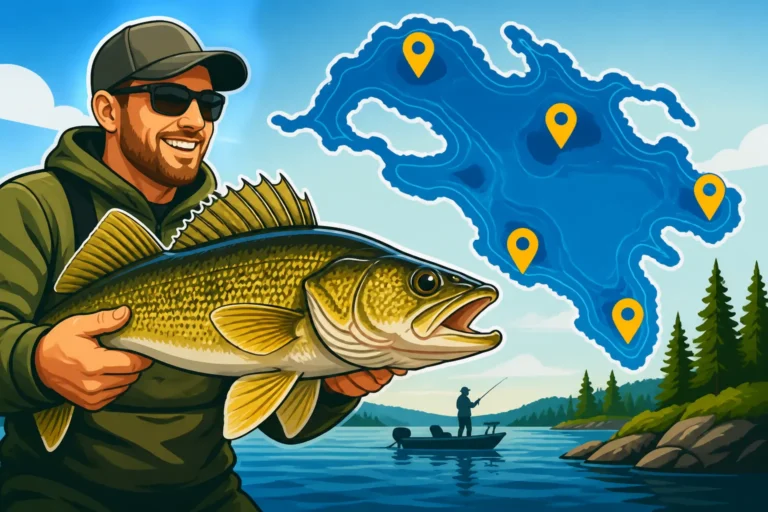
Many of Ontario's Crown land lakes, especially in the northern and northwestern regions, are absolute powerhouses for walleye and northern pike. These lakes often have a healthy forage base, including baitfish like cisco and perch, allowing pike to grow to impressive sizes and walleye populations to thrive. Walleye prefer rocky structures, points, and humps, particularly around inflows and outflows, while pike will ambush from weed beds, fallen timber, and rocky shorelines.
Anglers targeting these species often use a variety of techniques. For walleye, jigging with minnows or soft plastics, trolling crankbaits, or drifting with a Best live bait for walleye trolling are popular and effective. For pike, casting large spoons, spinnerbaits, or topwater lures near cover can produce explosive strikes. Remember that Ontario Walleye Opener Dates by Zone vary significantly, so always confirm the season for your chosen FMZ.
Here's a quick comparison of common species in Crown Land lakes:
| Species | Typical Habitat | Preferred Baits/Lures | Average Size in Crown Lakes | Notes |
|---|---|---|---|---|
| Walleye | Rocky points, humps, transitions, river mouths | Jigs (minnows, plastics), crankbaits, crawler harnesses | 1-4 lbs, trophies 8+ lbs | Excellent eating, light-sensitive, active at dawn/dusk. |
| Northern Pike | Weed beds, fallen timber, shallow cover, drop-offs | Spoons, spinnerbaits, large crankbaits, topwater | 3-8 lbs, trophies 15+ lbs | Aggressive fighters, often found in same waters as walleye. |
| Lake Trout | Deep, cold, clear lakes; offshore structures | Trolling spoons, deep-jigging, tube jigs | 2-10 lbs, trophies 20+ lbs | Require specialized gear for deep water, sensitive to warm water. |
| Brook Trout | Cold, clear streams, small lakes, beaver ponds | Small spinners, flies, worms, tiny spoons | 0.5-2 lbs, trophies 4+ lbs | Native species, indicator of pristine water, often vibrant colours. |
| Smallmouth Bass | Rocky shorelines, shoals, deep structure | Tube jigs, topwater, crankbaits, soft plastics | 1-3 lbs, trophies 5+ lbs | Aggressive fighters, found in many Shield lakes. |
Pristine Brook Trout and Lake Trout Waters
For many, the true treasure of Crown land fishing lies in its pristine brook trout and lake trout waters. These fish demand cold, clean, well-oxygenated lakes, and Ontario's remote Crown land provides the perfect habitat. Brook trout (also known as "speckled trout" to many local anglers) are often found in smaller, shallower lakes with stream inlets and outlets, or in the countless beaver ponds and cold creeks that crisscross the wilderness. These fish are brilliantly coloured and offer an incredible fight on light tackle. For some of the best wild brook trout fishing, you'll often be heading into specific areas outlined in guides like Brook Trout in Ontario's Crown Land Lakes.
Lake trout, on the other hand, inhabit deeper, colder, oligotrophic lakes, typically found throughout the Canadian Shield. They are powerful fighters and can grow to substantial sizes. Targeting lake trout often involves trolling large spoons or deep-jigging over offshore structures. Learning How to Catch Lake Trout in Ontario in these wild settings offers a unique challenge. Always be mindful of the fragility of these ecosystems and practice catch-and-release, especially for larger breeders, to ensure these populations thrive for future generations.
Smallmouth Bass and Panfish Opportunities
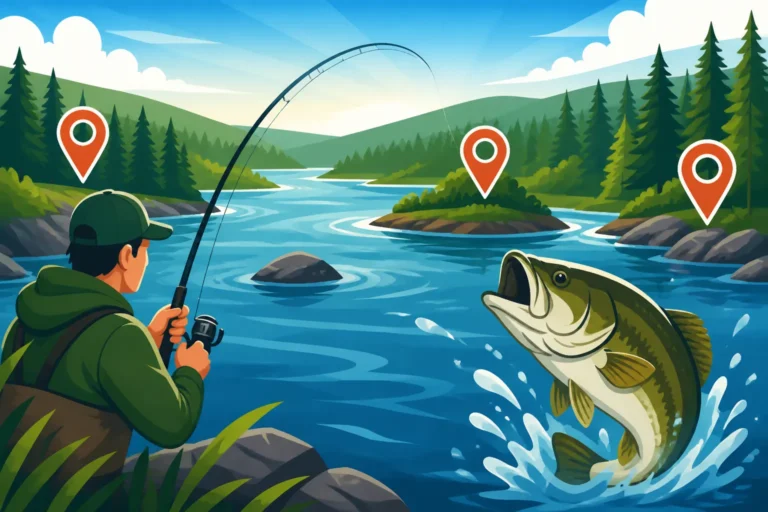
While walleye and trout often steal the spotlight, many Crown land lakes also offer excellent smallmouth bass and panfish fishing. Smallmouth bass thrive in clear, rocky lakes, often congregating around points, shoals, and submerged timber. They are incredibly strong fighters and a blast to catch on a variety of lures, from topwater baits to tube jigs. Their aggressive nature makes them a rewarding target, especially during the summer months. Check out How to Catch Smallmouth Bass in Ontario for more specific techniques.
Beyond the main game fish, panfish like yellow perch and black crappie can be abundant in many Crown land lakes, providing excellent action, especially for families or those looking for a tasty shore lunch. Perch often school up around weed lines and drop-offs, while crappie prefer submerged brush and deeper weed edges. They are relatively easy to catch and can provide consistent action, rounding out a diverse fishing experience on Ontario's wild waters.
Responsible Angling and Conservation on Crown Land
Fishing on Crown land comes with an inherent responsibility to protect these pristine environments. Our actions directly impact the health of the fisheries and the wilderness itself. Practicing ethical angling and minimizing your footprint is crucial for ensuring these incredible opportunities remain for years to come.
Practicing Catch and Release Effectively
While some species like walleye and perch are delicious table fare, practicing catch and release, especially for larger fish and sensitive species like trout, is vital for maintaining healthy populations on remote lakes. When you do choose to release a fish, handle it with care. Minimize its time out of the water, use wet hands to protect its slime coat, and avoid squeezing it. Use appropriate tools like de-hookers to remove hooks quickly and cleanly.
Barbless hooks are also highly recommended, as they cause less damage and make hook removal easier, increasing the fish's survival chances. Consider using a knotless rubberized landing net, which is gentler on scales and fins compared to traditional knotted nets. By being mindful of our impact, we contribute to the long-term sustainability of these wild fisheries.
Minimizing Environmental Impact
The ethos of "leave no trace" is paramount on Crown land. This means packing out everything you pack in, including all garbage, food scraps, and even fish guts (dispose of them deeply in the water or carry them out). Avoid cutting live trees for firewood; instead, collect only deadfall. Build small, contained campfires and ensure they are completely extinguished before leaving.
Be mindful of sensitive ecosystems. Stay on established trails or portage routes where possible to prevent erosion. Avoid polluting the water with soap, chemicals, or fuel. Use biodegradable products whenever possible. The beauty of Crown land lies in its untouched nature, and it's up to us to keep it that way.
Supporting Sustainable Fishing Practices
Beyond individual actions, supporting broader sustainable fishing practices is key. This includes adhering strictly to all Ontario Bag and Possession Limits by Species and size restrictions. These regulations are in place for a reason – to protect fish stocks and ensure their longevity. Purchase your fishing licenses, as the funds generated directly support conservation efforts, fish stocking programs, and fisheries management by the MNRF.
Consider getting involved with local conservation groups or initiatives that focus on protecting Ontario's waterways and fish habitats. Education and advocacy play a significant role in safeguarding these resources. By being an informed and responsible angler, you become an important steward of Ontario's incredible Crown land fishing opportunities.
Disclaimer
The information provided in this guide is for general informational purposes only and does not constitute legal advice. Fishing regulations and access rules for Crown land in Ontario can change. Always consult the most current official Ontario Ministry of Natural Resources and Forestry (MNRF) publications, including the annual Fishing Regulations Summary and the Crown Land Use Policy Atlas, before planning any trip. It is the individual angler's responsibility to understand and comply with all applicable laws and regulations.