Best catfish spots on Lake Erie
Finding the best catfish spots on Lake Erie can feel like searching for a needle in a haystack – this massive body of water offers incredible opportunities, but without local knowledge, it’s easy to get overwhelmed. Many anglers dream of hauling in a monstrous channel cat or a hard-fighting flathead, only to spend frustrating hours in unproductive water. This guide is here to cut through the guesswork, sharing insider tips and pinpointing the prime locations to significantly increase your chances of a successful Lake Erie catfish adventure.
Understanding Lake Erie's Catfish Appeal
Lake Erie isn't just known for its walleye; it's a phenomenal, albeit often overlooked, fishery for catfish. The unique characteristics of this Great Lake create an environment where these whiskered bottom-dwellers can thrive, growing to impressive sizes. If you've ever felt intimidated by the sheer scale of Erie, thinking it's too big to "find" catfish, rest assured that understanding their preferences is the first step to unlocking this incredible resource.
Why Lake Erie is a Catfish Haven
Lake Erie's relatively shallow western basin, combined with its fertile waters and abundant baitfish, creates a perfect storm for catfish. Unlike some of the deeper, colder Great Lakes, Erie offers extensive areas with warmer temperatures and nutrient-rich environments that support a robust food web. This means catfish have a constant supply of forage, from smaller baitfish like emerald shiners and gizzard shad to various insects and crustaceans, allowing them to grow large and healthy. It's a prime example of how the ecosystem supports diverse fisheries, even for species that might seem secondary to the big-name game fish.
The lake's varied bottom structure, especially in the western and central basins, also plays a crucial role. Catfish, particularly the prolific Channel Catfish, love soft, muddy bottoms where they can scavenge. They also seek out areas with current breaks and submerged cover. Additionally, the increasing presence of Flathead Catfish, particularly in the western end, adds another exciting dimension. These larger, more predatory cats prefer rocky areas, logjams, and deeper holes, often near river mouths, presenting a different challenge for anglers. The sheer volume of water and diverse habitats mean that if you know where to look, a trophy cat is always a possibility.
Prime Catfish Habitats in Lake Erie
Catfish aren't just randomly swimming around; they have preferred hangouts dictated by food, cover, and water conditions. In Lake Erie, understanding these key habitat types is crucial for targeting them effectively. Think of it like a scavenger hunt, where you're looking for the clues left by the environment itself.
One of the most consistent catfish hotspots in Lake Erie involves the mouths of its many tributaries and rivers. The Detroit River, Maumee River, Sandusky River, and Grand River (in Ontario, near Port Maitland) all dump nutrient-rich, often muddier water into the lake. This influx creates current, brings down food, and often carries a slightly warmer temperature than the main lake, making these confluence zones irresistible to catfish. These areas are typically shallower, with soft bottoms, and often feature submerged wood or rock piles that provide excellent cover.
Beyond river mouths, look for extensive flats with muddy or silty bottoms, especially in the western and central basins. These expansive areas might seem featureless, but they are teeming with benthic invertebrates and baitfish, which catfish actively root out. Deep channels, especially those dredged for navigation, also act as highways and holding areas for catfish, providing cooler, more stable temperatures during hot summer months. Lastly, any kind of submerged structure – old breakwalls, cribs, wrecks, or even just significant depth changes – can concentrate catfish, offering ambush points and protection. These fish are opportunists, and wherever there's an easy meal or a safe hiding spot, they're likely to be found.
Top Catfish Hotspots on Lake Erie
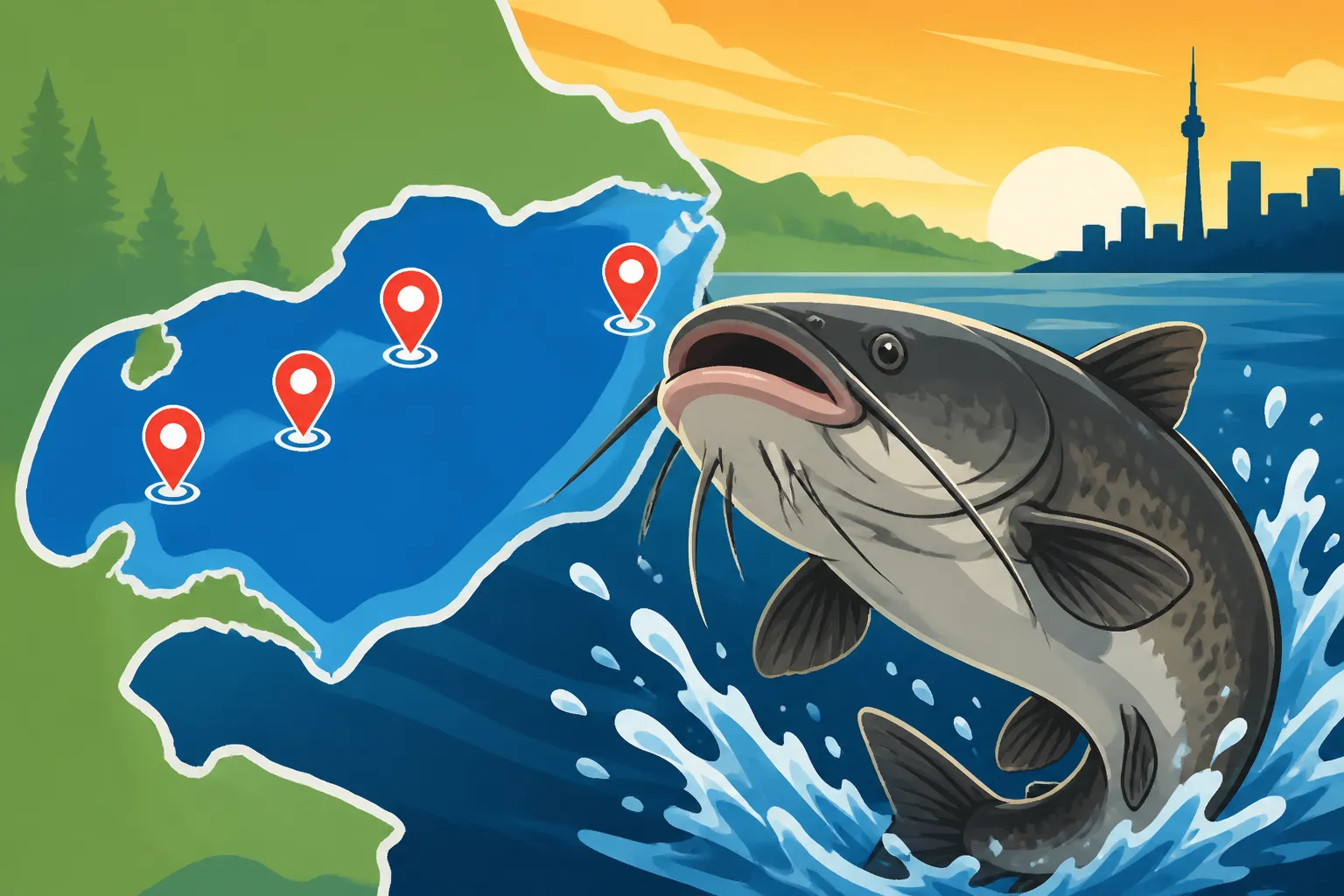
Lake Erie is a vast body of water, and while catfish are widespread, certain areas consistently produce more and larger fish. Knowing these proven hotspots can save you hours of searching and significantly boost your chances of a memorable catch. We're talking about specific regions that offer the right combination of habitat, forage, and water conditions that catfish simply can't resist.
Western Basin Wonders
The Western Basin of Lake Erie is arguably the most renowned area for catfish, particularly Channel Catfish, thanks to its relatively shallow depths, warmer water, and nutrient-rich inflows. This end of the lake acts like a massive nursery and feeding ground, making it a prime destination for anglers. Many of these areas are easily accessible from Ontario, providing fantastic opportunities for a day trip or longer adventure.
One of the most prolific areas is the mouth of the Detroit River. This powerful river acts as a superhighway for fish, delivering a constant supply of food and creating significant current breaks that catfish adore. Anglers often find great success anchoring just outside the main current, letting baits settle into the seams and eddies. Similarly, areas around Pelee Island, particularly the shallower shoals and weed beds on its eastern and western flanks, offer excellent habitat. The consistent flow of nutrients and the abundant cover make these zones irresistible to hungry cats. When exploring these waters, remember that a strong current often means active fish, so be prepared for a fight!
Moving south into the Ohio waters, but still highly relevant due to its proximity and shared ecosystem, Maumee Bay and Sandusky Bay are legendary. While these are technically in Ohio, the fish populations intermingle, and understanding these productive zones helps grasp the overall dynamics. The Maumee River estuary, especially, holds incredible numbers of both Channel Catfish and Flathead Catfish, particularly in deeper holes and around submerged logs and debris. The muddy bottoms and rich invertebrate life create a buffet for catfish. Closer to Ontario, the Canadian side of the Western Basin also boasts excellent catfish potential. Areas off Colchester and Kingsville, characterized by shallower, warmer waters and soft bottoms, are fantastic places to set anchor with some cut bait. Local knowledge is key here, and sometimes booking a charter through a service like FishingBooker can provide invaluable insights into the exact honey holes in these vast waters.
Central Basin Channels and Structures
As you move eastward into Lake Erie's Central Basin, the lake deepens, and the character of the catfish habitat changes somewhat, but the opportunities remain stellar. Here, catfish often relate more to deeper channels, submerged structures, and transition zones where shallow water quickly drops off into deeper troughs. This area is particularly strong for those targeting larger, more solitary fish, though good numbers of channel cats are still present.
Consider the waters off Cleveland, Ohio. While this is the US side, the types of structures here are indicative of what to look for across the lake. The Cuyahoga River mouth and various harbor areas create turbid water and structure that attract catfish. Similarly, further east, the waters off Ashtabula and Conneaut are known for their deeper water access and rocky structures, which can hold robust populations of channel catfish. These areas often require deeper water fishing techniques, sometimes involving drifting baits along contours or anchoring over known humps and ledges.
On the Ontario side of the Central Basin, excellent spots can be found around the Grand River mouth near Port Maitland and the various harbors along the coast, such as Port Colborne and Port Stanley. The Grand River, a major tributary, empties into Lake Erie, creating prime catfish habitat with its constant flow of nutrients and baitfish. Look for the transition areas where the river current meets the lake, particularly where depths increase or where there’s a noticeable change in bottom composition from sand to mud. Anglers fishing these zones often report impressive catches, especially during the warmer months when catfish are most active. Exploring maps for old navigation channels or submerged historical structures can also lead to fantastic, less pressured spots.
Eastern Basin River Mouths and Tributaries
The Eastern Basin of Lake Erie is the deepest and coldest part of the lake, often more associated with trout and salmon. However, it still holds significant catfish populations, especially around the mouths of its major tributaries and shallower, protected bays. The fishing here can be excellent, particularly for Channel Catfish, which adapt well to a variety of conditions.
Near the very eastern end, the Niagara River, which connects Lake Erie to Lake Ontario, is a phenomenal, though challenging, catfish fishery. The sheer volume of water and current makes it unique. Catfish congregate in slower eddies, back bays, and around the many submerged structures that dot the river mouth. Fishing the Niagara River can be an adventure in itself, often requiring heavy tackle and a good understanding of current dynamics. This is an area where local guides, often found through FishingBooker, truly shine, as they can safely navigate the complex currents and put you directly on fish.
Further west along the Ontario shoreline, rivers like the Cattaraugus Creek (though primarily in New York, its influence extends) and other smaller tributaries that feed into the eastern basin create localized hotspots. Look for protected harbors and smaller bays, such as those near Port Dover or Long Point Bay, which offer shallower, warmer water compared to the main basin. These areas provide the soft, muddy bottoms and abundant forage that catfish prefer, especially during the spring and fall migrations when they are actively moving into and out of these feeding grounds. Don't overlook these eastern areas; while they may require a slightly different approach than the western basin, the rewards can be substantial, with many anglers reporting excellent catches closer to shore.
Essential Techniques and Tips for Lake Erie Catfish
Catching catfish on Lake Erie isn't just about finding the right spot; it's also about employing the right tactics. These fish are powerful and cunning, and having the right approach to bait, rigs, and timing can make all the difference between a slow day and a banner one. It's about thinking like a catfish!
Best Baits and Rigs
Catfish are primarily scavengers and opportunistic predators, which means they have a strong sense of smell and are drawn to pungent, natural baits. When fishing Lake Erie for catfish, you really want to put something irresistible on the hook. Forget the fancy lures; it's all about aroma and presentation.
For Channel Catfish, by far the most common species in Lake Erie, classic stink baits, cut bait, and nightcrawlers are top choices. Stink baits, whether commercially prepared dough balls or homemade concoctions, are designed specifically to attract catfish with their potent scent. Many anglers swear by cut bait, using pieces of oily fish like shad, suckers, or even small pieces of any baitfish found locally. The natural oils and blood dispersion create a powerful scent trail in the water, drawing cats in from a distance. If you're using cut bait, ensure it's fresh for the best results. A reliable source for fresh bait or tackle can be found at most local bait shops around Lake Erie, such as those in Port Stanley or near the Grand River. Even simple nightcrawlers, fished in a juicy bundle, can be incredibly effective, especially for smaller to medium-sized channel cats.
Flathead Catfish, on the other hand, are more predatory and often prefer live bait. A frisky live bluegill, sucker, or even a large shiner can be irresistible to a hungry flathead. The key is to keep the bait alive and active on the hook, allowing it to move naturally and attract attention. For rigging, the Carolina Rig (also known as a slip-sinker rig) is a perennial favorite for both species. It consists of an egg sinker or similar weight, a bead, a swivel, and a leader (often 12-24 inches) tied to a strong hook. This allows the fish to pick up the bait and run without feeling the full weight of the sinker. A three-way swivel rig is another excellent choice, especially in areas with current or when fishing from an anchored boat. This rig allows you to suspend your bait off the bottom or present multiple baits at different depths. Hooks should be strong, sharp circle hooks, typically in sizes 4/0 to 8/0, to ensure good hookups and minimize gut-hooking.
Seasonal Strategies and Timing
Lake Erie catfish fishing isn't a year-round constant; their behavior changes significantly with the seasons, impacting where and when you'll find them. Understanding these patterns is critical for consistent success, helping you optimize your trips for peak activity. You can't just go out any time and expect the same results.
Spring (April-May) sees catfish becoming very active as water temperatures rise. They move into shallower bays, river mouths, and tributary areas where the water warms first. This is a prime time for prespawn feeding, and they can be found in relatively shallow depths (5-15 feet). Fishing during late afternoon and into the evening can be particularly productive as the water retains warmth.
Summer (June-August) is generally prime time for Lake Erie catfish. As the water warms significantly, catfish are highly active and feeding aggressively. They can be found in a wider range of depths, from shallower flats in the Western Basin to deeper channels and drop-offs in the Central and Eastern Basins. Night fishing becomes incredibly effective during summer, especially for larger fish, as they move into shallower areas under the cover of darkness to feed. The overnight bite can be legendary, with fish often much less wary than during daylight hours. Early morning and late evening also remain strong.
Fall (September-October) brings another surge in catfish activity as they feed heavily in preparation for winter. They will often concentrate in deeper holes near river mouths and channels, moving out of the shallower bays. The cooler water temperatures can often trigger a strong bite, especially during the day. As winter approaches and water temperatures drop further, catfish become less active, retreating to deeper, more stable environments. While ice fishing for them is possible, it's generally not as popular as the open-water seasons. To stay informed on optimal fishing times, checking resources like "Ontario Fishing Seasons by Zone and Month" can provide a broader context for the general fish activity in the region.
Gear Recommendations for Lake Erie Cats
Tackling Lake Erie catfish requires robust gear that can stand up to powerful fish and sometimes challenging conditions. You're not fly fishing for brook trout here; you need strength and durability to handle these whiskered heavyweights. Investing in the right equipment will save you frustration and lost fish.
For rods, look for medium-heavy to heavy power spinning or baitcasting rods, typically 7 to 9 feet in length. This length provides good casting distance and enough leverage to control strong fish. A fast action tip is beneficial for detecting subtle bites, while the heavy backbone is crucial for setting the hook and horsing in a big cat. For reels, a quality spinning reel in the 4000-6000 size range or a sturdy baitcasting reel with a good drag system is ideal. You'll want a reel capable of holding a substantial amount of line, as Lake Erie cats can make powerful runs. Brands like Penn, Shimano, and Daiwa offer excellent options that can withstand the rigours of catfish angling.
Line choice is critical. Monofilament line in the 15-30 lb test range is a popular choice for its stretch and abrasion resistance, which can be beneficial when fishing around snags. However, many experienced anglers are switching to braided line, usually 30-65 lb test, for its incredible strength, sensitivity, and lack of stretch. This allows for better hook sets and feel, especially in deeper water or strong current. If using braid, a fluorocarbon leader of 15-25 lb test is often added to provide some shock absorption and increased abrasion resistance against toothy fish or rough bottom structures. Essential accessories include heavy sinkers (1-4 ounces, depending on current), strong swivels, durable pliers for unhooking fish, and a large landing net. A quality fish gripper can also be invaluable for safely handling larger catfish for photos before release.
Navigating Lake Erie for Catfish Success
Lake Erie is enormous, and simply knowing where the catfish are isn't enough; you also need to know how to get to them and how to fish those spots effectively. This involves everything from understanding boat access to considering a guided trip, especially if you're new to the area or the nuances of Lake Erie fishing.
Boat Access and Public Ramps
Accessing Lake Erie's prime catfish spots often means getting out on the water. Thankfully, both the Canadian and American sides of the lake boast numerous public boat launches and marinas, making it relatively easy to get your vessel in the water. However, the sheer size of the lake and its potential for rough waters mean you need a boat that's up to the task – perhaps a discussion for another time on "Best Boats for Ontario Lakes and Rivers".
On the Ontario side, popular access points include marinas and public ramps in places like Port Maitland (near the Grand River mouth), Port Dover, Port Stanley, and Erieau. These locations offer good facilities, often with ample parking and sheltered launches. For example, the Port Maitland launch provides direct access to the productive Grand River estuary and nearby lake waters, a fantastic spot for catfish. Further west, in areas like Colchester or Kingsville, numerous smaller launches and marinas cater to anglers looking to explore the Western Basin's shallower flats. Always check current ramp conditions and fees before heading out, as these can change seasonally.
It’s important to understand that while many fantastic shore fishing opportunities exist in tributary rivers, the best lake spots often require a boat. If you don't own a boat, consider renting one from a local marina if you have the experience, or look into charter services. Understanding basic boating laws is also crucial, and you can find more information about this in our guide on "Ontario Boating Laws for Anglers". Having a solid plan for launching and retrieving, especially on busy summer weekends, will ensure your day starts and ends smoothly.
Chartering a Catfish Trip
For many anglers, especially those visiting from out of province or those new to Lake Erie, chartering a local guide is an invaluable asset for targeting catfish. Lake Erie is a formidable body of water, and local knowledge can dramatically cut down on the learning curve and significantly increase your chances of success. It's an investment that often pays off with more fish and a more enjoyable, stress-free experience.
A seasoned Lake Erie catfish guide knows the precise locations of current hotspots, understands the seasonal movements of the fish, and has an intimate knowledge of the lake's bottom structure, which is crucial for finding those elusive flatheads. They’ll also provide all the necessary gear, from heavy-duty rods and reels to the most effective baits and rigs, saving you the hassle and expense of acquiring specialized equipment. This is particularly beneficial if you're targeting specific species or sizes, or if you want to learn advanced techniques for the lake. You can learn a lot from a good guide that would take years to figure out on your own.
Finding a reputable charter service is easier than ever. Online platforms like FishingBooker are excellent resources for connecting with experienced Lake Erie fishing guides. You can browse profiles, read reviews from other anglers, and compare prices and offerings to find a charter that suits your needs, whether you're after a trophy flathead or a cooler full of channel cats. When booking, don't hesitate to communicate your specific interest in catfish, as some charters specialize more in walleye or smallmouth. A dedicated catfish charter will ensure you're using the best techniques and hitting the prime spots, maximizing your time on this incredible fishery.
| Region | Prime Locations | Preferred Baits | Best Season | Key Feature |
|---|---|---|---|---|
| Western Basin | Detroit River Mouth, Maumee Bay, Sandusky Bay (OH), Pelee Island Shoals, Colchester/Kingsville Flats | Cut bait (shad, suckers), Stink baits, Live bait (flathead) | Spring, Summer | Shallow, warm water, abundant forage, river inflow |
| Central Basin | Grand River Mouth (Port Maitland), Port Stanley, Cleveland/Ashtabula (OH) Harbor Areas | Cut bait, Nightcrawlers, Live bait (flathead) | Summer, Fall | Deeper channels, submerged structures, current breaks |
| Eastern Basin | Niagara River Mouth, Port Dover, Long Point Bay | Cut bait, Stink baits, Nightcrawlers | Summer, Early Fall | Deeper main lake, tributary influence, protected bays |
Disclaimer
The information provided in this guide is for general informational purposes only and is not intended as legal or professional advice. Fishing regulations, season dates, and license requirements are subject to change by the Ontario Ministry of Natural Resources and Forestry (MNRF). Always consult the most current Ontario Fishing Regulations Summary and obtain the necessary licenses before fishing. Safety on the water is paramount; always wear a personal flotation device and be aware of weather conditions. The author and publisher are not responsible for any incidents or losses incurred while following this advice.