Rainy Lake Fishing Guide
Embarking on a fishing trip to a vast, renowned fishery like Rainy Lake can be incredibly exciting, but also a bit daunting. With its sprawling waters, countless islands, and intricate structure, knowing where to start, what to target, and how to approach this magnificent lake can feel like trying to solve a complex puzzle. This comprehensive guide is here to unravel the mysteries of Rainy Lake, helping you understand its unique character and equip you with the knowledge to make your angling dreams a reality, no matter your experience level.
The Majesty of Rainy Lake: An Angler's Paradise
Rainy Lake, straddling the border between Ontario and Minnesota, is more than just a large body of water; it's an intricate mosaic of islands, bays, channels, and open expanses, forming a truly unique fishing environment. This natural wonder, fed by the Rainy River and ultimately draining into Lake of the Woods, offers an immense diversity of habitat that supports an incredibly robust fishery. Many anglers find themselves overwhelmed by its sheer size, often wondering how to pinpoint productive areas amidst its vastness. The key lies in understanding its fundamental characteristics and the intricate ecosystem that thrives within its depths.
Geographical Charm and Water Characteristics
Rainy Lake is truly an awe-inspiring place, stretching for about 80 kilometers (50 miles) in length and boasting a shoreline that could wrap around the globe several times if you count all its islands. We're talking about over 2,200 islands here, ranging from tiny rocky outcrops to substantial landmasses that hold entire cabins and resorts. This island-studded landscape creates an incredible amount of structure, offering endless cover and ambush points for predatory fish, but also presenting challenges for navigation. The lake's depth varies dramatically, from shallow, fertile bays teeming with weeds and lily pads to deep, clear main lake basins plunging over 50 meters (160 feet) in spots, especially near the old river channels.
The water itself is generally on the clearer side in the main lake, though certain bays and river inlets might have a bit more stain, especially after heavy rains. This diverse water clarity means you'll need to adapt your lure colors and presentation styles depending on where you're fishing. The bottom composition is a mix of rock, gravel, sand, and muck, often dictated by the historical glacial movements that carved out this incredible waterway. Understanding these subtle differences in the lakebed can give you a significant advantage, as different fish species prefer different substrates for feeding, spawning, and holding. For a broader understanding of how these factors influence fishing across the province, it's always good to consult resources like Best Fishing Lakes in Ontario.
The Ecosystem That Supports Diverse Fish Populations
Rainy Lake's rich ecosystem is the foundation of its legendary fishing. It's classified as part of Ontario's Fisheries Management Zone 5 (FMZ 5), which generally indicates a diverse, productive fishery. The lake is home to a robust food chain, starting with an abundance of baitfish like ciscoes (tullibee), smelt, and various shiners, which form the primary diet for many of the larger game fish. This ample forage base allows species like walleye, northern pike, and muskie to grow to impressive sizes, making Rainy Lake a bucket-list destination for many.
Beyond baitfish, the lake's diverse aquatic vegetation, from thick cabbage beds to sparse weed lines, provides crucial habitat for smaller fish, insects, and crustaceans, further enriching the food web. The rocky reefs and deep offshore structures are vital for species like lake trout and provide important holding areas for walleye and smallmouth bass. This complex interplay of forage, habitat, and water conditions creates a dynamic environment where anglers can pursue multiple species with legitimate trophy potential.
Unlocking Rainy Lake's Prize Species
Rainy Lake isn't just known for one type of fish; it's a multi-species wonderland, offering phenomenal angling for several highly sought-after game fish. Each species presents its own unique challenge and requires specific strategies, but that's part of the fun! Whether you're after a delicious walleye dinner, a toothy pike, or a hard-fighting smallmouth, Rainy Lake delivers.
Walleye: The Golden Catch
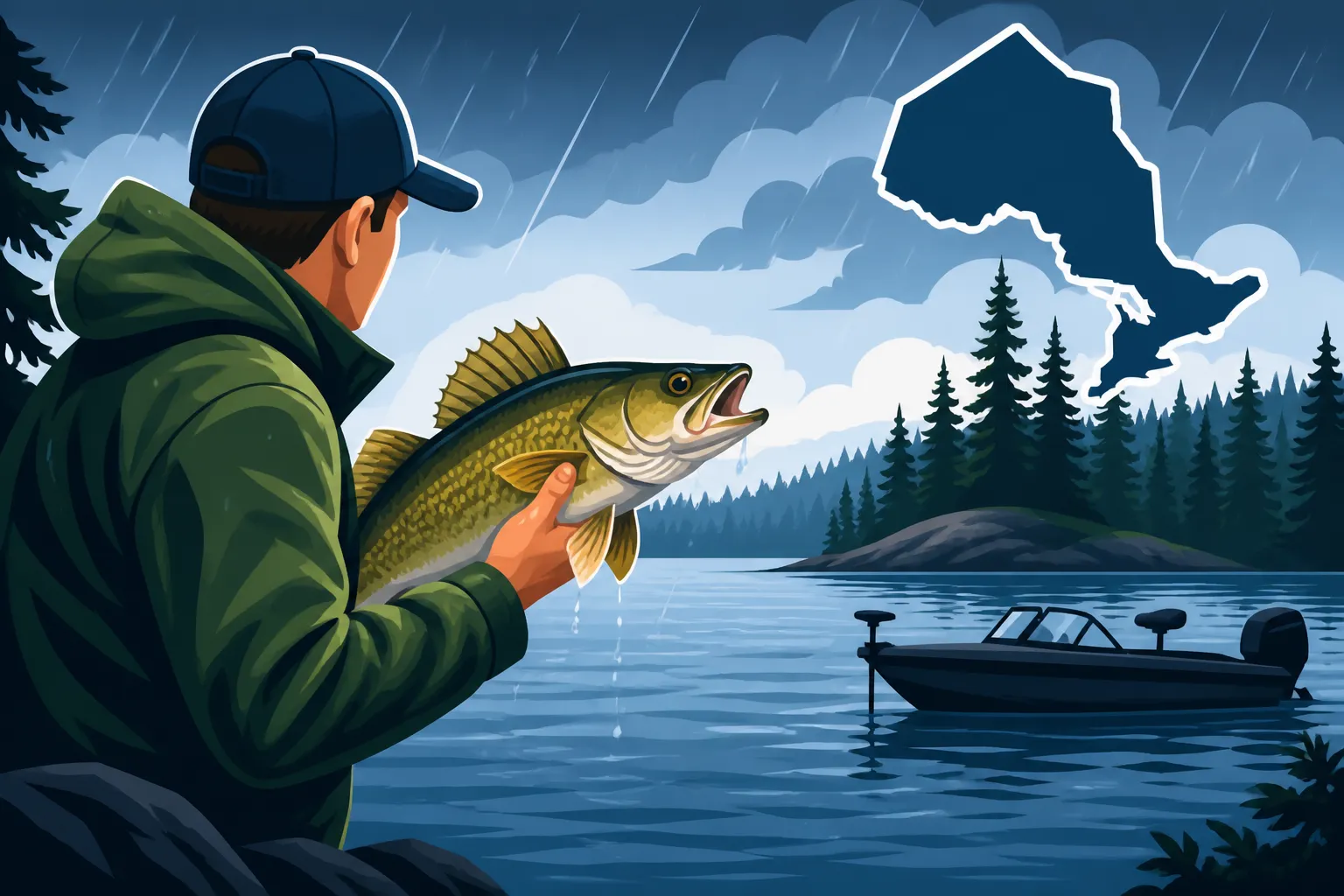
Walleye are, without a doubt, the king of Rainy Lake for many anglers. They are abundant, grow to good sizes, and are excellent table fare. Anglers often face the challenge of finding consistent walleye patterns, as they can be anywhere from shallow weeds to deep humps depending on the season and time of day. In spring, after the ice recedes, walleye move into shallower, warmer waters, particularly around the mouths of tributaries like the Rainy River, and along wind-swept shorelines and rocky points where they feed actively before and during their spawn. You can learn more about Walleye Spawning Season in Ontario to time your spring trips effectively.
As summer progresses, walleye transition to deeper structures. Look for them on the tops and edges of humps, submerged islands, and along break lines in 20-40 feet of water. They often relate to schools of baitfish, so having a good fish finder is crucial. Trolling crankbaits like Rapala Shad Raps, Berkley Flicker Shads, or Salmo Hornets in natural baitfish patterns can be incredibly effective when covering large areas. Jigging with a minnow or a soft plastic, especially on specific structure points, also produces consistent results. Don't underestimate the power of a simple !Ontario Fishing License Guide for 2026 when they're finicky.
Northern Pike: The Aggressive Hunter
If you love a hard fight and aggressive strikes, Rainy Lake's northern pike won't disappoint. These powerful predators are found throughout the lake, from shallow weedy bays to rocky points and deeper water edges. In spring, pike are often lurking in the shallow, warming waters, particularly in areas with emergent vegetation or flooded timber. Spinnerbaits, spoons like Dardevles or Johnson Silver Minnows, and large soft plastic swimbaits retrieved quickly through these areas are excellent choices. Casting along shorelines with fallen trees or rocky points can also yield explosive strikes.
During the warmer months, larger pike tend to move to deeper weed lines or hold near drop-offs where they can ambush baitfish moving between shallow and deep water. Trolling large spoons or crankbaits parallel to these edges can be very effective for targeting bigger fish. Always be prepared with a heavy leader, as their razor-sharp teeth will make short work of standard monofilament or fluorocarbon. For a deeper dive into techniques, consult How to Catch Northern Pike in Ontario.
Smallmouth Bass: The Fighter
Rainy Lake is a premier smallmouth bass fishery, offering some of the best bronze-back action in Ontario. These feisty fish are known for their acrobatic jumps and hard runs, making them a favourite target for many. Smallmouth typically relate to rocky structures: points, humps, shoals, and islands. The countless islands on Rainy Lake create an almost endless supply of prime smallmouth habitat. In spring, as water temperatures rise, they move into shallower rocky areas to spawn, often in protected bays or shorelines with plenty of rock.
Throughout summer and fall, smallmouth can be found from relatively shallow rocky banks down to offshore humps in 20-30 feet of water. Topwater lures like poppers and walk-the-dog baits are incredibly exciting in low-light conditions or calm mornings. Spinnerbaits, crankbaits, tube jigs, and drop shot rigs are also highly effective, particularly when targeting deeper structure. Look for areas with a mix of rock and scattered weeds, as these often hold excellent numbers of active fish. For general advice, check out How to Catch Smallmouth Bass in Ontario.
Crappie, Lake Trout, and Muskie: Hidden Gems
While walleye, pike, and smallmouth dominate the conversation, Rainy Lake also offers fantastic opportunities for other species, especially if you're willing to explore.
- Crappie: Rainy Lake has a fantastic black crappie population, with many fish reaching impressive sizes. They often school up in specific bays with standing timber, brush piles, or dense weed beds. Ultralight jigs tipped with small plastics or minnows, fished under a bobber, are deadly effective. Crappie can provide fast action and are delicious eating.
- Lake Trout: In the deeper, colder main lake basins, particularly in the deeper, central and eastern sections, lake trout reside. These powerful fish require specialized gear and techniques, often involving trolling spoons or dodgers with flies at considerable depths, or vertical jigging heavy spoons over deep structure. Targeting lakers is a true test of patience and skill, but the reward of a powerful, deepwater fight is well worth it. You can learn more about specific techniques in How to Catch Lake Trout in Ontario.
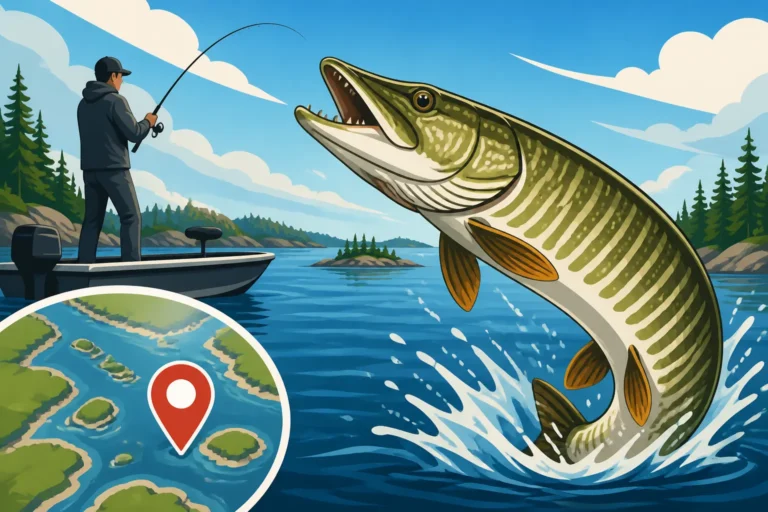
- Muskellunge: Rainy Lake is a genuine trophy muskie fishery, known for producing massive fish. These elusive giants demand dedication and heavy-duty gear. They are often found in areas with deep weed edges, rocky points, and around significant structure where they can ambush large baitfish. Bucktails, large crankbaits, glide baits, and topwater lures are the weapons of choice. Many muskie anglers will spend entire weeks targeting these fish specifically, often booking a fishing guide through services like FishingBooker who specializes in chasing these toothy titans, as local expertise can make all the difference. Remember, muskie fishing is almost exclusively catch-and-release, so strong conservation ethics are paramount.
Seasonal Strategies for Success on Rainy Lake
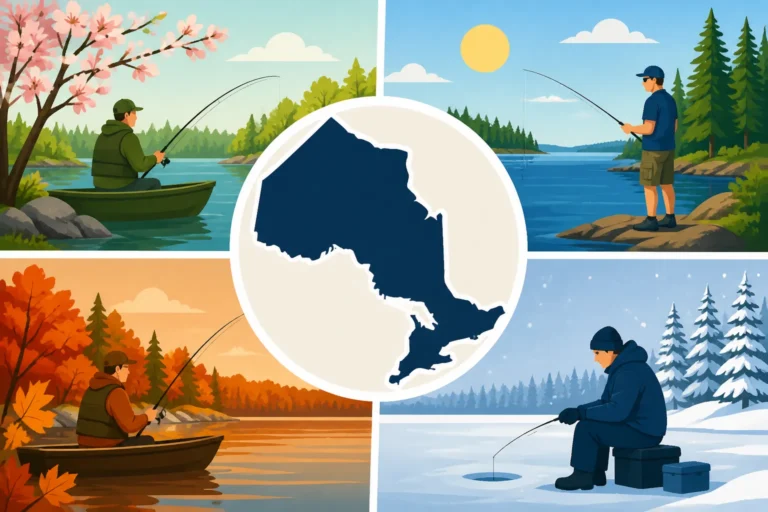
Fishing Rainy Lake successfully means understanding how the fish react to the changing seasons. The lake transforms throughout the year, and so do the habits and locations of its various species. Adapting your approach to these seasonal shifts is crucial for consistent success.
Spring: Post-Spawn Feasts and Shallow Water Action
Spring on Rainy Lake, typically from ice-out in late April or early May through June, is a time of incredible opportunity. As the ice recedes, the water begins to warm, triggering fish to move into shallower areas. This is prime time for walleye and pike, which have just finished or are in the process of spawning. Walleye congregate in river mouths, shallow bays, and along rocky shorelines with easy access to deeper water. Pitching jigs tipped with minnows or soft plastics, or slowly trolling shallow-running crankbaits, can be incredibly productive. You'll want to focus on areas that warm up fastest.
Northern pike are also extremely active in shallow, weedy bays, often ambushing baitfish that are drawn to the warmer water. Spinnerbaits and spoons are fantastic for covering water and triggering aggressive strikes. Smallmouth bass will start to move shallow later in the spring, typically late May into June, as water temperatures climb towards the 55-60°F range. Look for them on sunny, rocky points and shoals, where they'll be staging for their spawn. Topwater action can start early on calm days. Always check Ontario Fishing Season Dates by Zone to ensure you're fishing within legal open seasons for each species.
Summer: Deep Water Structure and Evening Bites
Summer, from July through August, sees fish spread out more, often moving to deeper, more stable thermal zones. This is when understanding the lake's structure becomes paramount. Walleye will relate heavily to offshore humps, deep rock piles, and submerged islands. Trolling with downriggers or lead core line, using large crankbaits to target baitfish schools, becomes a highly effective technique. Vertical jigging over deep structure with heavier jigs and live bait (like nightcrawlers or leeches) can also produce steady bites. You might even consider using a guide service found on FishingBooker for your first few trips to pinpoint these elusive deepwater spots.
Smallmouth bass will be scattered across rocky main lake points and offshore shoals. They'll readily hit tube jigs, drop shots, and even deep-diving crankbaits. The evening bite, especially around sunset, can be phenomenal for both walleye and smallmouth as they move shallower to feed on baitfish. Lake trout fishing is best during the cooler parts of summer, requiring anglers to target the deepest, coolest parts of the lake.
Fall: Trophy Hunts and Feeding Frenzies
Fall, from September through October, is arguably the best time for trophy fish on Rainy Lake. As water temperatures drop, fish go on a massive feeding binge, packing on weight for the upcoming winter. This is prime time for large walleye, northern pike, and especially muskie. Walleye will move to shallower structures again, though often still relating to deeper breaks, as they chase schools of baitfish. Trolling larger crankbaits or casting big lipless crankbaits on these structures can yield impressive results.
Muskie anglers flock to Rainy Lake in the fall, throwing massive baits in search of a true leviathan. Focus on prominent points, deep weed edges, and the mouths of larger bays where muskie will be gorging themselves. Pike will also be very active, hitting large spoons and soft plastics around remaining weed cover. Smallmouth bass remain active through early fall, often schooling up on deep offshore humps before retreating to their wintering grounds. For details on specific species, exploring guides like Muskellunge Fishing in Ontario can be incredibly helpful.
Winter: Ice Fishing Adventures
When Rainy Lake freezes over, typically from December to March, a whole new world of angling opens up: ice fishing. This is a popular activity, offering fantastic opportunities for walleye, crappie, and northern pike. Anglers often set up portable or permanent ice shelters, using tip-ups and jigging rods.
Walleye are often found over deep mud flats, humps, and points, especially during low light periods. Jigging spoons tipped with minnow heads or small scented plastics are excellent choices. Crappie can be found schooling in specific deep bays with submerged timber or brush piles, often requiring a sensitive flasher or fish finder to pinpoint their location. Small tungsten jigs tipped with wax worms or plastics are ideal. Northern pike can be very aggressive under the ice, readily hitting large jigging spoons or dead bait set under tip-ups near weed lines or break lines. Always prioritize safety on the ice and understand Ice Fishing in Ontario best practices.
Essential Gear and Proven Techniques
Having the right gear and knowing how to use it effectively is paramount for a successful Rainy Lake fishing trip. The diversity of species and habitats means you'll need a versatile tackle box and, for some, a capable boat.
Rods, Reels, and Line for Each Target Species
The type of gear you bring should match the species you're targeting and the techniques you plan to employ.
- Walleye: For jigging, a 6'6" to 7' medium-light to medium power fast action spinning rod paired with a 2500-sized reel spooled with 8-10 lb braided line and a fluorocarbon leader is a versatile setup. For trolling, longer medium power cranking rods (7'6" to 9') with line counter reels spooled with 10-14 lb monofilament or braid are standard.
- Northern Pike: A 6'6" to 7'6" medium-heavy to heavy power fast action baitcasting rod with a robust baitcasting reel (300-400 size) spooled with 30-50 lb braided line is ideal. Always use a steel or heavy fluorocarbon leader (60-100 lb test) to prevent bite-offs.
- Smallmouth Bass: A 6'8" to 7'2" medium power fast action spinning rod with a 2500 or 3000-sized reel, spooled with 10-15 lb braided line and an 8-12 lb fluorocarbon leader, handles most smallmouth techniques from tube jigs to topwaters.
- Muskellunge: This requires specialized, heavy-duty gear. Long (8' to 9'6"), extra-heavy power muskie rods paired with large, low-gear-ratio baitcasting reels (400-600 size) capable of handling 80-100 lb braided line are essential. Heavy-duty leaders (100-200 lb fluorocarbon or wire) are non-negotiable. For more specific muskie gear recommendations, consider reading Best Muskie Gear for Ontario Waters.
- Lake Trout: For trolling, heavy-duty downrigger rods are used. For jigging, a 6'6" to 7' heavy power rod with a large spinning or baitcasting reel spooled with 30-50 lb braided line is needed for lifting heavy weights from deep water.
Lures, Baits, and Electronics that Make a Difference
Your tackle box should reflect the diverse fishing opportunities.
- Walleye: A variety of jigs (1/8 oz to 1 oz), soft plastics (grubs, paddle tails), crankbaits (shallow, medium, and deep diving), spinner rigs (crawler harnesses), and spoons are staples. Popular brands include Rapala, Berkley, Salmo, and Northland Tackle. Live bait like minnows, leeches, and nightcrawlers are also incredibly effective, especially when dead-sticking or using slip bobbers.
- Northern Pike: Large spinnerbaits (1/2 oz to 1 oz+), weedless spoons, large soft plastic swimbaits, and medium to large crankbaits are key. Daredevle, Johnson Silver Minnow, and Bucher Tail lures are classics.
- Smallmouth Bass: Tube jigs (3-4 inch), soft plastic jerkbaits, Ned rigs, drop shot worms, spinnerbaits, crankbaits, and topwater lures (poppers, walk-the-dog baits) are all highly productive. Gary Yamamoto Senkos and Rapala Skitter Pop can be deadly.
- Muskellunge: Bucktail spinners, large crankbaits (e.g., Livingston Lures), glide baits (e.g., Salmo Slider), soft plastic swimbaits, and topwater baits (e.g., Whopper Plopper) are necessary. Prepare to spend on high-quality muskie-specific lures.
- Electronics: A good quality fish finder with GPS and mapping capabilities is almost a necessity on Rainy Lake. Units from brands like Humminbird and Lowrance, with side imaging and down imaging, can help you locate subtle structure, baitfish schools, and even individual fish. Portable units are excellent for ice fishing.
Navigating and Safely Boating Rainy Lake
Rainy Lake's vastness and thousands of islands make navigation both thrilling and potentially hazardous if you're not careful.
- Mapping and GPS: Always use a reliable GPS unit with detailed lake mapping. Chartplotters from Navionics or Lakemaster are invaluable for identifying channels, shoals, and submerged hazards. Many guides on FishingBooker will have state-of-the-art electronics to ensure safe and efficient navigation.
- Caution with Shoals: Rainy Lake is famous for its hidden rock shoals and reefs, many of which don't break the surface, especially during periods of high water. Always stay in marked channels, or if venturing into new areas, proceed with extreme caution and keep a close eye on your depth finder.
- Weather: The lake can get rough very quickly, especially the larger, open expanses. Pay close attention to weather forecasts, particularly wind direction and speed. High winds can create dangerous waves, making travel difficult and unsafe in smaller boats.
- Boating Regulations: Familiarize yourself with Ontario Boating Laws for Anglers and ensure you have all required safety equipment on board, including life jackets for every passenger. Anyone operating a powered craft must have an Ontario Pleasure Craft Operator Card Requirement.
Planning Your Rainy Lake Fishing Expedition
A successful fishing trip to Rainy Lake involves more than just knowing where and how to fish; it also means proper planning regarding regulations, accommodations, and access.
Understanding Ontario Fishing Regulations
Ontario's fishing regulations are designed to protect the fishery and ensure its sustainability. They can be complex, and it's your responsibility to understand and follow them. Rainy Lake falls under FMZ 5, which has specific regulations regarding open seasons, size limits, and possession limits for each species.
- Outdoors Card and Fishing License: Before you even cast a line, you'll need an Ontario Outdoors Card and a valid fishing license. You can purchase these online, at ServiceOntario locations, or through authorized license issuers. Options include a Sport Fishing License (higher limits) or a Conservation Fishing License (lower limits, promoting catch-and-release). Non-residents have different options available. Details can be found in the Ontario Fishing Regulations Explained and Ontario Outdoors Card, Explained.
- Bag and Possession Limits: These vary by species and by whether you have a Sport or Conservation license. For example, walleye limits are often lower on a Conservation license. Always check the current Ontario Bag and Possession Limits by Species before your trip.
- Catch and Release: Many anglers, particularly those targeting muskie or larger pike, practice catch and release. Ensure you know proper fish handling techniques to maximize survival rates.
- Fishing Without a License: The penalties for Fishing Without a License in Ontario: Penalties can be severe, so always ensure you are properly licensed.
Choosing Accommodations and Guides
Rainy Lake offers a wide range of accommodation options, from luxurious resorts to rustic cabin rentals and fly-in lodges.
- Resorts and Lodges: Many resorts cater specifically to anglers, offering boat rentals, guide services, cleaning stations, and comfortable lodging. Popular areas to stay include the town of Fort Frances, as well as numerous lodges scattered throughout the Ontario side of the lake.
- Cabin Rentals: For those who prefer a more private experience, numerous cabins are available for rent, often with their own docks and boat launching facilities.
- Camping: Backcountry camping on Crown Land islands is also an option for adventurous anglers, though permits may be required. Be sure to check rules for Ontario fishing rules on Crown land lakes.
- Fishing Guides: If you're new to Rainy Lake, hiring a local fishing guide for a day or two can be an invaluable investment. They know the lake intimately, understand seasonal patterns, and can quickly put you on fish. Many reputable guides can be found and booked through platforms like FishingBooker, offering expertise for various species, especially for elusive ones like muskie or deepwater lake trout. A guide can help you understand the lake's nuances, navigate safely, and teach you productive techniques, accelerating your learning curve dramatically.
Access Points and Launching Your Adventure
Accessing Rainy Lake is relatively straightforward on the Ontario side, primarily through the town of Fort Frances.
- Fort Frances: This is the main hub on the Canadian side, offering several public boat launches, marinas, bait and tackle shops, and all essential services. From Fort Frances, you can access the main lake and the Rainy River.
- Remote Camps: Many lodges and resorts are scattered on various islands or remote shorelines, often requiring boat access from Fort Frances or a short floatplane flight for fly-in operations.
- Border Crossing: If you are traveling from the United States, be sure to have all necessary border crossing documentation (passport, etc.) and be aware of any restrictions on bringing bait or tackle across the international border.
Rainy Lake is truly a world-class fishing destination, offering something for every angler. With its stunning scenery, abundant fish populations, and diverse angling opportunities, a trip here is an unforgettable experience. Come prepared, respect the regulations, and embrace the adventure!
Rainy Lake Fishing Quick Reference
| Species | Best Season | Key Habitats | Common Techniques | Primary Forage |
|---|---|---|---|---|
| Walleye | Spring, Summer, Fall | Rocky points, humps, deep breaks, river mouths | Jigging, Trolling, Slip Bobber | Minnows, Leeches, Crawlers, Cisco |
| Northern Pike | Spring, Summer, Fall | Shallow weeds, rocky points, deep weed edges | Casting Spinnerbaits/Spoons, Trolling | Baitfish, Smaller Fish |
| Smallmouth Bass | Summer, Fall | Rocky shoals, islands, main lake points | Tubes, Drop Shot, Topwater, Crankbaits | Crayfish, Minnows |
| Crappie | Spring, Winter | Brush piles, standing timber, deep bays | Ultralight Jigs, Minnows, Plastics | Insects, Small Minnows |
| Lake Trout | Summer, Winter | Deep, cold main lake basins, humps | Deep Trolling, Vertical Jigging | Cisco, Smelt, Whitefish |
| Muskie | Fall | Deep weed edges, large points, structure | Large Bucktails, Gliders, Crankbaits | Large Baitfish |
Disclaimer
The information provided in this Rainy Lake Fishing Guide is for general guidance and informational purposes only. Fishing regulations and conditions are subject to change. Always consult the most current Ontario Fishing Regulations Summary for Fisheries Management Zone 5 (FMZ 5) before planning and undertaking any fishing activity. It is the angler's responsibility to understand and comply with all applicable rules, regulations, and safety requirements.