Ontario fishing rules on Crown land lakes
The allure of Ontario’s untouched wilderness and its pristine, often unfished waters is a dream for many anglers. However, venturing onto Crown land for a fishing expedition without a clear understanding of the specific rules can lead to unnecessary stress, potential fines, or even unsafe situations. This comprehensive guide will demystify the regulations and offer practical advice for a rewarding and compliant fishing experience on Ontario's beautiful Crown land lakes.
What Exactly is Ontario's Crown Land?
When we talk about "Crown land" in Ontario, we're referring to vast stretches of public land and water that are owned by the provincial government and managed by the Ministry of Natural Resources and Forestry (MNRF). It’s an incredible resource, covering a significant portion of the province, and it offers unparalleled opportunities for outdoor enthusiasts, including anglers seeking a more remote and wild fishing experience. But because it’s public, it comes with a set of responsibilities and rules to ensure its sustainable use.
Distinguishing Crown Land from Private and Provincial Parks
It’s crucial to understand that Crown land is distinct from private property and provincial parks, and each has its own set of regulations. Private land, as the name suggests, is owned by individuals or corporations, and you absolutely need explicit permission from the landowner to access or fish on it. Trespassing is a serious offense, and simply seeing a lake on a map doesn't mean it's fair game if it's surrounded by private holdings. Always be respectful of private property boundaries and seek permission when in doubt.
Provincial parks, while also publicly owned, operate under a stricter framework. They often require day-use or camping permits, have designated camping areas, and may have specific rules regarding fishing access, motor restrictions, or even species-specific regulations unique to that park. For example, some lakes within Algonquin Park, a popular destination, might have different rules than a remote lake just outside its boundaries. Always check specific park regulations if your fishing spot is within a provincial park.
Crown land, in contrast, generally offers more freedom, but that freedom comes with a greater personal responsibility. You typically don't need a specific permit just to access Crown land for day-use activities like fishing, provided you are a Canadian resident. Non-residents, however, have specific rules for camping on Crown land. This distinction is vital for planning your trip. The vastness of Crown land means you can often find yourself truly alone, surrounded by nature, which is precisely the appeal for many seeking out remote fishing lakes.
Access and Permitted Activities
For Canadian residents, Crown land generally permits recreational activities like fishing, hunting, camping (with some restrictions, like not staying in one spot for more than 21 days), hiking, and canoeing without a specific permit for the activity itself. The fundamental principle is that the land remains available for public use. However, "access" doesn't mean driving your vehicle wherever you please. Many remote Crown land areas are only accessible by foot, canoe, ATV, or float plane, often requiring significant portaging or bushwhacking.
When it comes to water, the public generally has a "right of passage" on navigable waters. This means you can typically navigate a boat, canoe, or kayak on any water body that is capable of being navigated, even if the surrounding land is private. However, you cannot disembark onto private land without permission. On Crown land, you can generally land your boat and explore, again, always adhering to "Leave No Trace" principles. Respect for the environment is paramount; this isn't a free-for-all to leave garbage or damage natural habitats. The goal is to keep these wild spaces pristine for generations to come.
Navigating Fishing Regulations on Crown Land
It's a common misconception that fishing on remote Crown land means you're somehow exempt from standard fishing rules. Nothing could be further from the truth. The same regulations that apply to a busy municipal lake also apply to the most remote, un-named lake deep in the wilderness.
The Foundation: General Ontario Fishing Rules Apply
Every angler, regardless of where they are fishing in Ontario – be it a city park pond or a fly-in lake on Crown land – must abide by the provincial fishing regulations. This starts with having the appropriate and valid Ontario Fishing License Guide for 2026 and your Outdoors Card. You absolutely need to carry these with you, whether in physical form or as a digital copy, whenever you are fishing. Conservation Officers can and do patrol remote areas, and not having your license means facing penalties.
Beyond just the license, all other general rules are in effect:
- Seasons: Each fish species has specific open and closed seasons, which vary by Fisheries Management Zone.
- Limits: There are strict daily catch and possession limits for each species. These limits are detailed in the Ontario Bag and Possession Limits by Species section of the regulations.
- Method of Fishing: Rules regarding the number of lines you can use, specific bait restrictions (e.g., live baitfish often restricted), and gear types remain constant.
- Species Identification: You are responsible for correctly identifying your catch to ensure you are adhering to the correct regulations.
It can be tempting to think you're "alone" out there, but ignorance of the law is never an excuse. Always assume a Conservation Officer could be around the next bend or on the other side of the lake. Having your Ontario Outdoors Card, Explained and license in order is step one for any fishing trip, Crown land or otherwise.
Understanding Fisheries Management Zones (FMZs)
Ontario is divided into 20 distinct Ontario Fisheries Management Zones, Explained (FMZs), each with its own unique set of fishing regulations. This system exists because fish populations and ecosystems vary dramatically across the province, from the Great Lakes to the remote northern shield lakes. The FMZ system allows the MNRF to manage fish stocks effectively based on local conditions.
When planning your Crown land fishing trip, the very first thing you need to identify is which FMZ your target lake or river falls within. This information is critical because:
- Open and Closed Seasons: Walleye season, for instance, might open at different times in FMZ 13 (Kawartha Lakes) compared to FMZ 2 (far northern Ontario).
- Catch and Possession Limits: The number of Walleye or Northern Pike you can keep, or even whether you can keep them at all, will depend on the specific FMZ.
- Size Restrictions: Many zones have minimum or maximum size limits, or slot limits, for certain species to protect spawning fish or larger breeding stock.
To find out which FMZ your desired Crown land lake is in, the best resource is the Ministry of Natural Resources and Forestry's "Fish ON-Line" interactive map. This powerful online tool allows you to zoom in on any body of water in Ontario and instantly see its FMZ designation and any specific regulations that apply to that particular lake or river. It’s far more reliable than relying on outdated maps or hearsay. Always consult the current Reading the Ontario Fishing Regulations Summary for the most up-to-date information, as regulations can change from year to year.
Special Regulations and Catch & Release
Even within an FMZ, some individual bodies of water on Crown land may have "Special Regulations" that override the general FMZ rules. These special regulations are often implemented to protect vulnerable fish populations, manage specific fisheries, or provide unique angling opportunities. For example, a lake might be designated Ontario Catch and Release Only Waters for Brook Trout, or have a specific barbless hook requirement. You might also encounter lakes with motor restrictions or sanctuaries during spawning periods.
These special rules are listed within the annual Fishing Regulations Summary for each FMZ and are also typically highlighted on the Fish ON-Line map. Ignoring them, even unintentionally, can lead to serious consequences, including significant fines and the confiscation of your gear or catch. Always double-check your specific location, especially if you're venturing into lesser-known or particularly remote waters. The more homework you do before you go, the smoother your trip will be.
Essential Considerations for Crown Land Anglers
Fishing on Crown land often means venturing into remote, undeveloped areas. This environment presents unique challenges and demands a higher degree of self-reliance and preparedness than fishing a lake with a nearby boat launch and bait shop.
Boating and Access Regulations
If you plan on using any type of watercraft – from a small rowboat to a canoe or even a fishing kayak – on Crown land waters, you must adhere to all Ontario Boating Laws for Anglers. This isn't just for motorized vessels; paddlecraft also have safety equipment requirements. Key considerations include:
- Pleasure Craft Operator Card (PCOC): If operating any motorized vessel, you generally need a PCOC, regardless of engine size.
- Safety Equipment: All vessels must carry specific safety equipment. For instance, a small canoe or kayak still needs a buoyant heaving line, a bailer or pump, a sound-signalling device, and a PFD (Personal Flotation Device) for each person on board. These essential items, including robust PFDs for adults and children, are easily found on platforms like Amazon, ensuring you meet safety standards before you head out.
- Life Jackets: While carrying PFDs is mandatory, actually wearing them is highly recommended, especially on remote waters where help is far away.
- Boat Registration: Larger motorized boats require federal registration.
Accessing many Crown land lakes often involves portaging, sometimes over considerable distances. This means your choice of watercraft, such as a lightweight canoe or a durable fishing kayak, becomes critical. Many anglers choose robust models from brands like Old Town or Pelican for their reliability and ease of transport in rugged terrain. Understanding your vessel's capabilities and knowing the boating laws will prevent issues and contribute to a safer trip.
Camping and Environmental Stewardship
Many anglers combine fishing on Crown land with backcountry camping. If you are a Canadian resident, you can generally camp on Crown land for up to 21 days at a single site without a permit, provided you are at least 18 years old. However, non-residents (including international visitors and Canadians who don't reside in Ontario) do need a Crown land camping permit, which must be obtained in advance. This is a critical distinction that often catches non-resident anglers off guard.
Beyond permits, environmental stewardship is non-negotiable on Crown land. The guiding principle should always be "Leave No Trace." This means:
- Pack it in, Pack it out: Everything you bring onto Crown land, including all garbage, food scraps, and even fish guts, must be packed out. Do not bury anything.
- Human Waste: Be prepared to properly dispose of human waste, often requiring digging a "cathole" at least 60-100 feet from water sources and trails.
- Campfires: Always be mindful of fire bans and restrictions. If fires are permitted, keep them small, contained, and ensure they are completely extinguished before leaving. Use existing fire rings where possible. Never cut live trees for firewood.
- Respect Wildlife: Do not disturb wildlife or their habitats. Store food properly to prevent attracting bears and other animals.
- Fish Waste: While some debate exists, packing out fish entrails is generally the best practice to avoid attracting scavengers to campsites and to prevent the spread of disease.
These practices ensure that the remote beauty and ecological integrity of Crown land are preserved for everyone, and for future generations.
Gear and Preparation for Remote Trips
Fishing on Crown land, especially in remote areas, demands a higher level of preparedness. You won't find convenience stores or gas stations around the corner. Self-sufficiency is key. Here's a rundown of essential gear and considerations:
- Navigation: A reliable GPS device, along with waterproof topographical maps and a compass, is absolutely crucial. Cell service is often non-existent in remote areas. Consider waterproof cases for your phone or a dedicated GPS unit, both readily available on Amazon.
- First Aid and Emergency: Carry a comprehensive first-aid kit that can handle anything from minor cuts to more serious injuries. Ensure you have a robust first-aid kit, which you can easily assemble or purchase pre-made from Amazon. A satellite communication device (like a SPOT device or inReach) is highly recommended for emergencies, allowing you to send distress signals or check-in messages from anywhere.
- Shelter and Warmth: Even in summer, nights can get cold. Pack appropriate clothing layers, a reliable tent, and a warm sleeping bag if camping.
- Food and Water: Bring enough non-perishable food for your entire trip, plus extra for emergencies. Have a method for purifying water, such as a filter, purification tablets, or a portable sterilizer.
- Fishing Gear: Pack a versatile Best Tackle Box Setup for Ontario Anglers with a range of lures and baits suitable for various conditions and target species. Ensure your rods and reels are durable enough for the rigors of backcountry travel. If you're using a kayak to access remote spots, consider the Best Kayaks for Ontario Fishing that are stable and capable of carrying your gear.
- Bear Safety: Bear spray, bear bells, and proper food storage (bear-resistant containers or hanging food) are vital in bear country.
- Sun and Bug Protection: Sunscreen, hats, sunglasses, and effective insect repellent (especially for mosquitoes and blackflies) are not optional.
Having the right gear, well-maintained, and knowing how to use it, can make the difference between an incredible adventure and a miserable or dangerous one. Always inform someone of your trip plan, including your exact destination and expected return time.
Planning Your Crown Land Adventure
A successful Crown land fishing trip starts long before you ever cast a line. Careful planning and thorough research are your best friends for unlocking the true potential of Ontario's wilderness waters.
Researching Potential Spots
Finding those truly wild, unpressured fishing spots on Crown land requires a bit of detective work. You can't just blindly point at a lake on a map and expect to find trophy fish and easy access. Here's how to approach it:
- MNRF Resources: The "Fish ON-Line" tool is your primary resource for identifying FMZs, special regulations, and general lake information. It often provides details on fish species present and stocking history.
- Topographical Maps: These are invaluable for understanding the terrain, identifying portage routes, finding access points, and pinpointing potential fishing structures like shoals, drop-offs, and inlets. Exploring maps on platforms like Amazon for topographical maps can be a great way to start visualizing your trip.
- Backcountry Fishing Guides and Forums: Many experienced anglers share their knowledge on online forums or in specialized guidebooks. While specific "secret spots" are rarely divulged, you can gather general information about regions, access challenges, and productive patterns.
- Local Outfitters: Outfitters in communities bordering large Crown land areas often have extensive knowledge of the local lakes, access routes, and current conditions. They can also be a source for permits, advice, and even guided trips.
- Aerial and Satellite Imagery: Tools like Google Earth can give you a bird's-eye view of lakes, revealing hidden channels, weed beds, or potential campsites that might not be obvious on a topographical map.
The goal is to identify lakes that are challenging enough to access to deter casual anglers, but not so remote that they become a safety hazard for your skill level. Many of the Best Crown Land Fishing Lakes in Ontario are those that require a bit of effort to reach, rewarding those who put in the work with exceptional angling opportunities.
Safety and Emergency Preparedness
The remoteness of Crown land fishing means that help, should you need it, is often hours or even days away. Therefore, your safety plan needs to be robust.
- Trip Plan: Always leave a detailed trip plan with a trusted person. This plan should include your exact route, destination, expected return date and time, the names of everyone in your party, and what to do if you don't check in by a certain time.
- Emergency Communications: As mentioned, cell service is unreliable. A satellite phone or a two-way satellite messenger (like Garmin inReach or Zoleo) is an excellent investment for Crown land trips. These devices allow you to send texts or emergency SOS signals even when off-grid.
- Survival Skills: Knowing basic survival skills – fire starting, shelter building, water purification, and first aid – can be critical.
- Wildlife Encounters: Be prepared for encounters with bears, moose, wolves, and other wildlife. Carry bear spray and know how to use it. Make noise while hiking, store food properly, and never approach wild animals.
- Weather Awareness: Ontario weather can change rapidly. Check the forecast before you go, and be prepared for sudden storms, cold fronts, or high winds. Wind can make paddling difficult and dangerous, especially on larger lakes.
- Hydration and Nutrition: Ensure you're staying hydrated and well-fed throughout your trip. Fatigue can lead to poor decision-making.
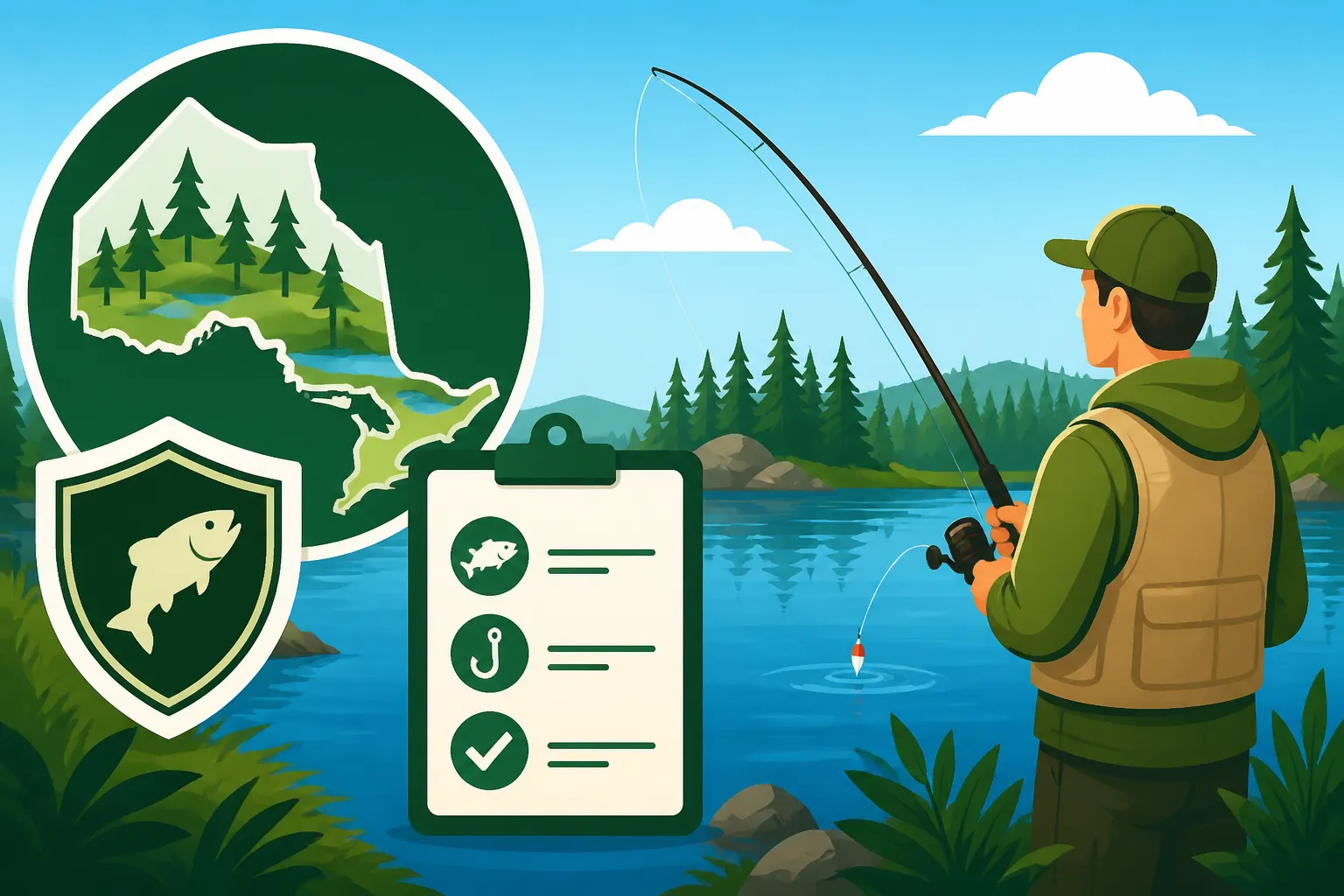
A good way to summarize the essential items for a Crown land fishing trip is to visualize a checklist. This ensures you cover all your bases before heading into the wild.
| Category | Essential Items |
|---|---|
| Licenses & IDs | Ontario Fishing License, Outdoors Card, Government ID |
| Navigation | GPS device, Topographical maps, Compass, Power bank for devices |
| Safety & Survival | First-aid kit, Satellite messenger/phone, Whistle, Bear spray, Fire starter |
| Boating (if applicable) | PFDs for all, Bailer/pump, Buoyant heaving line, Sound-signalling device, PCOC (motorized) |
| Shelter & Sleep | Tent, Sleeping bag, Sleeping pad, Tarp |
| Cooking & Food | Stove, Fuel, Cookware, Non-perishable food, Water filter/purifier |
| Clothing | Layers (base, mid, outer), Rain gear, Sun hat, Warm hat, Gloves |
| Personal Items | Sunscreen, Insect repellent, Toiletries, Headlamp/flashlight, Knife |
| Fishing Gear | Rods, Reels, Tackle box, Lures/bait, Landing net, Pliers, Line cutter |
| Waste Management | Garbage bags, Resealable bags for food/waste, Trowel for catholes |
This comprehensive approach allows you to fully enjoy the incredible fishing opportunities that Ontario's Crown land lakes offer, knowing you are prepared, responsible, and compliant with all regulations.
Disclaimer
The information provided in this guide is for general informational purposes only and does not constitute legal advice. Fishing regulations in Ontario are subject to change, and it is the angler's responsibility to consult the most current official Ontario Fishing Regulations Summary, available from the Ministry of Natural Resources and Forestry (MNRF), before engaging in any fishing activities. Always prioritize safety and environmental stewardship.