How to Catch Northern Pike in Ontario
There's nothing quite like the sudden, jarring strike of a Northern Pike, but if you've spent frustrating days casting endlessly into promising water with nothing to show for it, you know the feeling of disappointment. It can be incredibly disheartening to come home empty-handed, especially when you know those toothy predators are lurking somewhere beneath the surface. This comprehensive guide is designed to cut through the guesswork and provide you with everything you need to confidently locate, entice, and land Northern Pike consistently across Ontario's diverse waters.
Understanding Northern Pike in Ontario
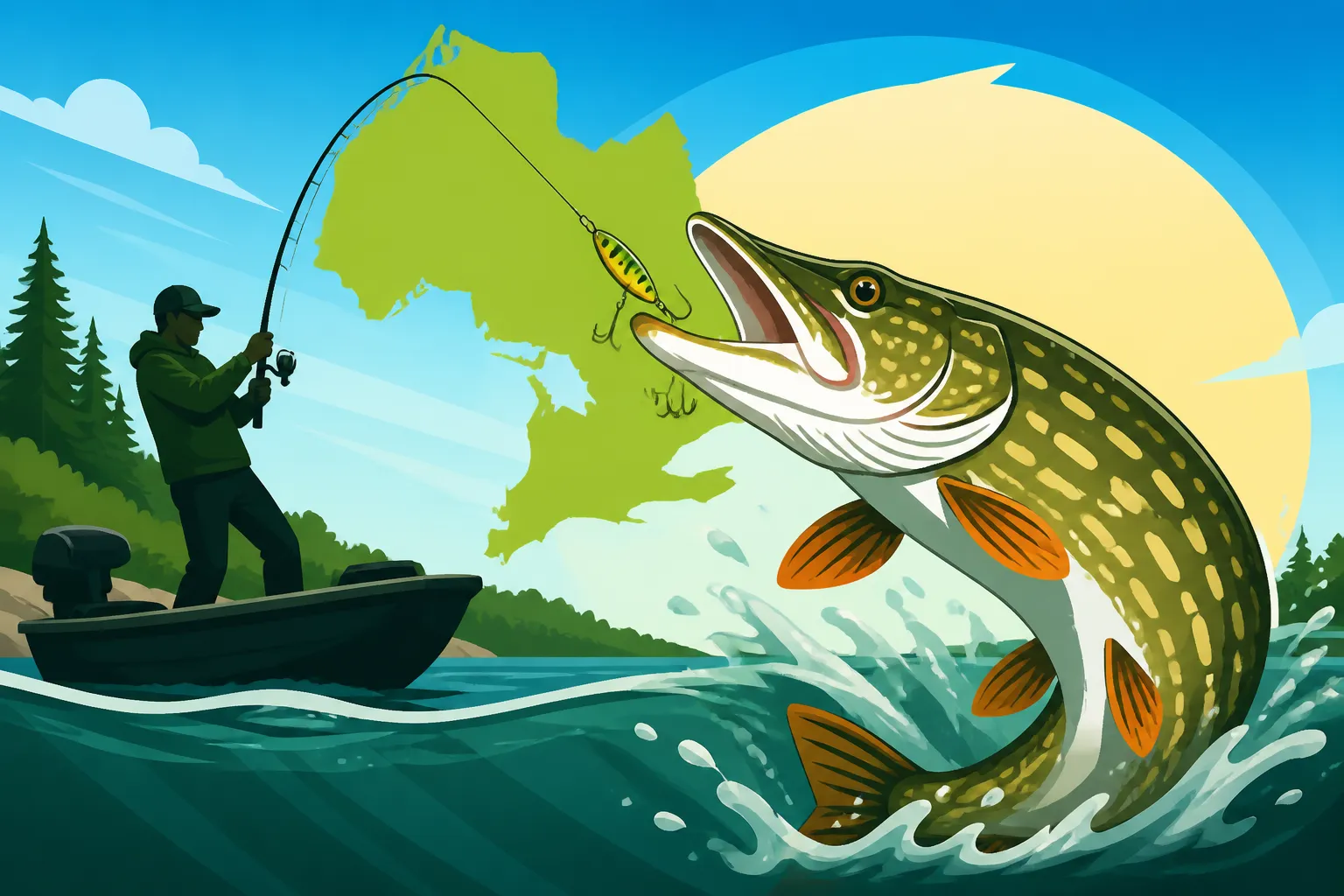
Northern Pike, often just called "pike" by us seasoned anglers, are an iconic sport fish in Ontario, known for their aggressive strikes, powerful fights, and formidable teeth. They're often misunderstood, sometimes viewed as a nuisance by those targeting other species, but for many of us, they're a thrilling quarry that offers action-packed fishing throughout the year. Knowing their habits, biology, and preferred hangouts is the first step to successful pike fishing.
Pike Biology and Behavior
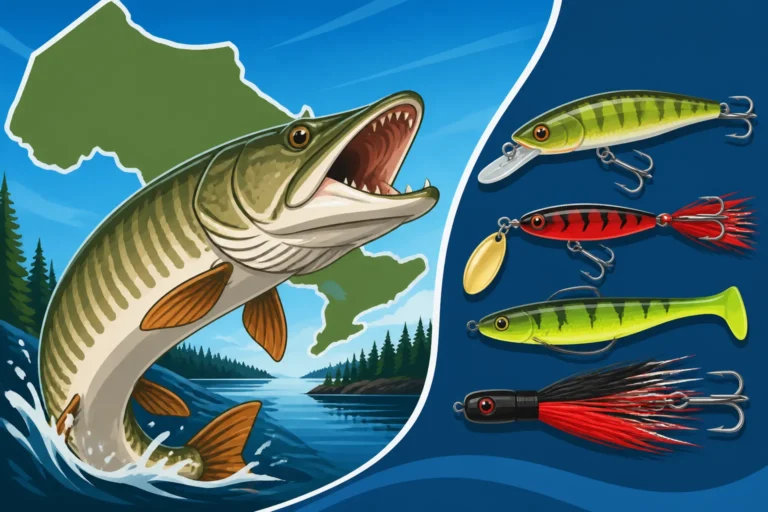
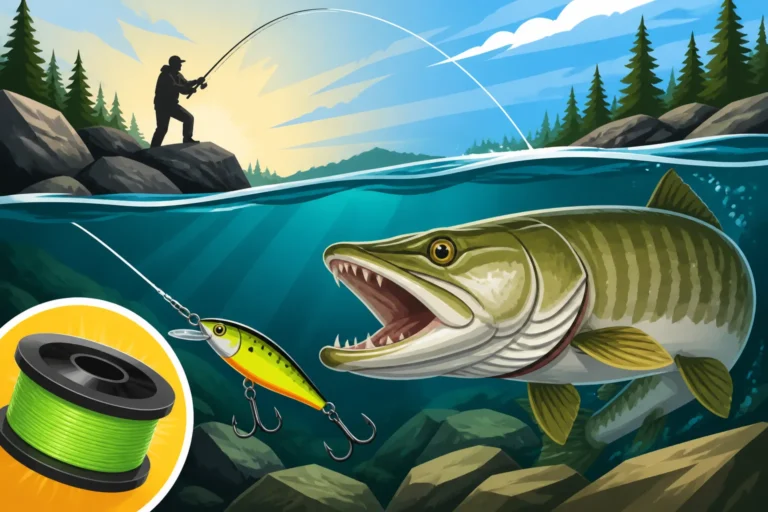
Pike are truly built for ambush. Their long, torpedo-shaped bodies, dorsal and anal fins set far back near their tail, and a large, duckbill-shaped mouth packed with sharp, backward-pointing teeth are all adaptations for bursting from cover to engulf unsuspecting prey. They are primarily visual predators, relying on their excellent eyesight to spot movement, especially in low light conditions or clear water. Their coloration, usually dark green to olive on the back with lighter sides and distinct bean-shaped spots, provides superb camouflage amongst weeds and submerged timber.
These fish are cold-blooded, which means their activity levels are heavily influenced by water temperature. In colder water, they're more sluggish, conserving energy and often needing a slower presentation to trigger a bite. As temperatures rise, their metabolism speeds up, making them more active and aggressive. They are opportunistic feeders, meaning they'll eat just about anything they can fit in their mouth – from smaller fish like perch, minnows, and suckers, to frogs, ducklings, and even small mammals. This aggressive nature is what makes them such a popular sport fish.
Preferred Habitats and Structure
Pike are masters of their environment, and they love cover. Think of them as aquatic tigers, lurking in the shadows, waiting for the perfect moment to pounce. Their preferred habitat often revolves around weed lines, submerged timber, lily pads, reeds, and any kind of structural element that offers them camouflage and an ambush point. Shallow, vegetated bays are pike magnets, especially in spring and early summer, as they provide warmth and plenty of baitfish.
As the season progresses and water temperatures rise, larger pike might move to deeper weed edges, drop-offs, or around main lake points and humps where they can access cooler water while still having nearby access to forage. They are not shy about patrolling open water either, particularly in areas where baitfish schools are prevalent. Understanding these preferences is key to narrowing down your search, whether you're exploring the vastness of Lake Nipissing or a smaller, lesser-known lake in cottage country.
Identifying Prime Pike Locations
When you're out on the water, you need to think like a pike. Where would a hungry predator hide to ambush its next meal? Look for distinct changes in depth, areas where hard bottom meets soft bottom, or where current meets slack water. These "transition zones" are often productive. In many Ontario lakes, bays with extensive cabbage weed beds, coontail, or even wild rice are prime locations. Shallow rocky reefs adjacent to deep water are also excellent spots, as baitfish will often congregate there, attracting pike.
Don't overlook obvious structures like fallen trees, beaver lodges, or old dock pilings. Pike use these as ambush points and shade during bright sunny days. Using a good fish finder can help you identify submerged weed lines, rock piles, and drop-offs that might not be visible from the surface. Many anglers swear by their electronics, and you can find excellent models ranging from basic to advanced on platforms like Amazon, offering features like side imaging to really scope out those hidden structures.
Essential Gear for Pike Fishing
You wouldn't bring a butter knife to a steak dinner, and you certainly don't want to bring flimsy gear to a pike fight. These fish are strong, have sharp teeth, and will test your tackle. Having the right rods, reels, line, and lures is paramount to not only landing your catch but also ensuring a safe and ethical release.
Rods, Reels, and Line Selection
For general pike fishing in Ontario, a medium-heavy to heavy power spinning or baitcasting rod, typically 6'6" to 7'6" in length, is a solid choice. This power allows you to cast larger, heavier lures and provides the backbone needed to wrestle a big pike out of heavy cover. A fast action tip is beneficial as it provides sensitivity for detecting subtle bites and quick hook sets. If you're looking for versatile rods that can handle various Ontario species, check out guides like Best Fishing Rods for Ontario Lakes.
Pair your rod with a reliable reel. A spinning reel in the 3000-4000 series or a baitcasting reel with a robust drag system will serve you well. Smooth drag is crucial to prevent line breaks during powerful runs. For line, 20-40 lb braided line is highly recommended. Braid offers superior casting distance, sensitivity, and strength with minimal stretch, which helps with solid hook sets. It also slices through weeds better than monofilament. Remember to spool your reel properly; many tackle shops or even online videos demonstrate how to do this correctly to avoid frustrating tangles.
Leaders and Lures that Trigger Strikes
This is where the rubber meets the road! Pike have notorious teeth, and they will chew through standard monofilament or fluorocarbon main lines in a heartbeat. A steel, fluorocarbon-coated wire, or heavy-duty fluorocarbon leader is absolutely essential. A good rule of thumb is a leader length of at least 12-18 inches, with a test strength of 30-80 lbs, depending on the size of pike you're targeting and the thickness of the cover you're fishing. For more detailed insights, you might find specific advice on Best Leader for Pike and Muskie Fishing helpful.
When it comes to lures, pike are not overly picky, but certain styles consistently outperform others. Here's a breakdown of must-have lures:
- Spoons: Classic spoons like the Eppinger Daredevil, Johnson Silver Minnow, or Williams Wabler are irresistible to pike. Their wobbling action and flash mimic injured baitfish perfectly. Cast them near weed lines or across flats and retrieve with a steady pace, sometimes adding a slight pause to let them flutter.
- Spinnerbaits: With their pulsating skirts and flashing blades, spinnerbaits are incredibly effective in weeds. The inline spinner, like a Mepps Musky Killer or a Blue Fox Vibrax, is another top producer, particularly in clear water.
- Jerkbaits/Stickbaits: Lures like the Rapala X-Rap or Smithwick Rogue, retrieved with a "twitch, twitch, pause" action, can drive pike wild, especially when they're a bit lethargic.
- Swimbaits: Soft plastic swimbaits rigged on heavy jig heads or weighted hooks are incredibly versatile and can be fished at various depths.
- Topwater Lures: During low light conditions or when pike are actively feeding in shallow, weedy areas, topwater lures like frogs, poppers, or walk-the-dog baits create exciting blow-ups.
- Large Crankbaits: Deep-diving crankbaits can be deadly when trolling or casting to deeper drop-offs and structure.
Don't be afraid to experiment with colors. Natural patterns work well in clear water, while bright colors like firetiger, chartreuse, or orange can be excellent in stained or murky conditions. A small selection of these will ensure you're prepared for most pike fishing scenarios.
Crucial Accessories and Safety Gear
Beyond your rod and reel, a few key accessories will make your pike fishing experience safer and more enjoyable. First and foremost, a good pair of long-nosed pliers or jaw spreaders is non-negotiable. Pike have razor-sharp teeth, and trying to remove hooks by hand is a recipe for disaster. These tools allow you to safely unhook fish while minimizing harm to yourself and the fish.
Next, a landing net with a rubberized mesh is highly recommended. This protects the fish's slime coat and fins, making catch-and-release much more successful. If you're planning on keeping a legal fish for dinner, a reliable fish scale and measuring tape are necessary to confirm it meets the minimum size requirements and to log your impressive catch. Finally, always have a first-aid kit handy for those inevitable nicks and scrapes, and remember to wear polarized sunglasses to reduce glare and spot submerged structure or even cruising pike. Many useful tools for anglers, including fishing pliers and nets, can be found readily available on Amazon.
Prime Pike Fishing Seasons and Conditions
Northern Pike are a year-round target in Ontario, but their behavior and preferred locations change dramatically with the seasons. Understanding these shifts is key to consistent success. Knowing when and where to find them can turn a slow day into a memorable one. For a comprehensive overview of when different species are biting, you can refer to the Ontario Fishing Seasons by Zone and Month guide.
Spring Pike: Post-Spawn Aggression
Spring is arguably one of the best times to target pike in Ontario. After the ice melts and the water begins to warm, pike move into shallow, vegetated bays and marshes to spawn, often in late April or early May, depending on the region and specific water body. Once spawning is complete, usually within a few weeks, they become incredibly hungry and aggressive, actively feeding to recover lost energy. This is often referred to as the post-spawn "puke period."
During this time, concentrate your efforts in these same shallow, sun-warmed bays, river mouths, and creek inlets where they spawned. The water here warms up first, attracting baitfish and pike. Look for new weed growth, submerged logs, and patches of lily pads. Large spinnerbaits, spoons, and soft plastic swimbaits retrieved slowly or with a stop-and-go action can be deadly. Pike are often found in very shallow water, sometimes just a foot or two deep. Early spring also offers some of the Best Techniques for Early Spring Pike, where you'll learn how to capitalize on their post-spawn hunger.
Summer Pike: Finding the Weeds and Thermoclines
As summer progresses and water temperatures rise, pike behavior changes. Smaller pike may remain in the shallow, weedy bays, often seeking refuge in dense cover from the midday sun. Larger, more mature pike, however, tend to move deeper, seeking cooler, more oxygenated water. This often means they'll position themselves along deeper weed lines, sharp drop-offs, or around offshore humps and points where they can ambush prey moving between shallow and deep water.
During the summer, fishing early mornings, late evenings, or even cloudy days can be more productive as pike become more active in lower light conditions. Trolling large crankbaits or spoons along deep weed edges or over submerged structure can be very effective for covering water and locating active fish. Casting large spoons, heavy spinnerbaits, or soft plastic swimbaits into the edges of dense weed beds, especially those with pockets or lanes, can also yield excellent results. Pay close attention to your fish finder to identify thermoclines and baitfish concentrations, as pike won't be far behind.
Fall Pike: The Feed Before Freeze-Up
Fall is another fantastic season for trophy pike in Ontario. As water temperatures begin to drop, pike senses a change coming and enter a heavy feeding period, stocking up on calories before winter. They become incredibly aggressive and are often found in shallower water again, following baitfish that also move shallower as the deep water cools. This autumnal pattern can last right up until ice forms.
Look for pike around extensive weed beds, rocky points, and expansive flats adjacent to deep water. Large, flashy spoons, big spinnerbaits, and oversized crankbaits are all excellent choices. Even large soft plastics or live bait, like a sizable sucker minnow, can tempt a hesitant monster. The colder water of fall often means pike are less pressured and more willing to chase down a meal. This is a time when many anglers focus on catching their personal best.
Winter Pike: Ice Fishing Opportunities
Don't hang up your fishing gear just because the lakes freeze over! Winter offers some incredible opportunities for pike fishing through the ice. Northern Pike remain active under the ice, although their metabolism slows down, requiring a different approach. They still rely heavily on ambush tactics and are often found relating to structures like weed edges, points, and even shallow bays, especially during "first ice" and "last ice" periods.
Ice fishing for pike typically involves tip-ups or deadsticks rigged with large live or dead bait (like smelts or large minnows) suspended just off the bottom or above weed tops. Many anglers also jig aggressively with large spoons or swimbaits to attract attention, often using electronics to pinpoint fish and monitor their reactions. Ice huts and portable shelters are commonly used to stay warm and comfortable during long days on the ice. If you're looking to try this exciting technique, read up on Best Techniques for Northern Pike Ice Fishing to get a head start. Remember to check local regulations for ice hut registration and mandatory removal dates.
Mastering Pike Fishing Techniques
Northern Pike are aggressive, but they're not always easy to catch. The key is to adapt your technique to the season, water conditions, and the mood of the fish. Mastering a few core presentations will drastically improve your success rate.
Casting and Retrieving for Reaction Bites
Casting is perhaps the most common and versatile method for catching pike. It allows you to cover vast areas from shore or boat and precisely target visible structure. The beauty of casting for pike lies in triggering a "reaction strike" – making the lure so enticing or irritating that the pike can't help but strike, even if not actively feeding.
When casting, focus on putting your lure in high-percentage areas: along weed lines, over submerged structure, next to fallen trees, or into pockets within dense vegetation. A common strategy is to fan-cast an area, making casts in a starburst pattern to cover as much water as possible. Experiment with retrieve speeds and patterns. Sometimes a fast, erratic retrieve will trigger a chase, while other times a slow, steady wobble with pauses is more effective. For spoons and spinnerbaits, a consistent retrieve often works best. For jerkbaits, a twitch-pause-twitch rhythm is usually the ticket. Pay attention to how the lure feels in the water and if it's picking up weeds, adjusting your depth or retrieve as needed.
Trolling for Covering Water
Trolling is an incredibly effective method for locating active pike, especially in larger lakes or when you're exploring new water. It allows you to cover a lot of ground, present multiple lures at different depths, and work along extensive structures like deep weed lines or rocky reefs. This technique is particularly popular during summer when pike might be scattered or holding in deeper water.
When trolling for pike, select lures that have good action at various speeds, such as large crankbaits, spoons, or even big inline spinners. Pay attention to the depth at which your lures are running and try to keep them just above the top of weed beds or along drop-offs. Using a GPS and fish finder to mark productive speeds, depths, and locations will help you replicate success. Vary your trolling speed occasionally, as a sudden change can often trigger a follow-up strike. It's often beneficial to troll in S-curves rather than straight lines, as the outside lure will speed up and rise, and the inside lure will slow down and drop, sometimes provoking a strike.
Jigging and Live Bait Strategies
While artificial lures are incredibly effective, sometimes nothing beats the appeal of live bait, especially for larger, more finicky pike. Jigging, often combined with live bait, can also be a killer technique.
Jigging: This involves vertically presenting a lure or bait to fish holding on or near the bottom, or suspended at a specific depth. Large jigging spoons, like Northland Buck-Shot Spoons, or heavy jig heads tipped with large soft plastics or minnows are excellent for this. Drop your jig to the desired depth and use an aggressive lift-and-drop motion to impart action, pausing briefly after each lift. This works well for pike holding tight to structure or when ice fishing.
Live Bait: Live bait, such as large minnows (sucker minnows are a favorite), shiners, or even small perch (where legal), can be fished under a float, on a quick-strike rig, or directly on the bottom. When fishing with a float, set your depth so the bait is suspended just above the weed tops or bottom. The natural movement and scent of live bait are often irresistible to pike, particularly during colder water periods or when they're not aggressively chasing lures. Always ensure your live bait setups comply with local bait regulations and species restrictions.
Locating Pike Hotspots in Ontario
Ontario is a vast province with countless lakes and rivers, many teeming with Northern Pike. Knowing the general types of areas they prefer is one thing, but pinpointing specific hotspots can feel like finding a needle in a haystack. With a bit of research and observation, you can stack the odds in your favour. If you want to dive deeper into specific bodies of water, a guide like Best Fishing Lakes in Ontario can be incredibly useful.
Weed Beds, Drop-offs, and Structure
As mentioned earlier, pike are intimately tied to cover and structure. Weed beds, especially those with a mix of coontail, cabbage, and lily pads, are perhaps the most iconic pike habitat. These provide shelter, ambush points, and nurseries for baitfish. Look for the edges of these beds, where they meet open water or a depth change. Pockets or lanes within dense beds can also hold lurking pike.
Drop-offs are critical, especially during summer and fall. Pike will position themselves along these sudden depth changes, using the varying depths to ambush baitfish moving between shallow and deep water. A good topographical map or detailed lake chart, combined with your fish finder, will help you identify these key structures.
Don't forget about submerged timber, fallen logs, beaver lodges, old dock cribs, and large boulders. Any object that breaks up the uniformity of the lake bottom or surface can hold pike. Even small points of land, submerged humps, or saddles between islands can funnel baitfish and attract hungry pike. Think about what offers shade, cover, and a food source.
Top Ontario Lakes and Rivers for Pike
While pike are widespread throughout Ontario, some water bodies are renowned for their healthy populations and trophy potential. Northern Ontario, with its endless chains of lakes and rivers, is a pike angler's paradise. Lakes like Lake of the Woods, Rainy Lake, Eagle Lake, and Lake Nipigon are famous for producing massive pike. These vast, wild waters offer immense opportunities for finding unpressured fish.
In Central and Southern Ontario, you can still find excellent pike fishing. The French River, Ottawa River, and the larger lakes of the Kawartha Lakes chain are consistent producers. Even large bays and protected areas of the Great Lakes, such as parts of Georgian Bay, can hold excellent numbers of pike, especially smaller ones. Remember that regulations can vary significantly by Fisheries Management Zone (FMZ), so always consult the latest Ontario Fishing Regulations Explained and zone-specific rules. For example, some parts of the Ottawa River might even have specific slot limits or daily limits different from an inland lake in the same FMZ.
Pike Regulations and Conservation
Fishing for Northern Pike in Ontario isn't just about catching fish; it's also about being a responsible angler and ensuring the health of the fishery for future generations. This means understanding and adhering to all regulations and practicing proper fish handling. The Ministry of Natural Resources and Forestry (MNRF) sets these rules to maintain sustainable fish populations.
Understanding Ontario's Pike Limits and Seasons
Ontario's fishing regulations are designed to protect fish populations and ensure fair chase. For Northern Pike, this means specific season dates, catch limits (how many you can keep per day), and possession limits (how many you can have at any given time, including at your camp or home). These limits vary depending on your Fisheries Management Zone (FMZ) and whether you hold a Sport Fishing License or a Conservation Fishing License. A Sport license generally allows for higher limits, while a Conservation license promotes stricter catch and release.
For example, in some FMZs, the season for pike might be open all year, while in others, there could be closed periods to protect spawning fish. Daily catch and possession limits for pike can range from 2 to 6, depending on your license type and the FMZ. Some zones may also have slot limits, where you are only allowed to keep fish within a certain size range, with fish both smaller and larger than the slot needing to be released. This is a common tactic to protect large, spawning-size fish. Always consult the current Ontario Fishing Regulations Summary for the specific FMZ you plan to fish. You can find detailed information on species-specific limits in Ontario Bag and Possession Limits by Species, which is an essential read for any angler. Understanding Ontario Fisheries Management Zones, Explained will also help you navigate these regional differences.
Safe Handling and Release Practices
Responsible catch and release is vital, especially for larger pike that contribute significantly to the breeding population. Pike are resilient, but their powerful jaws and sharp teeth require careful handling to ensure their survival after release, and your safety.
Here are key practices for safe handling:
- Minimize Fight Time: Use appropriate tackle to bring the fish in quickly, reducing stress and exhaustion.
- Use a Net: A large, knotless, rubberized landing net is ideal. It helps control the fish and protects its delicate slime coat and fins.
- Keep it Wet: Keep the fish in the water as much as possible. If you must remove it for a quick photo, do so gently and quickly.
- Hands Off the Gills: Never hold a pike by its gills or eyes.
- Use Tools for Hook Removal: Always use long-nosed pliers or jaw spreaders to remove hooks. If the hook is deeply embedded and cannot be removed easily, cut the line as close to the hook as possible. The hook will often rust out over time.
- Support the Fish: If holding for a photo, support the fish horizontally with one hand under its belly and the other gripping the lower jaw or gill plate (carefully avoiding the gills). Avoid holding large pike vertically by the jaw as this can damage their spine and internal organs.
- Revive if Necessary: If the pike seems sluggish, hold it gently in the water, facing into the current, and move it back and forth until it swims away under its own power.
By following these practices, you're not only increasing the chances of the fish's survival but also contributing to the long-term health and vitality of Ontario's Northern Pike fishery.
Advanced Pike Tactics and Tips
Once you've got the basics down, you can start refining your approach to target larger, more elusive pike or to consistently produce fish even on tough days. This often comes down to keen observation, understanding subtle environmental cues, and fine-tuning your presentation.
Reading the Water and Weather Patterns
Experienced anglers know that success often hinges on observing and interpreting the conditions around them. Pike, like all fish, are affected by changes in weather, water clarity, and light levels.
- Wind and Waves: A moderate chop on the water can be your friend. It breaks up the surface, making it harder for pike to see you, and can also concentrate baitfish. Fish the wind-blown sides of points and weed lines, as baitfish are often pushed into these areas.
- Barometric Pressure: A stable or rising barometer often correlates with active feeding fish. A rapidly falling barometer, indicative of an approaching storm, can also trigger a pre-front feeding frenzy. Conversely, a post-front high-pressure system often leads to tougher fishing, requiring slower presentations.
- Water Clarity: In clear water, natural-colored lures and longer fluorocarbon leaders are often more effective. In stained or turbid water, brighter colors like chartreuse or firetiger, and lures that create more vibration, can help pike locate your offering.
- Sunlight: Bright, sunny days often push pike deeper or into dense cover for shade. Low-light conditions (dawn, dusk, cloudy days) typically see pike moving shallower and becoming more active.
Being aware of these factors and adjusting your approach accordingly can make a significant difference in your catch rate.
Boat Positioning and Angling Angles
How you position your boat (or yourself, if shore fishing or kayak fishing) can directly impact your success. It's not just about getting to the spot, but about how you approach and work it.
- Stealth is Key: Pike can be surprisingly spooky, especially in clear, shallow water. Approach your desired fishing spot quietly, using your trolling motor sparingly or paddling gently. Casting into an area before you get too close can sometimes yield a quick strike from an unalerted fish.
- Working the Edges: Instead of casting directly over a weed bed, try positioning your boat parallel to the weed line and casting along its edge. This allows you to keep your lure in the strike zone longer. Similarly, when fishing a drop-off, try to position your boat just off the break, casting to the shallower side and working your lure down the incline.
- Varying Angles: Don't just cast in one direction. Work an area by casting from different angles. A lure presented from a new angle might trigger a fish that ignored it on previous passes. Sometimes casting over a piece of cover and bringing the lure back through it is more effective than casting directly at it.
- Boat Control in Current: If fishing a river, use your trolling motor or anchor strategically to present your lure naturally with the current. Casting upstream and letting your lure drift down, or casting across the current and working it back, can be very effective.
Precise boat control allows you to thoroughly dissect productive areas and present your lure in the most enticing way possible.
Adapting to Pike Moods and Pressured Fish
Pike aren't always in a chasing mood, and heavily pressured fish in popular areas can become quite wary. This is when adaptability pays off.
- Slow Down or Speed Up: If a fast retrieve isn't working, try slowing down your presentation, adding longer pauses, or using a bait with more subtle action. Conversely, if pike seem lethargic, sometimes a sudden, erratic burst of speed can provoke a reaction strike.
- Change Lure Size and Color: If fish aren't biting your standard offerings, try going smaller or much larger. A significant change in size can sometimes shock a pike into striking. Similarly, switching from natural colors to bright fluorescents, or vice-versa, can be the ticket.
- Silent Approach: In clear, shallow water, noise can be a big deterrent. Use a quiet trolling motor, avoid dropping tackle loudly, and approach cautiously. Sometimes, getting out of the boat and wading (where safe and permitted) can provide a stealthier approach to hard-to-reach spots.
- Leader Experimentation: While wire leaders are essential for pike, in extremely clear water with pressured fish, a heavy-duty fluorocarbon leader might be less visible and elicit more strikes, though it requires more frequent checking for abrasion.
- Off-Peak Times: Fishing during less popular times, like mid-week, early mornings, late evenings, or even night fishing (where legal and safe) can sometimes find less pressured, more active fish.
Being able to read the fish and the conditions, and then adapting your tactics, is a hallmark of a truly successful pike angler.
Comparing Pike Fishing Seasons and Techniques
To help you visualize how different factors come together, here's a quick comparison of seasons, ideal conditions, and recommended approaches for Northern Pike fishing in Ontario.
| Season | Water Temp Range (Approx.) | Prime Locations | Key Techniques | Recommended Lures/Bait | Notes |
|---|---|---|---|---|---|
| Spring | 50-60°F (10-15°C) | Shallow, vegetated bays, river mouths, inlets | Casting, slow retrieves | Spinnerbaits, spoons, soft swimbaits, jerkbaits, large minnows | Post-spawn aggression. Pike are hungry and shallow. Focus on new weed growth and warmest water. |
| Summer | 65-75°F (18-24°C) | Deep weed lines, drop-offs, offshore humps | Trolling, casting, jigging | Large crankbaits, heavy spinnerbaits, spoons, large soft plastics | Larger pike seek cooler, deeper water. Fish early/late in day or cloudy conditions. Baitfish schools are key. |
| Fall | 45-55°F (7-13°C) | Extensive weed beds, rocky points, flats | Casting, trolling | Oversized spoons, large spinnerbaits, crankbaits, live sucker minnows | Pre-winter feeding frenzy. Pike are aggressive and often return to shallower feeding grounds. Excellent for trophy fish. |
| Winter | 32-38°F (0-3°C) | Weed edges, points, shallow bays (under ice) | Tip-ups, jigging | Large live/dead bait (smelts, suckers), jigging spoons | Slower metabolism requires patience. Fish active periods (first/last ice). Use electronics to mark fish and structure. Ensure proper ice safety. For details on Best Techniques for Northern Pike Ice Fishing, refer to our dedicated guide. |
This table provides a generalized overview. Remember that specific conditions can vary greatly from one lake to another, and from one day to the next. The best approach is always to start with these guidelines and then adapt based on what the fish are telling you!
Disclaimer
Fishing regulations, season dates, and limits are subject to change. Always consult the most current Ontario Fishing Regulations Summary for the specific Fisheries Management Zone you plan to fish before heading out. Safety should always be your top priority on the water.