Best technique for finesse fishing clear water bass
There's nothing quite as frustrating as showing up to your favourite bass spot, seeing crystal-clear water, and then watching every cast go ignored because the bass are just too darn spooky. Those big smallmouth and largemouth in Ontario's clear lakes and rivers can be incredibly wary, making traditional power fishing techniques almost useless. This guide is all about equipping you with the finesse fishing tactics and mindset you need to outsmart those cautious clear water bass, turning those frustrating blank days into memorable catches.
Understanding Clear Water Bass Behavior
When the water is clear, bass behave differently. They're more visually oriented, meaning they rely heavily on their eyesight to find food and detect predators – including you and your fishing line. This heightened sense of awareness often makes them incredibly skittish.
The Clear Water Challenge: Spooky Fish and Line Awareness
Think about it from a bass's perspective. In murky water, they're used to things appearing suddenly. They might ambush prey without much thought. But in clear water, they can see a lot further. They'll spot your boat, your shadow, and most importantly, your fishing line, long before your bait gets near them. This isn't just a minor inconvenience; it's a fundamental shift in how you need to approach your fishing. Smallmouth Bass Habits on Lake Erie can give you more insight into how these fish react in different environments, and much of that applies to clear water scenarios across the province.
Another aspect of clear water fishing is that bass often have more time to inspect your bait. They'll scrutinize its action, its colour, and even the texture. If anything looks unnatural – a heavy line, a clumsy presentation, or a bait that doesn't perfectly mimic their forage – they're likely to turn their nose up at it. It's a game of subtlety, patience, and deception. You're not just casting a lure; you're trying to fool a highly aware, often pressured fish into believing your offering is a real, easy meal.
Locating Bass in Clear Water Conditions
In clear water, bass tend to relate more tightly to structure and cover that offers ambush points or concealment. They might not be cruising open flats as much, especially during bright sunny days. Look for deeper water access, significant drops, rock piles, submerged timber, weed lines with distinct edges, and even docks or bridge pilings that offer shade and vertical relief.
Sometimes, in extremely clear lakes, the bass will move deeper than you might expect, using the reduced light penetration as their form of cover. Understanding What water temperature smallmouth bass prefer can also help narrow down where they might be holding in various depths as they seek comfortable conditions. On bright days, they might hug the bottom or position themselves on the shaded side of structures. Cloudy days can sometimes bring them shallower, as the reduced light makes them feel safer. Your sonar will be your best friend here, helping you identify subtle changes in bottom contour or schools of baitfish that might indicate bass are nearby. Don't be afraid to scout areas thoroughly before making a cast, using your electronics to paint a picture of the underwater landscape.
Essential Finesse Rigs for Clear Water Bass
When it comes to outsmarting clear water bass, your rig choice is paramount. These aren't just different ways to present a bait; they are carefully designed systems that minimize visibility and maximize natural presentation.
The Drop Shot Rig: The King of Clear Water Finesse
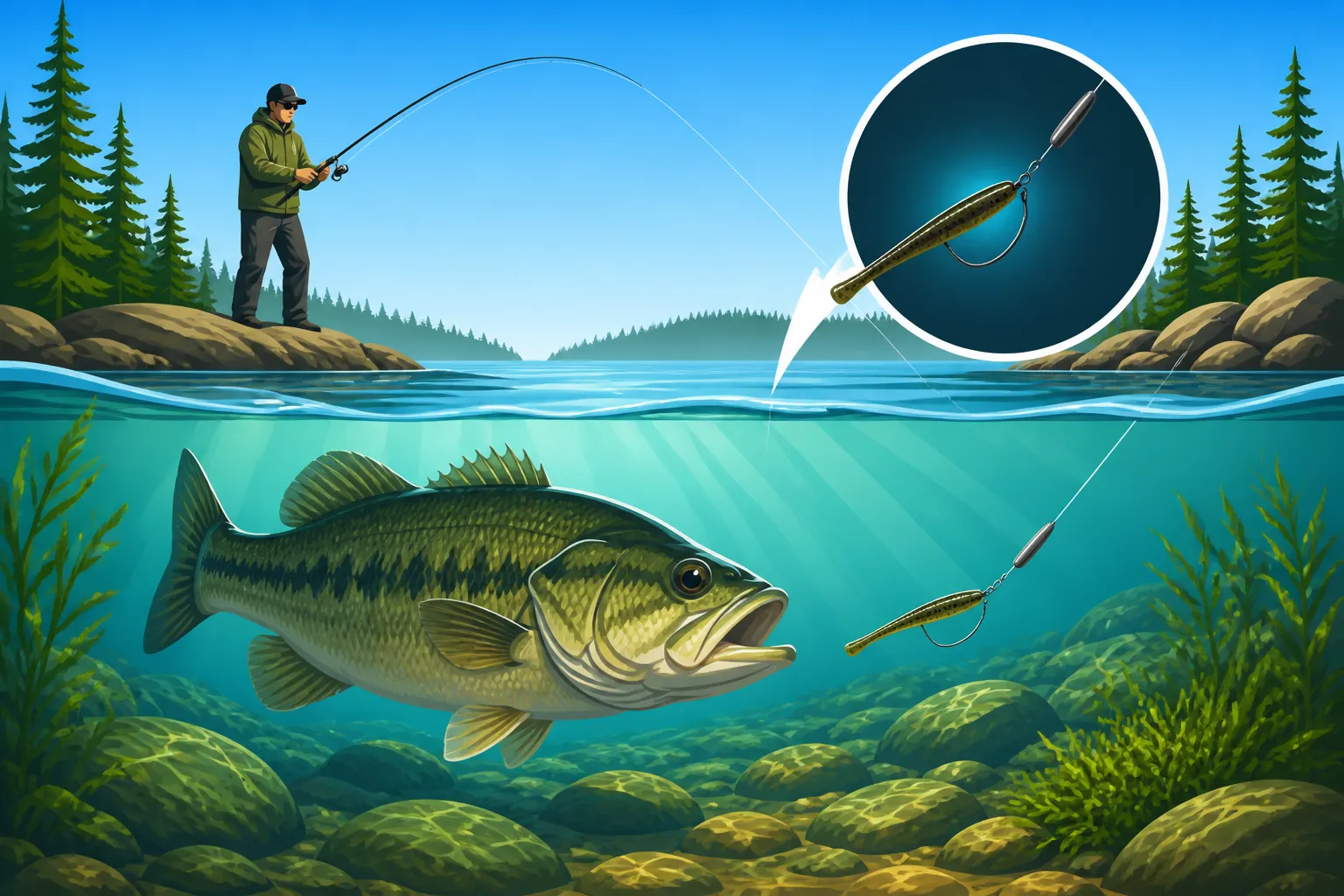
The drop shot rig is arguably the most effective clear water bass technique, especially for smallmouth. It allows you to present a soft plastic bait at a specific depth, keeping it suspended horizontally just off the bottom, or above structure where bass might be holding. The beauty of the drop shot is that the weight sits below the hook, giving your bait incredible action with minimal rod movement.
You can impart subtle twitches and shakes to your rod tip, making the bait dance enticingly without actually moving it forward or backward. This is crucial for finicky bass that might not chase a moving lure but can be enticed by a subtle, vulnerable-looking meal hovering in front of their face. Use a fluorocarbon leader with light line (say, 6-8 lb test) to virtually disappear in the water. For an excellent starting point, check out Best drop shot weight for lake current to ensure your rig stays in the strike zone without drifting too quickly. Pair this with a lightweight spinning rod and reel for maximum sensitivity.
The Ned Rig: Small Profile, Big Results
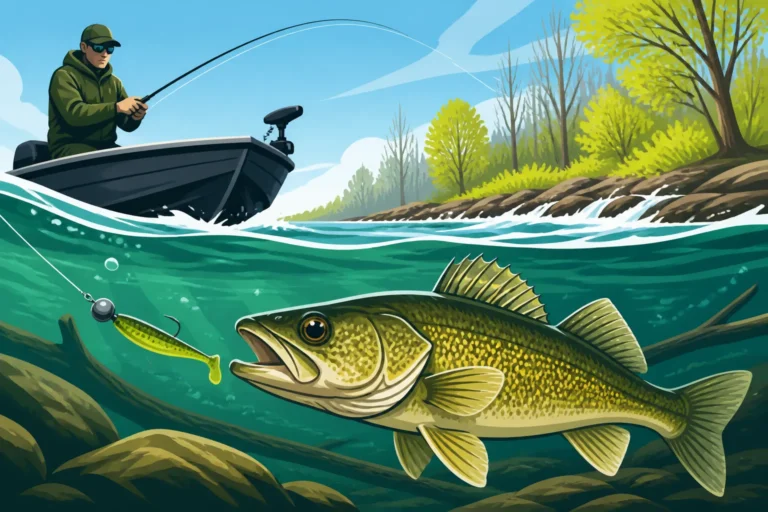
The Ned Rig is another absolute powerhouse for clear water bass, particularly when they're pressured or feeding on smaller forage. It's an ultra-finesse presentation that uses a small, mushroom-shaped jig head paired with a short, buoyant soft plastic bait. The jig head design ensures the bait stands straight up off the bottom, mimicking a small critter foraging or a baitfish nosing into the bottom.
This rig is incredibly subtle and offers a slow, natural fall, often triggering bites from bass that ignore everything else. It's especially deadly when fished slowly, dragging it along the bottom with long pauses. Many anglers find the Z-Man Finesse TRD to be an exceptional bait for this rig, available easily through retailers like Amazon. It's tough, durable, and floats well. For a comprehensive guide, definitely look into Best ned rig setup for finesse fishing to get all the details on line, rod, and bait choices.
The Wacky Rig and Senko: Soft Fall, Irresistible Flutter
The Wacky Rig, typically used with a Yamamoto Senko or similar stick bait, is a simple yet incredibly effective clear water finesse presentation. The bait is hooked directly through its middle, allowing both ends to flutter and undulate hypnotically as it sinks. This slow, natural fall is often all it takes to trigger a strike from a cautious bass.
The key to the Wacky Rig's success is its simplicity and natural action. There's no weight, no complicated setup, just a soft plastic bait doing its thing. It's perfect for casting around docks, weed edges, or even open water when bass are suspended. The trick is to let it fall on a semi-slack line, allowing the bait to shimmy unimpeded. Watch your line closely for any twitch or jump, as bass often hit it on the fall.
Key Finesse Baits and Presentations
Beyond the rig itself, the choice of bait and how you present it are critical for success in clear water. It's all about mimicking natural forage and making your offering look as lifelike as possible.
Matching the Hatch with Soft Plastics
In clear water, bass have excellent visibility, meaning they're more likely to identify an unnatural looking bait. Therefore, matching the size, shape, and colour of the local forage is paramount. If bass are feeding on small minnows or shiners, slender soft plastic jerkbaits or small swimbaits might be effective on a jig head. If crawfish are prevalent, consider small creature baits or tubes in natural colours like green pumpkin or brown.
For smallmouth bass, especially in rocky clear lakes, tube jigs are incredibly effective. A Best tube jig color for smallmouth bass might be a natural green, brown, or even a smoke colour with flake, mimicking a crawfish or goby. The subtle spiralling action of a tube as it falls or is jigged is often irresistible. For largemouth in clear, weedy environments, small worms or creature baits fished on a light Texas rig or shaky head can be excellent. Always have a variety of soft plastics in different sizes and natural colours in your tackle box – places like Amazon have a huge selection, so you can easily stock up on what you need.
The Art of Subtle Presentation
The way you present your finesse bait is just as important as the bait itself. Forget aggressive power fishing casts and retrieves. In clear water, everything needs to be subtle, controlled, and quiet.
- Long Casts: Make longer casts to avoid spooking fish with your boat or shadow. This also allows your bait more time to fall naturally before reaching the strike zone.
- Slow Retrieve: Most finesse techniques are designed for slow retrieves. Let your drop shot sit and twitch, drag your Ned Rig almost imperceptibly, and let your Wacky Rig fall slowly. The less commotion, the better.
- Line Watching: In clear water, bites are often very subtle. You might not feel a distinct "thump." Instead, watch your line for any slight twitch, jump, or unnatural movement. If the line suddenly goes slack or moves sideways, set the hook!
- Stealth: Approach your fishing spots quietly. Avoid banging things in your boat, and try to keep your silhouette low. Every little detail matters.
Table: Popular Finesse Rigs for Clear Water Bass in Ontario
| Finesse Rig | Primary Target | Key Characteristics | Best Presentation | Ideal Conditions |
|---|---|---|---|---|
| Drop Shot | Smallmouth, Largemouth | Bait suspended above weight, horizontal presentation | Subtle shakes, minimal movement, dead sticking | Deep clear water, pressured fish, vertical structure |
| Ned Rig | Smallmouth, Largemouth | Small profile, buoyant bait stands up from bottom | Slow drag, long pauses, light twitch | Ultra-pressured fish, cold fronts, small forage |
| Wacky Rig | Largemouth, Smallmouth | Soft plastic hooked in middle, natural flutter on fall | Cast and let fall on slack line, occasional twitch | Around cover, suspended fish, subtle action needed |
| Shaky Head | Largemouth, Smallmouth | Jig head with soft plastic worm, "shaking" motion | Dragging, shaking on bottom, pausing | Rocky bottoms, probing cover, vertical presentation |
| Tube Jig | Smallmouth | Hollow soft plastic, jig head inside, spirals on fall | Drifting, jigging, hopping, imitating crawfish | Rocky areas, current, smallmouth hot spots |
Tactical Considerations for Clear Water Bass Fishing
Beyond the specific rigs and baits, there are broader tactical considerations that can make or break your day when fishing for clear water bass in Ontario. These often involve paying close attention to your gear and your surroundings.
Line Selection: The Invisible Advantage
Your fishing line is the direct connection between you and the fish, and in clear water, it's also a potential giveaway. Using the right line is critical for maximizing stealth and sensitivity. Fluorocarbon is often the preferred choice for leaders due to its low visibility underwater – it has a refractive index very similar to water, making it almost invisible. You'll want to choose a light test, typically 6-8 lb, depending on the size of fish you expect and the amount of cover.
For your main line, many anglers opt for a thin braided line (10-15 lb test) for its incredible sensitivity and casting distance. Then, they'll tie a fluorocarbon leader (4-8 feet long) to the braid using a strong knot like an FG knot or an Albright knot. The braid allows you to feel the most subtle bites and get long casts, while the fluorocarbon leader provides the stealth needed in clear conditions. Don't underestimate the impact of Best Fluorocarbon Line for Clear Lake Water and selecting a colour that blends in, or better yet, is transparent. Even the main line can make a difference; a bright coloured braid might scare fish in extremely shallow, clear water.
Rod and Reel Setup: Sensitivity is Key
For finesse fishing, especially in clear water where bites can be incredibly light, sensitivity in your rod and reel is paramount. You need to feel every subtle "tick" or change in line pressure.
A medium-light to medium power spinning rod, typically 6'6" to 7'6" in length, with a fast or extra-fast action, is ideal. The fast action tip allows for precise casting of light baits and detects those faint bites, while the backbone provides enough power to set the hook and fight fish. Pair this with a lightweight spinning reel in the 1000 to 2500 size range, spooled with a high-quality braided main line and fluorocarbon leader. A good quality reel will ensure smooth drag and reliable operation when you hook into a feisty bass. If you're just starting out, a Best Rod and Reel Combo for Beginners that emphasizes sensitivity would be a great investment.
Time of Day and Weather Considerations
Clear water bass fishing can be highly impacted by sunlight and weather. On bright, sunny days, bass often retreat to deeper water or hold tight to cover, seeking shade. This is when vertical presentations like the drop shot or slowly dragging a Ned Rig in deeper zones shine. Early mornings, late evenings, and overcast days tend to be more productive, as the reduced light makes bass feel more comfortable moving shallower and actively feeding.
Don't be afraid to fish in the rain, especially a light, steady rain. It breaks up the surface tension, reduces light penetration, and can make bass incredibly active. Best technique for post-spawn smallmouth bass often involves targeting these fish as they recover and start feeding aggressively again, frequently in clear, shallower waters during less intense light conditions. Keep an eye on the barometric pressure too; stable or rising pressure usually means more active fish, while rapidly falling pressure before a storm can shut them down.
Being Observant and Patient
Finally, one of the most important aspects of finesse fishing in clear water is observation and patience. Take the time to truly observe the water. Look for subtle signs of baitfish, changes in bottom composition, or even slight disturbances on the surface that might indicate a cruising bass.
Don't be afraid to experiment with different retrieve speeds, pauses, and bait actions. Sometimes a slight variation is all it takes to trigger a strike. Patience is crucial, especially with the slow, deliberate presentations required for finesse techniques. You might need to leave your bait sitting motionless for longer than feels natural. Remember, you're not trying to cover water quickly; you're trying to coax a cautious fish into biting. This mental game is often what separates successful finesse anglers from those who get frustrated and switch back to power fishing too soon. For any of your finesse tackle needs, a quick search on Amazon will reveal a vast array of options to help you customize your approach.
Disclaimer
This article is for general informational purposes only and does not constitute professional advice. Laws, prices and regulations vary by location and change over time. Consult a qualified professional for guidance on your specific situation.