Best fly size for Ontario trout streams in spring
For many fly anglers in Ontario, the arrival of spring is a double-edged sword: the excitement of open water after a long winter is palpable, but figuring out which fly size to tie on can feel like solving a complex puzzle. Water conditions are constantly changing, and insect activity is just waking up, leading to plenty of head-scratching moments streamside. This guide will walk you through the nuances of selecting the best fly sizes for Ontario trout streams throughout the unpredictable spring season, helping you make confident choices that lead to more successful days on the water.
Decoding Spring Conditions for Ontario Trout Streams
Spring in Ontario's trout country isn't a single, static event; it's a dynamic transition that influences everything from water levels to trout behavior. Understanding these underlying conditions is absolutely critical before you even consider what fly pattern to use, let alone its size. The secret to success often lies in tuning into the subtle environmental cues that dictate what the trout are looking for.
The Impact of Water Temperature and Thawing Ice
As the last remnants of ice melt away from lakes and riverbanks, the water temperature in Ontario's trout streams slowly begins its climb from near-freezing. This isn't a rapid jump, but a gradual warming that has profound effects on the entire aquatic ecosystem. Trout, being cold-blooded creatures, are directly influenced by water temperature; it dictates their metabolism, their activity levels, and, most importantly for us anglers, their feeding habits.
In the early stages of spring, when water temperatures might still hover in the single digits Celsius, trout are often sluggish. Their metabolism is slow, and they're not expending a lot of energy chasing down food. This means they're looking for an easy meal, something substantial that doesn't require a lot of effort to catch and digest. As the water warms, however, their metabolism speeds up. They become more active, more aggressive, and more willing to move for a meal. This shift directly impacts the size of the flies you should consider, moving from larger, more appealing targets to smaller, more imitative patterns as insect activity increases.
Navigating Spring Runoff and Water Clarity Challenges
One of the most defining characteristics of spring fishing in Ontario is the inevitable runoff. Snowmelt, coupled with spring rains, can transform placid streams into raging, turbid torrents overnight. This influx of cold, often murky water presents a significant challenge for anglers trying to match the hatch, as visibility for both the fish and the angler is severely reduced. High water levels also mean faster currents, forcing trout to seek refuge in slower pockets or deeper lies where they don't have to fight the flow constantly.
When the water is high and off-colour, larger fly sizes become essential. A small, subtle fly will simply be lost in the turbulent, murky conditions. You need a fly that presents a bigger silhouette, pushes more water, and is more easily detected by trout relying on their lateral line system rather than sight. The increased flow also means your flies will drift faster, so a larger, heavier fly might be necessary to get down to the strike zone quickly where the fish are holding out of the main current. This is a common scenario in many Ontario Provincial Park Fishing Guide locations that experience significant snowmelt.
How Trout Metabolism Changes with the Season
Just as we discussed with water temperature, a trout's metabolism is intrinsically linked to its environment, especially during spring. After a long winter of reduced activity and often sparse feeding, trout are looking to recover and regain energy. Early spring, with its cold water, keeps their metabolic rate low. They might feed opportunistically, but they're not going to chase down tiny, fast-moving insects. They prefer something substantial that provides a good energy return for the effort expended.
As spring progresses and water temperatures consistently rise, their metabolism kicks into a higher gear. Trout become more active predators, willing to move further and more frequently to intercept food. This is when you'll start to see more aggressive takes and more consistent feeding windows. The change in metabolism means they can process food more quickly and are more willing to expend energy, making them receptive to a broader range of fly sizes and patterns. Understanding this metabolic shift helps you anticipate when to size up for an easy meal or size down for more selective feeding on emergent insects.
Essential Fly Sizes for Ontario's Spring Hatches
Choosing the right fly size isn't just about matching a specific bug; it's about understanding the progression of insect life in spring and how trout react to those changes. From the earliest days of ice-out to the vibrant hatches of late spring, the preferred fly sizes can vary dramatically. Knowing which general categories of flies and sizes to lean on during these transitional periods will make a world of difference.
Starting Strong with Subsurface Flies: Nymphs and Streamers
In the very early spring, before consistent insect hatches really get going, the vast majority of a trout's diet consists of subsurface food sources. Think about it: the water is cold, insect larvae are still clinging to the bottom, and anything that does emerge is often quickly swept away. This is where nymphs and streamers truly shine, and generally, you'll want to lean towards larger sizes in these categories.
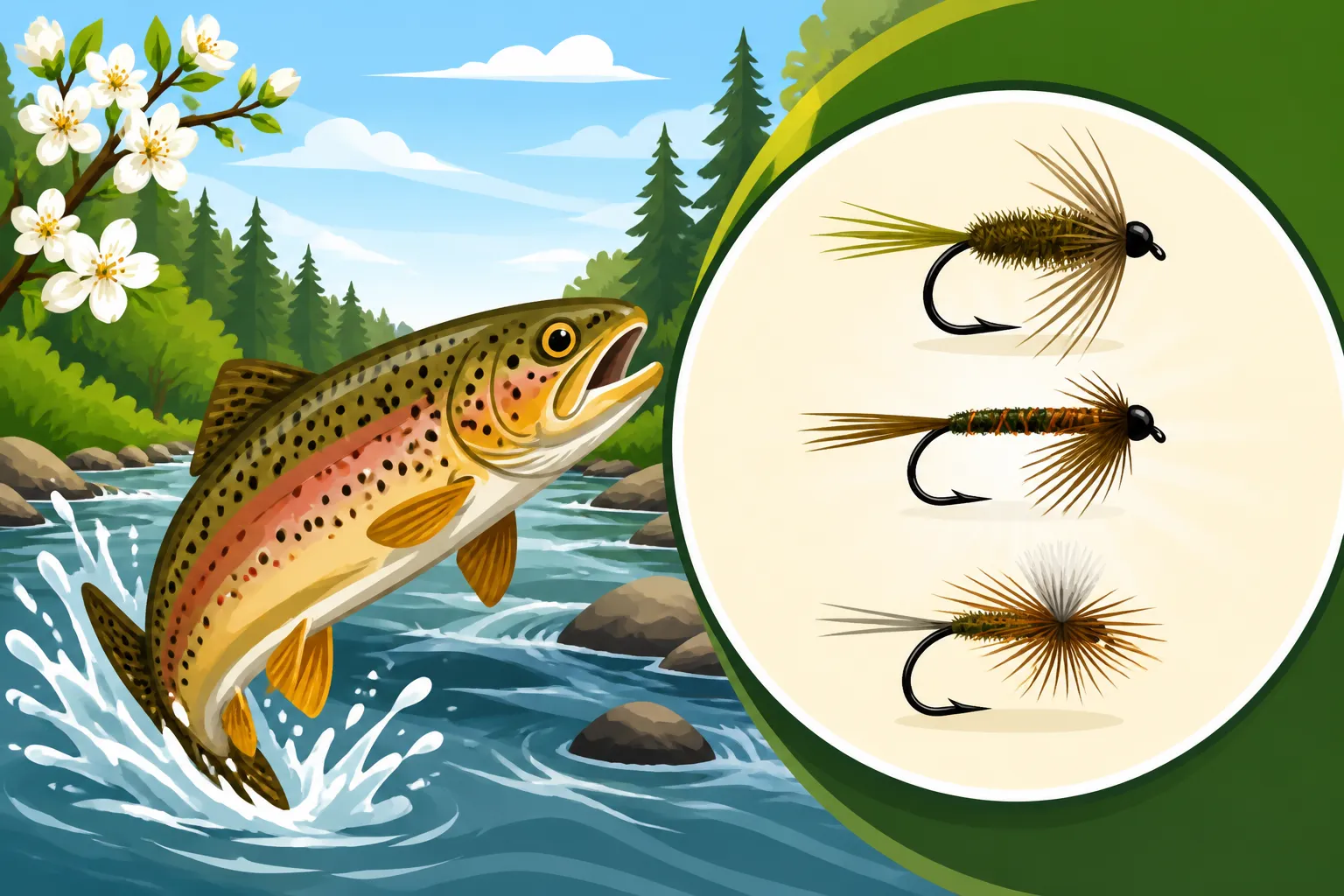
For nymphs, focus on sizes #10 to #16. Larger stonefly patterns like a Pat's Rubber Legs or a Kaufmann's Stone in sizes #10 or #12 can be incredibly effective, especially in higher, cloudier water. These patterns imitate the larger nymphs that might get dislodged by increased flows. Hare's Ear or Pheasant Tail nymphs in sizes #12 to #16 are also good general imitations. Don't be afraid to go a bit heavier with your nymphs in swift currents; fishing a Best nymph rig for freestone streams often involves extra weight to get your fly down quickly. As for streamers, early spring is prime time for bigger offerings. Woolly Buggers, Dally's Lap Dancer, or even an articulated streamer like a Sex Dungeon in sizes #4 to #8 are fantastic choices. These flies imitate baitfish, leeches, or sculpins that are active year-round and represent a substantial meal for a hungry trout. Many anglers stock up on these larger patterns from online retailers like Amazon before the season kicks off.
The Emergence: Transitioning to Dry Flies and Emerger Patterns
As spring progresses and water temperatures steadily rise, the aquatic insect world truly awakens. Mid-spring, typically from late April into May, marks the beginning of more consistent hatches, and with them, the opportunity to fish dry flies and emergers. However, even during a hatch, the size of the fly you choose is paramount. Trout can be incredibly selective, often keying in on specific stages or sizes of emerging insects.
For dry flies, you'll often find yourself reaching for sizes #14 to #20. Early hatches might include larger Dark Hendrickson mayflies (size #14), but quickly move into Blue-Winged Olives (BWO) which are typically much smaller, in sizes #18 to #20. Caddis hatches can range from #14 to #18. Emergers are a vital link between nymphs and dry flies, representing insects struggling to break the surface tension. Patterns like a CDC Comparadun or a Sparkle Dun in sizes #16 to #20 are excellent for imitating these vulnerable insects. The key here is not just the pattern, but getting the size right to match what the trout are seeing in the film. When the trout are focused on emerging insects, even a slight variation in size can be the difference between a hook-up and a refusal.
Pinpointing Sizes for Key Spring Insects: Mayflies, Caddis, and Midges
Ontario's trout streams are home to a diverse array of aquatic insects, and spring sees the emergence of several important species. Knowing the typical size ranges of these bugs will give you a significant advantage.
- Mayflies: Spring is synonymous with Mayfly hatches. Early season mayflies like March Browns or Dark Hendricksons can be quite large, often mimicked with flies in sizes #12 to #14. However, the prolific Blue-Winged Olives (BWOs) are usually much smaller, requiring flies in sizes #18 to #22. Be prepared to fish these tiny patterns, especially on cloudy, overcast days when BWOs are most active.
- Caddisflies: Caddis are another crucial insect, and spring sees several species emerge. Their larval and pupal forms are often imitated with nymphs in sizes #12 to #16, while the adult caddis patterns (like an Elk Hair Caddis) can range from #14 to #18. Different species will vary, so having a range is smart.
- Midges: Don't underestimate the power of midges, especially on those colder, calmer days or in slower pools. Midges are tiny, usually requiring flies in sizes #20 to #24, or even smaller. While challenging to tie and fish, a well-presented midge cluster or single midge pattern can be incredibly effective when trout are being finicky. These smaller patterns are often found in specialized fly shops or on platforms like Amazon.
Mastering Fly Size Selection on the Water
Even with all the theoretical knowledge, making the final decision on fly size happens at the stream's edge. This is where observation, a bit of intuition, and a willingness to experiment come into play. Being able to read the water and the fish themselves will hone your ability to pick the perfect presentation.
The Art of Matching the Hatch vs. Grabbing Attention with Attractors
When it comes to fly selection, anglers often fall into one of two camps: strict "match the hatch" proponents or those who prefer attractor patterns. In spring, both approaches have their place, and understanding when to deploy each can dramatically improve your success.
"Matching the hatch" means carefully observing the insects present – whether they're actively hatching, struggling on the surface, or nymphs drifting subsurface – and choosing a fly that precisely imitates their size, shape, and colour. This approach is most effective when trout are actively feeding on a specific, abundant insect. If you see fish steadily rising to small, dark insects, you'll want to reach for a #18 BWO dry fly. However, if there's no visible hatch, or if the water is high and murky due to spring rains, trying to match a specific insect might be futile. This is where attractor patterns come in. Attractors are flies that don't specifically imitate one insect but are designed to grab a trout's attention through their flash, movement, or general buggy appearance. Think about a brightly coloured Copper John nymph in size #12 or a large, flashy streamer in size #6. These can be particularly effective in off-colour water or when trout are simply looking for a substantial, easy meal. Sometimes, a general imitation is more effective than a precise one, especially when fishing for Brook Trout in Ontario's Crown Land Lakes where insect life might be less diverse.
Reading the Environment: Observing Insects and Trout Activity
The best fly size decisions are made by carefully observing your surroundings. Before you even cast a line, take a few minutes to watch the water. What do you see?
- Surface Activity: Are fish rising? If so, what do the rises look like? Gentle sips indicate small, emerging insects or drowned adults. More aggressive splashes might mean bigger, healthier adults or even trout chasing baitfish. Try to spot the actual insects floating on the water. Catch a few if you can and examine their size, shape, and colour. This direct observation is the gold standard for matching the hatch.
- Subsurface Activity: Even if no fish are rising, look for signs of life underwater. Turn over a few rocks in the riffles; what nymphs or larvae do you find? This gives you clues about what might be drifting naturally. If you see a lot of larger stonefly nymphs, then a similarly sized nymph pattern is a good bet.
- Bankside Vegetation: Check the undersides of leaves or branches overhanging the water. You might find adult insects resting there, giving you an idea of what might be emerging soon or what might fall into the water.
- Trout Behavior: Are the trout holding tight to the bottom, barely moving? This might suggest they're still sluggish from cold water, making a larger, slower-drifting nymph or streamer more appealing. Are they actively darting around? This indicates a higher metabolism and a willingness to chase, potentially opening up options for smaller, more imitative patterns or even quick-stripping streamers. Observing Brown Trout Habits in Ontario Streams can also provide valuable clues on their feeding preferences.
Adjusting Your Approach Based on Water Flow and Depth
Water flow and depth are fundamental factors influencing fly size, especially in spring. These aren't static conditions; they change hourly, daily, and weekly depending on snowmelt and rainfall.
- High and Fast Water: When the water is roaring, you'll typically need larger, heavier flies. A bigger fly (e.g., #10-#12 nymph or #4-#6 streamer) with added weight will help it cut through the current and get down to where the trout are holding. Fast current also means a fish has less time to inspect your offering, so a slightly larger, more visible fly is often more effective than a tiny, subtle one. This is also a situation where you might consider heavier tippet, as detailed in Best tippet size for stocked trout.
- Low and Clear Water: As spring progresses and flows stabilize, some streams can become quite low and clear. In these conditions, trout become much warier and more selective. This is when you'll want to size down your flies significantly. Smaller nymphs (e.g., #18-#22), emergers, and dry flies are the ticket. You might even need to drop to a #24 midge. Clear water often necessitates a more delicate presentation and lighter tippet.
- Deep Pools vs. Shallow Riffles: Consider where the fish are holding. In deep pools, you'll need flies that can sink effectively to reach the bottom. Larger, weighted nymphs or streamers are typically best here. In shallower riffles, where trout might be actively foraging, a smaller nymph drifting naturally or an emerger just under the surface could be ideal. Having a good selection of flies, including various sizes, in your Best Tackle Box Setup for Ontario Anglers is crucial for adapting to these conditions.
Regional and Seasonal Nuances in Ontario Spring Fly Fishing
Ontario is a vast province, and "spring" can mean very different things depending on where you are. The timing of ice-out, runoff, and insect hatches varies significantly from south to north, and even from one watershed to another. Tailoring your fly size selection to these regional and seasonal differences will greatly increase your odds of success.
Early Spring Strategies: Ice-Out to Mid-April
This is the quintessential "shoulder season" for many Ontario trout streams. For locations like the Grand River or Credit River, ice-out might happen in March, but for more northerly rivers, it could be well into April or even early May. During this period, water temperatures are still quite cold, often hovering around 4-8°C (39-46°F). Snowmelt runoff is typically at its peak, leading to high, often turbid water conditions.
Given these conditions, trout are generally sluggish and less inclined to move far for a meal. Their feeding windows might be short, and they're looking for substantial, easy-to-intercept food. This is prime time for larger subsurface flies. Think heavy stonefly nymphs in sizes #10 to #12, or larger attractor nymphs like a size #12 Prince Nymph. Streamers are also incredibly effective; Woolly Buggers (black, olive, or brown) in sizes #4 to #8, or a weighted Clouser Minnow, can entice strikes from lethargic trout. Concentrate your efforts in slower water pockets, eddies, and seams where trout can hold without expending too much energy. If you're targeting waters known for larger fish, heavier gear, as discussed in Best Gear for Ontario Trout Fishing, is also a good idea.
Mid-Spring Tactics: Mid-April to Late May
As the calendar pages turn and days lengthen, mid-spring sees a dramatic shift in Ontario's trout streams. Runoff typically begins to subside, and water temperatures climb into the ideal range of 8-15°C (46-59°F). This warming trend sparks a surge in insect activity, leading to more consistent hatches and increasingly active trout.
This is when the "matching the hatch" game really comes into play. You'll want a wider array of fly sizes, specifically for mayflies, caddis, and midges. For mayflies, be prepared for Blue-Winged Olives (BWOs) in sizes #18-22, and possibly Hendricksons or Sulphurs in #14-16. Caddis hatches can be prolific, calling for pupa imitations (sizes #14-16) and adult Elk Hair Caddis (sizes #14-18). Don't forget emerger patterns in the same size ranges, as trout often key in on insects struggling to break the surface. Small midge patterns in sizes #20-24 can also be crucial on calm, sunny days when trout are sipping delicately. Having a well-stocked fly box with various patterns and sizes, perhaps purchased through Amazon for convenience, is essential for these dynamic conditions. For specific fly recommendations, consult a guide like Fly Patterns for Ontario Trout Streams.
North vs. South: How Geography Affects Your Choices
Ontario's sheer size means that spring conditions in the southern part of the province can be weeks, or even a month, ahead of those in Northern Ontario. This geographical difference is vital for fly size selection.
- Southern Ontario Streams: Rivers like the Grand, Credit, and Nottawasaga experience earlier ice-out and warmer temperatures. This means the early spring period, with its focus on larger nymphs and streamers, might be winding down by mid-April, and consistent dry fly fishing (with smaller patterns) could begin in late April or early May. Anglers in the south need to be prepared for the full spectrum of spring conditions and have a versatile fly box that reflects the quicker progression of hatches.
- Northern Ontario Streams: Streams further north, particularly those on or above the Canadian Shield, have a much later spring. Ice might linger longer, and consistent snowmelt runoff can extend well into May. Here, the "early spring" strategies – larger nymphs and streamers – will remain dominant for a longer period. Dry fly fishing with smaller patterns might not become truly consistent until late May or even early June. If you're planning on Fly Fishing for Trout in Ontario in more remote northern areas, understanding this delayed spring is key to packing the right flies. You'll likely rely more on heavier subsurface patterns for a longer stretch of the season.
No matter where you're fishing in Ontario, adapting your fly size to the specific conditions of that day and that stretch of water is the ultimate key to success.
| Spring Period | Typical Water Conditions | Primary Food Sources / Behavior | Recommended Fly Types & Sizes |
|---|---|---|---|
| Early Spring | Cold, high, often turbid | Large nymphs (stoneflies), baitfish, leeches | Large Nymphs (#10-14), Streamers (#4-8) |
| (Ice-out to Mid-Apr) | (4-8°C, high runoff) | Trout are sluggish, seeking easy, substantial meals | (e.g., Pat's Rubber Legs, Woolly Bugger, Prince Nymph) |
| Mid-Spring | Warming, receding flows | Emerging mayflies (BWO, Hendrickson), caddis, midges | Nymphs (#12-18), Emergers (#16-20), Dry Flies (#14-22) |
| (Mid-Apr to Late May) | (8-15°C, clearer water) | Trout becoming active, keying on hatches & emergers | (e.g., Pheasant Tail, CDC Comparadun, Elk Hair Caddis, Adams) |
| Late Spring | Warmer, clearer, more stable | Diverse hatches (Sulphur, Caddis), terrestrial insects | Smaller Dry Flies (#16-22), Terrestrials (#14-18) |
| (Late May to Early Jun) | (>15°C, lower flows) | Trout highly active, selective on surface & subsurface | (e.g., Parachute Adams, Hoppers, Ant patterns) |
Disclaimer
The information provided in this guide is for general informational purposes only. Fishing regulations, seasons, and conditions can change rapidly. Always consult the most current Ontario Fishing Regulations Summary, local bait and tackle shops, or the Ministry of Natural Resources and Forestry (MNRF) before heading out on the water. Stay safe and fish responsibly.