Bank Fishing Techniques for Ontario Lakes
It's easy to feel intimidated when you don't have a fancy boat or a hefty budget for fishing trips, especially when everyone online seems to be showing off their latest big catch from the middle of a sprawling lake. But let me tell you, fellow angler, the bank can be just as fruitful, if not more so, if you know where to look and what to do. This comprehensive guide will walk you through everything you need to know to transform your shoreline fishing experience on Ontario's many beautiful lakes.
Understanding the Challenges and Opportunities of Bank Fishing
For many of us, the idea of fishing often conjures images of a boat out on the water, far from shore. This can lead to a common misconception that if you’re stuck on the bank, you’re somehow at a disadvantage. But that's just not true! Bank fishing in Ontario lakes presents its own unique set of challenges, yes, but also incredible opportunities that boat anglers often miss.
The "Boat Advantage" Myth vs. Reality
The "boat advantage" myth often stems from the belief that fish are always in the middle of the lake, in deep water, or away from the noise and activity of the shore. While certain species do prefer deeper haunts at specific times, many game fish, especially bass, pike, and panfish, spend a significant amount of their time close to shore. They're there for a reason: food, cover, and spawning grounds. Think about it – where do baitfish often congregate? Near weed lines, fallen trees, and shallow rocky areas, all typically accessible from the bank.
What boat anglers sometimes overlook is the intimate knowledge you gain when you're forced to focus on a smaller, more accessible section of water. You learn every rock, every weed patch, every subtle drop-off, which makes you a more observant and skilled angler. Plus, there’s no fuss with launching, trailering, or fuel costs, making it far more accessible for everyone. It’s a completely different approach to fishing, one that encourages patience, observation, and a deep understanding of localized fish behavior.
Reading the Shoreline: What to Look For
The key to successful bank fishing lies in your ability to "read" the water and the shoreline. This means looking for features that attract fish. Start by scanning the visible structure. Are there fallen trees, docks, or rocky outcroppings? These offer cover and ambush points for predators like northern pike and bass. Look for transitions in the bottom composition – a sandy beach turning into a rocky point, or a section of sparse weeds transitioning into a thick weed bed. These "edges" are prime locations for fish.
Next, observe the water itself. Are there any visible weed lines, even a few feet out? Fish will use these for shelter and feeding. Is there a point that extends further into the lake, creating a current break or a deeper channel nearby? Points are notorious fish magnets. Don't forget to look for subtle changes, like areas where the bank drops off quickly into deeper water. Often, if you can access a spot where the bottom descends sharply a short distance from shore, you've found a jackpot. Even subtle differences in water clarity or temperature near inflows can concentrate fish.
Essential Gear for Successful Shoreline Angling
You don't need to break the bank to be a successful bank angler, but having the right gear certainly makes a huge difference. Think efficient, portable, and versatile. Your gear needs to be easy to carry, tough enough for the elements, and suitable for the various species you might encounter in Ontario's diverse lakes.
Rods, Reels, and Lines: The Right Setup
For most bank fishing in Ontario, a medium to medium-heavy spinning rod, typically 6'6" to 7'6" in length, will be your best friend. This length offers excellent casting distance, which is crucial when you can't motor out to your desired spot. It also provides enough backbone to handle a decent-sized pike or bass, while still being sensitive enough to detect subtle bites from panfish. Pair this with a reliable spinning reel in the 2500-3000 size range. Look for something smooth with a good drag system. Brands like Shimano and Daiwa offer excellent options that are durable and perform well for general-purpose freshwater fishing. If you're looking for recommendations, our guide on Best Fishing Rods for Ontario Lakes offers some great insights.
When it comes to line, a 10-15 lb braided line is a fantastic choice for your main line. It offers superior casting distance, sensitivity, and strength compared to monofilament. Because it's so visible, tie a 3-5 foot fluorocarbon leader (8-12 lb test) to your braid using a strong knot like the FG knot or a double uni knot. Fluorocarbon is nearly invisible underwater and is more abrasion-resistant, which is perfect for fishing around rocky areas or through weeds. If you're primarily targeting panfish or smaller trout, you might opt for a lighter 4-6 lb monofilament or fluorocarbon main line on a smaller 1000-2000 size reel for more delicate presentations.
Tackle Box Essentials: Baits, Lures, and Terminal Gear
Your tackle box for bank fishing should be streamlined and effective. Forget lugging around every lure you own; focus on versatility. For panfish, small jigs (1/32 to 1/8 oz) tipped with a small plastic grub or a piece of worm are deadly. Mini crankbaits and inline spinners also work wonders. For bass and pike, a selection of soft plastics (like senkos, swimbaits, and creature baits) rigged weedless is essential for working through cover. Spinnerbaits, crankbaits, and topwater lures (frogs, poppers) will round out your arsenal. Don't forget some spoons and maybe a few jerkbaits for those aggressive pike or cool-water smallmouth.
Terminal tackle is equally important. Stock up on various weights (bullet weights for Texas rigs, split shots for live bait), hooks (EWG hooks for soft plastics, small Aberdeen hooks for worms), swivels, and some leader material. A good pair of pliers or forceps for unhooking fish is non-negotiable. And always carry extra line! You can find a fantastic array of tackle box organizers and pre-made kits on Amazon, which can be super convenient for keeping everything neat and accessible while you’re walking the shoreline. Check out our guide on Best Tackle Box Setup for Ontario Anglers for a more in-depth look at what to pack.
Comfort and Safety: Beyond the Basic Kit
Bank fishing means you're often exposed to the elements, so don't forget your comfort and safety gear. A good pair of waterproof boots is a must, especially if you'll be wading into the shallows or navigating muddy banks. Sunscreen, a wide-brimmed hat, and polarized sunglasses aren't just for comfort; they help you spot fish and structure under the water. A small backpack is ideal for carrying water, snacks, extra layers of clothing, and your essential tackle.
For safety, a small first-aid kit is always a smart addition, especially if you're fishing in more remote areas. A multi-tool or knife can come in handy for various tasks. And remember, in Ontario, you need an Ontario Outdoors Card, Explained and a valid fishing license, which you can learn Where and How to Buy an Ontario Fishing License. Always be aware of your surroundings, especially near water, and let someone know where you're going and when you expect to return, particularly if you're venturing off the beaten path.
Proven Techniques for Ontario Lake Species from Shore
Now that you're geared up, let's talk tactics. The beauty of Ontario's lakes is their incredible diversity of fish species. Each species has its habits, and by tailoring your approach, you can significantly increase your success from the bank.
Targeting Panfish: The Easiest Wins
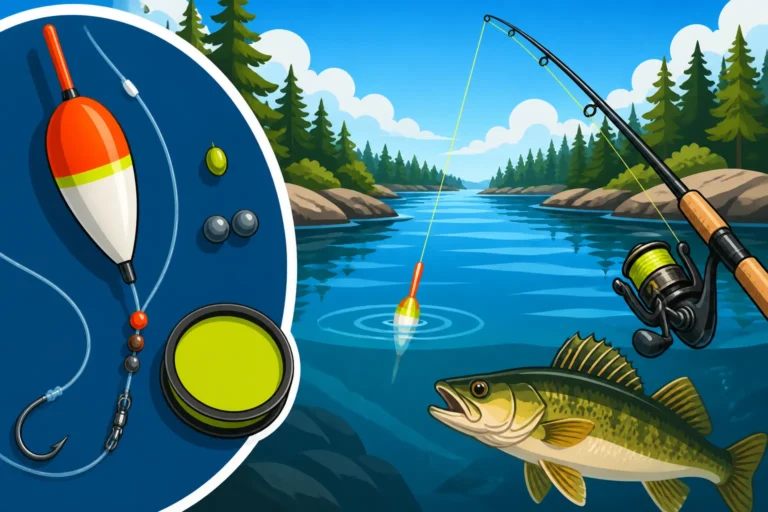
Panfish, like yellow perch, sunfish, and crappie, are often the most accessible targets for bank anglers, making them fantastic for beginners or a fun day out. They congregate in schools and are often found in shallow, weedy areas, around docks, and near fallen trees – all prime bank fishing territory. For perch and sunfish, a simple setup works wonders: a small hook (#6 or #8) baited with a piece of worm or a small minnow under a bobber. Cast it near cover, let it sit, and watch for that bobber to dance!
Crappie tend to suspend more, so a small jig (1/32 to 1/16 oz) tipped with a tiny plastic tube or minnow, fished without a bobber, allowing it to slowly sink, can be incredibly effective. You can also twitch it back slowly. Early mornings and late evenings are often the best times, but panfish can be active all day, especially in overcast conditions. Remember, you don't need to cast far; often, the biggest schools are just a few feet from where you're standing. Our guide on Best Techniques for Panfish in Ontario has even more great tips.
Hunting Bass from the Bank: Smallmouth and Largemouth
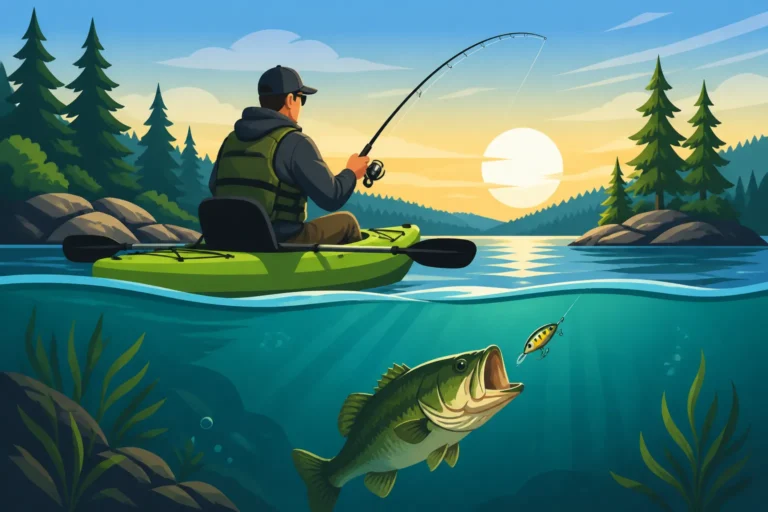
Ontario lakes are home to both smallmouth and largemouth bass, and both are thrilling to catch from shore. Largemouth bass prefer heavy cover like lily pads, thick weed beds, and fallen timber. For these green machines, a weedless presentation is key. Texas-rigged soft plastic worms, creature baits, or even hollow-bodied frogs cast over lily pads are excellent choices. Work your lure slowly, letting it pause in likely ambush spots.
Smallmouth bass, on the other hand, love rocky areas, points, and sudden drop-offs. They're often found patrolling slightly deeper water or cruising rocky flats. For them, try casting crankbaits, spinnerbaits, or tube jigs. Jigs bounced along the bottom can be incredibly effective, mimicking crayfish, a favourite smallmouth snack. Topwater lures like poppers or walking baits can create explosive strikes, especially during low light conditions or on calm days. When you’re specifically targeting these feisty fish, our Smallmouth Bass Fishing in Ontario article is packed with advanced techniques.
Shoreline Walleye and Pike Strategies
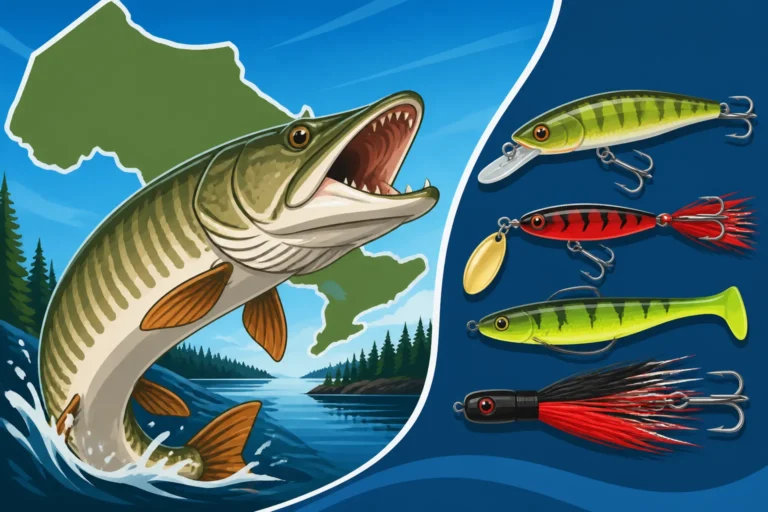
While often associated with deeper waters, walleye and northern pike can absolutely be caught from the bank. Pike are ambush predators that love patrolling weed lines, fallen trees, and shallow bays. Large spinnerbaits, spoons, or jerkbaits cast parallel to weed edges or into pockets in the weeds are excellent choices. Don't be afraid to use a wire leader, as their sharp teeth will quickly cut through monofilament or fluorocarbon.
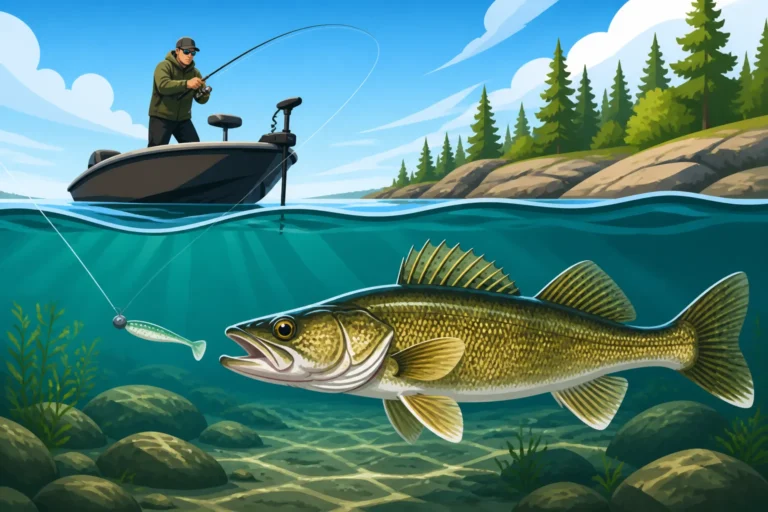
Walleye are a bit trickier from shore but certainly not impossible. They often move into shallower areas to feed during low light conditions – dawn, dusk, or overcast days, and particularly at night. Look for areas with a mix of rock and sand, especially points or breaks that offer access to deeper water nearby. Jigging with a minnow or worm, or casting crankbaits or swimbaits, can entice them. Focusing on their feeding times is crucial. Many anglers successfully target walleye after dark from docks or piers, especially in areas with lights that attract baitfish. To truly master catching these tasty fish, consider reading our How to Catch Walleye in Ontario guide.
Navigating Access and Regulations for Bank Anglers
One of the biggest hurdles for bank anglers is often just figuring out where you can actually fish from shore. Ontario has a lot of private property, but there are also plenty of public access points and specific regulations you need to be aware of.
Finding Public Access Points and Parks
Public access is often available through provincial parks, conservation areas, municipal parks, and public boat launches. Many Ontario Provincial Park Fishing Guide locations offer excellent bank fishing opportunities, often with designated fishing piers or accessible shorelines. These areas are typically well-maintained and clearly marked. Conservation areas might require a day-use fee, but often provide excellent shore fishing spots, particularly on smaller lakes or ponds.
For larger lakes, check maps for public boat launches or municipal parks that have lakefront access. Even roadside pull-offs near bridges or culverts can sometimes offer great, albeit less-defined, access points. Before heading out, a quick online search for "public fishing access [lake name] Ontario" can often yield good results. Don't be afraid to explore, but always be respectful of private property and posted signs. Remember, trespassing is a big no-no.
Understanding Local and Zone-Specific Regulations
Ontario's fishing regulations are extensive and can vary significantly by species, waterbody, and even by the specific Fisheries Management Zone (FMZ). You absolutely need to consult the current Ontario Fishing Regulations Explained summary before you go. This document outlines season dates, catch limits (both daily and possession), and special regulations for specific waters. For instance, the walleye opener dates can differ dramatically between zones.
A crucial aspect to understand is Ontario Fisheries Management Zones, Explained. Each lake falls within a specific zone, and the rules apply accordingly. Furthermore, pay close attention to Ontario Bag and Possession Limits by Species. Exceeding these limits can result in hefty fines. Some lakes may also have unique slot limits or catch-and-release only rules for certain species. Always double-check the regulations for your specific lake and species; ignorance is no excuse when it comes to conservation and legal compliance.
| Species Targeted | Recommended Shoreline Locations | Effective Lures/Baits | Key Techniques |
|---|---|---|---|
| Panfish (Perch, Sunfish, Crappie) | Shallow weeds, docks, fallen trees, brush piles | Small jigs (1/32-1/8 oz) with plastics, worms, small minnows, tiny crankbaits, inline spinners | Bobber fishing, slow retrieve, jigging |
| Largemouth Bass | Thick weed beds, lily pads, heavy cover, submerged timber | Texas-rigged worms/creature baits, hollow-body frogs, spinnerbaits, chatterbaits | Pitching into cover, slow retrieves, topwater action |
| Smallmouth Bass | Rocky points, humps, sharp drop-offs, current breaks | Crankbaits, tube jigs, spinnerbaits, jerkbaits, topwater poppers | Bouncing jigs on bottom, steady retrieve, erratic jerking |
| Northern Pike | Weed lines, shallow bays, fallen trees, creek mouths | Large spinnerbaits, spoons, jerkbaits, swimbaits (with wire leader) | Casting parallel to cover, erratic retrieves, trolling (if boat access) |
| Walleye | Rocky points, deep banks, current breaks, piers (especially at night) | Jigs with minnows/worms, crankbaits, swimbaits | Jigging, slow retrieve, focusing on low light/night |
Mastering the Art of Casting and Presentation
When you're confined to the bank, your casting accuracy and the way you present your lure become even more critical. You can't just motor over to a promising spot; you have to put your bait there with precision. This takes practice, but the rewards are huge.
Precision Casting for Structure
Think of bank fishing as an exercise in targeted casting. Instead of blindly flinging your line as far as possible, identify specific pieces of structure – that submerged log, the edge of that weed bed, the shadow line under a dock – and aim for them. Overhanging trees or brush can provide excellent cover for fish, but they also demand a more accurate underhand or sidearm cast to get your lure into the strike zone without snagging. Practice casting to specific targets in your yard to build muscle memory.
Payload plays a role too. Heavier lures will cast further, but lighter lures might be necessary for a more subtle presentation or to match smaller baitfish. Learn to "feather" your line with your thumb or forefinger as your lure approaches the target. This allows for a soft landing, reducing splash and preventing overruns that can spook wary fish. A smooth, controlled cast is always better than a powerful, wild one when you're trying to hit a dinner plate-sized target near a snag.
Retrieve Techniques for Different Lures
Once your lure is in the water, how you bring it back is just as important as where you cast it. Different lures demand different retrieves. For spinnerbaits and crankbaits, a steady retrieve is often effective, but don't be afraid to experiment with pauses, twitches, or speed changes. Many fish strike when a lure changes its action. For soft plastics and jigs, a "lift and drop" or "drag and pause" retrieve is often deadly, imitating a bottom-dwelling creature or a dying baitfish.
Topwater lures require constant attention. Frogs over lily pads need to be walked or popped, then paused enticingly. Poppers on open water should be popped sharply, then allowed to sit, creating ripples that draw attention. Pay attention to how the fish are reacting. If they're following but not striking, try speeding up or slowing down your retrieve, or adding more aggressive pauses. The most successful bank anglers are those who are constantly experimenting with their retrieve to trigger a bite.
Seasonal Strategies for Maximizing Your Bank Fishing Success
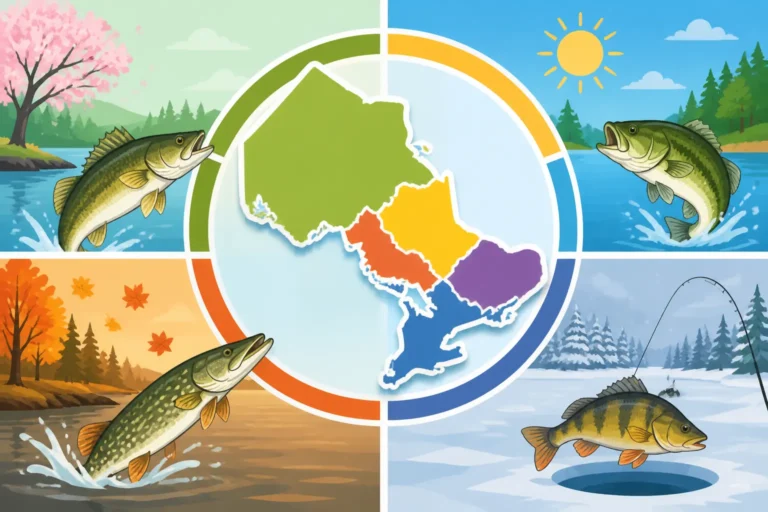
Ontario's seasons bring dramatic changes to fish behavior and location. Understanding these seasonal shifts is crucial for consistent bank fishing success, allowing you to adapt your techniques and find where the fish are hiding.
Spring: Post-Spawn Feasts
Spring in Ontario, particularly after the ice melts, is a fantastic time for bank fishing. Many fish species, like pike and walleye, are coming off their spawning periods and are looking to aggressively feed in shallow, warmer waters. Target northern pike in shallow, weedy bays where they've recently spawned. They'll be hungry and often very active. Walleye might be found on rocky points or near river mouths, staging for or recovering from their spawn. Early spring often means fishing for pre-spawn bass, too, as they move towards shallower staging areas.
As the water warms a bit more, smallmouth bass will move onto rocky flats and points. Largemouth will begin to explore flooded timber and thicker weeds. The key is to look for the warmest water available, as these areas will attract baitfish and subsequently, the predatory game fish. Don't overlook trout, especially in stocked ponds or rivers connected to lakes; many Ontario lakes are stocked with trout in the spring, offering fantastic opportunities for shore anglers.
Summer: Early Morning and Late Evening Bites
Summer can be a challenging time for bank fishing, especially during the heat of the day. As water temperatures rise, many species will retreat to deeper, cooler water. However, the early morning and late evening hours, right at dawn and dusk, are prime times. During these periods, fish will often move into shallower water to feed under the cover of low light. This is when topwater baits for bass can be explosive, or when walleye might come within casting range of the bank, particularly if there's structure like a dock or a weed line close to deeper water.
During the daytime, focus on areas with shade, like under overhanging trees, or where there's a good current flow, which can provide cooler, more oxygenated water. Deep points, shaded drop-offs, and areas with dense vegetation that create cover can hold fish even during the bright summer sun. Pay attention to insect hatches, as fish will often key in on these food sources near shore.
Fall: The Pre-Winter Blitz
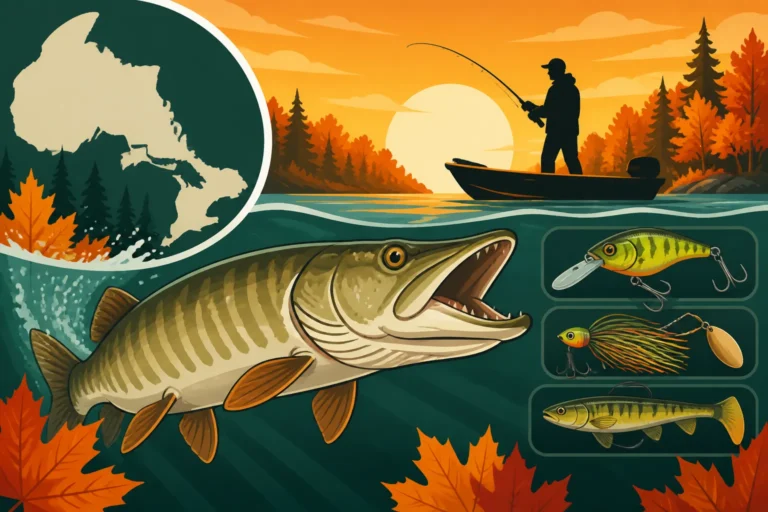
Fall is arguably one of the best times of year for bank fishing in Ontario. As water temperatures drop, fish go on a "feeding frenzy" to bulk up for winter. This means they're often more aggressive and willing to chase down lures. Smallmouth bass will be stacked up on rocky points and humps, feeding heavily on crayfish and baitfish. Largemouth bass will be gorging themselves on baitfish in dying weed beds. Northern pike will be actively cruising shallower areas, eager to hit large spoons or swimbaits.
Look for areas where baitfish are congregating, as the predators won't be far behind. Often, these bait balls will be pushed against shorelines by larger fish or current. Casting spoons, crankbaits, or larger jigs that imitate these baitfish can be incredibly effective. The cooler temperatures also mean fish might remain active throughout the day, not just during low light hours. Just remember that Ontario Fishing Season Dates by Zone for certain species might be closing, so always verify before you head out.
Disclaimer
Fishing regulations and conditions in Ontario can change. Always consult the most current Ontario Fishing Regulations Summary before heading out. This guide is for informational purposes only and does not constitute legal advice. Adhere to all local, provincial, and federal laws and regulations. Fish responsibly and safely.