Best Techniques for Low Clear Water Conditions
There's a unique frustration that comes with fishing in low, clear water conditions. You can often see the fish, sometimes even schools of them, but they seem to possess an uncanny ability to spot your line, your shadow, or your sudden movement a mile away. It's enough to make you feel like you're just sightseeing rather than actually fishing! This guide is all about overcoming that challenge, diving deep into the specialized techniques, gear choices, and approaches you need to trick even the wariest fish into biting when the water is crystal clear and low in Ontario's beautiful lakes and rivers.
Understanding the Challenges of Low, Clear Water
Fishing in low, clear water isn't just about the aesthetics; it fundamentally changes fish behavior and makes angling significantly more challenging. It’s like trying to sneak into a quiet room with all the lights on – every move you make is amplified and noticed.
Why Fish Get Spooky in Clear Conditions
The primary reason fish become incredibly wary in low, clear water is simple: increased visibility. When the water is clear, sunlight penetrates deeper, and objects become much easier to discern. For a fish, this means their world is more exposed. Predators, whether they be other larger fish, ospreys, or even us anglers, are more easily spotted. This heightened visibility triggers a primal survival instinct, making them incredibly cautious. Think about how exposed you feel on a perfectly flat, calm lake in a small boat – fish feel that same vulnerability.
Beyond just seeing us, clear water also reduces available cover. Weeds might be sparse, rocks might be barren, and dark, turbid waters that typically offer a sense of security are nowhere to be found. This lack of refuge forces fish to either seek out the scant available structure or move to deeper, darker water. Even subtle movements, the glint of a fishing lure, or the shadow of a boat or an angler on the bank can send them scattering. It's a constant battle between their need to feed and their instinct to avoid becoming someone else's meal.
Impact on Bait and Lure Presentation
In clear water, every aspect of your presentation is scrutinized by the fish. This means that lines, knots, swivels, and even the finish on your lure become far more visible. That bright green braided line you usually use for its strength and sensitivity? In clear water, it can look like a thick rope to a discerning walleye or smallmouth. The flashy, oversized snap swivel you quickly tied on? It might be perceived as a foreign, unnatural object rather than an integral part of your bait.
This heightened visibility demands a finesse approach. Your goal is to make your offering appear as natural and unthreatening as possible. This often means scaling down your tackle, focusing on subtle movements, and ensuring your presentation is flawless. Any unnatural element can instantly put fish off the bite, turning what could be a successful outing into a frustrating experience of watching fish ignore your perfect cast.
Finesse Tackle and Terminal Gear Choices
When the water is low and clear, your tackle becomes an extension of your stealth. This isn't the time for heavy lines and bulky hardware; it's time to go subtle, light, and almost invisible.
Line Selection for Stealth
This is arguably one of the most critical adjustments you can make. Heavy, visible lines are a death sentence in clear water. Your absolute best friend here will be fluorocarbon. Fluorocarbon has a refractive index very similar to water, meaning it's incredibly difficult for fish to see underwater. It’s also quite abrasion resistant, which is a bonus when fishing around rocks and structure. For a main line, many anglers opt for a thin diameter braided line for its incredible sensitivity and casting distance, then attach a long (6-10 foot) fluorocarbon leader. This combination gives you the best of both worlds: sensitivity and stealth.
Consider downsizing your line even further than you normally would. If you typically fish with 10 lb test, try dropping down to 6 or 8 lb test fluorocarbon leader. For species like trout, you might even go down to 4 lb or 2 lb test. For a more detailed look into line choices, check out our guide on Best Fluorocarbon Line for Clear Lake Water. When it comes to the mainline, while braid is great for sensitivity, some anglers prefer straight fluorocarbon or a high-quality monofilament for its consistent sink rate and stretch, which can be forgiving on light bites with small hooks.
Smaller Baits and Natural Colors
Big, flashy lures often scare more fish than they attract in clear, low water. Instead, think "bite-sized" and "natural." This means downsizing your soft plastics, jigs, and even hard baits. A 2.5-inch tube jig might be more effective than a 4-inch one. A small, subtle Ned Rig with a tiny mushroom jig head can be deadly on smallmouth bass. For trout, think small inline spinners, tiny spoons, or natural fly patterns like those discussed in Fly Patterns for Ontario Trout Streams.
Color selection is equally important. Forget the chartreuses and hot pinks for a moment (unless you're targeting pressured fish with an aggressive reaction bite, which is rare in these conditions). Instead, lean towards natural, muted tones that mimic local baitfish or insects. Greens, browns, grays, clear, watermelon, pumpkinseed, and even black can be incredibly effective. Imagine what the fish in that specific water body are actually eating – minnows, crawfish, worms, small bugs – and choose colors that closely match those natural food sources. You can often find a great selection of these specialized finesse baits on Amazon.
Hook and Hardware Adjustments
Every piece of metal that touches the water has the potential to spook a fish. When the water is clear, this becomes even more pronounced. Use the smallest, lightest hooks possible for your chosen bait. Thin-wire hooks penetrate easily and present less of a visual profile. Ensure your hooks are sharp – a sticky-sharp hook is crucial for light bites on small baits.
Beyond the hook, minimize all other terminal hardware. Avoid large, shiny swivels or snaps. If you absolutely need a swivel to prevent line twist, opt for a small, matte-black barrel swivel. If you're tying directly to a lure, use a loop knot to give the bait maximum action without the need for a snap. Even the split rings on some hard baits can be too much; sometimes, removing them and tying directly to the lure eye or replacing them with smaller, duller ones can make a difference. The goal is to present an offering that looks as natural and unadulterated as possible.
Stealthy Approach and Presentation Techniques
Even with the perfect finesse tackle, a clumsy approach can ruin your chances in clear, low water. Your presence needs to be as subtle as your presentation.
Approaching the Fishing Spot Undetected
The cardinal rule of clear water fishing is simple: don't let the fish know you're there. This means approaching your chosen spot with extreme caution. If you're fishing from shore, stay low, use any available bankside vegetation or terrain as cover, and avoid silhouetting yourself against the sky. Think like a hunter stalking prey. Make long casts that put significant distance between you and where you believe the fish are holding. Casting ahead of the fish or into a current seam where your bait can drift naturally into their zone without them seeing your line enter the water is often highly effective.
From a boat, positioning is key. Use your trolling motor sparingly and at the lowest possible speed, or better yet, use a good anchor system to hold your position well away from your target. Avoid dropping anchors with a loud splash or bumping the boat against rocks. Consider using a push pole in shallow areas to move silently. Cast to structure or ambush points from a distance, allowing your lure to enter the water gently, rather than with a loud splash right on top of where you suspect fish are hiding. When casting, avoid false casts that whip your line overhead, which can be very visible to fish.
Subtle Retrieve Methods
In clear water, fish have more time to inspect your lure. This means a fast, erratic retrieve, while sometimes effective in murkier water, can often trigger suspicion rather than aggression. Instead, focus on slow, methodical, and natural retrieves. For soft plastics, this might mean dead-sticking, allowing the bait to simply sit on the bottom for extended periods, or using very light twitches that barely move the lure. Crawling a tube jig along the bottom, mimicking a crawfish, can be deadly for smallmouth bass.
For jigs, a slow lift-and-drop or a drag-and-pause retrieve can entice bites. If you're using inline spinners for trout, slow your retrieve to a crawl, just fast enough to get the blade spinning. The key is to make your bait look like an easy, unsuspecting meal rather than something fleeing in panic. Fish in clear water are often more cautious and will only commit to an offering they perceive as completely natural and non-threatening. Patience is paramount; sometimes, the longer your bait stays in the strike zone, subtly moving, the more likely a fish is to commit.
Targeting Cover and Shade
Fish are instinctively drawn to areas that offer protection and an ambush advantage, especially in clear, low water. During bright, sunny days, actively seek out shaded areas. This could be the shadow cast by a tall tree overhanging the bank, the deep shade under a dock, or the lee side of a large boulder. Fish often retreat to these cooler, darker spots to escape the harsh sunlight and feel more secure from aerial predators.
Beyond shade, focus on any kind of physical cover. Submerged logs, rock piles, weed lines (if present), undercut banks, and even bridge pilings can all hold fish. These structures provide both a sense of security and a perfect hiding spot from which to ambush unsuspecting prey. When you're fishing in clear water, visibly dissect the water in front of you. Look for subtle changes in bottom composition, depth transitions, or any object that breaks up the uniform clarity. These are the spots where fish will feel most comfortable and are therefore most likely to be holding, making them prime targets for your stealthy approach.
Species-Specific Strategies for Clear Water
Different fish react to clear, low water in different ways, and tailoring your approach to the species you're targeting can make all the difference.
Trout and Smallmouth Bass
These species are often found in rivers and lakes where clear water is common, so adapting is crucial. For trout, especially the wary brook and brown trout found in many Ontario streams, the ultra-finesse approach is non-negotiable. Fly fishing shines here, as the delicate presentation of a fly on a long, thin leader can be almost invisible. Smaller fly patterns, such as nymphs, dry flies, or tiny streamers, are typically most effective. Our guide on Fly Fishing for Trout in Ontario offers a wealth of information on this. Wading carefully, as detailed in Wading Techniques for Ontario Trout Streams, becomes essential to avoid spooking fish.
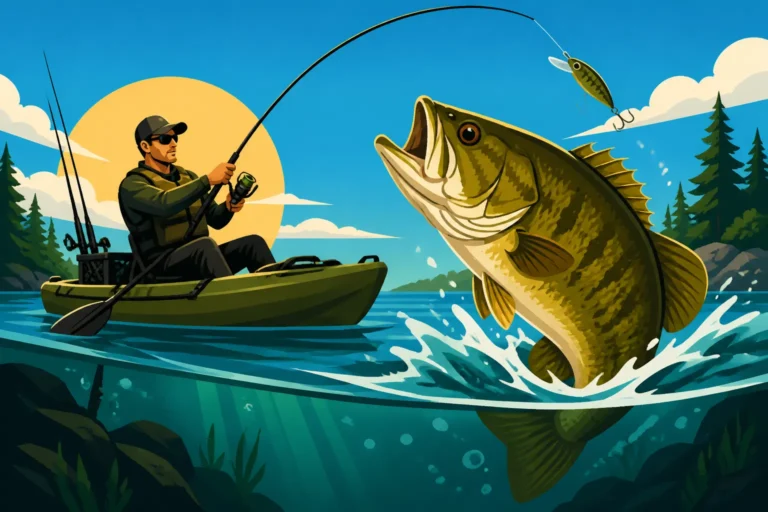
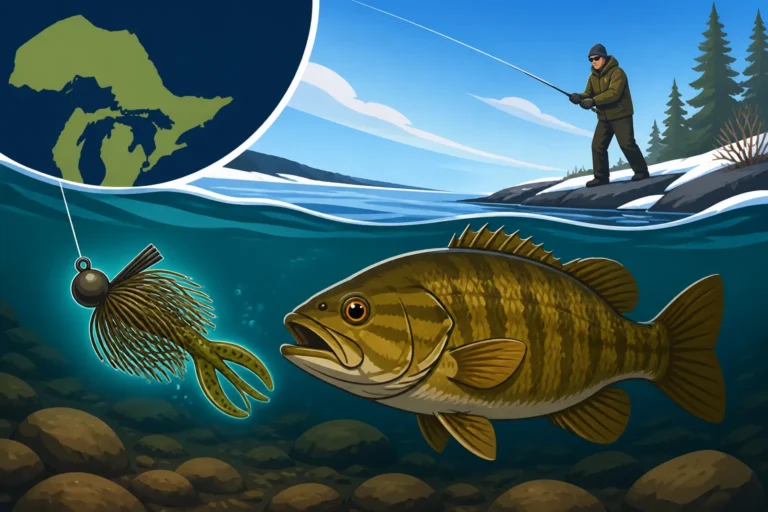
Smallmouth bass, known for their keen eyesight and aggressive nature, become much more skittish in clear water. While they still love a good fight, they won't often charge blindly. Think small tube jigs, Ned Rigs, drop shots with tiny soft plastics, or small crankbaits in natural colors. Fishing rivers for smallmouth in clear conditions requires extra stealth. Casting to eddies, current seams, and structure from a distance, and allowing your lure to drift naturally into the strike zone, can be highly productive. Consider our insights on How to Fish a River for Smallmouth Bass for more tailored advice. Long casts and subtle retrieves that mimic dying baitfish or crawfish are key.
Walleye and Pike
Walleye are notoriously light-sensitive, which can be a double-edged sword in clear, low water. On one hand, they might retreat to deeper, darker water or heavily shaded areas during bright daylight. On the other, they can be incredibly active during low-light periods. If you're targeting walleye in these conditions, consider fishing during dawn, dusk, or on heavily overcast days. Or, even better, embrace Night Fishing for Walleye in Ontario, as the cover of darkness negates the clear water challenge.
When fishing during the day in clear water, vertical jigging with scented baits or small, subtle crankbaits trolled deep can be effective. Use fluorocarbon leaders, of course. For northern pike, while they are aggressive, they can also become wary in clear water. Downsize your presentation slightly, opting for smaller spoons, inline spinners, or soft plastic swimbaits in natural or muted colors. While a big, flashy spoon often works, in clear water, a more subdued approach often yields better results. Cast to weed edges, fallen trees, or transition areas, ensuring your lure lands gently and is retrieved smoothly.
Panfish
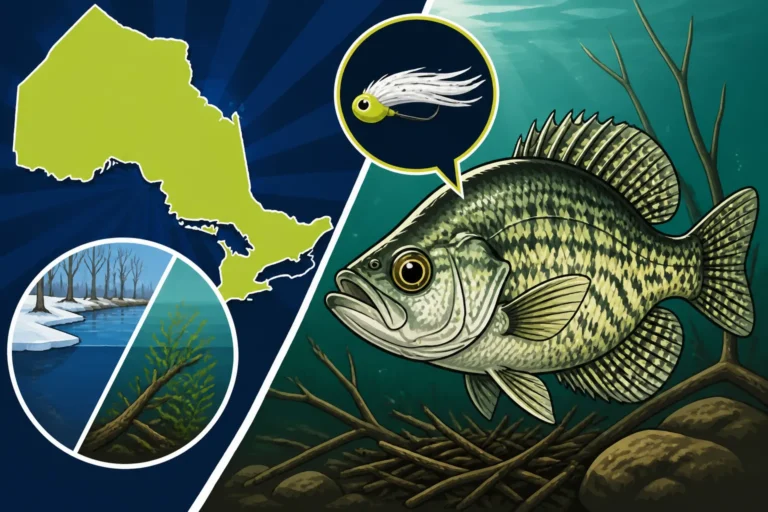
Panfish like crappie, bluegill, and perch are often schooling fish and can be highly visible in clear, shallow water. However, their small size and skittish nature mean they'll dart away at the first sign of danger. The key to catching them in clear conditions is ultra-finesse. Think tiny jigs (1/64 to 1/32 oz) tipped with micro plastics, wax worms, or a small piece of live bait under an equally tiny bobber.
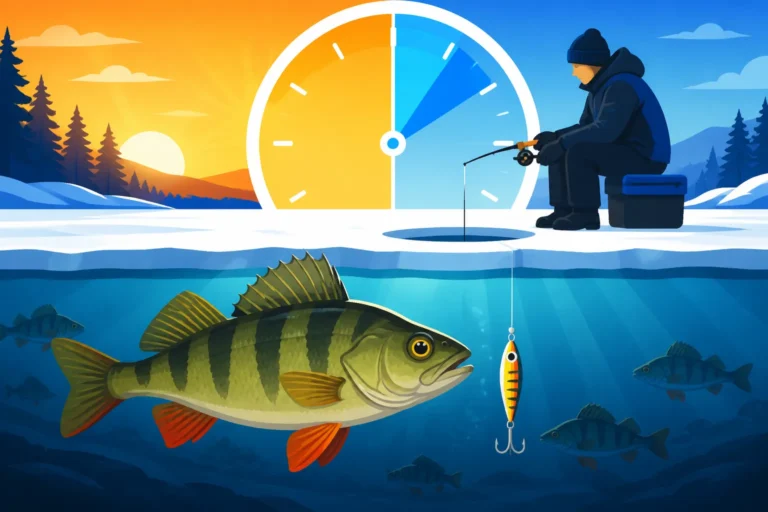
The presentation must be almost imperceptible. Cast well beyond the school and slowly retrieve your offering into their vicinity. Any sudden movements, boat shadows, or loud noises will send them scattering. For perch on lakes like Erie or Simcoe, a small jigging spoon or a tiny minnow on a light fluorocarbon leader can be deadly when they're holding over clear bottom. Patience and observation are your allies; watch how they react to your bait, and adjust accordingly.
Adapting to Environmental Factors
Clear, low water conditions are often compounded by other environmental factors, and understanding how these interact with fish behavior is crucial for success.
Time of Day and Weather Considerations
The sun is your enemy in clear, low water. Bright, high sun penetrates deeply, exposing fish and making them incredibly cautious. This is why low-light conditions become your golden hour(s). Early morning, just as the sun peeks over the horizon, and late evening, as it dips below, are prime times. Overcast days, with their diffused light, can also provide excellent fishing opportunities throughout the day, as the cloud cover acts as a natural filter, reducing visibility for the fish.
Wind, surprisingly, can be a friend. A good chop on the water's surface breaks up the light and creates ripples that distort visibility for fish. This surface disturbance can make fish feel more secure and less able to discern your line or presentation. A light breeze can also help you drift quietly across a flat, allowing for a stealthier approach. Conversely, dead calm conditions on a clear lake are often the most challenging, as fish have maximum visibility and are at their spookiest. Pay attention to how these elements combine; a cloudy day with a light chop is often a recipe for success in clear water. For broader insights into optimal timing, consult our guide on Best Time of Day to Catch Walleye or Ontario Fishing Seasons by Zone and Month.
Water Temperature and Fish Activity
Water temperature always plays a significant role in fish metabolism and activity levels. In low, clear water, its impact can be even more pronounced. Extremely cold, clear water often means sluggish fish. Their metabolism is slow, and they're less likely to chase a fast-moving bait. In these situations, an even slower, more subtle presentation is required, perhaps dead-sticking or barely twitching your lure. Fish might be holding tight to bottom structure, conserving energy.
Conversely, very warm, clear water can also make fish lethargic. While they might be more active in terms of movement, they can also be more focused on deeper, cooler, oxygen-rich waters. If you're fishing a warm, clear lake, concentrate your efforts on thermal breaks, deep structure, or areas with springs. Understanding Best Water Temperature for Walleye Fishing can provide valuable context here. In temperate clear water, fish might be more willing to move for a well-presented lure, but stealth remains paramount. Always consider the temperature and adjust your retrieve speed and depth accordingly, marrying your clear water techniques with general species behavior.
Essential Gear and Accessories for Clear Water Success
Having the right gear isn't just about catching fish; it's about making your clear water experience more productive and enjoyable.
Polarized Sunglasses and Vision Aids
This isn't just an accessory; it's an absolute necessity for clear water fishing. Polarized sunglasses cut through the glare on the water's surface, allowing you to see into the water much more effectively. You'll be able to spot subtle changes in bottom contour, identify weed lines, differentiate between rocks and logs, and most importantly, actually see the fish! This visual advantage allows you to make more precise casts, target individual fish, and adjust your retrieve based on their reaction.
There's a reason every serious angler owns a good pair of polarized sunglasses. Different lens colors can also enhance vision in varying light conditions – amber or copper lenses are great for overcast days or low light, while grey lenses are excellent for bright, sunny conditions. You can find a fantastic selection of high-quality polarized sunglasses on Amazon to suit any budget. Binoculars can also be a useful tool for scouting distant clear water flats or identifying cruising fish from afar without spooking them.
Rods, Reels, and Line Management
Your rod and reel choices should complement your finesse approach. Light to medium-light action rods are generally preferred. A light action rod provides the sensitivity needed to detect subtle bites on small baits, and its forgiving tip allows for delicate presentations and protects light lines from snapping on aggressive strikes. For specific recommendations, our guides on Best Spinning Rods for Walleye and Best Fly Rods for Ontario Trout Streams offer excellent starting points.
Matching your rod with a high-quality spinning reel that has a smooth, reliable drag system is crucial. When you're using 4 or 6 lb test fluorocarbon, a jerky drag can spell disaster with a strong fish. Practice proper line management to avoid tangles and maintain optimal casting distance. This includes using a line conditioner, ensuring your reel is spooled correctly, and avoiding overfilling the spool. Good line management allows for quiet, accurate casts – a must-have in clear water.
Specialized Baits and Tackle Boxes
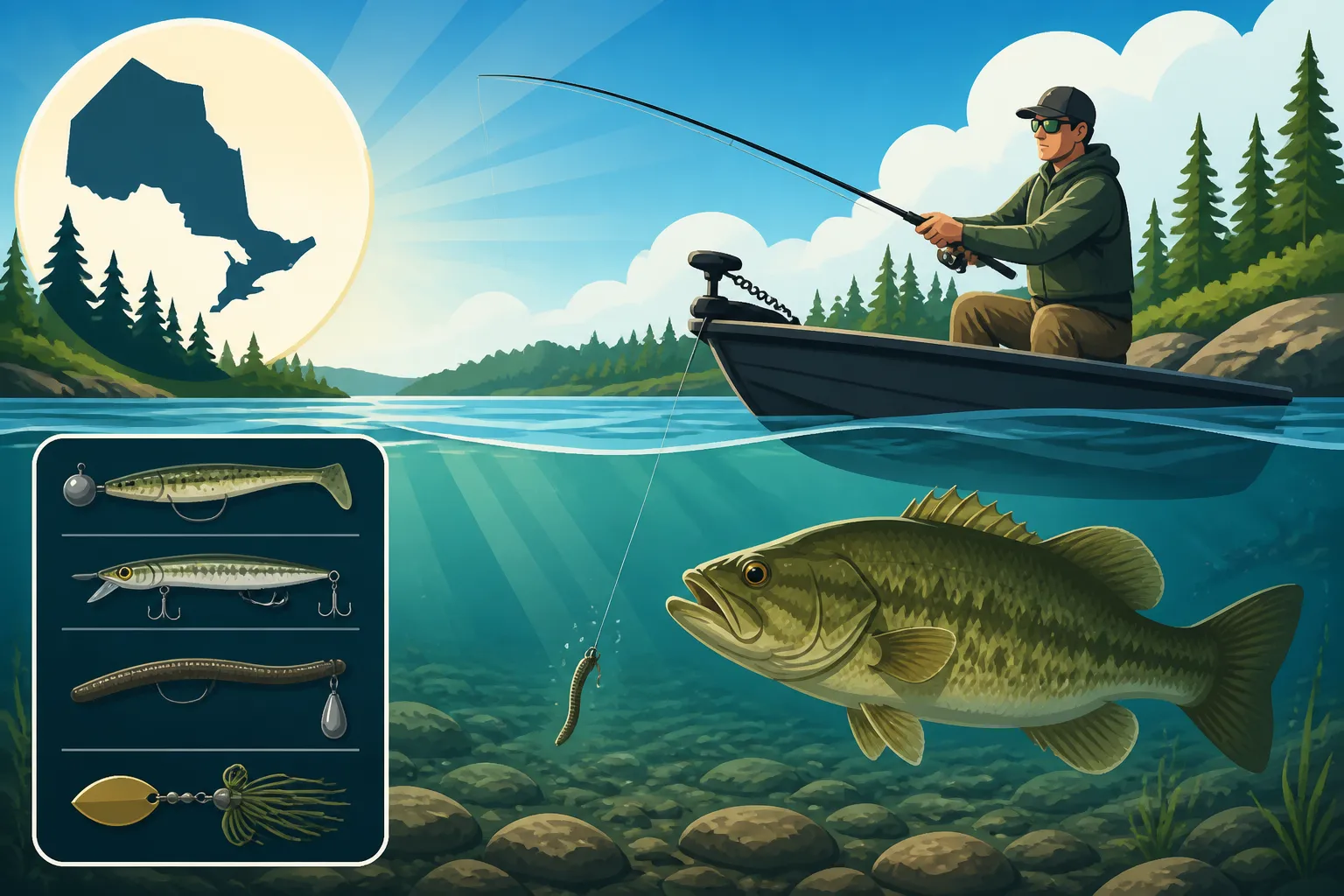
When fishing clear, low water, your tackle box transforms into a collection of finesse artistry. This isn't the time for a sprawling, disorganized mess; instead, think compact and specialized. You'll want a dedicated section or even a smaller, separate tackle box for your clear water arsenal. This might include an array of small tube jigs in various natural colors (greens, browns, clear), tiny Ned Rigs, micro jigs, small inline spinners, and perhaps a selection of slender, natural-looking crankbaits or jerkbaits.
Don't forget to stock up on fluorocarbon leaders of different strengths (e.g., 4 lb, 6 lb, 8 lb). Pre-tying leaders at home can save valuable time on the water. Having a variety of small, matte black swivels and small, sharp hooks is also essential. Remember, every piece of your presentation is under scrutiny, so ensuring your specialized baits are clean, organized, and readily accessible allows for quick changes and keeps your focus on the water. If you're looking to build out your finesse arsenal, Amazon is a convenient place to find many of these specialized baits and tackle storage solutions.
| Tackle Component | Regular Conditions | Low, Clear Water Conditions |
|---|---|---|
| Main Line | Braided, Mono (8-20 lb) | Braided (6-10 lb) or Fluoro (4-8 lb) |
| Leader | Fluorocarbon/Mono (12-25 lb, 2-4 ft) | Fluorocarbon (4-10 lb, 6-10 ft) |
| Lure Size | Medium to Large | Small to Micro |
| Lure Colors | Bright, Flashy, Natural | Natural, Muted, Transparent |
| Terminal Tackle | Standard swivels/snaps | Small, Matte, Minimal |
| Retrieves | Varied, Moderate to Fast | Slow, Subtle, Paused |
| Approach | Standard Casting | Stealthy, Long Casts, Low Profile |
| Visibility Aids | Optional Sunglasses | Polarized Sunglasses (Essential) |
Disclaimer
Fishing regulations, conditions, and best practices can change. Always consult the latest Ontario Fishing Regulations Summary and local advisories before heading out. The information provided in this guide is for general informational purposes only and should not be considered a substitute for professional advice or strict adherence to all applicable laws and regulations. Fish responsibly and safely.