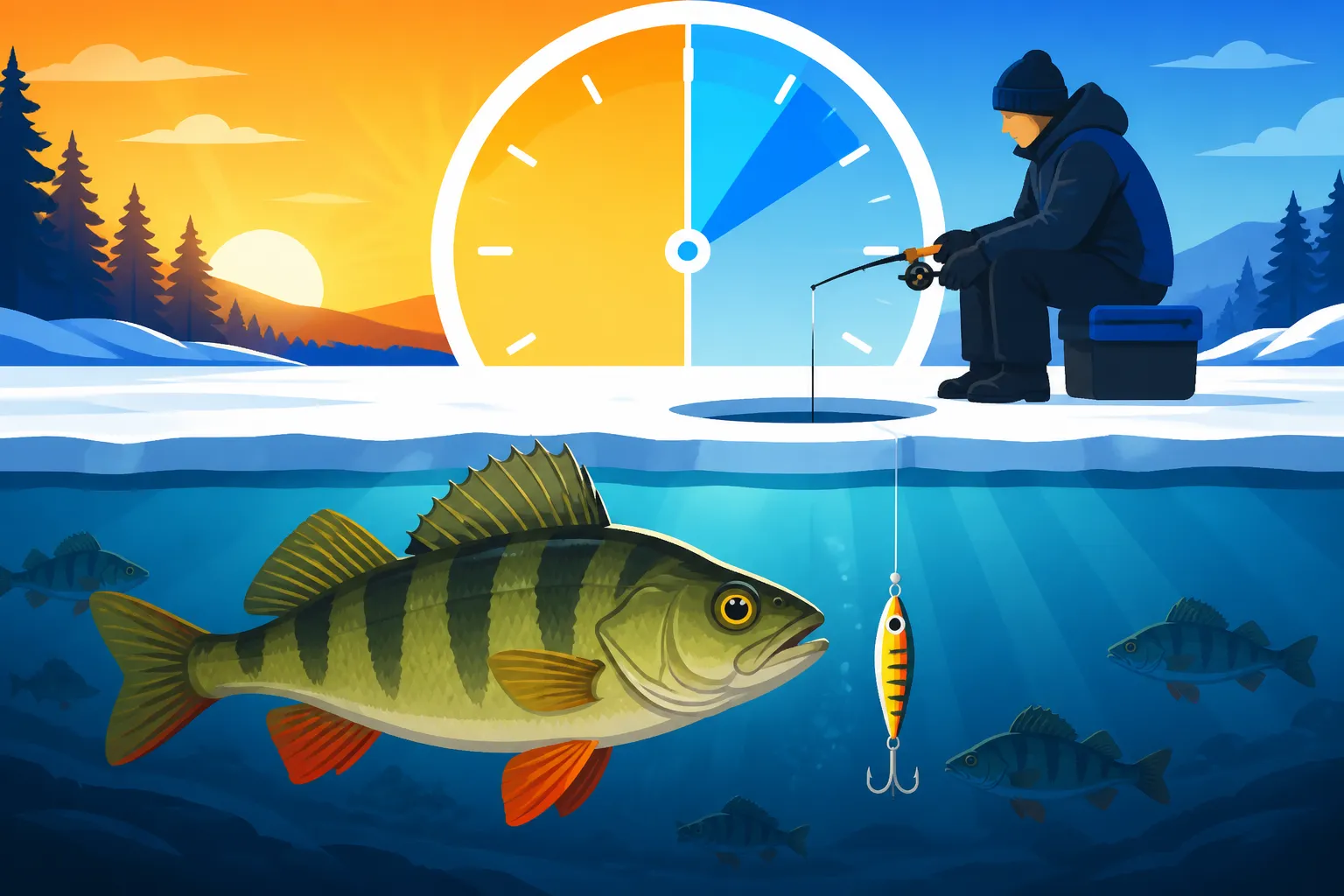
Best time to fish for perch in winter
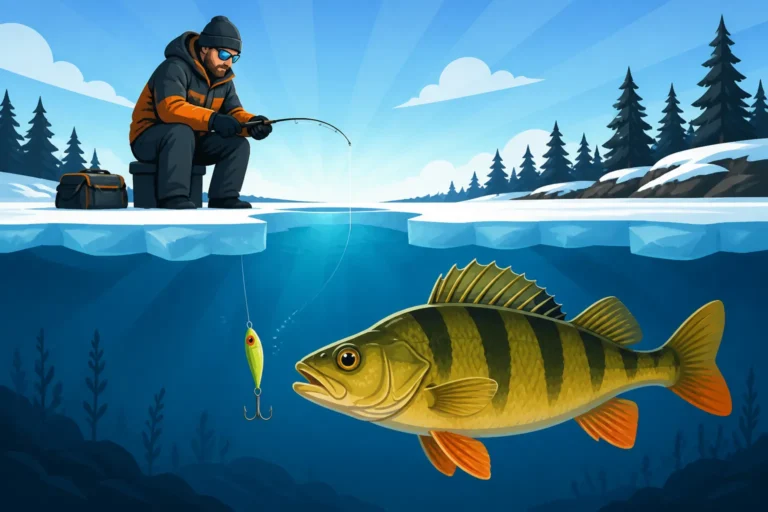
There's nothing quite like the crisp air, the vast expanse of a frozen lake, and the anticipation of a tug on your line. But let's be honest, winter fishing for perch can be incredibly frustrating. One day they're biting everything you drop, the next it feels like you're fishing in a bathtub. If you've ever spent hours staring at a flasher screen that looks like a barren wasteland, you know the feeling. This comprehensive guide is here to unravel the mysteries of winter perch behavior, helping you pinpoint the absolute best times to hit the ice in Ontario and turn those slow days into productive ones.
The Irresistible Appeal of Winter Perch Fishing
Yellow perch hold a special place in the hearts of many Ontario anglers, especially when the lakes freeze over. They're abundant, widespread, and, when you find a good school, they offer fast and furious action that can warm even the coldest winter day. Plus, they’re absolutely delicious on the dinner table, making the effort worthwhile. However, their schooling nature means that finding them is half the battle, and knowing when they're most active can dramatically increase your success rate.
Why Perch are a Winter Favorite
For many, targeting yellow perch is the gateway to ice fishing. They're often found in shallower, more accessible waters compared to deep-dwelling lake trout or suspended walleye. This makes them a fantastic target for beginners, families, or anyone looking for consistent action without venturing too far out. Popular spots like Lake Simcoe, Lake Erie, and countless smaller inland lakes across Ontario become bustling hubs of perch fishing activity once safe ice forms. The sheer numbers of these fish, combined with their willingness to bite when conditions are right, solidifies their status as a winter staple.
The Challenges of a Finicky Bite
Despite their abundance, perch can be incredibly finicky. Factors like changing weather, barometric pressure, light penetration, and even fishing pressure can turn an active school into a stubborn one in a matter of hours. There are days when you'll drill dozens of holes, move constantly, and still struggle to get a sniff. This inconsistency is precisely why understanding the prime feeding windows and environmental influences is so crucial. It’s not just about where you fish, but when you present your bait that often makes the biggest difference.
Decoding Perch Behavior Under the Ice
To consistently catch perch in winter, you need to think like a perch. Their behavior changes drastically once the water temperature plummets and a thick layer of ice covers their world. Understanding their metabolism, movement, and feeding patterns is key to being in the right place at the right time.
Metabolism and Activity Levels
When water temperatures drop to near freezing, a perch's metabolism slows down considerably. This means they don't need to feed as often or as aggressively as they do in the warmer months. Their movements become more lethargic, and they often school tightly together, conserving energy. Instead of chasing down prey, they're more likely to ambush or simply inhale a bait that's presented directly in front of them. This is why presentation and subtle jigging techniques are often far more effective than aggressive movements under the ice.
Winter Movement Patterns
Perch typically gravitate towards specific structures and depths during winter. Early ice, they might still be found relating to weed lines or transitional areas where weeds meet deeper water. As winter progresses and oxygen levels in dense weed beds decrease, they often move to deeper flats, humps, points, and sudden drop-offs. These areas provide stable temperatures and often hold abundant forage, such as larval insects and smaller baitfish. In some large lakes, like Lake Erie, they can be found in vast schools over open basins, often moving considerable distances throughout the day. Locating these schools is paramount, and it often involves drilling many holes and using a good fish finder to scout.
Timing Your Attack: Best Hours for Winter Perch
While there are always exceptions, perch tend to follow predictable daily patterns during the winter months. Knowing these prime feeding windows can significantly improve your chances of success.
Dawn and Dusk: The Golden Hours
Just like many other fish species, perch often exhibit their most intense feeding activity during the low-light periods of dawn and dusk. The hour leading up to sunrise and the hour or two before sunset are frequently the most productive. During these times, light penetration through the ice is at its lowest, which can make perch feel more secure as they hunt for food.
- Sunrise Bite: Be prepared to be on the ice and have your holes drilled before the sun even thinks about peeking over the horizon. The first light often triggers a strong bite, especially in shallower areas or around distinct structures. This early morning feeding frenzy can last anywhere from 30 minutes to a couple of hours before slowing down.
- Sunset Surge: Similarly, as the sun begins to dip towards the horizon, perch often become active again. This can be a particularly strong bite, sometimes even outperforming the morning. Many anglers find that staying on the ice until after dark for this last push can be incredibly rewarding. The diminishing light provides excellent cover for ambush predators like perch.
Midday Lulls and Opportunities
The middle of the day, typically from late morning to mid-afternoon, is often when the perch bite slows down significantly. With brighter light penetrating the ice, perch can become more cautious and less willing to chase. However, this doesn't mean you should pack up and go home!
- Deeper Water Focus: During midday, perch often retreat to deeper water or seek out areas with more cover to feel secure. This is an excellent time to target them on deeper flats, humps, or near sharp breaklines where they might be staging. Your presentation may need to be more subtle, and you might have to spend more time coaxing a bite.
- Weather Influences: On overcast days, or during periods of active snowfall, the midday bite can actually be quite strong. The reduced light penetration mimics dawn and dusk conditions, encouraging perch to be more active. These are the days to capitalize on those extended feeding windows.
Night Fishing for Perch
While less common than for species like walleye, night fishing for perch can sometimes be surprisingly productive, especially if you're targeting larger specimens. Perch, particularly jumbo perch, can become more daring under the complete cover of darkness.
- Moon Phases: A full moon can sometimes enhance night activity, as the moon's light might penetrate the ice just enough to encourage feeding. However, this is more anecdotal than a hard rule.
- Light Sources: Some anglers use underwater lights to attract plankton, which then attracts baitfish, and ultimately, perch. This is a specialized technique, but it can be very effective in certain scenarios. Remember to check local regulations regarding the use of lights for fishing, as rules can vary by zone.
Environmental Factors That Drive the Perch Bite
Beyond the time of day, several environmental factors play a huge role in determining when and how well perch will bite. Paying attention to these can help you predict the best windows for success.
Barometric Pressure
Barometric pressure is often cited as a major influence on fish activity. A stable, high-pressure system typically brings clear skies and can make fish less active, often driving them deeper. Conversely, a falling barometer, often signaling an approaching front, can trigger an aggressive feeding frenzy as fish sense a change coming and feed up before conditions worsen.
- Falling Pressure: Keep an eye on the weather forecast. If you see a cold front approaching and the pressure is dropping, that's often your cue to get on the ice. Perch can be incredibly aggressive during these periods.
- Stable High Pressure: When a high-pressure system settles in for a few days, the bite can get tough. This is when you need to be more patient, use finesse techniques, and often search for deeper-holding fish.
Weather Conditions: Overcast vs. Sunny
Light conditions are paramount for perch. They are often visual feeders, but too much light can make them skittish.
- Overcast Days: These are often fantastic days for perch fishing. The diffused light penetrates the ice gently, making perch feel more secure and active for longer periods throughout the day. The "midday lull" is often less pronounced on heavily overcast days.
- Bright Sunny Days: While beautiful to be out in, bright, sunny days can make perch fishing challenging. The intense light can push fish deeper or make them less willing to bite actively. This is when you might need to focus on structure, try smaller baits, or really work to coax a bite. This is also a good time to wear polarized sunglasses to help you see into the water better if you're sight fishing.
Ice Thickness and Clarity
The nature of the ice itself also plays a role. How thick ice needs to be to fish safely in Ontario is always the primary concern, but once it's safe, consider its characteristics.
- Clear Ice: Crystal clear ice allows a lot of light to penetrate, which can make perch warier, similar to a bright sunny day. Anglers often suggest drilling holes further apart to minimize disturbance.
- Snow-Covered or Cloudy Ice: A layer of snow on the ice acts like a natural diffuser, reducing light penetration. This often makes perch more comfortable and active, similar to an overcast day. Cloudy or opaque ice has a similar effect. Always be mindful of snow cover, as it can also insulate the ice, sometimes slowing down thickening.
Water Depth and Structure
Perch will relate to different depths and structures depending on the time of year and the body of water.
- Weed Edges (Early Ice): During early winter, perch can often be found along the edges of remaining green weed beds, which still provide cover and oxygen.
- Deep Flats and Humps (Mid-Winter): As winter progresses, perch often move to deeper main lake basins, vast flats, or humps where they can find stable temperatures and concentrate their feeding on invertebrates and small baitfish. Think 20 to 40 feet, or even deeper, depending on the lake.
- Transitional Areas: Breaklines, where shallow water drops off into deeper areas, are always prime locations. These act as highways for fish moving between feeding and resting areas.
- Popular destinations: On larger lakes like Lake Simcoe, you might find jumbo yellow perch congregating in specific areas, so knowing the Yellow Perch in Lake Erie and Lake Simcoe patterns can really help.
| Time of Day | Light Conditions | Perch Activity (General) | Notes |
|---|---|---|---|
| Dawn | Low light | High | Often the most aggressive bite, plan to be set up early. |
| Morning | Increasing light | Moderate to High | Can extend for a few hours after dawn, especially on overcast days. |
| Midday | Brightest | Low to Moderate | Fish often move deeper; requires more finesse and searching. |
| Afternoon | Decreasing light | Moderate to High | Build-up to evening bite, fish often become more active. |
| Dusk | Low light | High | Very strong bite, sometimes outperforming dawn. Stay late! |
| Night | Dark | Low (occasional spikes) | Can produce larger fish; consider lights to attract bait. |
Essential Gear and Techniques for Winter Perch Success
Even with perfect timing, you still need the right tools and strategies to entice those perch. Having the proper Best Ice Fishing Gear for Ontario can make all the difference, and it doesn't have to break the bank.
Rods, Reels, and Line
For perch, you'll want a lightweight, sensitive ice fishing rod. A 24 to 30-inch ultra-light to light action rod is ideal. This allows you to detect even the slightest bites, which are common when perch are subtle. Pair it with a small spinning reel spooled with 2-4 lb test monofilament or fluorocarbon line. Braided line can also be effective, especially with a fluorocarbon leader for stealth.
- Sensitivity is Key: The rod tip should be very flexible to show those subtle upward bites or light taps.
- Light Line: Perch have excellent eyesight, especially in clear water. Keep your line light to avoid spooking them. Some anglers might even drop down to 1 or 2 lb test in extremely clear conditions.
Baits and Lures
This is where the real fun begins! Perch aren't overly picky, but certain presentations shine brighter than others. You can find a huge variety of options on retailers like Amazon.
- Jigging Spoons: Small jigging spoons (1/16 oz to 1/8 oz) in silver, gold, chartreuse, or even fire tiger patterns are perennial favorites. Brands like Swedish Pimple and Williams Wabler are classics for a reason. Best Spoons for Ice Fishing Panfish can give you some excellent starting points. Tip them with a small piece of minnow, a maggot, or a wax worm for added appeal.
- Small Jigs and Plastics: Tiny tungsten jigs (often 1/32 oz to 1/16 oz) tipped with a small plastic grub, worm, or just bait are incredibly effective. The small profile and slow fall can be irresistible. Best Panfish Jig Colors for Winter often include glow-in-the-dark, pink, chartreuse, and natural minnow patterns.
- Live Bait Rigs: A simple plain hook (size 10-14) with a small split shot, tipped with a live minnow, maggot, or wax worm, can be deadly, especially for finicky perch. Suspended just off the bottom, this natural presentation can often tempt the most hesitant fish.
- Tip-Ups: While not typically used for active jigging, tip-ups can be great for passively fishing with live minnows, especially if you're exploring multiple depths or want to target larger perch that might be cruising.
Essential Accessories
Beyond the basics, a few accessories can significantly enhance your winter perch fishing experience.
- Fish Finder/Flasher: A portable fish finder or flasher is almost non-negotiable for serious ice anglers. It allows you to see your bait, detect fish, and understand their reactions. Knowing how to use the Fish ON-Line interactive zone map can also help with pre-trip scouting.
- Ice Auger: A good quality auger, whether hand, power, or electric, is crucial for quickly and efficiently drilling holes, especially when actively searching for schools.
- Ice Hut/Shelter: An ice hut, like popular models from Clam or Eskimo, can make those long winter days much more comfortable, protecting you from the wind and cold. There are many options available on Amazon for all budgets. If you're planning on staying out for extended periods or want to fish with family, consider exploring options like the Best Ice Hut for Ontario Lakes.
- Sled/Pulk: A durable sled for transporting your gear across the ice will save your back and energy, allowing you to cover more ground. You can find many robust sleds and accessory kits on Amazon for this purpose.
- Warm Clothing: This goes without saying, but layers are key! Insulated boots, waterproof outer layers, a warm hat, and gloves are critical for staying comfortable and safe on the ice.
- Safety Gear: Don't forget ice picks, a spud bar (especially for early ice), and a throw rope. Safety should always be your number one priority when venturing onto the ice. You can find a complete Ontario Boating Laws for Anglers and safety equipment list for those bringing a boat out.
Putting it All Together for Winter Perch Success
Armed with knowledge about perch behavior, optimal timing, and effective gear, you're ready to hit the ice with confidence. Remember, flexibility and adaptability are your greatest assets.
Search and Stay Mobile
Perch are schooling fish, and if you're not finding them, they're simply not there. Don't be afraid to drill multiple holes and move frequently until you locate a school. A good strategy is to start by drilling a grid pattern in a promising area, checking each hole with your fish finder. Once you find fish, you can focus your efforts. This is a common tactic when engaging in Jigging for Perch Through the Ice.
Finesse and Presentation
When you do locate perch, pay close attention to how they react to your bait. Sometimes an aggressive jigging motion will trigger a strike, but often, a very subtle lift-and-drop, or even just holding the bait still, is what they prefer. Watch your flasher for any "lookers" – fish that come to inspect your bait but don't commit. Experiment with different jigging cadences and pauses until you find what works.
The Power of Live Bait
Even when perch are active, tipping your jigs with a small piece of minnow, a wax worm, or a maggot can significantly increase your hook-up ratio. The natural scent and taste can be the difference between a curious fish and a committed bite.
Respect the Regulations
Before you head out, always consult the current Ontario Fishing Regulations Summary. Pay close attention to the Ontario Bag and Possession Limits by Species for yellow perch, as well as any special regulations for the specific Ontario Fisheries Management Zones, Explained you plan to fish. Knowing the rules for your zone is critical for responsible angling. For example, Ontario Yellow Perch Limit on Lake Erie and Simcoe often varies from other zones.
Winter perch fishing can be incredibly rewarding, offering some of the most exciting action of the year. By understanding the nuances of perch behavior, paying attention to the clock and the weather, and utilizing the right gear and techniques, you'll be well on your way to filling your bucket and enjoying the bounty of Ontario's frozen waters.
Disclaimer
The information provided in this guide is for general informational purposes only and is not intended as legal or professional advice. Fishing regulations, conditions, and safety guidelines can change frequently. Always consult the most current Ontario fishing regulations summary from the Ministry of Natural Resources and Forestry (MNRF) and exercise extreme caution and good judgment when ice fishing. Safety should always be your top priority on the ice.