Topwater Fishing for Smallmouth Bass in Ontario
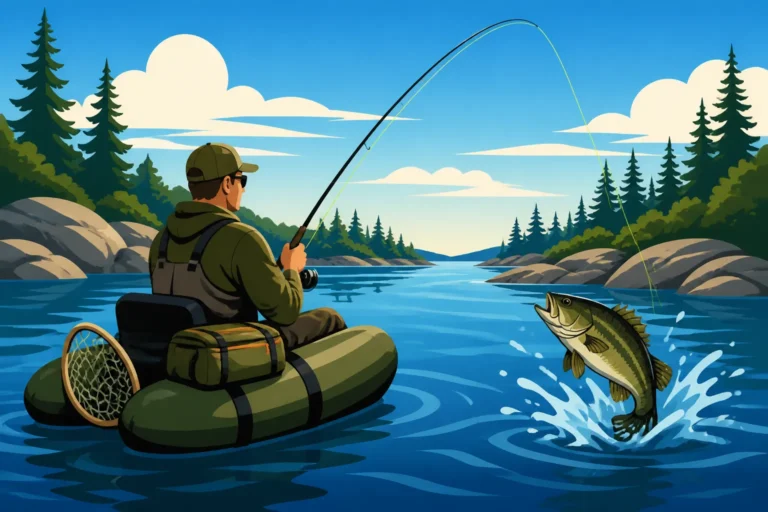
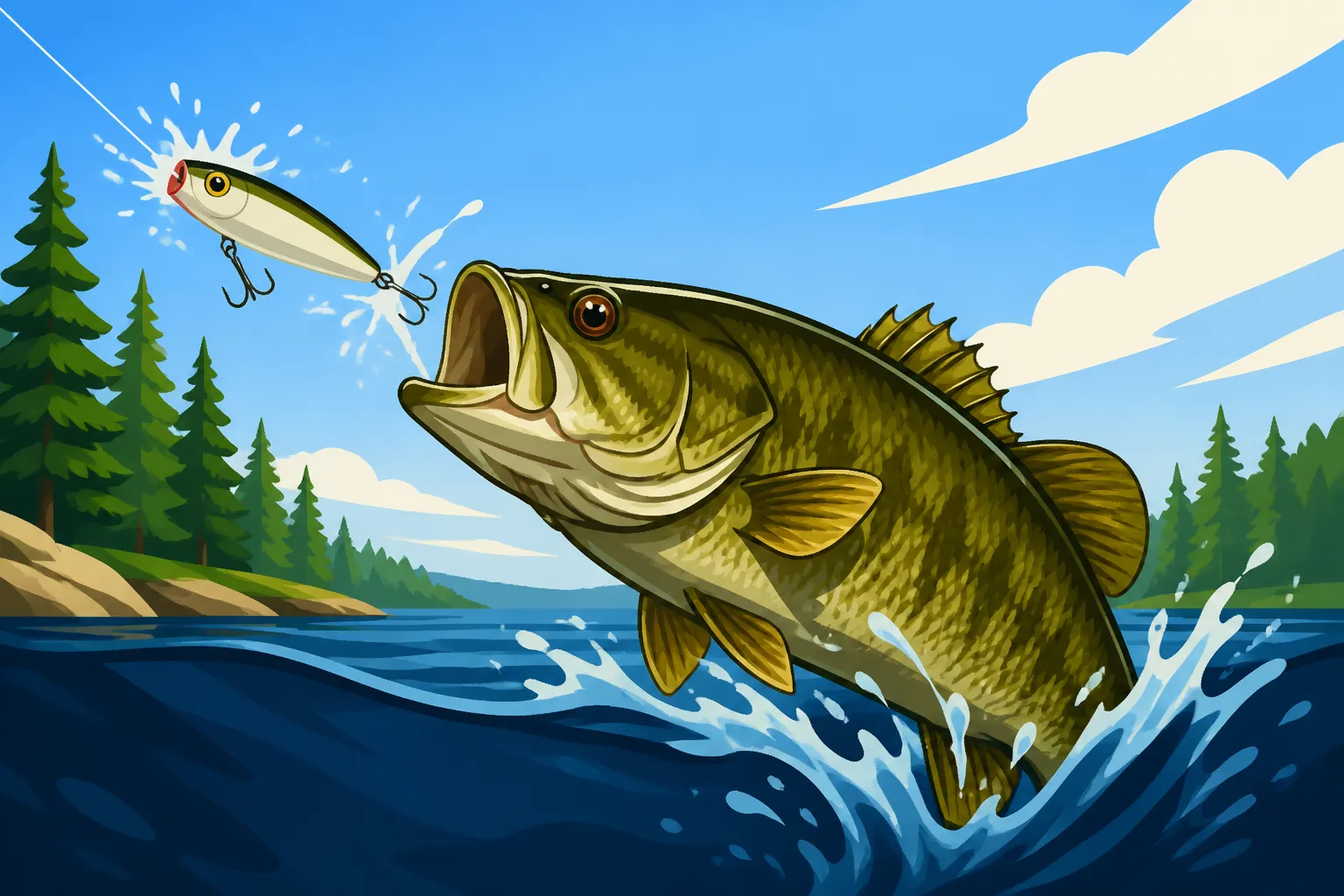
There’s arguably no more heart-pounding, adrenaline-fueled way to catch smallmouth bass than on a topwater lure. That moment when the water erupts, and a bronze torpedo absolutely detonates on your bait, is something every angler chases. But let's be real, getting smallmouth to commit to a topwater isn't always easy, especially in the diverse and sometimes finicky waters of Ontario. This guide is here to help you unlock the magic of topwater fishing, giving you the insights, techniques, and gear advice to turn those splashes into landed fish.
Why Topwater for Ontario Smallmouth Bass?
When it comes to smallmouth bass, especially in the vast and beautiful waters of Ontario, topwater fishing isn't just a technique; it's an experience. It’s a method that taps into the aggressive, opportunistic nature of these fish, often leading to unforgettable encounters. While other techniques might be more consistent in certain conditions, topwater offers a unique thrill that keeps anglers coming back for more.
The Thrill of the Exploding Strike
Let's just get this out of the way: nothing beats a topwater strike. You're watching your lure dance on the surface, creating ripples and tempting flashes, and then boom – the water explodes. It's a visual and visceral experience that often leaves you a little breathless. Unlike subtle bites on jigs or crankbaits, a topwater strike is an undeniable assertion of power and aggression. This isn't just about catching fish; it's about witnessing the raw predatory instinct of a smallmouth, often leading to much more intense fights as they've committed so fiercely to the surface. It's a fantastic way to introduce new anglers to the sport, as the visual reward is immediate and captivating.
Beyond the sheer excitement, these explosive strikes are often indicative of a truly aggressive fish. When smallmouth are willing to come to the surface, it usually means they are actively hunting and feeding. This aggressive behaviour can often translate to bigger fish and more consistent action, provided you're presenting your lure correctly. There’s a distinct satisfaction in seeing your carefully chosen lure and retrieved technique culminate in such a dramatic and successful bite.
When and Where Topwater Excels
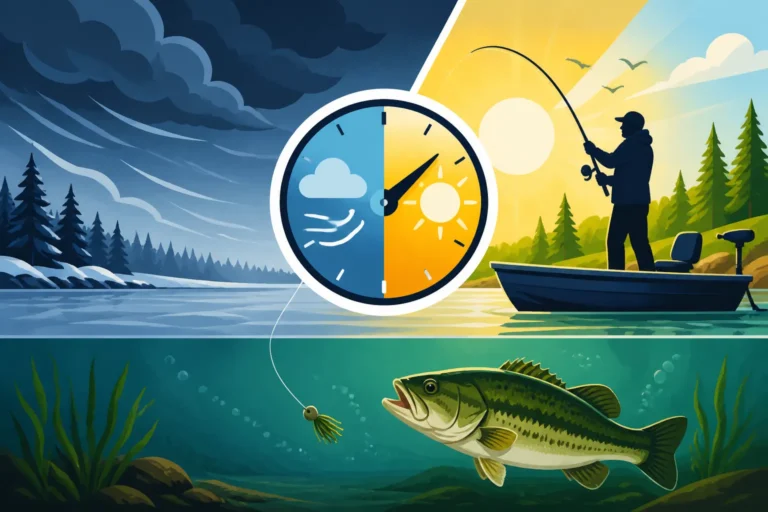
Topwater presentations truly shine under specific conditions that play to their strengths. Generally, you’re looking for low-light situations: early mornings, late evenings, or overcast days. These are the times when smallmouth feel most comfortable venturing into shallower water to feed, and the subdued light allows them to ambush prey without being as easily spotted by aerial predators. On bright, sunny days, smallmouth often retreat to deeper, cooler water, making topwater less effective.
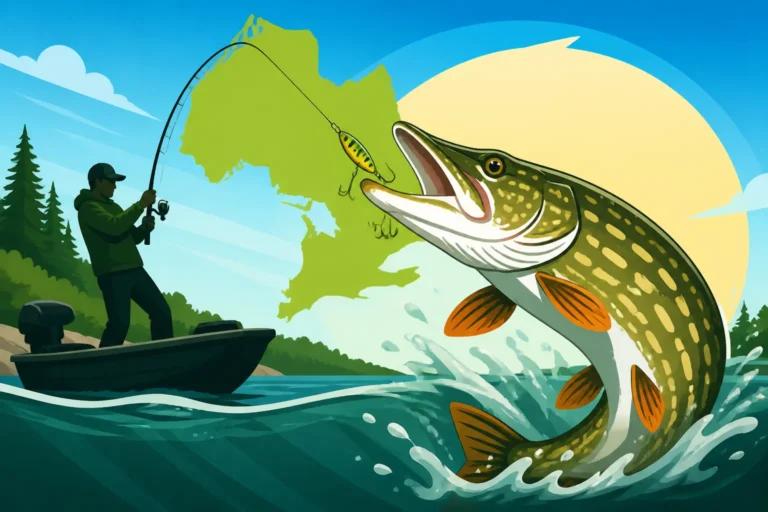
Ontario's diverse waters offer countless opportunities for topwater success. Think about rocky shorelines, weed edges, submerged humps, and points in lakes like Georgian Bay or Lake Simcoe. Rivers with current breaks, eddies, and shallower rock gardens also provide ideal ambush points. Areas with abundant baitfish that typically feed near the surface – like shiners or alewives – are prime real estate. If you're on a multi-species trip, you might even stumble upon some eager northern pike hitting your topwater bait, adding to the excitement! You can learn more about how to pinpoint these spots in our comprehensive guide, How to Catch Smallmouth Bass in Ontario.
Understanding Smallmouth Bass Behavior for Topwater Success
To consistently tempt smallmouth bass with topwater lures, you need to think like a smallmouth. Understanding their preferred habitats, feeding patterns, and how they react to environmental changes is crucial. These are intelligent, wary fish, and a successful topwater angler is one who can anticipate their movements and moods.
Key Environmental Factors
Smallmouth bass are intrinsically tied to their environment, and several factors dictate their willingness to rise to the surface. Water temperature is paramount; they prefer cooler water temperatures than their largemouth cousins, typically in the 18-24°C (65-75°F) range for peak activity. If the water is too cold, they’ll be sluggish and prefer subsurface presentations. If it's too warm, they might seek deeper, cooler refuges and become less interested in expending energy on surface strikes.
Water clarity also plays a significant role. Smallmouth are sight feeders, and clearer water allows them to track and ambush your topwater lure effectively. In murky or stained water, the visual appeal of a topwater bait is diminished, and vibrations or scents often become more important. However, even in clear water, too much sunlight can make them hesitant. Overcast skies, choppy water from a light breeze, or those magical twilight hours provide a natural veil, boosting their confidence to feed on the surface. These conditions reduce their visibility to overhead predators like ospreys or eagles, making them feel safer.
Forage and Feeding Habits
Smallmouth bass are opportunistic predators with a varied diet, and understanding what they're eating locally will inform your topwater lure choice. Their primary forage often includes crayfish, minnows, leeches, insects, and even smaller fish. When these food sources are active near the surface, topwater fishing becomes highly effective. For example, if you see schools of baitfish dimpling the surface, or dragonflies buzzing just above the water, smallmouth might be keying in on these.
During early morning or late evening, baitfish like emerald shiners or young-of-the-year perch often move into shallower areas to feed. Smallmouth will follow suit, pushing these schools to the surface, creating those tell-tale boils and splashes that scream "topwater opportunity!" Mimicking the size and profile of these prevalent baitfish with a walking bait or prop bait can be incredibly effective. Consider how these habits relate to different species, as discussed in our Smallmouth Bass Habits on Lake Erie guide, which provides insights into specific feeding behaviors.
Seasonal Considerations
Topwater fishing for smallmouth bass isn't a year-round affair in Ontario. It's highly seasonal, dictated by water temperatures and the bass's lifecycle.
- Spring: As water temperatures rise into the mid-50s to low 60s Fahrenheit (around 13-18°C), smallmouth begin to move shallower for their pre-spawn and spawning phases. This can be a prime time for topwater, especially just before the spawn when they are aggressive and territorial. However, directly after the spawn, they can be lethargic and less willing to chase. Always check the Ontario Fishing Season Dates by Zone to ensure you're fishing legally during the open season, as bass are protected during their spawn.
- Summer: This is arguably the peak topwater season. Consistent warm water, abundant baitfish, and insect hatches keep smallmouth active and feeding aggressively, particularly during low-light hours. Look for them around structure in depths ranging from 5 to 20 feet, often relating to submerged humps, rock piles, and deep weed lines where they can ambush prey moving along the surface.
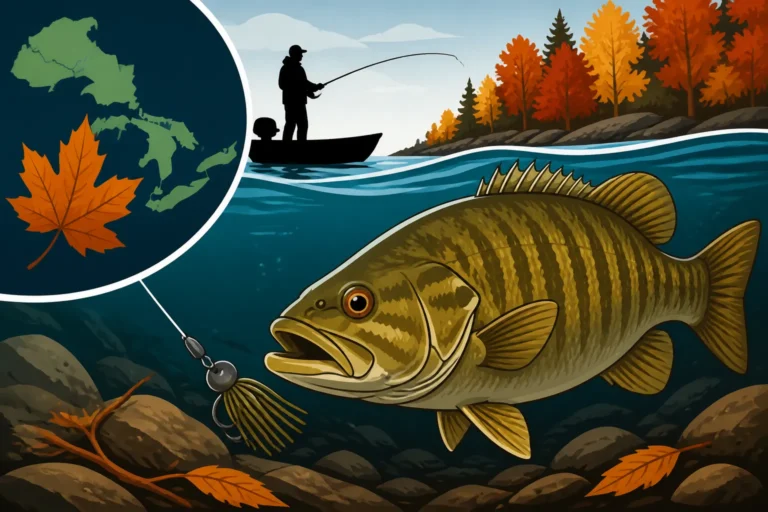
- Fall: As water temperatures begin to drop, smallmouth enter a "fall feeding frenzy" to bulk up for winter. While they may still hit topwater, especially on warmer, overcast days, they often prefer subsurface baits that allow them to conserve energy and target larger meals. The topwater window narrows but can still produce some of the biggest fish of the year, particularly during Indian Summer conditions when they are shallower.
Essential Topwater Lures for Ontario Smallmouth
The world of topwater lures for smallmouth bass is incredibly diverse, each designed to elicit a strike in different conditions. Having a versatile selection in your tackle box is key, and knowing when to deploy each one can significantly improve your success rate. When you're ready to stock up, check out a great selection on Amazon – they often have competitive pricing and a wide variety of brands.
Poppers: The Classic Choice
Poppers are often the first topwater lure many anglers learn to love, and for good reason. Their cupped face is designed to create a distinct "pop" and spray of water when twitched, mimicking a struggling baitfish or an insect falling into the water. This disturbance is highly effective at attracting bass from a distance, even in slightly choppier water.
- When to Use: Poppers excel in calm to moderately choppy water, especially when bass are relating to specific cover like docks, logs, or weed edges. They're fantastic for targeting fish that are actively feeding on the surface or that need a little extra noise to get their attention. Think about those glassy mornings on a calm lake, or around submerged timber on the French River.
- Technique: The retrieve is critical. A common technique is "pop, pop, pause." Cast the popper to your target, let the ripples dissipate, then give it a sharp twitch or two to create the "pop." Then, let it sit again. The pause is often when the strike occurs, as the bass tracks the lure and decides to commit. Vary the length of your pauses and the aggressiveness of your pops until you find what the fish prefer on that particular day. Brands like Rebel Pop-R and Heddon Zara Pooch are classic choices.
Walk-the-Dog Baits: Master the Glide
Walk-the-Dog baits, often referred to simply as "walkers" or "walking baits," are perhaps the most iconic topwater lure. These slender, cigar-shaped baits are designed to glide side-to-side across the surface with a rhythmic retrieve, imitating a wounded baitfish struggling to swim. The subtle, snaking action is incredibly realistic and often irresistible to smallmouth.
- When to Use: Walkers are incredibly versatile and work well in a wide range of conditions, from calm to moderately rough water. They are particularly effective when smallmouth are chasing schools of baitfish in open water or along long stretches of rocky shoreline. Their subtle presentation can often draw strikes from wary fish that might be spooked by a more aggressive popper.
- Technique: Mastering the "walk-the-dog" retrieve takes practice but is immensely rewarding. The key is a rhythmic cadence of short, downward rod tip twitches while steadily reeling in your slack. The rod tip twitch pulls the line, making the lure dart, and the retrieve takes up the slack, allowing you to repeat the motion. It's a "reel, twitch, reel, twitch" action. The speed and intensity of the walk can be varied: a slow, wide glide on calm days, or a faster, tighter walk when fish are more aggressive. Popular choices include the Heddon Zara Spook and Rapala Skitter Walk. These lures often work well near the kind of structure found in the Rideau Lakes Fishing Spots.
Prop Baits and Buzzbaits: Agitation and Flash
When you need to create a commotion, prop baits and buzzbaits are your go-to. Prop baits feature one or two small propellers that spin and churn water, creating a bubbling, spitting action. Buzzbaits, on the other hand, have a large propeller blade at the front that rotates rapidly, generating a distinct gurgling sound and spray as it's retrieved.
- When to Use: These lures excel when bass are highly aggressive, or when you need to draw fish from thicker cover or greater distances. Prop baits are excellent around emergent vegetation or over submerged grass beds, where their subtle gurgle can tempt fish hiding below. Buzzbaits are fantastic for covering water quickly, especially in low light or stained water, as the sound and vibration are powerful attractants. They can be particularly effective when fishing around fallen trees or lily pads.
- Technique: For prop baits, a stop-and-go retrieve often works best, allowing the props to churn water and then pause. For buzzbaits, it’s a steady, medium-to-fast retrieve that keeps the blade spinning and the lure on the surface. You want to retrieve it just fast enough to make that blade spin and gurgle, but not so fast that the fish can’t catch it. Don't be afraid to cast these right into heavy cover, as they are often surprisingly weedless. For a good selection, many fishing retailers, including Amazon, carry a wide array of prop and buzzbaits from brands like Booyah and Strike King.
Other Effective Topwater Options
While poppers, walkers, and prop/buzzbaits cover most topwater scenarios, a few other lure types can be incredibly effective for Ontario smallmouth.
- Frogs: Soft plastic frog imitations, often rigged weedless, are phenomenal for fishing heavy cover like lily pads, matted grass, or dense slop. Their weedless nature allows you to literally drag them over obstacles that would snag any other lure. The key is to make them walk or chug across the surface, pausing them in open pockets where a bass might be lurking.
- Wakebaits: These lures resemble small crankbaits but are designed to run just under or right on the surface, creating a "wake" behind them. They offer a more subtle, yet visible, disturbance compared to poppers or prop baits and can be very effective when bass are reluctant to strike more aggressive presentations. They're great for fishing over shallow rock flats or along weed lines.
- Soft Plastic Jerkbaits (Weightless): While typically fished subsurface, a weightless soft plastic jerkbait like a Zoom Fluke can be twitched and glided across the surface, especially in calm conditions. The erratic, dying baitfish action can be incredibly enticing to finicky smallmouth. This technique offers a silent approach, ideal for clear, still waters where fish might be easily spooked.
Rods, Reels, and Line for Topwater Action
Having the right gear isn't just about comfort; it's about maximizing your ability to present your topwater lures effectively and handle the powerful strikes of Ontario smallmouth. A balanced setup will make casting easier, improve lure action, and give you the leverage needed to land aggressive fish. If you're looking for a good starting point, many brands offer excellent rod and reel combos that are perfect for beginners, often found on Amazon.
Rod Selection: The Right Balance
For topwater fishing, you're generally looking for a rod with a medium to medium-heavy power and a moderate-fast to fast action.
- Medium-Heavy Power: This provides enough backbone to cast larger topwater lures, set the hook effectively when a fish blows up on your bait, and control a strong-fighting smallmouth. Too light a rod, and you'll struggle with casting distance and hook sets.
- Moderate-Fast or Fast Action: This describes where the rod bends. A moderate-fast action allows the rod to load up well for casting lighter lures and provides a bit more forgiveness during a strike, which can be beneficial with trebles. A fast action, on the other hand, offers more sensitivity and quicker power for working walking baits or buzzbaits and setting the hook quickly. For general-purpose topwater, a 6'6" to 7' medium-heavy, fast-action spinning rod or baitcasting rod is a solid choice. Many anglers prefer a slightly shorter rod for walking baits, as it makes the downward rod tip twitch more natural. For more general advice on selecting fishing rods, consider checking out our guide on Best Spinning Rods for Walleye, as many principles apply.
Reel and Line Choices
Your reel choice will largely depend on whether you prefer a spinning or baitcasting setup.
- Spinning Reels: For lighter topwater lures, especially poppers and smaller walking baits, a good quality spinning reel in the 2500-3000 size is ideal. Look for a smooth drag system and a good retrieve ratio (around 6.2:1 is versatile).
- Baitcasting Reels: For heavier prop baits, buzzbaits, and larger walking baits, a baitcasting reel offers more power and control. A gear ratio of 7.1:1 or higher is often preferred, as it allows you to quickly take up slack after a strike or when working a walking bait, giving you excellent line control.
When it comes to fishing line, there are three main contenders:
- Monofilament (Mono): This is often the traditional choice for topwater. Mono floats, which helps keep your topwater lures riding high and free. Its stretch acts as a shock absorber during violent strikes, preventing hooks from tearing out of a fish's mouth. A 10-14 lb test is usually a good range.
- Braided Line: Braid offers incredible strength, sensitivity, and no stretch, which provides immediate feedback on strikes and powerful hook sets. However, braid sinks, and its lack of stretch can be detrimental if fish pull free. To counteract the sinking, many anglers use a short monofilament or fluorocarbon leader. A 20-30 lb test braided line is common.
- Fluorocarbon: While fluorocarbon is known for its invisibility and abrasion resistance, it sinks, making it less ideal as a main line for most topwater applications. However, it can be excellent as a leader material when paired with braided line, offering the best of both worlds – the stealth and abrasion resistance of fluoro with the strength and casting distance of braid. For more on fluorocarbon, see our article on Best Fluorocarbon Line for Clear Lake Water.
Leaders and Terminal Tackle
Using a leader is often a smart move, especially with braided main line. A 12-24 inch leader of 10-15 lb fluorocarbon or monofilament can provide several benefits:
- Stealth: Fluorocarbon is virtually invisible underwater, which can be crucial in clear Ontario waters for wary smallmouth.
- Abrasion Resistance: Rocks and sharp mussel shells are common in smallmouth habitats; a durable leader can prevent break-offs.
- Stretch (Mono Leader): If using a mono leader, it adds a bit of stretch, which helps with violent strikes.
Attach your leader to your main line using a strong knot like an FG knot or an Alberto knot. At the business end, a small, high-quality snap or snap-swivel (size 1 or 2) can make changing lures quicker and ensure your topwater lure has the freedom to move naturally. Avoid large, bulky swivels that can impede the lure's action.
Mastering Topwater Presentation Techniques
Catching smallmouth on topwater isn't just about throwing a lure out there; it's about making that lure come alive, mimicking something the bass genuinely wants to eat. This takes practice, patience, and a keen eye for how your lure is behaving on the water.
The Art of the Cast
Accuracy and stealth are paramount when casting topwater lures for smallmouth. Smallmouth are often found around specific structures or along defined edges, and a precise cast that lands your lure exactly where you want it without spooking the fish is essential.
- Targeting: Look for visible cover like fallen trees, lily pad edges, dock pilings, rock clusters, or current seams in rivers. Also, pay attention to subtle signs like baitfish flickering on the surface or swirls from feeding bass.
- Entry: Aim for a soft entry. A loud splash from a poorly executed cast can send wary smallmouth darting for cover. Practice casting so your lure lands softly, ideally just past your target, allowing you to retrieve it into the strike zone. Think of it as a gentle plop rather than a cannonball splash. This stealthy approach is even more critical in clear, shallow waters found in many of Ontario's Best Fishing Lakes in Ontario.
- Distance vs. Accuracy: While long casts can cover more water, accuracy is often more important. Sometimes, a shorter, more precise cast will outfish a longer, less accurate one, especially if you're targeting small pockets of open water in dense cover.
Retrieval Techniques for Each Lure Type
Once your lure hits the water, the real magic begins. Each topwater lure demands a specific retrieve to maximize its effectiveness.
- Poppers: As mentioned, the "pop, pop, pause" is fundamental. After your lure lands and the ripples subside, give it one or two sharp downward twitches of your rod tip to make it "pop" and splash. Then, let it sit motionless for 3-10 seconds. This pause is crucial, as bass often strike a lure that appears to be struggling or dying. Experiment with the intensity of your pops and the duration of your pauses. Sometimes a subtle "bloop" is better, other times a big splash is needed.
- Walk-the-Dog Baits: The cadence of walking is everything. Hold your rod tip down, pointing towards the water. With a rhythmic, downward twitch of your wrist (about 6-12 inches) followed by a quick reel of slack, you'll make the lure dart left, then right. It's a continuous motion, almost like playing a guitar. The key is to find a rhythm that makes the lure glide smoothly side-to-side. Varying the speed of your walk – from slow, wide glides to faster, tighter twitches – can trigger strikes.
- Prop Baits: These can be retrieved steadily or with a stop-and-go action. A steady retrieve will create a consistent churning wake, drawing attention from a distance. A stop-and-go retrieve allows the props to churn vigorously, then the lure sits, often triggering a strike on the pause. Try a retrieve that incorporates a few quick cranks to get the props spinning, then a pause, then repeat.
- Buzzbaits: The simplest retrieve of the bunch. Cast it out, and as soon as it hits the water, start reeling at a speed that keeps the blade spinning and the lure on the surface, creating that distinct gurgling sound and wake. You want it just fast enough to stay on top. Buzzbaits are excellent for covering water quickly and drawing reaction strikes.
Dealing with Missed Strikes and Follows
It's going to happen. You'll get a spectacular blow-up on your lure, your heart will skip a beat, and… nothing. The fish missed it, or didn't commit. This is a common, frustrating part of topwater fishing, but there are ways to increase your chances.
- Don't Set Too Soon! This is the golden rule of topwater. When you see the splash, wait until you feel the weight of the fish on your line before setting the hook. Many anglers react visually and pull the lure away from the fish before it has fully engulfed it. Count "one Mississippi, two Mississippi" after the strike, then lean into it.
- Follow-Up Baits: If a fish blows up and misses, or follows your lure all the way to the boat without striking, have a follow-up bait ready. A weightless soft plastic jerkbait, a small grub on a jig head, or a senko-style worm fished quickly into the strike zone can often tempt that hesitant smallmouth to commit. Many times, the fish is still there, curious or agitated, and a different, easier meal is all it takes.
- Varying the Retrieve: Sometimes a change in retrieve speed or cadence after a missed strike can re-engage the fish. A faster, more erratic retrieve might trigger a reaction, or a complete stop might make the lure appear vulnerable. Pay attention to how the smallmouth are reacting, and adjust accordingly.
Topwater Fishing Hotspots and Scenarios in Ontario
Ontario is a smallmouth bass paradise, boasting an incredible variety of waters perfect for topwater action. From the vastness of the Great Lakes to countless inland lakes and winding rivers, understanding where and how to approach these environments will maximize your success.
Prime Ontario Waters for Topwater Smallmouth
When you think of Ontario smallmouth bass, certain regions immediately come to mind for their prime topwater potential.
- Georgian Bay: Known for its countless islands, rocky shoals, and clear, cool waters, Georgian Bay is a world-class smallmouth fishery. The endless rock structure and abundant baitfish create ideal ambush points for topwater fishing. Early mornings around wind-blown points, between islands, or over submerged rock piles can be incredible. Many anglers consider this area a prime destination for Best Muskie Waters in Ontario as well, which often indicates robust predator populations.
- Lake Erie: Especially the eastern basin, offers fantastic smallmouth fishing. While often associated with deeper presentations, the shallow rocky flats, reefs, and points on Lake Erie can produce phenomenal topwater action, particularly in calmer conditions. Focus on areas where rocks meet slightly deeper water. Our detailed Lake Erie Fishing Guide offers more insights into this incredible fishery.
- Lake Simcoe: While famous for its ice fishing, Lake Simcoe also holds a healthy population of smallmouth. Look for them around rocky humps, offshore shoals, and transition areas where weeds meet hard bottom. The clear water can make them wary, so stealthy casts and subtle presentations are key.
- The Kawartha Lakes: This chain of lakes offers a mix of smallmouth and largemouth and presents numerous topwater opportunities around docks, weed edges, and rocky shorelines. Places like Balsam Lake and Sturgeon Lake are worth exploring.
- Ontario Rivers: Rivers like the French River, Rideau River, and sections of the Ottawa River provide excellent riverine smallmouth habitat. Focus on current breaks, eddies behind boulders, submerged log jams, and rocky pools. The faster current can make for aggressive strikes. Learning How to Fish a River for Smallmouth Bass will definitely help hone your topwater skills in these flowing waters.
Structure and Cover that Holds Bass
No matter which body of water you're on, smallmouth bass will relate to specific types of structure and cover that provide food, shelter, and ambush points.
- Rock Piles and Boulders: These are classic smallmouth magnets. Bass will sit on the leeward side of rocks, out of the current or wind, waiting for baitfish to swim by. Cast your topwater lure right over and around these features, letting it pause in the immediate vicinity.
- Points and Shoals: Any point extending into a lake or river, or a submerged shoal, acts as a funnel for baitfish and a prime ambush spot for smallmouth. Fish all sides of the point, paying close attention to depth changes and current breaks.
- Weed Lines and Grass Beds: While smallmouth prefer hard bottom, they will often patrol the edges of healthy weed beds, especially those with deeper water nearby. Cast your topwater lure right along the outside edge of the weed line, or in any pockets or lanes within the grass. Weedless frogs become invaluable here.
- Docks, Piers, and Overhanging Trees: Man-made structures and natural overhangs provide shade and cover. Bass often lurk beneath these, waiting to ambush prey. Be stealthy with your casts, placing your lure as close to the cover as possible.
- Transition Areas: These are spots where different types of bottom (e.g., rock to sand, gravel to mud) or depths meet. Smallmouth often cruise these edges, making them excellent places to intercept feeding fish.
Advanced Tips for Challenging Conditions
Even in prime topwater season, conditions aren't always perfect. Learning to adapt to variable weather, water conditions, and fish moods is what separates a good angler from a truly great one.
Adapting to Weather and Water Conditions
Weather shifts constantly in Ontario, and understanding how these changes impact smallmouth behavior is critical for topwater success.
- Windy Conditions: A light chop on the water can actually be beneficial for topwater. The broken surface camouflages your lure and line, making fish less wary, and the noise of the waves can mask the sound of your lure landing. However, too much wind makes it difficult to cast accurately, control your lure, and feel strikes. In these conditions, opt for heavier, more aggressive topwater baits like buzzbaits or prop baits that create more disturbance. Fish the wind-blown side of structures, as baitfish are often pushed there.
- Post-Frontal Conditions: After a strong cold front passes, smallmouth can become notoriously sluggish and difficult to catch. The bluebird skies and high pressure often put them in a negative feeding mood. On these days, topwater fishing can be tough. If you insist on it, use smaller, more subtle topwater baits like a popper fished with extremely long pauses, or try a weightless soft plastic jerkbait on the surface. Sometimes, the only thing that works is a painfully slow retrieve.
- Water Temperature Fluctuations: Sudden drops in water temperature, perhaps from heavy rain or a cold snap, can push smallmouth deeper and make them less willing to rise. Conversely, a warming trend can bring them back to the surface. Always pay attention to water temperature and adjust your expectations and techniques accordingly.
Stealth and Approach
Smallmouth bass, particularly in clear waters, are incredibly wary. Your approach can make or break your topwater success.
- Quiet Movement: Whether you're in a boat, kayak, or wading from shore, move quietly. Avoid banging tackle boxes, dropping anchors loudly, or shuffling your feet too much. The vibrations carry surprisingly far underwater. If you're kayak fishing, paddle smoothly and avoid sudden movements.
- Casting Angles: Whenever possible, cast past your target and retrieve the lure into the strike zone. Avoid casting directly onto the fish if you can see them, as the splash will likely spook them. Casting from a distance and parallel to a shoreline or weed edge can be more effective than casting directly at it.
- Color Choices: While the silhouette of a topwater lure is often more important than its precise color, having a few options doesn't hurt. Natural baitfish patterns (silver, white, perch colours) are good staples. On darker days or in slightly stained water, sometimes a black or chartreuse topwater lure can provide a better silhouette against the sky. For a more expansive setup, having a well-organized Best Tackle Box Setup for Ontario Anglers can help you quickly switch between different lures and colors to match the conditions.
Disclaimer
Fishing in Ontario requires adherence to provincial regulations. Always ensure you have a valid Ontario fishing license and are familiar with the specific rules, season dates, and catch limits for the zone and species you are targeting. Regulations can change, so consult the official Ontario Fishing Regulations Summary before each outing.