Drift Fishing for Walleye in Ontario Rivers
Oh, the elusive river walleye! It's a whole different ballgame compared to targeting them in lakes, isn't it? The current, the hidden structure, the constant challenge of boat control – it can feel like you're trying to fish in a washing machine sometimes. Many anglers get frustrated because what works on a calm lake just doesn't cut it in moving water. But don't you worry, this guide is going to break down everything you need to know about drift fishing for walleye in Ontario rivers, transforming those head-scratching moments into successful hook-ups.
Understanding Walleye in Ontario Rivers
Catching walleye in rivers is a unique art, and it all starts with understanding how these fish behave differently in moving water compared to their lake-dwelling cousins. Rivers present a constant current, which influences everything from where walleye hold to what they eat and how they feed.
How River Walleye Differ from Lake Walleye
You might think a walleye is a walleye, no matter where it swims, but that's not quite true when it comes to rivers. River walleye are often leaner, more muscular, and incredibly agile, built for fighting strong currents. They tend to be more aggressive feeders because they expend more energy simply existing in a flowing environment. This means they're usually tucked into current breaks or behind structure, waiting to ambush prey that the current delivers. Lake walleye, on the other hand, might roam vast open waters, following baitfish schools with less concern for fighting current. Your approach, therefore, needs to shift dramatically. You can't just cruise around looking for schools on your sonar; you need to focus on current, breaks, and ambush points.
Prime River Habitats and Current Preferences
Walleye in rivers are masters of energy conservation. They're looking for places where they can sit comfortably out of the main flow, expending minimal energy, while still having easy access to food washing by. Think of them like a well-positioned diner waiting for the buffet to come to them! This means they'll gravitate towards:
- Current Seams: The distinct line where fast water meets slower water. Walleye often sit in the slower water, facing upstream, ready to dart into the fast lane for a passing meal.
- Eddies and Backcurrents: Swirling pockets of water behind large rocks, bridge pilings, or points. These are classic resting and feeding zones.
- Submerged Structure: Logs, rock piles, ledges, and humps that break the current. A walleye will often hug the downstream side of these features.
- Depth Transitions: Points where a shallow flat drops into a deeper hole. The change in depth can create a current break and provide easy access to different feeding lanes.
Understanding these preferences is paramount. You need to "read the water" and visualize where these current breaks and structures might be, even if you can't see them on your sonar initially.
Seasonal Migration and Feeding Triggers
Just like in lakes, river walleye have seasonal patterns, but the river's flow often amplifies these movements.
- Spring: Post-spawn walleye in spring will often be found near their spawning grounds, which are typically rocky areas with current. As the water warms, they'll move into slightly deeper holding areas, often still close to current breaks, recovering from the spawn and feeding heavily. This is often when the water levels are highest and currents strongest, making drift fishing challenging but potentially very rewarding.
- Summer: As summer progresses and water temperatures rise, walleye might move into deeper pools, especially during the day, or seek out cooler inflowing tributaries. They'll still utilize current breaks but might shift to deeper versions of them, like the backside of a deep rock ledge or the base of a significant drop-off. Evening and night can be prime feeding times as they move onto shallower flats adjacent to deep water.
- Fall: Fall is a fantastic time for river walleye. They're bulking up for winter, often becoming incredibly aggressive. They'll congregate in deeper holes, river bends, and channels, especially as water temperatures begin to drop. This pre-winter feeding frenzy makes them excellent targets for drift fishing.
- Winter: Even through the ice, river walleye fishing can be productive. While drift fishing isn't an option through the hard water, understanding their winter habits – holding in deep, slow-moving pools and slack water areas – informs your strategy for when the ice melts and you can start drifting again.
Knowing these patterns for specific regions, like the Ontario Walleye Opener Dates by Zone, can help you plan your trips effectively.
Why Drift Fishing is Your River Walleye Secret Weapon
Now that we know where river walleye like to hang out, let's talk about how to effectively target them. Drift fishing is, without a doubt, one of the most productive methods for river walleye, and for good reason. It allows you to present your bait in a way that perfectly mimics natural forage.
Efficiently Covering Prime Walleye Lays
Unlike anchoring in one spot, drift fishing allows you to cover a significant amount of water and present your bait to multiple potential holding areas in a single pass. Imagine a river with dozens of current seams, eddies, and submerged rock piles. If you anchor, you can only fish one or two of those spots at a time. With a controlled drift, you can present your lure along a long stretch of a current seam, over a series of rock piles, or through a large feeding flat. This greatly increases your chances of encountering an active walleye. It's especially effective when you're exploring a new stretch of river or when the fish are scattered. Instead of guessing where they are, you let your drift tell you.
Natural Presentation: Lures Dancing in the Current
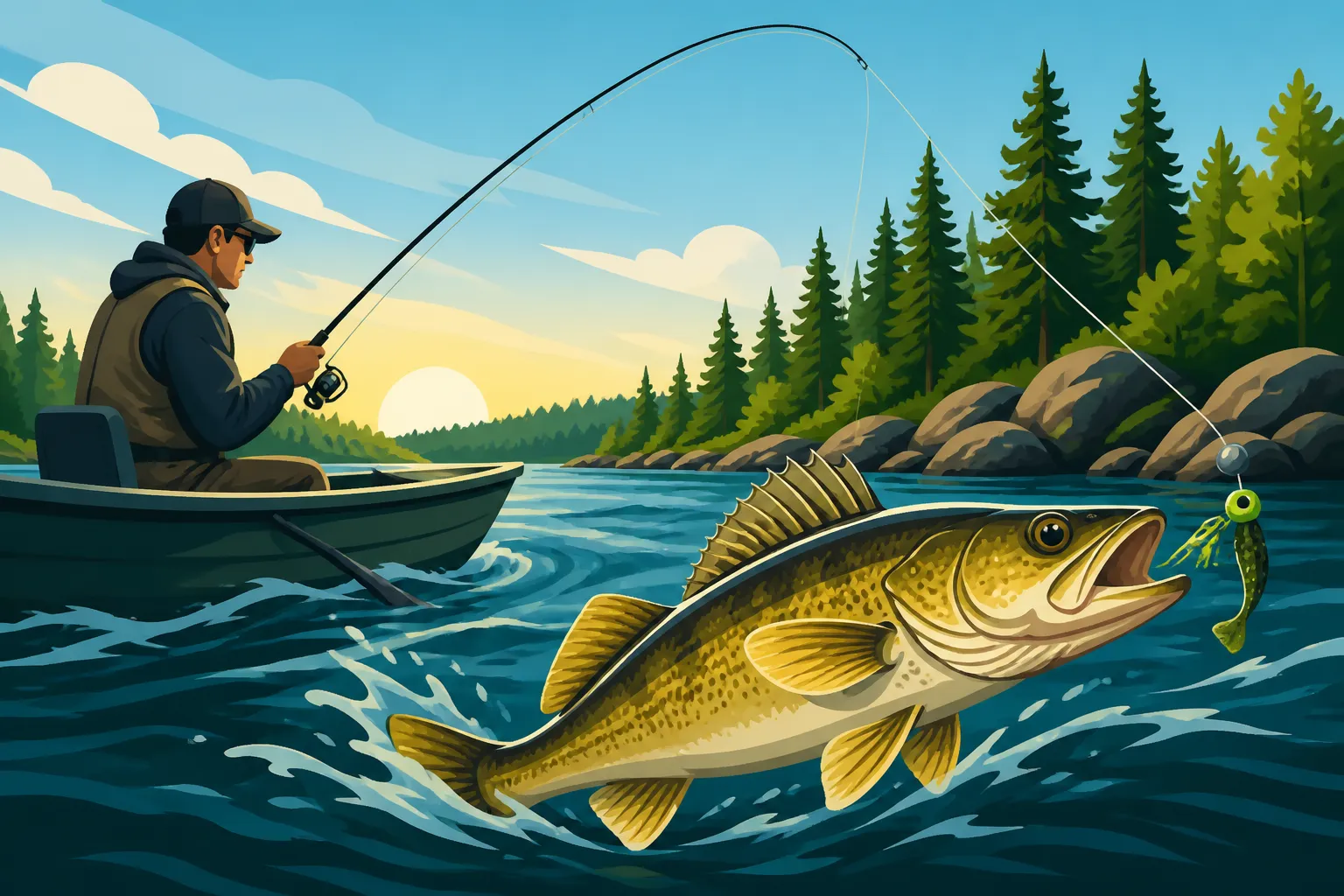
This is where drift fishing truly shines. When you're drifting, your bait or lure moves at or near the speed of the current, just like a natural baitfish or piece of forage would. There's no unnatural jerking or pulling against the current. A jig bounces along the bottom with a gentle, organic rhythm, and a live bait rig floats tantalizingly past a walleye's nose. This natural presentation is often irresistible to river walleye, which are accustomed to intercepting food that's being carried by the flow. Aggressive retrieves or heavy weights that drag unnaturally can spook wary fish. Drift fishing ensures your offering looks, feels, and acts like part of the river ecosystem.
Decoding the River: Reading Structure and Flow
Drift fishing forces you to constantly "read the water" – observing surface currents, eddies, and subtle changes that indicate underlying structure. As you drift, you'll feel your weight bumping over rocks, dragging through sand, or briefly getting hung up in weeds. Your sonar will paint a picture of depth changes, submerged timber, and schools of baitfish. By paying close attention to these cues, you can refine your drifts, targeting the most promising areas. You'll learn to identify those subtle changes in current that signal a hidden ledge or a deep hole where walleye are staging. This constant interaction with the river environment makes you a more intuitive and skilled angler, improving your ability to find fish not just for walleye, but for any species in moving water. For more on this, checking out a French River Fishing Guide can offer insights into reading such complex river systems.
Assembling Your River Walleye Drift Fishing Arsenal
Having the right gear makes all the difference when you're battling river currents and powerful walleye. It’s not just about having any rod and reel, but the right rod and reel, paired with the appropriate terminal tackle.
Rods, Reels, and Line: The Foundation of Your Setup
- Rods: For river drift fishing, you want a rod that's sensitive enough to detect subtle bites but has enough backbone to handle heavy weights and strong fish in current. A medium to medium-heavy power spinning or baitcasting rod, typically 6'6" to 7'6" in length, is ideal. The longer rod provides better line control and allows you to absorb head shakes from a strong walleye. A fast or extra-fast action tip will give you the sensitivity for those light taps, while the strong backbone helps with powerful hooksets and fighting fish out of heavy current. Look for quality rods from brands like St. Croix, G. Loomis, or Fenwick.
- Reels: Pair your rod with a reliable spinning or baitcasting reel. For spinning gear, a 2500-3000 series reel offers a good balance of line capacity and drag strength. If you prefer baitcasting, a low-profile reel with a smooth drag and a gear ratio around 6.4:1 or 7.1:1 works well for jigging and bottom bouncing. Ensure your reel has a smooth, consistent drag system, as river walleye can make powerful runs. Shimano and Daiwa are always solid choices.
- Line: This is crucial. For your main line, 10-20 lb braided line is highly recommended. Braid has no stretch, which means superior sensitivity for detecting bites in current and better hook-setting power over longer distances. It also cuts through the water better than monofilament, reducing bow in your line from the current. At the business end, you'll want a leader of 8-12 lb fluorocarbon. Fluorocarbon is nearly invisible underwater, is abrasion-resistant (a must in rocky rivers), and gives you a bit of stealth. This leader also acts as a shock absorber and a sacrificial component if you get snagged, protecting your more expensive braid. You can find quality braid and fluorocarbon options from brands like PowerPro and Seaguar on Amazon.
Terminal Tackle Essentials: Jigs, Rigs, and Weights
Your terminal tackle needs to be robust and designed to reach the bottom efficiently in varying currents and depths.
- Jigs: Jigs are perhaps the most versatile lure for river walleye. Lead head jigs from 1/4 oz to 1 oz (and sometimes even heavier in strong currents) are staples. Tip them with soft plastic paddletails, twister tails, or live bait like minnows or worms. Colors like chartreuse, white, black, and various greens or browns are consistently effective. The weight of your jig depends entirely on the current and depth; you want just enough weight to maintain bottom contact without snagging too often.
- Bottom Bouncers: These are fantastic for drifting heavier rigs along the bottom. They feature a wire arm that helps keep your line and bait out of snags. Pair them with a snell leader (a plain hook, often tipped with a worm or minnow) or a spinner rig (like a Northland Tackle or Lindy rig). Weights from 1/2 oz to 3 oz are common.
- Slip Sinker Rigs (Carolina Rigs): A classic. This involves a slip sinker (egg sinker or bullet sinker) above a swivel, then a fluorocarbon leader (18-36 inches) tied to a hook. This allows the fish to pick up the bait without feeling the weight of the sinker. Ideal for presenting live minnows, leeches, or worms.
- Snap Weights/In-line Weights: If you're trolling or drifting with crankbaits, these can help get your lures down to the desired depth.
- Hooks: Stick with sharp, strong hooks. Octopus style hooks (sizes 2 to 1/0) are great for live bait. Treble hooks on jigs and crankbaits should also be sharp and strong.
- Swivels: High-quality barrel or ball bearing swivels are essential to prevent line twist, especially with spinner rigs.
Remember, having a good selection of weights is key. You'll often need to adjust on the fly as the current changes or as you move to different depths.
Here's a quick comparison of common terminal tackle setups:
| Setup | Primary Use | Pros | Cons | Best For |
|---|---|---|---|---|
| Jig (with soft plastic/live bait) | Vertical jigging, bouncing off bottom | Highly versatile, good feel for bottom | Can snag easily in heavy structure | Moderate current, precise presentations |
| Bottom Bouncer Rig | Drifting live bait or spinner rigs near bottom | Excellent snag resistance, covers water well | Less direct feel for subtle bites, bulkier | Moderate to strong current, rocky/sandy bottoms |
| Slip Sinker Rig | Drifting live bait, stealthy presentation | Very natural presentation, fish don't feel weight | Can twist line without good swivel, moderate snags | Light to moderate current, wary fish |
Boat Control and Electronics: Staying on Course
For effective drift fishing, boat control isn't just helpful – it's absolutely critical.
- Boat: A V-hull aluminum boat, often called a "fishing machine," or a deep-V fiberglass boat, is excellent for navigating Ontario's larger rivers like the French River or the Ottawa River. Smaller jon boats or even canoes can work for shallower, less turbulent rivers. The key is stability and maneuverability.
- Trolling Motor: A bow-mounted electric trolling motor with GPS capabilities (like models from Minn Kota or MotorGuide) is a game-changer. Features like "Spot-Lock" or "Anchor Mode" allow you to hold your position precisely in current or set a specific drift speed and direction, even against the current. This frees up your hands for fishing and makes precise drifts possible. You can find many popular models on Amazon.
- Outboard Motor: Your main outboard is essential for getting to your fishing spots and safely navigating the river.
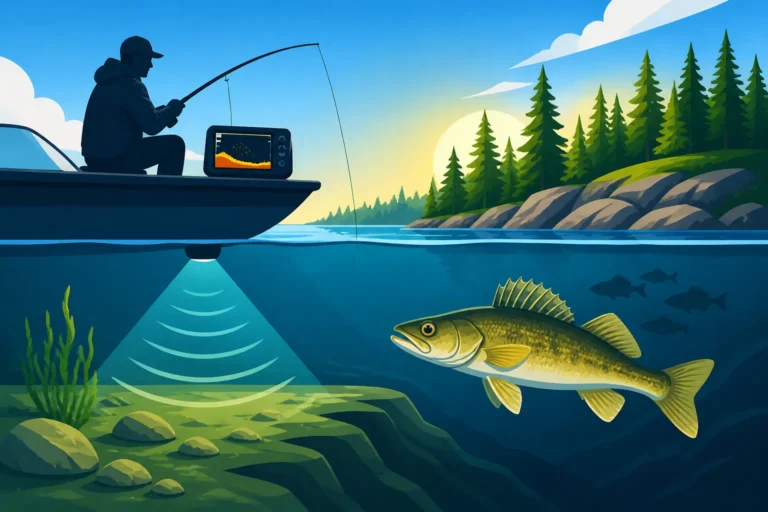
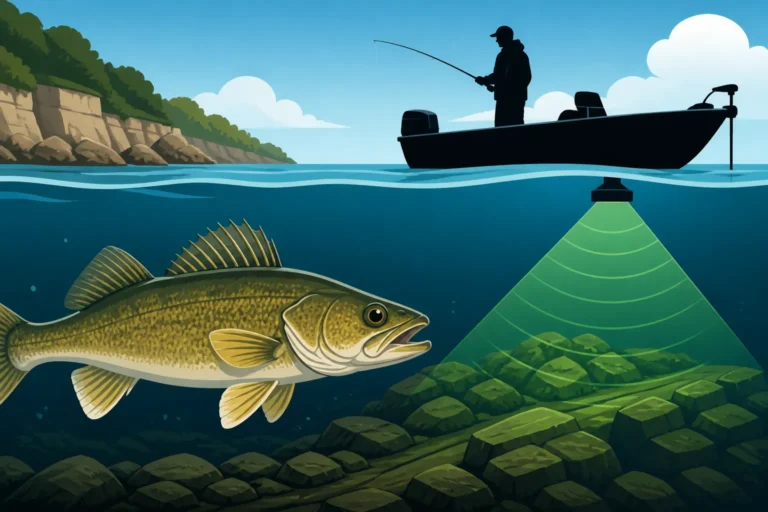
- Electronics (Fish Finder/GPS): A quality fish finder/GPS combo unit is invaluable. Look for units with side-imaging and down-imaging capabilities. These technologies allow you to see structure, depth changes, and fish holding near the bottom or tucked into current breaks. Your GPS is crucial for marking productive drifts, logging waypoints, and ensuring you don't unintentionally drift into dangerous areas. Brands like Humminbird and Garmin offer excellent river-specific features. Learning how to use the Ontario Fish ON-Line Interactive Zone Map, Explained can also help you scout spots before you even hit the water.
Executing the Perfect Walleye Drift in Ontario
So you've got your gear, you understand the fish, and you're on the water. Now comes the exciting part: putting it all into action! Drift fishing isn't just about letting your boat go with the flow; it's a controlled art.
Mastering Boat Positioning and Speed
This is the cornerstone of successful river drift fishing. You're not just a passenger; you're the captain, navigator, and strategist all rolled into one.
- Start Upstream: Always begin your drift well upstream of your target area. This gives you time to get your lines in the water and establish a controlled drift before you're directly over the fish.
- Use Your Trolling Motor: Your bow-mounted trolling motor is your best friend. Use it to slow down your drift, steer your boat, and even pull against the current slightly to present your bait more vertically. You want your drift speed to match the current speed, or even be slightly slower, to allow your bait to "swim" naturally. Sometimes, a slight angle to the current can keep your bait ticking along the bottom more effectively.
- Maintain Bottom Contact: The goal is to keep your weight (jig, bottom bouncer, sinker) in consistent contact with the bottom. If you're not bumping the bottom periodically, you're either not heavy enough or drifting too fast. If you're constantly snagging, you might be too heavy or drifting too slowly. It's a delicate balance that takes practice.
- Watch Your Line Angle: Keep an eye on your line. Ideally, you want a fairly vertical presentation, with your line entering the water almost directly below you. If your line is trailing far behind the boat at a shallow angle, you're likely drifting too fast or using too light a weight. A vertical presentation offers better feel and hook-setting power.
Practicing boat control in varying conditions on rivers like the Ottawa River will greatly enhance your success.
Optimizing Bait Presentation and Depth
Even with perfect boat control, your bait needs to be presented enticingly to draw a strike from a walleye.
- The "Tick, Tick, Drag" Method: When jigging, let your jig hit the bottom, then lift it a few inches with a slight twitch of the rod tip, letting it fall back to the bottom. This "tick, tick, drag" motion imitates a crawfish or baitfish rooting around. The duration of your pause on the bottom is crucial; sometimes a longer pause triggers the bite.
- Matching the Hatch: Pay attention to what baitfish are prevalent in the river. If minnows are abundant, use minnows on your slip sinker rig or a minnow-imitating soft plastic on your jig. If crawfish are active, a jig with a brown or green crawfish-pattern soft plastic can be deadly.
- Vary Your Presentation: Don't be afraid to experiment. Try different jig colors, plastic tail styles, or even switch to a bottom bouncer with a spinner rig if the fish aren't responding to jigs. Sometimes, a subtle color change is all it takes.
- Depth Management: Walleye often hug the bottom in rivers, especially during the day. Ensure your bait is consistently in the strike zone. Use your electronics to monitor depth changes and adjust your weight accordingly. If you're consistently too shallow, size up your weight. If you're constantly getting hung up, you might need to go slightly lighter or adjust your drift speed.
Recognizing Subtle Bites and Setting the Hook
River walleye bites can be incredibly subtle, especially in current. The moving water can make a light tap feel even lighter.
- Feel for the "Tick": Often, a walleye bite feels like a light "tick," "thump," or simply a sudden increase in weight. It might feel like your jig just hit a rock, but if it feels "mushy" or different, set the hook!
- Watch Your Line: Sometimes, you won't feel anything, but you'll see your line suddenly jump, twitch, or go slack. That momentary slack line, often called a "drop bite," happens when a walleye swims up to engulf your bait, taking the tension off your line. This requires quick reflexes.
- The Hookset: When you feel a bite or see a suspicious line movement, execute a firm, sweeping hookset. Don't just jerk upwards; sweep the rod horizontally or upwards with authority to drive the hook home, especially with braided line which has no stretch. Walleye have bony mouths, so a strong hookset is essential.
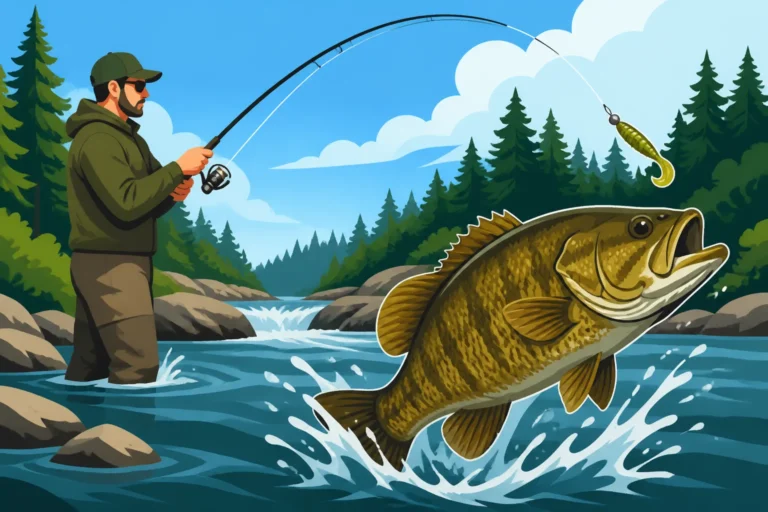
- Fight the Fish, Not the Current: Once you've hooked a fish, fight it aggressively but under control. Use your rod to steer the fish out of the main current if possible, where you can gain better control. Keep constant pressure on the fish; slack line is a lost fish, particularly with a powerful river walleye.
Top Ontario Rivers and Advanced Drift Fishing Tips
Ontario is blessed with an incredible network of rivers, many of which hold fantastic walleye populations. Knowing where to go and how to adapt to specific river challenges will elevate your drift fishing game.
Key Walleye Rivers for Drift Fishing
While walleye can be found in many rivers across the province, some stand out as prime drift fishing destinations:
- French River: This historic river, connecting Lake Nipissing to Georgian Bay, is renowned for its diverse fishing, including excellent walleye. Its numerous channels, rapids, and slack water areas offer endless drift fishing opportunities. You'll find walleye tucked behind islands, in deep bends, and at the base of rapids. Drift fishing jigs and bottom bouncers through its varied structure is highly effective. Explore the French River Fishing Guide for more detailed information.
- Ottawa River: Forming a significant part of the border between Ontario and Quebec, the Ottawa River is a large, powerful waterway with incredible walleye potential. Its vastness means many spots to explore, from rocky shoals to deep channels and current seams around islands. Drift fishing here often requires heavier weights due to the strong current, but the rewards can be substantial. For specific locations, refer to the Ottawa River Fishing Spots guide.
- Niagara River: Flowing between Lake Erie and Lake Ontario, the Niagara River is another world-class walleye fishery, particularly known for its trophy-sized fish. The lower Niagara River, below the falls, offers phenomenal drift fishing for walleye, especially in its deeper channels and current seams. This river can have incredibly strong currents, so heavy jigs and robust bottom bouncing setups are a must. Learn more about targeting these giants in the Niagara River Walleye Fishing article.
- Trent River: Part of the Trent-Severn Waterway, this river system offers a mix of lake and river fishing for walleye. Drifting through its deeper sections, especially near locks and dams (where permitted), can be productive.
Always consult the official Ontario Fishing Regulations Explained for specific rules and season dates for the zone you plan to fish.
Navigating Obstacles and Adapting to Conditions
Rivers are dynamic environments, and conditions can change rapidly. Being prepared to adapt is crucial.
- High Water/Fast Current: After heavy rains, rivers can become raging torrents. Walleye might move out of the main current into slack water areas, flooded timber, or backwater eddies. You'll need heavier weights, slower drifts (using your trolling motor to hold back), and a focus on these calmer areas. This is where Best Techniques for High Water Spring Conditions becomes highly relevant.
- Low Water/Clear Water: In low, clear conditions, walleye can become very wary. You might need to scale down your leader size (e.g., 6-8 lb fluorocarbon), use more natural bait colors, and be stealthier with your approach. Longer drifts with minimal motor use can be effective.
- Wind: Wind can make boat control a nightmare in a river. A strong crosswind can push your boat sideways, making it impossible to maintain a controlled drift. On windy days, try to find stretches of river that are naturally sheltered, or consider anchoring in strategic spots where you can still present baits effectively. Your trolling motor's anchor mode or spot-lock feature will be invaluable.
- Snags: Rivers are full of snags – rocks, logs, branches. It's an inevitable part of river fishing. To minimize lost tackle, try to "feel" your way along the bottom, lifting your rod tip over obstacles. Use a lure retriever if you get hung up. Carry plenty of extra jigs, weights, and leader material. Sometimes, tying a lighter mono leader directly to your jig can help you break off just the jig if it gets snagged, saving your main line and components.
Safety First: Essential River Boating Considerations
River fishing can be incredibly rewarding, but it demands respect for the water. Safety should always be your top priority.
- Life Jackets: Everyone on board must have an approved personal flotation device (PFD) or life jacket, easily accessible. Consider wearing it at all times, especially in strong currents or unfamiliar waters. For more on this, see Life Jacket Requirements for Ontario Boaters.
- Pleasure Craft Operator Card (PCOC): If you're operating any motorized vessel in Canada, you need a PCOC. Make sure you and anyone else operating your boat has one. Find out more about the Ontario Pleasure Craft Operator Card Requirement.
- Navigation Aids: Carry up-to-date river charts or have them loaded on your GPS unit. Rivers can have hidden shoals, rapids, and hazards that aren't obvious from the surface.
- Know Your Limits: Don't venture into stretches of river that exceed your boating skills or your boat's capabilities. If the current looks too strong, or there are rapids you're unsure about, err on the side of caution.
- Emergency Kit: Always have a basic safety kit on board, including a whistle, rope, first-aid kit, and a way to communicate (cell phone, marine radio).
- Tell Someone: Let someone know your float plan – where you're going, when you expect to be back, and who's with you.
By combining an understanding of walleye behavior, the right gear, mastered techniques, and a healthy respect for river safety, you'll be well on your way to enjoying some incredible drift fishing for walleye in Ontario's beautiful rivers.
Disclaimer
Fishing regulations and conditions can change frequently. Always consult the most current Ontario fishing regulations summary and local conditions before heading out. The information provided in this guide is for general informational purposes only and does not constitute professional advice.