Float Fishing the French River
Float fishing the French River can feel like a daunting task. This sprawling, historic waterway, with its mix of fast currents, calm pools, and intricate island systems, presents a unique challenge for anglers looking to drift baits effectively. This comprehensive guide is designed to demystify the art of float fishing these iconic waters, helping you understand the river's nuances, select the right gear, and master the techniques needed to successfully target its diverse fish species.
Understanding the French River's Unique Character
The French River is a true gem of Ontario, a designated Canadian Heritage River that flows for over 100 kilometers from Lake Nipissing to Georgian Bay. It’s not just a river; it's a complex network of channels, rapids, falls, and expansive lakes, shaped by glaciers and time. This diverse hydrology means that float fishing here isn't a one-size-fits-all approach. You'll encounter everything from swift, churning currents that demand heavy floats and precise casting, to slow-moving back channels where a subtle presentation is key. The river’s rocky bottom, littered with fallen timber and submerged shoals, provides ample cover for fish but can also be a tackle graveyard if you’re not careful. Understanding these geological and hydrological characteristics is paramount to successful float fishing.
The sheer scale of the French River can be overwhelming for newcomers. It’s not like fishing a small, predictable trout stream. Here, you have vast expanses of water, countless islands, and numerous channels that diverge and converge. This intricacy is both its blessing and its curse – offering endless opportunities but requiring careful planning and observation. The river is renowned for its outstanding multi-species fishery, holding everything from feisty walleye and northern pike to trophy muskellunge and abundant smallmouth bass. Each section of the river, from its narrower upper reaches near Lake Nipissing to its wider, more exposed lower sections near Georgian Bay, offers different challenges and rewards.
Navigating Its Diverse Sections
The French River can generally be broken down into three main sections: the Upper, Middle, and Lower river. Each presents distinct conditions and requires slightly different float fishing strategies.
The Upper French River, closest to Lake Nipissing, tends to be narrower with more defined channels and a more consistent flow. Here, you'll often find clearer water and a good mix of deeper pools and current seams. This section can be excellent for targeting walleye and smallmouth bass, especially around current breaks and rocky points. Float fishing here means focusing on precise drifts along structure, often requiring shorter casts and more active management of your line to prevent snagging on the numerous submerged rocks and logs. Access points in this area, like near Dokis First Nation or south of North Bay, provide good starting points for exploring these waters. This is where you might find more intimate float fishing experiences, reminiscent of smaller rivers, though still with significant depth and current.
Moving downstream, the Middle French River opens up into a series of larger lakes and wider channels, such as those found around the Dry Pine Bay area or near the junction with the Pickerel River. The current here can be less uniform, with broad expanses of calmer water interspersed with rapids and falls (many of which are portaged). In these lake-like sections, float fishing might involve targeting weed edges, submerged humps, or the mouths of smaller feeder creeks. The challenge shifts from navigating constant current to covering more water and identifying subtle depth changes. You'll often need to adapt your float depth and presentation to account for these varying conditions. This is where a good boat, or a stable fishing kayak, becomes incredibly useful, allowing you to access varied structures efficiently. For longer trips, understanding Ontario Boating Laws for Anglers is crucial, especially regarding required safety gear.
Finally, the Lower French River, as it approaches Georgian Bay, becomes even more expansive, braiding into numerous channels and forming the picturesque "delta" region. This area is characterized by vast, rocky shoals, exposed islands, and sometimes deeper, colder water influenced by the Great Lakes. The current here can be complex, with eddies and cross-currents that require careful float control. This section is particularly famous for its trophy muskellunge and large northern pike, alongside robust populations of walleye and smallmouth. Float fishing in these more open waters often means longer drifts and a willingness to explore larger areas. The weather here can also be more volatile, with winds having a significant impact on drift speed and boat control, so being prepared for changing conditions is vital. Given the range of conditions, choosing the right section based on your target species and experience level is key to enjoying your French River Fishing Guide adventure.
Key Fish Species and Their Habitats
The French River is a true multi-species destination, and float fishing is an incredibly effective method for many of them. Knowing what fish you're after and where they like to hang out will dramatically increase your success.
Walleye are perhaps the most sought-after species on the French, and they absolutely love current. When float fishing for walleye, look for them at the edges of current seams, behind large boulders, in deeper pools below rapids, or along transition lines where shallow water drops into deeper channels. They use these locations as ambush points, waiting for baitfish to drift by. During low-light conditions or on overcast days, they might push into shallower, rocky areas. The French River has excellent walleye populations, and often the biggest ones are found in deeper current-washed holes. Targeting them with live bait like minnows or worms under a float is incredibly effective, especially when you can present your bait just above the bottom in a specific current lane.
Northern Pike are also abundant throughout the river. These toothy predators are less picky about current, often inhabiting weed beds, fallen timber, and rocky points where they can hide and ambush prey. While they might not be the primary target for pure float fishing in heavy current, they are frequently caught as bycatch when targeting walleye or bass. If you specifically want to target pike with a float, focus on the quieter bays, the edges of emergent vegetation, and around large log jams. A larger float and a lively minnow or even a cut bait will attract their attention. Be sure to use a wire leader, as their sharp teeth will quickly sever monofilament or fluorocarbon lines.
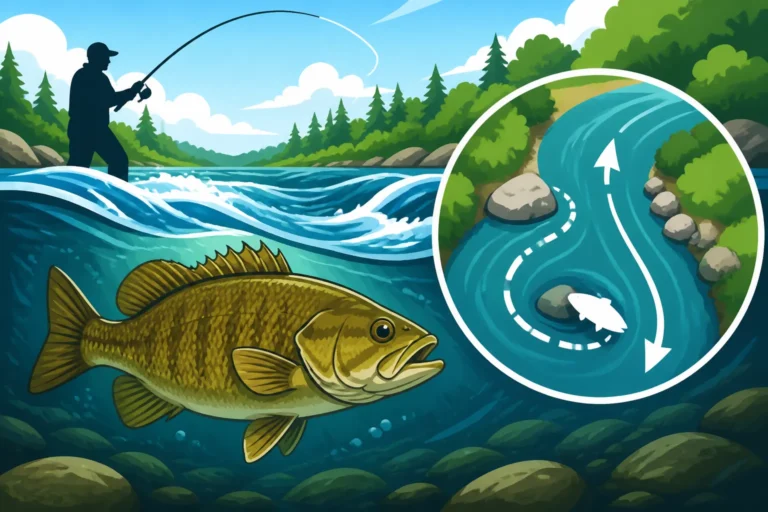
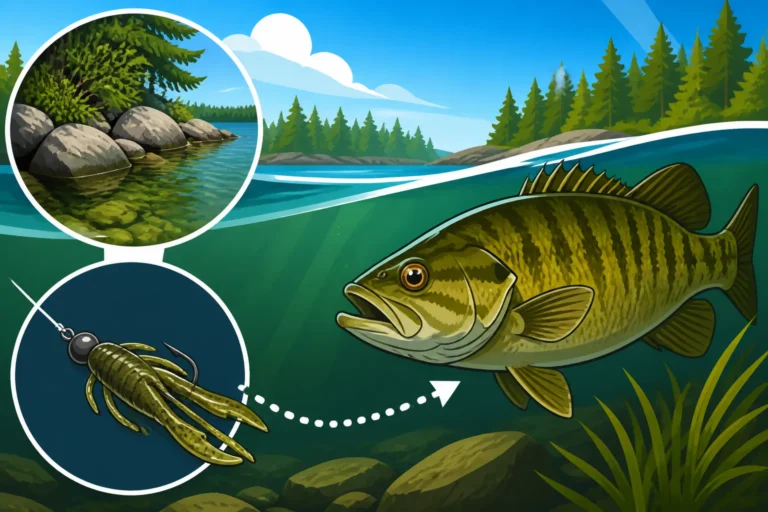
Smallmouth Bass thrive in the French River's rocky environment. They are structure-oriented fish, often found around boulders, rock piles, ledges, and current breaks. When float fishing for smallmouth, focus on the eddies downstream of rapids, the rocky shorelines, and any distinct changes in bottom contour. They are aggressive feeders and will readily strike live worms, leeches, or artificial plastics presented under a float. Their fighting spirit makes them a blast to catch on lighter float fishing gear. They are especially active during warmer months, and you'll find them in both the faster-moving sections and the more lake-like expanses where structure abounds.
And then there are the magnificent Muskellunge. While not typically targeted with traditional float fishing rigs, muskie are certainly present and will occasionally strike a larger bait intended for pike or even a substantial walleye presentation. These apex predators prefer areas with large structure – extensive weed beds, deep rock edges, and significant timber – where they can lie in wait. If you're float fishing with larger baits in prime muskie territory, always be prepared for a surprise encounter. Many dedicated muskie anglers use specific Muskellunge Fishing in Ontario techniques, often involving trolling or casting massive lures, but don't underestimate the potential for an incidental hookup when drifting a large live bait. Always have appropriate gear ready, including a large net and long-nose pliers, just in case you tangle with one of these freshwater giants.
Essential Gear for French River Float Fishing
Having the right gear is crucial for a successful and enjoyable float fishing trip on the French River. Given the river's varied conditions – from strong currents to snag-filled bottoms and potentially large, powerful fish – you need equipment that is robust, versatile, and reliable. Skimping on tackle here can lead to frustrating break-offs and lost fish.
Rod, Reel, and Line Selection
Choosing the right rod, reel, and line is foundational for effective float fishing on the French River. You need a setup that offers both casting distance and the backbone to handle strong currents and hard-fighting fish.
For a general-purpose French River float fishing setup, I'd recommend a medium-heavy to heavy power spinning rod, typically in the 7 to 9-foot range. A longer rod provides better line control, allowing you to mend your line over currents and achieve longer, more controlled drifts. It also gives you leverage when fighting larger fish in strong current and helps protect lighter lines from snapping on powerful runs. Look for a rod with a fast or extra-fast action, which means the tip is sensitive enough to detect subtle bites but the backbone is stiff enough to set the hook firmly and steer fish away from snags. Brands like Ugly Stik offer durable options that can withstand the rigors of river fishing without breaking the bank.
Pair your rod with a reliable spinning reel in the 3000 to 4000 series size. This size offers a good balance of line capacity, retrieve speed, and drag power. A smooth, dependable drag system is non-negotiable, as you’ll encounter fish that will make strong runs. Look for reels with sealed drag systems to protect against water and grit, which are common in river environments. Ensure your reel is spooled with a high-quality braided line as your main line, typically 20-30 lb test. Braided line offers superior sensitivity, minimal stretch for solid hooksets, and excellent abrasion resistance against rocks and logs. Its thinner diameter for a given strength also allows for longer casts.
To this braided mainline, you'll want to add a fluorocarbon leader of 10-15 lb test, connected with a strong knot like an FG knot or a double uni knot. Fluorocarbon is nearly invisible underwater, providing a stealthy presentation, and offers good abrasion resistance. The length of your leader can vary, but generally 4-6 feet is a good starting point. For northern pike or muskellunge, you absolutely must use a wire leader (12-18 inches) directly above your hook or lure to prevent bite-offs. Without it, you'll just be feeding expensive tackle to these toothy predators. Don't forget, if you're targeting Northern Pike Fishing in Ontario, that wire leader is non-negotiable.
Terminal Tackle and Baits
Your terminal tackle arsenal for French River float fishing should be robust and diverse to handle various conditions and species.
Floats (Bobbers) are obviously central to this technique. You'll need an assortment of floats, ranging from sensitive slip floats for subtle bites in calmer water to larger, more buoyant floats for presenting heavier baits in strong currents. Oval or pear-shaped slip floats are excellent for versatility, allowing you to easily adjust your fishing depth. Ensure your floats are brightly colored for visibility, as watching your float is key to detecting bites. Some anglers prefer fixed floats for shallow water or very precise drifts, but slip floats offer the advantage of fishing deeper water without a cumbersome long leader while casting. When shopping for reliable floats and weights, I often check out what's available on Amazon for convenience.
Weights are crucial for getting your bait down to the strike zone and balancing your float. Keep a selection of split shot sinkers (various sizes), removable pinch-on weights, and perhaps some small pencil weights. The goal is to use just enough weight to cock your float properly, making it sensitive to bites, but not so much that it causes unnatural drag on your bait. Experimentation is key here; you want your bait to drift naturally with the current.
Hooks should also be varied. Circle hooks (sizes 1/0 to 4/0) are excellent for live bait, promoting lip hooks and reducing gut hooking, which is important for conservation, especially if you plan on releasing fish. J-hooks (sizes 1 to 4/0) can also be used, particularly for dead bait or when you need a very specific presentation. Ensure your hooks are sharp and strong enough to withstand powerful fish.
When it comes to baits, live bait is often king for float fishing on the French River.
- Live Minnows: Essential for walleye, pike, and even larger smallmouth. Size them appropriately for your target species; larger minnows attract larger fish but might deter smaller bites.
- Worms/Nightcrawlers: A universal bait that appeals to nearly everything, especially smallmouth bass, walleye, and panfish.
- Leeches: Another fantastic bait for walleye and smallmouth, known for their lively action.
Artificial baits can also be presented under a float. Small jigs tipped with plastic worms or grubs, or even soft plastic jerkbaits, can be deadly when drifted naturally. The float simply helps carry these light baits into the strike zone and indicates bites. For a detailed look at what else works, exploring various Best Crankbaits for Ontario Walleye or similar lure guides can offer alternatives for times when live bait isn't feasible or permitted.
Mastering Float Fishing Techniques on the French River
Float fishing on a river as dynamic as the French isn't just about casting out a bobber and waiting. It's an art that combines reading the water, precise casting, and active line management. Each cast is an opportunity to learn something new about the current and the fish holding spots.
Reading the Current and Structure
The French River is a living, breathing entity, constantly shifting and flowing. To truly master float fishing here, you need to become a student of the current and understand how it interacts with the river's structure.
Current seams are your best friends. These are lines where two different currents meet, often creating an eddy or a distinct change in water speed. Fish frequently hold along these seams because they offer a comfortable ambush point where baitfish are swept past them. Look for visible lines on the water, or areas where debris collects. Often, one side of the seam will be faster, and the other slower. Your goal is to drift your bait naturally along the slower side, where fish are likely to be resting, just outside the main current.
Eddies are swirling pockets of water, often found downstream of large boulders, points, or bridge abutments. These are prime holding spots for walleye and smallmouth bass, as they offer respite from the main current and concentrate food. When float fishing an eddy, try to cast upstream of it and let your bait drift into the calmer water, allowing it to swirl around naturally. This can often trigger a strike from an opportunistic fish.
Submerged structure like rock piles, fallen trees (snags), and sharp drop-offs are also critical. While you can't always see these from the surface, look for indicators like subtle changes in water flow, darker patches, or areas where the current seems to slow or speed up unexpectedly. Your fish finder, if you have one, will be invaluable for mapping these underwater features. The goal is to drift your bait just above these structures, presenting it right to where fish are hiding. This often requires careful depth adjustments with your slip float. Remember, the French River Fishing Guide highlights just how much hidden structure there is.
Understanding how current changes with river depth and contour is also vital. A deep, wide channel might have a slow, steady current, while a narrow, shallow pinch point will accelerate the flow. Adjust your float size and weight to match the current speed – heavier float/weight for faster water, lighter for slower water – ensuring your bait presents naturally without being dragged unnaturally fast or getting hung up.
Effective Drifting Strategies
Once you've identified a promising spot, it's all about how you execute your drift. Natural presentation is paramount.
The "dead drift" is the holy grail of float fishing. This means your bait, float, and line are all moving at the exact same speed as the current, without any drag. To achieve this, cast upstream of your target zone and immediately begin "mending" your line. Mending involves lifting your rod tip and flipping slack line upstream, repositioning it so that the current isn't pulling on your main line and dragging your float unnaturally. This takes practice but is critical for enticing wary fish. When drift fishing, particularly for Walleye Fishing in Ontario, you want your bait to appear as natural as possible.
Controlling your float's speed is another key strategy. Sometimes, fish prefer a slightly faster or slower presentation. While the dead drift is often best, there are times you might want to slightly check your float's speed by applying gentle pressure to your line, allowing your bait to hang in a specific spot for a moment longer. Conversely, in very slow current, a subtle jigging motion of your rod tip can add action to your bait.
Varying your drift path is also important. Don't make the same cast repeatedly. Try drifting closer to the bank, further out, or through different current seams. Fish can be incredibly particular about their holding spots, and a slight adjustment in your drift might be the difference between a slow day and a hot bite. For example, when exploring a wide section of the Ottawa River Fishing Spots, varying your drift path can reveal hidden pockets of fish you might otherwise miss.
Consider using multiple floats if you're fishing from a stationary boat or shore in a wide river section. This allows you to cover a broader swath of water and experiment with different baits or depths simultaneously. Just be mindful of tangles, especially if the current isn't perfectly consistent.
Adapting to Different Depths and Conditions
The French River's depths can vary dramatically, from shallow rapids to deep holes of 50 feet or more. Being able to adapt your float setup to these changes is essential.
Adjusting your slip float is simple but critical. Before casting, slide your bobber stopper up or down your main line to position your bait at the desired depth. A good rule of thumb is to start by setting your bait to drift just off the bottom, perhaps 6-12 inches up. If you're consistently snagging, bring it up a bit. If you're not getting bites, try going deeper. For very deep holes, you might need a heavier float and more weight to get your bait down efficiently.
Wind is a major factor on the French River, especially in the wider, lake-like sections. Strong winds can make casting difficult, create unwanted line belly (drag on your float), and quickly push your boat or kayak. If the wind is blowing against your current, it will slow your drift; with the current, it will accelerate it. On windy days, consider using heavier floats and weights to combat drag, and focus on fishing more sheltered bays or channels. When Kayak Fishing Techniques for Ontario Lakes are discussed, wind is always a primary concern for proper boat control and drift.
Water clarity also plays a role. In clearer water, a longer fluorocarbon leader and a more subtle presentation might be necessary. If the water is stained or murky, fish might rely more on scent and vibration, so louder baits or more active presentations under the float could be effective. Darker water often means fish are less spooky and might be willing to chase a bait a little further.
Finally, time of day and season will influence fish behavior. Walleye often feed more actively during low light (dawn, dusk, overcast days) and at night, moving into shallower areas. Smallmouth bass are typically more aggressive during warmer daylight hours. Understanding these patterns, as detailed in guides like Best Time of Day to Catch Walleye or Ontario Fishing Seasons by Zone and Month, will help you choose your float fishing locations and depths more effectively.
| Species Targeted | Preferred Habitat/Depth | Recommended Float Size | Recommended Bait | Leader Material & Strength |
|---|---|---|---|---|
| Walleye | Current seams, deep pools, rocky drop-offs (10-30 ft) | Medium to Large Slip Float | Live minnows, leeches, worms | Fluorocarbon 10-15 lb |
| Northern Pike | Weed edges, fallen timber, shallow bays (5-15 ft) | Large Slip Float | Large live minnows, cut bait | Wire Leader 20-30 lb |
| Smallmouth Bass | Rocky points, ledges, eddies (5-20 ft) | Small to Medium Slip Float | Live worms, leeches, crayfish | Fluorocarbon 8-12 lb |
| Muskellunge | Large weed beds, deep rock edges, major timber (10-40 ft) | Extra Large Slip Float (heavy duty) | Large live suckers, large cut bait | Wire Leader 50-80 lb |
Safety and Logistics for Your Float Trip
Float fishing on the French River, especially if you're covering significant distance, requires careful planning regarding safety and logistics. This isn't a small urban creek; it's a vast wilderness waterway with remote sections and rapidly changing conditions.
Essential Safety Equipment and Practices
Safety should always be your top priority, particularly when exploring a river system as extensive and potentially rugged as the French.
Every person on board any watercraft, even canoes or kayaks, must have an approved Personal Flotation Device (PFD) or life jacket readily accessible, or ideally, worn at all times. This isn't just a recommendation; it's an Life Jacket Requirements for Ontario Boaters law. Drowning is silent and swift, and currents can be deceivingly strong. Don't take chances. Ensure your PFD fits properly and is in good condition.
Beyond PFDs, your boat or kayak must be equipped with other essential safety items. These typically include a bailer or bilge pump, a sound-signalling device (whistle or air horn), a waterproof flashlight or flares for night operations, and a heaving line (a floating rope at least 15 meters long). For powerboats, additional requirements like fire extinguishers and navigation lights apply. Many of these items can be easily sourced from marine supply stores or through online retailers like Amazon. Having a first-aid kit stocked with essentials for cuts, scrapes, insect bites, and minor emergencies is also non-negotiable.
File a float plan with someone reliable back home. Let them know your route, where you're putting in, where you expect to take out, and your estimated return time. If you don't check in, they know to raise an alarm. Cell service can be spotty to non-existent in many parts of the French River, so don't rely on your phone for communication in an emergency. Consider carrying a satellite communication device like a Garmin inReach for true wilderness safety.
Weather awareness is crucial. The weather in Northern Ontario can change rapidly. A calm morning can turn into a windy, stormy afternoon. Always check the forecast before heading out, and be prepared for rain, wind, and temperature drops. Dress in layers, and carry waterproof outer shells. If a storm rolls in, seek shelter immediately.
Finally, know your limits and the river's challenges. If you're unfamiliar with a section of rapids or a strong current, scout it from shore if possible or choose a different route. Never attempt to navigate rapids that exceed your skill level or your boat's capabilities. Remember, the river is always stronger than you are. Always abide by Ontario Fishing Regulations Explained, as they cover not just fish limits but also safe boating practices and environmental considerations.
Access Points and Trip Planning
Accessing the French River and planning your trip requires some forethought, especially given its length and varied terrain.
For those with boats, there are numerous public boat launches along the French River. Key access points include Dokis First Nation (Upper French), Hartley Bay Marina (Middle French, offering good access to Georgian Bay side), and various lodges and resorts that often offer launch facilities (sometimes for a fee). Some areas like the French River Provincial Park also have designated access points, though these might be more oriented towards canoe camping. Always check the condition of the launch ramp and parking availability beforehand.
Trip planning for float fishing should include:
- Route Selection: Decide which section of the river you want to fish. Are you looking for calmer, more accessible waters, or do you want to tackle more challenging currents?
- Duration: Are you planning a day trip, or a multi-day float? Multi-day trips require more extensive planning for camping, food, and resupply.
- Transportation: Will you be using a powerboat, a fishing kayak, or a canoe? A canoe or kayak is excellent for exploring quieter channels, but a powerboat gives you more range in the wider sections and against stronger currents. Make sure you have the necessary Pleasure Craft Operator Card if operating a motorized vessel; understanding the Ontario Pleasure Craft Operator Card Requirement is a legal obligation.
- Permits and Licenses: Ensure everyone fishing has a valid Ontario Fishing License Guide for 2026 and an Outdoors Card. If you plan to camp on Crown Land or within the Provincial Park, check for any required permits.
Consider the time of year. Spring (after ice-out) offers fantastic walleye and pike action, but water levels can be high and currents very strong. Summer provides warmer water and excellent smallmouth bass fishing, but can also bring more recreational boat traffic. Fall offers some of the best fishing, with cooling waters and active fish, but weather can be unpredictable. When exploring the Best Fishing Rivers in Ontario, the French River consistently ranks high, but its vastness means proper trip planning is paramount.
Targeting Specific Species with Float Fishing
While float fishing is a versatile technique, fine-tuning your approach for specific species can significantly boost your catch rates on the French River. Different fish have different preferences for depth, current, and bait presentation.
Walleye and Northern Pike Tactics
For walleye, float fishing is incredibly effective, especially when they are relating to current.
- Location, Location, Location: Focus on the transition zones where current meets calmer water, the downstream side of large boulders or points, and deeper pools below rapids. Walleye are ambush predators that love to sit just outside the main current, darting out to grab passing food.
- Depth is Key: Walleye are often found close to the bottom. Set your slip float so your bait drifts 6-18 inches off the riverbed. Use enough weight to get your bait down quickly, but not so much that it impedes a natural drift.
- Bait Presentation: Live minnows (shiners, dace) or lively leeches are tough to beat. Hook minnows lightly through the lips or just behind the dorsal fin to keep them active. Let them drift naturally into the strike zone. Sometimes, a very slow, subtle retrieve can trigger a bite if the fish are hesitant. Remember, Walleye Fishing in Ontario is often about finding that perfect depth and current seam.
- Bite Detection: Walleye bites can be subtle, especially in cold water. Your float might just dip slightly, move sideways, or slowly sink. Don't hesitate; if you see any unnatural movement of your float, set the hook!
When targeting northern pike with a float, you'll want to adjust your strategy for their predatory habits.
- Habitat Focus: Pike are ambush predators that love cover. Concentrate your efforts around extensive weed beds (especially edges), fallen trees, docks, and rocky points with access to deeper water. While they'll hang in current, they often prefer areas with less strenuous flow.
- Bait Choice: Larger live minnows (suckers or chub up to 6-8 inches) are excellent for pike. A dead bait, such as a large minnow or even a piece of cut bait, can also be effective when fished under a float, especially if it's scented.
- Leader Up: As mentioned, a steel or heavy fluorocarbon leader (at least 20-30 lb test) is absolutely essential. Pike have razor-sharp teeth that will easily cut through mono or lighter fluoro.
- Patience and Positioning: Cast your float and bait close to cover, allowing it to sit or slowly drift along the edges. Pike will often wait for prey to come to them. When the float disappears, give the pike a few seconds to fully take the bait before setting the hook firmly. This helps ensure a good hookset outside their crushing jaws. For more advanced techniques, a guide on Best Techniques for Early Spring Pike can offer additional insights.
Smallmouth Bass and Muskie Considerations
Smallmouth bass are a joy to catch on the French River, and float fishing is a fantastic way to target them.
- Rocky Retreats: Smallmouth are king of the rocks. Focus on rocky points, submerged humps, boulder fields, and eddies created by current around large rocks. They love clear water and hard bottom.
- Energetic Presentation: Smallmouth are aggressive. While a dead drift is effective, don't be afraid to add a little action. Give your rod tip a subtle twitch occasionally to make your bait dance. This can trigger an aggressive strike.
- Bait Versatility: Live worms (nightcrawlers), leeches, and even small crayfish are highly effective. You can also float fish with artificial baits like small tube jigs, grub-tipped jigs, or small soft plastic minnows.
- Hookset and Fight: Smallmouth hit hard. When your float goes down, set the hook immediately. Be prepared for an acrobatic fight with plenty of jumps and strong runs. They are often found in groups, so if you catch one, there are likely more nearby. For other methods to catch these feisty fish, check out How to Catch Smallmouth Bass in Ontario.
While muskellunge are not typically targeted with standard float fishing setups, it's certainly possible to catch them, especially when using larger baits for pike or big walleye.
- Upsized Everything: If you're in prime muskie territory (large, deep weed beds, expansive rock reefs, significant timber), consider beefing up your float fishing rig. This means an extra-large, heavy-duty float, a much heavier wire leader (50-80 lb test), and the largest live suckers or substantial cut bait you can get your hands on.
- Patience and Prime Real Estate: Muskie are known as the "fish of 10,000 casts," but float fishing can sometimes present an irresistible meal right in their face. Concentrate your efforts in known muskie haunts like the mouths of feeder creeks, deep drop-offs adjacent to shallow bays, or major changes in structure.
- Gear for the Fight: If you hook into a muskie on a float rig, be prepared for an epic battle. You'll need a stout rod and reel, a large, muskie-specific landing net, and long-nose pliers for safe de-hooking. Never try to boat a muskie without proper tools; their size and power can be dangerous. Releasing them quickly and safely is paramount for their survival. While float fishing isn't a primary method, understanding Muskellunge Fishing in Ontario strategies, including catch and release, is always beneficial.
Disclaimer
Fishing regulations and conditions in Ontario can change. Always consult the most current official Ontario Fishing Regulations Summary before heading out on the water. This guide is for informational purposes only and does not supersede government regulations. Practice safe boating and fishing at all times.