Best Techniques for Early Spring Pike
That transition from winter's icy grip to the first hint of spring can be one of the most frustrating times for anglers, especially when you're itching to feel that powerful tug of a Northern Pike. The water is still brutally cold, fish can be lethargic, and finding them seems like a puzzle. But don't despair! This guide is here to unravel the mysteries of early spring pike fishing in Ontario, offering up proven techniques to help you put those toothy giants in your net.
Understanding Early Spring Pike Behavior
Early spring pike behavior is a fascinating dance between biological imperative and environmental conditions. They're not quite in their full summer feeding frenzy, but they're definitely waking up and making moves. Understanding their motivations and reactions to the warming water is your first step to success.
Post-Spawn Recovery and Metabolism
As the ice retreats and shallow bays open up, pike are often just finishing, or have recently finished, their spawning rituals. This is a physically demanding time, leaving them depleted and often a bit finicky. Their metabolism is still relatively slow due as the water is cold, meaning they aren't expelling energy quickly or needing to feed constantly. Instead, they're looking for easy meals, opportunities that require minimal effort to snatch. This is why super-fast retrieves or overly aggressive presentations often fall flat this time of year. Think slow, deliberate, and enticing. They're recovering and conserving energy, so a big, slow-moving meal is much more appealing than chasing down something zipping by.
Consider a scenario where you're fishing a back bay on Lake Simcoe just after ice-out. The water might still be hovering around 40-45°F (4-7°C). A pike in this water isn't going to chase a quickly burned spinnerbait across the entire bay. It's more likely to ambush a large swimbait or deadbait drifting lazily nearby, mimicking a stunned or easy-to-catch prey fish. This post-spawn period often means they're still staging in or near those shallow spawning grounds, but they won't be as aggressive.
Water Temperature's Influence
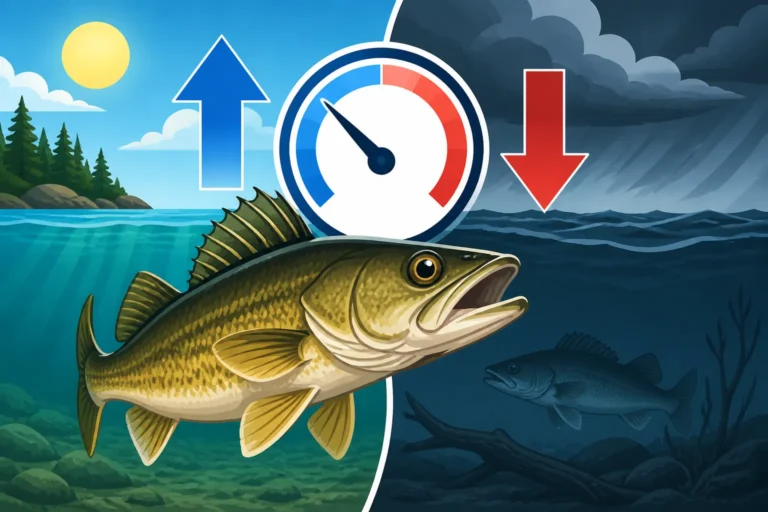
Water temperature is arguably the single most critical factor in early spring pike fishing. These cold-blooded predators are highly reactive to even slight changes in water temperature. As the sun beats down on shallow, dark-bottomed bays or wind-sheltered areas, these zones will warm up faster than the main lake body. Even a couple of degrees can make a world of difference, signaling to pike that it's time to become more active, or at least move into these warmer zones for comfort and feeding opportunities.
Pike will actively seek out these warmer pockets, which often hold baitfish seeking the same thermal advantage. Look for sheltered northern shorelines, dark bottom composition that absorbs heat, or areas where tributaries introduce slightly warmer water. A good quality fish finder with a temperature sensor is invaluable here. If you're fishing a vast lake like Lake Nipissing, identifying these subtle temperature changes can narrow down your search immensely. Understanding the "Ontario Fishing Seasons by Zone and Month" can also help predict general warming trends.
Preferred Forage and Feeding Patterns
In early spring, pike's preferred forage typically consists of whatever slower-moving or available prey fish are present. This often includes suckers, perch, minnows, and even smaller panfish that are also stirring from their winter dormancy. Pike at this time aren't necessarily chasing down schools of fast-moving shiners in open water. They're more opportunistic, lying in wait for an easy meal. This means your lure choices should mimic these local baitfish in size, profile, and most importantly, action.
Their feeding patterns are often characterized by short bursts of activity rather than prolonged feeding frenzies. You might get a few aggressive strikes in a specific area, and then things quiet down. This is why covering water effectively and paying attention to subtle cues is important. A slow, deliberate retrieve or a properly presented deadbait can trigger these cautious pike into striking. Remember, they're energy-conscious, so making your offering appear irresistible and effortless to catch is key.
Essential Gear for Early Spring Pike
Having the right tackle isn't just about catching fish; it's about being prepared for the conditions and ensuring a successful, enjoyable, and safe outing. Early spring pike fishing demands specific gear considerations due to the cold water and the potential for larger, feistier fish.
Rod, Reel, and Line Selection
For early spring pike, you're generally going to want a medium-heavy to heavy power rod with a fast action. This provides the backbone needed to handle powerful fish and cast larger lures, while the fast action gives you the sensitivity to detect subtle bites in cold water and the quick hook-setting power. A rod in the 7 to 8-foot range is ideal for casting big baits and managing line. When it comes to reels, a sturdy baitcasting reel with a smooth drag system is often preferred for heavy-duty pike fishing. Look for a reel with a moderate gear ratio (around 6.x:1) to allow for slow, controlled retrieves while still having enough speed to pick up slack quickly after a strike.
As for line, braided line is a popular choice for pike anglers due to its strength, sensitivity, and lack of stretch. A 30 to 65-pound test braid is a good starting point, depending on the size of pike you're targeting and the cover you're fishing. The zero-stretch of braid helps with feeling those subtle cold-water bites and getting solid hooksets. Check out resources like "Best Fishing Rods for Ontario Lakes" for more insights into suitable setups for various Ontario species.
Leader Materials and Considerations
Pike have extremely sharp teeth, capable of severing monofilament or fluorocarbon lines with ease. Therefore, a bite-proof leader is absolutely non-negotiable when targeting Northern Pike. The most common choices are steel or heavy fluorocarbon leaders. Steel leaders, whether solid wire or braided, offer the ultimate in bite protection and are a time-tested choice. They come in various lengths and strengths, with 6-12 inch leaders in 30-50 pound test being common.
Heavy fluorocarbon leaders (80-100 pound test) are also a viable option, offering less visibility in clearer water than steel. While not entirely bite-proof against a direct, sustained chew, the thickness often provides enough abrasion resistance to withstand typical pike attacks. The key is to check your leader regularly for nicks or fraying and replace it immediately if damaged. Always ensure your knots are strong and securely tied. This is especially true if you're targeting those larger, more aggressive pike in prime "Northern Pike Waters in Ontario".
Lure Selection for Cold Water
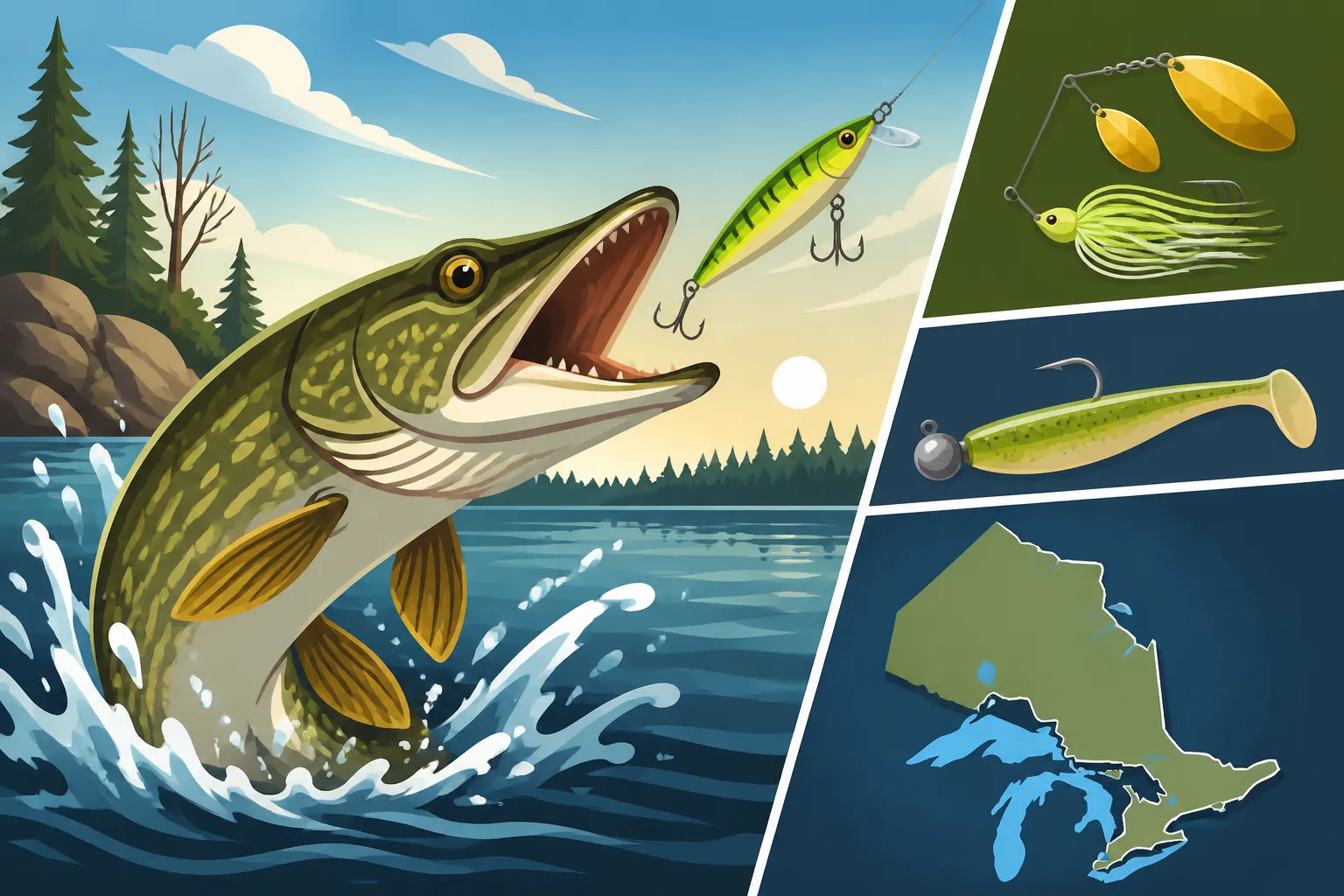
The early spring demands a specific type of lure presentation: one that is slow, enticing, and mimics vulnerable prey. Forget about tiny, subtle offerings; pike want a meal that stands out and looks easy to catch. Large soft plastic swimbaits, anywhere from 5 to 9 inches, rigged on heavy jig heads or weighted swimbait hooks, are incredibly effective. Their lifelike profile and seductive wobble on a slow retrieve are hard for cold-water pike to resist. Brands like Keitech, Strike King, and Z-Man make excellent options readily available on Amazon.
Jerkbaits are another killer choice. Hard plastic jerkbaits with a suspending action, like the Rapala X-Rap or Lucky Craft Pointer, can be twitched and paused, hanging tantalizingly in the water column right in a pike's face. The long pauses are crucial in cold water, giving lethargic fish time to commit. Don't overlook large spoons, either; their flash and wobble on a slow retrieve or flutter on the fall can also be very effective. Finally, for those wanting to try something different, consider large inline spinners that can be retrieved slowly, creating vibration and flash without excessive speed.
Top Lure Presentations and Techniques
When the water is still chillingly cold, presentation is everything. It's not just about what you're throwing, but how you're throwing it. Slow, methodical approaches will almost always outperform aggressive, fast-paced techniques in early spring.
Slow-Rolling Spinnerbaits and Swimbaits
Spinnerbaits and soft plastic swimbaits are absolute workhorses for early spring pike. The key here is the "slow-roll." Instead of burning them back to the boat, you want to retrieve them just fast enough for the blades to turn (on a spinnerbait) or the tail to kick (on a swimbait), keeping them as close to the bottom or through the tops of emerging vegetation as possible. The slow movement allows sluggish pike ample time to track the lure and commit to a strike without expending too much energy.
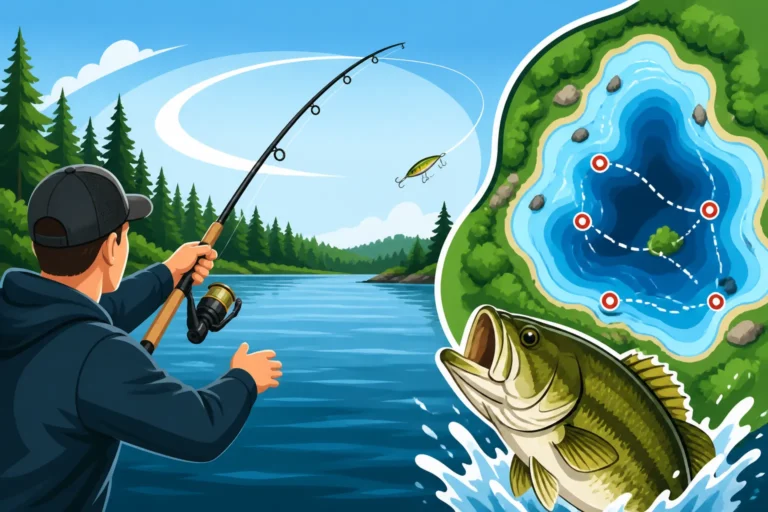
For spinnerbaits, opt for larger blades (Colorado or Indiana styles are good for slower retrieves and more vibration) and larger profiles, perhaps a 1/2 oz to 1 oz size. Pair them with a soft plastic trailer for added bulk and appeal. When using swimbaits, rig them on a heavy enough jig head (1/4 oz to 1 oz, depending on depth) to get them down quickly and keep them in the strike zone. Experiment with different retrieve depths in shallow bays and along weed lines where pike might be holding. Think about covering water methodically, casting in a fan pattern to explore the area thoroughly.
Jerkbaits for Subsurface Strikes
Jerkbaits shine in early spring because they allow for long pauses, which are often the triggers for cold-water pike. A suspending jerkbait, which stays at a specific depth when you stop retrieving, is particularly effective. The technique involves a "twitch, twitch, pause" rhythm. Cast your jerkbait out, let it dive to its suspending depth, then give your rod tip two quick downward jerks, reeling in the slack as you do so. Then, pause. And I mean really pause – sometimes for 5 to 10 seconds, especially if the water is very cold. It's during this pause that many strikes occur, as the bait just hangs there, vulnerable.
The erratic darting motion mimics a wounded baitfish, and the long pause makes it an easy target. Focus on areas with structure, drop-offs, or the edges of emerging weed beds. You might want to consider models from Rapala, Megabass, or Lucky Craft, which are often well-represented on Amazon. The visual flash and enticing suspension of a good jerkbait can often convince a lethargic pike to bite when other lures fail.
Deadbaiting and Live Bait Rigging
Where legal, deadbaiting and live bait rigging can be incredibly effective for early spring pike, particularly when they are extremely sluggish or wary. Check the "Ontario Fishing Regulations Explained" to ensure you understand bait restrictions in your specific fishing zone. For deadbaiting, large herring, smelt, or sucker fillets are popular choices. These can be fished on the bottom with a simple slip sinker rig, or suspended under a large bobber near structure or weed edges. The key is to let the scent disperse and the bait sit still, offering an effortless meal.
Live bait, such as large minnows or suckers, can be fished in a similar fashion, often under a large float or slowly trolled. The natural movement and scent of live bait are often irresistible to pike that aren't actively chasing lures. Ensure you're using appropriate hooks and leaders to prevent bite-offs. It's crucial to minimize handling of live bait and release any unused bait responsibly according to regulations. This passive approach can often out-produce artificial lures when pike are less active, especially in very cold conditions found in some of the deeper "Best Fishing Lakes in Ontario".
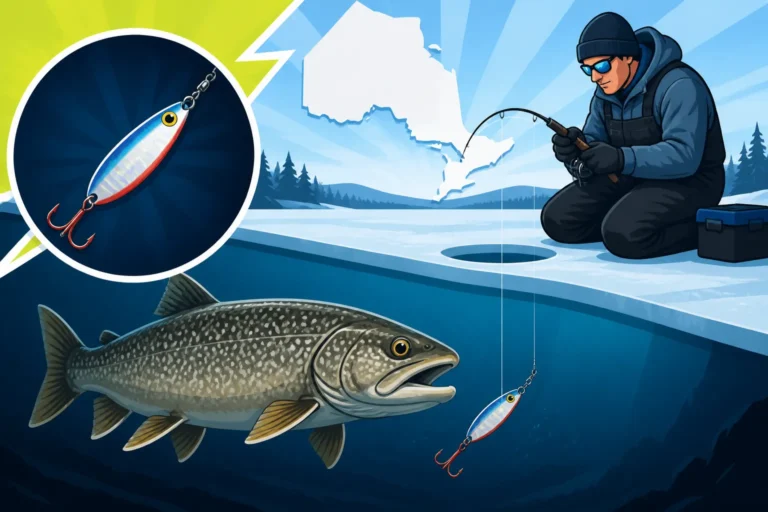
Spoons and Jigs for Vertical Presentations
Spoons and jigs are versatile tools for early spring pike, especially when fish are holding tight to structure or schooled up in specific areas. When pike are suspended or hugging the bottom in a deep transition zone, vertical jigging a spoon or a heavy jig with a soft plastic trailer can be highly effective. The technique involves dropping the lure to the desired depth, then lifting and dropping your rod tip to make the lure flutter and fall enticingly.
Large spoons, like a Doctor Spoon or a Williams Wabler, often come in flashy colors and patterns that appeal to pike. For jigs, pairing a 3/4 oz to 1.5 oz jig head with a large paddle tail swimbait or a grub can create a significant profile and action. This presentation is excellent for probing specific depths, identifying where pike are holding, and targeting them precisely. It's a technique that requires a bit more boat control if you're drifting or on anchor, but it allows for a very controlled and targeted presentation, mimicking dying or struggling baitfish.
Finding Pike in Early Spring Habitat
Early spring pike aren't randomly distributed; they follow predictable patterns tied to their post-spawn recovery and the search for warmer water and available prey. Knowing where to look is half the battle.
Shallow Bays and Weed Edges
As soon as the ice clears, shallow bays are your go-to spots for early spring pike. These areas warm up the fastest, providing a comfortable environment for both pike and their primary forage. Look for bays with dark, mucky bottoms that absorb sunlight, or those that are sheltered from cold winds. These bays often hold remnants of last year's weed growth or the first signs of new emerging vegetation. Pike will stage along these weed edges, using them as ambush points.
Focus on the warmest sections of these bays, especially after a few days of sunshine. The sunny side of a bay or a wind-protected pocket can be a few degrees warmer than the rest of the water, and that's where the pike will be. Slowly work your lures along the weed lines, through pockets in the weeds, and over any submerged structure you find. These areas are crucial immediately after ice-out, and can hold some of the biggest fish as they recover from spawning.
Inflow Areas and Choke Points
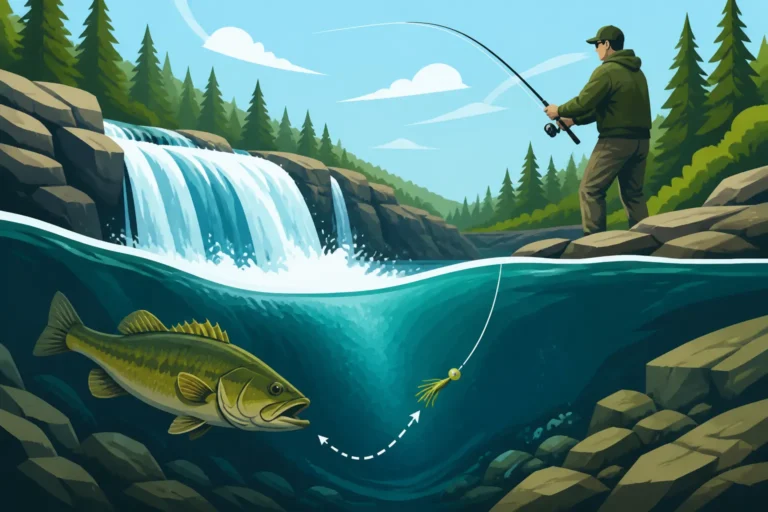
Tributaries, creeks, and rivers flowing into a lake or larger river system can be magnets for early spring pike. These inflows often carry slightly warmer water and nutrients, attracting baitfish, which in turn attract pike. The current created by these inflows can also disorient baitfish, making them easier targets for hungry pike. Fishing the mouth of a creek or river, or any choke point where water flows between islands or through narrow passages, can be incredibly productive.
Pike will often position themselves just outside the main current, waiting for an unsuspecting meal to drift by. These areas can be fantastic for casting larger swimbaits or deadbaiting. On the Bay of Quinte, for example, the mouths of feeder creeks can be early season hotspots for pike and even walleye as they too seek out these warmer, nutrient-rich waters. Always check for specific "Ontario Fishing Regulations Explained" for boundary waters where rivers meet lakes, as rules can sometimes differ.
Structure and Transition Zones
While shallow bays are key, don't overlook main lake structure and transition zones, especially as spring progresses and water temperatures begin to stabilize slightly. Pike will use points, humps, submerged islands, and sharp drop-offs as ambush points. Look for areas where shallow water quickly transitions to deeper water, as these provide both feeding opportunities and quick access to deeper, more stable temperatures.
These transition zones are particularly important after pike have moved out of their immediate post-spawn shallow haunts. They might be staging on these deeper structures before fully dispersing into their summer patterns. A good fish finder can help you identify these subtle contour changes. You might find pike relating to the deeper edges of weed beds, or along the break lines of rocky points. Using vertical presentations like jigs or spoons can be effective here to probe different depths.
Safety and Conservation Tips for Early Spring Pike Fishing
Early spring fishing comes with its own unique set of challenges, from unpredictable weather to potentially fragile fish. Practicing safety and responsible angling is paramount, ensuring both your well-being and the health of Ontario's pike populations.
Cold Water Safety and Dress Code
Even if the air temperature feels mild, early spring water temperatures are dangerously cold. Hypothermia is a serious risk if you accidentally fall in. Always dress in layers, and make sure your outer layer is waterproof and windproof. Thermal underwear, fleece, and wool are your friends. A PFD (Personal Flotation Device) is not just a good idea; it's often legally required, and absolutely essential when on the water. Ensure it fits properly and is worn at all times when in a boat or near open water. Familiarize yourself with "Ontario Life Jacket Requirements for Boaters".
If you're fishing from shore or venturing out on a boat near ice, be incredibly cautious. Ice can be deceptively thin or rotten, even if it looks solid. Never assume ice is safe. If boating, keep an eye on weather forecasts. Sudden cold fronts or strong winds can make conditions hazardous very quickly. Always let someone know where you're going and when you expect to return. Being prepared for the worst can prevent a bad situation from becoming a tragedy.
Handling Pike Responsibly
Pike are incredible fighters, but their powerful jaws and sharp teeth require careful handling to ensure both your safety and the fish's survival. Always carry a long-nosed pair of pliers or a dedicated fish gripper. Never stick your hand in a pike's mouth. When handling, support the fish horizontally with one hand under the belly and the other gently gripping the back of the head or gill plate (not in the gills themselves). Minimize their time out of the water, especially in cold air.
If you plan to release a pike, do so quickly and gently. Revive the fish by holding it upright in the water, allowing water to flow over its gills until it swims away under its own power. Barbless hooks can also make removal much easier and less traumatic for the fish. For those pursuing trophy fish, resources like "Muskellunge Catch and Release Survival Tips" (even though for muskie, many principles apply to pike) can provide excellent guidance on responsible handling practices.
Navigating Ice-Out Conditions
Ice-out is a thrilling time for anglers, but it comes with significant hazards. Shifting ice can create dangerous conditions, blocking access, trapping boats, or creating unstable shorelines. Always check local conditions before heading out. Be aware of large ice sheets that could still be present, especially on larger bodies of water. Even if a bay is open, the main lake might still be covered, or breaking up, posing a navigation risk.
If you're launching a boat, ensure the ramp is clear and safe. Be mindful of floating debris, which is common after ice-out and can damage propellers or lower units. Never assume a patch of ice is stable, and always keep a safe distance. The exhilaration of the first open water of the season can be immense, but prioritizing safety over an extra cast is always the smart choice.
| Lure Type | Best Conditions / Retrieve | Key Characteristics | Brands to Consider (on Amazon) |
|---|---|---|---|
| Swimbaits | Slow-rolled, shallow bays | Realistic profile, soft plastic, enticing tail kick | Keitech, Strike King, Z-Man |
| Jerkbaits | Twitch-pause, structure | Hard plastic, suspending action, erratic darting | Rapala, Lucky Craft, Megabass |
| Spinnerbaits | Slow-rolled, weed edges | Flash & vibration, large blades, silicone skirts | Booyah, Northland, Strike King |
| Spoons | Vertical jigging, casting | Flash, wobble, flutter on fall, metal | Doctor Spoon, Williams Wabler |
| Deadbait/Live | Bottom, under float | Natural scent, movement (live), no effort for pike | Local bait shops |
Disclaimer
The information provided in this guide is for general informational purposes only and does not constitute legal advice. Fishing regulations in Ontario are subject to change, and it is the responsibility of each angler to consult the most current official "Ontario Fishing Regulations Summary" before heading out on the water. Always prioritize safety and practice responsible angling to preserve our natural resources.