Northern Pike Fishing in Ontario
It’s a scenario many of us have faced: you've heard the whispers of monster northern pike lurking in Ontario's vast waters, but you feel completely overwhelmed by where to start. Maybe you’ve cast a few times without success, or perhaps you're just dreaming of your first toothy encounter. Don't worry, friend, you're in the right place! This comprehensive guide is here to unravel the mysteries of northern pike fishing in Ontario, equipping you with the knowledge to confidently target these aggressive, thrilling fish and make your next fishing adventure a resounding success.
Understanding Northern Pike: The Freshwater Shark
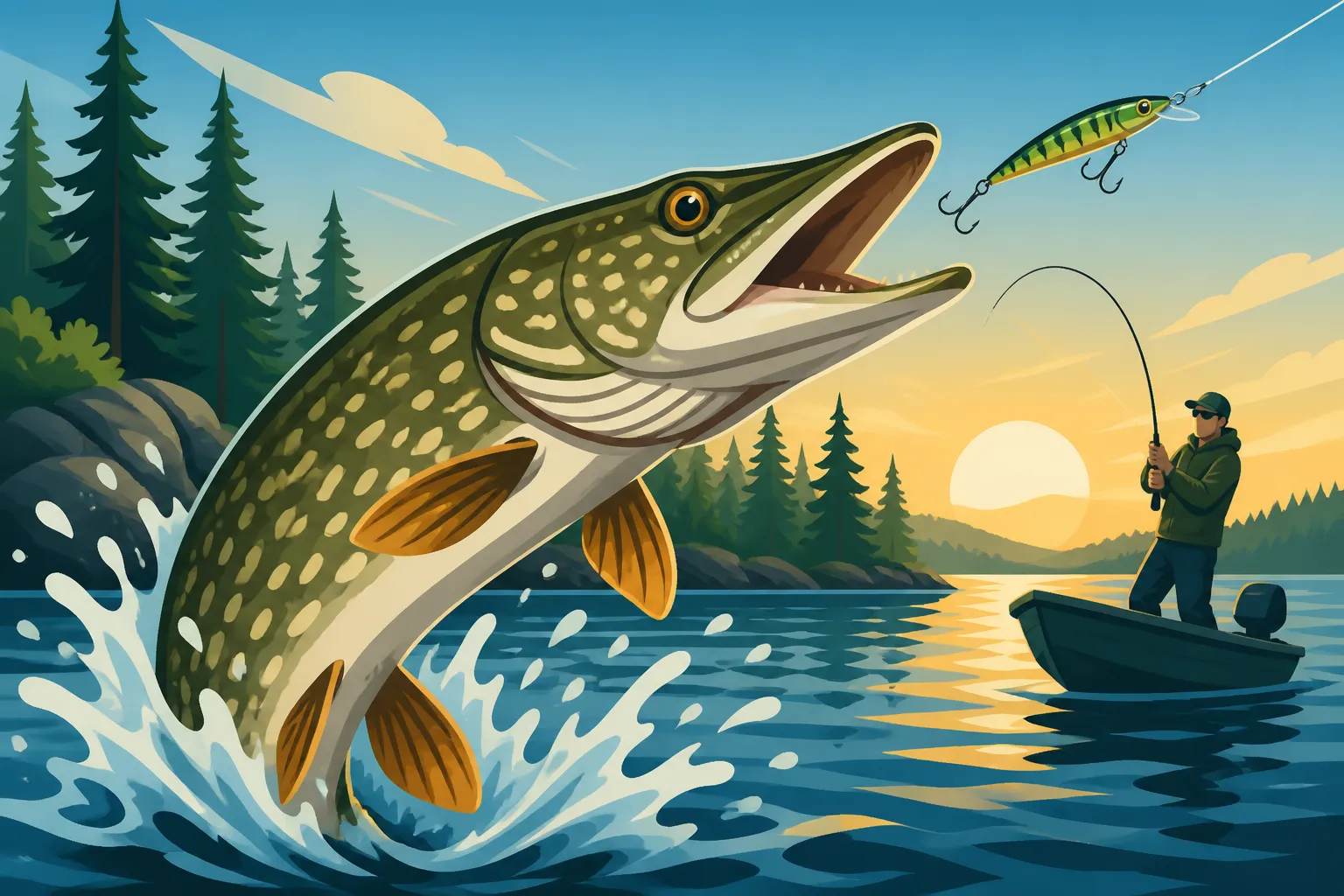
Northern pike truly are one of Ontario's most iconic freshwater predators, often earning the nickname "freshwater sharks" due to their aggressive nature and rows of sharp teeth. They're built for ambush, with long, slender bodies, a duck-billed snout, and fins set far back on their bodies for explosive bursts of speed. For many anglers, the sheer power and unpredictable strikes of a pike make them an irresistible target, offering a fishing experience that can quickly become an addiction.
Pike Identification and Biology
Spotting a northern pike is usually quite straightforward once you know what to look for. Their coloration can vary, often ranging from dark green to olive or even brownish on their backs, fading into a lighter, often yellowish-white belly. Distinctive bean-shaped spots or markings usually pepper their sides. They have a large mouth full of menacing, needle-sharp teeth, and their dorsal and anal fins are located far back on their body, almost directly opposite each other, giving them that torpedo-like profile we talked about. This unique body shape is perfectly designed for quick, powerful lunges from cover.
Pike are known for their impressive size, with many individuals in Ontario growing well over 20 pounds, and some truly massive specimens pushing into the 30-pound range or even higher in prime waters. They are relatively long-lived fish, and their growth rate is largely dependent on food availability and water temperature. They are highly adaptable and can be found in a wide variety of habitats, from shallow, weedy bays to deeper, cooler open water, depending on the season and their feeding patterns. Understanding their basic biology helps immensely in predicting where they'll be and what they'll be doing.
Pike Habitat Preferences
If you're looking for northern pike, think weeds, structure, and ambush points. These fish are masters of camouflage and surprise attacks. In the spring, after the ice melts, you’ll often find them congregating in shallow, sun-warmed bays and marshy areas, especially near submerged vegetation where they spawn. As summer progresses and water temperatures rise, many pike will retreat to deeper, cooler water, but they'll still relate to structure like weed lines, drop-offs, fallen timber, or rocky reefs where they can ambush prey.
During the fall, as water temperatures begin to drop again, pike often become incredibly active, feeding aggressively to build up fat reserves for the winter. This is a fantastic time to target them around deeper weed edges, points, and transition areas. Even under the ice in winter, they'll hold near structure or submerged vegetation, waiting for an unsuspecting meal to swim by. Understanding these seasonal shifts in habitat is key to consistent success.
Top Northern Pike Fishing Spots in Ontario
Ontario is truly a pike angler's paradise, boasting an incredible number of lakes and rivers teeming with these fierce predators. From the vast, remote waters of the north to more accessible lakes closer to population centers, there's a pike destination for every angler. The challenge isn't finding pike, it's deciding where to cast first!
Famous Pike Destinations
When people talk about trophy pike in Ontario, certain names always come up. Lake of the Woods, for example, is legendary. This massive body of water in Northwestern Ontario offers endless bays, islands, and rocky structures that hold truly giant pike. It's an expansive fishery, requiring good navigation and a willingness to explore, but the rewards can be spectacular. Similarly, Eagle Lake and Rainy Lake, also in the Northwest, are renowned for their consistent action and the potential for true giants. These lakes often have a mix of deep, clear water and extensive weed beds, creating ideal pike habitat.
Closer to Central Ontario, larger bodies of water like Lake Nipissing also hold a strong population of northern pike. While perhaps not as famous for "trophy" giants as some northern lakes, it offers excellent numbers and respectable size. Even the mighty Great Lakes, particularly the Georgian Bay area of Lake Huron, have healthy pike populations in their sheltered bays and river mouths. When fishing these larger systems, it's often a good idea to consult local guides or bait shops for up-to-date information on current hot spots and conditions.
Hidden Gems and Accessible Waters
You don't always need to travel to the far reaches of the province to find great pike fishing. Many smaller, more accessible lakes throughout Central and Eastern Ontario offer fantastic opportunities, especially for numbers of fish. Lakes in the Kawartha Lakes region, for instance, are often interconnected by rivers and canals, creating a diverse system where pike thrive in the numerous shallow, weedy bays. The Rideau Lakes system is another excellent choice, offering beautiful scenery alongside productive pike waters.
Even some smaller provincial park lakes or Crown land lakes can hold surprisingly good pike populations. These less-pressured waters might not produce 20-pounders regularly, but they often provide consistent action for eaters and plenty of fun. When exploring these spots, always remember to check the Ontario Fishing Regulations Explained for any specific rules or restrictions that might apply to that particular water body. The beauty of Ontario pike fishing is that a fantastic experience can be found almost anywhere, from remote fly-in camps to a short drive from your backyard.
Essential Gear for Northern Pike
Tackling northern pike means coming prepared. These fish are powerful, have razor-sharp teeth, and will test your gear. Skimping on the right equipment can lead to lost fish, broken lines, and even injuries. Think sturdy, reliable, and sharp!
Rods, Reels, and Line Choices
For pike, you'll want a rod with some backbone. A medium-heavy to heavy power spinning or baitcasting rod, typically 6'6" to 7'6" in length, is a great starting point. The extra length helps with casting heavier lures and provides better leverage when fighting a strong fish. Pair this with a sturdy spinning reel in the 3000-4000 series or a reliable baitcasting reel with a smooth drag system. A good drag is paramount when a large pike decides to make a powerful run.
As for fishing line, braided line is often the preferred choice for northern pike. Its strength-to-diameter ratio is excellent, and it has virtually no stretch, allowing for solid hooksets even at a distance. A 30-50 lb test braided line is usually sufficient. However, the most crucial part of your line setup for pike is the leader. Because of those formidable teeth, a bite-proof leader is absolutely essential. Fluorocarbon leaders in the 40-80 lb test range, or even steel/titanium leaders, are necessary to prevent them from biting through your line. For more detailed advice on this, check out Best leader for pike and muskie fishing. Without a robust leader, your chances of landing a pike are slim to none.
Tackle and Baits
Pike are opportunistic eaters, and a wide variety of lures can entice them. Spoons, especially those with a strong flash and wobble like Dardevles or Johnson Silver Minnows, are perennial favorites. Spinnerbaits, with their vibrating blades and skirted bodies, are also incredibly effective, particularly when retrieved through weed beds. Large inline spinners, crankbaits, and jerkbaits that imitate baitfish are also excellent choices, especially when targeting larger pike in open water or along weed edges. When it comes to soft plastics, large swimbaits or paddle-tail grubs rigged on heavy jig heads can be deadly.
Don't forget the tools you'll need after the fish is hooked! Long-nosed pliers or forceps are absolutely non-negotiable for safely removing hooks from a pike's mouth, protecting both you and the fish. A jaw spreader can also be incredibly helpful, especially for larger, more aggressive fish, to keep their mouth open while you work. A sturdy landing net with rubberized mesh (kinder to the fish) or a reliable BogaGrip-style lip gripper will assist in safely landing and handling the fish. You can find a fantastic selection of all these essential items on platforms like Amazon, often with competitive pricing and quick delivery, ensuring you’re well-equipped for your next trip. Always have a variety of tackle on hand, as pike can be particular about their preferences on any given day.
| Lure Type | Description & Application | Best Conditions |
|---|---|---|
| Spoons | Wobbling, flashy metal lures; good for casting or trolling. | Weedy areas, open water, any season. |
| Spinnerbaits | Wire frame with blades and a skirt; excellent for weeds. | Shallow, weedy bays; retrieves through cover. |
| Inline Spinners | Single blade rotating around a central shaft; visually appealing. | Clear water, casting along weed lines or structure. |
| Crankbaits | Hard-bodied, lipped lures that dive; mimic baitfish. | Open water, trolling, deeper weed edges. |
| Jerkbaits | Erratic, darting action when twitched; effective for active fish. | Clearer water, imitating struggling baitfish, varying depths. |
| Swim Baits | Soft plastic lures designed to imitate natural prey fish. | Casting, slow retrieves, good for larger pike. |
Northern Pike Fishing Techniques
Northern pike are aggressive, but they're not always easy to catch. Their behavior changes with the seasons, water temperature, and available forage. To be consistently successful, you need to adapt your techniques to match their mood and location.
Spring and Summer Strategies
In the spring, right after ice-out, pike often move into very shallow, dark-bottomed bays and channels that warm up quickly. They're looking for warmer water and baitfish that are doing the same, and they're preparing to spawn. Post-spawn, they'll remain in these areas for a while, recovering and feeding heavily. This is an excellent time for casting spinnerbaits, spoons, or shallow-running crankbaits into sparse weeds and along shorelines. Remember, Best Techniques for Early Spring Pike often involve a slightly slower retrieve to account for cooler water and less active fish.
As summer progresses and water temperatures climb, many pike will shift from the shallowest bays to deeper weed lines, submerged humps, and structural elements like rock piles or fallen timber in cooler water. Here, trolling with larger crankbaits or spoons can be very effective, especially if you're covering a lot of water. Casting large swimbaits or jigging spoons along these deep-water structures can also provoke strikes. The key is to find the transition zones where deep water meets cover, as these are classic ambush points. Focus on morning and evening bites when the water is cooler and pike are often more active.
Fall and Winter Ice Fishing Tactics
Fall pike fishing can be absolutely phenomenal. As the water cools, pike become incredibly active, feeding aggressively to fatten up for winter. They often move back into shallower areas, though still relating to deeper weed lines, rock points, and drop-offs. Larger baits generally work best now, as pike are looking for a substantial meal. Casting large jerkbaits, swimbaits, or even oversized spinnerbaits can elicit violent strikes. Trolling bigger crankbaits over expansive flats or along deep weed edges can also be very productive. This is the time to really go for those trophy-sized fish, as they are at their heaviest and most active.
When the lakes freeze over, it's time for ice fishing! Northern pike are a fantastic target through the ice, offering some thrilling battles on tip-ups or heavier jigging rods. Setting up tip-ups with live or dead bait (like large minnows or smelt) fished just above the weed tops or along drop-offs is a classic and highly effective method. Jigging with large spoons or swimbaits can also draw strikes, especially from more aggressive fish. Always remember ice safety and make sure you understand How thick ice needs to be to fish safely in Ontario. Pay attention to areas with green weeds, as these will hold oxygen and baitfish, attracting pike.
Ontario Regulations for Northern Pike
Navigating fishing regulations can sometimes feel like a puzzle, but it's absolutely crucial for responsible and sustainable fishing. Ontario's regulations for northern pike are designed to protect fish populations and ensure healthy fisheries for years to come. Failing to understand or follow these rules can result in fines and other penalties.
Seasonality and Zone Variations
Ontario is divided into numerous Fisheries Management Zones (FMZs), and the regulations for northern pike can vary significantly from one zone to another. This means that an open season in one lake might be a closed season in another, even if they're relatively close geographically. For instance, the general open season for pike might run from January 1 to December 31 in some zones, while others may have specific closed periods, particularly during spawning season in the spring.
It’s your responsibility as an angler to check the current Ontario Fishing Season Dates by Zone for the specific FMZ and water body you plan to fish. This information is readily available in the Ontario Fishing Regulations Summary. Always double-check before heading out, as regulations can be updated. These zone-specific rules are vital for managing local fish stocks effectively, taking into account regional population health and ecological factors.
Bag and Possession Limits
Beyond open seasons, there are strict rules regarding how many northern pike you can keep and possess. These are broken down into daily "bag limits" and "possession limits." The bag limit refers to the number of fish you can catch and keep in one day, while the possession limit is the total number of fish you can have on your person or in your vehicle, boat, or temporary accommodation at any given time. These limits also vary by FMZ and by the type of fishing license you hold – either a "Sport Fishing License" or a "Conservation Fishing License."
A Conservation Fishing License generally has lower bag and possession limits compared to a Sport Fishing License, as it's intended for anglers who wish to keep fewer fish. For example, in some zones, a Conservation License might allow you to keep two pike, while a Sport License might allow four. There might also be size restrictions, such as only being allowed to keep pike under a certain length, or only one pike over a certain length. It's imperative to understand your Ontario Sport vs Conservation Fishing License and the specific limits for the FMZ you are fishing. For a comprehensive overview, refer to the Ontario Bag and Possession Limits by Species in the regulations summary.
Safety and Conservation
Fishing for northern pike is incredibly exciting, but it comes with responsibilities. Their sharp teeth and powerful bodies demand careful handling, and as anglers, we have a duty to ensure the health and sustainability of this incredible fishery. Practicing good conservation and safety habits benefits everyone.
Handling and Release Practices
Due to their sharp teeth, handling northern pike requires extra caution. Never try to grab a pike by the gills or by putting your fingers directly into its mouth. The best and safest way to handle a pike for release is to use a large landing net, a lip gripper, or to carefully support its body with one hand under the belly and the other gripping the base of its head, just behind the gill plates, avoiding the sharp gill rakers. Keep the fish in the water as much as possible, especially during warmer months, as prolonged air exposure can stress them.
When removing hooks, use those long-nosed pliers or forceps we talked about. If the fish has swallowed the hook deeply, it’s often best to cut the line as close to the hook as possible rather than risk further injury trying to extract it. Pike are incredibly tough, and often the hook will eventually rust out. For larger fish, a jaw spreader can be a lifesaver, allowing you to safely access the hook without fear of a sudden bite. Release the fish gently, supporting it until it swims away under its own power. Practicing proper catch-and-release is vital, especially for larger breeding fish, to ensure future generations of pike.
Responsible Angling and Ethics
Beyond safe handling, responsible angling encompasses a broader set of ethical practices. Always adhere to all regulations, including bag limits, size restrictions, and season dates. If you’re unsure, err on the side of caution or release the fish. Never leave litter behind – pack out everything you pack in, and perhaps even a little extra. Dispose of old fishing line properly, as it can be deadly to wildlife.
Respect other anglers and water users, giving them space and avoiding disturbing their fishing spots. If you're fishing from a boat, be mindful of your wake. Consider practicing selective harvest, meaning you keep only a few smaller fish for the table and release the larger, breeding-stock fish. While the larger pike are exciting to catch, they are the future of the fishery. By being good stewards of the environment and the fish, we help ensure that the thrill of northern pike fishing in Ontario remains a vibrant tradition for everyone. And remember, platforms like Amazon offer great products for responsible angling, from high-quality landing nets to litter bags and more, making it easy to equip yourself for ethical practices.
Disclaimer
This article is for general informational purposes only and does not constitute professional advice. Laws, prices and regulations vary by location and change over time. Consult a qualified professional for guidance on your specific situation.