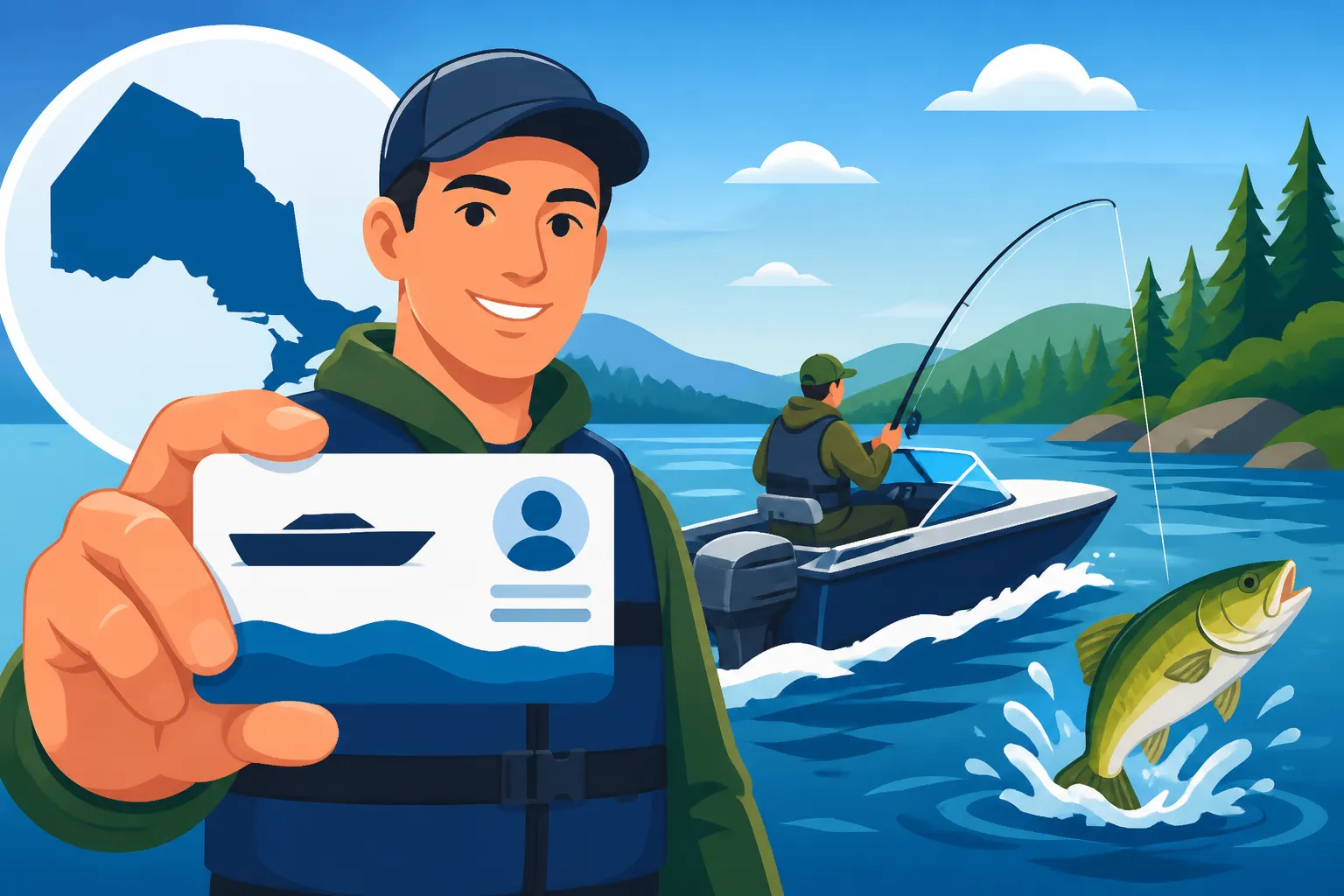
Ontario Pleasure Craft Operator Card Requirement
Navigating the waters of Ontario can be an absolutely incredible experience, offering countless opportunities for memorable fishing trips and serene escapes. However, for many anglers and boaters, the labyrinth of regulations can feel overwhelming, especially when it comes to understanding what documentation you actually need to legally operate your vessel. One of the most common points of confusion revolves around the Pleasure Craft Operator Card (PCOC), and this comprehensive guide is here to clear up all the mystery, ensuring you're confident and compliant on the water.
Understanding the Pleasure Craft Operator Card PCOC
It's easy to get caught up in the jargon and think of the PCOC as just another "license," but let's clear that up right from the start. The Pleasure Craft Operator Card isn't a license in the traditional sense, like a driver's license that needs regular renewal and can be suspended for demerit points. Instead, it's a card that proves you've met a minimum standard of knowledge regarding safe boating practices and regulations. Think of it more as a certificate of competency.
What Exactly is the PCOC?
At its core, the PCOC is official proof that you have successfully completed a boating safety course and passed an accredited exam. This card is federally mandated by Transport Canada, meaning its requirements apply to all recreational boaters across the country, not just in Ontario. The intent behind the PCOC is simple: to make Canada's waterways safer for everyone. By ensuring that operators understand basic navigation rules, emergency procedures, and their responsibilities on the water, the PCOC aims to reduce accidents and promote responsible boating behaviour. It's a one-time achievement; once you earn it, it's yours for life, though you always need to keep up with current regulations. Many people confuse it with a "boat license," but the PCOC is about the operator's knowledge, not the boat's registration.
Who Needs a PCOC to Operate a Boat in Ontario?
This is where the rubber meets the road for many anglers. The general rule is quite straightforward: if you are operating a pleasure craft equipped with a motor in Canada, you need a PCOC. This applies regardless of the length of the boat or the size of the motor. Whether you're cruising in a massive pontoon boat, speeding along in a personal watercraft (PWC), or quietly navigating your 14-foot aluminum fishing boat with a small electric trolling motor, you, as the operator, need to carry your PCOC or other proof of competency.
There are some nuances, of course. For instance, children under a certain age have restrictions on operating vessels of specific horsepower, even with a PCOC. Generally, anyone operating a boat with a motor needs to be at least 16 years old to operate a boat with an engine of 40 HP or more. However, the PCOC requirement itself applies regardless of age, meaning if a younger person is legally able to operate a boat, they too would need their PCOC. It's a common oversight, particularly for families enjoying a day out, where a younger family member might take the helm. Always be sure to check the specific age and horsepower restrictions outlined in the Ontario Boating Laws for Anglers to ensure full compliance.
Vessels Requiring and Exempt from a PCOC
The key differentiator for needing a PCOC is the presence of a motor. If your vessel has any type of motor, even a tiny electric one, and you're using it, you need a PCOC. This includes:
- Traditional motorboats: From small utility boats to large cruisers.
- Personal Watercraft (PWCs): Think Jet Skis, Sea-Doos, and similar craft.
- Sailboats with auxiliary motors: Even if you primarily sail, if you use the motor, you need the card.
- Canoes, kayaks, and stand-up paddleboards with attached motors: This is a big one that often surprises people. As soon as you put an electric trolling motor on your kayak or canoe, even for a brief moment, the PCOC requirement kicks in.
However, there are some important exemptions that often lead to confusion. You generally do not need a PCOC for:
- Purely human-powered vessels: Canoes, kayaks, rowboats, paddleboards, and similar craft that rely solely on paddles, oars, or sails for propulsion. This is why many canoe-anglers can hit the water without a PCOC, but as soon as they clip on that electric motor, the rules change. If you're wondering, "Are Canoes Exempt from the Pleasure Craft Operator Card?" – the answer depends entirely on whether there's a motor involved.
- Sailboats without any motor.
- Foreign visitors: If you're visiting Canada for less than 45 days and operating your foreign-registered boat, you might be exempt. However, if you're renting a Canadian-registered boat, you'll likely need proof of competency.
- Operating a boat under the direct supervision of someone who has a PCOC and is able to take immediate control. This is for learning purposes.
- Operating a boat you rent from a rental company: The rental company will provide a safety checklist that acts as a temporary proof of competency for the duration of the rental.
It's crucial to understand these distinctions because what might seem like a small, harmless electric motor on your canoe suddenly changes the legal requirements for its operator.
The Importance of the PCOC Beyond Compliance
While getting your PCOC is a legal obligation, its value extends far beyond simply avoiding a fine. It's truly about fostering a safer, more enjoyable, and more responsible boating community on Ontario's beautiful waterways. Think of it as investing in peace of mind for yourself and everyone else sharing the water.
Enhancing Boating Safety for Everyone
The PCOC course curriculum isn't just about memorizing rules; it's designed to instill a deep understanding of core boating principles that directly contribute to safety. You'll learn critical aspects like:
- Navigation Rules: Understanding who has the right-of-way, how to pass other vessels, and proper lookout procedures. This is invaluable when you're on a busy lake like Lake Simcoe or the Bay of Quinte, where you're sharing the water with everything from massive cruisers to small fishing boats.
- Aids to Navigation: Deciphering buoys, markers, and lights to know where channels are, identify hazards, and ensure you're always heading in the right direction. It makes a huge difference between confidently navigating and feeling lost or risking running aground.
- Emergency Procedures: What to do if someone falls overboard, how to handle a fire, what equipment you need for distress signals, and basic first aid. These are skills you hope you never need, but are absolutely vital if you do.
- Environmental Considerations: Understanding how your boat's wake affects shorelines and other boats, proper waste disposal, and preventing the spread of invasive species. This knowledge helps protect the very environments we love to fish in.
By having this knowledge, you're not just making yourself safer; you're making the water safer for swimmers, other boaters, and even the wildlife. An informed operator is a predictable operator, and predictability is a cornerstone of accident prevention on the water. Beyond just the card, ensuring your vessel is properly equipped with necessary items is also paramount for safety, and you can learn more about what to carry in the Ontario required boat safety equipment checklist.
Protecting Ontario's Waters and Fisheries
Our ability to enjoy fishing in Ontario is directly linked to the health of our lakes and rivers. The PCOC curriculum often touches on aspects of environmental stewardship, reminding boaters of their role in preserving these precious resources. For instance, understanding the impact of your wake can prevent shoreline erosion and disturbance of fish spawning beds. Knowing how to properly dispose of waste, including fishing line and bait containers, keeps our waters clean.
Furthermore, the course emphasizes preventing the spread of invasive species, such as zebra mussels and round gobies, which can devastate native fish populations and ecosystems. Learning the "Clean, Drain, Dry" protocol for your boat and gear is a crucial takeaway. An operator who understands these principles is less likely to inadvertently harm the aquatic environment, thereby helping to sustain healthy fisheries for future generations. This symbiotic relationship between responsible boating and healthy fish populations is vital, and it ties directly into broader efforts like those described in Ontario Fisheries Management Zones, Explained.
Avoiding Fines and Legal Headaches
Let's be real: nobody wants to be pulled over by the police, especially when you're just trying to enjoy a peaceful day of fishing. The absence of a valid PCOC can quickly turn a relaxing outing into a stressful encounter with law enforcement. Officers from the Ontario Provincial Police (OPP), municipal police forces, and even Canada's Department of Fisheries and Oceans (DFO) or Transport Canada Marine Safety inspectors have the authority to stop you and request proof of competency.
If you are found operating a motorized pleasure craft without the required proof of competency, you can face significant fines. These aren't just minor penalties; they can quickly add up and really put a damper on your wallet. For instance, in Ontario, the Ontario minimum fine for no Pleasure Craft Operator Card can be several hundred dollars, plus additional court costs or administrative fees. Imagine having to explain that to your fishing buddies or family after a day on the lake! It's an easily avoidable headache. Beyond the financial impact, there's the inconvenience and the potential for your trip to be cut short if authorities deem it necessary. Getting the card once means you never have to worry about this specific regulation again.
How to Obtain Your Pleasure Craft Operator Card
Getting your PCOC might seem like a chore, but honestly, it's a straightforward process designed to be accessible to everyone. The convenience of online courses has made it easier than ever to complete the requirements from the comfort of your own home, fitting it into your schedule.
Choosing an Accredited Course Provider
The most important step is to choose a course provider that is officially accredited by Transport Canada. There are several reputable companies offering these courses, both online and sometimes in-person classroom settings. Online courses are by far the most popular choice these days, offering flexibility to learn at your own pace. These providers typically have engaging content, including videos, interactive quizzes, and clear explanations of the regulations.
When looking for a provider, do a quick search for "Transport Canada accredited PCOC courses." Some popular choices include Boat Smart Exam, MyBoatCard.com, and BOATsmart! Canada. You can even find study guides or preparatory materials available on platforms like Amazon, which can be a helpful supplement to the official course material, though always ensure your final course and exam are from an accredited provider. Make sure the provider clearly states their accreditation status to ensure your card will be valid.
The Course and Exam Process
Once you've selected your provider, you'll typically sign up for an online course. The course content is usually broken down into several modules, covering everything from boating basics and navigation rules to emergency preparedness and environmental responsibility. Each module will have quizzes or interactive elements to help reinforce the material. You can usually go through these at your own pace, pausing and resuming as needed.
After completing all the course modules, you'll be eligible to take the final exam. This is a proctored, multiple-choice exam, usually consisting of 50 questions. You'll need to achieve a passing grade, often around 75-80%, to successfully earn your PCOC. Don't worry if you don't pass on the first try; most providers offer a free re-test, sometimes after a short waiting period, allowing you to review the material before trying again. The exam is designed to ensure you've absorbed the critical information for safe operation. For a detailed breakdown of the associated costs, you can consult the Ontario Pleasure Craft Operator Card cost guide.
Receiving and Carrying Your PCOC
Once you successfully pass the exam, most accredited providers will issue you a temporary PCOC immediately via email. This temporary card is typically valid for 60-90 days and serves as your legal proof of competency until your permanent, plastic card arrives in the mail. The permanent card usually takes a few weeks to be processed and shipped, so be patient.
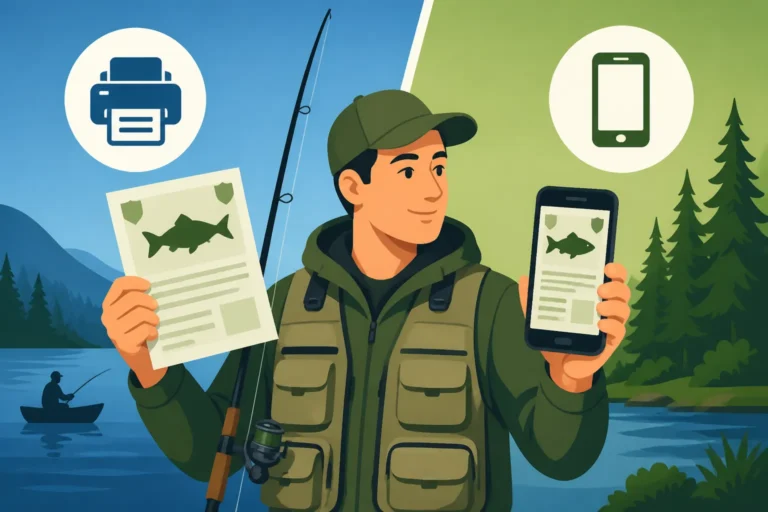
The crucial part is this: you are legally required to carry proof of competency with you at all times when operating a motorized pleasure craft. This can be your physical PCOC, a printed copy of your temporary card, or even a digital copy on your phone or other device, provided it's easily accessible and legible. It's smart to keep your physical card protected in a waterproof pouch on your boat, alongside other important documents. Unlike some licenses, the Does a Pleasure Craft Operator Card Expire in Ontario? never expires – once you have it, it's yours for life! This makes it a truly worthwhile one-time investment for any boater.
Common Questions and Misconceptions About the PCOC
Despite its straightforward nature, the PCOC still generates a lot of questions and sometimes persistent misconceptions among boaters. Let's tackle some of the most frequent ones to help clear the air.
"Do I Really Need It for My Small Fishing Boat?"
This is perhaps the most common question, and the answer, for the vast majority of cases, is a resounding yes. The size or horsepower of your motor does not exempt you. If it's a pleasure craft and it has any motor, you need the PCOC. This includes:
- Small aluminum boats with a 9.9 HP outboard.
- Inflatable dinghies with a tiny gas motor or electric motor.
- Canoes or kayaks with a 30 lb thrust electric trolling motor.
Many anglers using small, often older, aluminum boats with modest outboards are under the impression that the rule doesn't apply to them. They might think it's only for "big boats" or "speed boats." This is a dangerous misconception. Transport Canada's regulations are clear: any motorized pleasure craft requires the operator to have proof of competency. This is especially important as more and more kayak and canoe anglers add small electric motors for easier propulsion, making their otherwise paddle-powered vessels subject to the PCOC rule. Don't get caught off guard!
PCOC for Non-Residents and Visitors
If you're a visitor to Ontario, whether from another Canadian province or another country, the PCOC requirements can be a bit confusing. Let's break it down:
- Canadian Residents from Other Provinces: The PCOC is a national standard. If you obtained your PCOC in British Columbia, Quebec, or any other Canadian province, it is fully valid in Ontario. You do not need to get a new one. Just ensure you carry it with you.
- International Visitors: If you are a non-resident of Canada and are operating your own pleasure craft (registered in your home country) for less than 45 consecutive days, you typically don't need a Canadian PCOC. However, you must carry proof of competency from your home country that is equivalent to the Canadian PCOC. This could be a government-issued boating license or an accredited course completion certificate. If you are renting a pleasure craft in Canada, however, the rental company will provide you with a temporary proof of competency (a safety checklist) that is valid for the duration of your rental, eliminating the need for you to obtain a Canadian PCOC specifically for that rental period. It's always best practice to carry any boating credentials you possess when visiting. Always refer to the Ontario Boating Laws for Anglers for the most current rules for non-residents.
PCOC vs. Boat Registration and Licensing
Another common source of confusion is the difference between the PCOC and boat registration or licensing. These are two completely separate requirements, addressing different aspects of boating:
- Pleasure Craft Operator Card (PCOC): This is for the person operating the boat. It proves your knowledge and competency in operating a pleasure craft safely. It's about who is driving.
- Pleasure Craft License (Registration/Licensing): This is for the boat itself. It's essentially a unique identification number (similar to a license plate) issued to the vessel. This license is generally required for pleasure crafts with a motor of 10 horsepower (7.5 kW) or more. The license number must be displayed prominently on the bow of the boat. It's about identifying which boat is on the water.
So, you need your PCOC to operate the boat, and the boat itself needs to be licensed or registered (if it meets the criteria). One is about the operator, the other about the vessel. They are not interchangeable. You can find more comprehensive details on the vessel-specific requirements in Ontario Boat Registration and Licensing Rules.
Special Considerations for Anglers
For those of us who live for the thrill of the catch, understanding the PCOC's role in our fishing adventures is particularly important. Modern fishing techniques and equipment mean that even the most dedicated shore or paddle anglers might find themselves needing a PCOC.
Kayak and Canoe Anglers with Motors
The rise of kayak and canoe fishing has been incredible, offering a quiet and intimate way to explore Ontario's waters. However, with the increasing popularity of small electric trolling motors for these paddlecraft, many anglers unknowingly step into PCOC territory. It's a game-changer when you're covering vast distances on a lake or fighting current in a river.
If you attach any electric trolling motor or small gas motor to your fishing kayak or canoe, even temporarily, you, as the operator, are legally required to possess a PCOC. This catches a lot of folks off guard, as they assume their paddle-powered vessel remains exempt. The moment that motor is on and being used, even for a short burst to reposition, the rule applies. It's important to factor this into your plans if you're considering upgrading your paddlecraft with motorized assistance. These portable motors are easily acquired, with many options available on Amazon for convenient delivery right to your door, making the PCOC requirement an even more pertinent consideration for many.
Integrating PCOC Knowledge with Fishing Regulations
Beyond the obvious safety benefits, the knowledge gained from a PCOC course can actually make you a more effective and compliant angler. Understanding navigation rules helps you safely access prime fishing spots without interfering with other boaters or inadvertently entering restricted zones. For example, knowing how to interpret charts and buoys can guide you through tricky channels to a secret walleye hole, while avoiding shallow hazards or protected areas.
Moreover, the PCOC curriculum's emphasis on environmental responsibility directly ties into fishing ethics. Knowing about sensitive habitats and how your boat's presence can affect them means you're more likely to practice responsible angling. This awareness helps ensure you're not disturbing spawning fish or fragile ecosystems. This also extends to understanding where and when you can fish, especially in light of specific rules outlined in the Ontario Fishing Regulations Explained and awareness of Special Regulation Waters in Ontario.
Equipping Your Boat for Safety and PCOC Compliance
The PCOC course isn't just about theory; it's also about practical safety. A significant portion of the curriculum focuses on understanding the minimum safety equipment required onboard your vessel. This isn't just a suggestion; it's the law, and police actively enforce these requirements. Knowing what to carry, and where to store it for easy access, is crucial.
For instance, the PCOC course will cover the different types of personal flotation devices (PFDs) or life jackets and the legal requirements for having one on board for every person. It will also detail requirements for sound-signaling devices, bailing devices (like a bucket), fire extinguishers (for certain motor sizes), navigation lights, and a proper anchor with line. Equipping your boat with these items, as taught in your PCOC course, not only keeps you compliant but also drastically increases your safety margin on the water. Many required safety items can be found in convenient bundles online, and you can often check Amazon for a wide selection of Coast Guard-approved safety kits. For a comprehensive list of what you need, be sure to review the Life Jacket Requirements for Ontario Boaters and the general safety equipment checklist.
PCOC Requirements by Vessel Type
To help summarize the requirements for different common pleasure craft in Ontario, here's a handy table:
| Vessel Type | Motorized? | PCOC Required for Operator? | Key Considerations |
|---|---|---|---|
| Motorboat (any size, any HP) | Yes | Yes | Regardless of boat size or engine horsepower, the operator needs a PCOC. This includes small fishing boats. |
| Personal Watercraft (PWC) | Yes | Yes | All PWC operators must have a PCOC. Additional age restrictions apply (e.g., generally 16+ to operate a PWC). |
| Sailboat with Auxiliary Motor | Yes | Yes | If you use the motor at any point, the operator needs a PCOC. |
| Canoe/Kayak with Electric Trolling Motor | Yes | Yes | This is a common point of confusion. The moment a motor is attached and used, the PCOC is required for the operator. |
| Canoe/Kayak (purely paddle-powered) | No | No | Operators of purely human-powered vessels do not require a PCOC. |
| Rowboat/Dinghy (purely oar-powered) | No | No | Operators of purely human-powered vessels do not require a PCOC. |
| Rental Boat (motorized) | Yes | No (temporary proof provided) | Rental companies provide a safety checklist that acts as temporary proof of competency for the duration of the rental. You still need to understand safe boating practices. |
| Foreign-Registered Boat (visitor, <45 days) | Yes | No (foreign equivalent) | Non-resident operators of their own foreign-registered boat for less than 45 days may use their home country's equivalent proof of competency. If renting a Canadian boat, see "Rental Boat" entry. |
Disclaimer
The information provided in this guide is intended for general informational purposes only and does not constitute legal advice. While we strive to keep the content up-to-date and accurate, boating regulations can change. It is always the responsibility of the boater to consult the official Transport Canada website and the current Ontario Fishing Regulations Summary for the most precise and legally binding information before heading out on the water. Compliance with all federal, provincial, and local laws is essential for safe and legal boating.