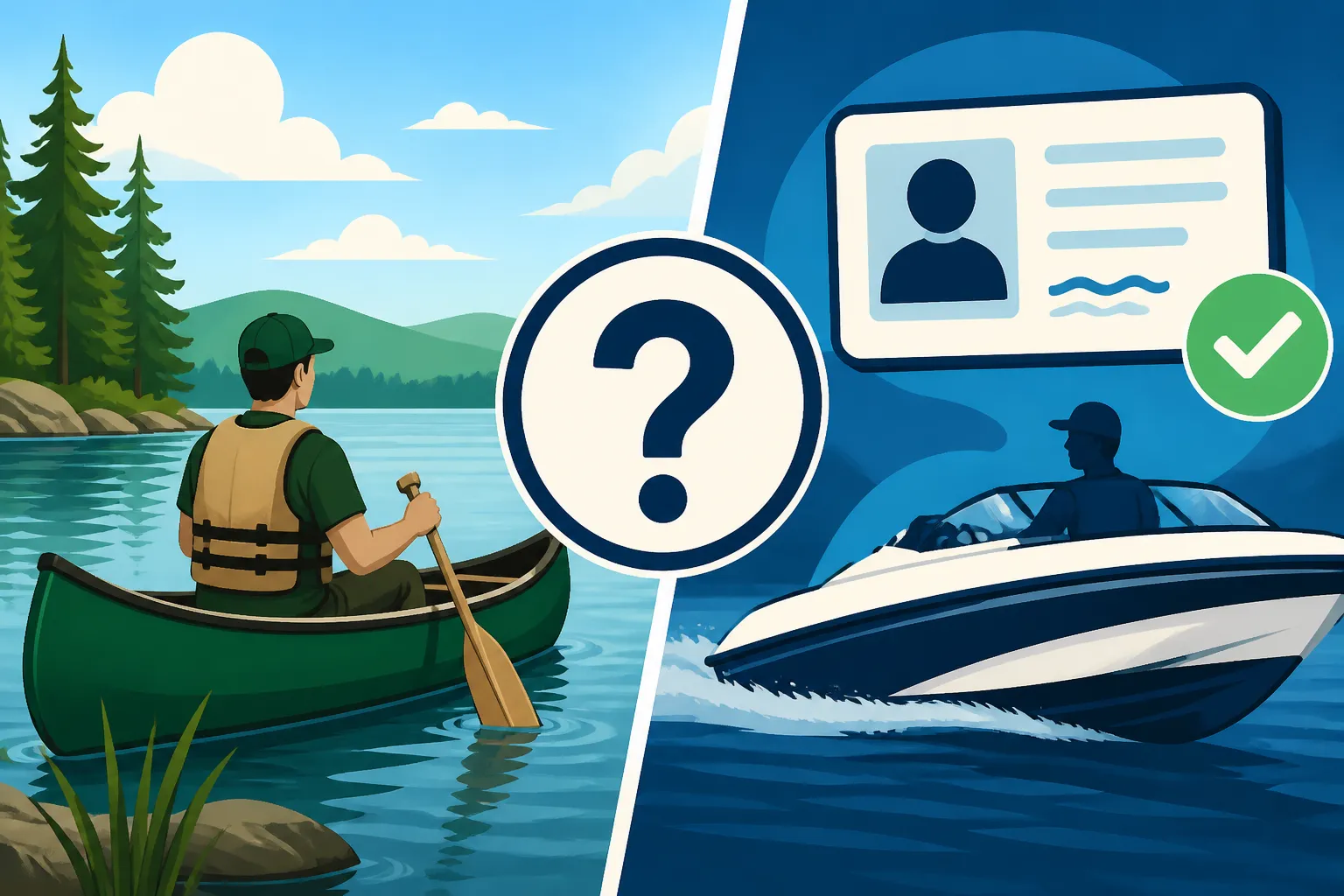
Are Canoes Exempt from the Pleasure Craft Operator Card?
It’s a fair question that trips up a lot of folks who just want to enjoy the peace of an Ontario lake from their canoe: do you really need a Pleasure Craft Operator Card (PCOC) for something as simple as paddling a canoe? The answer, like many things involving regulations, isn't a simple yes or no, but it’s crucial to understand to stay on the right side of the law and, more importantly, stay safe. This guide will paddle through the details, clearing up any confusion about PCOC requirements for canoes in Ontario.
Understanding the Pleasure Craft Operator Card (PCOC) in Ontario
The Pleasure Craft Operator Card is a small card that holds a lot of weight when it comes to boating in Canada. It’s essentially proof that you’ve passed a boating safety course and understand the rules of the water. For many, it feels like just another hurdle, but it's fundamentally about safety and ensuring everyone sharing our beautiful lakes and rivers has a basic level of knowledge.
What is the PCOC and Why Does it Matter?
At its heart, the PCOC is designed to increase boating safety by ensuring operators possess a minimum competency in navigation rules, safe boating practices, and emergency procedures. Think of it like a driver's license for the water. Without this card, you might unknowingly put yourself or others at risk, simply because you're unaware of basic rules like right-of-way, proper lookout, or how to react in different weather conditions.
The federal government, through Transport Canada, mandates the PCOC for anyone operating a "powered pleasure craft" in Canadian waters. This isn't just a suggestion; it's a legal requirement. Being caught without one can result in fines, and believe me, enforcement officers from the Ontario Provincial Police (OPP) or other agencies aren’t shy about checking. It’s a bit of a pain to get, but the knowledge gained is invaluable, especially if you ever consider moving up to a motorboat. If you're curious about the general rules, our guide on Ontario Boating Laws for Anglers covers a lot of ground.
Who Needs a PCOC?
Generally speaking, anyone operating a pleasure craft equipped with a motor in Canadian waters needs to carry a PCOC, regardless of their age or the size of the boat. There are some specific exceptions, like visitors from other countries operating their own vessel for less than 45 consecutive days, or those under direct supervision of someone who holds a PCOC. However, for most residents and visitors who regularly boat in Ontario, the PCOC is a must-have.
The key word here, and what we’ll dive into deeper, is "powered." This distinction is critical because it directly addresses whether your canoe needs a PCOC. For those operating larger vessels or even smaller ones with motors, understanding Ontario Pleasure Craft Operator Card Requirement is essential to avoid any legal troubles on the water.
The Crucial Distinction: Powered vs. Non-Powered Vessels
This is where the rubber meets the road, or rather, where the paddle meets the water. The PCOC requirement hinges entirely on the type of propulsion your vessel uses. For canoeists, this distinction is everything.
Defining a Pleasure Craft in Canadian Regulations
Transport Canada defines a pleasure craft as a vessel used for pleasure, recreation, or sport, and not for commercial purposes. The critical part for the PCOC, however, is whether it’s "powered." A "powered pleasure craft" is explicitly defined as a pleasure craft fitted with a motor. This means if your boat has an engine, whether it's gasoline, electric, or even steam (though I haven't seen a steam-powered canoe lately!), you're operating a powered vessel.
This definition captures everything from massive cruisers and speedboats to modest fishing boats and personal watercraft. The underlying logic is that motors introduce speed, mechanical failure points, and greater potential for harm if not operated responsibly. Therefore, operators need to demonstrate a basic level of competence.
Canoes, Kayaks, and Other Manual Propulsion
Here's the good news for traditional paddlers: if your canoe, kayak, stand-up paddleboard, or even a rowboat is propelled solely by human power (paddles, oars, or sails under 6 square meters), it is generally considered a non-powered vessel. And because it's non-powered, the operator is exempt from the requirement to carry a Pleasure Craft Operator Card.
This means you can happily paddle your canoe through Algonquin Park, explore the Kawartha Lakes, or quietly fish the French River without needing to show a PCOC to a marine enforcement officer. The regulations recognize that human-powered vessels operate at much slower speeds, typically have a smaller environmental footprint, and present a different risk profile compared to their motorized counterparts. This exemption makes getting out on the water in a canoe much more accessible for many, without the added administrative step of getting certified.
When a Canoe Might Require a PCOC
Now, for the important caveat: while a purely human-powered canoe is exempt, there's a common scenario that instantly changes its classification, and many paddlers miss this critical detail.
The Motorized Canoe Conundrum
This is the big one. The moment you attach any form of motor to your canoe, even the smallest electric trolling motor, your canoe transforms from a non-powered vessel into a "powered pleasure craft" in the eyes of the law. And as we just discussed, operating a powered pleasure craft absolutely requires the operator to hold a PCOC.
This catches a lot of people by surprise. Perhaps you decided to add a small electric motor to your canoe to cover more water or help fight a current on a river system like the Ottawa River. You might think, "It's just a little motor, nothing like a big outboard." However, the regulations don't differentiate by motor size or type when it comes to the PCOC. If it has a motor, you need the card. This applies whether you're using a tiny battery-powered unit or a small gas outboard. The convenience of a motor comes with the responsibility of holding your PCOC. If you're thinking about adding a motor, be sure to understand what this entails, including understanding Ontario Boating Laws for Anglers.
Legal Interpretations and Enforcement Realities
Transport Canada’s regulations are quite clear on this. The presence of a motor dictates the PCOC requirement. Enforcement officers, whether it's the OPP Marine Unit on Lake Simcoe or local conservation officers in more remote areas, are well aware of this distinction. They will often approach vessels, including motorized canoes, to conduct routine safety checks. During these checks, they’ll ask for your PCOC. If you're operating a canoe with a motor and can't produce one, you could face a fine.
It's not uncommon for officers to encounter individuals genuinely surprised by this rule, believing their small electric motor was an exception. Unfortunately, ignorance of the law is rarely a valid defense. So, before you zip out onto the water with that new trolling motor attached to your canoe, make sure you've completed your PCOC course and have your card readily available. It’s always better to be prepared than to face an unexpected penalty for Fishing Without a License in Ontario: Penalties or, in this case, boating without the proper certification.
Beyond the PCOC: Essential Safety for Canoeists
Regardless of whether your canoe is motorized or not, safety should always be your top priority. While the PCOC focuses on powered vessels, all watercraft in Canada, including human-powered canoes, have specific safety equipment requirements that you must adhere to.
Required Safety Equipment for Canoes (Motorized or Not)
This is a non-negotiable part of safe canoeing. Even if you're exempt from the PCOC, you still need to have certain safety gear on board. These requirements are in place to ensure you have the tools necessary to handle common emergencies. For any canoe up to 6 meters (about 19.7 feet) in length, here’s what you generally need:
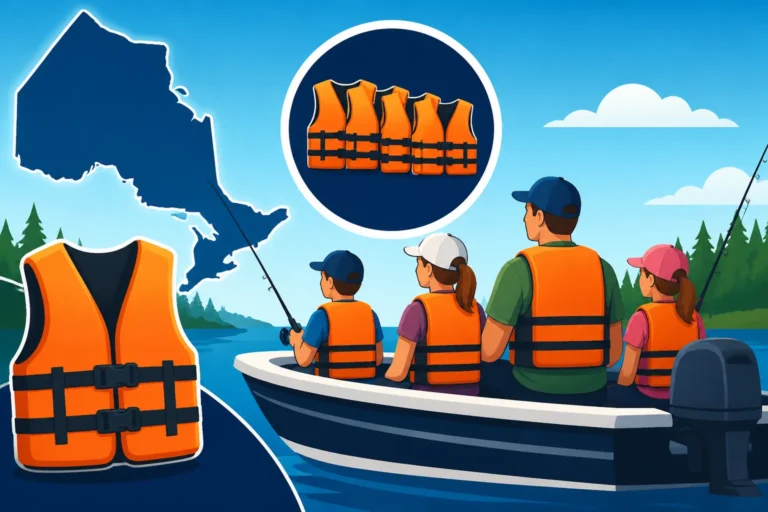
- One Canadian-approved Personal Flotation Device (PFD) or lifejacket for each person on board: This is paramount. While you don't legally have to wear it at all times (though it's highly recommended, especially for children), it must be readily available and fit the wearer. For instance, if you're out fishing on a calm day, having it nearby is fine, but in rougher conditions or with inexperienced paddlers, wearing it could save a life. You can find a wide range of reliable PFDs and lifejackets for all ages on Amazon.
- One buoyant heaving line (at least 15 meters long): This is your rescue rope to throw to someone in the water.
- A bailer or manual pump: Essential for removing water from your canoe after a capsize or if you take on waves.
- A sound-signalling device: A whistle is the most common and easiest to carry. It’s for attracting attention in an emergency.
- A watertight flashlight (if operating between sunset and sunrise or in periods of restricted visibility): If you plan to be out after dark or in foggy conditions.
- A paddle or oar: Even if you have a motor, always carry a paddle as a secondary means of propulsion in case of engine failure.
Failing to have these items can also lead to fines. It's truly a matter of being prepared for the unexpected. Our detailed guide on Life Jacket Requirements for Ontario Boaters further explains the specific regulations for PFDs.
Best Practices for Safe Canoeing in Ontario
Beyond the legal requirements, adopting best practices can significantly enhance your safety and enjoyment on the water.
- Check the Weather: Ontario weather can change quickly. A sunny morning on Lake Huron can turn into a windy, wave-filled afternoon. Always check the forecast before heading out, and be prepared to cut your trip short or stay ashore if conditions deteriorate.
- Tell Someone Your Plans: Inform a reliable person on shore about your route, your estimated time of departure and return, and who is with you. This "float plan" is crucial for search and rescue efforts if you don't return as expected.
- Paddle with a Buddy: Whenever possible, paddle with at least one other canoe or person. There’s safety in numbers, especially if someone capsizes or has an emergency.
- Dress for the Water Temperature, Not the Air Temperature: This is especially critical in early spring or late fall when the air might feel warm, but the water is still dangerously cold. Hypothermia is a real threat. Layers of quick-drying materials are best. Many specialty outdoor clothing items, suitable for these conditions, can be found on Amazon.
- Know Your Limits: Don’t attempt a trip that’s beyond your skill level or the capabilities of your equipment. Rivers with strong currents or large, open lakes on windy days can be very challenging.
- Learn Basic Rescue Techniques: Knowing how to perform a self-rescue or assist a swamped canoe can make all the difference. There are many excellent courses available from organizations like Paddle Canada that teach essential canoeing and safety skills. For those venturing into more remote areas, understanding first aid specific to wilderness environments is also highly recommended.
Remember, a PCOC might not be mandatory for your human-powered canoe, but a commitment to safety and preparedness absolutely is. It's about respecting the water and ensuring everyone has a memorable and safe experience.
PCOC Requirements for Canoes in Ontario: A Quick Reference
To help clarify the requirements at a glance, here’s a summary of PCOC and essential safety equipment for canoes in Ontario.
| Canoe Type | Propulsion Method | PCOC Required for Operator? | Minimum Safety Equipment (Always Required) | Additional Considerations |
|---|---|---|---|---|
| Traditional Canoe | Paddles/Oars (Human-powered) | No | – 1 PFD/lifejacket per person – Buoyant heaving line (15m) – Bailer/Manual pump – Sound-signalling device (e.g., whistle) – Paddle/Oar |
– Highly recommend wearing PFD – File a float plan – Check weather conditions |
| Motorized Canoe | Electric or Gas Motor | Yes | – 1 PFD/lifejacket per person – Buoyant heaving line (15m) – Bailer/Manual pump – Sound-signalling device (e.g., whistle) – Paddle/Oar – Watertight flashlight (if operating between sunset/sunrise or restricted visibility) |
– Must carry PCOC – File a float plan – Check weather conditions – Ensure motor is serviced |
Knowing these details is not just about avoiding fines; it's about embracing responsible boating and ensuring that your time on Ontario's beautiful waters is as safe and enjoyable as possible. Whether you’re paddling quietly or using a small motor to explore farther, being informed is your best tool. You can find much of the required boat safety equipment checklist items, like whistles and bailers, at retailers or online stores like Amazon.
Disclaimer
The information provided in this article is for general guidance and informational purposes only and does not constitute legal advice. While we strive to keep the information up-to-date and correct, regulations can change. Always consult the official Transport Canada boating regulations or contact the Ministry of Natural Resources and Forestry (MNRF) or Transport Canada directly for the most current and specific requirements.