Ontario yellow perch limit on Lake Erie
It's incredibly frustrating when you're geared up for a fantastic day on Lake Erie, dreaming of those delicious yellow perch, only to realize you're not entirely sure about the exact catch limits. Regulations can feel like a moving target, changing by species, body of water, and even the type of license you hold. This guide aims to cut through that confusion, providing clear, up-to-date information on the yellow perch limit on Lake Erie for Ontario anglers, helping you stay compliant and enjoy your fishing experience without worry.
Understanding the Current Yellow Perch Limit on Lake Erie
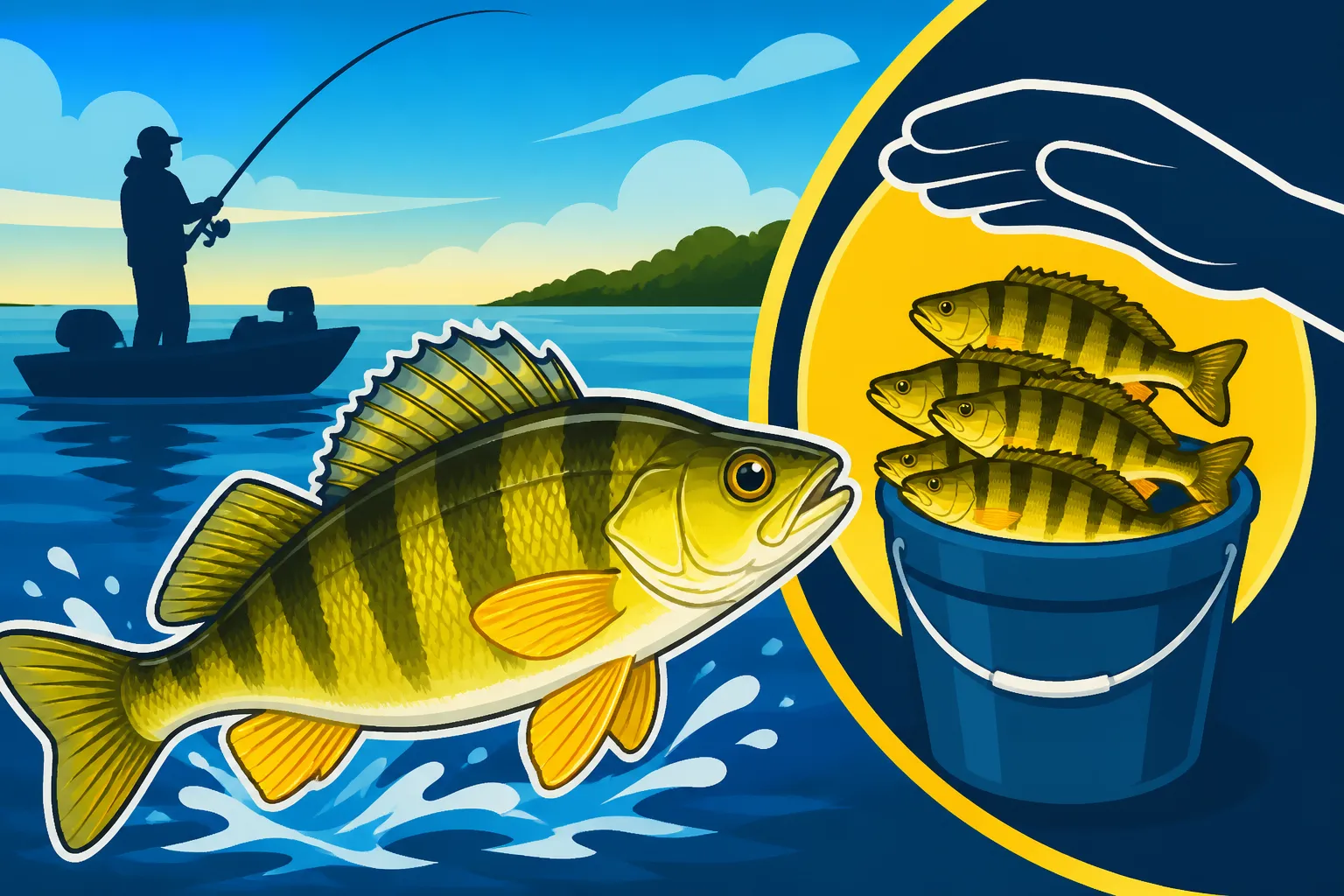
Lake Erie is a true gem for yellow perch fishing, known for its abundant populations of these tasty panfish. However, with great fishing comes great responsibility, and that means adhering to the regulations set out to ensure the fishery remains healthy for generations to come. The specific limits for yellow perch on Lake Erie fall under the rules for Fisheries Management Zone (FMZ) 20. It’s crucial to know these numbers before you even cast your first line.
The Specific Daily Catch and Possession Limits
When you're out on the vast waters of Lake Erie, whether it’s a calm summer morning or a chilly autumn afternoon, you need to be aware of two key numbers: your daily catch limit and your possession limit. These are not interchangeable, and mixing them up can lead to a fine.
For yellow perch in FMZ 20 (which includes Lake Erie and its tributaries up to the first dam or obstruction), the limits generally depend on the type of fishing license you hold. Most anglers will have either a Sport Fishing License or a Conservation Fishing License, each carrying different privileges and responsibilities. If you're unclear on the difference, our guide on Ontario Sport vs Conservation Fishing License offers a great overview.
Here’s a breakdown of the typical yellow perch limits for Lake Erie (FMZ 20):
| License Type | Daily Catch Limit (Yellow Perch) | Possession Limit (Yellow Perch) |
|---|---|---|
| Sport Fishing License | 50 fish | 100 fish |
| Conservation Fishing License | 25 fish | 50 fish |
The "daily catch limit" is the maximum number of fish you can catch and keep in a single day, regardless of how many you might have released. The "possession limit" is the total number of fish you can have on your person, in your cooler, in your vehicle, or at your temporary accommodation (like a cottage or campsite) at any given time. This means if you catch your daily limit of 50 perch on a Sport License on Monday, you can't go out on Tuesday and catch another 50 if you still have all 50 from Monday in your possession. You can only possess up to 100 at any one time. If you decide to keep fewer for consumption, great! But always keep these two numbers in mind.
Consider a scenario: you're fishing with a buddy, and both of you have a Conservation Fishing License. In theory, you could each catch and keep 25 yellow perch on a given day, for a total of 50 fish in your boat or cooler. However, you must also be mindful of the possession limit. If you plan to fish for multiple days, you can't simply accumulate daily limits without regard for the possession limit. If you kept your 25 perch on Monday, you'd have 25 in your possession. On Tuesday, you could catch another 25, bringing your possession total to 50. If you wanted to fish a third day and keep more, you would need to consume or give away some of the previously caught fish to stay within that 50-fish possession limit. It's about cumulative totals, not just daily catches.
Why These Limits Exist: Conservation and Sustainability
These limits aren't just arbitrary numbers meant to complicate your fishing trip. They are carefully determined by the Ministry of Natural Resources and Forestry (MNRF) based on scientific data, population surveys, and environmental factors. The primary goal is conservation and ensuring the long-term sustainability of the yellow perch fishery in Lake Erie.
Lake Erie is incredibly productive, but even its vastness has limits. Yellow perch are a highly sought-after species, both by recreational anglers and commercial fisheries, making them particularly susceptible to overfishing if not properly managed. The MNRF uses these regulations to balance the enjoyment of anglers with the health of the fish populations. If limits were too high, or non-existent, it wouldn't take long for the perch population to suffer, leading to fewer fish for everyone in the future.
Think about it from a biological perspective: if every angler kept every perch they caught, especially during prime seasons, the number of breeding fish could decline, impacting future generations. These limits ensure that enough fish survive to spawn and replenish the population naturally. They also help distribute the catch among a larger number of anglers, promoting a more equitable and sustainable resource. It’s a delicate ecosystem, and every angler plays a part in keeping it healthy. Understanding the "why" behind the rules can make them easier to accept and follow. For a broader look at all the rules, check out our comprehensive Ontario Fishing Regulations Explained guide.
Navigating Ontario's Fishing Regulations Summary
Feeling a bit overwhelmed by all the numbers and zones? You're not alone! Many anglers find it challenging to keep up with the ins and outs of Ontario's fishing regulations. Fortunately, the province provides an excellent resource: the Ontario Fishing Regulations Summary. This is your go-to manual for everything from catch limits to season dates.
Key Sections to Look For
When you pick up or download the Fishing Regulations Summary, it can seem like a lot to digest. But for specific information like the yellow perch limit on Lake Erie, you can quickly navigate to the relevant sections.
First, you'll want to find the section on "General Regulations" or "Provincial Regulations" to understand concepts like daily catch vs. possession limits, and general rules that apply across the board. This is where you'd confirm what a "Sport" versus "Conservation" license entails, as covered in our article on Ontario Sport vs Conservation Fishing License.
Next, and most importantly for Lake Erie, you need to locate the section dedicated to "Fisheries Management Zones" (FMZs). Lake Erie falls under FMZ 20. Each FMZ has its own set of rules, seasons, and limits for various species. Within the FMZ 20 section, you'll find a table or list detailing the species-specific regulations. Look for "Yellow Perch" and then cross-reference with the license types (Sport or Conservation).
The summary will also clearly define the boundaries of FMZ 20, which is crucial. While Lake Erie itself is covered, it’s also important to note that many rivers and streams flowing into Lake Erie are also part of FMZ 20 up to the first dam or obstruction. Knowing these boundaries ensures you’re applying the correct regulations to your specific fishing spot. Our Ontario Fisheries Management Zones, Explained post can give you even more detail on how these zones work.
Digital vs. Physical Regulations
In today's digital age, accessing the regulations is easier than ever. You have options, and both have their advantages.
Digital Copy: The Ontario Ministry of Natural Resources and Forestry (MNRF) provides the complete Fishing Regulations Summary online, usually as a PDF. This is fantastic because you can download it to your phone or tablet. Imagine being out on a boat, having a question, and being able to pull up the official document instantly. It's convenient, always the most current version (as long as you download the latest), and saves on paper. Many anglers find apps or PDFs on their devices helpful for quick reference. When you're browsing for a new fish finder or perhaps a waterproof case for your phone to keep that digital copy safe, you might check retailers like Amazon for options.
Physical Copy: For those who prefer a tangible book, physical copies of the summary are usually available at most ServiceOntario locations, license issuers, and many tackle shops. There's something reassuring about having a physical book that doesn't rely on battery life or cell service, especially if you're venturing into remote areas where connectivity is spotty. It's a good idea to grab a fresh copy each year, as regulations can indeed change. Our guide on Reading the Ontario Fishing Regulations Summary can further assist you in making the most of this vital document. Whichever format you choose, make sure it’s the current year's version to avoid any outdated information that could lead to accidental non-compliance.
Practical Tips for Staying Compliant
Knowing the limits is one thing, but consistently adhering to them out on the water requires a bit of practical application and mindful fishing. It’s easy to get excited when the perch are biting, but a few simple habits can make all the difference.
Measuring and Counting Your Catch Accurately
The most basic step in compliance is accurately counting your fish. This sounds simple, but when you're moving around, unhooking, and icing down fish, it's easy to lose track. A clear system is essential. Some anglers use clickers, while others have a dedicated section in their cooler for "counted fish" to avoid double-counting.
While yellow perch generally don't have strict size limits on Lake Erie, it's always good practice to carry a measuring tape. This isn't just for regulations, but also for personal records or if you're fishing other species that do have size restrictions. A good, durable measuring board can be a valuable tool to have in your boat, and you can find various models on platforms like Amazon. It ensures consistency and saves you from guessing. Remember, if you’re fishing for other species on Lake Erie, like walleye or smallmouth bass, they often have both size and slot limits, making a measuring device absolutely critical. Take a look at Ontario Smallmouth Bass Slot Limits for an example of how specific these rules can get.
Another aspect of accurate counting is understanding catch-and-release. If you catch a perch, decide it's too small, or you've already met your limit, and you release it, that fish doesn't count towards your kept limit. However, if you keep a fish, it immediately counts. The key is making a clear decision quickly and releasing any unwanted fish carefully to maximize their survival chances. For tips on managing your catch, our guide on Ontario Bag and Possession Limits by Species can offer more insights.
Respecting the Resource and Fellow Anglers
Compliance isn't just about avoiding fines; it's about being a responsible steward of Ontario's natural resources. Respecting the yellow perch limit on Lake Erie contributes directly to the health and abundance of the fish population. It also sets a good example for other anglers, especially newer ones or children learning the ropes.
Practicing ethical angling extends beyond just limits. It includes proper catch-and-release techniques to minimize stress on fish, avoiding littering on the lake, and being considerate of other boaters and shore anglers. If you see someone struggling with a measurement or tally, offering a polite reminder or help can go a long way in fostering a positive fishing community.
Consider carrying a cooler with good ice to properly preserve your catch. This not only keeps your perch fresh for the table but also helps ensure you don't waste any fish you've decided to keep. Investing in quality cooler from brands found on Amazon can make a big difference in maintaining fish quality throughout your trip. Beyond regulations, responsible angling maintains the pristine nature of our lakes and ensures that we all have incredible fishing experiences for years to come on places like Lake Erie, which is highlighted in our comprehensive Lake Erie Fishing Guide.
Common Questions and Misconceptions
Despite all the information available, there are always lingering questions and common misunderstandings when it comes to specific fishing regulations. Let's tackle a couple that often arise concerning yellow perch on Lake Erie.
What About Lake Erie's US Side?
This is a really important distinction, especially when fishing a large, shared body of water like Lake Erie. While the lake itself is a single ecosystem, the fishing regulations are governed by the jurisdiction you are currently in. This means that if you cross the invisible boundary into United States waters, you are no longer subject to Ontario's regulations but rather to those of the relevant US state (Ohio, Pennsylvania, New York, or Michigan, depending on where you are).
This means different daily limits, possession limits, and potentially even different season dates or special regulations. It's crucial to understand your exact location on the lake if you plan to fish near the international border. Canadian boats fishing in US waters need to comply with US licensing and regulations, and vice-versa. This can involve obtaining a separate non-resident license for that state. Attempting to bring fish caught under US regulations back into Ontario, or vice-versa, without proper declaration or adherence to both sets of rules, can lead to serious penalties. Always carry a reliable GPS or chart plotter and be absolutely clear about which side of the border you're fishing on. Our discussion on Ontario Boating Laws for Anglers covers general rules for operating a boat, but international waters add another layer of complexity.
Sport vs. Conservation License Impact on Perch Limits
We've touched on this already, but it bears repeating because it's probably the most frequent point of confusion and potential non-compliance. The difference between a Sport Fishing License and a Conservation Fishing License is significant, not just for yellow perch, but for many species across Ontario.
As detailed in the table earlier, a Sport Fishing License allows for a higher daily catch and possession limit, reflecting a more robust angling experience where keeping a larger quantity of fish might be desired. On the other hand, a Conservation Fishing License has reduced limits, typically half of the Sport License limits. This license is designed for anglers who still want to enjoy fishing but prefer to keep fewer fish, emphasizing conservation and lighter impact on fish stocks. Many anglers choose a Conservation License as a personal choice to further contribute to sustainability.
The mistake many anglers make is purchasing a Conservation License to save a few dollars (it is cheaper than a Sport License, as detailed in our Ontario Fishing License Guide for 2026) but then inadvertently fishing to a Sport License limit. This is a common error that could lead to fines. Always double-check your license type and know the corresponding limits for every species you target, not just yellow perch. The type of license you hold is clearly printed on your Outdoors Card, which is explained further in our Ontario Outdoors Card, Explained article. It's your responsibility to know which license you possess and what rules apply to it.
Remember, every time you head out on Lake Erie for those prized yellow perch, you're part of a larger community dedicated to preserving this incredible resource. By understanding and following the limits, you contribute to a healthy future for fishing in Ontario.
Disclaimer
The information provided in this guide is for general informational purposes only and is subject to change. While we strive to provide accurate and up-to-date information, fishing regulations can be complex and are regularly reviewed and updated by the Ontario Ministry of Natural Resources and Forestry. Always consult the official Ontario Fishing Regulations Summary for the current year, or visit the Ontario government website, before you go fishing. It is your responsibility to know and follow all applicable laws and regulations.